
Herbal Remedies for Eczema: Mechanism by Mechanism, Evidence by Evidence
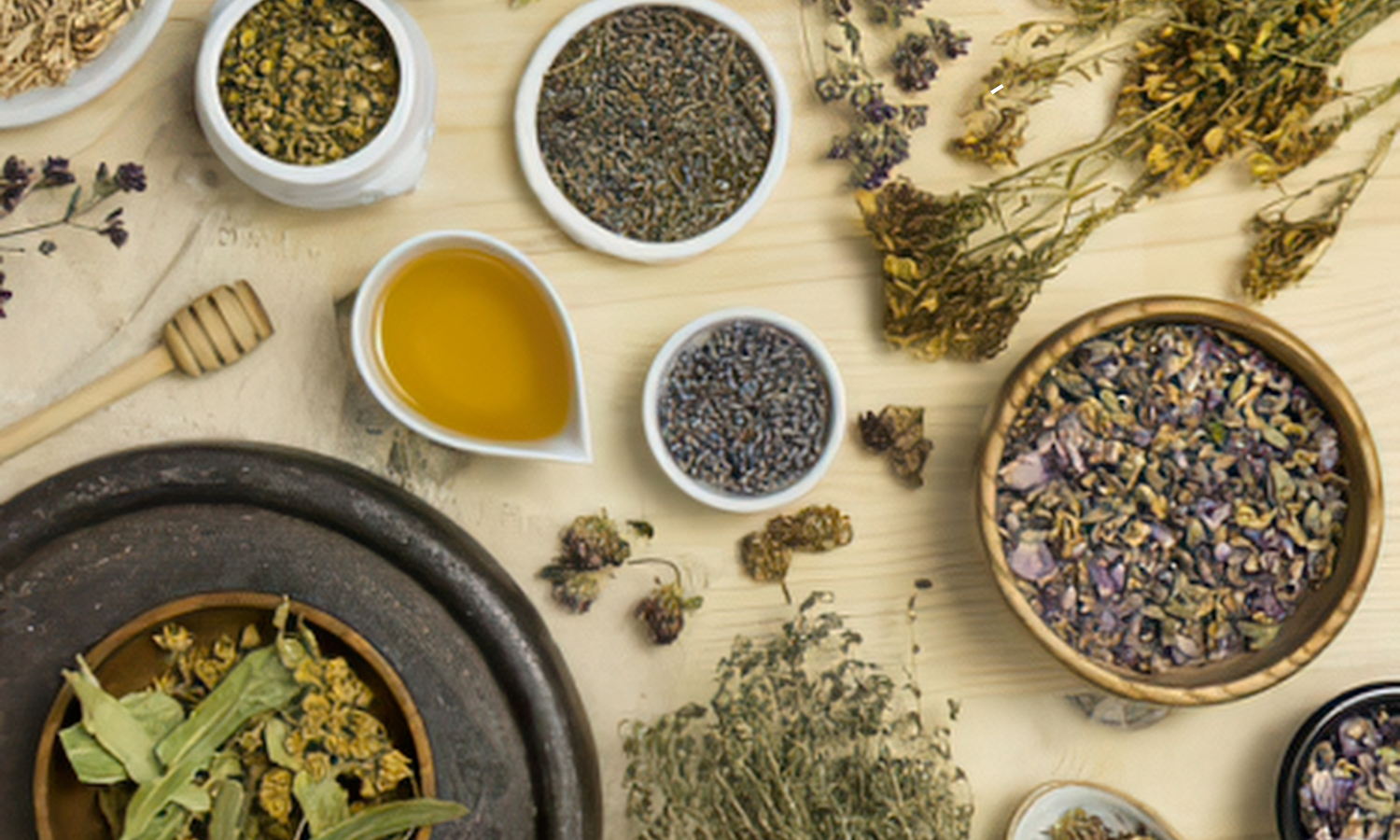
Herbal remedies for eczema occupy an awkward space between the uncritical enthusiasm of natural health communities and the blanket dismissal of conventional medicine. Both positions miss what is actually a varied and genuinely interesting picture — some herbal approaches have published clinical trial evidence, specific and coherent mechanisms, and appropriate safety profiles; others have neither evidence nor safety. The difference matters, and it's worth examining each option on its own merits rather than treating herbal remedies as a category.
Why Do People Use Herbal Remedies For Eczema?
Many people are attracted to herbal remedies because they are perceived as:
Natural
Gentle
Traditional
Less processed
Others are interested in complementary approaches that may support their existing skincare routine.
Because eczema involves:
Dry skin
Skin barrier dysfunction
Inflammation
Itching
many herbal ingredients are marketed as potential solutions.
Colloidal oatmeal: the strongest evidence and the clearest mechanism
Colloidal oatmeal is the most evidence-supported topical herbal ingredient for eczema — and the one most commonly underestimated as a "basic" rather than genuinely active ingredient.
Colloidal oatmeal's primary active compounds for eczema are avenanthramides — polyphenol alkaloids unique to oats that inhibit NF-κB-mediated inflammatory cytokine production and have documented activity against C. acnes and S. aureus. Separately, oat beta-glucan forms a film on the skin surface that reduces transepidermal water loss and provides a physical barrier component alongside the anti-inflammatory chemistry.
The FDA has recognised colloidal oatmeal as a skin protectant since 2003. Multiple randomised controlled trials have shown significant improvements in SCORAD and EASI scores with colloidal oatmeal preparations versus vehicle control. It is one of the very few natural ingredients with both specific mechanism and clinical trial data specifically for eczema.
Aloe vera: soothing rather than therapeutic
As covered in the dedicated aloe vera eczema article in this series, aloe vera's primary contribution to eczema management is acemannan-mediated soothing and antimicrobial activity against S. aureus colonisation. It is most coherently useful as a cooling comfort measure on calm eczema skin and as a component in multi-ingredient formulations rather than as a standalone therapeutic agent. Inner leaf gel preparations without aloin are the appropriate form for eczema-prone skin.
Chamomile: bisabolol's specific mechanism and the contact allergen caveat
Chamomile's skin relevance is primarily through (-)-α-bisabolol — a sesquiterpene alcohol that inhibits inflammatory mediator production through COX-1 inhibition and has documented activity against S. aureus at low concentrations. Azulene (chamazulene), produced during steam distillation, provides additional anti-inflammatory properties through prostaglandin inhibition.
The evidence for topical chamomile preparations in eczema is limited — one RCT showed chamomile cream comparable to 0.25% hydrocortisone for mild atopic eczema, though the study was small and not replicated. The mechanism is specific and coherent; the clinical evidence base is modest.
The most important safety caveat: chamomile is in the Asteraceae (daisy) family — people with composite flower allergy (hay fever triggered by daisies, chrysanthemums, or ragweed) are at significantly elevated risk of contact sensitisation from chamomile preparations. Always patch test before use on eczema-prone skin.
Calendula: triterpenoids and the wound healing evidence
Calendula officinalis's relevant compounds for skin are triterpenoid saponins (oleanolic acid glycosides) and flavonoids (quercetin, isorhamnetin) with documented anti-inflammatory and wound-healing properties. The triterpenoid saponins have demonstrated activity against inflammatory cytokine production in vitro; the flavonoid content provides antioxidant activity relevant to the oxidative stress component of eczema.
Published evidence for calendula specifically in eczema is limited — most trials are in wound healing and diaper dermatitis rather than atopic eczema. The anti-inflammatory mechanism is coherent; the direct eczema evidence base is thin.
Safety: calendula is also in the Asteraceae family — the same composite flower allergy caveat applies as for chamomile. The two herbs share a contact sensitisation risk profile in Asteraceae-sensitive individuals.
Borage oil and evening primrose oil: the GLA pathway
Both borage oil (approximately 20–26% GLA) and evening primrose oil (approximately 8–10% GLA) contain gamma-linolenic acid — an omega-6 fatty acid that bypasses the delta-6-desaturase enzyme step required for ALA conversion to longer-chain fatty acids.
The proposed mechanism: eczema patients show reduced delta-6-desaturase activity, limiting their conversion of linoleic acid to GLA and downstream anti-inflammatory prostaglandins. Supplementing GLA directly bypasses this enzymatic step and shifts prostaglandin production toward less inflammatory series-1 variants.
The evidence for oral GLA supplementation in eczema has been a consistent disappointment relative to its mechanistic promise. A 2003 Cochrane review found no significant benefit of evening primrose oil over placebo; subsequent borage oil trials have produced similarly inconsistent results. The mechanism remains coherent but the clinical outcomes haven't supported it.
Topical borage oil and evening primrose oil have more limited evidence than oral supplementation — the assumption that topical application delivers meaningful GLA to the relevant metabolic pathways hasn't been demonstrated.
Recommended Products
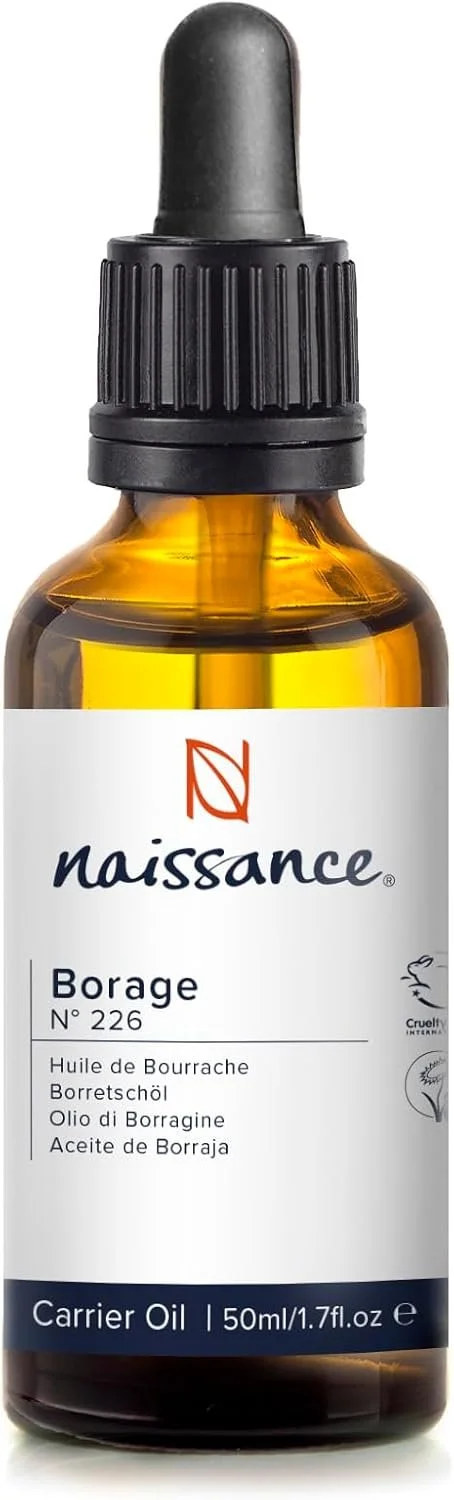
Naissance Borage Seed Oil Cold Pressed
cold-pressed borage oil providing the highest GLA concentration of any plant oil. For those specifically wanting to trial topical borage application on settled eczema-prone skin — apply a small amount mixed with a fragrance-free carrier and patch test first.
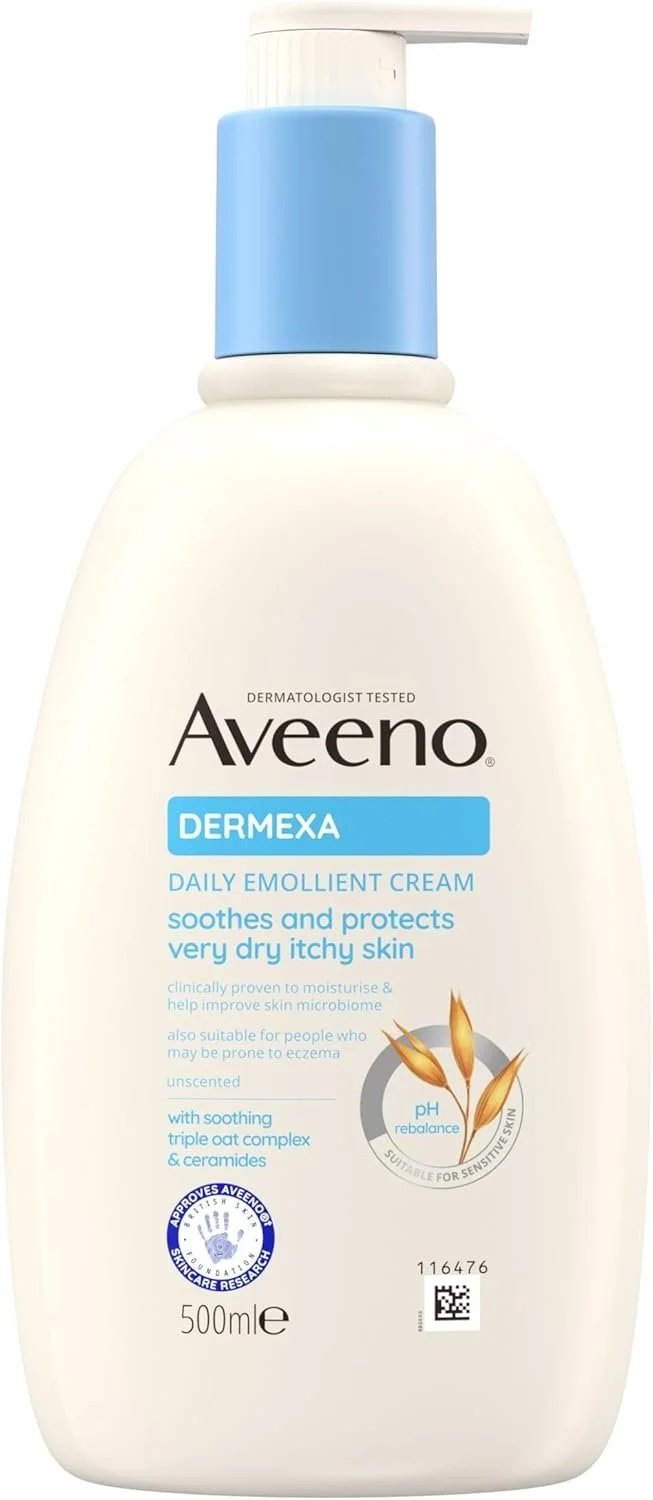
Aveeno Dermexa Daily Emollient Cream
a colloidal oatmeal-containing emollient specifically formulated for eczema-prone skin, fragrance-free and dermatologist tested. One of the most practically accessible ways to incorporate colloidal oatmeal's documented anti-inflammatory and barrier-supporting properties into a daily emollient routine.
Coconut Oil
Coconut oil is frequently recommended online for eczema.
Its popularity comes from its moisturising properties.
However, responses vary considerably.
Some people find coconut oil beneficial, while others prefer lighter moisturisers.
Chinese herbal medicine: the most specific clinical evidence
Chinese herbal medicine (TCM) for eczema has the most specific and most rigorous published evidence of any herbal approach in this article — and the most significant safety considerations.
The 1992 Lancet RCT by Sheehan et al. is the landmark study: a double-blind crossover trial in 37 children and 31 adults with severe atopic eczema found that a standardised decoction of ten Chinese herbs produced significant reductions in eczema severity scores (SSAS) versus placebo. The improvement was clinically meaningful — not marginal.
The mechanism is not fully characterised, but includes: anti-inflammatory glycosides from Rehmannia glutinosa; anti-Th2 immune modulation from several formula components; and antimicrobial activity against S. aureus from multiple herbs in the formula.
The safety concern is real and important: TCM herbal preparations have been associated with hepatotoxicity — liver damage — in case reports. This is primarily from individual practitioners' prescriptions rather than standardised formulas, and is not universal, but requires appropriate caution. If pursuing TCM for eczema, a qualified and registered practitioner (RCHM-registered in the UK) with liver function monitoring for long-term use is the appropriate pathway.
Tea tree oil: the contact sensitisation risk
As covered in the dedicated tea tree oil eczema article in this series, terpinen-4-ol has specific antimicrobial activity against S. aureus — the bacterium most consistently associated with eczema severity amplification. The critical safety consideration for eczema-prone skin is contact sensitisation risk (higher than for healthy skin) and the increased allergenicity of oxidised preparations. Always diluted; never undiluted; stored correctly to prevent oxidation.
Liquorice root: the glycyrrhizin mechanism and the blood pressure caveat
Glycyrrhizin — liquorice root's primary active compound — inhibits 11β-hydroxysteroid dehydrogenase, the enzyme that converts cortisone to cortisol. This effectively produces a mild cortisol-mimicking effect that can reduce local inflammation, which is why topical glycyrrhizin preparations have documented activity in eczema. Some topical preparations achieve meaningful anti-inflammatory effect without the systemic consequences of topical steroids.
The oral safety caveat is important: glycyrrhizin's cortisol-mimicking mechanism can cause sodium retention and potassium loss with chronic high-dose oral consumption, raising blood pressure and causing pseudohyperaldosteronism. Topical liquorice preparations at appropriate concentrations do not carry this systemic risk in the same way; high-dose liquorice supplements consumed daily over months do.
The "natural doesn't mean safe" principle applied specifically
The Asteraceae contact sensitisation risk (chamomile, calendula, echinacea), the tea tree oxidation allergenicity increase, the TCM hepatotoxicity reports, and the liquorice blood pressure risk are all specific and practically important safety considerations that the "natural is gentle" framing obscures. Patch testing before any new topical herbal preparation, and GP discussion before any oral herbal supplement alongside medication, are non-negotiable rather than optional cautions.
What Does The Research Say Overall?
The evidence for herbal remedies and eczema is mixed.
Some ingredients appear promising for:
Supporting hydration
Improving skin comfort
Supporting skin barrier function
However, few herbal remedies have strong clinical evidence showing they directly improve eczema symptoms.
Many studies are:
Small
Short-term
Difficult to compare
This makes it challenging to draw definitive conclusions.
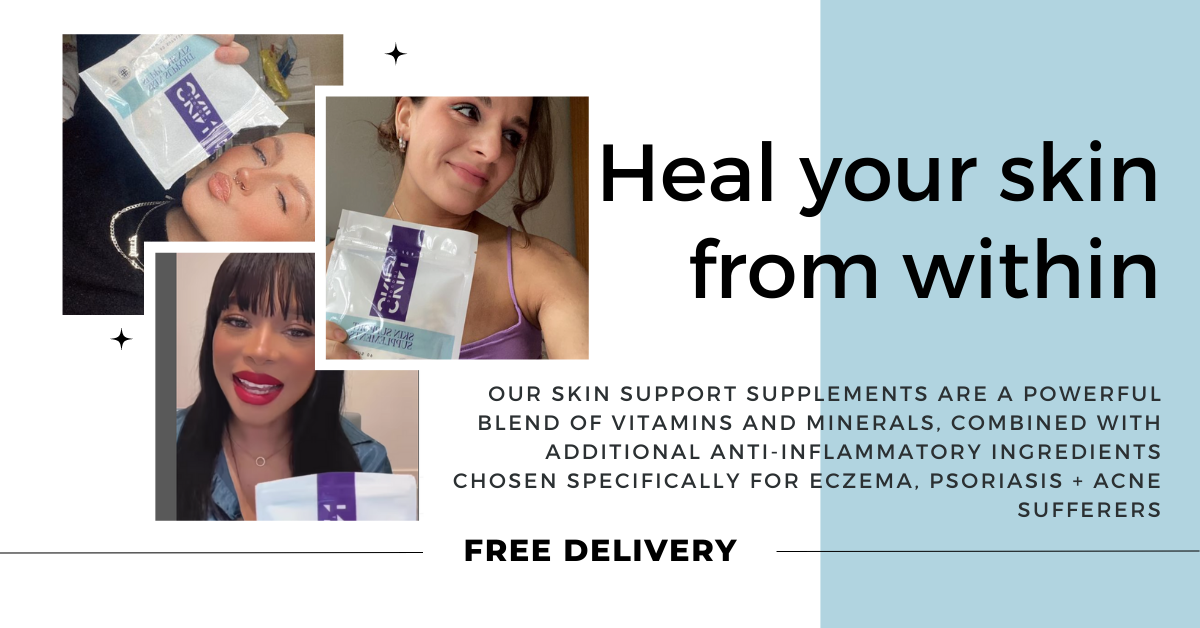
Supplement Support For Skin Health
Herbal remedies address specific surface or systemic dimensions of eczema — the filaggrin deficit, Th2 immune dysregulation, and nutritional deficiencies that determine eczema's baseline severity require internal nutritional support alongside any herbal approach.
Drought's Skin Support Formula provides vitamin D for filaggrin upregulation, zinc for barrier repair and S. aureus immune regulation, vitamin C for antioxidant barrier support, and 11 other nutrients — addressing the internal foundations that herbal remedies work alongside but cannot establish. Made in the UK, suitable for vegetarians, designed for consistent long-term daily use.
FAQ
What is the best herbal remedy for eczema?
Colloidal oatmeal has the strongest clinical evidence — multiple RCTs showing SCORAD improvement with specific mechanism (avenanthramide NF-κB inhibition). TCM with a qualified practitioner has the most specific clinical trial data of any multi-herb approach.
Can aloe vera help eczema?
Some people find aloe vera soothing, although evidence specifically supporting its use for eczema remains limited.
Is borage oil good for eczema?
The GLA mechanism is coherent — bypassing reduced delta-6-desaturase activity. Clinical trials have produced inconsistent results; evidence is weaker than the mechanism suggests.
Are herbal remedies safer than conventional skincare?
Not necessarily. Natural ingredients can still cause irritation or allergic reactions.
Does Chinese herbal medicine help eczema?
The 1992 Lancet RCT showed significant improvement in severe atopic eczema with a standardised ten-herb decoction. Liver function monitoring and a qualified RCHM-registered practitioner are appropriate safeguards.
Is chamomile safe for eczema?
For most people — yes, with patch testing. People with Asteraceae/composite flower allergy are at elevated contact sensitisation risk.
Should I replace my eczema skincare routine with herbal remedies?
Most herbal remedies are best viewed as complementary rather than replacements for established skincare approaches.
Is liquorice root safe for eczema?
Topical glycyrrhizin preparations at appropriate concentrations are generally safe. High-dose chronic oral liquorice supplementation can cause blood pressure elevation through pseudohyperaldosteronism.
Summary
Herbal remedies for eczema range from genuinely evidenced (colloidal oatmeal, TCM with appropriate supervision) through coherently mechanistic but clinically unproven (chamomile bisabolol, calendula triterpenoids, liquorice glycyrrhizin) to mechanistically plausible but consistently disappointing in trials (oral GLA from borage and evening primrose). Contact sensitisation risk from Asteraceae family herbs, tea tree oxidation allergenicity, TCM hepatotoxicity, and liquorice blood pressure effects are the four most important safety considerations that the "natural is safe" framing consistently underplays.
In Short
Herbal remedies have been used for skin conditions for centuries.
Some herbs can help support skin hydration and comfort.
Evidence varies significantly between different herbal ingredients.
Natural does not automatically mean safe or effective.
More research is needed for many popular eczema remedies.
Herbal compounds address specific inflammatory pathways at the surface — vitamin D, zinc, and vitamin C address the filaggrin deficit, barrier repair, and antioxidant foundations internally. Drought's Skin Support Formula provides all three alongside 11 other nutrients, addressing the internal dimensions that herbal remedies work alongside but cannot reach. Made in the UK, suitable for vegetarians, designed for consistent long-term daily use.
Start your skin support journey →
Written by the Drought Skin team — specialists in natural support for psoriasis and eczema.
Disclaimer: This article contains affiliate links. We earn a very small commission from each purchase made through these links. There is no additional cost to you. All products featured have been specifically selected as products we personally use and love. For further information, please see our disclaimer page.
-
Aloe Vera for Eczema: What It Does, What It Doesn't & the Contact Allergen Risk
Tea Tree Oil for Eczema: The S. Aureus Mechanism, Safe Dilution & the Oxidation Risk
Essential Oils for Eczema: Which Are Safe, Which Aren't & How to Use Them
The Eczema Diet: Foods That Help, Foods to Avoid & What the Evidence Shows
