
Hormones & Eczema: The Oestrogen-Filaggrin Connection, Cyclical Flares & What to Do
Eczema flares that follow the menstrual cycle, worsen in perimenopause, or change with the contraceptive pill all have specific hormonal mechanisms. Here's the science behind each pattern.
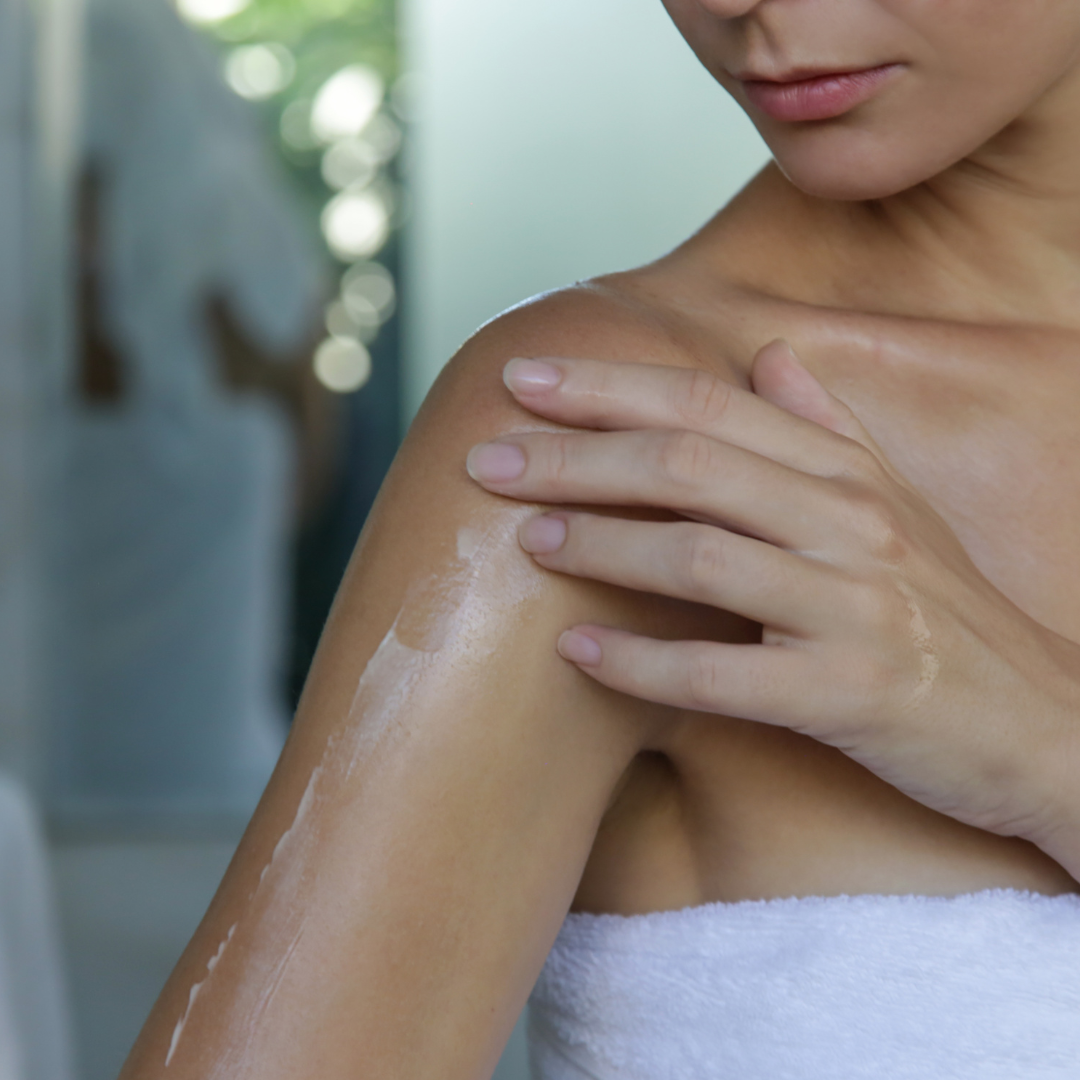
Bio-Oil & Eczema: Why the Fragrance and Oleic Acid Profile Make It Inappropriate for Most Presentations
Bio-Oil's fragrance contains linalool and lavender oil — both documented contact allergens for eczema-prone skin. Here's why it's generally inappropriate for eczema and what to use instead.

Perfume & Eczema: Why Fragrance Is the Most Common Contact Allergen & How to Navigate It
Fragrance is the most common contact allergen in cosmetics — and eczema skin's elevated permeability makes it significantly more vulnerable. Here's the mechanism, the EU allergen list, and practical guidance.

Herbal Remedies for Eczema: Mechanism by Mechanism, Evidence by Evidence
Herbal remedies for eczema range from genuinely evidenced to potentially harmful. Here's the mechanism and evidence for each major option — honestly assessed.

Skin Cycling With Eczema: Why the Standard Protocol Doesn't Work & What to Do Instead
Standard skin cycling is too aggressive for eczema-prone skin — but a modified version for settled skin makes sense. Here's what to change and what to keep.

Anxiety & Eczema: Why the Connection Is Deeper Than 'Stress Causing a Rash'
Anxiety and eczema share a specific and bidirectional biological relationship — not just "stress causes flares." Here's the mechanism and what the evidence shows for breaking the cycle

Eczema and Dairy: The IgE vs Non-IgE Distinction, What the Evidence Shows & How to Test It
Dairy and eczema have a real but nuanced relationship — IgE milk allergy is different from non-IgE delayed reactions. Here's how to tell them apart and whether elimination is worth trying.

Cleansers for Eczema: What Works, What Doesn't & the SLS Warning
The wrong cleanser is one of the most common eczema mistakes. Here's the SLS mechanism, the aqueous cream cautionary tale, and what to use instead.
Microplastics & Eczema: The TLR4 Inflammatory Mechanism, What the Research Shows & What to Do
Microplastic particles activate TLR4 receptors and trigger the same NF-κB inflammatory cascade that drives eczema — while nanoplastics penetrate eczema's compromised barrier more efficiently than intact skin. Here's what the research shows.

Flying with Eczema: The 10–15% Humidity Mechanism, Cortisol Stress Response & What to Do
Aircraft cabin humidity drops to 10–15% — far below the 40–60% threshold comfortable for eczema skin. Combined with cortisol stress elevation and recycled air histamine exposure, flying is one of the most specific eczema environments there is. Here's what helps.

Can Vaping Make Eczema Worse? What the Evidence Actually Shows
Vaping is marketed as cleaner than smoking — but e-cigarette aerosol contains compounds that may worsen eczema through specific mechanisms. Here's what the evidence shows.

Fibre & Eczema: How Butyrate, F. prausnitzii & the Gut-Skin Axis Connect
Soluble fibre feeds Faecalibacterium prausnitzii, which produces butyrate — a short-chain fatty acid that reduces the intestinal permeability and systemic inflammation most consistently linked to eczema severity. Here's what the evidence shows