
Bio-Oil & Eczema: Why the Fragrance and Oleic Acid Profile Make It Inappropriate for Most Presentations
Bio-Oil is one of the most widely owned skincare products in UK households — and one of the most frequently asked about in the eczema community. Its widespread recommendation for dry skin and scarring makes the eczema safety question a natural one. The honest answer is more specific than "patch test and see."
What Is Bio-Oil?
Bio-Oil is a cosmetic skincare oil formulated to improve the appearance of:
scars
stretch marks
uneven skin tone
ageing skin
dehydrated skin
Its ingredients typically include:
mineral oil
plant extracts such as calendula, lavender, rosemary and chamomile
vitamins A and E
fragrance
These ingredients help create a protective layer on the skin that reduces moisture loss and leaves skin feeling softer.
What Bio-Oil actually contains
Bio-Oil's formulation has evolved over the years but its core composition remains: mineral oil (the primary carrier), PurCellin Oil (a synthetic analogue of the uropygial gland oil of the European preening duck — a triglyceride that reduces the heavy viscosity of pure mineral oil to a lighter, faster-absorbing texture), plant extracts (calendula, lavender, rosemary, chamomile), and vitamins A and E alongside fragrance.
The PurCellin Oil is the most distinctive and most discussed component — it genuinely does improve the skin feel of the mineral oil base by altering its viscosity profile, allowing faster absorption without the greasy residue of plain mineral oil alone.
The plant extracts and fragrance are the problem for eczema-prone skin.
Can Bio-Oil Help Eczema?
Bio-Oil may improve skin comfort by moisturising dry areas, but there is no strong evidence that it treats eczema itself.
Eczema is an inflammatory skin condition involving a weakened skin barrier and an overactive immune response. Although moisturising is one of the foundations of eczema care, not every moisturiser is equally suitable.
Some people find oils helpful between flare-ups because they:
soften rough skin
reduce tightness
decrease moisture loss
improve skin comfort
However, Bio-Oil does not address the underlying inflammation that causes eczema.
Why Moisturising Matters
One of the biggest problems in eczema is a damaged skin barrier.
A healthy skin barrier keeps moisture inside the skin while helping to block irritants, allergens and bacteria from entering. When this barrier becomes damaged, water escapes more easily, leading to dryness, cracking and itching.
Regular moisturising helps:
reduce transepidermal water loss (TEWL)
soften dry skin
improve flexibility
reduce irritation
support barrier repair
Products that lock moisture into the skin can therefore be helpful as part of an overall eczema routine.
Could Bio-Oil Make Eczema Worse?
For some people, yes.
One consideration is that Bio-Oil contains fragrance, which can irritate sensitive skin in some individuals. Fragrance is a common trigger for irritation, particularly during active eczema flare-ups.
People with eczema often have a more reactive skin barrier, making them more likely to notice stinging or irritation from fragranced products.
If your eczema is currently inflamed, cracked or weeping, Bio-Oil is unlikely to be the best first choice.
The fragrance contact allergen issue
Bio-Oil contains fragrance — declared as "parfum" on the ingredient list — alongside lavender oil listed separately. For eczema-prone skin, this combination represents the two most significant contact allergen concerns in a single product.
Lavender oil contains linalool — a monoterpene alcohol present in high concentrations in lavender that is one of the most commonly documented contact allergens in the EU fragrance allergen list. As covered in the lavender eczema article in this series, linalool itself has relatively low sensitisation potential when fresh — but it oxidises on exposure to air and light, producing linalool hydroperoxides that are significantly more allergenic. Lavender oil in a product that sits in a bathroom for months is at meaningful oxidation risk.
Parfum (fragrance) is the collective label for an unspecified mixture of fragrance compounds — any of which could include the 26 EU-regulated fragrance allergens without individual declaration below threshold concentrations. For eczema-prone skin with elevated barrier permeability, fragrance compounds penetrate more rapidly and trigger Type IV delayed hypersensitivity contact reactions more efficiently than on intact skin.
This is not a theoretical concern — fragrance contact allergy is one of the most consistently documented complications of topical product use in eczema patients, and Bio-Oil's lavender and parfum content places it firmly in the category of products that require specific caution rather than routine recommendation for eczema-prone skin.
The oleic acid concern
Bio-Oil's carrier oil base has a high oleic acid content — oleic acid being the primary fatty acid in many plant oils including rosehip and the oil fraction of the plant extracts it contains.
As covered in the olive oil eczema article in this series, oleic acid at high concentrations has been shown to disrupt ceramide synthesis in the stratum corneum, worsening the ceramide deficit that eczema skin is already defined by. This is a specific and counterintuitive concern — an oil that feels moisturising on application may simultaneously be degrading the lipid structure of the barrier it's being applied to.
The oleic acid concern is particularly relevant for infant eczema skin, where the ceramide deficit is most pronounced and the barrier most vulnerable to oleic acid disruption. The widespread recommendation of Bio-Oil for baby skin generally — given its overall moisturising reputation — conflicts directly with this specific mechanism for eczema-prone infant skin.
Is Bio-Oil Suitable During an Eczema Flare?
Generally, no.
During a flare-up, dermatology guidance usually recommends:
fragrance-free emollients
gentle cleansing
avoiding known irritants
anti-inflammatory treatments prescribed or recommended by a healthcare professional when needed
Once inflammation has settled, some people choose to use cosmetic oils on areas of persistent dryness, but this varies from person to person.
When Bio-Oil is most likely to cause a reaction
Active eczema flare: compromised barrier with elevated permeability means fragrance allergens penetrate more rapidly, sensitisation occurs at lower concentrations, and the lavender contact allergen risk is highest. Never apply Bio-Oil to actively inflamed, broken, or weeping eczema skin.
Infant eczema: higher sensitisation risk from fragrance contact allergens in developing immune systems, greater systemic absorption through thinner skin, and the oleic acid ceramide disruption concern all apply simultaneously.
Established fragrance sensitivity: if you react to other fragranced products — perfume, fragranced lotions, scented detergents — Bio-Oil's lavender and parfum content makes it a high-risk product regardless of eczema status.
Well-controlled mild eczema without fragrance sensitivity: the risk is lower but not eliminated. If considering Bio-Oil for settled eczema skin, patch test on a small non-affected area for 48 hours rather than 24 — Type IV contact reactions peak at 48–72 hours.
Can Bio-Oil Help Eczema Scars?
Eczema doesn't usually cause true scars unless there has been significant skin damage or infection.
More commonly, eczema leaves behind:
darker patches (post-inflammatory hyperpigmentation)
lighter patches
temporary changes in skin colour
Bio-Oil is marketed for improving the appearance of scars, but there is limited evidence that it improves eczema-related skin changes specifically.
The most effective way to minimise long-term skin changes is to:
manage eczema early
reduce scratching
keep the skin moisturised
treat flare-ups promptly
What Bio-Oil can genuinely do
The mineral oil and PurCellin Oil base provides occlusive barrier protection — reducing TEWL through the same mechanism as petrolatum, and absorbing more comfortably than plain petroleum jelly. For non-eczema dry skin without fragrance sensitivity, this is genuinely useful.
For eczema-related post-inflammatory hyperpigmentation on settled, non-inflamed skin without fragrance sensitivity — some people find Bio-Oil helpful. The vitamin A and E content provides mild antioxidant activity, and the mineral oil occlusion reduces the TEWL that slows PIH fading.
The limitation is that these benefits don't justify the fragrance contact allergen risk for most people with eczema — better-evidenced, fragrance-free alternatives provide equivalent or superior benefit without the sensitisation concern.
Bio-Oil vs Fragrance-Free Emollients
For most people with eczema, a simple fragrance-free emollient remains the preferred option.
Compared with Bio-Oil, fragrance-free emollients are generally:
less likely to irritate sensitive skin
designed specifically for eczema
suitable for frequent application
recommended by healthcare professionals
Bio-Oil may be better viewed as a cosmetic moisturising product rather than an eczema treatment.
Who Might Benefit?
Some people may find Bio-Oil helpful if:
their eczema is well controlled
they mainly experience mild dryness
they are not sensitive to fragrance
they want additional moisturising after applying their regular emollient
Everyone's skin is different, so results vary.
Who Should Be Cautious?
You may want to avoid Bio-Oil if you have:
active eczema flare-ups
cracked or broken skin
severe itching
known fragrance sensitivity
a history of allergic reactions to skincare products
If you're unsure, patch-testing a small area first is sensible.
Fragrance-free alternatives
For people who want the moisturising and PIH-fading benefit of Bio-Oil without the fragrance risk:
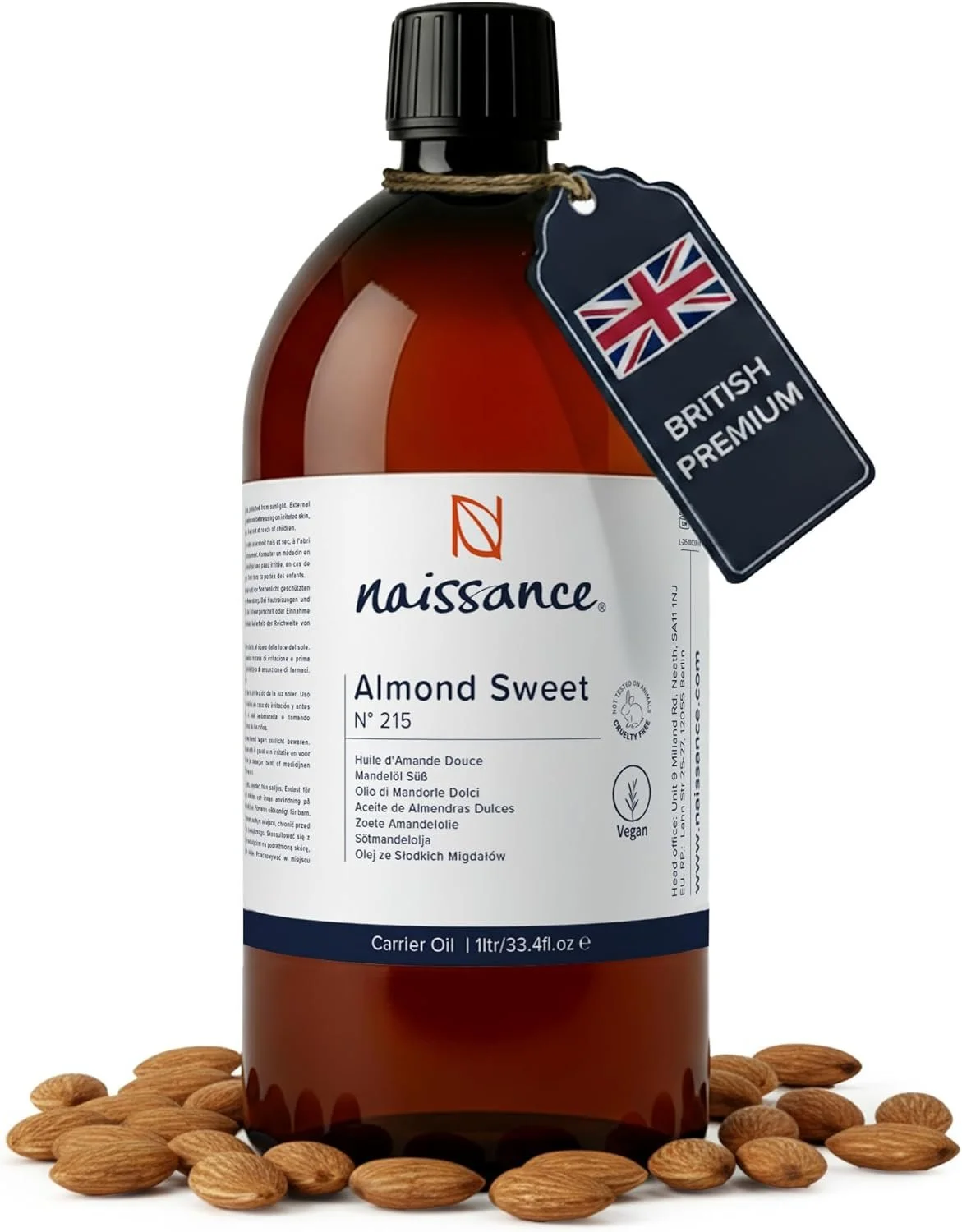
Naissance Sweet Almond Oil
a fragrance-free, mild carrier oil with a more balanced oleic/linoleic ratio than Bio-Oil's plant extract blend, providing light occlusive moisturising without the heavy texture of petroleum jelly. Appropriate for settled eczema skin as a daily body oil between emollient applications.
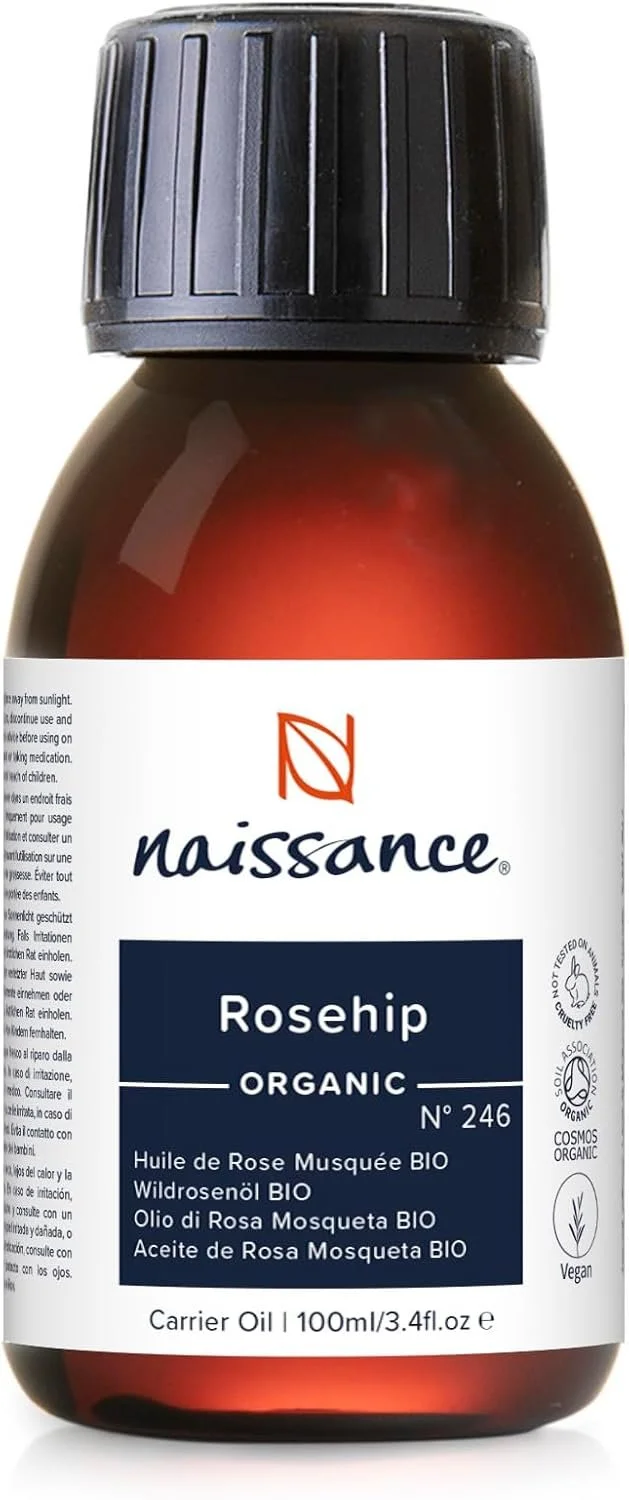
Naissance Rosehip Seed Oil Cold Pressed
a fragrance-free, cold-pressed rosehip oil providing vitamin A (as beta-carotene), vitamin E, and approximately 35–40% linoleic acid — a fatty acid profile that is specifically more appropriate for eczema-prone skin than oleic-dominant oils. The linoleic acid content supports ceramide synthesis rather than disrupting it, and the vitamin A precursor content provides the mild skin cell turnover support relevant to PIH fading without fragrance contact allergen risk.
Better Everyday Habits for Eczema
Whether or not you choose Bio-Oil, these habits can help support eczema-prone skin:
moisturise several times daily with a suitable emollient
use lukewarm rather than hot water
avoid harsh soaps and heavily fragranced skincare
moisturise immediately after bathing
identify personal triggers where possible
avoid scratching, as this can damage the skin barrier further
Consistency is often more important than using a particular product.
Supporting your skin from within
Bio-Oil addresses the skin surface — the ceramide deficit, Th2 immune dysregulation, and nutritional deficiencies driving eczema severity require internal support that no topical oil provides. Vitamin D's filaggrin upregulation, zinc's keratinocyte barrier repair, and vitamin C's antioxidant barrier support address the internal foundations that determine how fragile eczema skin is to contact allergen exposure.
Drought's Skin Support Formula provides all three alongside 11 other nutrients — supporting the internal barrier foundations that determine how vulnerable eczema skin is to every topical product it encounters, including fragrance. Made in the UK, suitable for vegetarians, designed for consistent long-term daily use.
Frequently Asked Questions
Is Bio-Oil good for eczema?
It may help moisturise dry skin, but it isn't designed to treat eczema and may not suit everyone, especially those with fragrance sensitivity.
Is Bio-Oil safe for eczema?
Not for most presentations — its lavender oil and parfum content includes linalool, a documented EU fragrance allergen, and its oleic acid profile may disrupt ceramide synthesis on already-compromised eczema barrier skin. Most appropriate for well-controlled, mild eczema in people without fragrance sensitivity — not for active flares, infant eczema, or established fragrance sensitivity.
Can Bio-Oil make eczema worse?
Yes — through two mechanisms. Linalool and other fragrance compounds in lavender oil and parfum trigger Type IV delayed hypersensitivity contact reactions on eczema-prone skin. Oleic acid from the oil base may disrupt ceramide synthesis, worsening the barrier deficit that defines eczema. Both mechanisms operate independently and can occur in the same individual simultaneously.
Can I use Bio-Oil on baby eczema?
No — infant eczema skin has higher sensitisation risk, thinner skin producing greater systemic fragrance compound absorption, and the most pronounced ceramide deficit making it most vulnerable to oleic acid disruption. Use fragrance-free emollients specifically formulated for infant skin — Cetraben, Aveeno Baby Eczema Therapy, or Doublebase Gel are appropriate options.
Does Bio-Oil help eczema scars?
Eczema doesn't produce true structural scars unless there has been significant secondary infection or skin damage — the skin changes most commonly attributed to eczema scarring are post-inflammatory hyperpigmentation (flat brown or red marks) or hypopigmentation (lighter patches). Bio-Oil's marketing for scar improvement is primarily relevant to atrophic and hypertrophic scarring rather than PIH. For eczema PIH specifically, vitamin C serums and azelaic acid on settled, non-inflamed skin have stronger specific evidence than Bio-Oil.
What is PurCellin Oil in Bio-Oil?
PurCellin Oil is a synthetic analogue of the preening gland oil of the preening duck — a triglyceride that reduces the viscosity of mineral oil to allow faster absorption and a lighter skin feel. It is the most distinctive Bio-Oil formulation ingredient and is what differentiates Bio-Oil's texture from plain mineral oil. PurCellin Oil itself is not a fragrance allergen concern — the fragrance concern comes from the lavender oil and parfum listed separately.
What can I use instead of Bio-Oil for eczema?
Fragrance-free cold-pressed rosehip oil for post-inflammatory hyperpigmentation on settled skin — 35–40% linoleic acid content supports rather than disrupts ceramide synthesis. Fragrance-free sweet almond oil for general body moisturising. For daily emollient use — Doublebase Gel, Epaderm, or CeraVe provide barrier repair ingredients (ceramides, glycerin) that Bio-Oil's mineral oil base doesn't contain.
Can I put Bio-Oil on eczema every day?
Some people tolerate daily use once their eczema is stable, but others may find it irritating. If you have active eczema, fragrance-free emollients are generally a better option.
Can Bio-Oil stop itching?
Bio-Oil may reduce dryness-related discomfort by helping the skin retain moisture, but it does not directly treat the inflammation that causes eczema-related itching.
Is Bio-Oil better than an emollient?
For eczema, fragrance-free emollients are generally preferred because they are specifically formulated to support the skin barrier and are less likely to irritate sensitive skin.
Summary
Bio-Oil's lavender oil and parfum content introduce documented fragrance contact allergens — particularly linalool — to eczema-prone skin that is significantly more vulnerable to sensitisation than intact skin. The oleic acid content from its plant extract fraction carries the same ceramide disruption concern as other oleic-dominant oils, most significantly for infant eczema. For most people with eczema — and particularly during flares, for infants, and for people with established fragrance sensitivity — Bio-Oil is not an appropriate first choice. Fragrance-free alternatives with better oleic/linoleic balance (rosehip, sweet almond) provide equivalent moisturising benefit without the fragrance contact allergen risk.
Written by the Drought Skin team — specialists in natural support for psoriasis, eczema and acne
Disclaimer: This article contains affiliate links. We earn a very small commission from each purchase made through these links. There is no additional cost to you. All products featured have been specifically selected as products we personally use and love. For further information, please see our disclaimer page.
