
Lavender & Eczema: The Linalool Contact Allergen Risk, When It Helps & How to Use It Safely

Lavender sits in an awkward position in eczema skincare. It is genuinely associated with calming, relaxation, and sleep — all of which matter for eczema management. And it does have mild anti-inflammatory and antimicrobial properties from its active compounds. But it is also one of the most well-documented contact allergens in skincare, and eczema-prone skin is at significantly elevated risk of becoming sensitised to it.
The honest guide to lavender for eczema has to hold both things simultaneously rather than either dismissing lavender entirely or recommending it uncritically.
Lavender for Eczema: Does It Actually Help?
Lavender has been used for centuries in skincare, aromatherapy and wellness — and it’s now one of the most talked-about essential oils for eczema-prone skin.
Many people use lavender because it’s associated with calming, soothing and relaxation. Others believe lavender oil may help reduce irritation, dryness and itching linked to eczema flare-ups.
But while some people find lavender soothing, others with sensitive skin discover it can actually trigger irritation instead.
That’s because eczema-prone skin already has a weakened skin barrier, making it more reactive to fragranced or concentrated ingredients.
Lavender may feel soothing for some people with eczema, but it isn’t automatically suitable for every skin type.
Why People Use Lavender for Eczema
Lavender essential oil is extracted from lavender plants and is widely used in skincare and aromatherapy.
People often use lavender because it’s linked to:
Relaxation
Stress relief
Skin soothing
Anti-inflammatory properties
Temporary itch relief
Stress is a common eczema trigger, which is one reason lavender is especially popular among people with flare-prone skin.
Lavender is often used as much for relaxation as for skincare itself.
The contact allergy issue: the most important thing to know first
Lavender essential oil is routinely identified as a contact allergen in patch testing studies across the UK and Europe. The primary sensitising compounds are linalool and linalyl acetate — the same compounds that give lavender its characteristic scent. These are not unusual or contaminating compounds; they are central to lavender's identity as a fragrance.
When these compounds oxidise (which occurs with exposure to air, heat, and light — the same oxidation problem discussed in the tea tree oil article), they become more allergenic. A bottle of lavender oil that has been open for some time is considerably more sensitising than a fresh, properly sealed product.
For eczema skin specifically, the risk is elevated for two reasons. First, the compromised barrier allows topical allergens to penetrate more readily, making contact sensitisation more likely than on intact skin. Second, people with eczema are already at elevated rates of contact sensitisation compared to the general population — their immune systems are primed for reactivity.
This doesn't mean lavender must be avoided categorically. It means that applying lavender essential oil directly to eczema-affected skin — as many "natural" skincare guides suggest — carries a meaningful and underappreciated risk of worsening the condition through contact allergy.

Where lavender has legitimate value for eczema
Aromatherapy — specifically for sleep and stress. This is lavender's strongest and most appropriately targeted application for eczema management. Lavender inhaled via diffuser or placed on a pillow does not contact the skin directly and does not carry the same sensitisation risk as topical application. Inhaled lavender has documented effects on the autonomic nervous system — promoting parasympathetic activity (calm, rest) and reducing cortisol. Given that stress is one of the most consistently documented eczema triggers, and that poor sleep both worsens eczema and is worsened by it, this indirect route is genuinely useful.
A few drops of lavender essential oil on a pillow case or in a bedroom diffuser — not on the skin — is the most appropriate lavender intervention for most people with eczema. This captures the relaxation and sleep benefit without the topical contact allergen risk.
Oral lavender. Oral lavender preparations (standardised lavender oil capsules) have been studied for anxiety reduction with promising results. Anxiety and stress are consistently documented eczema triggers. Oral lavender bypasses the skin contact issue and addresses the stress dimension of eczema management. The evidence base is developing but more solid than most complementary approaches.
Recommended Products
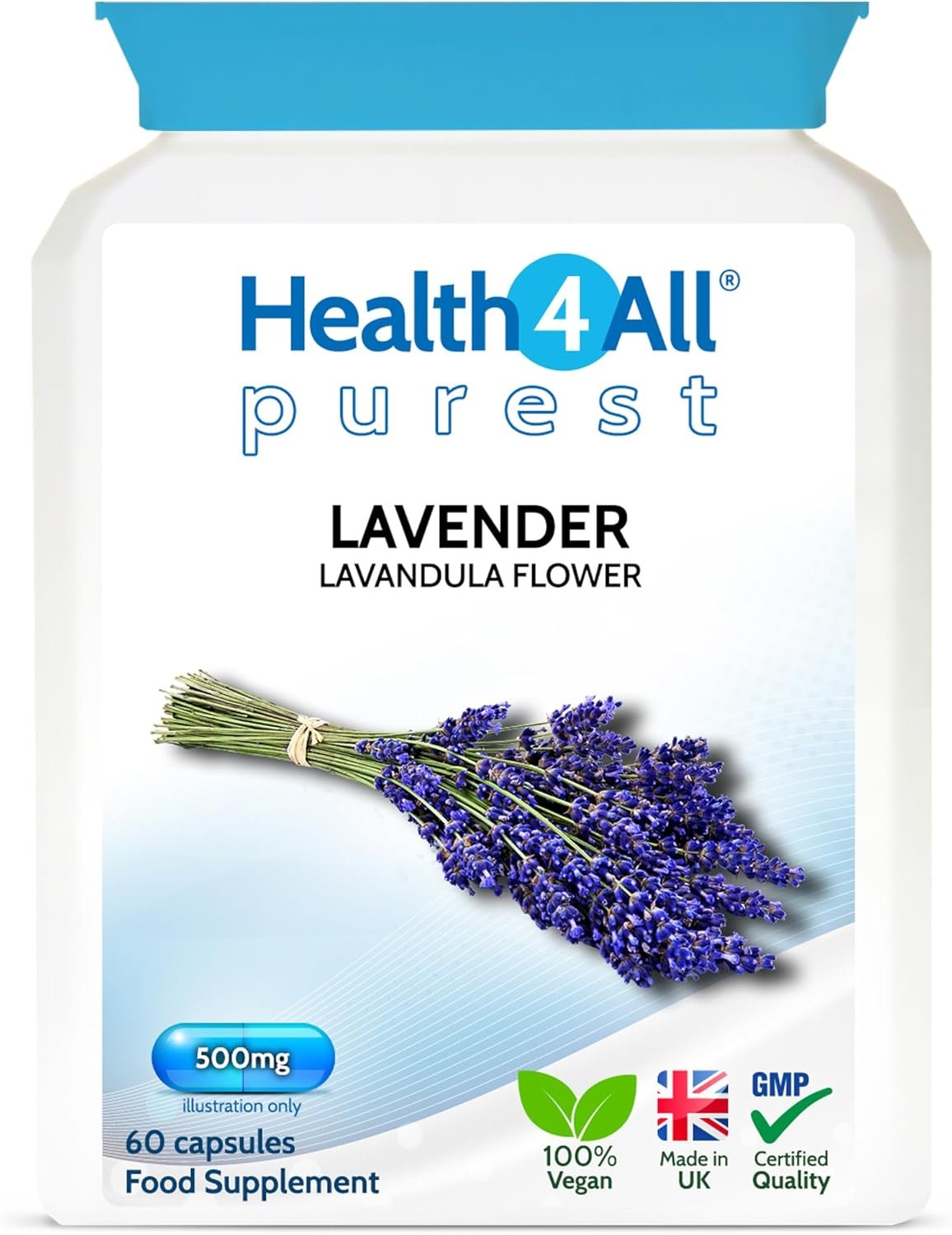
Health4All Lavender 500mg Capsules
a standardised oral lavender preparation. A safer route to lavender's calming effects for people with eczema who want to use it specifically for stress and anxiety support without topical contact allergen risk.
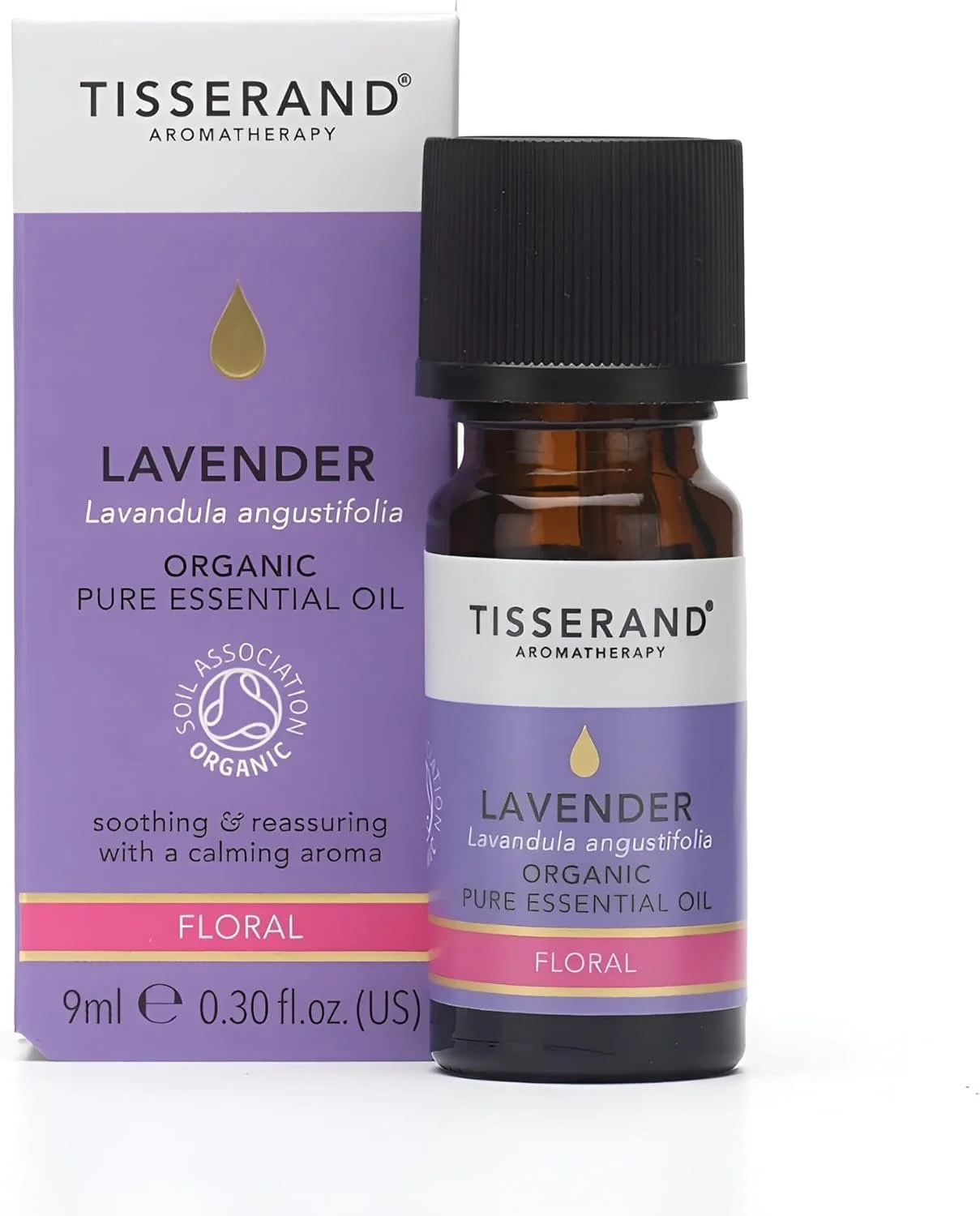
Tisserand Aromatherapy Lavender Organic Essential Oil
if using lavender via diffuser or pillow, a quality, organic product from a reputable aromatherapy brand. Not for topical application on eczema-affected skin.
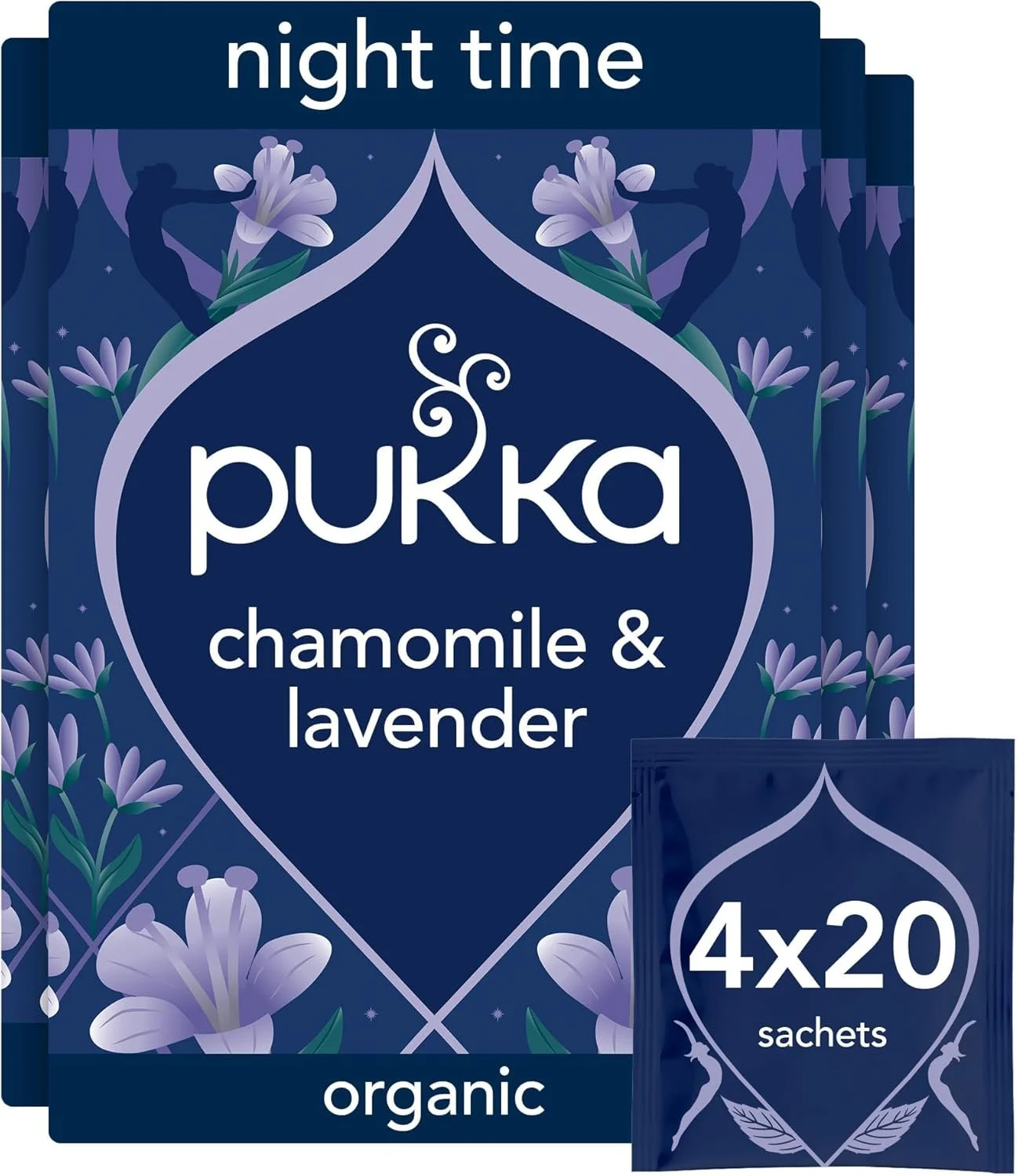
Pukka Herbs Night Time Organic Herbal Sleep Tea
a lavender-containing sleep tea providing the calming benefit of lavender orally in a pleasant, low-risk format. Suitable as an evening habit for the sleep-eczema connection
How to use lavender topically if you choose to
For anyone who wants to use lavender oil topically on non-eczema skin or very mild, stable eczema as an occasional application:
Dilute to no more than 1% in a suitable carrier oil — one drop per 5ml of carrier. Use a fresh, properly stored product and discard bottles that have been open for more than 12 months. Never apply undiluted. Never apply to broken, cracked, or actively inflamed eczema. Patch test on the inside of the elbow 24 hours before broader use. Stop immediately if any stinging, redness, or increased itch occurs.
Even with these precautions, for the eczema population specifically, aromatherapy and oral preparations carry considerably lower risk than topical application.
Important Safety Tips With Lavender Oil
If using lavender around eczema-prone skin, many people recommend:
1. Always Diluting Essential Oils
Pure oils may be too strong for sensitive skin.
2. Patch Testing First
This may help identify irritation before wider use.
3. Avoiding Broken Skin
Applying essential oils to cracked skin may increase stinging and reactions.
4. Keeping Routines Simple
Too many active ingredients may overwhelm sensitive skin.
5. Stopping Use if Irritation Occurs
Burning or worsening redness may suggest the skin barrier is reacting poorly.
Sensitive skin often responds better to gentle, minimal routines.
The stress-eczema-sleep connection: why lavender's indirect benefit matters
The mechanism through which lavender indirectly helps eczema is through the stress-cortisol-skin pathway covered in detail in the stress article in this series. Lavender inhaled before sleep activates the parasympathetic nervous system, lowers cortisol, and improves sleep onset. Better sleep means improved skin barrier repair overnight and reduced HPA axis dysregulation driving inflammatory skin responses.
For many people with eczema, addressing the stress and sleep dimensions of their condition produces more meaningful skin improvement than any topical treatment. Lavender aromatherapy is one of several tools that supports this — alongside breathwork, yoga (covered in their own articles in this series), and CBT through NHS IAPT.
Supplement Support for Dry, Sensitive Skin
Lavender addresses stress and sleep — important but not sufficient for eczema management. The nutritional foundations — vitamin D, zinc, omega-3s, and magnesium — support the immune and barrier dimensions that relaxation practices cannot reach.
Drought's Skin Support Formula provides 14 nutrients including magnesium (which also supports sleep and stress regulation alongside its skin-specific roles), zinc, vitamin D, and vitamin C — addressing the internal nutritional foundations that complement lavender's indirect stress and sleep benefits. Made in the UK, suitable for vegetarians, designed for consistent long-term daily use.
FAQ
Is lavender good for eczema?
Conditionally — and the conditions are more specific than most lavender-eczema content acknowledges. Lavender's linalool content has documented anti-inflammatory and mild antimicrobial properties that are genuinely relevant to eczema. Inhaled through diffusion, lavender reduces cortisol through HPA axis modulation — addressing the stress-triggered flare dimension without any skin contact allergen risk. Applied topically on eczema-prone skin, the same linalool that provides benefit is one of the most consistently documented EU fragrance allergens — with significantly elevated contact sensitisation rates in people with eczema whose compromised barrier allows faster and more efficient allergen penetration. The distinction between inhaled diffusion (lower risk, cortisol benefit) and topical application (higher risk, contact allergen concern) is the most practically important lavender-eczema guidance available.
Can lavender oil make eczema worse?
Yes — through Type IV delayed hypersensitivity contact sensitisation. Linalool from lavender oil penetrates eczema's compromised barrier more efficiently than intact skin, reaching dendritic cells and triggering T-cell mediated sensitisation. The reaction peaks at 48–72 hours after exposure rather than immediately — which is why people frequently fail to connect a lavender product applied two days earlier to a current flare. This timing lag makes lavender contact sensitisation one of the most consistently misattributed eczema triggers. If eczema consistently worsens 48–72 hours after lavender product use, contact sensitisation is the most likely explanation and GP referral for patch testing confirms it.
Why does lavender sometimes cause reactions after being tolerated for years?
Linalool oxidation — the most underappreciated lavender safety issue. Fresh lavender oil has relatively low sensitisation potential. But linalool oxidises on exposure to air and light, producing linalool hydroperoxides that are significantly more allergenic than the original compound. A lavender product stored in a bathroom for months — opened repeatedly, exposed to light and humidity — accumulates oxidised linalool that sensitises skin at concentrations the original fresh product would not. This explains why people who used lavender products without reaction for years suddenly develop contact eczema — the product has oxidised rather than the skin having changed. Always buy lavender products in small quantities, store away from light and heat, and discard partially used bottles after six months.
Is lavender in a diffuser safer than lavender applied to skin for eczema?
Yes — considerably safer and potentially more specifically beneficial. Diffused lavender provides inhaled linalool that reduces salivary cortisol through HPA axis modulation in published research — directly addressing the stress-flare pathway without delivering linalool to the skin surface where contact sensitisation occurs. People with eczema who want lavender's cortisol-reducing benefit can use diffusion safely regardless of whether they have topical linalool sensitivity. The risk profile is entirely different: inhaled lavender at diffuser concentrations does not produce topical contact allergen exposure. This makes diffusion the recommended format for eczema patients specifically, rather than topical products where linalool skin contact is direct and sustained.
Should lavender oil always be diluted for eczema?
Yes — but dilution reduces rather than eliminates the contact allergen risk for sensitised individuals. For people who have not yet developed linalool sensitivity, diluting lavender oil to 1% or below in a carrier oil before any skin application is the minimum appropriate precaution. For people who have already developed linalool contact sensitisation — identified through patch testing or consistent 48–72 hour post-exposure reactions — even diluted lavender oil will trigger reactions because the threshold for sensitised T-cell activation is very low. Patch testing at 1% dilution for 48 hours before any new topical lavender application is essential — and testing at 48 hours rather than 24 hours specifically to capture the Type IV delayed reaction peak.
What is linalool and why is it in lavender oil?
Linalool is a naturally occurring monoterpene alcohol comprising approximately 25–45% of lavender essential oil — the primary active compound responsible for both its characteristic scent and its biological activity. It is listed on the EU's 26 mandatory fragrance allergen declaration list — products must declare linalool when present above 0.001% in leave-on products and 0.01% in rinse-off products. This regulatory requirement reflects its documented contact sensitisation potential in the general population — the rate is higher in people with eczema given their elevated barrier permeability. Checking ingredient lists for "linalool" or "lavandula angustifolia flower oil" (lavender oil) is the most reliable way to identify lavender-containing products beyond "fragrance" or "parfum" collective labelling.
What works better than lavender for eczema itch and stress relief?
For itch specifically — thick fragrance-free emollient applied cold from the fridge provides cooling that reduces histamine-mediated itch through a direct thermal mechanism without any contact allergen risk. Wet wrap therapy for significant flares. For stress and sleep support — chamomile tea through diffusion has lower linalool content than lavender and documented mild anxiolytic activity through apigenin binding to GABA receptors. Magnesium glycinate supplementation addresses HPA axis cortisol regulation from within — the same stress-flare pathway lavender diffusion addresses through inhalation, but through a sustained nutritional mechanism rather than requiring repeated aromatherapy sessions. For people who tolerate lavender without sensitisation — diluted topical use remains a reasonable occasional addition to an established emollient routine.
Summary
Lavender has a legitimate place in eczema management — through aromatherapy and oral preparations targeting the stress and sleep pathways that directly worsen the condition. Its place as a topical application on eczema-prone skin is much more limited, given that linalool and linalyl acetate make it one of the most documented contact allergens in skincare and eczema skin is at elevated sensitisation risk. The most appropriate uses are a diffuser in the bedroom, a few drops on a pillowcase, oral lavender capsules for anxiety support, or a lavender sleep tea — not a fragranced lavender lotion applied to inflamed skin.
Written by the Drought Skin team — specialists in natural support for psoriasis, eczema and acne
Disclaimer: This article contains affiliate links. We earn a very small commission from each purchase made through these links. There is no additional cost to you. All products featured have been specifically selected as products we personally use and love. For further information, please see our disclaimer page.
