
Ayurveda for Psoriasis: Turmeric, Neem & Panchakarma — Evidence, Safety & Heavy Metal Risks

People with psoriasis often turn to Ayurveda after years of managing the condition through conventional medicine — sometimes because treatments have stopped working, sometimes because they want a more holistic approach, and sometimes simply because they're looking for something that addresses the whole person rather than just the plaques.
These are entirely understandable motivations. And Ayurveda, as one of the world's oldest and most developed traditional medical systems, offers a genuinely interesting framework for thinking about inflammatory skin conditions. Some of its specific components — particular herbs, dietary principles, stress management practices — have evidence behind them that deserves honest engagement.
What Ayurveda doesn't offer is a cure for psoriasis, or consistently reliable symptom control, or the kind of safety assurance that comes with regulated pharmaceutical products. Understanding where the tradition is genuinely useful, where the evidence is limited, and where there are real risks requires going further than most articles on this topic are willing to go.
Ayurveda may help support psoriasis by focusing on lifestyle, diet, and natural remedies—but it’s not a proven cure.
What is Ayurveda?
Ayurveda is a traditional system of medicine that originated in India thousands of years ago.
Ayurveda originated in the Indian subcontinent, with a recorded history spanning over 3,000 years. It is based on a framework of three fundamental energies — doshas — called Vata (associated with air and movement), Pitta (fire and transformation), and Kapha (water and structure). Health is understood as a balance between these doshas; disease as an expression of imbalance.
It focuses on balancing the body through:
diet
herbal remedies
lifestyle practices
The goal is to restore overall balance rather than treat symptoms alone.
How Ayurveda views psoriasis
Psoriasis in Ayurvedic terms is most commonly associated with Kitibha — a condition described in ancient texts that corresponds closely to what we recognise as psoriasis today. It is typically attributed to an imbalance of Vata and Kapha doshas, with Pitta involvement explaining the inflammatory component. Treatment aims to restore balance through diet, lifestyle, herbal preparations, and purification therapies.
This is a fundamentally different explanatory framework from modern immunology — the Ayurvedic model doesn't map onto the T-cell dysregulation and IL-17/IL-23 pathway that drives psoriasis at a molecular level. This doesn't make the tradition worthless — many traditional systems have identified effective treatments empirically that only later received scientific explanation — but it does mean that Ayurvedic reasoning and clinical evidence need to be assessed separately.
In Ayurveda, psoriasis is often linked to imbalances in doshas (body energies), particularly:
Vata (dryness, roughness)
Pitta (inflammation, heat)
Symptoms like:
dry, scaly skin
redness and irritation
are interpreted as signs of imbalance in these systems.
The herbs with actual evidence
This is where the conversation becomes more interesting. Several herbs used in Ayurvedic practice for skin conditions have been studied in ways that reveal genuine pharmacological activity.
Turmeric (curcumin). The most studied of the Ayurvedic herbs for psoriasis. Curcumin inhibits NF-κB, a key inflammatory signalling pathway, and has shown anti-inflammatory effects relevant to psoriasis in laboratory studies and some small clinical trials. A gel formulation of curcumin was studied for plaque psoriasis with modest positive results. The significant limitation — covered in the turmeric article in this series — is bioavailability: curcumin is very poorly absorbed in standard forms and requires piperine or lipid-based delivery to reach meaningful plasma concentrations. Eating more turmeric in food is unlikely to produce therapeutic effects.
Neem (Azadirachta indica). Neem has been used in Ayurvedic medicine for millennia for skin conditions. It contains a range of compounds — nimbin, nimbidin, azadirachtin — with documented antibacterial, antifungal, and anti-inflammatory properties in laboratory settings. A small number of clinical studies have investigated neem extracts for psoriasis and found modest reductions in symptom scores. It is sometimes applied topically as neem oil, which has a distinctive and strong smell, or taken orally as a supplement. The evidence is preliminary but the anti-inflammatory mechanism is plausible.
Boswellia (Boswellia serrata). Boswellic acids — the active compounds in boswellia resin — inhibit 5-lipoxygenase, an enzyme involved in the production of leukotrienes which contribute to inflammation. Boswellia has been studied for several inflammatory conditions, with the most evidence in osteoarthritis and inflammatory bowel disease. Its relevance to psoriasis specifically is more limited, but the anti-inflammatory mechanism is real and some practitioners recommend it for the joint involvement of psoriatic arthritis alongside skin symptoms.
Guggul (Commiphora wightii). A resin with anti-inflammatory properties used in Ayurveda for inflammatory conditions including skin diseases. Contains guggulsterones, which have been shown to inhibit NF-κB and other inflammatory pathways in laboratory studies. Clinical evidence for psoriasis is very limited.
Aloe vera. Strictly speaking not an Ayurvedic herb specifically, but widely used within Ayurvedic practice. A published randomised controlled trial found that a topical aloe vera cream (0.5% extract) produced significantly greater improvements in psoriasis plaques than placebo cream — one of the more robust clinical results in this space, though from a small single trial.
Recommended Products
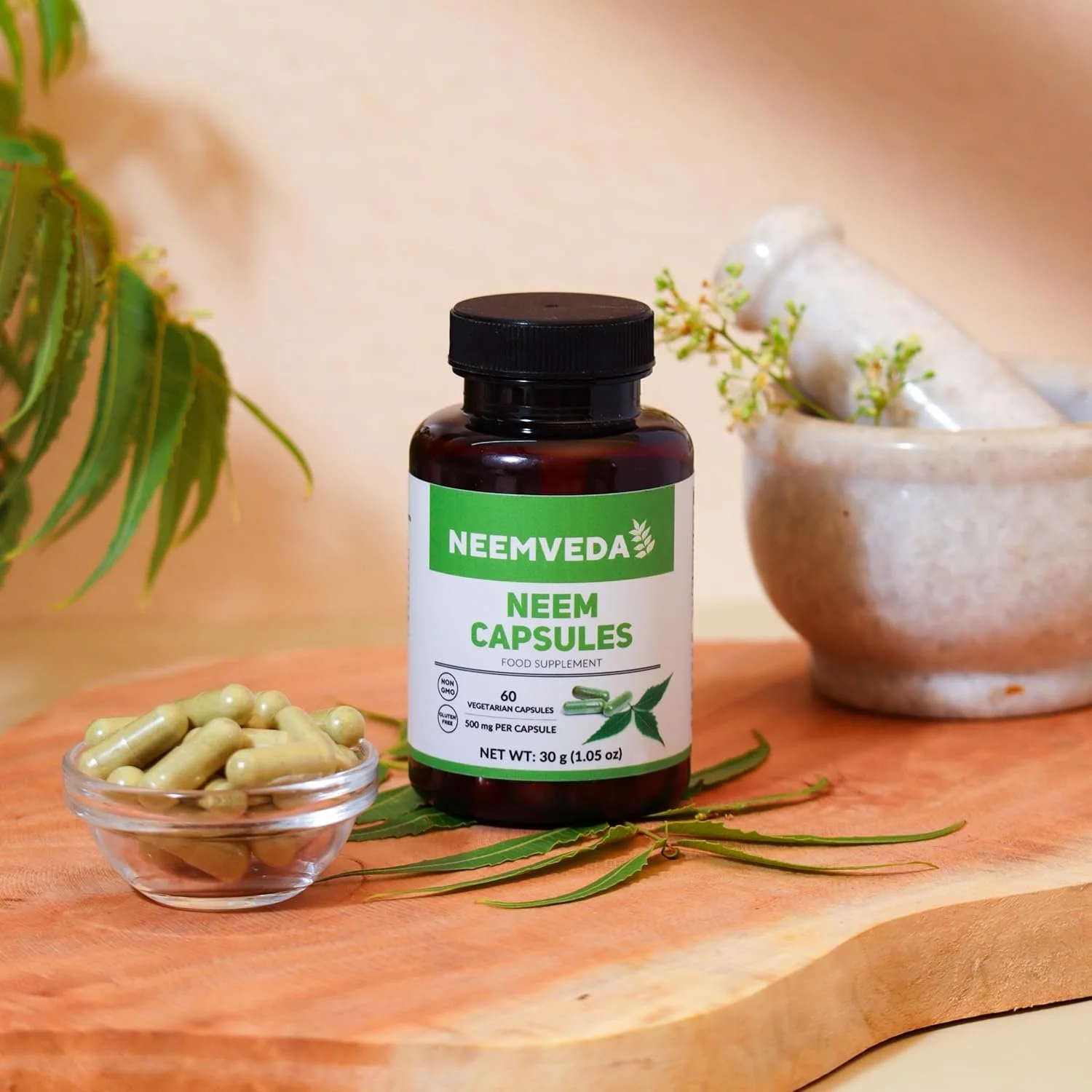
Pure Neem Capsules
standardised neem extract tablets from one of the more established Ayurvedic manufacturers. If you want to trial neem supplementation, a standardised extract is more reliable than loose neem powder. Start at a low dose and monitor skin response over 8–12 weeks.
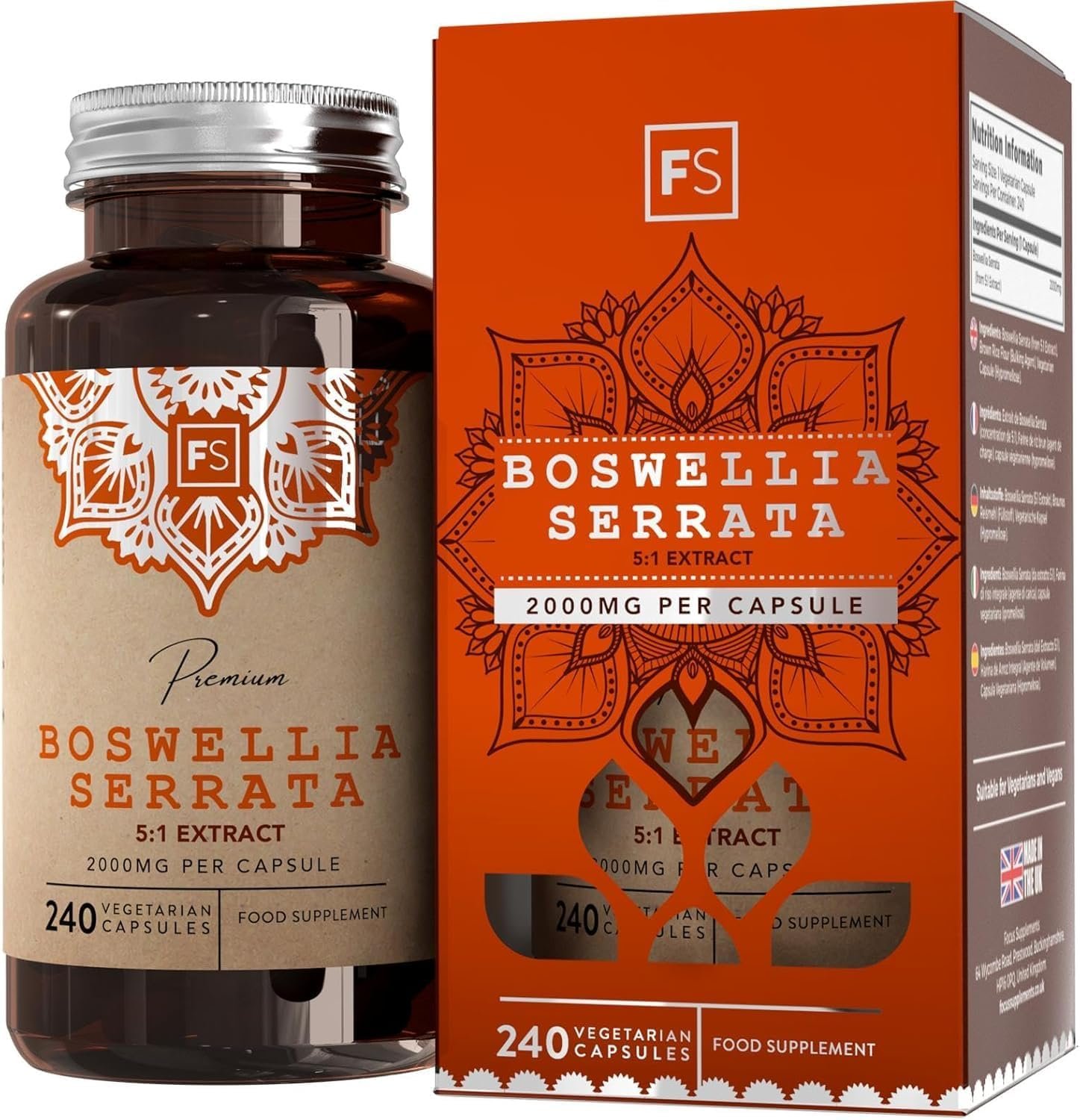
Solgar Boswellia Resin Extract
a standardised boswellia extract from a well-established supplement brand. Appropriate for those interested in the anti-inflammatory and potential psoriatic arthritis-supportive angle of boswellia. Solgar's quality standards are more reliably controlled than many Ayurvedic supplement brands.
Potential downsides of Ayurvedic treatments
The safety issues most articles skip
This is where honesty becomes most important, and where the Ayurveda-for-psoriasis conversation is often too polite.
Heavy metal contamination. A significant and well-documented concern with some traditional Ayurvedic formulations — particularly those purchased online or imported from South Asia outside regulated supply chains — is heavy metal content. Some traditional preparations intentionally include metals such as lead, mercury, and arsenic in processed forms (a practice called Rasa Shastra), which traditional Ayurveda considers safe through specific preparation processes but which regulatory bodies in the UK and elsewhere consider unsafe due to the risk of heavy metal toxicity. Studies published in peer-reviewed journals have found heavy metals including lead and arsenic at potentially harmful levels in commercially available Ayurvedic products. People with psoriasis who are also on immunosuppressive treatments (which can affect kidney and liver function) are at particular risk.
Drug interactions. Several Ayurvedic herbs interact with conventional medications. Boswellia may interact with immunosuppressants. Some herbs affect cytochrome P450 enzymes that metabolise many drugs. If you are taking any prescription psoriasis medication — methotrexate, ciclosporin, biologics — speak to your GP before adding any herbal preparation.
Unregulated supplements. Ayurvedic supplements are not regulated as medicines in the UK — they are sold as food supplements, which means they do not need to demonstrate efficacy or standardised safety before being sold. Purchasing from established, reputable brands with clear standardisation and testing is significantly safer than buying from unverified online sources.
The delay risk. For people with moderate to severe psoriasis, prolonged exclusive reliance on Ayurvedic treatment while avoiding conventional options that have a much stronger evidence base may allow the condition to progress or increase the risk of associated comorbidities. Ayurvedic approaches work best as complement rather than replacement.
Panchakarma: the Ayurvedic detoxification approach
Panchakarma is one of the most distinctive and frequently discussed Ayurvedic approaches for psoriasis, and it deserves proper explanation rather than a passing mention.
Panchakarma (literally "five actions") is a set of intensive therapeutic procedures designed to eliminate accumulated toxins (ama) from the body and restore doshic balance. The five procedures include Vamana (therapeutic emesis), Virechana (purgation), Basti (medicated enemas), Nasya (nasal administration of oils), and Raktamokshana (bloodletting or blood purification).
For psoriasis, Virechana (purgation) and Basti (herbal enema preparations) are typically emphasised, alongside preparatory treatments including Snehana (oleation — internal and external application of medicated oils) and Swedana (heat therapy/sweating).
Several small clinical studies from India have investigated Panchakarma for psoriasis and reported meaningful reductions in PASI scores. A study published in the Journal of Ethnopharmacology found that patients undergoing a Panchakarma protocol alongside herbal formulations experienced significant clinical improvement. The limitations are the usual ones: small sample sizes, lack of standardised protocols between studies, and absence of rigorous placebo-controlled trials.
In the UK context, accessing authentic Panchakarma requires finding a qualified Ayurvedic practitioner — the quality and training standards of practitioners vary considerably, and there is no statutory regulation of Ayurvedic medicine in the UK in the same way that medical doctors are regulated. The Ayurvedic Practitioners Association (APA) maintains a register of trained practitioners and is a reasonable starting point if you want to explore this route.
What Ayurveda genuinely offers
Setting aside what it can't deliver, Ayurveda has several things to offer someone managing psoriasis that deserve acknowledgement.
A whole-person framework. Ayurveda treats diet, sleep, stress, emotional state, and lifestyle as inseparable from skin health — an approach that is increasingly validated by modern understanding of the gut-skin axis, stress-cortisol-inflammation pathways, and psychodermatology. This holistic orientation is valuable even if the specific Ayurvedic framework is different from evidence-based medicine.
Dietary principles that align with modern evidence. Ayurvedic dietary recommendations for psoriasis — reducing processed foods, alcohol, and "heating" (inflammatory) foods; emphasising vegetables, whole grains, and anti-inflammatory ingredients — overlap substantially with what the evidence supports for managing systemic inflammation.
Stress management. Yoga, pranayama (breathwork), and meditation are central to Ayurvedic lifestyle recommendations. As discussed in the yoga article in this series, these practices have genuine, mechanistically grounded benefits for the stress-cortisol-psoriasis flare relationship.
Some individual herbs with plausible mechanisms. Curcumin, neem, boswellia, and aloe vera each have some evidence that is worth taking seriously, even if it doesn't yet meet the bar for mainstream clinical recommendation.
Skin support for psoriasis-prone skin
The aspects of Ayurveda most likely to help psoriasis — anti-inflammatory diet, stress management, specific well-evidenced herbs, and gut health attention — overlap considerably with evidence-based nutritional approaches to skin health. The difference is that evidence-based supplementation provides nutrients at standardised, verified doses with clear safety profiles.
Drought's Skin Support Formula contains 14 nutrients with documented roles in skin barrier function, immune regulation, and inflammatory balance — including zinc, vitamin D, vitamin C, magnesium, and CoQ10. It complements the lifestyle approaches that Ayurveda promotes while providing the nutritional specificity and safety verification that traditional herbal preparations often lack. Made in the UK, suitable for vegetarians, designed for consistent long-term use.
FAQs: Ayurveda and psoriasis
Can Ayurveda cure psoriasis?
No — psoriasis is driven by Th17 immune dysregulation with a strong genetic component that no system of medicine, conventional or traditional, currently cures. What Ayurveda can contribute is a framework of lifestyle, dietary, and herbal interventions that address several specific and documented dimensions of psoriasis management — stress reduction through yoga and meditation (HPA axis cortisol modulation), anti-inflammatory dietary patterns, and specific herbal compounds with genuine pharmacological activity. The honest position is that some individual Ayurvedic interventions have specific evidence for psoriasis while the broader framework's theoretical basis (dosha balance) has no established scientific foundation.
Does turmeric help psoriasis in Ayurvedic treatment?
Yes — and specifically so. Turmeric's curcumin is one of the few Ayurvedic compounds with published RCT evidence for psoriasis. A 2012 study found curcumin alongside topical steroids reduced PASI scores more significantly than steroids alone — with curcumin specifically reducing phosphorylase kinase activity elevated in psoriatic skin. The mechanism is curcumin's NF-κB inhibition — the same master inflammatory transcription factor targeted by biologic psoriasis treatments. The critical limitation is bioavailability — standard turmeric provides negligible active curcumin without piperine, which increases absorption by approximately 2,000%. As covered in the dedicated turmeric and psoriasis article in this series, piperine co-administration is non-negotiable for therapeutic intent.
Does neem help psoriasis?
Through specific pharmacological mechanisms rather than simply being a traditional remedy. Neem contains nimbidin and nimbin — compounds with documented COX-2 inhibitory activity parallel to anti-inflammatory drugs at the concentrations found in therapeutic preparations. Neem also has documented antimicrobial activity against S. aureus, which compounds psoriatic inflammation through secondary bacterial involvement on broken plaque skin. Published evidence for neem specifically in psoriasis is limited to small studies and case series — the mechanism is genuine but the clinical evidence base is weaker than for curcumin. Topical neem preparations may be useful as an emollient adjunct for mild psoriasis; oral neem supplementation requires caution given limited safety data at high doses.
What is Panchakarma and does it help psoriasis?
Panchakarma is Ayurveda's most intensive therapeutic programme — five cleansing procedures (Vamana/emesis, Virechana/purgation, Basti/enema, Nasya/nasal administration, Raktamokshana/bloodletting) combined with preparatory oleation and sweating therapies. A small published RCT found meaningful PASI score reductions after a full Panchakarma course in plaque psoriasis patients — making it one of the few Ayurvedic interventions with controlled trial evidence. The proposed mechanism involves gut microbiome modulation through the purgative procedures and systemic inflammatory burden reduction through the oleation therapies. The evidence is preliminary and the procedures are intensive — genuine Panchakarma requires specialist Ayurvedic clinical supervision rather than self-administration.
Is Ayurvedic massage safe for psoriasis?
With specific caution — Abhyanga (whole-body oil massage) is a central Ayurvedic therapy but carries the Koebner friction risk relevant to all massage on psoriatic skin. The Koebner phenomenon affects approximately 25–30% of psoriasis patients — mechanical friction from massage can trigger new plaque formation at the friction site within one to two weeks. For Koebner-positive patients, vigorous Abhyanga over active plaques is specifically contraindicated. Gentle application of the therapeutic oils without sustained friction is a more appropriate modification. The oils used in Ayurvedic massage — sesame, coconut, neem-infused — vary considerably in their suitability for psoriatic skin; sesame and coconut have more appropriate fatty acid profiles than some of the heavier oleic-dominant oils.
Are Ayurvedic herbal products safe to use alongside psoriasis medication?
Not automatically — and this requires specific attention. Heavy metal contamination (lead, mercury, arsenic) in some traditionally prepared Ayurvedic remedies is a documented safety concern — the MHRA has issued multiple safety alerts on specific Ayurvedic preparations containing undisclosed heavy metals. Purchase only products with European regulatory compliance documentation. Herb-drug interactions are relevant for people on systemic psoriasis treatments — curcumin's CYP3A4 enzyme inhibition may affect methotrexate and ciclosporin metabolism; neem's antiplatelet activity is relevant for people on anticoagulants. Discuss any Ayurvedic supplement addition with your GP or pharmacist before combining with prescription psoriasis medication.
What does the evidence actually show for Ayurveda and psoriasis?
A nuanced picture rather than wholesale support or dismissal. Individual compounds with genuine pharmacological activity and some published psoriasis evidence: curcumin (NF-κB inhibition, 2012 RCT), neem (COX-2 inhibition, antimicrobial, limited studies), aloe vera (acemannan antimicrobial, published evidence for barrier support). Lifestyle interventions with published psoriasis evidence: yoga (HPA axis cortisol reduction, multiple published studies), meditation (stress-triggered flare reduction). The broader Ayurvedic framework — dosha theory, constitutional typing — has no established scientific basis, and Panchakarma's evidence is preliminary. The most useful approach is identifying which specific Ayurvedic interventions have evidence and integrating those alongside conventional management — rather than adopting Ayurveda as a complete alternative system.
Summary
Ayurveda offers a genuinely thoughtful framework for approaching psoriasis — one that takes lifestyle, diet, stress, and whole-body health seriously in ways that conventional dermatology sometimes underemphasises. Some of its specific herbs have real pharmacological activity. But the evidence base is preliminary, the safety risks (particularly heavy metal contamination from unregulated products) are real and under-discussed, and it cannot reliably replace medical treatment for moderate to severe disease. The most productive position is to take the parts that are well-evidenced and safe — dietary principles, stress management, specific standardised herbal extracts — and integrate them as complement rather than alternative.
Written by the Drought Skin team — specialists in natural support for psoriasis, eczema and acne
Disclaimer: This article contains affiliate links. We earn a very small commission from each purchase made through these links. There is no additional cost to you. All products featured have been specifically selected as products we personally use and love. For further information, please see our disclaimer page.
