
Herbal Treatments for Psoriasis: What the Evidence Shows for Each & What to Avoid
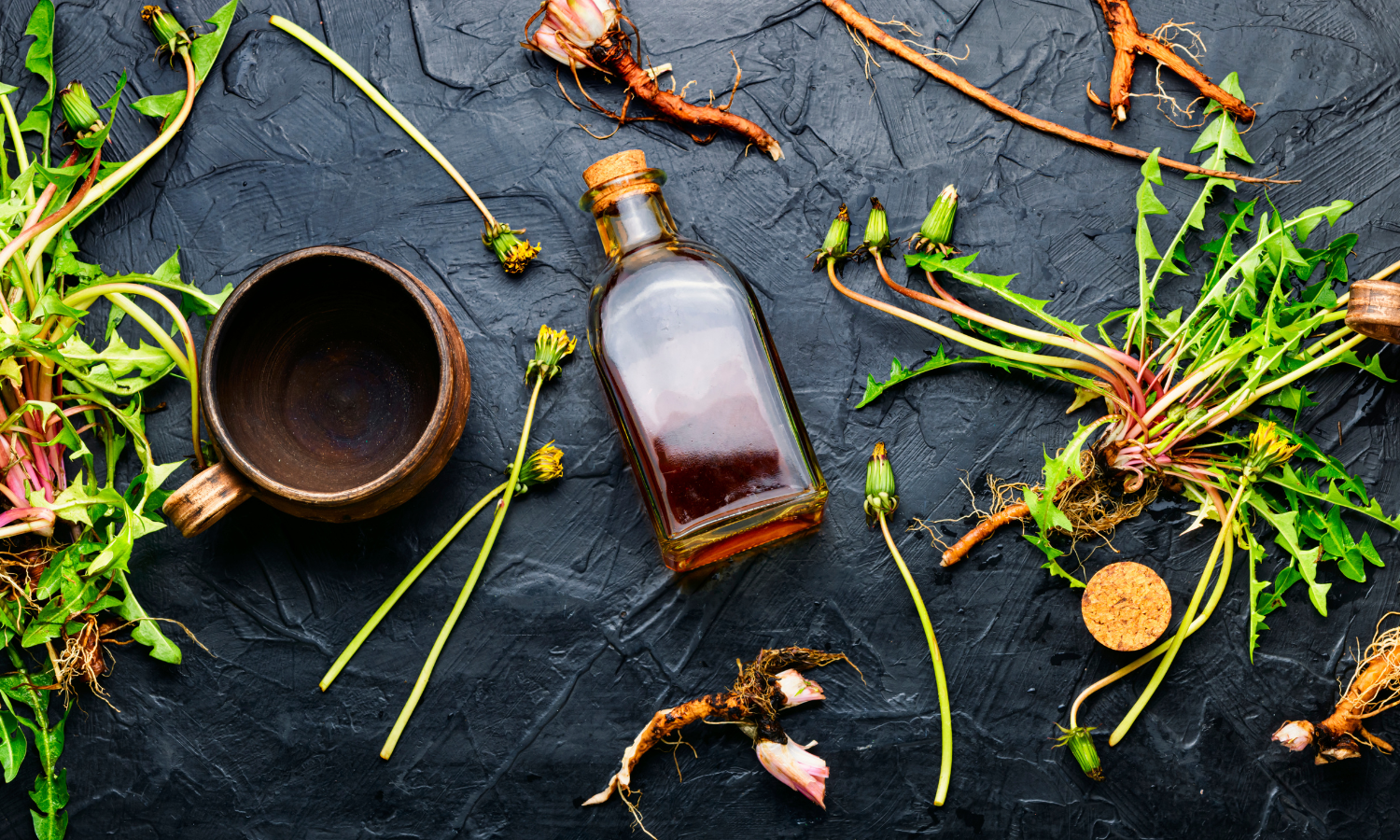
Interest in herbal approaches to psoriasis management is consistent and understandable — many people want to complement medical treatment with approaches that feel more aligned with a holistic lifestyle. The honest landscape is more nuanced than either "herbal remedies are effective alternatives to treatment" or "there's no evidence for any of them." Several herbal compounds have genuinely interesting and specifically documented mechanisms for psoriasis; others have concerning interaction profiles; and the crucial point is that none replace appropriate medical care for moderate-to-severe disease.
This article provides an evidence overview for the most commonly discussed herbs in psoriasis management. Several have dedicated articles in this series — links are provided for more depth on each.
Herbal Treatments for Psoriasis: Can Natural Remedies Help?
Many people with psoriasis eventually start looking beyond traditional creams and skincare products in search of more natural ways to support their skin.
This is where herbal treatments often come in.
From aloe vera and turmeric to tea tree oil and Oregon grape, herbal remedies are widely discussed online as possible ways to soothe dryness, irritation and inflammation associated with psoriasis. But while some people report improvements, others find certain herbal products actually irritate sensitive skin further.
That’s because psoriasis-prone skin can react differently depending on the ingredients, concentration and overall condition of the skin barrier.
Herbal treatments may help some people manage symptoms, but gentle and consistent routines are usually most important.
Why People Use Herbal Treatments for Psoriasis
Psoriasis is linked to inflammation, rapid skin cell turnover and skin barrier disruption.
Because of this, many herbal remedies aim to support:
Skin hydration
Redness and irritation
Itching
Skin barrier comfort
Overall skin wellness
Some people also prefer herbal products because they want to avoid overly harsh skincare or simplify their routines.
Many people are drawn to herbal treatments because they feel gentler — although that isn’t always guaranteed.
Popular Herbal Treatments for Psoriasis
Aloe vera: soothing but not treating
Aloe vera's active compounds (acemannan, polyphenols) have anti-inflammatory and wound-healing properties that provide comfort on psoriasis plaques — reducing redness and dryness. As a topical comfort measure alongside emollient and prescribed treatment, it has a legitimate role.
It doesn't address the T-cell immune mechanisms driving psoriasis. Published comparative studies found aloe gel no more effective than placebo cream for psoriasis in some trials. Its appropriate positioning is as a soothing adjunct, not a primary treatment.
Turmeric (curcumin): promising mechanisms, bioavailability challenge
Turmeric's active compound curcumin inhibits NF-κB and reduces TNF-α and IL-17 production — anti-inflammatory pathways directly relevant to psoriasis. The mechanism is legitimate. The challenge is bioavailability: curcumin is poorly absorbed from standard turmeric preparations. Piperine (from black pepper) increases bioavailability by approximately 2,000% — which is why formulations combining curcumin and piperine are consistently more appropriate than plain turmeric supplements.
Several small clinical studies have found improvements in psoriasis severity scores with high-dose curcumin supplementation. A well-formulated curcumin supplement with BioPerine (standardised piperine) is one of the more coherently supported herbal additions to psoriasis management. Covered in depth in the turmeric and acne article in this series (mechanisms apply to psoriasis as well).
Oregon grape: the most psoriasis-specific herbal evidence
Oregon grape (Mahonia aquifolium) contains berberine and related alkaloids with the most specifically documented evidence of any herb for psoriasis. Berberine inhibits NF-κB signalling — the master inflammatory switch driving psoriatic cytokine production — and has been shown in clinical studies to reduce keratinocyte proliferation directly.
A 10% mahonia aquifolium cream has been studied in several randomised controlled trials specifically for mild-to-moderate plaque psoriasis, producing statistically significant PASI reductions. This is the herbal preparation with the strongest and most psoriasis-specific clinical trial data.
The important caveats: berberine is a potent CYP3A4 inhibitor and interacts with numerous medications — discuss with your GP before using it if you are on any systemic treatment. Applied topically, systemic absorption is low, but oral berberine carries significant drug interaction potential.
Tea tree oil: antimicrobial but contact allergen risk
Tea tree oil has antimicrobial properties through terpinen-4-ol that are relevant to scalp psoriasis with seborrhoeic elements — reducing Malassezia overgrowth. The essential oil psoriasis article in this series covers this with the important caveat that tea tree is one of the most documented contact allergens in skincare. Oxidised oil is significantly more allergenic.
Liquorice (glycyrrhizin): the safety concern
Liquorice root and its compound glycyrrhizin have documented anti-inflammatory properties — glycyrrhizin inhibits prostaglandin synthesis. However, glycyrrhizin raises blood pressure by inhibiting the enzyme that breaks down cortisol, causing sodium and water retention. With regular supplemental doses, this effect is clinically significant — elevated blood pressure, hypokalaemia (low potassium), and oedema are documented adverse effects of glycyrrhizin supplementation.
For people with psoriasis who may also have cardiovascular risk factors, hypertension, or who are on other medications, recommending liquorice root supplements without this context is a safety gap. Topical low-concentration glycyrrhizin-based preparations have much lower systemic absorption and are generally safer than oral supplements. Oral liquorice supplementation should be discussed with a GP before use
Chamomile: gentle anti-inflammatory for topical comfort
Chamomile's bisabolol compound has documented anti-inflammatory and anti-irritant properties. Roman chamomile is well-tolerated and appropriate as a diluted topical oil for psoriasis-adjacent skin and aromatherapy use. Covered in the essential oils psoriasis article in this series.
Boswellia (frankincense): the oral anti-inflammatory case
Oral Boswellia serrata extract has one of the stronger evidence bases among herbal treatments for inflammatory conditions — 5-lipoxygenase inhibition reduces leukotriene production in the same pathway as fish oil. Several clinical studies have found benefit in joint inflammation and inflammatory bowel disease, with some evidence applicable to psoriasis through anti-inflammatory mechanisms.
The evidence for psoriasis specifically is less developed than for joint conditions, but Boswellia sits among the more coherently anti-inflammatory herbal supplements with a reasonable evidence base. Lower interaction risk than berberine.

Recommended Products
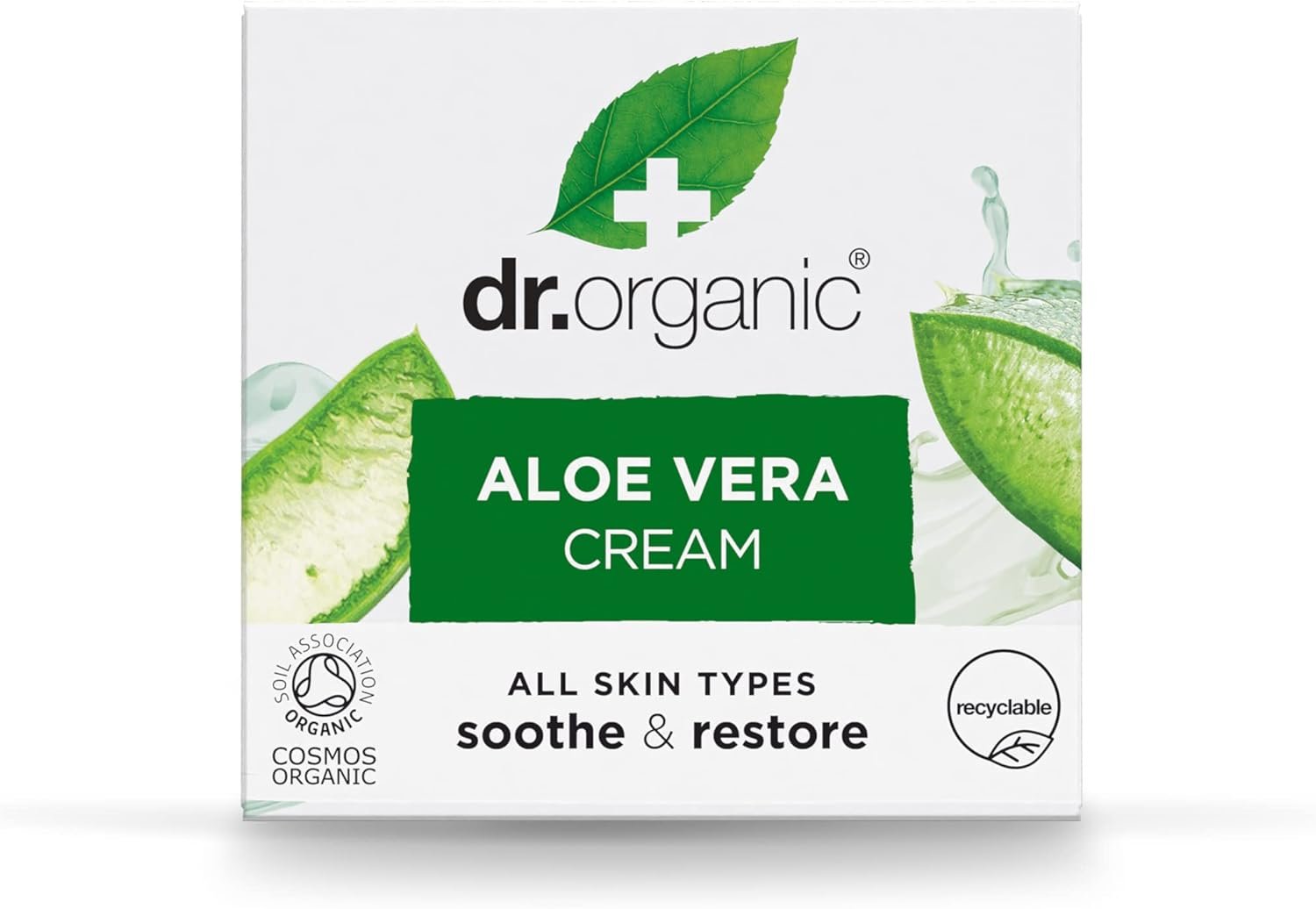
Dr Organic Aloe Vera Cream
an aloe-containing cream for sensitive skin. Check current ingredient list to confirm fragrance-free status before using on psoriasis-prone skin
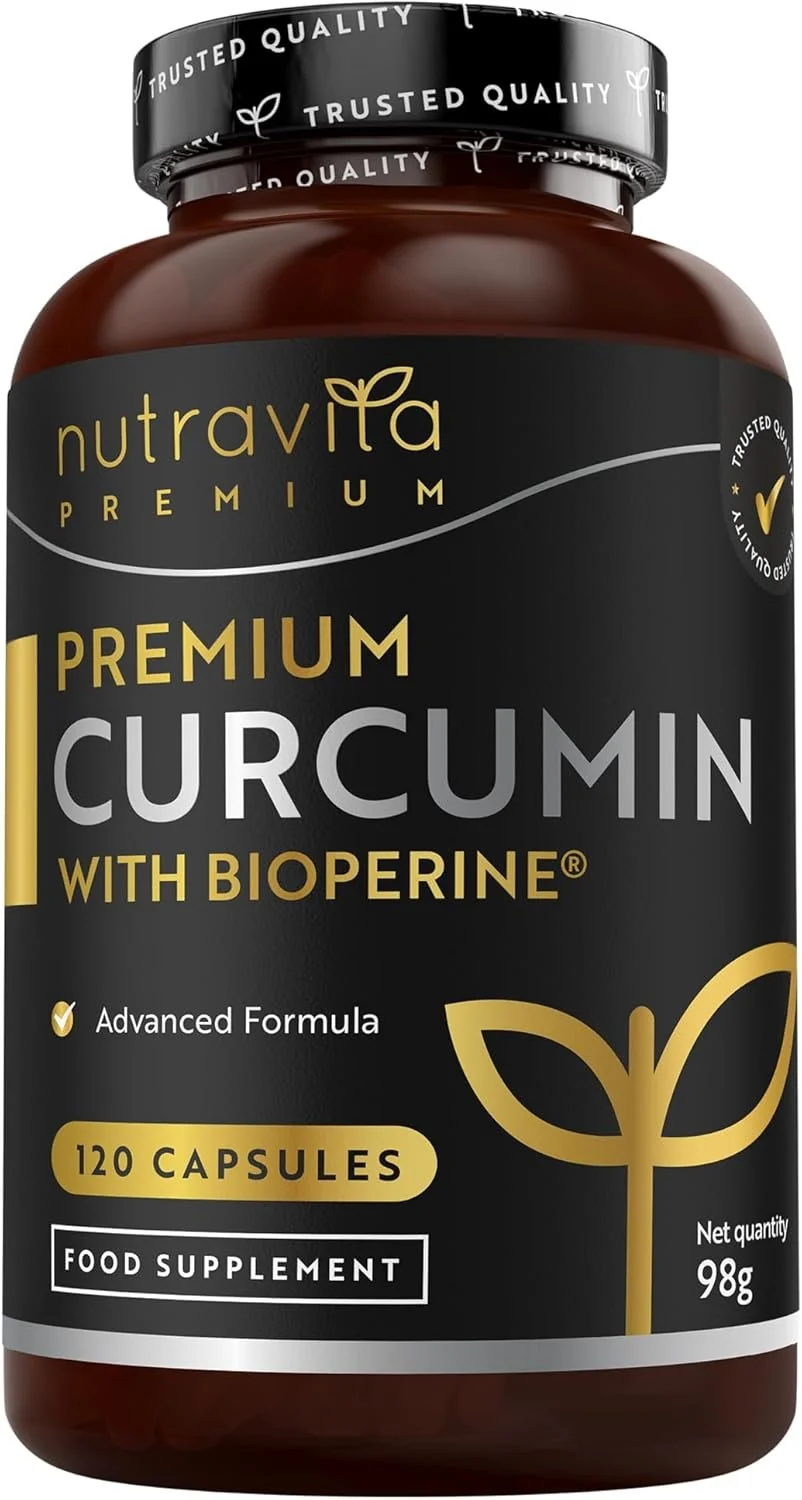
Nutravita Turmeric with BioPerine 1400mg
a standardised curcumin preparation with BioPerine. The piperine combination is essential for the mechanism to be relevant
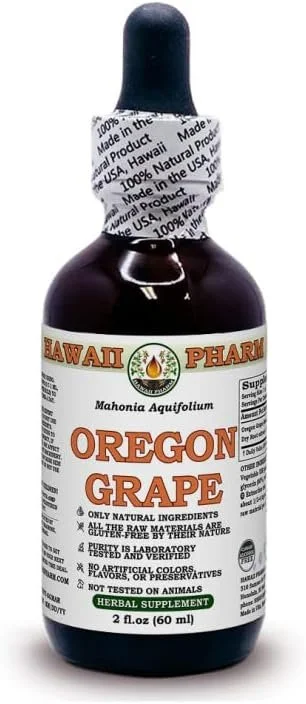
Hawaii Pharm Mahonia Aquifolium (Oregon Grape) Extract
a standardised Oregon grape extract providing berberine and related alkaloids. If considering oral berberine supplementation for psoriasis, discuss with your GP first given its CYP3A4 drug interaction potential — particularly important if on any systemic psoriasis medication
The honest framework
None of the above replace medical treatment for moderate-to-severe psoriasis. The herbs with the most evidence — Oregon grape (berberine, clinical trials), turmeric (curcumin with piperine), and Boswellia — address inflammatory mechanisms that are relevant and real, but at effect sizes considerably smaller than prescribed topical and systemic treatments.
The most appropriate framing: herbal approaches as supportive additions within a comprehensive management strategy — alongside appropriate skincare, anti-inflammatory diet, stress management, and medical treatment — rather than alternatives to any of these.
Why Herbal Products Can Sometimes Irritate Psoriasis
One of the biggest misconceptions is that “natural” automatically means safe for sensitive skin.
But herbal ingredients may still trigger:
Allergic reactions
Irritation
Burning sensations
Skin barrier disruption
This is especially true when products contain:
Essential oils
Fragrance
Alcohol-heavy formulas
Strong plant extracts
Psoriasis-prone skin often responds better to simple routines with fewer irritants.
FAQ
Do herbal treatments work for psoriasis?
Some do — with specific mechanisms and specific evidence. Oregon grape has the strongest published evidence — multiple clinical trials showing meaningful PASI score reductions through berberine's keratinocyte proliferation inhibition and NF-κB suppression. Turmeric's curcumin has a specific and coherent mechanism (NF-κB inhibition, TNF-α modulation) backed by a published RCT, but only works with piperine co-administration for bioavailability. Aloe vera provides acemannan antimicrobial activity relevant to S. aureus colonisation on psoriatic plaques. The rest — essential oils, chamomile, tea tree — have limited or no psoriasis-specific clinical evidence and significant contact sensitisation risk. The honest position: some herbal treatments have genuine and specific evidence; most have anecdote and mechanism plausibility without clinical proof.
What is the best herbal treatment for psoriasis?
Oregon grape (Mahonia aquifolium) has the most specific and most consistently evidenced clinical data — berberine inhibits keratinocyte proliferation through G1-to-S cell cycle interference and suppresses NF-κB, addressing both the hyperproliferation and inflammatory dimensions of psoriasis simultaneously. One published trial found over 60% of participants rated results equal to or better than their previous conventional treatment. Turmeric with piperine is the second most specifically evidenced — curcumin's NF-κB inhibition backed by a 2012 RCT showing PASI improvement alongside topical steroids. Both are more specifically evidenced than any other herbal option — and both have documented mechanisms rather than simply anecdotal support.
Can essential oils help psoriasis?
Generally not — and the risk often outweighs the benefit. Tea tree oil's terpinen-4-ol has documented antimicrobial activity against S. aureus relevant to secondary psoriatic infection, but its contact sensitisation rate is high on psoriatic skin whose compromised barrier allows terpenes to penetrate efficiently. Lavender oil contains linalool — one of the most consistently documented EU fragrance allergens — that worsens rather than soothes psoriasis-prone skin in sensitised individuals. Peppermint, eucalyptus, and citrus oils carry the highest contact sensitisation and Koebner friction risk of any topical herbal preparation. If essential oils are used at all on psoriatic skin — diluted to 1% maximum in a fragrance-free carrier oil, patch tested for 48 hours, and never applied to active plaques. Most people with psoriasis are better served by fragrance-free emollients than any essential oil preparation.
Is turmeric good for psoriasis?
Yes — but bioavailability determines everything. Curcumin's NF-κB inhibition and direct TNF-α and IL-17 modulation give it a specific and coherent mechanism for psoriasis targeting the same cytokines as biologic treatments at lower potency. The 2012 Antiga et al. RCT found curcumin alongside topical steroids reduced PASI scores more significantly than steroids alone. The critical limitation: standard dietary turmeric provides negligible active curcumin without piperine — the black pepper compound that increases bioavailability by approximately 2,000% through inhibiting intestinal glucuronidation. Turmeric powder, golden milk, and curry provide minimal therapeutic curcumin regardless of quantity. Piperine-standardised supplements (BioPerine) are the only format that delivers bioavailable curcumin at concentrations relevant to the published evidence.
Can herbal creams irritate psoriasis?
Yes — more commonly than most natural remedy content acknowledges. Psoriatic plaques have an elevated contact sensitisation rate because the compromised barrier allows allergens to penetrate more efficiently than intact skin. Fragrance compounds in herbal creams — linalool in lavender, limonene in citrus, cinnamaldehyde in spice extracts — are documented EU fragrance allergens that trigger Type IV delayed hypersensitivity reactions appearing 48–72 hours after application. This delayed timing means people frequently fail to connect a herbal cream applied two days earlier to a flare that appears later. The Koebner risk from massage application of any topical preparation to active plaques is a separate additional concern — apply by gentle patting rather than rubbing on psoriatic skin regardless of the product.
Should you patch test herbal products before using on psoriasis?
Yes — for 48 hours rather than the 24-hour window most manufacturers suggest. Type IV contact hypersensitivity reactions from fragrance allergens and plant compounds peak at 48–72 hours after exposure — a 24-hour patch test misses the reaction window entirely. Apply a small amount of the new product to the inner arm rather than directly to psoriatic skin, cover with a clean plaster, and assess at 48 hours. Any redness, itching, or inflammation at the test site indicates likely contact sensitisation — discontinue immediately and avoid the product. Patch test during a settled, non-flaring period — testing during active inflammation produces unreliable results as any added stimulus may appear to worsen an already active inflammatory state.
What herbal treatments should people with psoriasis avoid?
Strong essential oils at undiluted concentrations — tea tree oil, peppermint, eucalyptus, and citrus oils all carry high contact sensitisation risk on psoriasis-prone skin and should never be applied undiluted. Heavily fragranced herbal creams containing linalool, limonene, or "parfum" — fragrance is the most consistently documented contact allergen category in people with inflammatory skin conditions. Highly astringent plant extracts — witch hazel, apple cider vinegar at high concentrations — disrupt the acid mantle and barrier that psoriatic skin is already deficient in. Herbal products containing alcohol as a primary carrier — many tinctures and herbal sprays — dehydrate and worsen the barrier simultaneously. The guiding principle for psoriasis-prone skin is fragrance-free, alcohol-free, simple formulations — whether conventional or herbal.
Summary
The herbal treatments with the most specific evidence for psoriasis are Oregon grape (berberine, clinical trial data for mild-to-moderate plaque psoriasis), turmeric/curcumin with piperine (NF-κB and TNF-α inhibition), and Boswellia (leukotriene reduction). Aloe vera provides topical comfort without direct psoriasis treatment. Liquorice root has real anti-inflammatory properties but carries blood pressure and hypokalaemia risks at oral supplemental doses. Tea tree oil has antimicrobial relevance for scalp psoriasis but is a documented contact allergen. None replace medical treatment; all benefit from safety discussion with a GP or pharmacist, particularly regarding drug interactions.
Written by the Drought Skin team — specialists in natural support for psoriasis, eczema and acne
Disclaimer: This article contains affiliate links. We earn a very small commission from each purchase made through these links. There is no additional cost to you. All products featured have been specifically selected as products we personally use and love. For further information, please see our disclaimer page.
-
Oregon Grape for Psoriasis: Evidence, How to Use It & What to Expect
Essential Oils for Psoriasis: What May Help, What to Be Cautious About
Vitamins & Supplements for Psoriasis: What the Evidence Shows
The Psoriasis Diet: Best Foods, Foods to Avoid & What the Evidence Shows
Aloe Vera for Eczema: The Evidence, How It Works & How to Use It Safely
