
Best Herbal Teas for Psoriasis & Eczema Relief

Herbal teas are one of the simplest additions someone managing psoriasis or eczema can make — low cost, low risk, and a practical daily habit that contributes to hydration, polyphenol intake, and in some cases, genuinely specific anti-inflammatory effects. They're not treatments. But some teas have more evidence behind them than "generally good for you" — and knowing which ones, and why, makes the difference between a useful habit and an expensive mug of not very much.
This article covers the teas with the most relevance to psoriasis and eczema specifically, explains what each contains and how it works, and includes the one piece of clinical research in this area that most articles miss entirely.
Why people use herbal tea for skin conditions
Herbal teas have long been used for their calming and anti-inflammatory properties.
For psoriasis and eczema, they may help:
Reduce inflammation → a key trigger in flare-ups
Support hydration → important for skin barrier health
Promote relaxation → stress is a common trigger
Provide antioxidants → support overall skin function
Because these conditions are often linked to inflammation and stress, herbal tea is a popular natural option. They won’t cure chronic conditions, but they can ease flare severity and promote overall skin balance.
Green tea: the most evidence-backed option
Green tea is made from unfermented Camellia sinensis leaves and contains the highest concentration of catechins — a class of polyphenol — of any commonly consumed tea. The most important of these for inflammatory skin conditions is epigallocatechin gallate (EGCG), which has been studied extensively for its anti-inflammatory, antioxidant, and immune-modulating properties.
EGCG inhibits NF-κB signalling — the same inflammatory pathway discussed in the blueberries article in this series — which controls the production of pro-inflammatory cytokines including TNF-α and IL-17, both central to psoriasis pathology. It also inhibits keratinocyte proliferation, which is directly relevant to psoriasis: the accelerated skin cell turnover driving plaque formation involves overactive keratinocyte proliferation, and compounds that moderate this have theoretical therapeutic relevance.
For eczema, EGCG's antioxidant and anti-inflammatory properties reduce oxidative stress and inflammatory signalling through mast cells — relevant to both itch and barrier dysfunction.
Green tea also contains L-theanine, an amino acid that promotes alpha-wave activity in the brain — a measurably relaxed, focused state. Given that stress is a consistent trigger for both conditions, L-theanine provides a mild but genuine stress-modulating effect alongside the polyphenol benefits.
Chamomile tea: anti-inflammatory and itch-calming
Chamomile (Matricaria chamomilla) is one of the most widely used medicinal plants in Europe and has one of the stronger evidence bases of any herbal tea for skin-relevant effects.
Its anti-inflammatory activity comes primarily from bisabolol and apigenin — compounds that inhibit prostaglandin synthesis and histamine release from mast cells. This is directly relevant to eczema: mast cells in the skin release histamine in response to stress, irritants, and inflammatory triggers, producing the itch that drives the scratch-damage cycle. Chamomile's mast-cell stabilising properties give it a specific and mechanistically coherent relevance to eczema itch rather than a general "anti-inflammatory" claim.
Topical chamomile preparations have published clinical evidence for eczema — a study found chamomile cream produced improvements in eczema severity comparable to mild hydrocortisone in some patients. Oral chamomile tea doesn't replicate the same concentrations, but contributes the same compounds systemically alongside the stress-reduction benefit of a warm, relaxing drink — particularly useful in the evening when itch tends to worsen.
One caution: chamomile belongs to the Asteraceae plant family, which also includes ragweed and chrysanthemums. People with known ragweed allergy have a higher risk of chamomile cross-reactivity.
Nettle tea: quercetin and histamine regulation
Stinging nettle (Urtica dioica) is one of the more pharmacologically interesting herbal teas for eczema, and among the least discussed.
Nettle is one of the richest plant sources of quercetin — a flavonoid that has been shown to inhibit histamine release from mast cells and basophils, and to reduce IgE-mediated allergic responses. For eczema, which often involves both IgE-mediated atopic sensitivity and histamine-driven itch, this is a more targeted mechanism than general antioxidant activity.
Quercetin also inhibits the production of pro-inflammatory prostaglandins and leukotrienes — compounds that contribute to the chronic inflammatory state of both conditions. Some research has examined quercetin specifically in the context of atopic dermatitis with positive findings in animal models, though human clinical data remains limited.
Nettle tea also provides iron, magnesium, and vitamin C — nutrients with their own relevance to skin health and general immune function.
Clipper Organic Nettle Tea Bags — a clean, organic option from one of the most established UK herbal tea brands. Nettle tea has a distinctive, slightly grassy flavour that most people either enjoy or tolerate well when blended with other herbs.

Oolong tea: the clinical evidence most articles miss
This is the most surprising and underreported piece of evidence in this area, and it's absent from almost every herbal tea and eczema article online.
In 2001, a randomised controlled trial published in the Archives of Dermatology found that adults with recalcitrant atopic dermatitis who drank three cups of oolong tea daily showed marked or moderate improvement in skin symptoms after one month — with the improvement sustained at six months in many participants. The response rate was approximately 54% — a meaningful result for a dietary intervention in a chronic condition.
Oolong tea sits between green tea (unfermented) and black tea (fully fermented) in terms of processing. This partial fermentation produces a distinct polyphenol profile — including theaflavins and thearubigins alongside catechins — that may explain effects not seen with green or black tea alone. The exact mechanism for the eczema findings hasn't been fully established, but anti-inflammatory polyphenol activity and potential effects on IgE-mediated responses are the most likely contributors.
This is one clinical trial, and findings from a single study require replication before being considered definitive. But it's a genuine randomised controlled trial with a meaningful result, and it's worth knowing about.
Dandelion tea: liver support and the psoriasis connection
Dandelion (Taraxacum officinale) root tea has a specific rationale for psoriasis that connects to the liver-psoriasis relationship discussed in the milk thistle article in this series.
The liver plays a role in clearing metabolic waste products and inflammatory mediators from the bloodstream. In psoriasis, where systemic inflammation is chronic and some treatments (particularly methotrexate) place an additional liver burden, supporting liver function through dietary means is a legitimate consideration.
Dandelion root has demonstrated hepatoprotective (liver-protective) properties in animal studies, and promotes bile production and flow, which supports the liver's detoxification function. It also contains inulin — a prebiotic fibre that supports beneficial gut bacteria — adding a gut health dimension relevant to the gut-psoriasis axis.
The evidence is more limited and largely preclinical compared to green tea or oolong tea, but the mechanistic rationale is coherent and the safety profile is excellent.
Clipper Organic Dandelion Tea Bags— a pleasant roasted dandelion root tea with a slightly coffee-like flavour. A practical choice for people who want a caffeine-free alternative to coffee that also contributes some liver and gut support.
(All affiliate links — we may earn a small commission at no extra cost to you.)
Turmeric tea and ginger tea
Both of these are covered extensively in their respective articles in this series. In brief:
Turmeric tea provides curcumin — an NF-κB inhibitor with direct anti-inflammatory relevance to both conditions. The critical practical point, as discussed in the turmeric article, is that curcumin has very poor bioavailability from standard preparations. Adding black pepper and a fat source (a splash of milk or coconut milk) to turmeric tea substantially improves absorption. Without these additions, much of the curcumin passes through unabsorbed.
Ginger tea provides gingerols and shogaols — prostaglandin and leukotriene synthesis inhibitors with documented anti-inflammatory properties and some evidence of CRP reduction. It also supports digestion and gut motility, contributing to the gut health dimension of skin condition management.
Recommended Products
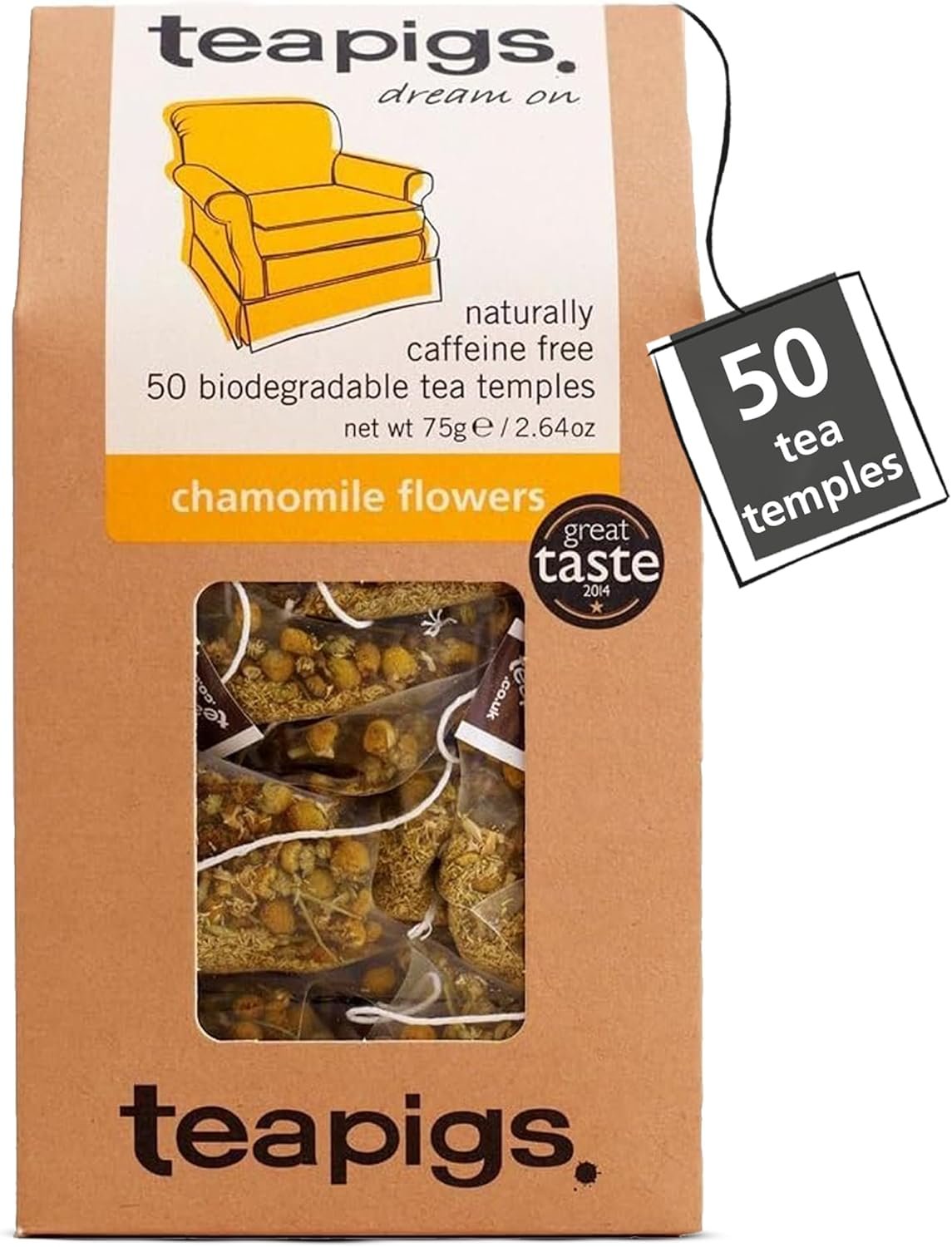
whole chamomile flowers rather than dust and fragments, which provides better flavour and a higher concentration of the active compounds. A practical daily option for evening use.
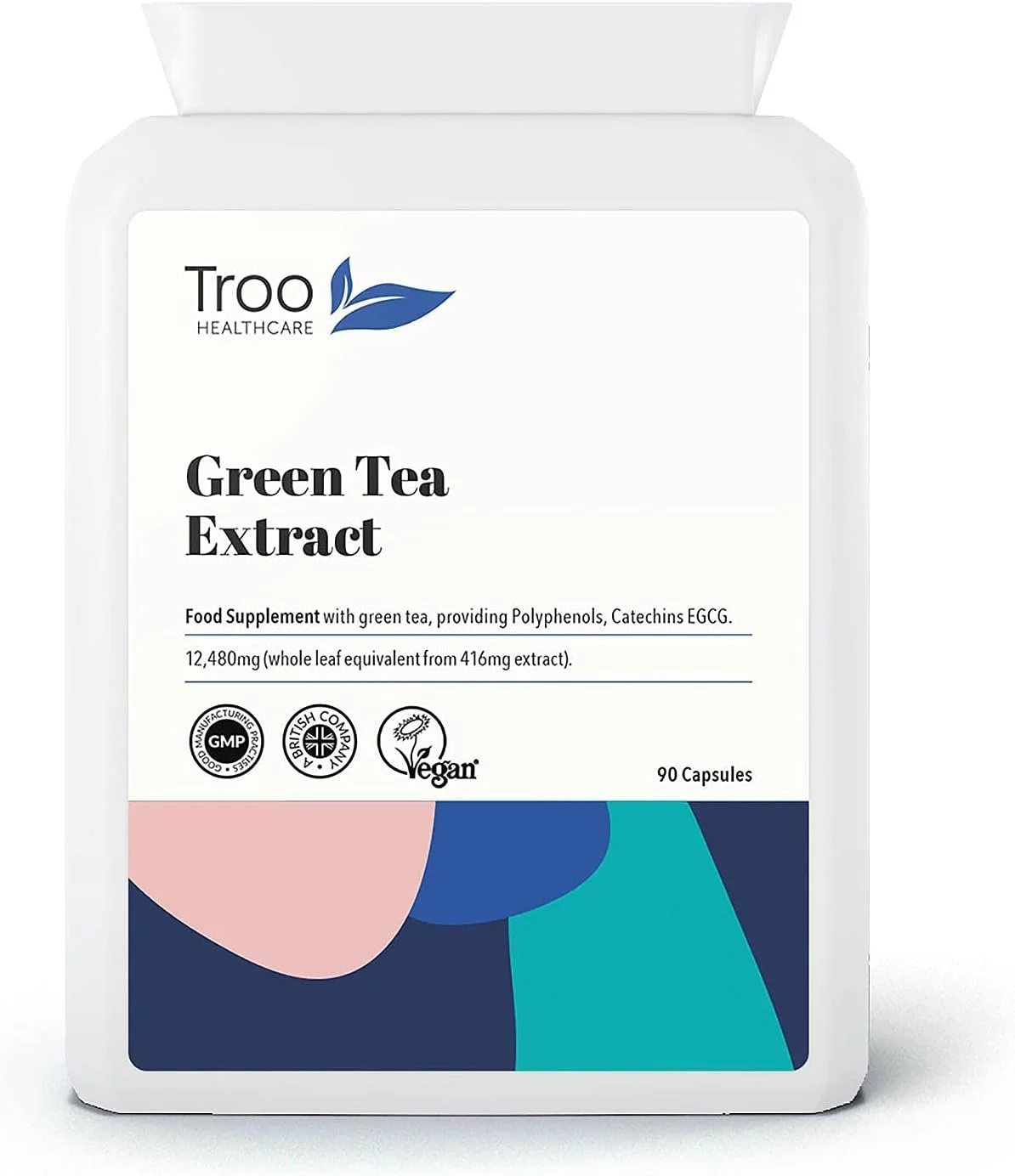
Troo Health Care Green Tea Extract Supplement
standardised green tea extract in capsule form, providing a concentrated EGCG dose. For people who don't enjoy the taste of green tea or want a consistent dose beyond what brewed tea provides, a standardised extract ensures meaningful polyphenol levels. One to two cups of brewed green tea daily provides a useful dose for most people who prefer the beverage form.
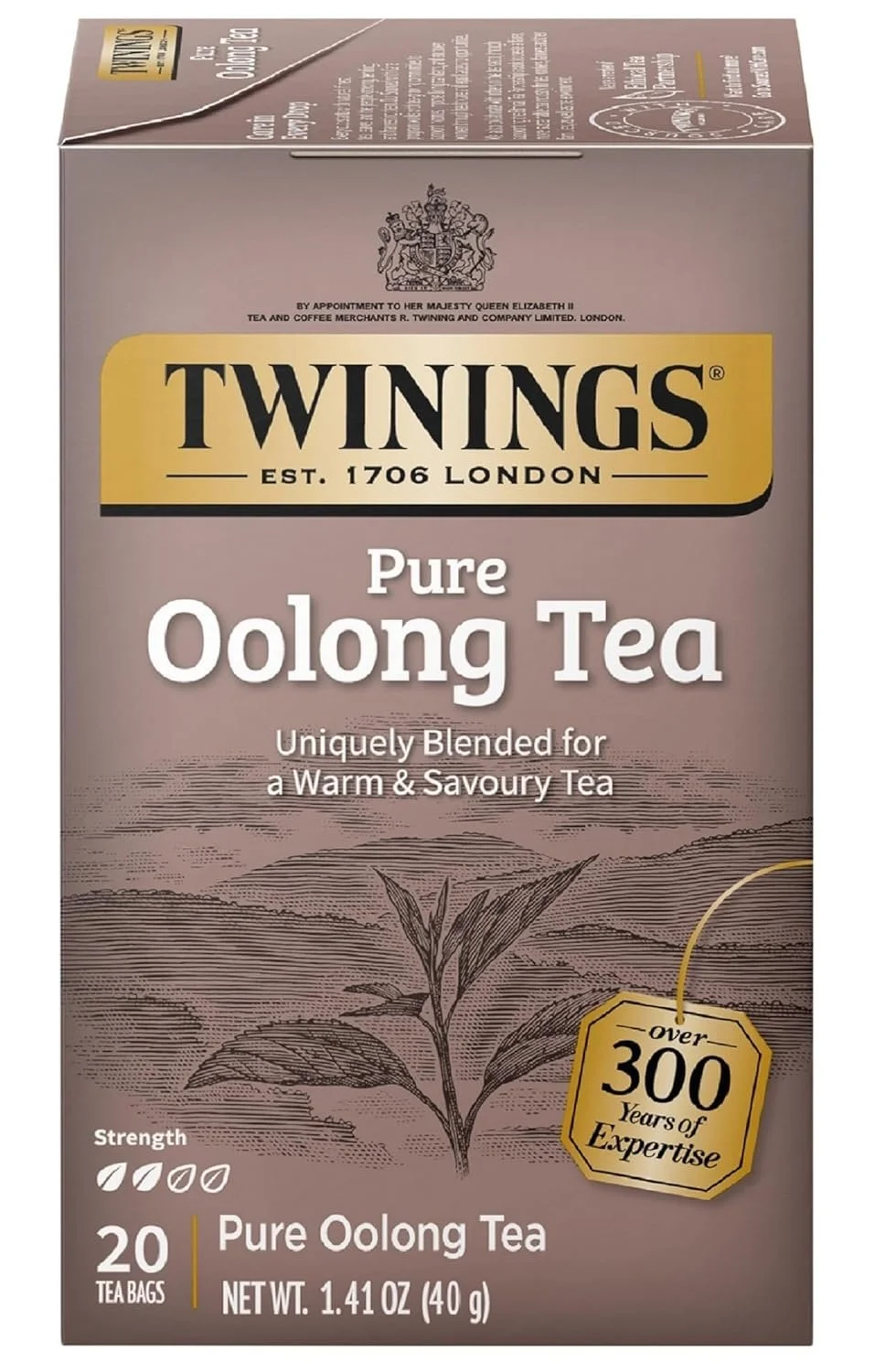
Twinings Pure Oolong Tea
a good accessible option for trying oolong tea. Three cups daily, as used in the trial, is a practical amount. Choose unflavoured oolong without added fragrance.
Teas That May Trigger Sensitivity
While rare, some people experience irritation from certain herbal teas:
Chamomile for ragweed allergy. As noted above, cross-reactivity between ragweed and chamomile is possible. Start cautiously if you have known grass or pollen allergies.
Heavily caffeinated teas during flares. Caffeine has mild dehydrating effects and can amplify the stress response — both of which are unhelpful during a flare. If you drink caffeinated tea, balance it with adequate water intake and consider switching to caffeine-free herbal alternatives in the evening.
High-acid teas (hibiscus). Hibiscus is high in natural acids which can irritate the gut for some people and may exacerbate reflux. Fine for most people, worth noting for those with digestive sensitivity.
Heavily flavoured or scented teas. Some herbal tea blends contain added fragrance compounds or essential oils (bergamot in Earl Grey, for example) that are common contact allergens. While ingested fragrance is different from topical contact, those with significant chemical sensitivity may want to choose unflavoured options.
If you’re prone to flare‑ups, introduce new teas slowly to see how your skin responds.
A practical daily approach
For most people managing psoriasis or eczema, one to two cups of any of the above teas daily provides a meaningful contribution to hydration and polyphenol intake without any significant risk. The evidence for oolong is strong enough to suggest making it a deliberate three-cups-daily habit specifically for eczema, at least as a trial.
A practical daily rotation might look like: green tea in the morning (EGCG and L-theanine), oolong tea mid-afternoon, and chamomile in the evening (mast-cell calming before sleep, when itch tends to be worst). This combines the three teas with the strongest evidence across the day.
The Gut–Skin Connection and Tea
Many herbal teas support gut health — and since gut imbalance often worsens eczema and psoriasis, this can be a powerful addition. Ginger, peppermint, turmeric, and green tea all help reduce bloating, calm inflammation, and support microbiome balance.
Pairing gut‑friendly teas with nutrients like zinc, omega‑3s, and vitamin D can help strengthen the skin barrier from within.
Skin support for psoriasis & eczema-prone skin
Herbal teas are a meaningful addition to a skin-supportive daily routine but cannot address the nutritional gaps most relevant to psoriasis and eczema — particularly vitamin D (unavailable in meaningful amounts from any tea), zinc, and specific barrier-supportive nutrients.
Drought's Skin Support Formula provides 14 nutrients including vitamin D, zinc, vitamin C, magnesium, and CoQ10 — covering the nutritional ground that even a well-chosen herbal tea routine cannot replace. Made in the UK, suitable for vegetarians, designed for consistent daily use.
FAQs: Herbal tea for psoriasis & eczema
What is the best herbal tea for eczema?
Oolong tea has the strongest single piece of clinical evidence — a published RCT showing improvement in atopic dermatitis with three cups daily. Chamomile and nettle tea also have specific mechanisms relevant to eczema (mast cell stabilisation and histamine regulation respectively).
Can herbal tea cure psoriasis or eczema?
No. Both conditions are driven by immune dysfunction and genetic factors that no tea can address. Herbal teas contribute to an anti-inflammatory dietary pattern and provide specific compounds that support the management environment — they are a useful habit, not a treatment.
How long does it take to see results?
It varies, but consistent habits over weeks to months are typically needed.
What is the best herbal tea for psoriasis?
Green tea's EGCG content — inhibiting NF-κB and keratinocyte proliferation — is the most mechanistically relevant to psoriasis. Turmeric tea (with black pepper) is also worth including for curcumin's anti-inflammatory effects.
Is drinking tea enough to improve skin conditions?
It can help support overall health, but usually isn’t enough on its own.
Is green tea or black tea better for eczema?
Green tea has higher EGCG content and stronger anti-inflammatory evidence. Oolong — partially fermented between green and black — has the most specific clinical evidence for eczema. Black tea has lower polyphenol content due to fermentation converting catechins to theaflavins.
How many cups of herbal tea should I drink daily?
One to two cups provides a useful contribution for most teas. Three cups of oolong tea is the dose used in the clinical trial showing eczema improvement. More than this offers diminishing returns and some teas (those with diuretic effects like nettle or dandelion) may not suit very high daily consumption.
Is chamomile tea safe for people with eczema?
For most people, yes. The mast-cell stabilising effects of bisabolol and apigenin are specifically relevant to eczema itch. People with ragweed allergy should introduce it cautiously due to possible cross-reactivity.
Should I combine herbal tea with supplements?
Yes. Teas support hydration and inflammation balance, while supplements fill nutrient gaps linked to skin barrier health.
Summary
Of the herbal teas most commonly recommended for psoriasis and eczema, green tea (EGCG, NF-κB inhibition, L-theanine), chamomile (bisabolol and apigenin, mast cell stabilisation), nettle (quercetin, histamine regulation), and oolong (the most surprising clinical evidence — a published RCT showing 54% marked improvement in atopic dermatitis) are the options with the most substantive rationale. Dandelion root contributes a liver and gut health angle relevant specifically to psoriasis. Together, they form a practical, evidence-grounded daily routine that is both enjoyable and genuinely supportive — just not, by themselves, sufficient.
Herbal tea can be a great addition to your routine—especially for reducing inflammation and supporting overall health, but if you’re looking for consistent, long-term improvement, it’s often not enough on its own. For best results, combine daily herbal tea with a nutrient‑dense diet, consistent moisturisation, and targeted supplements. Supporting your skin from within with a more targeted approach can make a bigger difference.
Start your skin support journey →
Written by the Drought Skin team — specialists in natural support for psoriasis, eczema and acne
Disclaimer: This article contains affiliate links. We earn a very small commission from each purchase made through these links. There is no additional cost to you. All products featured have been specifically selected as products we personally use and love. For further information, please see our disclaimer page.
