

Psoriasis & Longevity: What Inflammaging Research Means for People with Psoriasis
Psoriasis is a chronic inflammatory condition — and chronic inflammation is increasingly understood as the primary driver of accelerated biological ageing. Here's what the longevity research means specifically for psoriasis.
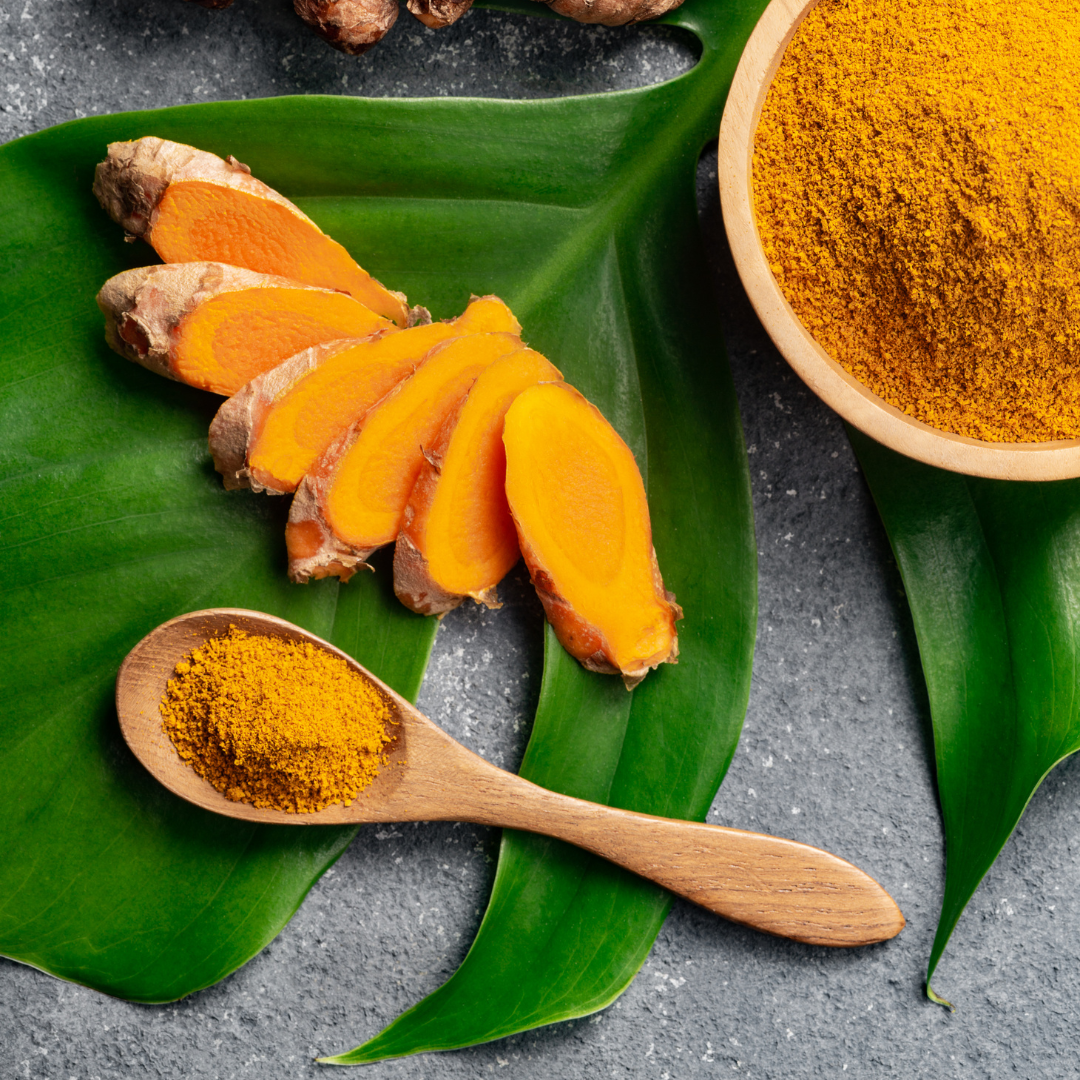
Turmeric for Psoriasis: The Curcumin Mechanism, the Bioavailability Problem & What the Evidence Actually Shows
Turmeric's curcumin has a specific and coherent mechanism for psoriasis — but its notorious poor bioavailability is what determines whether it actually works. Here's the honest picture.
Creatine & Acne: The DHT Mechanism, the Evidence & Who's Most at Risk
Creatine's link to acne runs through DHT elevation rather than direct sebum effects — but individual androgen sensitivity determines whether this matters for your skin. Here's the honest picture.

Omega-3 and Psoriasis: The Eicosanoid Mechanism, What the Evidence Shows & Realistic Expectations
Omega-3 fatty acids have a specific and coherent mechanism for psoriasis — but the evidence is more nuanced than supplement marketing suggests. Here's the honest picture.

Anti-Inflammatory Drinks for Psoriasis: What the Research Actually Shows
Some drinks have specific anti-inflammatory mechanisms relevant to psoriasis. Here's an honest assessment of the evidence for each — green tea, oolong, coffee, kombucha, and more.

Eczema and Dairy: The IgE vs Non-IgE Distinction, What the Evidence Shows & How to Test It
Dairy and eczema have a real but nuanced relationship — IgE milk allergy is different from non-IgE delayed reactions. Here's how to tell them apart and whether elimination is worth trying.

Apple Cider Vinegar for Psoriasis: The Acetic Acid Mechanism, Scalp Use Protocol & Why It Burns
ACV's acetic acid temporarily restores the skin's acid mantle and has mild antimicrobial activity — but at psoriasis skin's elevated permeability it penetrates deeply enough to cause chemical burns. Here's the dilution protocol and when to avoid it

Ultra-Processed Foods and Psoriasis: What the Research Shows
Research increasingly links ultra-processed food intake to active psoriasis — through specific inflammatory, metabolic, and gut microbiome mechanisms. Here's what the evidence shows.

Weight Loss and Psoriasis: What the Evidence Shows
Weight loss in overweight psoriasis patients consistently reduces PASI scores — through specific adipokine and inflammatory mechanisms. Here's what the evidence shows.

Fibre & Eczema: How Butyrate, F. prausnitzii & the Gut-Skin Axis Connect
Soluble fibre feeds Faecalibacterium prausnitzii, which produces butyrate — a short-chain fatty acid that reduces the intestinal permeability and systemic inflammation most consistently linked to eczema severity. Here's what the evidence shows
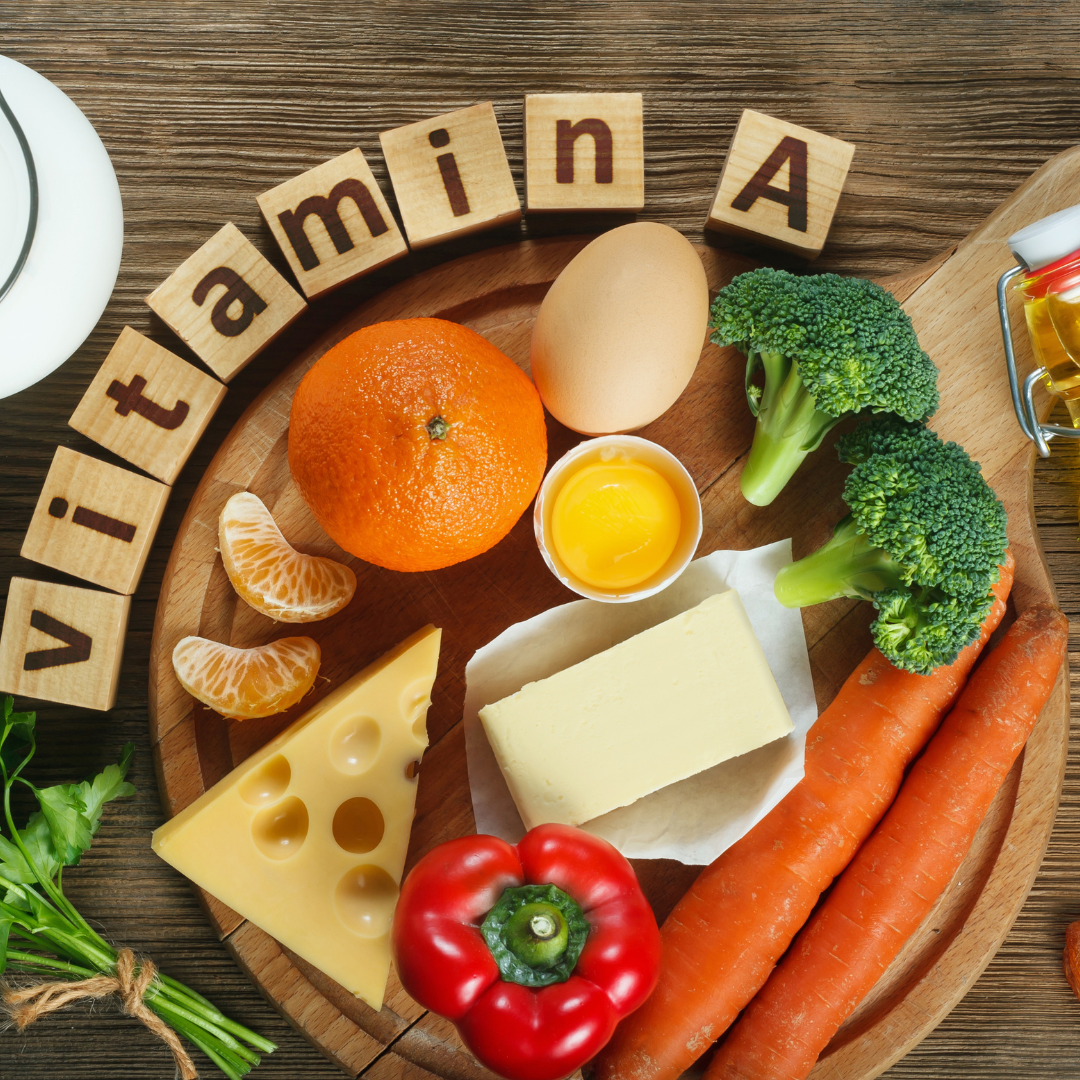
Vitamin A and Psoriasis: The Mechanism, the Pharmaceutical Connection & the Safety Limits
Vitamin A derivatives are among the most effective psoriasis treatments available. Here's how the mechanism works, where supplements fit, and what the toxicity limits mean.

Vitamin D and Eczema: What the Evidence Actually Shows
Vitamin D deficiency is more prevalent in eczema patients and linked to disease severity. Here's what it does, what the research shows, and the UK-specific context most articles miss.