
Eczema and Dairy: The IgE vs Non-IgE Distinction, What the Evidence Shows & How to Test It
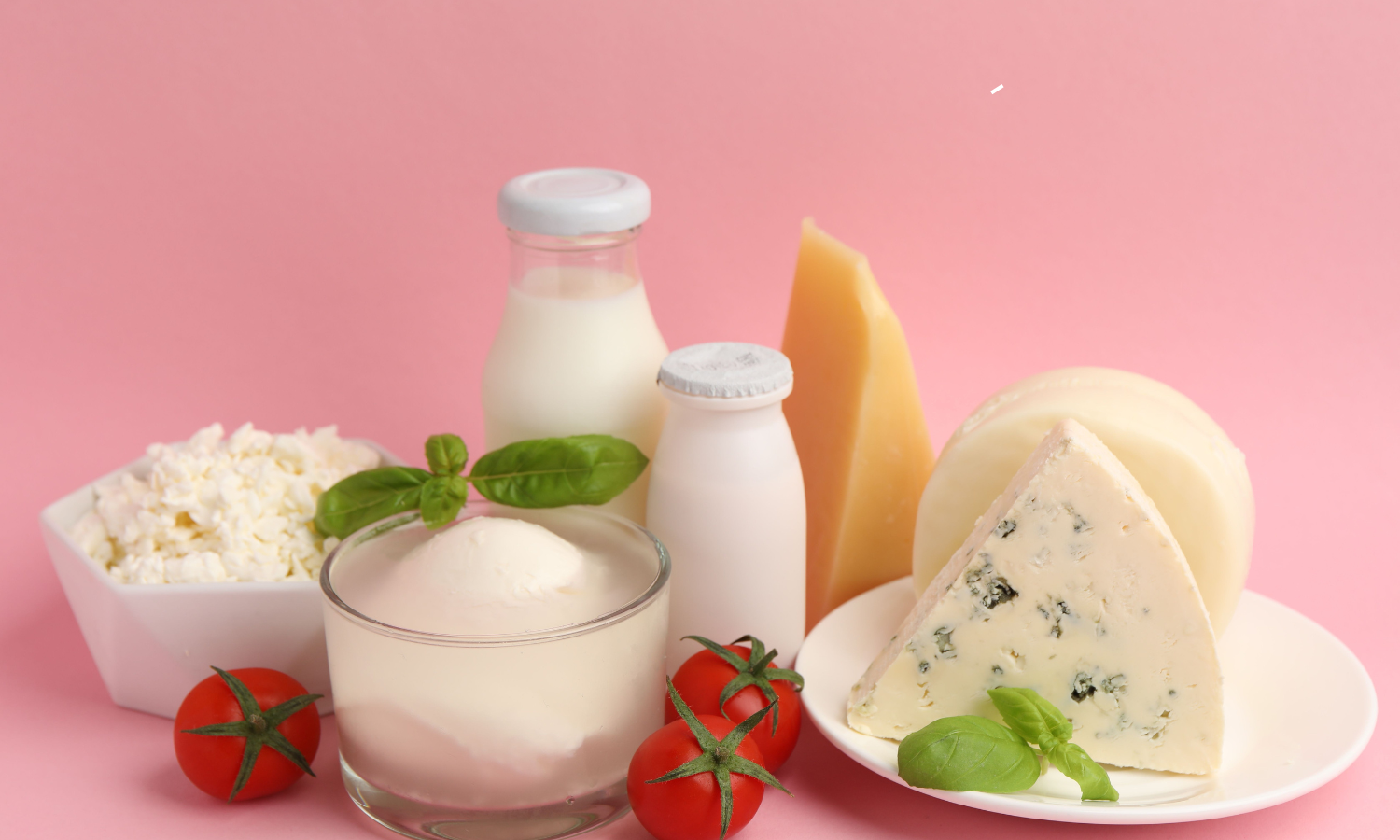
Dairy is one of the most consistently discussed dietary triggers in the eczema community — and one of the most confusingly discussed. People report dramatic improvement after eliminating dairy; others report no change at all. Both experiences are real, and the reason for this variability is more specific than most eczema content acknowledges.
Why Is Dairy Often Blamed for Eczema?
Dairy is one of the most commonly discussed foods in relation to eczema.
There are several reasons for this:
Cow's milk is a common childhood allergen.
Some people report symptom improvements after removing dairy.
Dairy is frequently discussed in online eczema communities.
Food-trigger theories are often appealing because they offer a potentially controllable solution.
However, personal experiences do not always reflect what happens across the wider eczema population.
Why dairy and eczema have a complicated relationship
Dairy contains several components that can affect eczema through different and distinct mechanisms — meaning the dairy-eczema question isn't one question but several, with different answers depending on which component is relevant for any given individual.
Cow's milk proteins (casein and whey). Cow's milk contains two primary protein fractions: casein (approximately 80%) and whey (approximately 20%). Both are potential immune triggers, but through different pathways and with different clinical presentations.
Saturated fat and arachidonic acid. Full-fat dairy contains arachidonic acid — a pro-inflammatory omega-6 fatty acid that competes with EPA and DHA for the same cyclooxygenase enzymes. High arachidonic acid intake shifts the eicosanoid balance toward pro-inflammatory leukotriene production, the same mechanism that omega-3 supplementation works against.
Histamine content in aged dairy. Aged cheeses — particularly hard cheeses like parmesan, cheddar, and stilton — contain significant histamine. In histamine-sensitive individuals, high-histamine dairy products can trigger mast cell degranulation and amplify the Th2 immune activity driving eczema.

Cow's Milk Allergy And Eczema
This is where things become important.
Children with eczema are more likely to experience food allergies than children without eczema.
Cow's milk allergy is one of the most common childhood food allergies.
Symptoms may include:
Hives
Swelling
Digestive problems
Vomiting
Worsening eczema symptoms
In these situations, avoiding dairy may be medically appropriate.
However, not everyone with eczema has a milk allergy.
IgE-mediated milk allergy vs non-IgE delayed reactions
This is the most important distinction in the eczema-dairy conversation and the one most consistently conflated in competing content.
IgE-mediated cow's milk allergy produces immediate reactions — typically within minutes to two hours of dairy consumption. Symptoms include hives, lip swelling, vomiting, or immediate eczema flare. This is a true allergic reaction mediated by IgE antibodies and diagnosed through skin prick testing or specific IgE blood tests (RAST). It affects approximately 2–3% of infants and is less common in adults. If IgE-mediated milk allergy is suspected — particularly in infants with eczema — GP referral for allergy testing is appropriate before dietary elimination.
Non-IgE delayed reactions are more common in the eczema audience and produce symptoms 4–48 hours after dairy consumption — making the connection much harder to identify without systematic tracking. These reactions are mediated through T-cell pathways rather than IgE, are not detectable on standard allergy tests, and are the primary mechanism behind the "dairy seems to worsen my eczema but my allergy test was negative" experience that the eczema community frequently discusses.
The practical implication: a negative allergy test does not rule out dairy as an eczema trigger. IgG food sensitivity tests — widely marketed as detecting food sensitivities — are not clinically validated for eczema trigger identification and should not be used as evidence for or against dairy elimination.
Food Allergy Vs Food Sensitivity
These terms are often used interchangeably, but they are not the same thing.
Food Allergy
A food allergy involves an immune system reaction.
Symptoms often occur shortly after exposure and may include:
Hives
Swelling
Breathing difficulties
Digestive symptoms
Food Sensitivity Or Intolerance
Food sensitivities are generally less clearly defined.
Symptoms may include:
Bloating
Digestive discomfort
Fatigue
General symptom changes
Many people who believe dairy affects their eczema may be referring to sensitivities rather than true allergies.
What the evidence shows
A 2016 systematic review found that dairy elimination in children with established cow's milk allergy produces significant eczema improvement. Evidence for dairy elimination in children and adults without confirmed cow's milk allergy is considerably weaker — some studies show benefit in a subset, most show no statistically significant improvement across the group.
The honest summary: dairy elimination is most likely to benefit people with confirmed IgE-mediated milk allergy, or people with a clear and consistent non-IgE delayed reaction pattern identified through systematic tracking. For the general eczema population without either, the evidence for routine dairy elimination is weak.
Does Removing Dairy Improve Eczema?
For some people, yes.
For many others, no.
Research suggests that dairy elimination is most likely to be beneficial when a genuine milk allergy is present.
For people without a confirmed allergy, evidence supporting routine dairy avoidance is much weaker.
This is one reason why blanket recommendations to remove dairy are not generally advised.
How to test whether dairy affects your eczema
The most reliable approach is a structured elimination and reintroduction protocol:
Phase 1 — Elimination (4–6 weeks). Remove all dairy products — milk, cheese, yoghurt, butter, cream, and processed foods containing dairy ingredients. This includes hidden dairy in baked goods, sauces, and snacks. Four weeks is the minimum to allow the immune response to settle; six weeks provides more reliable data.
Phase 2 — Reintroduction. Reintroduce dairy in a specific sequence: start with baked milk (dairy in cooked goods, tolerated by most non-IgE reactive individuals), then plain pasteurised milk, then soft cheese, then hard/aged cheese. Introduce each form for three days and monitor skin state for 72 hours before progressing. This graduated approach identifies which dairy form, if any, is the specific trigger — many people react to aged hard cheese (high histamine) but tolerate fresh dairy without issue.
Track systematically. Daily skin state scoring (1–4), food intake, and other variables (stress, sleep, skincare products) throughout both phases. Pattern identification requires consistent data — a food and symptom diary is the most reliable tracking tool.
Could Dairy Trigger Flare-Ups?
Some individuals believe certain foods contribute to eczema flare-ups.
Potential explanations include:
Individual food sensitivities
Allergic reactions
Overall dietary patterns
Coincidental timing
The challenge is that eczema naturally fluctuates.
Symptoms may improve or worsen over time regardless of dietary changes, making it difficult to identify genuine triggers.
Calcium and nutrient replacement
Dairy is one of the most calcium-rich food groups in the UK diet. Eliminating it without replacement risks calcium insufficiency — particularly important in children with eczema, pregnant women, and older adults.
Reliable dairy-free calcium sources: fortified oat, soy, or almond milk (check for added calcium — typically 120mg per 100ml, equivalent to cow's milk); canned fish with bones (sardines, salmon); tofu set with calcium sulphate; green leafy vegetables (kale, pak choi — note spinach's oxalate content reduces calcium absorption); fortified bread.
Note on oat milk: oat milk is generally well tolerated by eczema-prone skin and doesn't contain the casein or whey proteins that may trigger reactions. It is not a histamine concern unlike aged dairy. Check for added sugars in flavoured versions.
Should You Try A Dairy-Free Diet?
Some people choose to trial a dairy-free diet under professional guidance.
Potential reasons include:
Suspected milk allergy
Persistent digestive symptoms
Previous reactions to dairy products
However, removing dairy unnecessarily can create challenges.
Dairy products provide nutrients such as:
Calcium
Protein
Vitamin B12
Iodine
Any significant dietary restriction should ideally be planned carefully.
Who is most likely to benefit from dairy elimination
Based on the mechanism and evidence:
Higher likelihood of benefit: people with confirmed IgE-mediated milk allergy; infants with eczema and digestive symptoms after dairy feeding; people who consistently notice eczema worsening 4–48 hours after dairy consumption; people with high histamine sensitivity (also reacting to wine, aged meats, fermented foods); people with significant atopic march (eczema, hay fever, and asthma together).
Lower likelihood of benefit: adults with moderate-to-severe eczema without a consistent dairy-timing pattern; people with primarily environmental rather than dietary trigger patterns; people whose eczema is well-controlled with topical treatment.
What About Adults With Eczema?
Although food allergies are more common in children, adults sometimes question whether dairy affects their symptoms.
The answer remains highly individual.
Some adults report noticeable improvements after reducing dairy, while others see no change at all.
There is currently no evidence suggesting that all adults with eczema should avoid dairy.
Supplement Support For Skin Health
Dairy elimination addresses one potential dietary trigger — the vitamin D deficiency, zinc insufficiency, and barrier dysfunction driving eczema severity operate through internal pathways that dietary modification alone doesn't reliably correct.
Drought's Skin Support Formula provides vitamin D, zinc, vitamin C, and 11 other nutrients — addressing the internal nutritional foundations of eczema management that dairy elimination addresses only indirectly, if at all. Vitamin D is particularly relevant for dairy-free individuals given dairy's contribution to dietary vitamin D in the UK diet. Made in the UK, suitable for vegetarians, designed for consistent long-term daily use.
FAQ
Does dairy cause eczema?
No — but dairy proteins (casein, whey) and histamine in aged dairy can worsen eczema in susceptible individuals through IgE-mediated allergy or non-IgE delayed reactions.
Can dairy make eczema worse?
For some people, particularly those with milk allergy, dairy may contribute to symptoms. For many others, it has no noticeable effect.
Can you have a dairy reaction without a positive allergy test?
Yes — non-IgE delayed reactions are T-cell mediated rather than IgE mediated and don't appear on standard allergy tests. A negative test doesn't rule out dairy as a trigger.
How long should I eliminate dairy to test it?
Four to six weeks minimum — shorter periods don't allow sufficient time for the immune response to settle and skin to reflect dietary changes.
What dairy alternatives are best for eczema?
Fortified oat milk or soy milk for calcium replacement. Check for added sugars in flavoured versions. Both are generally well tolerated by eczema-prone skin.
Does aged cheese affect eczema differently from fresh dairy?
Yes — aged hard cheeses contain significantly more histamine than fresh dairy, making them more likely to worsen eczema in histamine-sensitive individuals even if fresh milk is tolerated.
Should children with eczema avoid dairy?
Only if IgE-mediated milk allergy or a consistent non-IgE reaction pattern has been identified. GP or dietitian guidance is appropriate before restricting dairy in children's diets.
Should everyone with eczema avoid dairy?
No. Current evidence does not support dairy avoidance for everyone with eczema.
How do I know if dairy affects my eczema?
If you suspect dairy is contributing to symptoms, discussing this with a healthcare professional may help guide an appropriate approach.
Is cow's milk allergy common in eczema?
Food allergies, including cow's milk allergy, are more common in children with eczema than in the general population.
Summary
Dairy and eczema have a real but individually variable relationship — IgE-mediated milk allergy produces immediate reactions and benefits clearly from elimination; non-IgE delayed reactions are more common, not detectable on standard allergy tests, and require systematic elimination and reintroduction to identify. Aged hard cheeses carry histamine risk independent of milk protein reactions. Dairy elimination is worth trialling in people with a consistent dairy-timing pattern or confirmed allergy; routine elimination for all eczema patients is not evidence-supported. Calcium replacement requires specific planning for people eliminating dairy long-term.
In Short
Dairy does not directly cause eczema.
Some individuals with eczema may also have cow's milk allergy.
Removing dairy does not improve eczema for everyone.
Food allergies, intolerances, and sensitivities are different conditions.
Dairy elimination should be approached carefully to avoid nutritional deficiencies.
Dairy elimination removes one potential trigger — it also removes a dietary vitamin D source at a latitude where sunlight synthesis is already insufficient for most of the year. Drought's Skin Support Formula provides vitamin D alongside zinc and 12 other nutrients, addressing the nutritional gaps that eczema patients carry regardless of dairy status — and that dairy-free diets may specifically widen. Made in the UK, suitable for vegetarians, designed for consistent long-term daily use.
Start your skin support journey →
Written by the Drought Skin team — specialists in natural support for psoriasis and eczema.
Disclaimer: This article contains affiliate links. We earn a very small commission from each purchase made through these links. There is no additional cost to you. All products featured have been specifically selected as products we personally use and love. For further information, please see our disclaimer page.
