
Cold Water Therapy & Psoriasis: What the Evidence Shows & What to Watch Out For
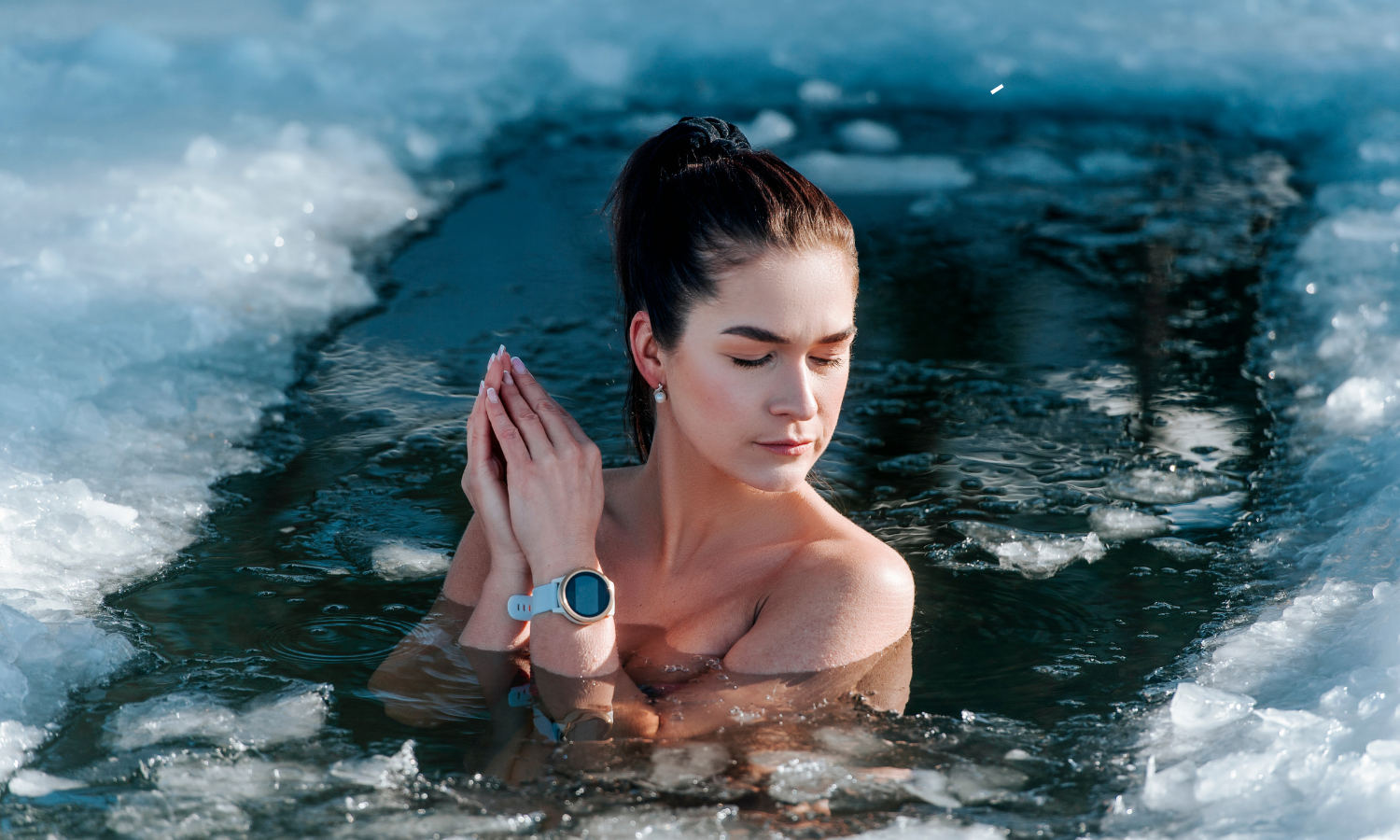
Cold water therapy — cold showers, ice baths, cold plunges, and open water swimming — has moved from niche athletic recovery practice to one of the most widely discussed wellness interventions in the UK. For the psoriasis community, the question of whether deliberate cold exposure provides genuine benefit is worth examining specifically rather than borrowing from the general wellness conversation — because psoriasis has distinct mechanisms, distinct risks, and a distinct safety concern around cold exposure that most cold water content doesn't address.
What Is Cold Water Therapy?
Cold water therapy refers to deliberate exposure to cold temperatures for potential health benefits.
Common examples include:
Cold showers
Ice baths
Cold plunges
Open-water swimming
Contrast therapy
The practice has gained popularity among athletes, fitness enthusiasts, and wellness communities.
Much of the interest centres around inflammation and recovery.
The mechanisms: why cold water has a plausible case for psoriasis
Cold water therapy's potential relevance to psoriasis runs through several simultaneous pathways — none of them certain, all of them mechanistically coherent:
Vasoconstriction and histamine reduction. Cold causes peripheral blood vessel constriction, reducing blood flow to the skin. This reduces mast cell degranulation and histamine release — the same mechanism that explains why hot water worsens psoriasis itch through vasodilation and mast cell activation. The immediate itch relief many people with psoriasis report from cool water is real and mechanistically explained by this vasoconstriction pathway.
Norepinephrine release and cortisol reduction. Cold water immersion triggers a significant norepinephrine release — a catecholamine with anti-inflammatory and mood-stabilising properties. Sustained cold exposure practice has been shown to reduce cortisol levels over time. As covered in the stress and psoriasis article, cortisol directly amplifies Th17 immune activity and adrenal DHEAS production that worsens psoriatic inflammation. Reducing the chronic cortisol burden through regular cold exposure addresses one of psoriasis's most consistently documented aggravating factors.
Immune modulation. Cold exposure activates the sympathetic nervous system and produces measurable changes in immune cell activity — including shifts in inflammatory cytokine profiles. Whether these changes are sufficient in magnitude to produce visible psoriasis improvement is not established in clinical trials, but the direction of effect is consistent with potential benefit.
Endorphin release and psychological benefit. Cold water immersion produces a significant endorphin response — providing both mood elevation and pain/itch signal modulation through opioid receptor pathways. For psoriasis patients, where psychological burden is significant (DLQI scores are among the highest of any skin condition), this psychological dimension of cold water practice is genuinely relevant alongside any direct skin effect.
Why Is Cold Water Therapy Linked To Psoriasis?
Psoriasis is a chronic immune-mediated condition characterised by inflammation.
Because cold exposure has been studied for its effects on inflammatory processes, some people believe it could help reduce psoriasis symptoms.
Potential benefits commonly discussed include:
Reduced itching
Temporary relief from burning sensations
Reduced discomfort
Improved wellbeing
However, these claims should be viewed cautiously.
Psoriasis is a complex condition that cannot be explained by inflammation alone.
Wild swimming: the most multi-mechanism option
Open water wild swimming in natural bodies of water — lakes, rivers, the sea — provides the most comprehensive combination of potentially beneficial exposures:
Cold water vasoconstriction and norepinephrine from cold immersion. UV exposure from outdoor swimming — the same mechanism as phototherapy, reducing Th17 activity at the skin surface. Mineral-rich water in sea swimming — magnesium, sodium, and trace minerals with documented skin-relevant properties. Stress reduction from outdoor green and blue space exposure, with specific cortisol-lowering effects documented in environmental psychology research.
The combination of these simultaneous exposures gives wild swimming a more compelling multi-mechanism rationale for psoriasis than structured cold plunge or ice bath practice alone. The growing wild swimming community in the UK — driven significantly by the popularity of writers including Roger Deakin and the Blue Mind wellness conversation — has produced substantial anecdotal reports of psoriasis improvement from regular open water swimming.
Can Cold Water Reduce Itching?
Possibly.
Many people notice that cool temperatures can temporarily soothe itchy skin.
Cold exposure may:
Reduce nerve activity associated with itching
Provide a temporary cooling sensation
Improve comfort during flare-ups
This is one reason why cool compresses are sometimes used to help manage itchy skin.
However, relief is often temporary rather than long-lasting.
The Wim Hof dimension
The Wim Hof Method — combining cold exposure with specific breathing protocols — has attracted significant psoriasis community interest. Wim Hof's breathing technique (cyclic hyperventilation followed by breath retention) produces alkalosis and increased adrenaline that modulates immune activity. The cold exposure component follows the vasoconstriction and norepinephrine pathways above.
Published research on the Wim Hof Method has found measurable immune modulation in trained practitioners — including reduced inflammatory cytokine responses to endotoxin challenge. Whether this translates to psoriasis benefit hasn't been studied directly, but the mechanistic case is more specific than for generic cold exposure alone.
Recommended Products
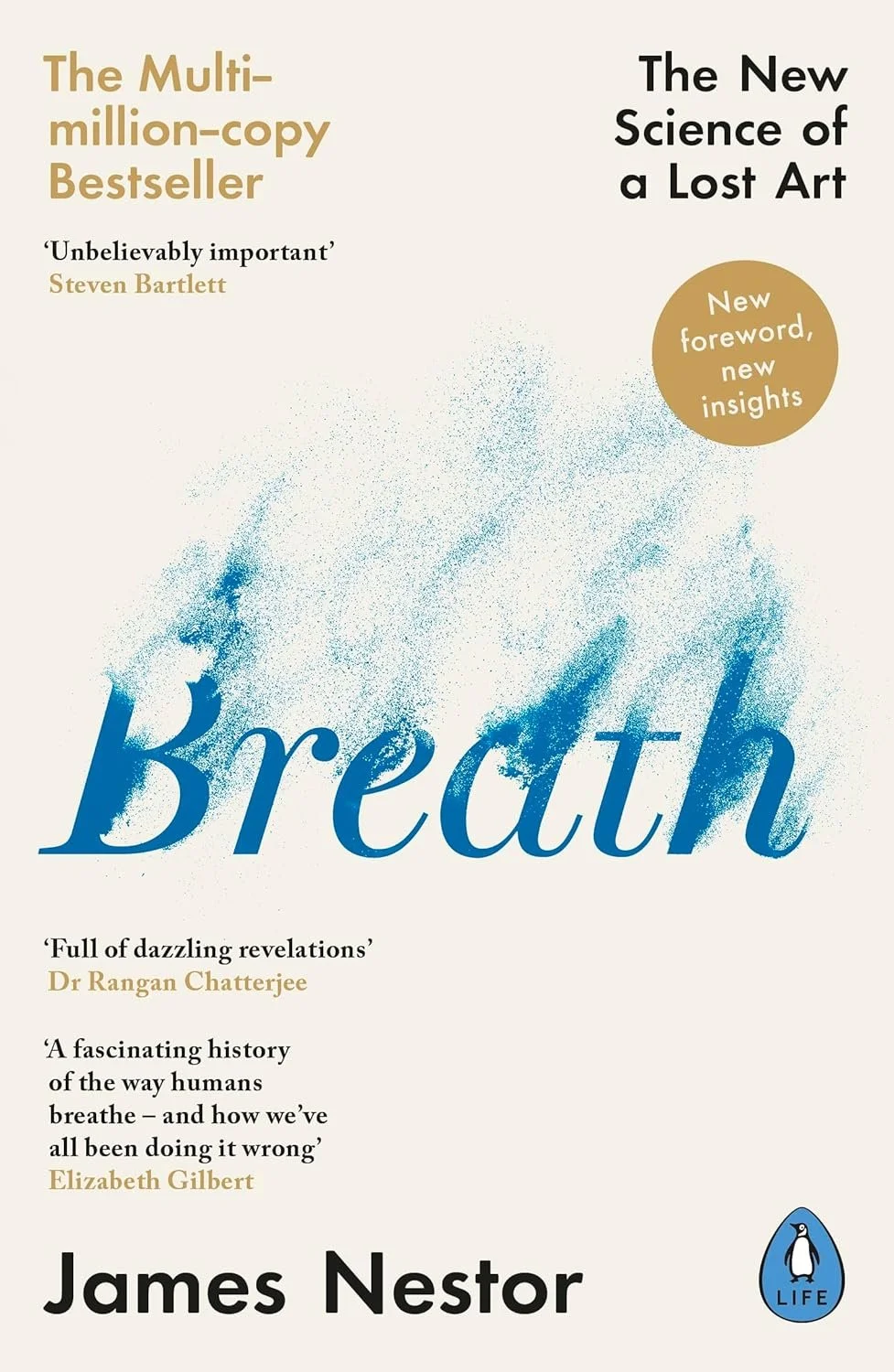
Breath: The New Science of a Lost Art
covers the physiological evidence for breathing's effects on inflammation and immune function in accessible and evidence-grounded detail.
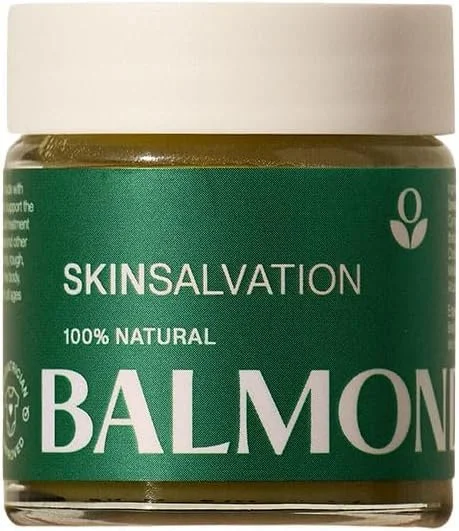
Balmonds Skin Salvation
a beeswax and hemp seed oil balm appropriate for the post-swim emollient application covered above. Stays in place on wet skin better than lighter creams, providing the immediate barrier support that psoriasis-prone skin needs within the post-swim window
What Does The Research Say?
Research specifically examining cold water therapy and psoriasis remains limited.
Most available studies focus on:
Athletic recovery
Inflammation markers
Mood and wellbeing
Stress responses
While some evidence suggests cold exposure may influence inflammatory pathways, there is currently no strong evidence showing that cold plunges or ice baths improve psoriasis itself.
More research is needed before firm conclusions can be made.
The safety considerations specific to psoriasis
Cold urticaria. As covered in the cryotherapy eczema article, cold urticaria — where cold exposure triggers rather than suppresses mast cell histamine release — is more prevalent in atopic individuals than the general population. In someone with cold urticaria, cold water immersion can produce hives, flushing, and in severe cases systemic reactions including anaphylaxis. If you have ever developed hives, swelling, or flushing after cold exposure, cold water therapy is contraindicated and requires GP assessment before any deliberate cold exposure programme.
The Koebner risk from post-swim friction. This is the most practically important and most overlooked safety consideration for psoriasis specifically. Vigorous towel drying after cold water swimming is a consistent and repeated friction stimulus — and as covered in the Koebner phenomenon article, friction on psoriasis-prone skin triggers new plaque formation at trauma sites in approximately 25–30% of psoriasis patients. Patting rather than rubbing when drying, using a soft cotton towel, and applying emollient immediately after drying reduces this Koebner risk significantly.
Dryness from cold and wind. Post-swim dryness — particularly in outdoor settings with wind and sun exposure — can worsen psoriasis barrier function. Applying generous emollient immediately after drying within the two-to-three minute post-swim window is essential.
Cold weather versus cold water. An important distinction: cold ambient temperatures (cold weather, winter) worsen psoriasis through reduced UV, low humidity, and indoor heating-induced dryness — a different mechanism from deliberate cold water immersion. Cold weather worsening psoriasis is not evidence that cold water therapy is harmful.
The Potential Role Of Stress
One interesting area of research involves stress.
Many people with psoriasis report that stress contributes to flare-ups.
Cold exposure has been studied for its effects on:
Mood
Resilience
Stress responses
Nervous system activity
Although this does not mean cold water treats psoriasis, some people feel that the psychological benefits of cold exposure indirectly support their overall wellbeing.
Practical guidance
Cold showers. A safer and more accessible starting point than ice baths or open water. Ending a lukewarm shower with 30–60 seconds of cool water provides vasoconstriction and mild norepinephrine benefit without the cold shock and prolonged exposure of full cold immersion. Build gradually.
Wild swimming. Apply emollient before entering the water — this provides a brief occlusive barrier layer. Pat dry with a soft cotton towel immediately after. Apply generous emollient within two to three minutes of exiting. Change into warm, dry clothing promptly to prevent post-swim chill-driven vasoconstriction that worsens Koebner-vulnerable skin.
Ice baths and cold plunges. The most significant cold urticaria risk given the total body surface area exposure. Contraindicated for anyone with cold urticaria, active inflamed or broken psoriasis plaques, or cardiovascular contraindications. Start with brief exposures (1–2 minutes at 10–15°C) rather than extreme cold.
Could Cold Water Make Psoriasis Worse?
For some individuals, yes.
Cold environments are often associated with:
Lower humidity
Increased skin dryness
Reduced skin hydration
These factors may aggravate psoriasis symptoms in certain people.
Potential problems include:
Dryness
Tightness
Increased scaling
Skin discomfort
This is particularly relevant during winter months.
Cold Showers Vs Hot Showers
Many people compare cold and hot water when managing psoriasis.
Hot Water
Hot showers may:
Feel soothing initially
Increase skin dryness
Remove natural oils
Worsen itching in some individuals
Cold Water
Cold showers may:
Feel refreshing
Temporarily reduce itching
Cause less moisture loss than very hot water
However, extremely cold water is not necessarily better.
For many people, lukewarm water remains the most comfortable option.
What cold water therapy cannot do for psoriasis
Cold water therapy does not modulate the Th17 immune dysregulation at the level of prescription biologics, calcipotriol, or methotrexate. It does not replace appropriate medical management for moderate-to-severe disease. The norepinephrine and cortisol effects address the stress dimension of psoriasis — a meaningful contribution, but one component of a multifactorial condition. For mild psoriasis with a significant stress component, cold water practice is one of the more coherent lifestyle interventions available. For moderate-to-severe disease, it is a complementary practice alongside, not instead of, appropriate treatment.
What About Ice Baths?
Ice baths expose the body to very cold temperatures for short periods.
Although popular in recovery and fitness communities, evidence supporting ice baths for psoriasis is currently lacking.
Potential concerns include:
Skin irritation
Excessive dryness
Discomfort during active flares
Anyone considering regular ice baths should pay attention to how their skin responds.
Supplement Support For Skin Health
Cold water therapy addresses the stress-cortisol and vasoconstriction dimensions of psoriasis. The systemic Th17 immune activity, nutritional deficiencies, and inflammatory burden driving active disease require internal support alongside any lifestyle intervention.
Drought's Skin Support Formula provides vitamin D, zinc, magnesium, and 11 other nutrients — addressing the internal immune and nutritional foundations that cold water therapy's stress reduction and cortisol modulation benefit most when supported nutritionally. Made in the UK, suitable for vegetarians, designed for consistent long-term daily use.
FAQ
Can cold water help psoriasis?
Through vasoconstriction reducing histamine-mediated itch, norepinephrine release reducing cortisol, and immune modulation — plausible mechanisms with no direct RCT evidence for psoriasis specifically.
Are ice baths good for psoriasis?
There is currently no strong evidence showing ice baths improve psoriasis symptoms.
Is wild swimming good for psoriasis?
Wild swimming provides the most comprehensive combination — cold vasoconstriction, UV exposure, mineral-rich water, and outdoor stress reduction simultaneously. Anecdotal reports are consistently positive; clinical evidence is absent.
Can cold water make psoriasis worse?
Cold ambient temperatures (cold weather, winter) worsen psoriasis through dryness and reduced UV. Cold water immersion is different — and can worsen symptoms through cold urticaria or post-swim Koebner friction if not managed appropriately.
What is cold urticaria and why does it matter for psoriasis?
Cold urticaria is a condition where cold triggers mast cell histamine release — producing hives and potentially systemic reactions. More prevalent in atopic individuals. Contraindicated for cold water therapy without GP assessment.
Is the Wim Hof Method good for psoriasis?
The breathing and cold exposure combination has documented immune modulation effects in research. No direct psoriasis trials exist. The stress reduction and norepinephrine dimension is plausible and consistent with psoriasis management goals.
How do I apply emollient after cold water swimming?
Pat dry (never rub) with soft cotton towel. Apply generous emollient within two to three minutes. Change into warm dry clothing immediately. This sequence reduces both Koebner friction risk and post-swim barrier dryness.
Can cold weather make psoriasis worse?
Yes. Many people experience worsening symptoms during colder months due to reduced humidity and increased skin dryness.
Is cold water better than hot water for psoriasis?
Very hot water can increase dryness and irritation. Many people find lukewarm water more comfortable than either extreme.
Does cold water reduce inflammation?
Research suggests cold exposure may influence inflammatory processes, although its impact on psoriasis specifically remains unclear.
Summary
Cold water therapy has specific and mechanistically coherent pathways relevant to psoriasis — vasoconstriction reducing histamine, norepinephrine release reducing cortisol, immune modulation through sympathetic activation, and endorphin-mediated mood benefit. Wild swimming provides the most comprehensive multi-mechanism rationale through the additional UV and mineral water dimensions. Cold urticaria is a genuine contraindication requiring GP assessment if cold-triggered hives have been experienced. The Koebner risk from post-swim towel friction is the most practically important safety consideration — pat dry, apply emollient immediately, use soft cotton. Cold water therapy is a complementary lifestyle intervention for psoriasis, not a treatment.
In Short
Cold water therapy is not a recognised treatment for psoriasis.
Some people find cold water temporarily relieves itching and discomfort.
Cold exposure may influence inflammation and stress responses.
Excessive cold exposure can sometimes worsen skin dryness.
Individual responses vary considerably.
Cold water therapy reduces cortisol and norepinephrine — addressing one significant internal driver of psoriasis. Vitamin D, zinc, and omega-3 address the Th17 immune dysregulation and nutritional deficiencies that persist independently of stress levels. Drought's Skin Support Formula provides all three alongside 11 other nutrients, supporting the internal foundations that cold water therapy works alongside but cannot replace. Made in the UK, suitable for vegetarians, designed for consistent long-term daily use.
Start your skin support journey →
Written by the Drought Skin team — specialists in natural support for psoriasis, eczema and acne
Disclaimer: This article contains affiliate links. We earn a very small commission from each purchase made through these links. There is no additional cost to you. All products featured have been specifically selected as products we personally use and love. For further information, please see our disclaimer page.
