Cleansers for Eczema: What Works, What Doesn't & the SLS Warning
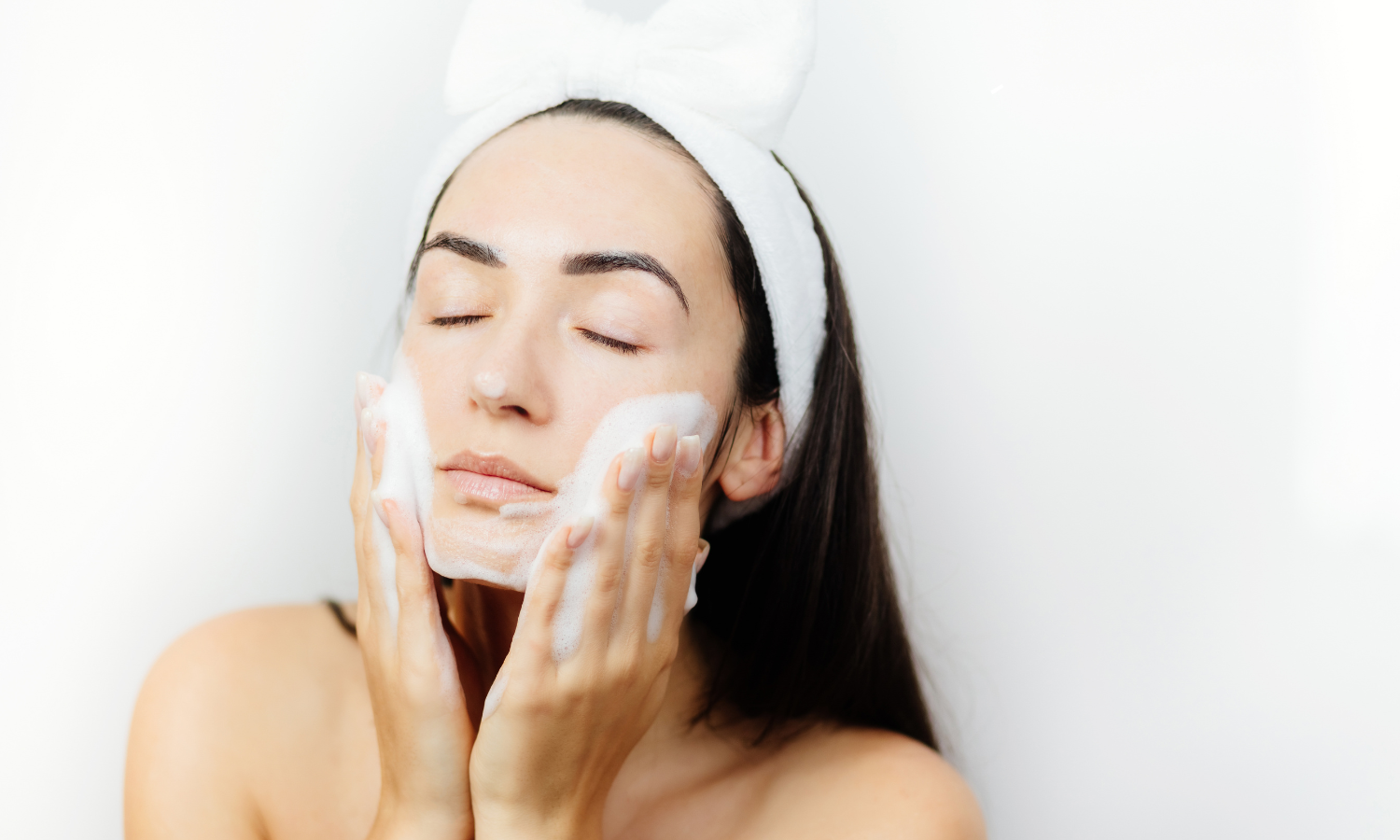
Cleanser is the most overlooked product in eczema skincare — and often the source of the most consistent damage. Many people with eczema invest significant thought in emollients and topical treatments while continuing to cleanse with a product that undermines the barrier work everything else is trying to do.
Understanding why the wrong cleanser is specifically harmful — and what makes a cleanser appropriate for eczema skin — changes this part of the routine from a potential liability to a genuine support.
Why Cleansers Matter For Eczema
The skin barrier plays a crucial role in eczema.
A healthy skin barrier helps:
Retain moisture
Protect against irritants
Reduce water loss
Support overall skin function
People with eczema often have a weakened skin barrier, making skin more vulnerable to dryness and irritation.
Because cleansing directly affects the surface of the skin, using the wrong product can make these problems worse.
Why cleansing is uniquely risky for eczema skin
The stratum corneum is maintained by a ceramide-cholesterol-fatty acid lipid matrix — the "mortar" between corneocytes. This lipid matrix maintains barrier integrity and prevents elevated transepidermal water loss (TEWL).
Many cleansing agents — particularly anionic surfactants — work by extracting lipids from surfaces, which is exactly what makes them effective at removing grease and dirt. Applied to eczema skin, these same agents extract the ceramides and cholesterol from the stratum corneum that the barrier depends on. The result: temporarily clean skin with a measurably more permeable, more water-lossy barrier than before cleansing.
For healthy skin with intact barrier lipids, this extraction is modest and the barrier replenishes quickly. For eczema skin — where ceramides are already reduced by filaggrin mutation and Th2 cytokine signalling — even mild surfactant extraction on top of an already-depleted lipid matrix produces significant disruption.
What to look for in a cleanser for eczema
Soap-free. Traditional soap is alkaline — typically pH 9–10, compared to the skin's ideal pH of 4.5–5.5. Alkaline cleansers disrupt the ceramide-processing enzymes that maintain the skin barrier. As covered in the skin barrier article, elevated skin surface pH contributes to barrier dysfunction. Soap-free, pH-balanced cleansers maintain the acid mantle that barrier function depends on.
SLS-free. Non-ionic or mild amphoteric surfactants (cocamidopropyl betaine, decyl glucoside, coco-glucoside) cleanse without the same aggressive lipid extraction as SLS. These are the surfactant categories to look for in ingredient lists.
Fragrance-free. As throughout this series — fragrance is the most common contact allergen in cosmetics, and eczema skin's elevated permeability increases sensitisation risk.
Short ingredient list. For highly reactive eczema skin, fewer ingredients mean fewer potential triggers.
Hydrating additions. Glycerin, ceramides, or colloidal oatmeal in a cleanser reduce the dehydrating effect of surfactant contact — providing some barrier-supportive benefit while cleansing.
The SLS mechanism: why it matters specifically
Sodium lauryl sulphate (SLS) is the most commonly used and most potent of the anionic surfactants found in cleansing products. It is exceptionally effective at lipid extraction — which makes it excellent for industrial cleaning and effective at generating lather, but specifically problematic for eczema-prone skin.
SLS penetrates into the stratum corneum and disrupts the lipid bilayer structure that holds barrier ceramides in their ordered, waterproof arrangement. Unlike gentler amphoteric surfactants (such as cocamidopropyl betaine), SLS remains in contact with skin cells for extended periods even after rinsing, sustaining its barrier-disrupting effect.
The reaction many people with eczema describe after using SLS-containing products — immediate tightness, dryness, and heightened sensitivity — is the barrier lipid extraction happening in real time.
Ingredients That May Cause Problems
Not every ingredient affects everyone in the same way, but some ingredients are more commonly associated with irritation.
Fragrance
Natural and synthetic fragrances may trigger irritation in susceptible individuals.
Essential Oils
While often marketed as natural, some essential oils can be irritating to sensitive skin.
Harsh Surfactants
Certain cleansing agents may remove too much oil from the skin and increase dryness.
Physical Exfoliants
Scrubs and abrasive cleansing products can aggravate already irritated skin.
The aqueous cream cautionary tale
For years, aqueous cream was widely recommended on the NHS as an emollient for eczema. It was cheap, widely available, and easy to prescribe. The problem: aqueous cream contains sodium lauryl sulphate as an emulsifying agent — at approximately 1% concentration. Research published from 2010 onwards found that regular application of aqueous cream actually thinned the skin barrier, increased TEWL, and worsened eczema outcomes in children with atopic dermatitis.
A product prescribed specifically for eczema was containing the exact ingredient that damages eczema skin. This finding led to updated clinical guidance removing aqueous cream from leave-on emollient recommendations — it remains acceptable as a soap substitute (wash off rather than leave on) but should not be used as a moisturiser.
The aqueous cream story is why ingredient lists matter — "prescribed" or "medical sounding" does not mean safe for eczema.
Face Cleansers Vs Body Cleansers
The skin on the face is often more delicate than the skin elsewhere on the body.
As a result:
Facial eczema may benefit from particularly gentle cleansers.
Body washes designed for sensitive skin may be suitable for some people but not all.
Using highly fragranced body products on the face is generally best avoided.
Products worth considering
(Affiliate links — we may earn a small commission at no extra cost to you.)
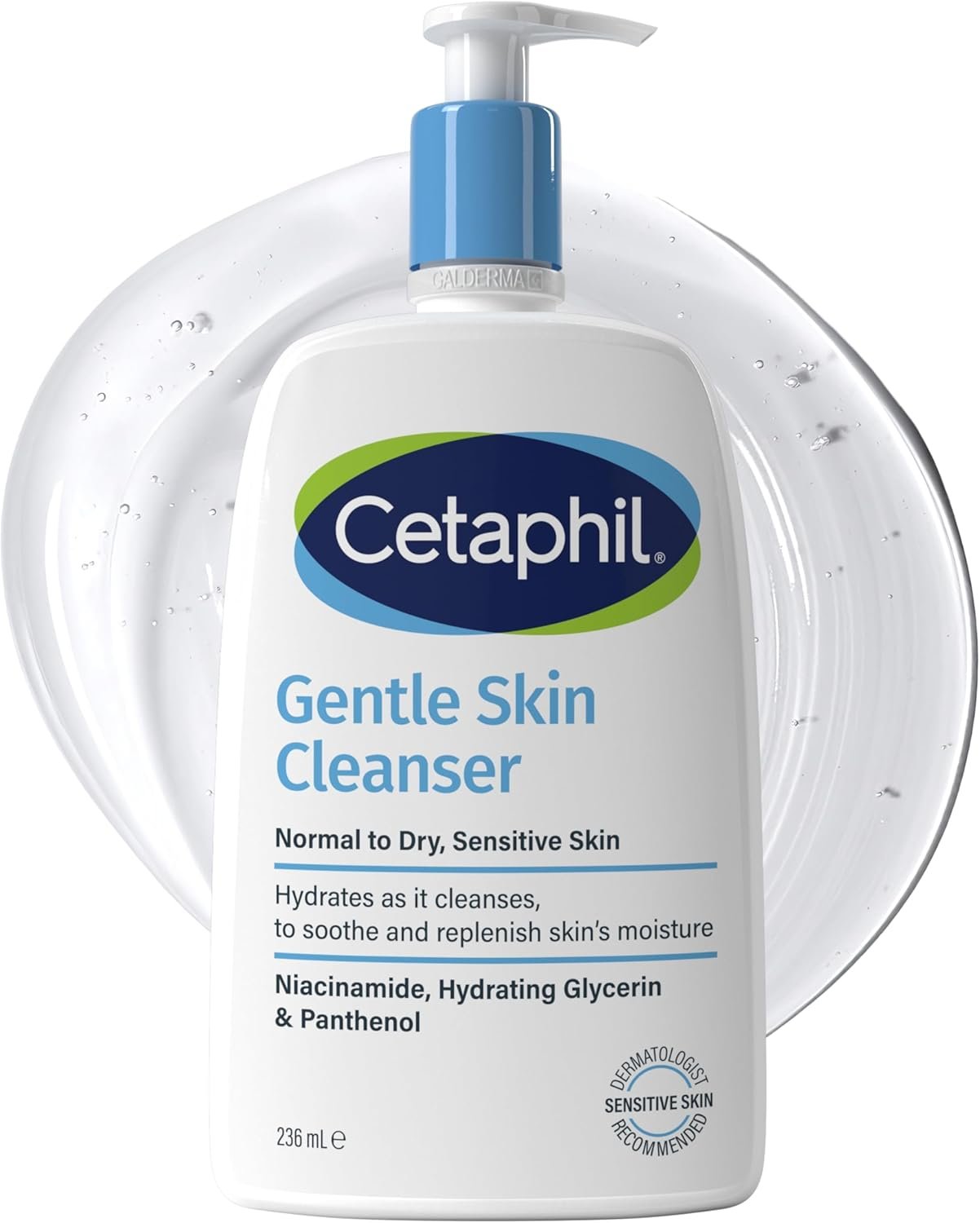
Cetaphil Gentle Skin Cleanser
a fragrance-free, soap-free cleanser consistently recommended by dermatologists for eczema-prone skin. Mild surfactant system, minimal ingredients, appropriate for face and body. A reliable, well-tolerated daily cleanser that supports rather than disrupts the barrier. Available in large sizes for practical daily use.
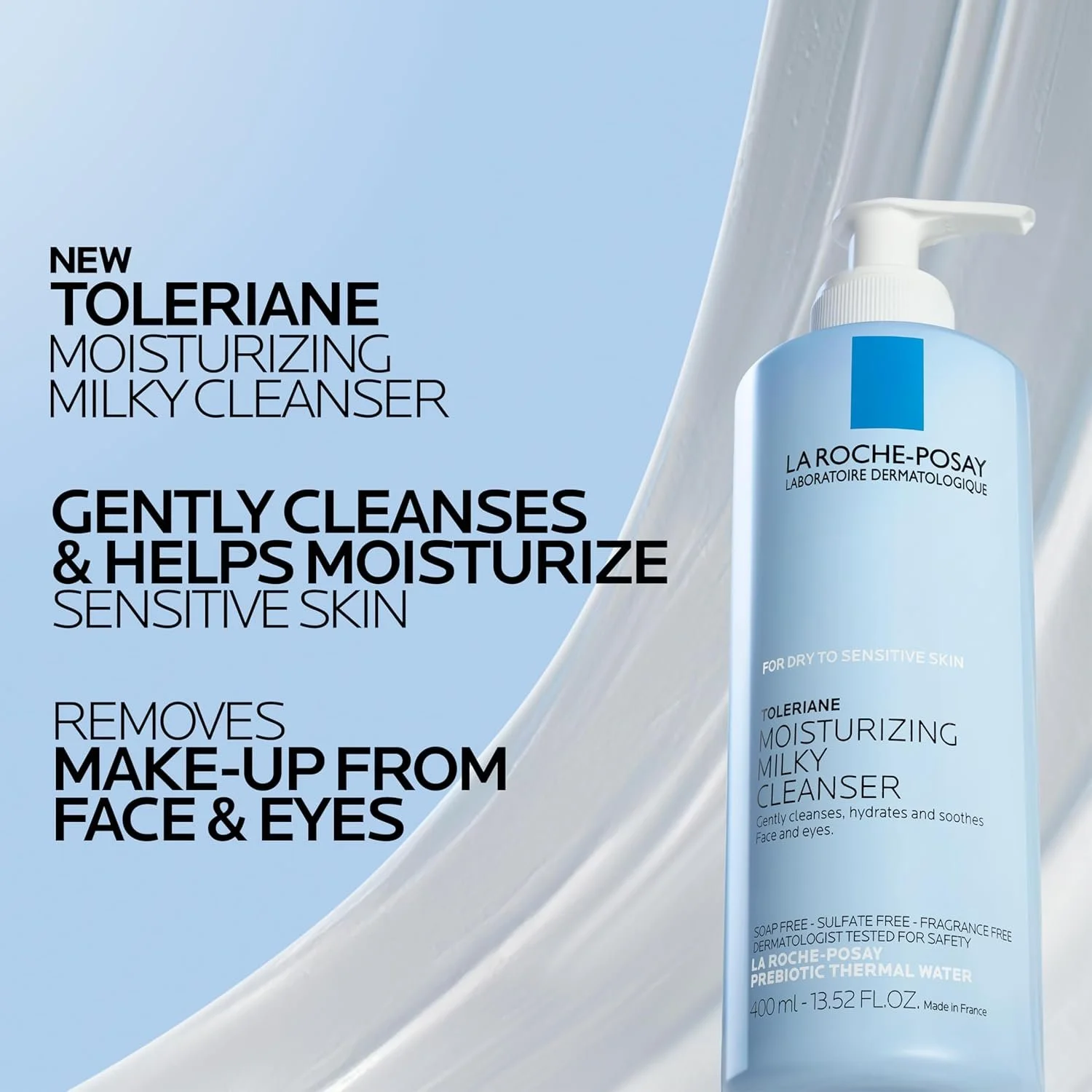
La Roche-Posay Toleriane Dermo Milk Cleanser
a hydrating cleanser containing ceramides and niacinamide alongside its mild surfactant base. Fragrance-free, tested on sensitive skin, and formulated specifically to support the barrier while cleansing. A step up from basic cleansers for people who want active barrier support alongside the cleansing step.
Common Cleansing Mistakes
Washing Too Frequently
More cleansing does not necessarily mean healthier skin.
Overwashing can contribute to dryness and irritation.
Using Hot Water
Hot water may worsen dryness and compromise the skin barrier.
Lukewarm water is often preferred.
Scrubbing The Skin
Aggressive cleansing can increase irritation and inflammation.
Skipping Moisturiser Afterwards
Applying moisturiser after cleansing helps lock in hydration and support the skin barrier.
How often to cleanse with eczema
Once daily in the evening is sufficient for most people with eczema — removing the day's accumulated sweat, product, and environmental deposits. A morning rinse with water alone (no cleanser) is appropriate unless the skin is very oily.
During flares: reduce to the minimum necessary. An emollient applied to wet skin and rinsed off — using your regular emollient as a soap substitute — provides cleaning with zero surfactant exposure. This is the lowest-risk approach during active eczema.
Do Natural Cleansers Work Better?
Not necessarily.
Natural ingredients are not automatically gentler.
In fact, some plant extracts, essential oils, and botanical ingredients may irritate sensitive skin.
Rather than focusing on whether a product is natural or synthetic, it is usually more helpful to consider:
Fragrance content
Ingredient profile
Skin tolerance
Clinical testing
Temperature matters as much as the product
Even the gentlest cleanser applied with hot water undoes much of its benefit. Hot water increases vasodilation, worsens itch through histamine release, and strips surface oils more aggressively than lukewarm water. Lukewarm water throughout — while cleansing, while rinsing, always — is as important as the product choice.
After cleansing: the two-to-three minute window
As covered in the eczema skincare routine article, the most important moment in the eczema skincare routine is the two to three minutes immediately after cleansing. Emollient applied while skin retains surface moisture seals hydration in. Waiting until skin is completely dry before moisturising — or skipping moisturiser — makes the cleansing step net negative for the barrier.
Supplement Support For Skin Health
The best cleanser in the world doesn't compensate for the nutritional gaps that affect barrier integrity from within — vitamin D for filaggrin upregulation, zinc for ceramide processing and keratinocyte function, omega-3s for membrane lipid composition.
Drought's Skin Support Formula provides vitamin D, zinc, vitamin C, and 11 other nutrients — supporting the internal nutritional foundations that determine how resilient the barrier is before, during, and after cleansing. Made in the UK, suitable for vegetarians, designed for consistent long-term daily use.
FAQ
What is the best cleanser for eczema?
Fragrance-free, soap-free, SLS-free formulations — Cetaphil Gentle Cleanser and La Roche-Posay Toleriane are among the most consistently recommended by dermatologists.
Can cleansing too much worsen eczema?
Yes. Excessive cleansing may strip natural oils and increase dryness and irritation.
Does SLS worsen eczema?
Yes — SLS extracts ceramides and cholesterol from the stratum corneum, disrupting the barrier lipid matrix that eczema skin is already short of.
Is aqueous cream safe for eczema?
Not as a leave-on moisturiser — it contains SLS and has been shown to thin the skin barrier and worsen eczema outcomes. It can be used as a soap substitute (rinsed off) but not as an emollient.
How often should I wash my face if I have eczema?
Once daily in the evening is sufficient for most people. A water-only morning rinse avoids unnecessary surfactant exposure.
Should I use exfoliating cleansers if I have eczema?
Many exfoliating cleansers can be too harsh for eczema-prone skin and may increase irritation.
Is micellar water good for eczema?
Fragrance-free micellar waters can be appropriate for light cleansing — the micelle system is gentler than typical surfactants. Check for fragrance-free status before use.
Should I use hot or cold water with eczema?
Lukewarm — hot water strips barrier lipids more aggressively and triggers histamine release through vasodilation.
Summary
The wrong cleanser is one of the most consistent and most overlooked eczema mistakes — SLS-containing products extract the ceramides and cholesterol that the barrier depends on, on top of an already-depleted lipid matrix. The aqueous cream story illustrates that even medically prescribed products can contain barrier-damaging surfactants. Soap-free, SLS-free, fragrance-free cleansers with mild surfactant systems — used with lukewarm water, once daily, followed immediately by emollient — protect the barrier rather than undermine it. Cetaphil and La Roche-Posay Toleriane are among the most consistently recommended options for this reason.
Written by the Drought Skin team — specialists in natural support for psoriasis, eczema and acne
Disclaimer: This article contains affiliate links. We earn a very small commission from each purchase made through these links. There is no additional cost to you. All products featured have been specifically selected as products we personally use and love. For further information, please see our disclaimer page.
-
The Eczema Skincare Routine: Step-by-Step for Daily Management
The Skin Barrier in Eczema & Psoriasis: How It Works & Why It Breaks Down
Moisturising for Eczema: How to Do It Properly & What Actually Works
Paraffin Creams for Eczema: Benefits, Fire Risk, and the Best Alternatives
Facial Eczema: Types, Causes, Treatments & the Best Skincare Routine
