Paraffin Creams for Eczema: Benefits, Risks & Alternatives

If you have eczema, there's a very good chance your moisturiser or prescribed emollient contains paraffin — possibly without you realising it. Paraffin-based ingredients are among the most widely used in eczema skincare, found in products ranging from simple petroleum jelly to prescription ointments and NHS-recommended emollients.
They are effective. They are also, in specific circumstances, genuinely dangerous — and the fire risk associated with paraffin-based products on skin and fabrics is one of the most underestimated safety issues in eczema management.
This article covers what paraffin is and how it works, why it's so widely used for eczema, the fire risk and how to reduce it, what the aqueous cream controversy was about, and which paraffin-free alternatives are worth considering.
Paraffin & Eczema: Why It’s Used In So Many Creams
If you’ve ever used an eczema cream or ointment, there’s a good chance it contained paraffin.
Paraffin-based emollients are some of the most commonly recommended products for dry, eczema-prone skin because they help create a protective barrier that locks moisture into the skin. They’re widely used in ointments designed for very dry, cracked or irritated skin.
But while some people find paraffin-based products extremely helpful, others dislike the heavy texture or worry about irritation, clogged skin or long-term use.
Paraffin-based creams are designed to support the skin barrier by helping the skin retain moisture.
What Is Paraffin In Skincare?
In the context of eczema skincare, "paraffin" refers to a group of mineral-derived hydrocarbons derived from petroleum. The main forms you'll encounter are:
White soft paraffin (also known as petrolatum or petroleum jelly). A thick, white semi-solid. This is the purest and most occlusive form — Vaseline is the most familiar example. It sits on the skin surface and forms a strong barrier that significantly reduces transepidermal water loss. It's virtually non-allergenic and has almost no preservatives, making it one of the safest options for highly sensitive skin.
Liquid paraffin (also known as mineral oil). A lighter, oily liquid form of paraffin that is blended into many emollient creams and ointments to adjust texture and improve spreadability. More comfortable for daytime use than white soft paraffin on its own.
Emulsifying wax with paraffin is the basis for many mixed creams and ointments — combining the occlusive benefit of paraffin with water-based ingredients that make the product easier to apply and less greasy.
The key mechanism is occlusion: paraffin sits on the skin surface and physically reduces the rate at which water evaporates from the compromised eczema barrier. It doesn't add moisture or repair the skin structurally — it creates a protective layer that slows moisture loss and reduces exposure to irritants, giving the skin a better environment to maintain what hydration it has.
Why Paraffin Creams Are Commonly Used For Eczema
Paraffin-based emollients dominate eczema care for reasons that are practical and evidence-based.
They are highly effective at reducing transepidermal water loss. Heavier, more occlusive products — ointments particularly — provide the strongest and longest-lasting moisture barrier. For very dry or severely affected eczema skin, nothing is more effective at addressing the dryness component of the condition.
They have minimal sensitisation potential. Paraffin itself is chemically inert — it doesn't interact with skin biology, doesn't trigger immune responses, and is rarely a direct cause of allergic contact reactions. This makes it one of the most reliably tolerated ingredients for reactive skin.
They require fewer preservatives. Because ointments contain little or no water, bacteria and mould can't grow in them — which means paraffin-heavy ointments typically contain far fewer preservatives than creams or lotions. For people with eczema who react to preservatives (particularly methylisothiazolinone and related compounds), this is a meaningful advantage.
They are available on NHS prescription. Products including Epaderm Ointment, Hydromol Ointment, and Emulsifying Ointment BP — all paraffin-based — are prescribed by GPs and are available in large quantities, which is important for a condition that requires generous, frequent application.
Why Some People Don’t Like Paraffin-Based Products
Although paraffin creams work well for many people, they aren’t universally loved.
Common complaints include:
Feeling greasy or sticky
Staining clothing or bedding
Feeling too heavy during the day
Causing overheating
Not absorbing easily
Some people with acne-prone skin also feel thick paraffin products worsen congestion, especially on the face.
Texture and comfort matter — the “best” emollient is often the one someone can use consistently.
Are Paraffin Creams Safe?
Paraffin-based emollients are widely used in eczema care and are considered effective for supporting dry skin.
However, an important safety concern is flammability.
Paraffin products can soak into:
Clothing
Bedding
Dressings
and increase fire risk near flames or cigarettes. NHS and eczema organisations regularly warn about this issue.
Paraffin creams should always be used carefully around naked flames and heat sources.
The fire risk: more serious than most people realise
This is the most important safety issue with paraffin-based emollients, and it needs more prominence than a single paragraph can give it.
Paraffin, when absorbed into fabrics — clothing, bedding, dressings, bandages — creates a highly flammable residue that significantly lowers the ignition temperature of those materials. The paraffin doesn't burn on the skin itself, but the fabric it has soaked into can ignite far more easily than untreated fabric, and will burn more intensely.
This is not a theoretical risk. The Medicines and Healthcare products Regulatory Agency (MHRA) and NHS have issued multiple safety warnings following deaths and serious injuries caused by paraffin-impregnated fabrics catching fire from cigarettes, candles, gas hobs, and other everyday ignition sources. The danger is cumulative — paraffin builds up in fabric with repeated use and washing doesn't reliably remove it.
Specific precautions recommended by NHS and MHRA:
Keep away from fire, flames, and cigarettes when using paraffin-based emollients. Change clothing and bedding frequently — the fire risk increases as paraffin builds up in fabric. Wash bedding and clothing regularly — though be aware that washing alone does not fully remove the residue. Do not smoke while using these products or immediately after application. Take care around gas hobs, candles, and open fires. Keep dressings or bandages over eczema away from naked flames.
This risk applies to all paraffin-based products, including 50/50 ointment, Vaseline, and paraffin-containing creams applied in large quantities. It's particularly relevant for people who apply emollient heavily to large body surface areas, use wet wraps, or sleep in treated clothing.
The aqueous cream story: an important cautionary history
Aqueous cream BP was for many years one of the most commonly prescribed emollients for eczema in the UK. It contains paraffin alongside water and emulsifiers — and crucially, sodium lauryl sulphate (SLS), a detergent used as an emulsifier in its formulation.
The problem is that SLS is a known skin irritant that disrupts the skin barrier — it's specifically used in research to deliberately induce skin barrier damage in volunteers. Several published studies found that using aqueous cream as a leave-on moisturiser in eczema actually increased transepidermal water loss and worsened skin barrier function compared to controls. A 2011 study published in the British Journal of Dermatology found significant evidence of barrier damage from aqueous cream leave-on use.
Following this research, the British Association of Dermatologists updated its guidance, and aqueous cream is now recommended as a soap substitute or wash product rather than a leave-on moisturiser. If you have been prescribed aqueous cream to use as a moisturiser, it is worth discussing this with your GP or dermatologist.
This episode is a useful illustration of why the formula surrounding paraffin matters — paraffin itself is not the problem, but the other ingredients in a product can undermine or reverse its benefit.
Can Paraffin Irritate Eczema?
Paraffin itself is usually considered low-irritation, especially in ointments that contain fewer preservatives and fragrances.
However, reactions may still happen because:
Everyone’s skin is different
Some creams include additional ingredients
Overheated skin may react poorly to thick products
Certain formulas contain detergents or preservatives
For example, older aqueous cream formulas containing sodium lauryl sulphate (SLS) were linked to irritation in eczema-prone skin.
Sometimes irritation comes from the overall formula rather than paraffin itself.
Paraffin-free alternatives worth considering
For people who cannot tolerate paraffin-based products, find the texture impractical, or are concerned about fire risk, there are effective alternatives.
Ceramide-based moisturisers provide barrier support through a different mechanism — replenishing the skin's own lipid components rather than forming an occlusive layer on top. Products like CeraVe contain ceramides, cholesterol, and fatty acids that mirror the composition of healthy skin barrier lipids. They tend to have a lighter texture than paraffin ointments while still providing meaningful barrier support.
Shea butter and plant oil-based products provide occlusion through natural lipids rather than mineral-derived paraffin. These are more variable in tolerability — some plant oils are well-suited to eczema skin, others are potential sensitisers. Products with simple, short ingredient lists and no fragrance are the safest starting point.
Glycerin-based humectants work differently from both paraffin and ceramides — rather than sealing the skin surface, they draw water from the environment into the skin. They are most effective in combination with an occlusive ingredient, and on their own can have a drying effect in low-humidity environments.
Recommended Products
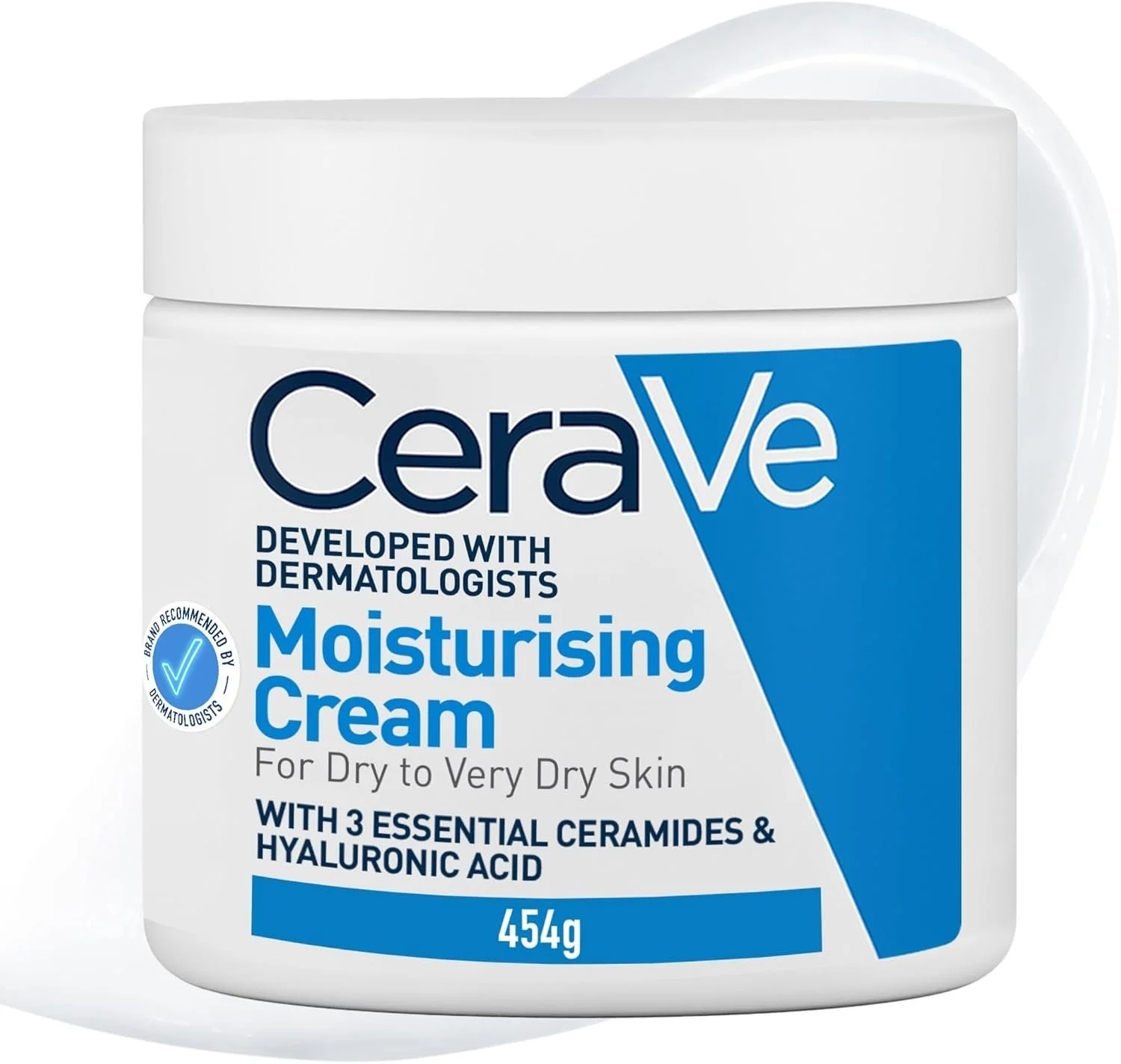
CeraVe Moisturising Cream
fragrance-free, ceramide-containing, available in large tubs. One of the most widely recommended dermatologist choices for eczema-prone skin. Better tolerated than paraffin ointments by many people, with a texture practical for daytime use.
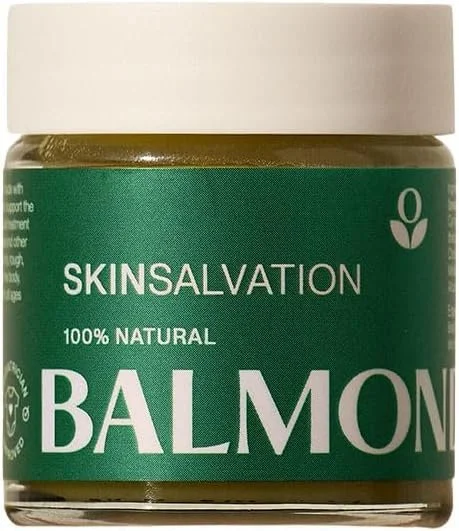
Balmonds Skin Salvation Balm
a preservative-free, paraffin-free balm containing hemp seed oil, beeswax, and calendula. Popular with people who prefer natural alternatives and specifically formulated for eczema-prone skin. The lack of preservatives is an advantage for very reactive skin.
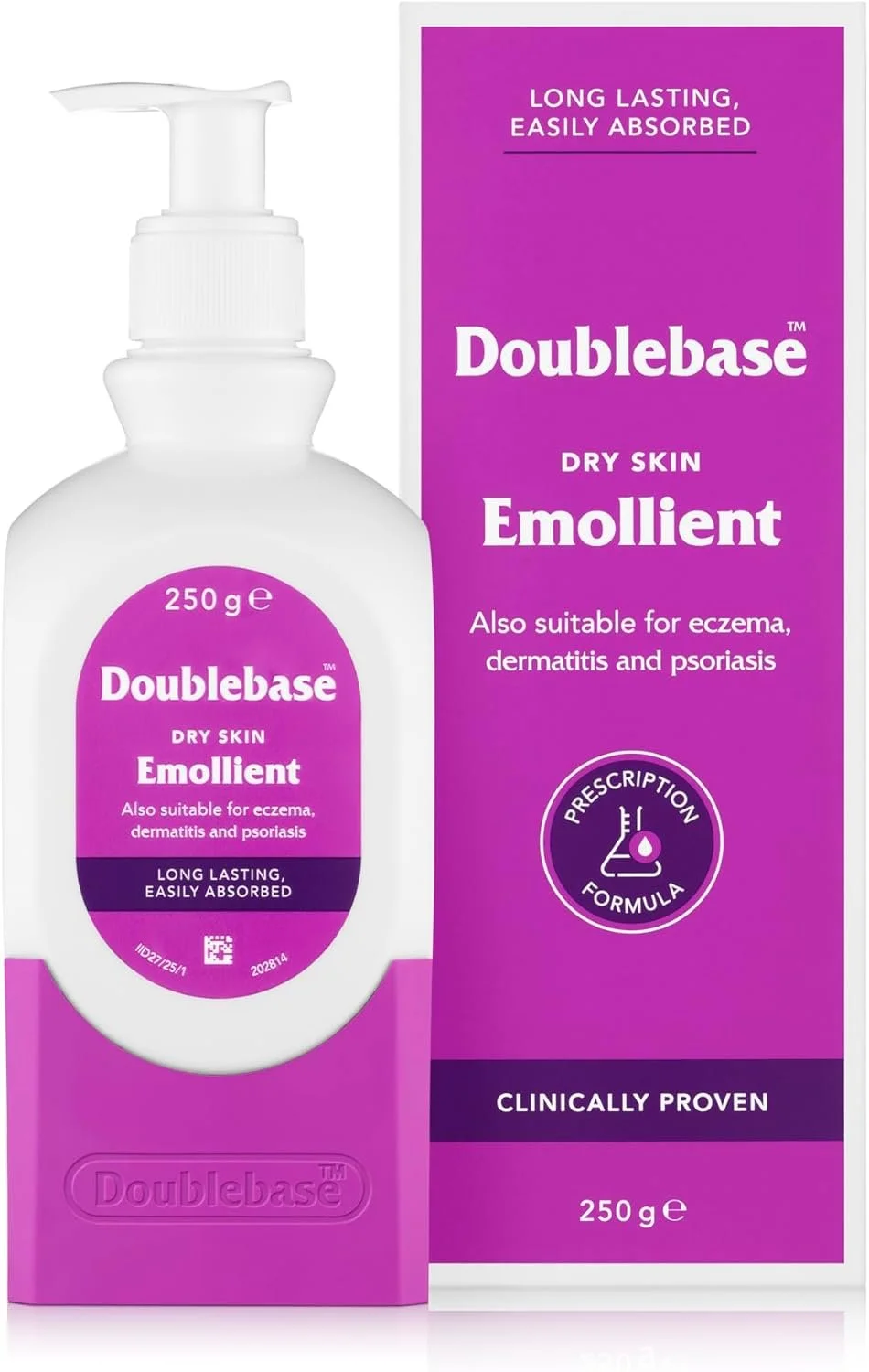
Doublebase Dry Skin Emollient
a paraffin-based emollient in a practical pump format, appropriate for daily generous use on eczema-prone skin. Fragrance-free and well-tolerated — one of the most consistently recommended paraffin emollients in UK dermatology practice. As covered above, store away from naked flames and follow the fire safety guidance with bedding and clothing
How to use paraffin emollients safely and effectively
Apply immediately after bathing — within two to three minutes of patting skin dry, while the skin retains some surface moisture. This traps hydration beneath the paraffin layer rather than simply coating dry skin.
Apply generously. Clinical guidance suggests approximately 500g of emollient per week for an adult with eczema affecting most of the body. Most people apply far less. Thin application provides thin occlusion.
Use ointments at night, lighter products during the day. The greasiness of paraffin ointments is less practical during waking hours. Many people find a ceramide cream or lighter emollient comfortable for daytime use and reserve heavier ointments for overnight application — when they have the most time to work and the least risk of staining clothing.
Change and wash bedding regularly if using paraffin-based products overnight, and be aware that washing alone does not fully eliminate the fire risk from impregnated fabrics.
Do not use near flames. This applies immediately after application and throughout the period when product remains on the skin and fabrics.
Supplement Support for Dry, Sensitive Skin
Emollients — paraffin-based or otherwise — work from the outside. The skin's own ability to build and maintain its barrier is also influenced by nutritional status: zinc for barrier integrity and immune regulation, vitamin D for immune modulation, biotin for normal skin function, and vitamin C for collagen synthesis are among the nutrients most directly relevant.
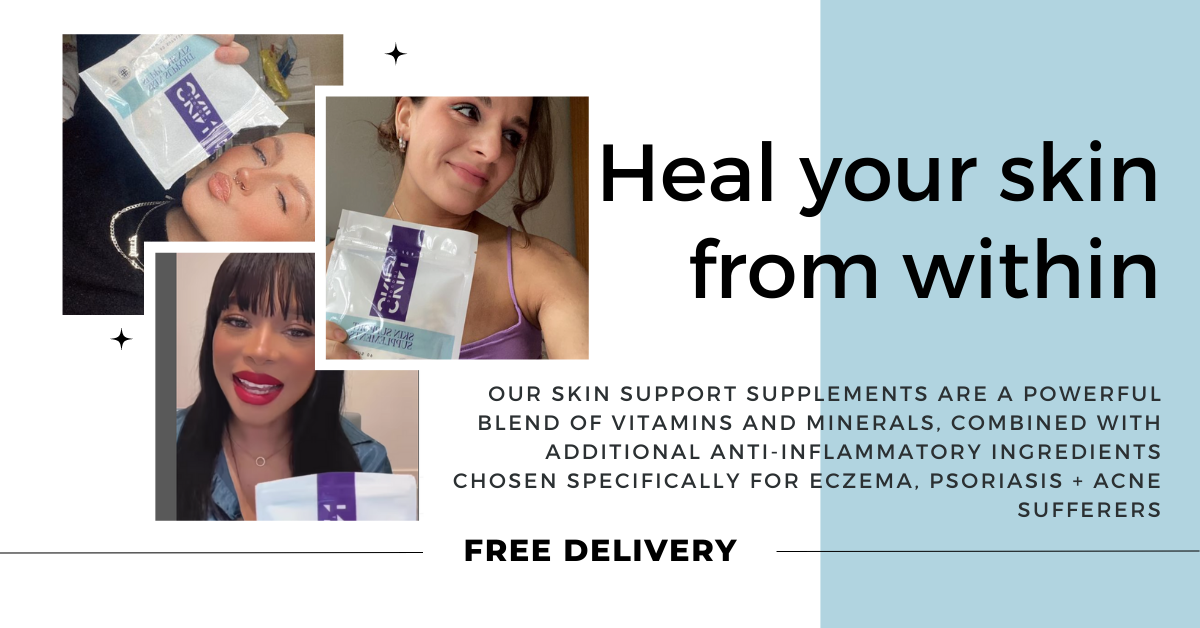
Drought's Skin Support Formula combines 14 of these nutrients in a daily supplement specifically designed for dry, reactive, and sensitive skin — supporting the internal foundations that even the best emollient routine cannot address on its own. Made in the UK, suitable for vegetarians, formulated for consistent long-term use.
FAQ
Is paraffin good for eczema?
Yes — paraffin-based emollients are among the most effective eczema moisturisers available because they form an occlusive barrier that directly reduces transepidermal water loss (TEWL). Eczema skin loses water at a significantly higher rate than healthy skin through its compromised tight junction structure — paraffin's occlusive layer compensates for this specific deficit more effectively than most lighter moisturiser formats. White soft paraffin and liquid paraffin are the two most commonly used forms and are both suitable for daily and overnight application.
What does paraffin do in eczema creams?
Paraffin creates a physical occlusive layer over the skin surface that reduces TEWL — it doesn't add moisture but prevents the existing moisture in the skin from evaporating through the compromised barrier. Applied within two to three minutes of bathing while skin is still slightly damp, paraffin-based emollients trap the absorbed water before it evaporates — the most effective application timing regardless of emollient type. This occlusive mechanism is why paraffin ointments are typically more effective for severe dryness than lighter water-based creams.
Can paraffin irritate eczema?
Paraffin itself is generally non-irritating — it's an inert occlusive without the fragrance, preservatives, or surfactants that most commonly trigger eczema reactions. Irritation attributed to paraffin products is almost always from accompanying formulation ingredients. The most important historical example is aqueous cream — a paraffin-containing emollient that was widely prescribed for eczema but contains sodium lauryl sulphate (SLS), which strips ceramides and worsens the barrier it's supposed to support. Aqueous cream should not be used as a leave-on emollient for eczema despite its continuing availability and prescription.
Are paraffin creams flammable — is this a real risk?
Yes — and it's a specific and serious risk rather than a theoretical one. Paraffin soaks into fabric and dressing materials, creating a highly flammable residue that persists even after washing. Clothing and bedding saturated with paraffin emollient can ignite significantly faster than untreated fabric and burn more intensely. The NHS and Medicines and Healthcare products Regulatory Agency (MHRA) have issued specific warnings following deaths and serious injuries from this mechanism. Always allow paraffin emollient to absorb fully before dressing, keep fabric away from naked flames, candles, and cigarettes, and wash bedding and clothing regularly to reduce paraffin saturation.
Why does paraffin feel greasy and is there a less heavy option?
The occlusive mechanism that makes paraffin effective is the same property that produces the greasy texture — a heavier occlusive layer reduces TEWL more effectively but sits on the skin surface rather than absorbing. For daytime use where the texture is a barrier to consistent application, lighter emollients with lower paraffin concentrations or ceramide-based alternatives are reasonable — consistent application of a lighter emollient is more effective than inconsistent application of a heavier one. Reserve white soft paraffin for overnight use or particularly dry areas where maximum occlusion is the priority.
Are there paraffin-free eczema emollients that work as well?
For daily use and mild-to-moderate dryness — yes. Ceramide-containing emollients (CeraVe, Cetraben) address the specific ceramide deficit that eczema skin has, rather than simply occluding the surface. For severe dryness, cracked skin, or overnight barrier repair — paraffin-based ointments remain the most effective option available without prescription, and no paraffin-free alternative provides equivalent TEWL reduction in these presentations. Using a ceramide emollient during the day and a paraffin-based ointment overnight is a coherent dual approach that addresses both the barrier replacement and the occlusion dimensions simultaneously.
When should I apply paraffin emollient for best results?
Within two to three minutes of bathing — this is the most consistently evidenced timing guidance for all emollient application, and particularly important for paraffin-based products where the occlusive mechanism works best when there is surface moisture to trap. Apply generously in the direction of hair growth rather than rubbing vigorously against it — friction on eczema-prone skin from vigorous emollient application produces the same mechanical irritation as physical exfoliation. For very dry areas, covering with a soft cotton cloth after application (wet wrap technique) enhances paraffin's occlusive effect significantly.
Summary
Paraffin-based emollients remain among the most effective tools available for managing eczema — effective, low-allergen, and widely available on prescription. The fire risk is real and underestimated, and warrants consistent practical precautions rather than either dismissal or abandonment of these products. The aqueous cream story is a useful reminder that the full formula matters, not just the paraffin content. For those who need or prefer alternatives, ceramide-based moisturisers and preservative-free natural balms provide effective options — and supporting the skin's own barrier processes through targeted nutrition adds an internal dimension that no topical product can replace.
Written by the Drought Skin team — specialists in natural support for psoriasis, eczema and acne
Disclaimer: This article contains affiliate links. We earn a very small commission from each purchase made through these links. There is no additional cost to you. All products featured have been specifically selected as products we personally use and love. For further information, please see our disclaimer page.
