Microdermabrasion for Acne: Does It Help or Make Things Worse?

Microdermabrasion is one of the most commonly requested treatments for acne-prone skin — and one of the most frequently misapplied. Used in the right context, it genuinely improves skin texture and fades post-acne marks. Used at the wrong time or on the wrong acne presentation, it worsens inflammation, disrupts the barrier, and can cause lasting pigmentation problems that are harder to treat than the original concern.
Here's an honest guide to what microdermabrasion actually does, when it's appropriate for acne, and when it isn't
Microdermabrasion for Acne: Does It Help or Make Skin Worse?
Microdermabrasion has become a popular skincare treatment for people looking to improve:
Acne
Acne scars
Skin texture
Uneven-looking skin
But while some people swear by it, others find their skin becomes more irritated, inflamed, or sensitive afterward.
So, does microdermabrasion actually help acne — or can it sometimes make things worse?
The answer often depends on:
Your skin type
The severity of your acne
How sensitive your skin barrier already is
What microdermabrasion is and how it works
Microdermabrasion is a mechanical exfoliation treatment that removes the outermost layer of dead skin cells (the stratum corneum) through either physical abrasion or controlled suction. The main types are:
Crystal microdermabrasion — a device that propels fine aluminium oxide or sodium bicarbonate crystals across the skin surface and simultaneously vacuums them away. Less common now than diamond-tip.
Diamond-tip microdermabrasion — an abrasive diamond-encrusted tip moves across the skin while suction removes loosened dead skin cells. More controllable and hygienic than crystal systems; the standard in most UK clinics.
Hydradermabrasion — combines mechanical exfoliation with simultaneous infusion of hydrating serums. Gentler than standard microdermabrasion and better tolerated by sensitive or reactive skin; HydraFacial is the most recognised brand.
All three stimulate mild skin turnover and improve the penetration of topical products by removing the dead cell layer that limits absorption.
Why Do People Try Microdermabrasion for Acne?
Because microdermabrasion exfoliates the skin, some believe it may help by:
Removing dead skin buildup
Improving skin smoothness
Helping skin appear brighter
It’s also commonly marketed for:
Mild acne scarring
Uneven skin tone
Textural irregularities
Many people are drawn to the idea of “smoother” or “clearer” skin quickly.
Where microdermabrasion genuinely helps acne presentations
Post-inflammatory hyperpigmentation (PIH). The flat, dark marks left after spots clear are one of the most appropriate uses of microdermabrasion in acne management. These marks are a surface-level pigmentation response — not true scarring — and mechanical exfoliation combined with improved product penetration can meaningfully accelerate their fading. Multiple sessions over 4–6 weeks typically show measurable improvement.
Comedone-prone congestion. Microdermabrasion helps dislodge superficial clogged pores (blackheads and non-inflammatory whiteheads) by removing dead skin buildup that traps sebum. For people whose acne is predominantly non-inflammatory congestion rather than active inflamed lesions, it is a reasonable periodic treatment.
Post-acne texture irregularities. Mild surface textural changes — rough patches, milia, superficial irregularity — are within the scope of microdermabrasion's mechanical action.
Where microdermabrasion makes acne worse
Active inflammatory acne. Inflamed papules, pustules, nodules, and cysts should never be treated with microdermabrasion. The mechanical action spreads bacteria across the skin surface, introduces trauma to already-inflamed tissue, and can rupture superficial pustules — causing deeper infection and significantly worsening both the active acne and post-inflammatory marking. This is the most common mistake in acne microdermabrasion treatments.
Cystic and nodular acne. Deep inflammatory acne has nothing to do with surface dead skin cells — it's a follicular immune response driven by hormones and C. acnes activity deep in the dermis. Exfoliating the surface has no meaningful effect on these lesions and the trauma and barrier disruption can worsen them.
Overexfoliated or compromised barrier. People with acne frequently over-treat their skin — combining active prescription topicals (tretinoin, adapalene), chemical exfoliants (AHAs, BHAs), and physical exfoliation simultaneously. Adding microdermabrasion to this already-stressed skin typically produces worsening redness, sensitivity, and reactive acne rather than improvement.
Who May Want to Avoid Microdermabrasion?
Microdermabrasion may not suit everyone.
Some people choose to avoid it if they have:
Active inflamed acne
Broken skin
Rosacea-prone skin
Severe skin sensitivity
Eczema flare-ups
Overdoing exfoliation may sometimes worsen irritation instead of helping the skin recover.
Gentler skincare approaches may work better for highly reactive skin types.
The PIH risk on darker skin tones
This is the most under-discussed risk of microdermabrasion for acne and one that most articles skip entirely.
Post-inflammatory hyperpigmentation is already more pronounced and persistent on medium-to-darker skin tones (Fitzpatrick types III–VI) — melanocytes in darker skin are more reactive to inflammation and trauma, producing more pigment in response. Microdermabrasion, as a mechanical trauma to the skin, can trigger or worsen PIH in people with these skin tones if performed too aggressively or on reactive skin.
This creates a counterproductive situation: treatment intended to fade post-acne marks can itself produce new marks that are harder to treat. Anyone with a medium-to-dark skin tone should discuss this risk explicitly with a therapist experienced in treating their skin type before proceeding, and consider gentler alternatives (chemical exfoliants at lower concentrations, niacinamide, azelaic acid) as a first approach.
Supplement Support for Acne-Prone Skin
Topical treatments and professional procedures address acne at the surface. The internal drivers — hormonal influences on sebum production, inflammatory immune responses, nutritional status — are not meaningfully addressed by mechanical exfoliation.
Zinc has the most consistent supplement evidence for acne, with documented antibacterial and anti-inflammatory effects relevant to C. acnes. Vitamin D, vitamin C, and magnesium address immune regulation and oxidative stress.
Drought's Skin Support Formula provides 14 nutrients including zinc, vitamin D, vitamin C, and magnesium — addressing the nutritional dimension of acne management that no topical treatment or procedure reaches. Made in the UK, suitable for vegetarians, designed for consistent long-term daily use.
True acne scars vs PIH: the distinction that determines treatment
Most people who want microdermabrasion for "acne scars" are actually referring to PIH — the flat dark marks described above. True acne scarring involves structural tissue changes: ice pick scars (deep, narrow channels), rolling scars (undulating depressions from subcutaneous fibrous bands), and boxcar scars (broad depressions with defined edges).
Microdermabrasion has little meaningful effect on true textural acne scars. The structural changes are in the dermis, not the stratum corneum that microdermabrasion addresses. True acne scars require treatments that reach deeper: microneedling, fractional laser, subcision, or chemical peels at appropriate depths. Managing expectations here is important — and most clinic consultations underemphasise this distinction.
Recommended Products
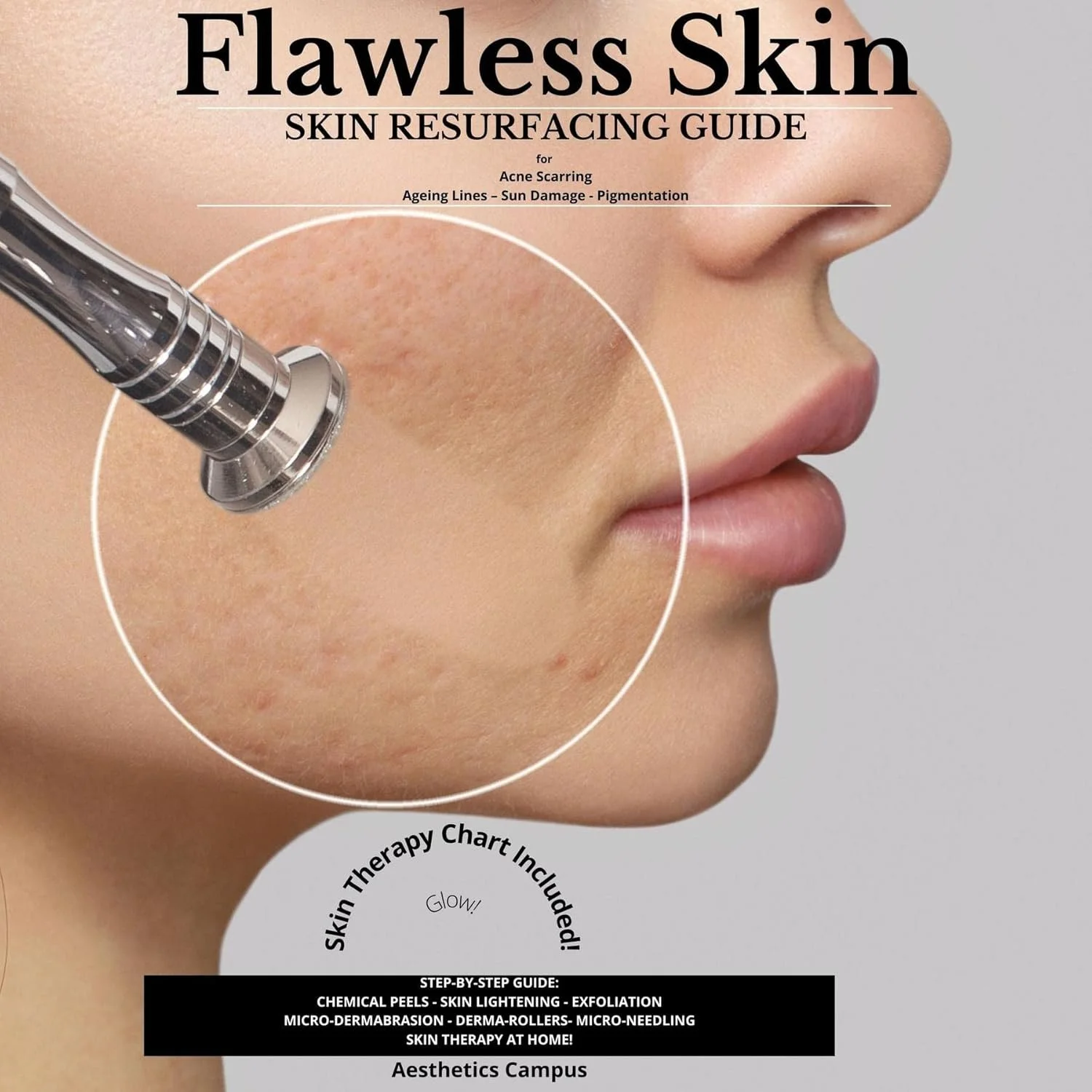
Flawless Skin: Skin Resurfacing Guide for Acne Scarring by Aesthetics Campus
For further information on the full range of acne scar treatment options, this book provides a comprehensive overview of professional resurfacing approaches across different scar types
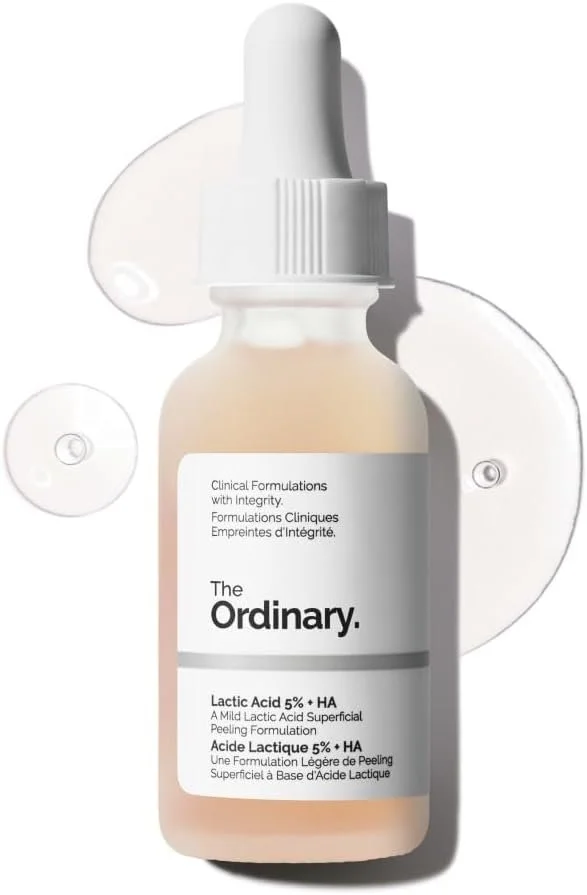
The Ordinary Lactic Acid 5% + HA
a gentle chemical exfoliant providing the surface cell turnover benefit of microdermabrasion without the mechanical friction risk on acne-prone skin. At 5% concentration with hyaluronic acid, it exfoliates and hydrates simultaneously — significantly less barrier-disruptive than the physical abrasion of microdermabrasion or home devices, and appropriate for use two to three times weekly on calm, non-flaring acne-prone skin. As covered in the lactic acid acne article in this series, lactic acid is the most appropriate AHA for sensitive and reactive acne-prone skin.
What usually works better for acne
For most presentations of acne, the following approaches have stronger evidence and fewer risks than mechanical exfoliation treatments:
Chemical exfoliants at appropriate concentrations — salicylic acid (BHA) is oil-soluble and penetrates into follicles, making it more effective for comedone-prone acne than surface mechanical exfoliation. Low-strength glycolic acid (AHA) addresses surface cell turnover without the PIH risk of mechanical abrasion.
Niacinamide (B3) — reduces sebum production, has anti-inflammatory properties, and reduces PIH. One of the most appropriate over-the-counter actives for acne-prone skin of any tone.
Azelaic acid — antibacterial, anti-inflammatory, and specifically effective for PIH. One of the most appropriate treatments for post-acne marks on medium-to-darker skin tones.
Prescription topical retinoids — the most evidence-based treatments for acne available, addressing comedone formation, inflammation, and post-acne pigmentation simultaneously.
The purging question
Some people notice more breakouts in the first one to two weeks after microdermabrasion. This can represent either true purging (accelerated turnover surfacing comedones that would have appeared anyway, which resolves) or genuine irritation worsening (barrier disruption amplifying existing inflammation, which won't resolve and may worsen). Distinguishing between the two matters. If breakouts are concentrated in areas that were already congested and settle within two weeks, this is more likely purging. If they appear in new areas or involve increasingly inflamed lesions, it is more likely irritation — and continuing treatment will worsen rather than resolve the situation.
FAQ
Can microdermabrasion cure acne?
No — microdermabrasion is not considered a cure for acne. It may help improve skin texture or mild acne marks for some people.
Does microdermabrasion help acne?
It depends on the type. For post-acne dark marks (PIH) and comedone congestion, yes. For active inflamed acne, cystic acne, or true textural scarring, no — and it may worsen these presentations.
Is microdermabrasion good for acne scars?
Only for PIH (flat dark marks) — not for true textural scars (ice pick, rolling, boxcar), which require deeper treatments like microneedling or fractional laser.
Can microdermabrasion make acne worse?
Yes, particularly on active inflamed lesions where it spreads bacteria, disrupts the barrier, and deepens inflammation. Overexfoliated or barrier-compromised skin also typically worsens with additional mechanical exfoliation.
Is microdermabrasion safe for sensitive skin?
Not always. People with very sensitive or reactive skin may find it too harsh.
Is microdermabrasion safe on darker skin tones?
With caution. The PIH risk is higher on medium-to-darker skin tones, and aggressive treatment can create new pigmentation that is harder to treat than the original marks. Gentler alternatives are often preferable as a first approach.
How often should you do microdermabrasion?
For PIH and congestion when skin is calm, every 3–4 weeks for a course of 4–6 sessions is typical. More frequent treatment tends to worsen barrier function rather than improve results.
What is better than microdermabrasion for acne marks?
Niacinamide, azelaic acid, and low-concentration chemical exfoliants have a better risk profile and comparable or superior efficacy for PIH, particularly on reactive or darker skin tones.
Summary
Microdermabrasion is appropriate for post-inflammatory hyperpigmentation, comedone-prone congestion, and mild surface texture irregularities — when skin is not actively inflamed. It is contraindicated for active inflammatory, nodular, or cystic acne, over-exfoliated or compromised barriers, and carries a real PIH worsening risk on medium-to-darker skin tones that is consistently underemphasised. True textural acne scars are beyond its reach — different professional treatments are required. For most acne presentations, chemical exfoliants and evidence-based topical actives offer better results with fewer risks.
In Short
Microdermabrasion is an exfoliating skin treatment
Some people use it to improve acne marks and texture
It may irritate active or inflamed acne in some cases
Over-exfoliation can damage the skin barrier
Results vary massively between individuals
Microdermabrasion manages the skin surface — zinc, vitamin D, and vitamin C address the sebum, immune, and oxidative drivers that determine how quickly congestion returns. Drought's Skin Support Formula provides all three alongside 11 other nutrients, supporting the internal foundations that determine how long any resurfacing result lasts. Made in the UK, suitable for vegetarians, designed for consistent long-term daily use.
Start your skin support journey →
Written by the Drought Skin team — specialists in natural support for psoriasis, acne and eczema.
Disclaimer: This article contains affiliate links. We earn a very small commission from each purchase made through these links. There is no additional cost to you. All products featured have been specifically selected as products we personally use and love. For further information, please see our disclaimer page.
