
Psoriasis on Elbows: Why It Appears There, How to Treat It & Long-Term Management

Elbows are one of the most recognisable and most common sites for psoriasis — alongside the knees, lower back, and scalp. For most people with plaque psoriasis, the elbows are affected at some point. Understanding why elbows are specifically prone to psoriasis, and what makes managing it at this particular location different from elsewhere, makes treatment more targeted and effective.
Why elbows specifically
The elbows are an extensor surface — they protrude outward, taking friction, pressure, and impact in daily movement. This is significant for psoriasis in two specific ways:
The classic extensor distribution. Psoriasis has a characteristic predilection for extensor surfaces — elbows and knees — which are the areas of skin under the most mechanical stress in everyday life. This distribution pattern distinguishes plaque psoriasis from eczema, which classically appears on flexural (inner) surfaces. The reason extensor surfaces are preferentially affected relates to the combination of mechanical trauma, reduced skin folding that might protect lesions, and the way immune activation responds to local skin stress.
The Koebner phenomenon at pressure points. As covered in the psoriasis triggers and types articles in this series, the Koebner phenomenon describes new psoriasis plaques appearing at sites of skin trauma. Elbows are among the most exposed and frequently pressured areas of the body — they rest on desks, absorb impact from leaning, and experience repeated flexion and extension. For people prone to Koebner reactions, this constant mechanical stimulus makes the elbows particularly vulnerable to new plaque formation.
The skin is thicker. Elbow skin is thicker than most other body skin, which has practical treatment implications. It tolerates — and often requires — more potent topical preparations than facial or skin fold areas. What would cause thinning and side effects on the face is often appropriate for elbow plaques.
What elbow psoriasis looks like
Psoriasis on the elbows typically presents as well-defined, raised plaques with silvery-white scale on a red-pink base. The plaques tend to be thicker at the elbows than at many other sites — partly because of the skin's inherent thickness and partly because the repeated pressure keeps the area consistently irritated.
Itching is common but variable. Cracking, particularly at the point of the elbow where skin stretches most significantly during flexion, is one of the most uncomfortable features — these cracks can be painful and occasionally bleed.
Treatment: what works for elbow psoriasis specifically
Emollient foundation. The same approach as for all psoriasis management — consistent, generous emollient application is the essential baseline. For the elbows, thicker formulations are preferable: ointments or thick creams rather than lotions. Apply particularly after bathing when skin is still slightly damp.
Scale management with urea. Thick elbow plaques benefit from keratolytic treatment — ingredients that loosen and remove adherent scale. Urea at 10–25% concentration is the most appropriate option for psoriasis: it is both keratolytic (removes scale) and humectant (draws moisture to the skin), unlike salicylic acid which is purely exfoliating. Applied to softened plaques after bathing, it progressively reduces scale thickness and improves skin texture.
Topical treatments prescribed by a GP. For moderate elbow psoriasis not controlled by emollient and OTC approaches, a GP can prescribe:
Moderate-to-potent topical corticosteroids (betamethasone valerate, clobetasol propionate) — appropriate at the elbows given the thicker skin, used in short courses with breaks to prevent skin thinning. Calcipotriol or Dovobet (calcipotriol + betamethasone) — effective for elbow plaques and can be used for longer periods than steroids alone. Coal tar preparations — as covered in the coal tar article in this series, appropriate for elbow plaques and available as cream or ointment.
Overnight occlusion. Covering treated elbow plaques with cling film or a cotton sleeve overnight after applying emollient or topical treatment substantially increases penetration and effectiveness. The occlusion keeps the treatment in contact with the skin and creates a warm, humidified environment that promotes scale softening. This approach is particularly useful for stubborn thick elbow plaques.
Recommended Products
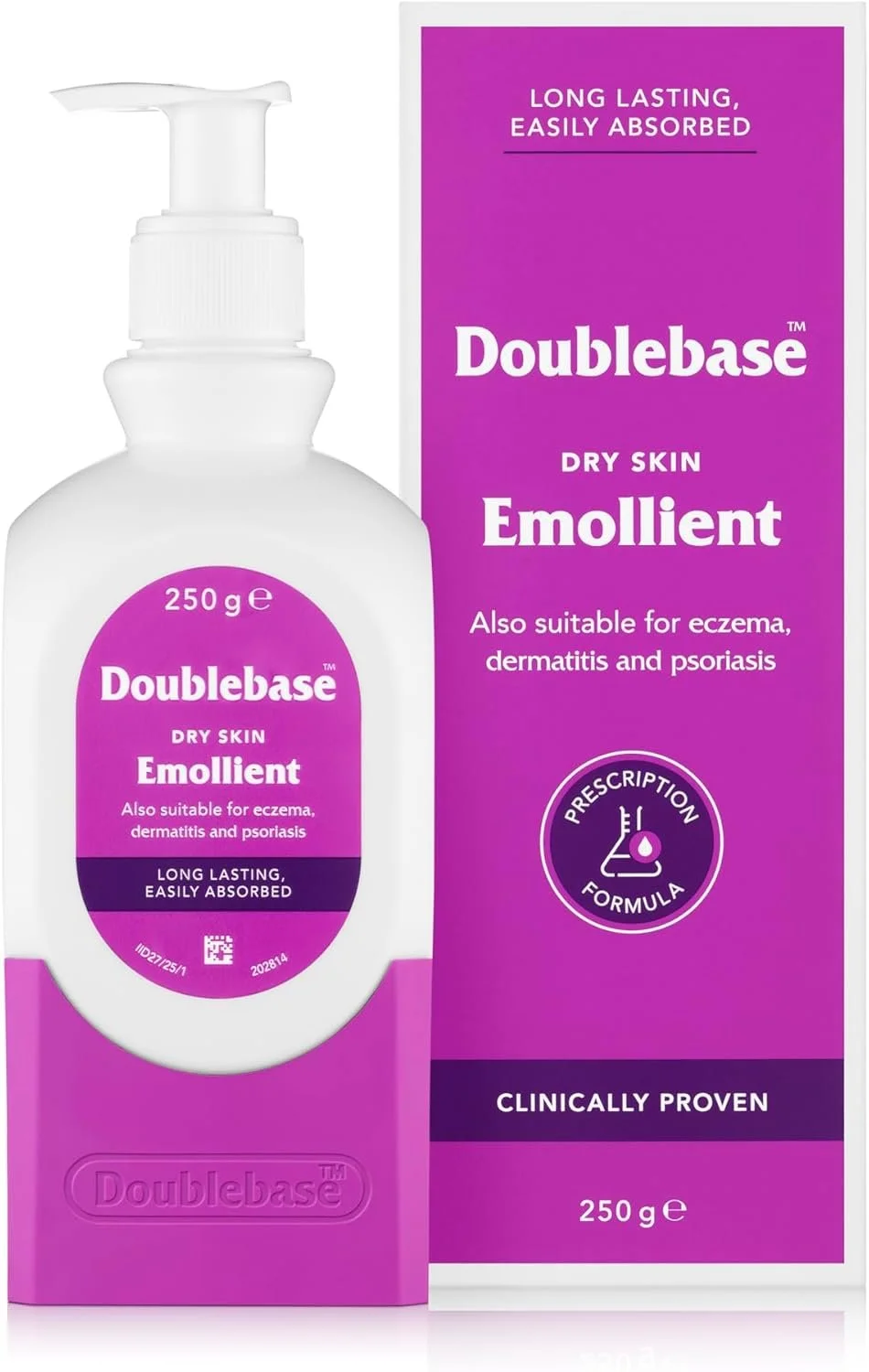
Doublebase Dry Skin Emollient
a paraffin-based, fragrance-free emollient in a practical pump format providing occlusive barrier protection for elbow psoriasis plaques. The pump dispenses without contamination risk from repeated hand contact with open-pot emollients — important given elbow plaques' susceptibility to S. aureus colonisation. Apply to slightly damp skin within two to three minutes of bathing for maximum barrier sealing effect. For elbow psoriasis specifically, the thicker formulation is preferable to lighter lotions — the elbows' chronically stressed, thicker skin benefits from more substantial occlusion than facial or flexural areas
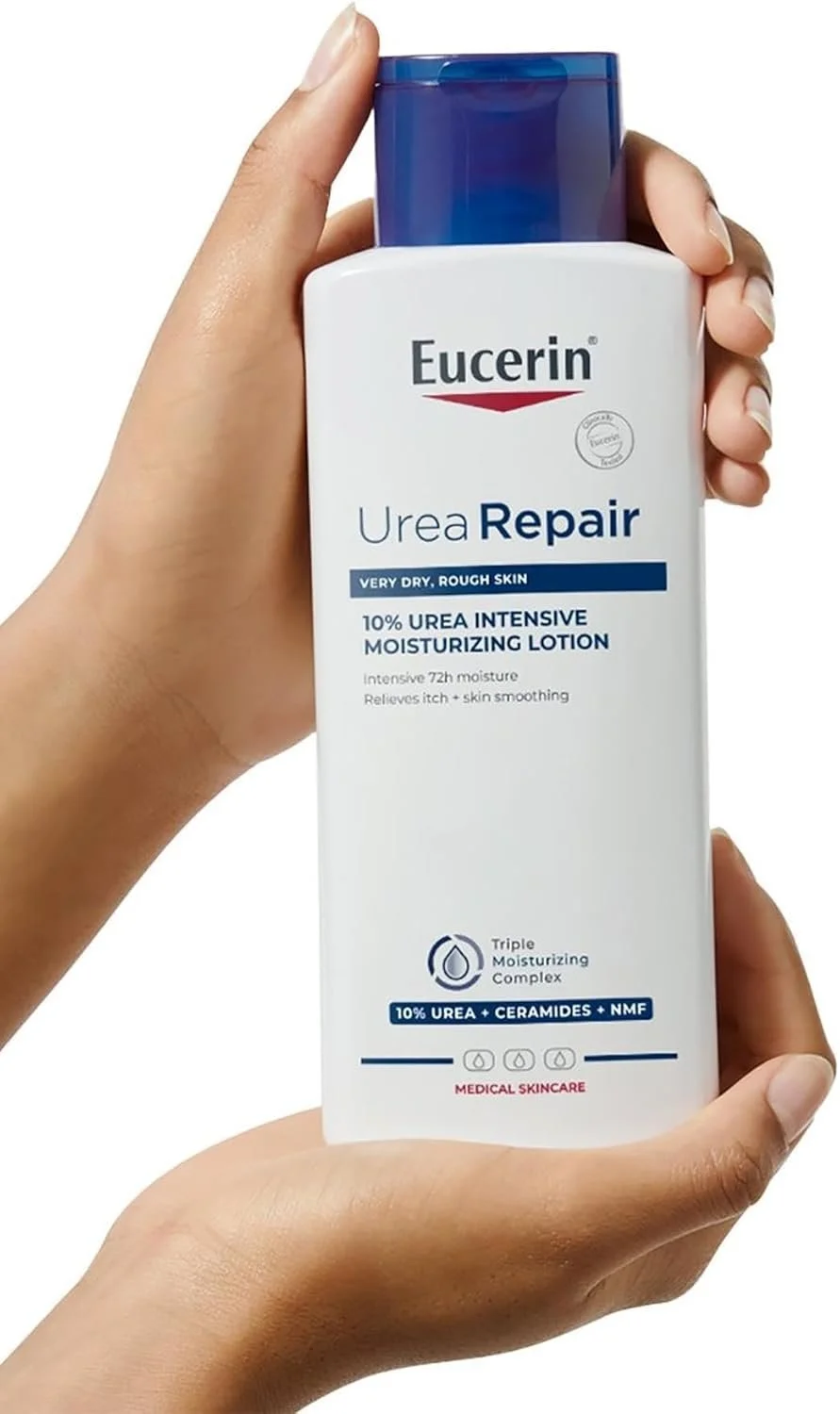
Eucerin UreaRepair Plus 10% Urea Lotion
a dermatologist-formulated urea preparation providing simultaneous keratolytic and humectant activity for thick elbow psoriasis plaques. Urea at 10% breaks down the protein bonds between corneocytes to progressively soften and remove adherent scale while drawing moisture into the stratum corneum — addressing both the scale and the dryness simultaneously, unlike salicylic acid which exfoliates without the compensatory hydration benefit. Apply to softened plaques after bathing when scale has been partially loosened by warm water. For more significant scale thickness, 25% urea preparations are available and may be worth discussing with a GP
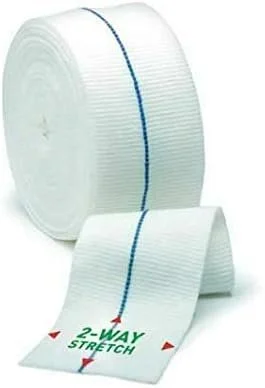
Tubifast Tubular Bandage
a seamless, two-way stretch tubular bandage appropriate for overnight elbow occlusion after emollient or prescribed topical application. As covered in the treatment section, covering treated elbow plaques overnight substantially increases penetration and effectiveness through occlusion — the bandage maintains product contact, creates a warm humidified environment for scale softening, and prevents emollient transfer to bedding. The tubular format fits the elbow precisely without adhesive or pressure that would irritate psoriatic skin. Can be used dry over emollient (dry occlusion) or dampened for wet wrap therapy under dermatologist guidance.
Reducing friction and Koebner risk
Since friction is a primary driver of elbow psoriasis persistence, reducing unnecessary mechanical stress matters:
Avoid leaning on elbows for extended periods — on desks, car armrests, or furniture. Use padded support if leaning is unavoidable. Choose long-sleeved clothing in soft, natural fabrics (cotton, bamboo) that cushion rather than abrade the elbows. Avoid rough or synthetic sleeve fabrics that cause friction on plaque surfaces during arm movement.
Scratching or picking elbow plaques triggers Koebner reactions that produce new plaques — use the oil pre-softening technique (warm oil applied, left for 20–30 minutes, then washed off) to loosen scale safely rather than mechanically removing it.
Psoriatic arthritis: when elbow psoriasis involves the joint
Psoriatic arthritis affects approximately 20–30% of people with psoriasis. While it most commonly involves the small joints of the fingers and toes, elbow joint involvement is documented — presenting as pain, stiffness, and reduced range of motion at the elbow joint alongside or independently from skin plaques.
If elbow pain, swelling, or morning stiffness accompanies your elbow psoriasis, mention this to your GP rather than attributing joint symptoms to the skin condition alone. Psoriatic arthritis requires its own assessment and management, and treating the skin condition doesn't necessarily address joint inflammation.
When to See a Doctor
Speak to your GP or dermatologist if:
plaques are painful or bleed frequently
stiff joints or swelling accompany elbow lesions (possible psoriatic arthritis)
over‑the‑counter creams aren’t controlling symptoms
Professional evaluation ensures you get the right treatment plan for both surface and underlying inflammation.
Skin support for psoriasis-prone skin
The systemic immune dysregulation driving psoriasis — at the elbows or anywhere else — responds to the same internal nutritional support discussed throughout this series: vitamin D for keratinocyte regulation, zinc for immune function and barrier repair, omega-3 EPA/DHA for leukotriene anti-inflammatory effects, and magnesium for stress and inflammatory balance.
Drought's Skin Support Formula provides 14 nutrients selected for their roles in psoriasis management — addressing the internal foundations that topical elbow care alone cannot reach. Made in the UK, suitable for vegetarians, designed for consistent long-term daily use.
FAQs: Psoriasis on elbows
Is psoriasis on elbows common?
Yes — elbows and knees are the most commonly affected sites in plaque psoriasis, affected in the majority of people with the condition at some point. The extensor surface distribution that makes elbows characteristic of plaque psoriasis is one of the clinical features that distinguishes plaque psoriasis from eczema — which classically affects flexural surfaces. This distribution pattern reflects the role of mechanical stress and Koebner phenomenon in plaque development at high-friction, high-pressure anatomical sites.
Why do elbows get psoriasis so often?
Elbows are extensor surfaces that experience constant friction, pressure, and mechanical stress — all Koebner triggers. They also have thicker skin that is chronically stressed during daily movement.
Is elbow psoriasis different from other locations?
The underlying condition is the same, but thicker elbow skin tolerates more potent topicals than facial or skin fold areas. It also tends to produce thicker, more adherent plaques.
What is the best cream for elbow psoriasis?
Emollient (Doublebase, Cetraben) for daily barrier support; urea 10–25% for scale management; and a topical corticosteroid or calcipotriol via GP prescription for inflammation control.
Can I scratch elbow psoriasis plaques?
No — scratching triggers the Koebner phenomenon, producing new plaques at the scratched site. Use warm oil pre-treatment to soften scale safely before washing it off.
Does elbow psoriasis affect the joint?
Skin plaques on the elbows don't directly cause joint problems, but psoriatic arthritis can involve the elbow joint. If joint pain or stiffness accompanies the skin condition, discuss with your GP.
Why is elbow psoriasis so thick?
Two compounding reasons. First, psoriasis's accelerated keratinocyte turnover — three to five days rather than the normal 28-day cycle — builds up scale faster than it can shed. Second, elbow skin is inherently thicker than most body skin due to chronic mechanical stress. The combination of accelerated cell production and thicker baseline skin produces the particularly adherent, layered plaques characteristic of elbow psoriasis. This is also why elbow plaques tolerate — and often require — more potent topical preparations than facial or skin fold sites where the same treatment would cause thinning and irritation.
Can psoriasis on elbows go away?
Plaques can clear with treatment and lifestyle management, but psoriasis is chronic — without ongoing care, plaques typically recur. Long-term management rather than cure is the realistic goal.
What triggers elbow psoriasis?
The Koebner phenomenon is the most specifically relevant trigger at the elbows — mechanical trauma from leaning, friction from clothing, and repeated pressure on a chronically stressed extensor surface produce new plaque formation at the trauma sites. Systemic triggers (stress through the HPA axis-cortisol pathway, illness through cytokine elevation, certain medications including beta-blockers) drive psoriasis generally and manifest at the elbows partly because it is already the most mechanically stressed site. Dryness compounds the mechanical Koebner risk by reducing the barrier resilience that moderates the skin's response to friction.
Is elbow psoriasis contagious?
No — psoriasis is an autoimmune condition, not an infection.
Does sunlight help?
Yes — moderate UV exposure is one of the most consistently documented psoriasis management approaches and works through direct suppression of Th17 immune activity and vitamin D synthesis in psoriatic skin. The elbows are an accessible, easily exposed site for incidental sunlight — an advantage over scalp or trunk psoriasis. Narrowband UVB phototherapy at 311–313nm is the clinical version of this approach, targeting the elbows and other sites with controlled therapeutic doses. The caution is sunburn rather than moderate exposure — sunburn produces Koebner responses at the burned site, worsening rather than improving psoriasis.
Can moisturiser alone fix it?
It keeps symptoms manageable but doesn’t treat immune inflammation, which needs internal and topical support.
Summary
Elbow psoriasis is common for specific anatomical reasons — extensor surface distribution, constant mechanical stress, and Koebner risk at pressure points. The thicker skin tolerates more potent topical treatments than sensitive areas. Consistent emollient use with a thick formulation, urea for keratolytic scale management, short-course moderate-to-potent topical corticosteroids, and overnight occlusion are the most effective topical approaches. Reducing elbow friction from leaning and clothing friction reduces Koebner-driven plaque persistence. Psoriatic arthritis at the elbow joint should be assessed separately if joint symptoms are present.
Written by the Drought Skin team — specialists in natural support for psoriasis and eczema.
Disclaimer: This article contains affiliate links. We earn a very small commission from each purchase made through these links. There is no additional cost to you. All products featured have been specifically selected as products we personally use and love. For further information, please see our disclaimer page.
-
Psoriasis Skincare Routine: What Actually Helps, What to Avoid & Common Mistakes
Psoriasis on the Back: Why It's Challenging & What Actually Helps
Coal Tar for Psoriasis: How It Works, Benefits, Safety & When to Use It
Types of Psoriasis Explained: Symptoms, Appearance & How They Differ
Emollients for Psoriasis: Which Type Works Best and How to Use Them
