
Psoriasis & Eczema Triggers: What Causes Flare-Ups & How to Identify Yours

One of the most exhausting things about psoriasis and eczema is the unpredictability. Skin that was manageable last week can flare without obvious reason, and the same trigger doesn't always produce the same result. This isn't imagined variability — it reflects something real about how these conditions work.
Flare-ups rarely have a single cause. They tend to happen when multiple factors coincide: existing inflammation plus a new irritant, or stress plus a weather change, or illness plus a medication adjustment. Understanding triggers as cumulative rather than individual changes how you approach identifying and managing them.
This guide covers the most common triggers for both conditions, where they overlap and where they differ, and how to build a practical picture of your own pattern.
Why triggers are compound, not single
The concept of a "trigger threshold" is useful here. Both eczema and psoriasis involve an underlying level of immune and inflammatory activity. Triggers don't cause flares in isolation — they push the system past a threshold it was already approaching.
This explains several experiences people commonly report: why the same trigger causes a flare sometimes but not others; why flares seem to appear "out of nowhere" when a minor trigger adds to an already elevated baseline; and why managing overall inflammatory load (through diet, sleep, stress, and nutrition) reduces the frequency of trigger-induced flares even when the triggers themselves haven't changed.
Stress & Skin Flare-Ups
The most consistently documented trigger for both eczema and psoriasis. The HPA axis, cortisol dysregulation, substance P, and neurogenic inflammation pathways are covered in depth in the stress article in this series. The practical point here: psychological stress doesn't just feel like it worsens skin — it does so through specific, measurable biological mechanisms. It is one of the highest-leverage triggers to address precisely because it amplifies the effect of every other trigger simultaneously.
Weather Changes & Dry Air
Cold air holds less moisture, and indoor heating compounds this by further drying the environment. Both effects increase transepidermal water loss — the rate at which moisture evaporates through the compromised skin barrier central to both conditions. The barrier becomes drier, more reactive, and less able to resist irritants. Winter flare-ups are one of the most consistent patterns reported across both eczema and psoriasis.
Illness & Immune System Triggers
Systemic illness activates the immune system and elevates inflammatory cytokines — directly worsening the immune dysregulation driving both conditions. Streptococcal throat infection (strep throat) is a particularly specific trigger for guttate psoriasis, which can appear two to three weeks after a strep infection. For eczema, viral illnesses and upper respiratory infections commonly precede flares.
Sleep & Fatigue
Poor sleep elevates systemic inflammatory markers, impairs skin barrier repair (which occurs primarily overnight), and dysregulates cortisol — all direct pathways to worsening either condition. Covered in depth in the sleep article in this series.
Alcohol
One of the most reliably documented dietary triggers for both psoriasis and eczema. Alcohol promotes systemic inflammation, is dehydrating, disrupts sleep architecture, and in psoriasis specifically is associated with reduced treatment effectiveness. Reducing or eliminating alcohol has more consistent impact on both conditions than almost any other dietary change.
Certain medications
This trigger category is almost entirely absent from most trigger guides and deserves specific mention. Several common medications are documented triggers for psoriasis or can worsen eczema:
For psoriasis: beta-blockers (used for heart conditions and anxiety) are one of the most established drug triggers; lithium (used in bipolar disorder) can trigger or worsen psoriasis; antimalarial drugs (hydroxychloroquine) can trigger flares; NSAIDs such as ibuprofen can worsen psoriasis in some people; and abrupt stopping of systemic corticosteroids can trigger rebound flares.
For eczema: new topical products — including ones intended to help, such as new emollient formulations or sunscreens — can introduce contact allergens that trigger reactions. Certain antibiotics can disrupt the gut microbiome in ways that worsen eczema.
If your condition worsened after starting a new medication, it is worth discussing this with your GP — the connection is often overlooked.
Triggers more specific to eczema
Contact allergens and irritants
Fragrance is the most common contact allergen in skincare and one of the most consistent eczema triggers — both as an immediate irritant and through delayed contact sensitisation. Preservatives (particularly methylisothiazolinone), certain metals (nickel), rubber compounds, and some topical medications are also documented contact allergens in eczema populations. This is distinct from atopic flares — it is an allergic contact reaction, diagnosed through patch testing rather than skin prick tests. People who develop worsening eczema in response to skincare changes are worth testing for contact allergy.
Dust mites and environmental allergens
House dust mite proteins penetrate the compromised eczema barrier and trigger immune responses. Pollen, pet dander, and mould are similarly relevant environmental allergens for atopic eczema. Managing dust mite load — allergen-proof mattress encasements, washing bedding at 60°C, keeping bedroom humidity below 50% — is one of the most evidence-based environmental modifications for eczema.
Sweat and heat
Sweat is a direct irritant on eczema-prone skin — it contains salt, proteins, and other compounds that trigger itch and inflammation on compromised skin. Hot showers, exercise, and warm weather all generate sweating that can worsen eczema. Heat independently triggers histamine release.
Food triggers
More relevant to eczema than psoriasis, particularly in children. IgE-mediated food allergies (most commonly dairy, egg, wheat, soy, and peanut in children) can trigger eczema flares. Non-IgE-mediated food sensitivities and salicylate sensitivity may also be relevant for some adults. Covered in the allergies and eczema and fruit articles in this series.
Triggers more specific to psoriasis
Skin trauma: the Koebner phenomenon
New psoriasis plaques appearing at sites of skin injury or trauma — scratches, cuts, sunburn, friction, tattoos, or surgical wounds — is the Koebner phenomenon, covered in the types of psoriasis and psoriasis skincare articles in this series. It means that any skin trauma in someone with active psoriasis risks triggering a new plaque at that site. Avoiding unnecessary skin trauma and managing the itch-scratch cycle are practical consequences.
Streptococcal infection
A specific trigger for guttate psoriasis in particular — the drop-shaped psoriasis that typically affects children and young adults. The immune response to strep throat triggers a skin immune response two to three weeks later. Recurrent strep infections can trigger recurrent guttate episodes and in some cases contribute to the development of chronic plaque psoriasis.
Sunburn
While moderate sun exposure can improve psoriasis (the basis for phototherapy), sunburn is a trigger that can cause flares through the Koebner phenomenon and the systemic inflammatory response to UV damage. The distinction between therapeutic UV exposure and sunburn is significant.
How to identify your personal triggers
The single most useful practical tool for managing triggers is a symptom diary — kept consistently over six to eight weeks, recording skin state, potential triggers (stress levels, diet, skincare changes, weather, illness), and any other relevant variables.
The goal is to find correlations that are specific to you, because individual trigger patterns vary substantially. Someone whose primary trigger is dust mites may see little benefit from dietary changes; someone whose eczema is stress-driven may find skincare optimisation less impactful than expected.
Practical diary entries should record: skin state (calm / mild / moderate / severe), sleep quality, stress level, diet and alcohol, any new products applied, weather conditions, physical activity and sweating, and any illness or medication changes. Two to three weeks of consistent recording typically reveals patterns that retrospective memory misses.
Recommended Products
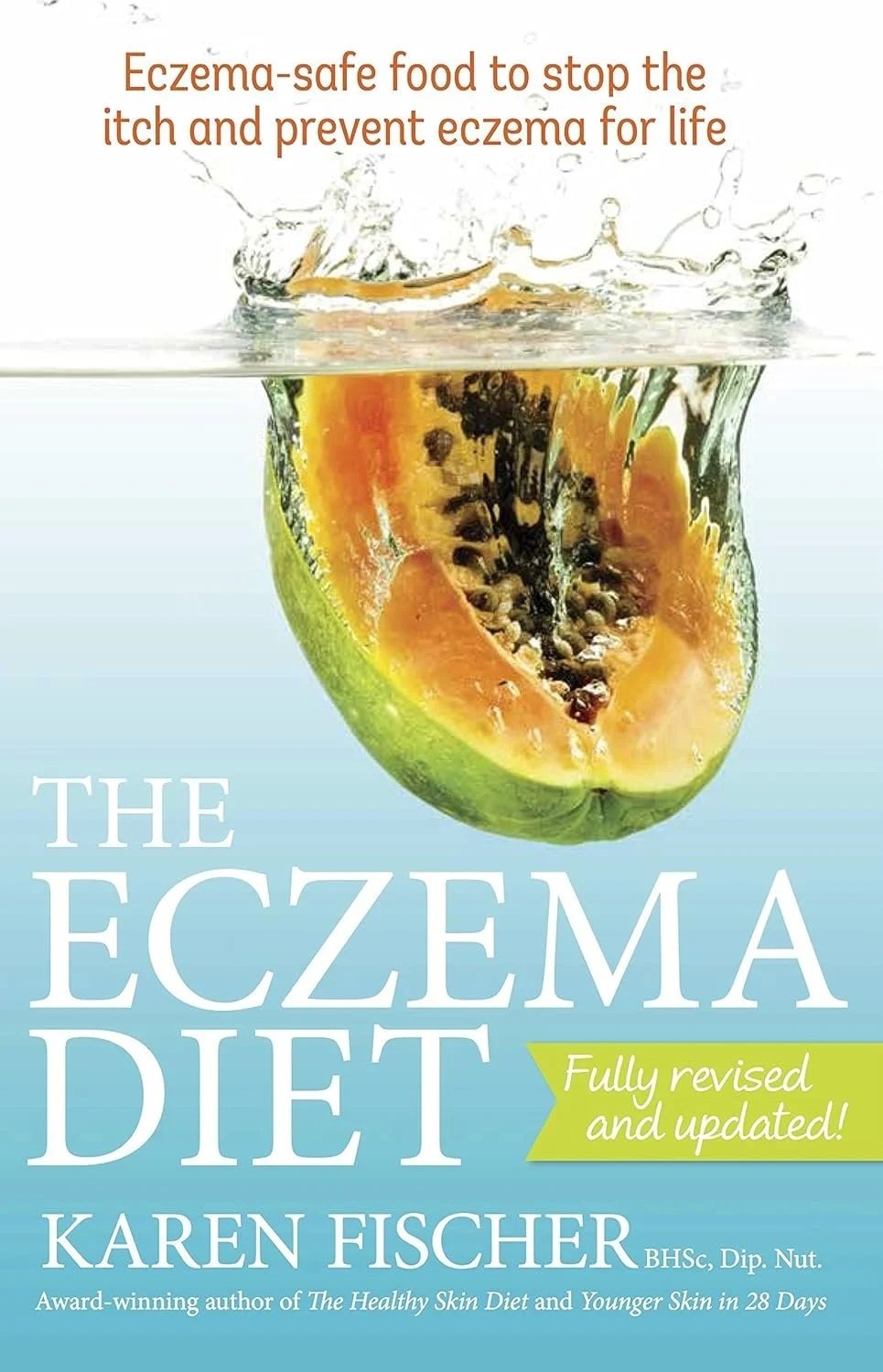
The Eczema Diet: How to Heal Your Skin from Within by Karen Fischer
a practical resource for people who suspect diet is a primary trigger and want a structured approach to identifying and managing food-related flares. Includes guidance on elimination approaches and building an eczema-supportive diet.
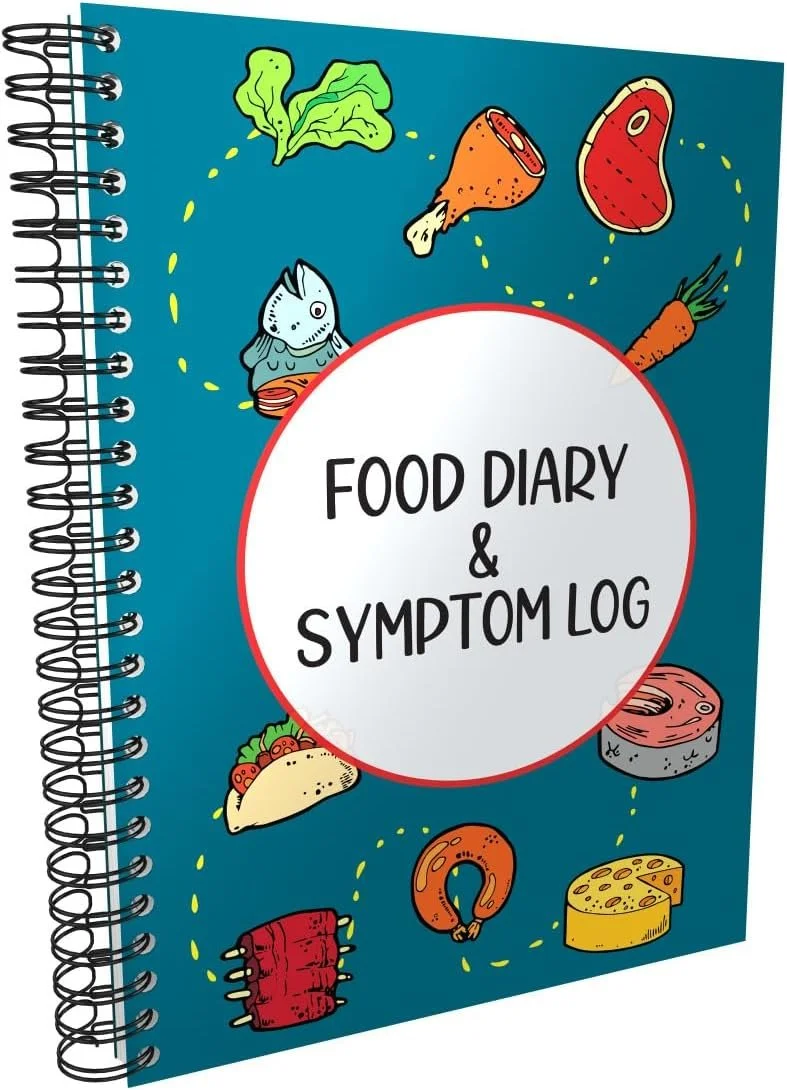
Food Diary & Symptom Journal
a structured daily log for tracking food intake, skin state, sleep, stress, and product use alongside each other. As covered above, trigger patterns only become reliably identifiable after four to six weeks of consistent daily tracking — a dedicated journal makes this habit more sustainable than note-taking on a phone or loose paper, and the structured format ensures all relevant variables are captured consistently rather than selectively.
Supplement Support for Dry, Sensitive Skin
The most effective approach to triggers is reducing overall inflammatory load — not attempting to eliminate every individual trigger perfectly, which is both impractical and incomplete.
Consistent emollient use maintains the barrier that makes every trigger more tolerable. Good sleep improves the threshold at which triggers produce flares. Dietary patterns that reduce systemic inflammation lower baseline cytokine levels. Nutritional support addresses internal gaps that amplify reactivity.
This is why a multi-factor approach consistently outperforms single-trigger avoidance. The skin that is nutritionally well-supported, consistently moisturised, and managed for stress and sleep will flare less often at the same trigger exposure than skin that is nutritionally depleted and barrier-compromised.
Drought's Skin Support Formula supports the internal nutritional foundations — zinc for immune regulation, vitamin D for barrier function and immune modulation, magnesium for stress and inflammatory balance, vitamin C for antioxidant protection — that determine how reactive skin is to any given trigger. Made in the UK, suitable for vegetarians, designed for consistent long-term daily use.
FAQ
What triggers psoriasis flare-ups?
Stress, illness (particularly streptococcal infection for guttate psoriasis), skin trauma (Koebner phenomenon), certain medications (beta-blockers, lithium, antimalarials), cold weather, alcohol, and poor sleep.
What triggers eczema flare-ups?
Stress, cold and dry weather, contact allergens (particularly fragrance), dust mites, sweat and heat, harsh skincare products, illness, poor sleep, and certain foods (particularly in children with food allergy).
Can stress worsen eczema and psoriasis?
Yes. Stress is strongly linked to inflammatory flare-ups and skin barrier dysfunction.
Why do flare-ups seem to come from nowhere?
Because triggers are cumulative — a minor trigger added to an already-elevated inflammatory baseline pushes the system past its threshold. The threshold itself varies with overall inflammatory load, stress, and nutritional status.
Can medication trigger psoriasis or eczema?
Yes. Beta-blockers, lithium, antimalarials, and NSAIDs are documented psoriasis triggers. New topical products are a common eczema trigger through contact sensitisation. If your condition worsened after starting a new medication, discuss this with your GP.
How do I identify my personal triggers?
Keep a consistent symptom diary over six to eight weeks, recording skin state alongside stress, diet, sleep, weather, skincare changes, and illness. Correlations typically become visible within two to three weeks of consistent recording.
Does alcohol worsen both eczema and psoriasis?
Yes — alcohol promotes systemic inflammation, disrupts sleep, and in psoriasis specifically is associated with reduced treatment effectiveness. It is one of the most reliably documented dietary triggers for both conditions.
Why does winter worsen eczema and psoriasis?
Cold air holds significantly less moisture than warm air — and indoor heating further reduces humidity by warming cold dry air without adding moisture. Both effects accelerate transepidermal water loss through the compromised skin barrier central to both conditions. For eczema, the reduced barrier hydration increases allergen and irritant penetration simultaneously — a compounded effect. For psoriasis, cold weather reduces the incidental UV exposure that moderately suppresses Th17 activity throughout the warmer months, removing a natural seasonal anti-inflammatory input. The practical response — emollient application more frequently, bedroom humidifier maintaining 40–60% humidity, shorter cooler showers — addresses both the TEWL and barrier vulnerability mechanisms directly.
Summary
Psoriasis and eczema triggers are cumulative rather than single — flares happen when multiple factors coincide to push the system past a threshold. The most consistently documented triggers across both conditions are stress, cold weather, illness, poor sleep, and alcohol. Psoriasis has additional specific triggers including the Koebner phenomenon, streptococcal infection, and certain medications (beta-blockers, lithium). Eczema has additional specific triggers including contact allergens, dust mites, sweat, and food sensitivity. Identifying your personal pattern requires systematic observation over weeks rather than retrospective guesswork. And managing overall inflammatory load — through nutrition, sleep, stress, and barrier support — reduces trigger sensitivity more effectively than attempting to avoid each trigger individually.
Written by the Drought Skin team — specialists in natural support for psoriasis and eczema.
Disclaimer: This article contains affiliate links. We earn a very small commission from each purchase made through these links. There is no additional cost to you. All products featured have been specifically selected as products we personally use and love. For further information, please see our disclaimer page.
