
Exercise and Eczema: How to Work Out Without Triggering Flares

Exercise is one of the most consistently recommended lifestyle interventions for eczema — and also one of the most frequently reported triggers for flares. Both of these are true simultaneously, and understanding why makes the difference between avoiding exercise entirely (which loses the benefits) and managing it well (which captures them while minimising the downsides).
The key is that the same body that produces sweat as an irritant also produces significant anti-inflammatory benefits from regular aerobic exercise. Managing eczema and exercise is about optimising the ratio between the two.
Can exercise make eczema worse?
Exercise can both help and trigger eczema depending on how your skin reacts — and the fact that it can do both simultaneously is what makes the relationship more interesting and more manageable than a simple yes or no answer suggests. The same run that reduces cortisol and systemic inflammatory markers through the stress-skin pathway can also produce a post-exercise flare through sweat accumulation on already-compromised skin. These aren't contradictory findings; they're two different mechanisms operating in parallel, and understanding which one is dominating your experience determines what to do about it.
What makes exercise-related eczema particularly frustrating is that the trigger isn't the exercise itself — it's specific aspects of the exercise environment that are entirely manageable once identified. Sweat composition, synthetic fabric contact, friction at clothing edges, pool chemicals, and the post-exercise skin temperature all have documented mechanisms for worsening eczema-prone skin, and each has a practical solution that doesn't require giving up the exercise that is simultaneously one of the most effective cortisol-reducing and anti-inflammatory lifestyle interventions available. Getting those solutions right is what turns exercise from a consistent eczema trigger into one of the most beneficial habits you can build for your skin.
Why exercise genuinely helps eczema
The anti-inflammatory effects of regular exercise are well-documented and directly relevant to eczema:
Reduced systemic inflammatory markers. Regular moderate aerobic exercise reduces circulating CRP (C-reactive protein) and IL-6 — both elevated in eczema and correlating with disease severity. This isn't a temporary effect; consistent exercise over weeks and months measurably lowers baseline inflammatory load.
Cortisol regulation. As covered in the stress article in this series, chronic cortisol dysregulation is one of the most direct pathways from psychological stress to eczema worsening. Regular exercise improves HPA axis regulation — reducing the cortisol reactivity that translates stress into skin flares.
Improved sleep quality. Regular exercise is one of the most evidence-based sleep interventions available. Given that poor sleep both worsens eczema and is worsened by it (covered in the sleep article in this series), exercise addresses both sides of this loop.
Endorphin release and mood regulation. The psychological burden of living with eczema is real and documented. Exercise's mood benefits — endorphin release, improved self-efficacy, reduced anxiety — directly reduce the stress load that drives inflammatory skin cycles.
The evidence doesn't support exercise as a direct eczema treatment in the way that emollients or topical steroids are, but as a consistent habit it meaningfully improves the inflammatory and stress environment in which eczema operates.

The sweat problem: what's actually happening
Sweat's effect on eczema is more complex than "sweat irritates skin." The specific components of sweat matter:
Lactic acid — a metabolic byproduct of exercise, present in sweat, that can lower skin surface pH and cause stinging and irritation on compromised eczema skin.
Sodium and salt — create an osmotic effect on damaged skin, drawing moisture out and causing the characteristic stinging of sweat on open or cracked eczema patches.
Ammonia — a breakdown product of amino acids in sweat, contributing to irritation on sensitive skin.
Here's the nuance most articles miss: sweat also contains dermcidin — an antimicrobial peptide produced by sweat glands that has documented activity against Staphylococcus aureus, the bacterium that colonises eczema skin and perpetuates inflammation. Some research has found dermcidin production is reduced in eczema skin, which may contribute to the elevated S. aureus colonisation characteristic of the condition. Regular exercise that produces sweat and is then promptly rinsed may therefore have a net positive effect on the eczema skin microbiome — even though the immediate sweat contact is irritating.
This is why prompt post-exercise rinsing — rather than avoiding exercise — is the right practical response to sweat-related eczema. Removing sweat quickly captures the mechanical antimicrobial benefit of exercise (cortisol reduction, improved sleep, anti-inflammatory effects) while minimising the sustained irritant contact.
Before exercise: the preparation that makes the difference
Apply emollient before working out. A generous layer of fragrance-free emollient applied to eczema-affected areas before exercise creates a protective barrier that reduces how much sweat and lactic acid reaches compromised skin directly. This is the same principle as the pre-swim emollient technique from the swimming article in this series. An ointment-format emollient provides the most water-resistant barrier; a lighter cream is more comfortable for exercise but less protective.
Choose appropriate clothing. Breathable, loose-fitting natural fibres — cotton and bamboo — are significantly better than tight synthetic fabrics. Synthetic athletic wear traps heat and sweat against skin, worsens friction on eczema-prone areas, and the elastic components of tight sportswear can trigger Koebner-adjacent reactions at the contact edges. Seam-free options reduce friction further.
Cool the exercise environment. Exercising in a cool room, with a fan if indoors, substantially reduces sweating and heat-triggered itch during the session. Outdoor exercise in mild weather, morning sessions before the heat of the day, and well-ventilated indoor spaces are all practical implementations.
During exercise: managing the session
Keep hydration consistent. Sweat removes moisture from the body — adequate hydration during exercise maintains skin surface hydration and reduces the concentration of irritants in the sweat that remains on skin.
Blot rather than wipe. If sweating becomes uncomfortable during exercise, blotting gently with a soft cotton cloth removes surface sweat without the friction of wiping, which can aggravate already-sensitive skin.
Monitor itch threshold. Itch during exercise is partly histamine-mediated — exercise-induced histamine release is a real phenomenon, separate from the mechanical irritation of sweat. If itching becomes overwhelming during a session, reducing intensity or pausing briefly typically allows the histamine response to settle. This is not a reason to stop exercising entirely but to adjust the session.
After exercise: the most critical window
Rinse promptly — within 20 minutes. The longer sweat remains on eczema-prone skin, the greater the cumulative irritant effect. A lukewarm (not hot) shower rinse — with a gentle, fragrance-free soap-free cleanser, not an aggressive scrub — removes sweat without further stripping the barrier. Hot water worsens itch by triggering histamine release.
Apply emollient within two to three minutes of patting dry. This is the same post-bathing soak and seal window used throughout this series. The skin is warm and surface blood flow is elevated after exercise — it absorbs emollient effectively in this window. Missing this step and allowing skin to dry out completely before moisturising loses the post-exercise window.
Rinse sweat from any clothing immediately. Leaving sweaty clothes on after exercise sustains the irritant contact. Change into clean, dry clothing promptly.
Exercise types and eczema
Lower-intensity options — yoga, walking, cycling, swimming, and Pilates — produce less sweating and heat than high-intensity exercise and are generally easier to manage with eczema. They still provide the cortisol-regulating and anti-inflammatory benefits.
Swimming — the best and most detailed guidance on this, including chlorine management, is in the swimming and psoriasis article in this series. The same principles apply for eczema.
High-intensity training — can be managed with eczema but requires more careful preparation, cooling strategy, and prompt aftercare. The benefits for stress regulation and cardiovascular inflammation are arguably greater, but the immediate skin management demands are higher.
Yoga — covered in depth in the yoga article in this series. The combination of physical activity, breath-focused stress management, and parasympathetic activation makes it particularly well-suited for eczema management.
When to reduce or pause exercise
During an active, severe flare with significantly inflamed or broken skin: sustained exercise that generates sweat and heat is likely to worsen the flare. Gentle movement — walking, stretching — maintains the mood and cortisol benefits without the thermal challenge. Resume more intensive exercise when the skin has settled.
Skin support for eczema-prone skin
The anti-inflammatory benefits of exercise work alongside nutritional support for eczema — they address different dimensions of the same underlying inflammatory and immune environment.
Drought's Skin Support Formulaprovides 14 nutrients including zinc, vitamin D, magnesium, and vitamin C — addressing the internal nutritional foundations that exercise's anti-inflammatory effects work alongside. Magnesium in particular is relevant: it supports muscle recovery, stress regulation, and the HPA axis — directly complementing exercise's cortisol benefits. Made in the UK, suitable for vegetarians, designed for consistent long-term daily use.
Recommended Products
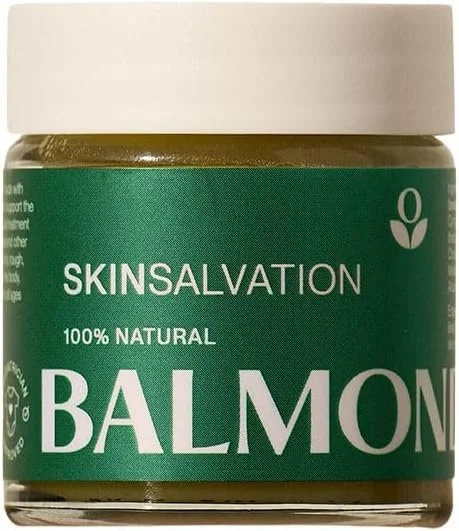
Balmonds Skin Salvation
a beeswax and hemp seed oil balm that stays in place during exercise better than lighter creams or lotions, providing a sustained barrier between sweat and eczema-prone skin throughout activity. Apply to eczema-affected areas five to ten minutes before exercise. Fragrance-free and appropriate for sensitive skin.
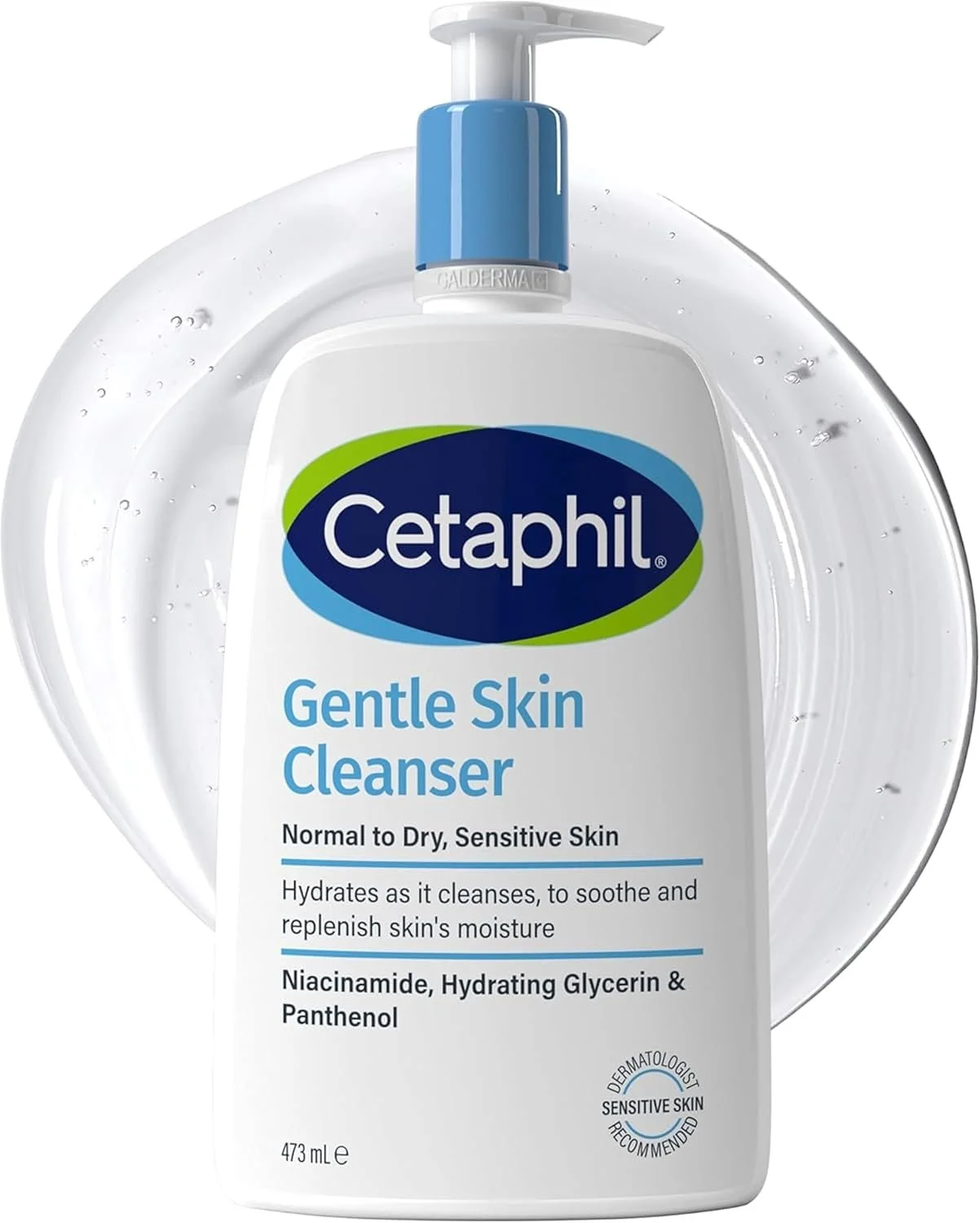
Cetaphil Gentle Skin Cleanser
a fragrance-free, SLS-free cleanser appropriate for the post-exercise rinse. Removes sweat, lactic acid, and surface irritants without stripping the barrier lipids that the pre-exercise emollient was protecting. Use with lukewarm water, pat dry, and apply emollient within the two-to-three minute post-wash window.
FAQs: Exercise and eczema
Is exercise good or bad for eczema?
Both — exercise reduces systemic inflammation and cortisol, which benefits eczema. Sweat and heat can trigger flares. Managing the balance through preparation and aftercare makes it net positive for most people.
Is sweating bad for eczema?
It can be—especially if it irritates the skin or isn’t washed off- shower or rinse as soon as possible.
Why does sweat make eczema worse?
Lactic acid, salt, and ammonia in sweat are direct irritants on compromised eczema skin. Sustained sweat contact worsens dryness and stinging. Prompt rinsing removes the irritants while retaining exercise's anti-inflammatory benefits.
Should I stop exercising if I have eczema?
No — just adjust your routine to reduce triggers.
What is the best exercise for eczema?
Lower-intensity options — yoga, walking, cycling, swimming — produce less heat and sweating and are easier to manage. Higher-intensity exercise provides stronger anti-inflammatory and stress-reduction benefits but requires more careful management.
Should I moisturise before working out?
Yes — a generous emollient layer before exercise creates a protective barrier between sweat and compromised skin, reducing the irritant contact during the session.
How long after exercise should I shower with eczema?
Within 20 minutes. Prompt rinsing with lukewarm water removes sweat from skin before cumulative irritation builds. Follow immediately with emollient within two to three minutes of patting dry.
Can I exercise during an eczema flare?
Gentle movement — walking, stretching — is manageable. Intense exercise generating significant heat and sweat is likely to worsen an active flare. Resume more intensive exercise once skin has settled.
Summary
Exercise reduces the systemic inflammation, cortisol dysregulation, and sleep disruption that all drive eczema worsening — these are meaningful, specific benefits that justify maintaining an exercise habit despite sweat-related challenges. The management strategy is specific and practical: emollient before exercise, cool environment during, prompt lukewarm rinse and immediate emollient application within two to three minutes after. Sweat itself is more nuanced than simply irritating — its dermcidin content has antimicrobial relevance for eczema skin, making prompt removal rather than avoidance the right response. Exercise is not a treatment for eczema, but it is one of the highest-leverage lifestyle habits for managing the inflammatory and stress conditions that make eczema worse.
In short:
May support overall health and inflammation balance
Sweat and heat can trigger flare-ups
Depends on how you manage it
Not a direct treatment
If you’re looking for more consistent improvement, it’s important to support your skin beyond lifestyle changes alone.
Supporting your skin from within can help reduce flare-ups and improve resilience over time.
Start your skin support journey →
Written by the Drought Skin team — specialists in natural support for psoriasis, eczema and acne
Disclaimer: This article contains affiliate links. We earn a very small commission from each purchase made through these links. There is no additional cost to you. All products featured have been specifically selected as products we personally use and love. For further information, please see our disclaimer page.
