
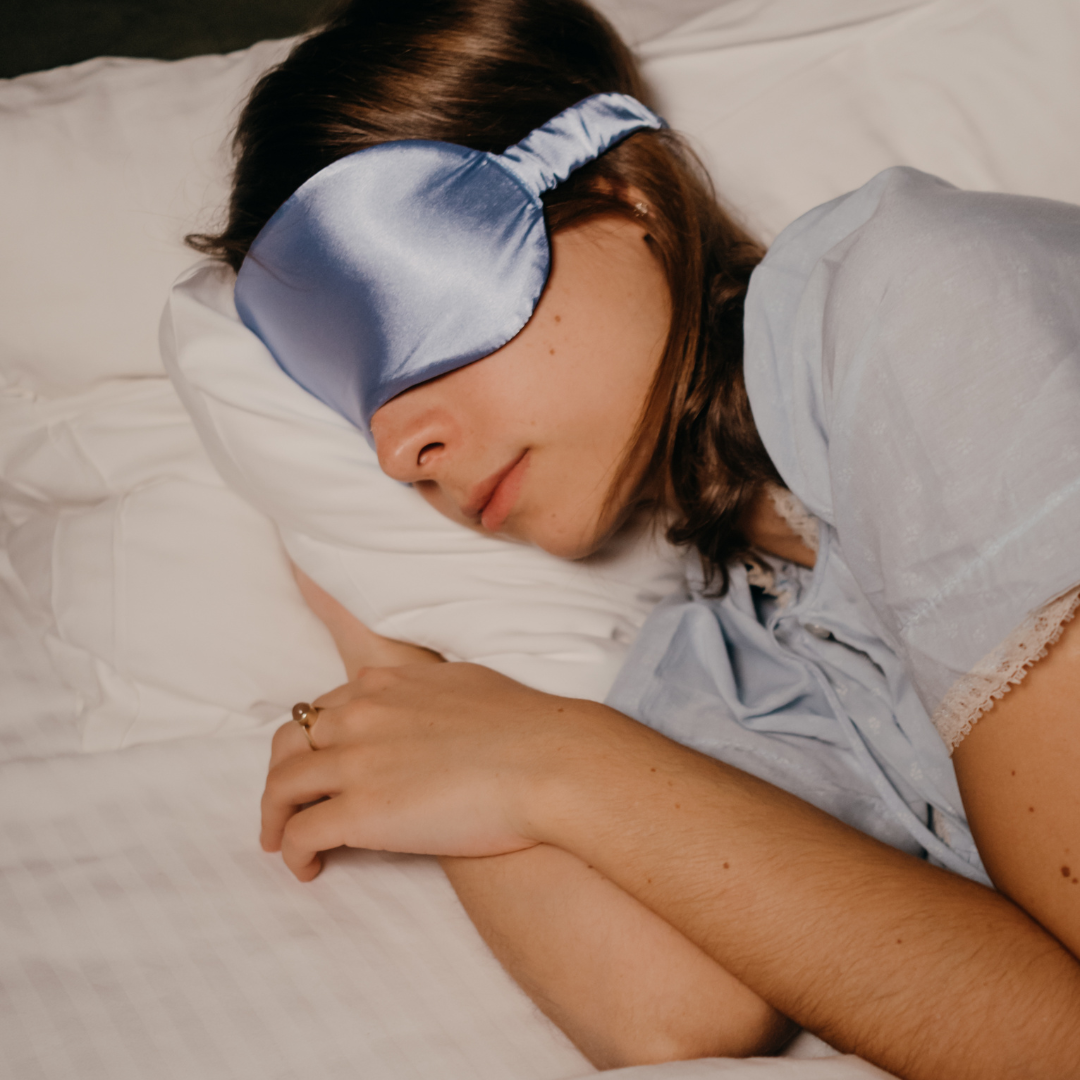
Sleep Apnoea & Psoriasis: The Shared Inflammatory Mechanism & What to Do About It
Psoriasis patients have significantly higher rates of obstructive sleep apnoea — and the relationship is bidirectional. Here's the shared NF-κB mechanism, why it matters for treatment, and what to do.

Psoriasis & Longevity: What Inflammaging Research Means for People with Psoriasis
Psoriasis is a chronic inflammatory condition — and chronic inflammation is increasingly understood as the primary driver of accelerated biological ageing. Here's what the longevity research means specifically for psoriasis.
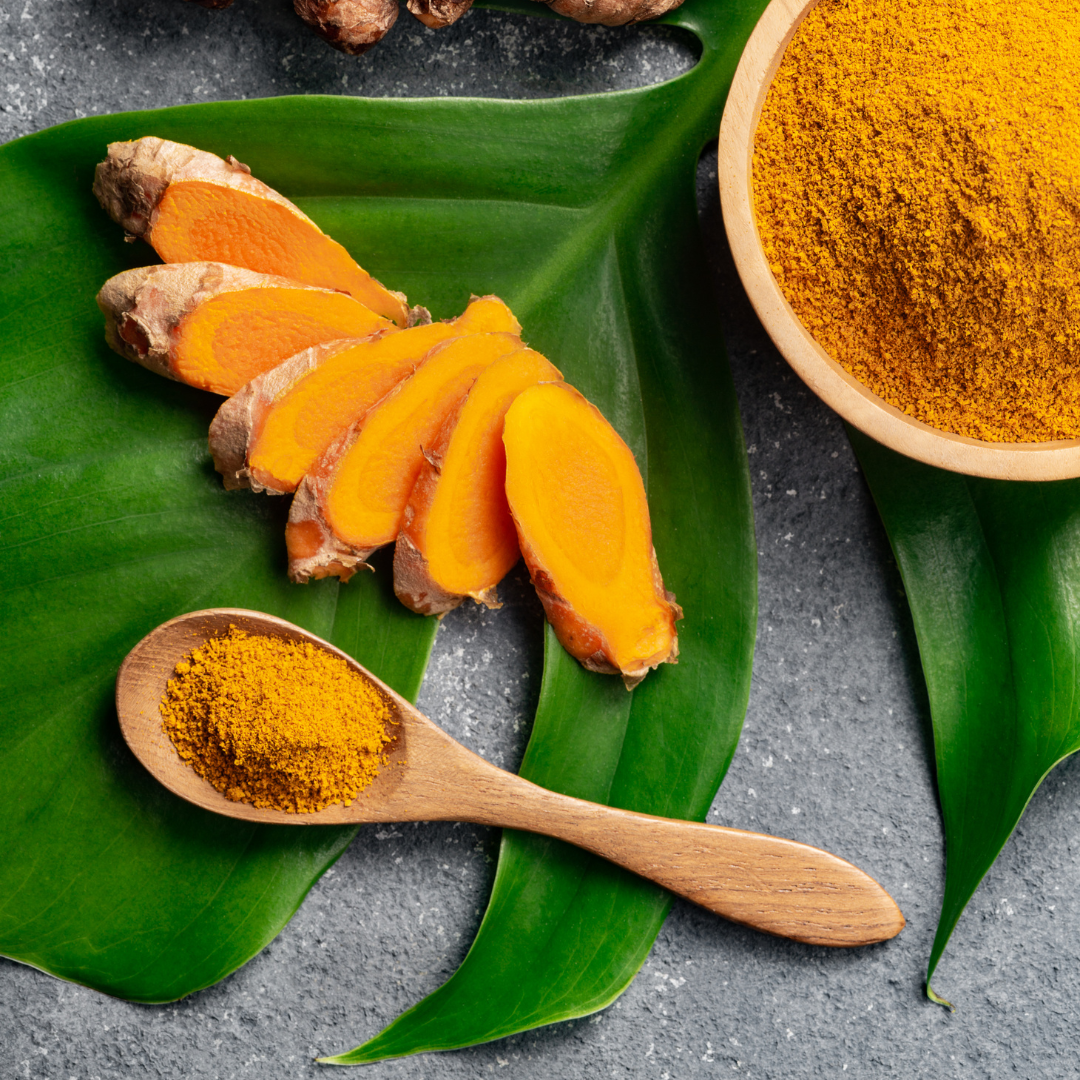
Turmeric for Psoriasis: The Curcumin Mechanism, the Bioavailability Problem & What the Evidence Actually Shows
Turmeric's curcumin has a specific and coherent mechanism for psoriasis — but its notorious poor bioavailability is what determines whether it actually works. Here's the honest picture.
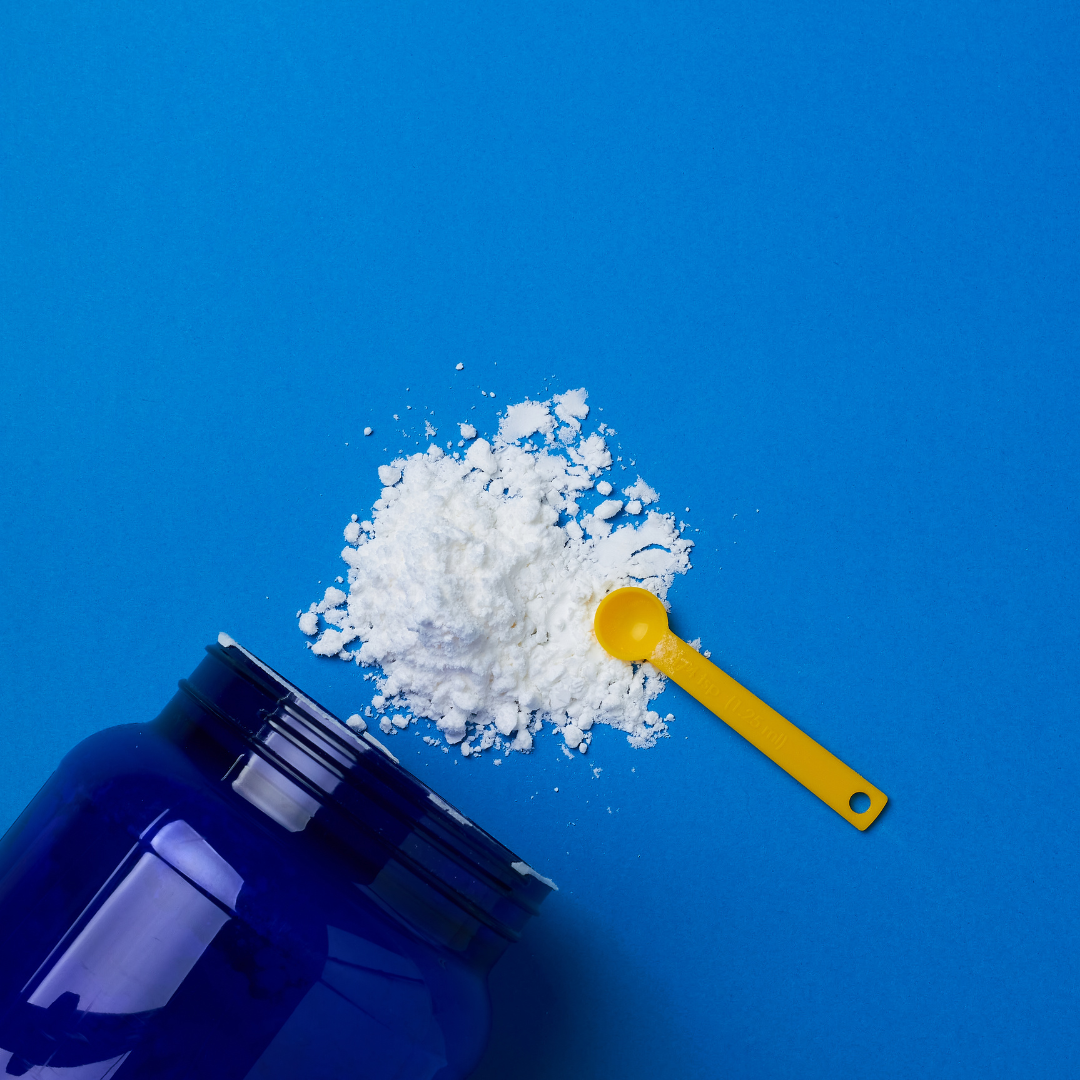
Creatine & Acne: The DHT Mechanism, the Evidence & Who's Most at Risk
Creatine's link to acne runs through DHT elevation rather than direct sebum effects — but individual androgen sensitivity determines whether this matters for your skin. Here's the honest picture.

Omega-3 and Psoriasis: The Eicosanoid Mechanism, What the Evidence Shows & Realistic Expectations
Omega-3 fatty acids have a specific and coherent mechanism for psoriasis — but the evidence is more nuanced than supplement marketing suggests. Here's the honest picture.

Anxiety & Eczema: Why the Connection Is Deeper Than 'Stress Causing a Rash'
Anxiety and eczema share a specific and bidirectional biological relationship — not just "stress causes flares." Here's the mechanism and what the evidence shows for breaking the cycle

Anti-Inflammatory Drinks for Psoriasis: What the Research Actually Shows
Some drinks have specific anti-inflammatory mechanisms relevant to psoriasis. Here's an honest assessment of the evidence for each — green tea, oolong, coffee, kombucha, and more.

Mouth Taping for Acne: Trend, Myth or Helpful Habit? What the Evidence Shows
Mouth taping has no direct evidence for acne — but the sleep quality it aims to improve does. Poor sleep elevates cortisol through HPA axis dysregulation, increasing sebum production and worsening inflammatory acne. Here's the honest picture.

Apple Cider Vinegar for Psoriasis: The Acetic Acid Mechanism, Scalp Use Protocol & Why It Burns
ACV's acetic acid temporarily restores the skin's acid mantle and has mild antimicrobial activity — but at psoriasis skin's elevated permeability it penetrates deeply enough to cause chemical burns. Here's the dilution protocol and when to avoid it

Microplastics & Eczema: The TLR4 Inflammatory Mechanism, What the Research Shows & What to Do
Microplastic particles activate TLR4 receptors and trigger the same NF-κB inflammatory cascade that drives eczema — while nanoplastics penetrate eczema's compromised barrier more efficiently than intact skin. Here's what the research shows.

Flying with Eczema: The 10–15% Humidity Mechanism, Cortisol Stress Response & What to Do
Aircraft cabin humidity drops to 10–15% — far below the 40–60% threshold comfortable for eczema skin. Combined with cortisol stress elevation and recycled air histamine exposure, flying is one of the most specific eczema environments there is. Here's what helps.

Can Vaping Make Eczema Worse? What the Evidence Actually Shows
Vaping is marketed as cleaner than smoking — but e-cigarette aerosol contains compounds that may worsen eczema through specific mechanisms. Here's what the evidence shows.