
Sleep Apnoea & Psoriasis: The Shared Inflammatory Mechanism & What to Do About It
Psoriasis and obstructive sleep apnoea (OSA) co-occur at rates significantly higher than chance — and the relationship between them is not coincidental. Both conditions share overlapping inflammatory mechanisms, and each actively worsens the other through specific and identifiable pathways. Understanding this connection changes how both conditions should be managed and explains why treating psoriasis alone, without addressing sleep quality, often produces suboptimal results.
How common is sleep apnoea in psoriasis?
Published research consistently finds elevated rates of obstructive sleep apnoea in people with psoriasis compared to the general population. A 2019 systematic review and meta-analysis found that psoriasis patients had significantly higher odds of having obstructive sleep apnoea — with some studies reporting OSA prevalence two to three times higher than in matched controls. The association is independent of BMI, though obesity — which is itself more prevalent in psoriasis through the metabolic syndrome cluster — amplifies the risk further.
This is not a niche finding. Given that OSA affects approximately 4–10% of the UK adult population, and psoriasis affects approximately 2–3%, the overlap represents a significant number of people with both conditions who may not have been investigated for one while being treated for the other.
The shared inflammatory mechanism
The connection between psoriasis and sleep apnoea runs through shared inflammatory pathways rather than coincidence.
Intermittent hypoxia and NF-κB activation. Obstructive sleep apnoea produces repeated cycles of oxygen desaturation and reoxygenation during sleep — intermittent hypoxia. This cyclic hypoxia-reoxygenation process activates NF-κB — the master inflammatory transcription factor central to psoriatic inflammation — through hypoxia-inducible factor 1-alpha (HIF-1α) signalling. NF-κB activation increases TNF-α, IL-6, and IL-17 production — the same cytokines driving psoriatic plaque formation. This means untreated sleep apnoea maintains an elevated inflammatory state that directly worsens psoriasis through the same cytokine pathways that psoriasis treatments target.
Systemic oxidative stress. The intermittent hypoxia of OSA generates significant oxidative stress through reactive oxygen species production during reoxygenation. Oxidative stress is independently associated with psoriasis severity — it activates keratinocyte hyperproliferation and inflammatory signalling while depleting the antioxidant reserves that moderate the immune response. Psoriasis patients already have elevated oxidative stress markers at baseline; OSA compounds this.
Cortisol dysregulation. Normal sleep produces a characteristic nocturnal cortisol nadir — the overnight fall in cortisol that allows inflammatory resolution and overnight tissue repair. Sleep apnoea disrupts this cortisol nadir through repeated micro-arousals and sustained HPA axis activation during sleep. The result is chronically elevated nocturnal cortisol — which paradoxically worsens psoriasis. Although cortisol has short-term anti-inflammatory effects, chronic cortisol elevation dysregulates Th17 immune responses and amplifies the inflammatory baseline from which psoriasis operates.
TNF-α elevation. TNF-α is specifically and consistently elevated in people with obstructive sleep apnoea, independently of obesity. TNF-α is one of the three primary cytokines targeted by biologic psoriasis treatments — its elevation from untreated OSA directly adds to the inflammatory load that psoriasis biologics are working against.
Why OSA worsens psoriasis: the practical consequences
For psoriasis patients with undiagnosed or untreated sleep apnoea, the consequences are specific and clinically significant.
Reduced treatment response. The elevated TNF-α, IL-17, and systemic inflammatory load from OSA raises the inflammatory baseline that prescribed psoriasis treatments must overcome. A psoriasis patient on methotrexate, a biologic, or phototherapy whose sleep apnoea remains untreated will typically show a reduced or slower treatment response compared to if the OSA were addressed simultaneously.
Accelerated metabolic comorbidities. Psoriasis is already associated with metabolic syndrome, diabetes, and cardiovascular disease through its inflammatory and adipokine mechanisms. OSA independently contributes to insulin resistance, hypertension, and endothelial dysfunction through the same overlapping pathways. The combination accelerates the metabolic burden that makes psoriasis harder to manage and increases the risk of the cardiovascular comorbidities that make psoriasis a condition of shortened life expectancy in severe cases.
Sleep deprivation effects on psoriasis. Beyond the specific OSA-inflammatory mechanisms, OSA produces fragmented, non-restorative sleep. As covered in the sleep and skin article in this series, poor sleep elevates systemic inflammatory cytokines, impairs the overnight barrier repair processes driven by nocturnal growth hormone release, and dysregulates the cortisol rhythm that psoriasis severity follows. In OSA, these sleep deprivation effects operate on top of the hypoxia-specific inflammatory mechanisms.

Why psoriasis worsens sleep apnoea
The relationship runs in both directions.
Psoriasis-associated inflammation produces TNF-α and IL-6 that contribute to upper airway inflammation and increased upper airway collapsibility — the anatomical basis of obstructive sleep apnoea. People with significant systemic inflammatory burden from psoriasis may therefore have structurally more vulnerable airways than their BMI alone would suggest.
The psychological burden of psoriasis — documented depression, anxiety, and sleep disturbance from nocturnal itch — independently impairs sleep quality and may worsen OSA through sleep architecture disruption. The nocturnal itch of psoriasis causes micro-arousals that compound the arousals from OSA, producing worse fragmentation than either condition alone.
Recognising OSA alongside psoriasis
The classic OSA symptoms to be aware of in the context of psoriasis management:
Loud snoring, particularly if witnessed to involve apnoeic pauses — breathing stopping briefly during sleep. Waking unrefreshed despite adequate sleep duration. Excessive daytime sleepiness — falling asleep easily in quiet or passive situations. Morning headaches from overnight hypercapnia. Poor concentration and cognitive fog. Nocturia — waking to urinate at night is a less-known but consistent OSA symptom.
If you have psoriasis and recognise two or more of these symptoms, discussing OSA investigation with your GP is warranted. The Epworth Sleepiness Scale is a simple validated questionnaire your GP can use, and referral to a sleep clinic for overnight polysomnography or home sleep monitoring provides definitive diagnosis.
Treatment interactions
CPAP and psoriasis. Continuous positive airway pressure (CPAP) is the most effective treatment for moderate-to-severe OSA. Published research has found that effective CPAP treatment reduces systemic inflammatory markers including TNF-α and CRP in OSA patients — directly relevant to psoriasis given TNF-α's central role. Case reports and small studies have documented psoriasis improvement following CPAP initiation, consistent with the mechanism. This is not a guaranteed outcome but represents a plausible and under-recognised benefit of OSA treatment in psoriasis patients.
Methotrexate and sleep. Methotrexate's anti-inflammatory effects extend to systemic cytokine reduction that may modestly reduce OSA-related inflammation — though it is not an OSA treatment. More relevant is the sedating side effect profile of some psoriasis medications (antihistamines used for itch, some systemic treatments) which may worsen OSA by increasing upper airway muscle relaxation during sleep.
Biologics and OSA. TNF-α inhibitors (adalimumab, etanercept) directly address one of the primary inflammatory mediators elevated in OSA. Some research suggests TNF-α inhibition may reduce OSA severity as a secondary effect — though again, this is not an established treatment pathway and should not replace CPAP.
Practical management approach
If you have psoriasis and suspect OSA, the most important step is GP discussion leading to sleep clinic referral — OSA diagnosis and treatment through CPAP or other interventions has both independent value for sleep and cardiovascular health and potential benefits for psoriasis through inflammatory pathway reduction.
While awaiting or pursuing OSA assessment, positional changes (avoiding supine sleep position reduces OSA severity in many people), weight management (for those with obesity-associated OSA), and alcohol avoidance (alcohol relaxes the upper airway and worsens OSA severity) are the lifestyle modifications with the most consistent evidence for OSA improvement.
Consistent psoriasis management — maintaining the anti-inflammatory nutritional and lifestyle foundations covered across the series — addresses the shared inflammatory pathway from the psoriasis direction simultaneously.
Supplement Support for Psoriasis-Prone Skin
The shared NF-κB and TNF-α inflammatory pathways of psoriasis and sleep apnoea mean that nutritional interventions addressing these pathways have relevance to both conditions.
Vitamin D deficiency is documented in both psoriasis and sleep apnoea — vitamin D modulates Th17 immune activity and has documented associations with OSA severity. Magnesium supports HPA axis cortisol regulation and sleep architecture quality. Omega-3 EPA and DHA reduce leukotriene B4 and TNF-α through eicosanoid pathway competition — relevant to both the psoriatic and OSA-specific inflammatory loads.
Drought's Skin Support Formula provides vitamin D, zinc, magnesium, vitamin C, and 10 other nutrients — addressing the internal nutritional foundations relevant to psoriasis management and the overlapping inflammatory pathways that connect psoriasis to sleep quality. Made in the UK, suitable for vegetarians, designed for consistent long-term daily use.
Recommended Products
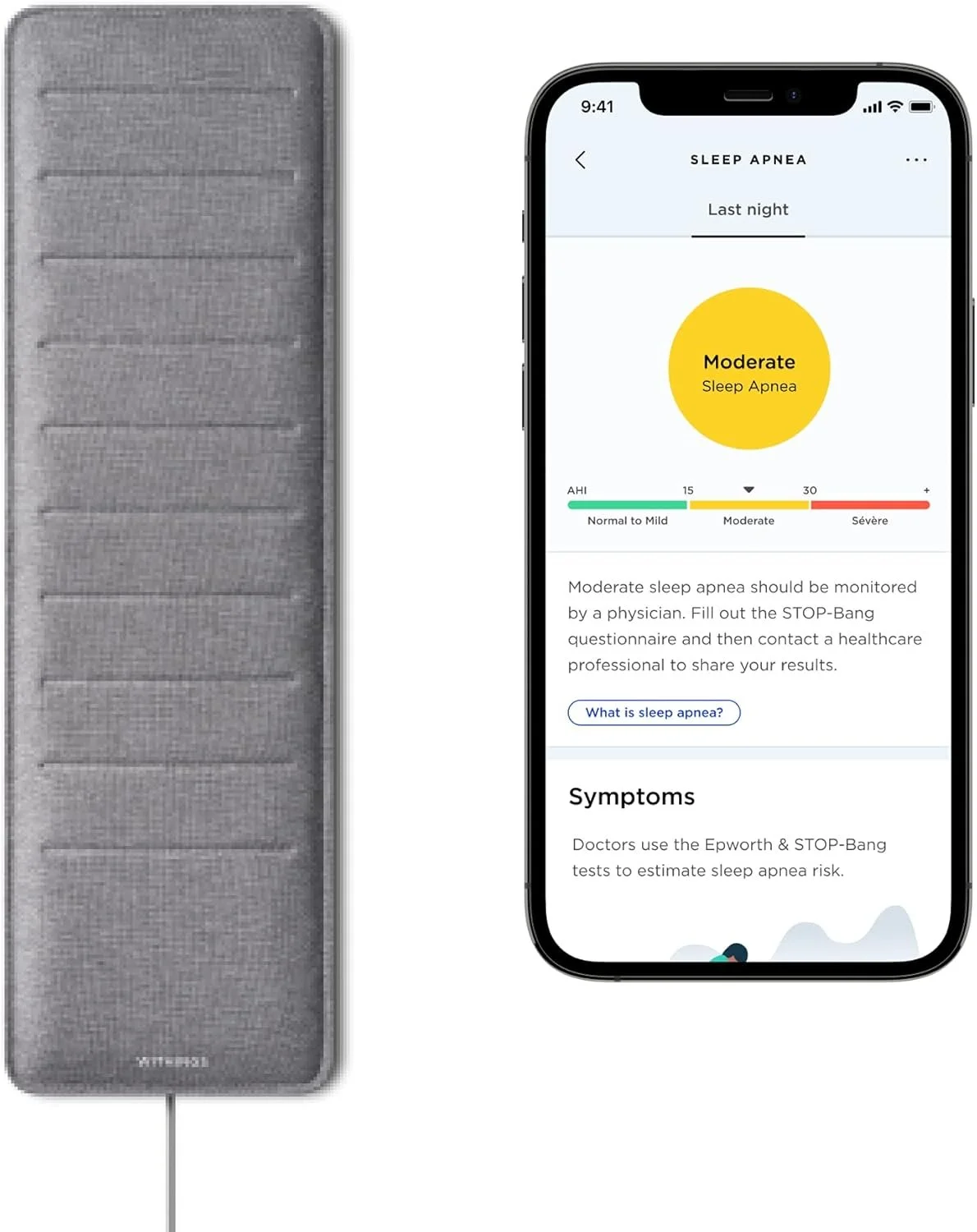
Withings Sleep Analyzer
a under-mattress sleep tracking device that monitors breathing patterns, heart rate, and movement during sleep and provides a sleep apnoea detection indicator alongside sleep cycle analysis. Not a diagnostic replacement for polysomnography, but a practical tool for identifying OSA-consistent patterns before GP discussion — and for monitoring sleep quality changes when psoriasis or OSA management is adjusted.
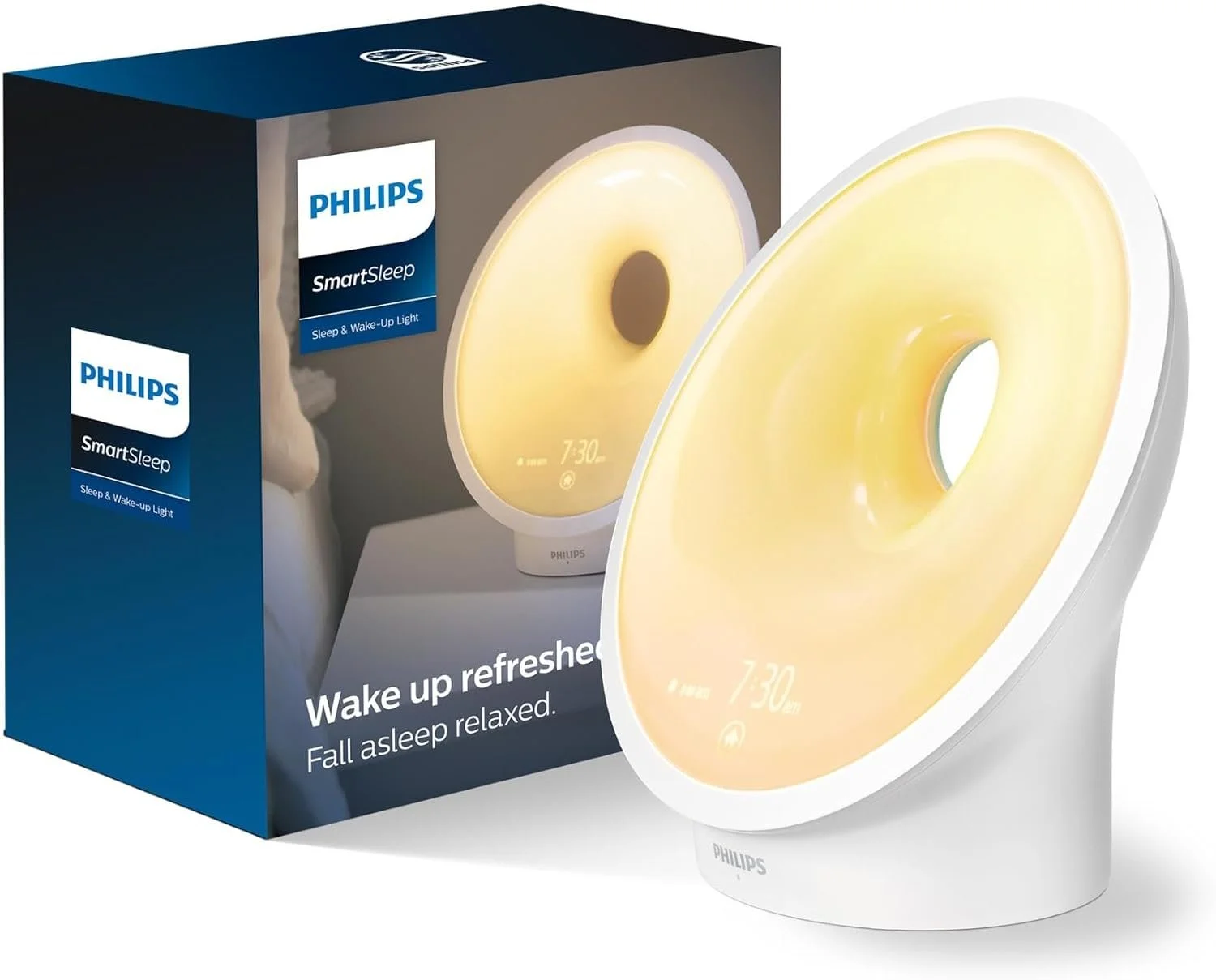
Philips SmartSleep Sleep & Wake-Up Light
a light therapy device that supports circadian cortisol rhythm regulation through gradual sunrise simulation. As covered in the sleep and eczema article in this series, cortisol circadian rhythm stability is directly relevant to psoriasis flare timing — consistent light exposure at waking supports the cortisol morning rise that anchors the circadian system.
FAQs: Sleep apnoea and psoriasis
Is sleep apnoea more common in people with psoriasis?
Yes — published research including a 2019 systematic review and meta-analysis found significantly higher rates of OSA in psoriasis patients compared to matched controls, with some studies reporting two to three times higher prevalence. The association is independent of BMI, though obesity amplifies the risk.
How does sleep apnoea worsen psoriasis?
Through NF-κB activation from intermittent hypoxia, TNF-α elevation, oxidative stress, and cortisol rhythm disruption — all of which maintain the elevated inflammatory state that worsens psoriasis and reduces treatment response. Untreated sleep apnoea raises the inflammatory baseline that psoriasis treatments must overcome.
Can treating sleep apnoea improve psoriasis?
CPAP treatment reduces systemic TNF-α and CRP in OSA patients, and case reports and small studies have documented psoriasis improvement following CPAP initiation — consistent with the mechanism. This is not a guaranteed outcome but represents a plausible benefit of OSA treatment.
What are the symptoms of sleep apnoea to watch for with psoriasis?
Loud snoring with witnessed apnoeic pauses, waking unrefreshed, excessive daytime sleepiness, morning headaches, poor concentration, and nocturia (waking to urinate at night). Two or more of these alongside psoriasis warrants GP discussion and sleep clinic referral.
Does psoriasis cause sleep apnoea?
Not directly — but psoriasis-associated systemic inflammation may contribute to upper airway inflammation and collapsibility, and the nocturnal itch of psoriasis produces micro-arousals that compound OSA-related sleep fragmentation. The relationship is bidirectional rather than psoriasis directly causing OSA.
Is the connection between psoriasis and sleep apnoea related to weight?
Obesity is a risk factor for both conditions and amplifies the association. But the inflammatory pathway connection — through NF-κB, TNF-α, and oxidative stress — is independent of BMI. Lean people with psoriasis can have elevated OSA risk through the inflammatory mechanism rather than purely anatomical factors.
Should psoriasis patients be screened for sleep apnoea?
There is no universal screening recommendation, but given the significantly elevated prevalence and the bidirectional inflammatory relationship, awareness of OSA symptoms and low threshold for GP discussion is appropriate for psoriasis patients — particularly those with moderate-to-severe disease, poor treatment response, or significant daytime fatigue.
Summary
Psoriasis and obstructive sleep apnoea share overlapping inflammatory pathways — NF-κB activation, TNF-α elevation, and oxidative stress — that make each condition worse through the other. OSA is two to three times more prevalent in psoriasis patients than in the general population, and untreated OSA raises the inflammatory baseline that psoriasis treatments must overcome. The relationship runs in both directions: psoriasis-related systemic inflammation contributes to upper airway vulnerability, while OSA-related intermittent hypoxia and cortisol disruption directly worsen psoriatic inflammation. CPAP treatment reduces the systemic TNF-α elevation of OSA and may provide secondary psoriasis benefit. Anyone with psoriasis experiencing classic OSA symptoms — unrefreshing sleep, daytime sleepiness, witnessed apnoeic pauses, morning headaches — should discuss sleep clinic referral with their GP.
Written by the Drought Skin team — specialists in natural support for psoriasis, eczema and acne
Disclaimer: This article contains affiliate links. We earn a very small commission from each purchase made through these links. There is no additional cost to you. All products featured have been specifically selected as products we personally use and love. For further information, please see our disclaimer page.
