Alcohol and Eczema or Psoriasis: How It Worsens Symptoms & What to Drink Instead
Alcohol is one of the most reliably documented triggers for both psoriasis and eczema — not through one pathway but several operating simultaneously. Understanding the specific mechanisms explains why the effect is so consistent across both conditions, why heavier drinking produces more severe disease, and why reducing or eliminating alcohol has more impact on these conditions than almost any other single lifestyle change.
Alcohol, Eczema & Psoriasis: Can Drinking Trigger Flare-Ups?
Many people with eczema or psoriasis notice their skin seems worse after drinking alcohol.
For some, it’s:
Increased redness
More itching
Dry skin
Stronger flare-ups
Slower skin recovery afterward
Others notice little difference at all.
So, does alcohol actually worsen eczema and psoriasis?
Research suggests alcohol may contribute to inflammation, dehydration, and immune changes that could aggravate inflammatory skin conditions in some individuals.
The psoriasis-alcohol connection: the strongest evidence
The evidence for alcohol and psoriasis is particularly well-established. Multiple large cohort studies have found significant associations between alcohol consumption and psoriasis severity, treatment response, and mortality.
A landmark population-based study published in JAMA Dermatology (Parisi et al., 2017) found significantly elevated alcohol-related mortality in psoriasis patients compared to the general population — reflecting both the higher rates of drinking among people with psoriasis and the bidirectional relationship between the condition and alcohol use. Studies by Cassano et al. (2011) specifically document that alcohol reduces the effectiveness of several standard psoriasis treatments.
The mechanisms through which alcohol worsens psoriasis specifically include:
Keratinocyte proliferation amplification. Alcohol and its primary metabolite acetaldehyde directly stimulate keratinocyte proliferation — the accelerated skin cell turnover that drives plaque formation in psoriasis. This is a direct mechanistic link, not simply an inflammatory effect.
Th17 pathway amplification. Alcohol increases production of IL-17 and IL-23 — the primary cytokines driving psoriatic inflammation. These are the same targets of leading psoriasis biologics (secukinumab targets IL-17A; guselkumab targets IL-23). Alcohol is therefore working directly against the same inflammatory pathways that treatment is trying to dampen.
NAFLD contribution. As covered in the milk thistle and liver-psoriasis articles in this series, non-alcoholic and alcoholic fatty liver disease is significantly more prevalent in psoriasis patients. Alcohol directly worsens liver function and hepatic inflammatory burden, increasing the systemic inflammatory load that exacerbates psoriasis.
Treatment effectiveness reduction. Alcohol reduces the effectiveness of methotrexate through direct liver burden competition (methotrexate is hepatotoxic and alcohol compounds this), and may reduce the effectiveness of other systemic treatments by maintaining elevated inflammatory background that treatments have to overcome.
Alcohol and eczema: a different but related picture
The eczema-alcohol connection is less comprehensively studied than the psoriasis connection, but several mechanisms apply:
Gut permeability. Alcohol directly increases intestinal permeability — what the leaky gut article describes as "leaky gut." This allows bacterial endotoxins (lipopolysaccharide) to translocate into the bloodstream, triggering systemic inflammatory responses relevant to eczema through the gut-skin axis.
Histamine contribution. Several alcoholic drinks — particularly red wine, champagne, and beer — contain histamine and may trigger histamine release from mast cells. For eczema patients, where IL-31-driven itch is already elevated, additional histamine triggers worsen the itch-scratch cycle.
Sleep disruption. Alcohol disrupts sleep architecture — specifically reducing slow-wave sleep and causing fragmented sleep in the second half of the night. As covered in the sleep and skin article in this series, poor sleep elevates inflammatory cytokines and impairs the barrier repair that occurs overnight. The alcohol-sleep-eczema loop is a specific and underappreciated flare pathway.
Gut microbiome disruption. Alcohol reduces beneficial gut bacteria including Lactobacillus and Bifidobacterium species — the same species that supplement-based probiotic interventions for eczema seek to restore. A single episode of significant drinking measurably shifts microbiome composition.
Nutrient depletion. Alcohol depletes zinc, magnesium, and B vitamins — nutrients specifically relevant to eczema management and consistently lower in eczema patients.
Why some drinks appear worse than others
Red wine tends to produce the strongest eczema and psoriasis reactions in individual reports. The combination of histamine, sulphites, tyramine, and alcohol makes it multiply problematic for reactive skin.
Beer contains gluten (relevant for the subset of psoriasis patients with anti-gliadin antibodies or coeliac disease) alongside histamine and alcohol.
Cocktails and mixed drinks typically combine alcohol with high sugar content — adding the glycaemic spike and mTORC1-activating effects discussed in the sugar and acne articles.
Spirits in small quantities represent the lowest-risk option for those who choose to drink — they have the lowest histamine content and no gluten. This is a marginal reduction in harm, not a "safe" choice.
Alcohol-free alternatives worth trying
The non-alcoholic drinks market has improved substantially — these are no longer the thin, sweet alternatives of five years ago.
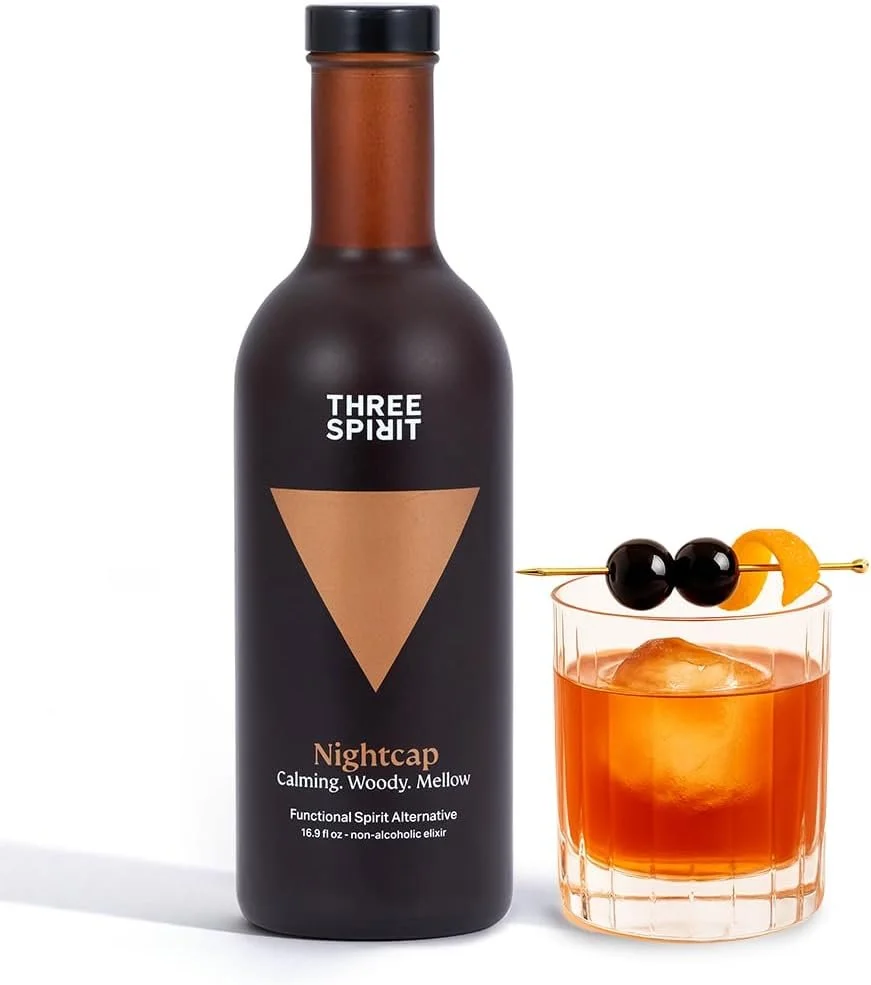
Three Spirit Non-Alcoholic Nightcap
a botanically complex non-alcoholic spirit designed to provide the ritual and sensory experience of a drink without the alcohol. Contains valerian, hops, and lion's mane — a genuinely interesting alternative to an evening drink.
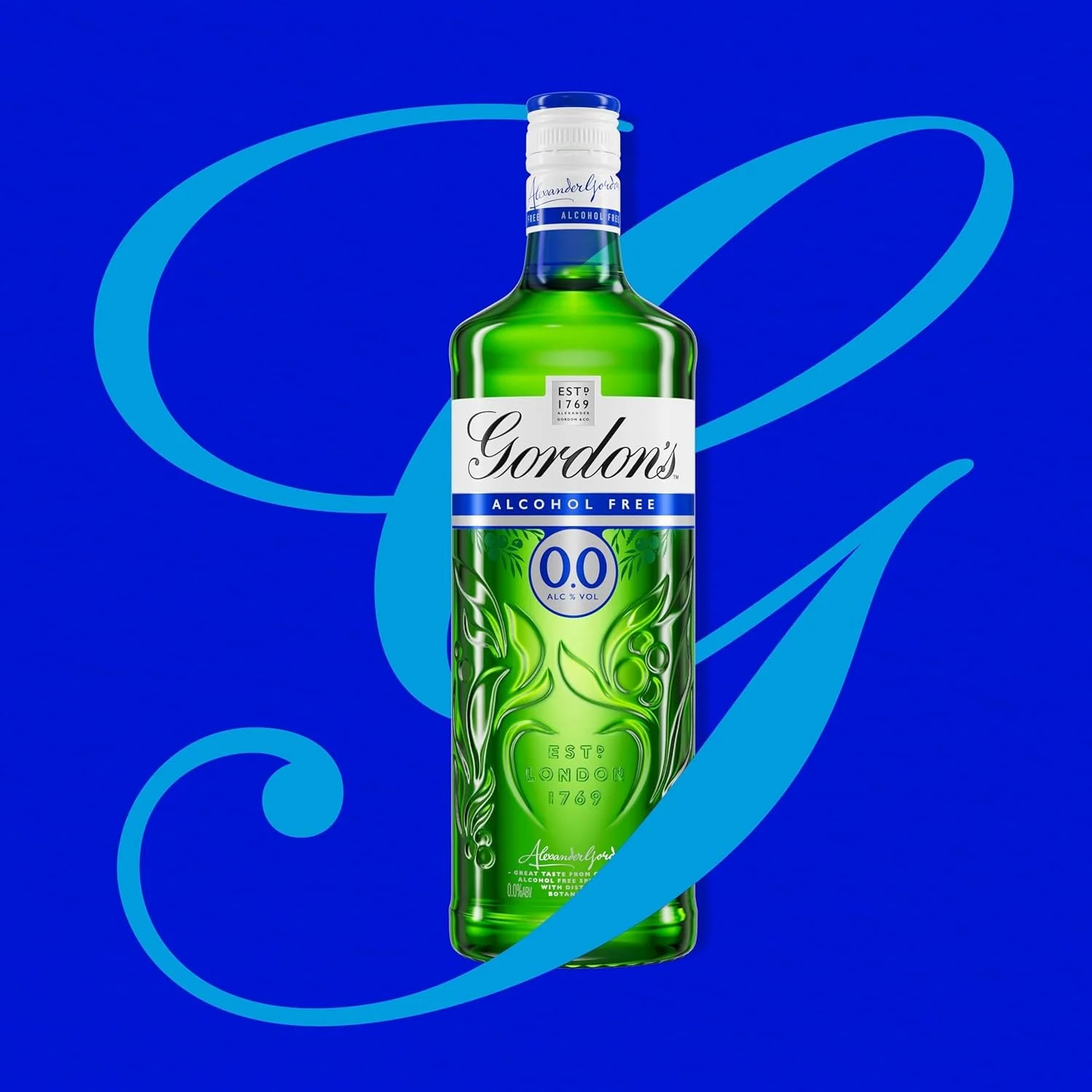
Gordon's 0.0% Alcohol-Free
an alcohol-free gin that closely replicates the taste of Gordon's. A practical swap for people who enjoy G&T as a social or evening drink. Provides the ritual without the inflammatory input.
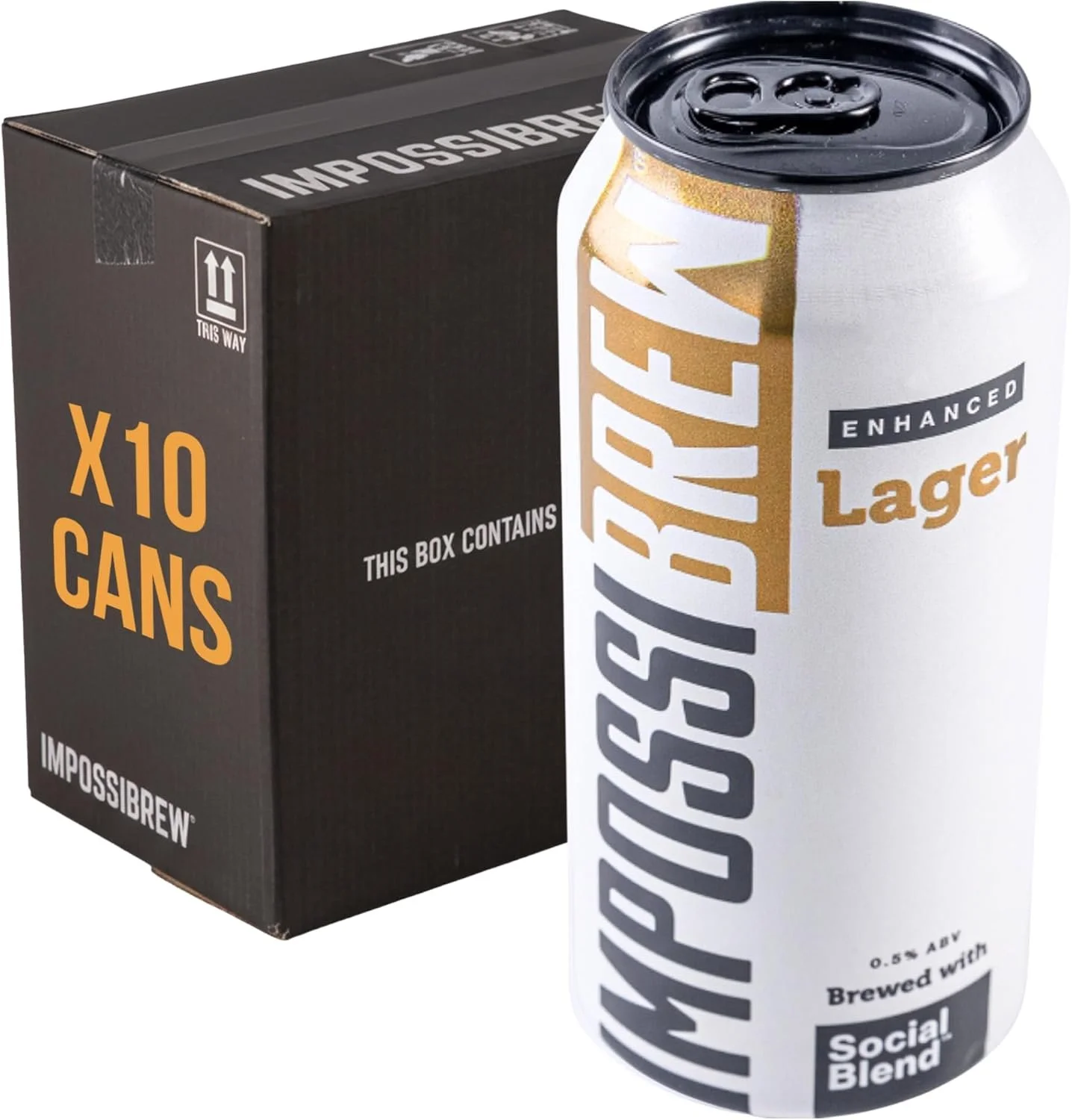
IMPOSSIBREW Alcohol-Free Lager
an award-winning alcohol-free beer with added adaptogens for mood support. The social and sensory context of drinking matters — a good-quality alcohol-free beer maintains social normalcy without the skin consequences.
Alcohol & Skin Medications
Alcohol may also interact with certain medications used for eczema and psoriasis.
This is one reason some people choose to reduce alcohol intake when trying to support their skin health.
If you use prescription treatments, it’s important to check medication guidance carefully.
Practical guidance
Complete elimination has the most evidence. For psoriasis specifically, multiple studies support better disease control and better treatment response with alcohol reduction. There is no defined "safe" level of alcohol for psoriasis — less is consistently better.
Reduction is meaningful even without elimination. Reducing from heavy to moderate drinking produces measurable improvements in inflammatory markers and PASI scores. Perfect doesn't need to be the standard; better is still genuinely beneficial.
Track personal patterns. People vary in their sensitivity. Keeping a skin diary that includes alcohol consumption allows individual patterns to emerge — some people find a single drink produces next-day worsening, others find smaller amounts tolerable.
Be aware of medication interactions. As the original article correctly notes, alcohol interacts with several psoriasis and eczema medications — particularly methotrexate, where concurrent use significantly increases hepatotoxicity risk. Always check medication guidance and discuss with your GP.
Supplement Support for Eczema & Psoriasis-Prone Skin
Alcohol depletes zinc, magnesium, and B vitamins — directly relevant to eczema and psoriasis management. Supporting nutritional status alongside reducing alcohol intake addresses both dimensions.
Drought's Skin Support Formula provides zinc, magnesium, vitamin C, vitamin D, and 10 other nutrients — addressing the nutritional depletions from alcohol and the internal foundations of eczema and psoriasis management. Made in the UK, suitable for vegetarians, designed for consistent long-term daily use.
FAQ
Can alcohol make eczema worse?
Yes — through gut permeability, histamine release, sleep disruption, gut microbiome disruption, and nutrient depletion. The evidence is less extensive than for psoriasis but the mechanisms are real.
Does alcohol trigger psoriasis flare-ups?
Yes — through specific mechanisms including Th17 pathway amplification, keratinocyte proliferation from acetaldehyde, NAFLD burden, and reduced treatment effectiveness. One of the most consistently documented psoriasis triggers.
Why does my skin itch after drinking alcohol?
Through three overlapping mechanisms. Red wine, champagne, and beer contain histamine directly and trigger additional histamine release from mast cells — for eczema patients where IL-31-driven itch is already elevated, additional histamine input significantly worsens the itch-scratch cycle. Alcohol causes vasodilation — the skin flushing response increases surface blood flow, raises skin temperature, and amplifies itch through thermal mechanisms. And acetaldehyde — alcohol's primary metabolite — directly irritates skin nerve endings and triggers inflammatory responses that compound existing itch in both eczema and psoriasis.
Why does red wine worsen eczema more than other drinks?
Red wine contains histamine, sulphites, and tyramine alongside alcohol — multiple triggers simultaneously. Beer adds histamine and gluten. Spirits have the lowest histamine content.
Can alcohol-free drinks still affect skin conditions?
Most are considerably less problematic than their alcoholic equivalents — but two specific concerns apply. Some alcohol-free wines retain sulphites and histamine from the fermentation process that produced the original wine — relevant for histamine-sensitive eczema patients. Very low-alcohol options (0.5% ABV, technically "alcohol-free" in UK labelling) still contain trace amounts that may matter in extreme sensitivity. Purpose-formulated non-alcoholic spirits and beers like the products above are generally the safest options — they're designed without wine fermentation byproducts and without the histamine content of beer.
How quickly does skin improve after stopping alcohol?
Studies have found PASI improvements within 4–8 weeks of alcohol reduction. Individual timelines vary but most people notice some improvement within weeks.
Should I stop drinking alcohol if I have eczema or psoriasis?
The evidence supports reduction for both conditions — and for psoriasis specifically, multiple large cohort studies show better disease control and better treatment response with reduced alcohol intake. There is no established "safe" level of alcohol for psoriasis. For eczema, the gut permeability, histamine, sleep disruption, and microbiome mechanisms all support reduction. Complete elimination produces the strongest benefit; meaningful reduction without elimination is still genuinely beneficial rather than all-or-nothing. If you take methotrexate, the hepatotoxicity interaction makes concurrent alcohol use a specific clinical concern to discuss with your GP.
Summary
Alcohol worsens psoriasis through direct keratinocyte proliferation amplification via acetaldehyde, Th17 pathway amplification, NAFLD contribution, and reduced treatment effectiveness. It worsens eczema through gut permeability, histamine effects, sleep disruption, gut microbiome disruption, and nutrient depletion. It is one of the most consistently documented triggers for both conditions and its reduction or elimination has more impact on disease severity than almost any other single lifestyle change. Alcohol-free alternatives have improved substantially and provide a practical way to maintain social and ritual contexts without the inflammatory consequences.
Written by the Drought Skin team — specialists in natural support for psoriasis, eczema and acne
Disclaimer: This article contains affiliate links. We earn a very small commission from each purchase made through these links. There is no additional cost to you. All products featured have been specifically selected as products we personally use and love. For further information, please see our disclaimer page.
