
Tattoos with Psoriasis or Eczema: Koebner Risk, Red Ink Reactions & Medication Considerations
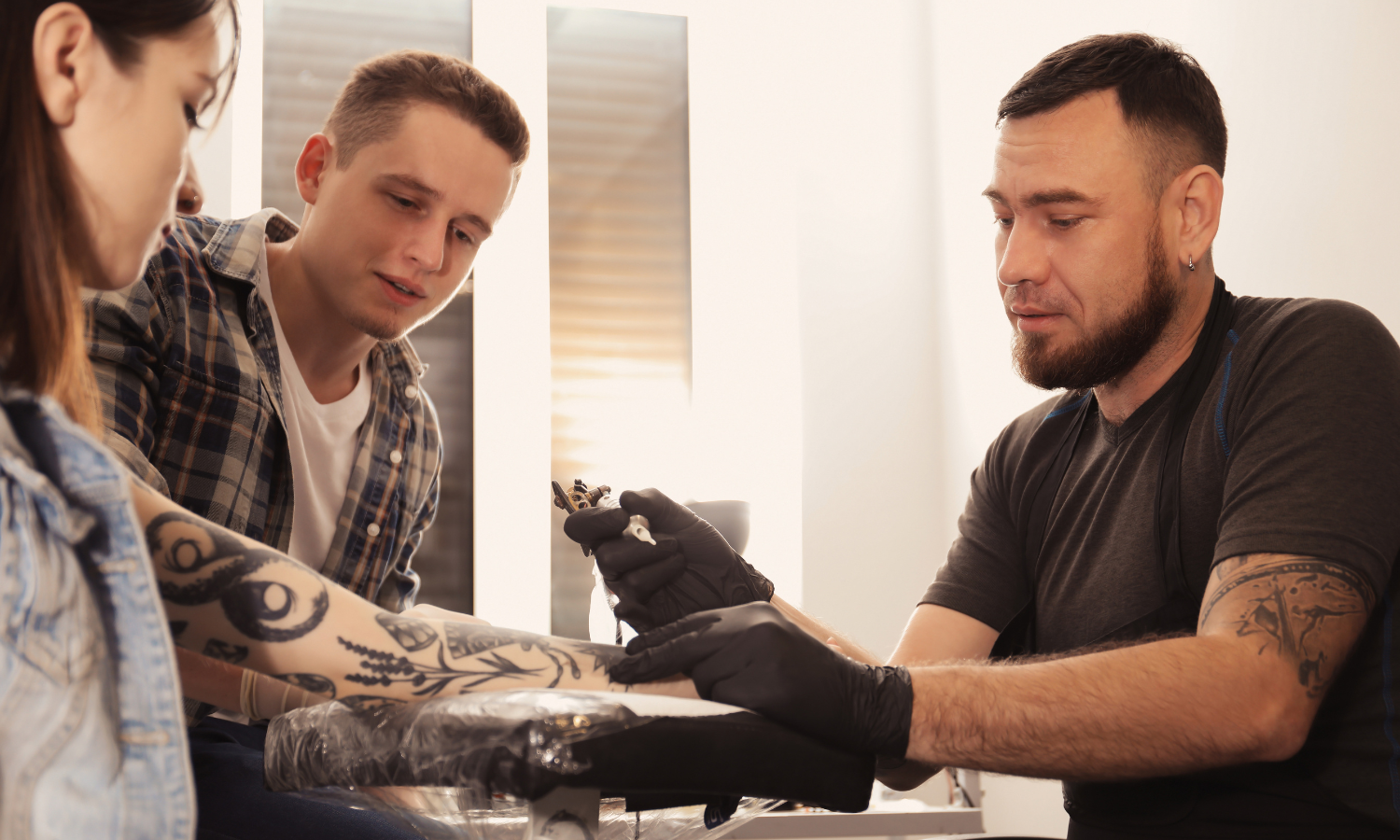
Many people with psoriasis or eczema get tattoos — and most do so without serious problems. But inflammatory skin conditions do introduce specific risks that are worth understanding before you book, because the consequences of tattooing at the wrong time or in the wrong location can include a significant flare, infection risk, or a tattoo that doesn't heal cleanly.
The risks are manageable with the right approach. Here's what you actually need to know.
Tattoos, Psoriasis & Eczema: Can Tattoos Trigger Flare-Ups?
Tattoos have become more popular than ever — but for people with psoriasis or eczema, getting tattooed often comes with extra concerns.
Many people wonder:
Will a tattoo trigger a flare-up?
Can eczema spread onto the tattoo?
Will psoriasis damage the tattoo design?
Is tattoo healing riskier with sensitive skin?
The truth is, many people with eczema or psoriasis can get tattoos safely — but inflammatory skin conditions may increase certain risks because tattooing intentionally damages the skin barrier.
Tattoos may be possible with psoriasis or eczema, but skin health and timing matter significantly.
Why Tattoos Affect Sensitive Skin Differently
Tattooing works by repeatedly puncturing the skin and depositing ink into the dermis.
This process:
Injures the skin barrier
Triggers inflammation
Starts wound healing responses
Exposes the skin to pigments and irritation
For healthy skin, this usually heals normally. But psoriasis and eczema-prone skin already have:
Barrier dysfunction
Increased inflammation
Higher sensitivity
Immune system dysregulation
which may increase healing complications or flare risks.
Tattooing places additional stress on skin barriers that are already more reactive.
The Koebner phenomenon: the most important risk for psoriasis
Tattooing involves thousands of needle punctures into the dermis — intentional, controlled skin trauma. For most people this heals predictably. For people with psoriasis, it is a documented Koebner phenomenon trigger.
The Koebner phenomenon — covered in the types of psoriasis and psoriasis skincare articles in this series — describes new psoriasis plaques appearing at sites of skin trauma. Research suggests approximately 25–30% of people with psoriasis experience Koebner reactions, and tattooing is consistently listed among the most common documented triggers.
Importantly, the plaque doesn't just appear at the tattoo site during healing. It can appear weeks later, once the tattoo is fully healed, as the immune response to the skin trauma slowly develops. A 2022 questionnaire study of 150 psoriasis patients who had tattoos (Rogowska et al., Clinical, Cosmetic and Investigational Dermatology) found Koebner reactions in around 20% — lower than some earlier estimates but still a meaningful risk.
The consequence for the tattoo itself is usually aesthetic rather than permanent: psoriasis developing over a tattoo temporarily distorts its appearance through scaling and raised plaques, but the ink remains in the dermis beneath and the design typically becomes visible again once the flare settles.

Eczema and tattooing: different risks
For eczema, the Koebner phenomenon is less specifically documented than for psoriasis, but several other risks are relevant:
Barrier damage. Tattooing disrupts the skin barrier across the tattooed area. For eczema-prone skin — which already has compromised barrier function — this additional barrier disruption can trigger eczema in and around the tattoo site, particularly during the healing period.
Ink allergies. Eczema-prone skin has a higher rate of contact sensitisation than unaffected skin, and tattoo inks are a documented source of allergic contact reactions. Red pigments — particularly those containing azo dyes like para-phenylenediamine (PPD) — are the most commonly implicated. Red and orange inks carry the highest contact allergy risk. People with known PPD sensitivity (relevant to hair dye reactions) should specifically discuss this with their tattooist and consider whether red-spectrum inks should be avoided.
Aftercare products. The standard tattoo aftercare routine involves frequent moisturiser application over healing skin. For eczema-prone skin, fragrance in any aftercare product is a significant risk. Many standard tattoo aftercare products — including popular branded options — contain fragrances that are problematic for reactive skin. Using a fragrance-free emollient (Cetraben, Doublebase, CeraVe) rather than a dedicated tattoo aftercare product is a safer approach for eczema-prone skin.
Tattoo Ink Allergies & Skin Reactions
One of the most common tattoo complications is allergic reactions to tattoo pigments.
Symptoms may include:
Swelling
Itching
Raised bumps
Redness
Delayed irritation
Certain ink colours — especially red pigments — are more commonly linked to reactions.
Researchers are also studying tattoo inks because some contain:
Heavy metals
Chemical pigments
Potentially irritating compounds
Sensitive skin may react not only to the tattoo trauma itself, but also to the pigments used.
Where you get tattooed matters
This is rarely discussed in general tattoo guidance but specifically relevant for psoriasis:
Avoid known plaque sites. If you have consistent psoriasis plaques in specific locations — elbows, knees, lower back, scalp — tattooing over or very near these areas significantly increases Koebner risk, even when they are currently clear. The immune memory of these sites makes them higher-risk for Koebner reactions.
Avoid skin fold areas. Inverse psoriasis affects skin folds — groin, armpits, under the breasts. These areas also heal more slowly and are more prone to secondary infection. They're poor choices for tattooing regardless of skin condition.
Choose areas with minimal eczema history. For eczema, tattooing areas that have been consistently clear and haven't been affected by eczema in recent memory reduces the risk of the tattoo triggering a local eczema flare.
Timing: when to go ahead and when to wait
Never tattoo during an active flare. Inflamed, compromised skin heals unpredictably, carries higher infection risk, and is more likely to produce Koebner reactions in psoriasis. Wait until skin in the proposed tattoo area is fully calm — and has been stable for at least several weeks.
Consider your treatment status. People on immunosuppressive psoriasis medications (methotrexate, ciclosporin, biologic treatments) have modified immune responses that can affect healing and infection risk. Discuss with your dermatologist before tattooing — some practitioners recommend timing tattoos during periods of stable, well-controlled disease while on biologics, and completing any antibiotic prophylaxis if required.
Patch test if you can. A responsible tattooist should be willing to do a small test patch with the inks they plan to use, particularly if you have a history of contact allergies or known PPD sensitivity. Not all studios offer this, but it's worth asking.
Can Psoriasis Damage The Tattoo Design?
Usually not permanently.
Psoriasis mainly affects the upper skin layers, while tattoo pigment sits deeper in the dermis.
However, flare-ups may temporarily:
Distort the appearance
Increase scaling
Make the tattoo look uneven during inflammation
Severe inflammation or scratching may potentially affect healing quality.
The tattoo itself often remains intact even when psoriasis develops over it.
Practical steps before booking
Speak to your dermatologist or GP. This is especially important if you are on systemic treatment. Some psoriasis medications — particularly oral retinoids such as acitretin — can significantly impair wound healing, and tattooing while on them is generally not recommended.
Choose a licensed, professional studio. In the UK, tattoo studios should be registered with their local council under skin-piercing regulations. Reputable studios use single-use needles, medical-grade sterilisation, and appropriate aftercare guidance. Hygiene standards matter more for compromised skin than for healthy skin.
Plan your aftercare. Have fragrance-free emollient ready before you go. Begin applying it as soon as the tattooist advises — typically from the first day. Avoid fragranced products, alcohol-based products, and anything marketed as "tattoo specific" unless you've checked the ingredient list first.
Protect the tattoo from sun exposure during healing and long-term. UV exposure on a healing tattoo increases inflammation and fading; on psoriasis skin, it can also trigger Koebner reactions through sunburn.
Recommended Products
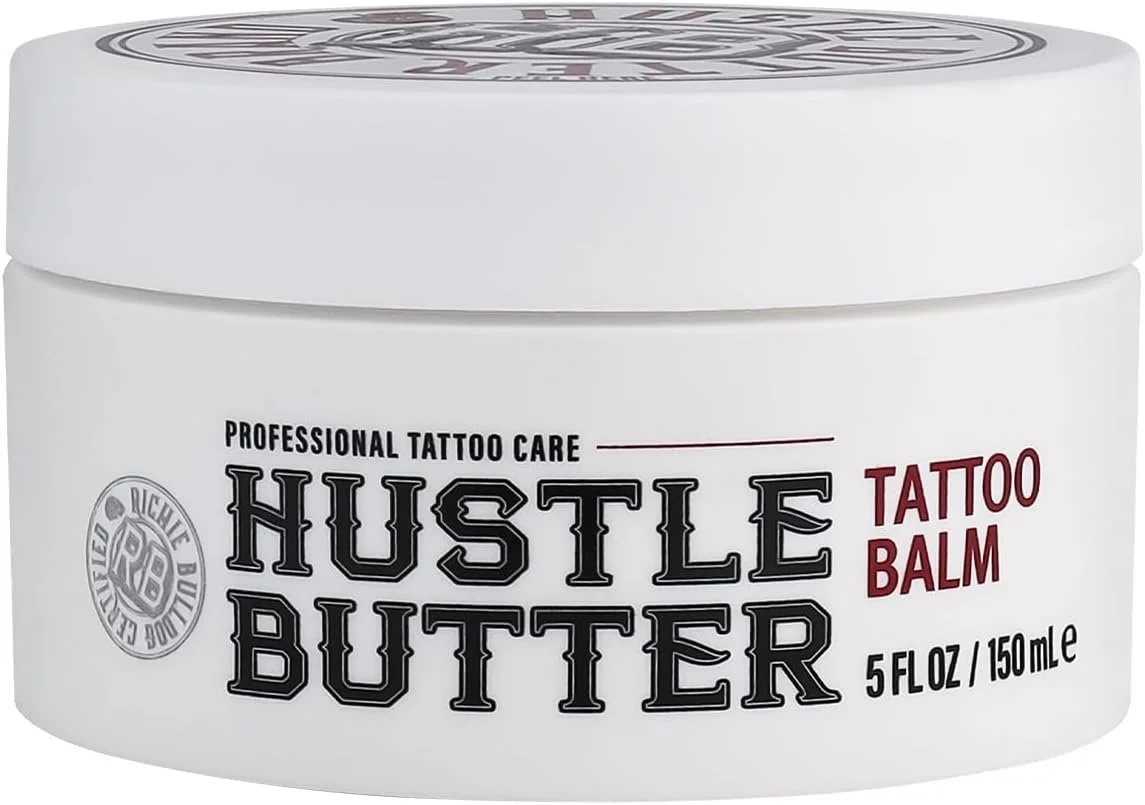
Hustle Butter Deluxe Tattoo Aftercare
a fragrance-free tattoo aftercare balm used by professional tattoo artists and appropriate for eczema and psoriasis-prone skin. Shea butter, coconut oil, and mango butter base without the fragrance, parabens, or petrolatum that most mainstream tattoo aftercare products contain. Apply thinly to the healing tattoo two to three times daily during the first two weeks — keeping the tattooed skin moisturised without occlusion that traps heat and increases infection risk.
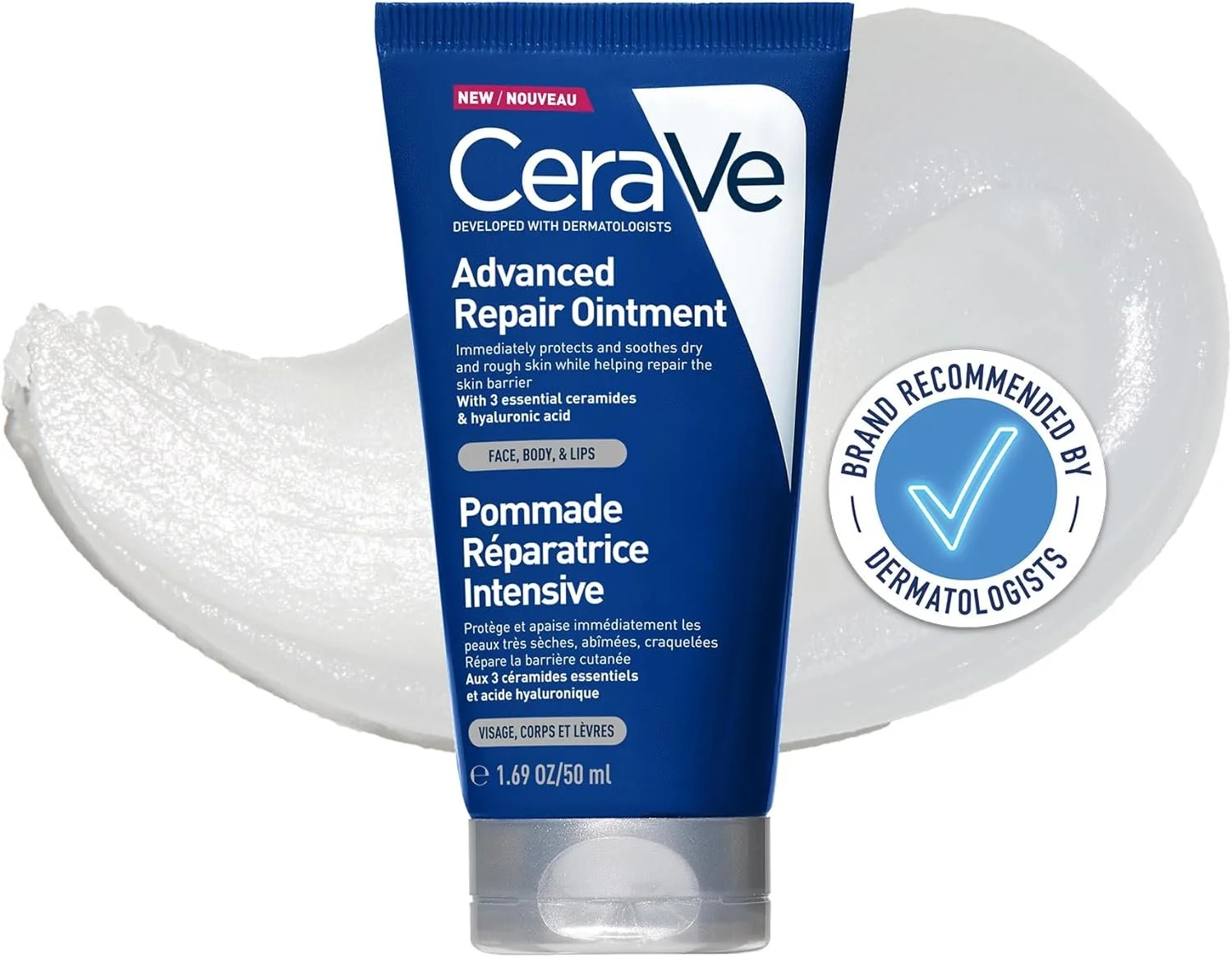
Cerave Healing Ointment
a fragrance-free petrolatum-based healing ointment with ceramides and hyaluronic acid — providing the same occlusive barrier protection as Hustle Butter with the addition of ceramide replenishment specifically relevant to eczema-prone skin. Appropriate for the first three to five days of tattoo healing where maximum occlusive protection is most important, before switching to a lighter aftercare balm as the tattoo moves into the peeling phase. The ceramide content addresses the barrier deficit that makes eczema skin more vulnerable to healing complications than intact skin.
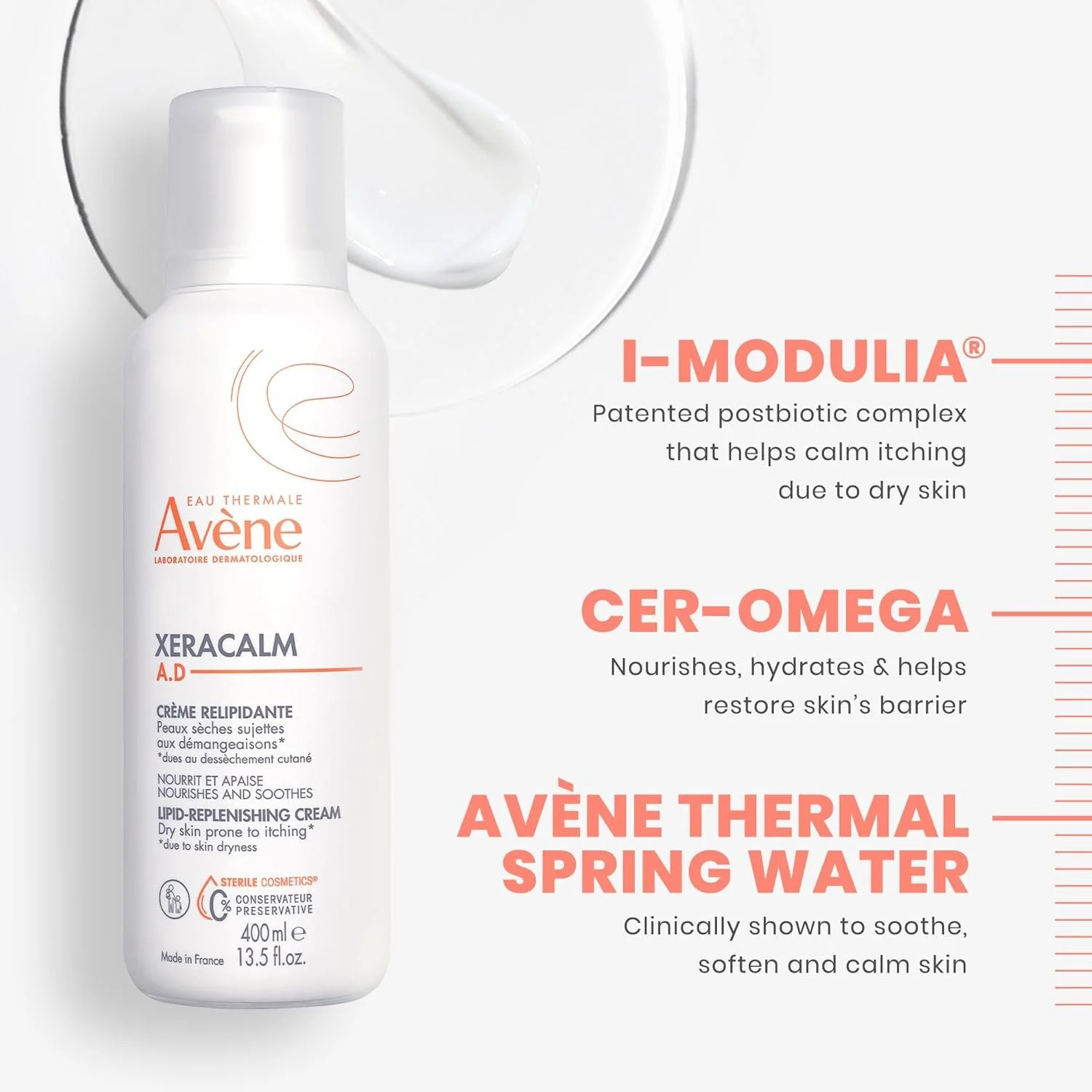
Avène XeraCalm A.D Lipid-Replenishing Cream
a fragrance-free, soap-free emollient specifically formulated for atopic-prone skin, providing I-modulia (a microbiome-balancing ingredient with documented anti-S. aureus activity) alongside ceramide-analogues and omega-6 fatty acids. Appropriate as a longer-term post-healing aftercare for the tattooed area once the immediate healing phase is complete — supporting the skin barrier at the tattoo site during the months when the tattooed area remains more reactive than surrounding skin
Medications & Tattoo Healing
Certain psoriasis medications may also affect tattoo healing.
Some dermatology guidance suggests extra caution when using:
Immunosuppressants
Biologic medications
Oral retinoids like acitretin
because healing complications or infection risk may increase.
Anyone on systemic psoriasis treatment should ideally discuss tattoos with their dermatologist first.
Simple Tips People With Sensitive Skin Often Follow
1. Avoid Tattooing During Active Flare-Ups
Calmer skin may heal more predictably.
2. Choose A Professional Tattoo Studio
Hygiene standards are extremely important.
3. Use Gentle Aftercare Products
Fragrance-free products may reduce irritation.
4. Moisturise Consistently
Healing skin barriers need hydration support.
5. Avoid Scratching During Healing
Trauma may worsen inflammation and healing quality.
Gentle aftercare often becomes especially important for reactive skin.
Supplement Support for Dry, Sensitive Skin
Skin healing — from any trauma, including tattooing — relies on adequate nutritional status. Zinc supports wound healing and immune regulation. Vitamin C is required for collagen synthesis. Vitamin D supports the immune responses that regulate healing and manage infection risk.
Drought's Skin Support Formula provides 14 nutrients including zinc, vitamin D, vitamin C, and magnesium — supporting the internal nutritional foundations of skin health and healing. Made in the UK, suitable for vegetarians, designed for consistent long-term daily use. Particularly relevant in the weeks around any planned skin procedure.
FAQ
Can tattoos trigger psoriasis flare-ups?
Yes — through the Koebner phenomenon, which affects approximately 25–30% of people with psoriasis. The thousands of needle punctures during tattooing produce exactly the type of sustained mechanical trauma most reliably associated with Koebner responses. New psoriatic plaques typically appear at the tattoo site within one to two weeks of the trauma rather than immediately — the delayed timing means people often don't connect the tattoo to the subsequent flare. The 2022 Rogowska and Walczak questionnaire study of 150 psoriasis patients found meaningful rates of Koebner-related reactions following tattooing, with inflammatory acne at tattoo sites and wider body flares both reported. Being Koebner-positive is not a contraindication to tattooing — but knowing your Koebner status before getting tattooed is important.
Can people with eczema get tattoos safely?
Many people with eczema get tattoos without significant complications — but eczema-prone skin carries specific risks that intact skin doesn't. The compromised barrier means tattoo needle trauma penetrates skin that is already structurally deficient, healing takes longer due to ceramide and filaggrin deficit, and elevated contact sensitisation rates make allergic reactions to tattoo pigments more likely than in the general population. The most important practical precautions: only tattoo during established periods of skin settlement, never over active eczema-affected areas, use fragrance-free aftercare throughout healing, and patch-test any new aftercare product before applying to the healing tattoo.
Which tattoo ink colours are most likely to cause reactions on eczema-prone skin?
Red pigments have the highest documented contact allergen risk — red tattoo inks most commonly contain mercury sulphide (cinnabar) or azo dyes that produce Type IV delayed hypersensitivity reactions in sensitised individuals. Eczema-prone skin has significantly elevated contact sensitisation rates through its compromised barrier — making red ink reactions the most commonly reported tattoo-specific allergic complication for people with eczema. Reactions may appear weeks to months after the tattoo is healed rather than during healing — presenting as raised, itchy, red areas specifically within the red-pigmented sections of the tattoo while surrounding colours remain unaffected. Discuss ink composition with your tattoo artist before proceeding and consider avoiding red pigments if you have significant contact sensitisation history.
Does psoriasis ruin tattoos?
Not permanently — tattoo pigment is deposited in the dermis at approximately 1–2mm depth, while psoriatic inflammation primarily affects the epidermis. A Koebner response can cause new psoriatic plaques to form within the tattooed area, which temporarily distort the tattoo's appearance through thickened scale and inflammation. Once the psoriasis in the tattooed area is treated and settles, the tattoo typically returns to its original appearance — the ink remains in the dermis regardless of what happens at the epidermal level. Significant scratching and picking of psoriatic plaques over a tattoo is the main practical risk to tattoo integrity — mechanical disruption of the healing tattoo in its first weeks, or repeated trauma over an established tattoo, can affect ink retention.
Do psoriasis medications affect tattoo healing?
Yes — and the effect varies significantly by medication class. Biologic medications targeting TNF-α (adalimumab, etanercept) and IL-17 (secukinumab, ixekizumab) suppress immune responses that are integral to wound healing, increasing infection risk at tattoo sites and potentially slowing the healing process. Oral retinoids — particularly acitretin — specifically delay wound healing through effects on keratinocyte turnover and increase the photosensitivity of new tattoo skin. Methotrexate's immunosuppressive effects increase infection risk similarly to biologics. Discuss planned tattoos with your prescribing dermatologist before proceeding if you are on any systemic psoriasis treatment — not to be told no, but to plan optimal timing relative to medication cycles and monitor healing appropriately.
Should you tattoo over psoriasis or eczema lesions?
No — never over active lesions regardless of condition. Tattooing over an active psoriatic plaque introduces needle trauma to already inflamed, compromised skin producing unpredictable healing, significantly increased infection risk, and very high likelihood of immediate Koebner response extending the plaque. Tattooing over active eczema — inflamed, broken, or weeping skin — introduces ink into a compromised barrier where absorption is unpredictable, infection risk is high, and the trauma worsens the barrier breakdown driving the eczema. Both conditions require the skin to be in a settled, non-inflamed state at the tattoo site and ideally across the body before proceeding — a minimum of two to four weeks of stable, unflared skin in the intended tattoo area is a reasonable minimum standard.
How should people with eczema or psoriasis care for a healing tattoo?
Fragrance-free aftercare is non-negotiable — conventional tattoo aftercare products frequently contain fragrance, lanolin, or preservatives that are documented contact allergens for eczema-prone skin. Apply a thin layer of fragrance-free occlusive balm (Hustle Butter, CeraVe Healing Ointment) two to three times daily — enough to keep the tattoo slightly moist without heavy occlusion that traps heat. Avoid cling film wraps beyond the first few hours — prolonged occlusion on eczema-prone skin increases the warm-moist bacterial environment risk. Pat dry rather than rubbing after cleansing. Avoid sun exposure on the healing tattoo — UV sensitivity is elevated during healing, and sunscreen cannot be applied to unhealed skin. Contact your GP or tattoo studio promptly if signs of infection appear — pain, warmth, discharge, or fever — rather than assuming the reaction is eczema or psoriasis.
Summary
Tattoos are possible with psoriasis or eczema — but the risks are real and specific. For psoriasis, the Koebner phenomenon is the primary concern: approximately 20–30% of psoriasis patients experience new plaque formation at tattoo sites. For eczema, contact allergy to ink pigments (particularly red/azo dyes) and aftercare product sensitivity are the main risks. Timing (only during stable, calm skin), location (avoiding known plaque sites and skin fold areas), medication review with a dermatologist, and fragrance-free aftercare reduce these risks significantly. A brief dermatologist conversation before booking is the most important single step for anyone on systemic treatment.
Written by the Drought Skin team — specialists in natural support for psoriasis, eczema and acne
Disclaimer: This article contains affiliate links. We earn a very small commission from each purchase made through these links. There is no additional cost to you. All products featured have been specifically selected as products we personally use and love. For further information, please see our disclaimer page.
-
Types of Psoriasis Explained: Symptoms, Appearance & How They Differ
Psoriasis Skincare Routine: What Actually Helps, What to Avoid & Common Mistakes
Eczema and Allergies: The Connection, Common Triggers & What Actually Helps
Psoriasis & Eczema Triggers: What Causes Flare-Ups & How to Identify Yours
Best Sunscreen for Eczema: What to Use, What to Avoid & How to Apply
