
Eczema and Allergies: The Connection, Common Triggers & What Actually Helps

If you have eczema, you have probably noticed that you're more likely than most people to also have hay fever, asthma, or food sensitivities. This isn't coincidence — it reflects a genuine biological connection between eczema and allergic conditions that is one of the most studied areas in dermatology and immunology.
Understanding why this connection exists is more useful than simply knowing that it does. The mechanism — specifically the role of the skin barrier — changes how eczema should be managed, and has direct implications for reducing allergy risk in children with the condition.
The atopic march: why eczema often comes first
The term "atopic march" describes a well-documented developmental pattern in which eczema in early childhood is followed, over time, by food allergies, then hay fever, then asthma — in that characteristic sequence.
Around 60–70% of children with early atopic eczema will develop allergic rhinitis (hay fever) by adulthood. Around 30% will develop asthma. Food allergies are significantly more common in children with eczema than in the general population — estimates suggest that 30–40% of children with moderate to severe eczema have at least one food allergy.
This pattern — eczema first, other atopic conditions later — isn't random. It reflects something specific about how eczema affects the immune system's development.
Why eczema causes allergies: the barrier hypothesis
The most compelling explanation for the eczema-allergy connection is the skin barrier hypothesis — and it's supported by strong evidence.
In healthy skin, the barrier prevents allergens from penetrating into the deeper layers where immune cells reside. In eczema-prone skin, the barrier is structurally compromised — particularly in people with mutations in the filaggrin gene (FLG), which encodes a protein essential for barrier integrity. Reduced filaggrin means a leakier barrier: allergens — pollen, dust mite proteins, food proteins, pet dander — penetrate the skin and make contact with Langerhans cells and T-cells primed for reactivity.
When allergens reach the immune cells of eczema-prone skin through this compromised route, the immune system learns to respond to them — creating sensitisation. The Th2-dominant immune environment of eczema is also the environment in which IgE-mediated allergic responses develop. Essentially, the impaired skin barrier doesn't just cause skin symptoms — it teaches the immune system to become allergic to things it wouldn't otherwise react to.
This is why treating eczema aggressively in infancy — particularly with generous emollient use to support barrier function — may reduce the subsequent development of allergic conditions. Some research supports this; the BARRIER trial found that prophylactic emollient use in newborns at high eczema risk reduced eczema incidence, and emerging evidence suggests early barrier support may influence atopic march progression.
Common allergen and irritant triggers
Dust mites are one of the most consistently identified environmental triggers for atopic eczema. The house dust mite (Dermatophagoides pteronyssinus) produces proteins in its faeces that penetrate the eczema barrier and trigger immune responses. Reducing dust mite load through mattress and pillow encasements, regular washing of bedding at 60°C, and reducing soft furnishings is one of the better-evidenced environmental modifications for eczema.
Pet dander — proteins shed from cats, dogs, and other animals — is another common sensitiser for atopic eczema patients. The fur isn't the allergen; the proteins in saliva and skin secretions deposited on fur are. HEPA air filtration reduces airborne dander in the home.
Pollen — particularly grass, birch, and mugwort pollens — is associated with seasonal worsening of eczema in atopic individuals. Hay fever and eczema frequently co-worsen during high-pollen periods.
Fragrance and preservatives — relevant to contact allergy rather than atopic triggering. Fragrance is the most common contact allergen in skincare. People with eczema are at elevated risk of contact allergy development from repeated exposure to topical products.
Foods — in children with moderate to severe eczema, the most common food allergies are milk, egg, wheat, soy, and peanut. In adults, food allergy is less commonly a primary eczema driver, though non-IgE-mediated food sensitivity may still be relevant for some.
The LEAP study: peanut allergy and early exposure
This is one of the most significant research findings in paediatric allergy in recent years, and it connects directly to the eczema-allergy relationship.
The Learning Early About Peanut Allergy (LEAP) trial demonstrated that early introduction of peanuts (from around 4–11 months) in infants at high risk of peanut allergy — including those with eczema — dramatically reduced the rate of peanut allergy development compared to peanut avoidance. The trial reversed previous guidance that recommended peanut avoidance in high-risk infants.
The mechanism relates directly to the barrier hypothesis: early oral exposure to food proteins creates tolerance through the gut immune system, whereas percutaneous (through-skin) exposure to the same proteins — through an impaired eczema barrier — creates sensitisation. This explains why children with eczema who have been exposed to peanut protein through their skin (from emollients or environmental contact) before they eat peanuts have higher rates of peanut allergy.
For parents managing eczema in infants, the practical implication is significant: discuss early introduction of potential allergens with a GP or paediatric allergist rather than defaulting to avoidance, and ensure eczema is well-controlled through barrier support during early weaning.
Three types of reaction to distinguish
The original article conflates different types of reactions under the term "allergy." Understanding the distinction is practically important for identifying and managing triggers.
IgE-mediated allergy — a true allergy, involving the immune system producing IgE antibodies against a specific allergen. Reactions are typically rapid (within minutes to two hours) and may include urticaria (hives), swelling, or anaphylaxis alongside worsening eczema. Food allergies in the classic sense are IgE-mediated. Diagnosed through skin prick tests or specific IgE blood tests.
Non-IgE-mediated food sensitivity — a delayed immune response (hours to days) without IgE antibody involvement, not detectable by standard allergy tests. Can cause worsening eczema, digestive symptoms, and other systemic effects. Diagnosed through elimination and reintroduction protocols, ideally under dietitian guidance.
Contact allergy (allergic contact dermatitis) — a delayed T-cell-mediated reaction to a substance that comes into direct contact with the skin. Common contact allergens include nickel, fragrance, preservatives (MI/MCI), rubber compounds, and some topical medications. Distinct from atopic eczema but frequently overlapping. Diagnosed through patch testing.
Irritant contact dermatitis — not an allergy but a direct irritant response without immune involvement. Soap, detergent, harsh skincare, and wet work cause this. The most common cause of hand eczema in adults.
When to pursue allergy testing
Formal allergy testing is worth pursuing in specific situations rather than routinely. Consider discussing with your GP or requesting a dermatology or allergy referral if:
Eczema is moderate to severe and not well-controlled despite appropriate topical treatment — food allergy assessment may be warranted, particularly in young children. A specific food or environmental exposure consistently correlates with skin worsening — this warrants specific IgE testing for that allergen. A child with eczema is about to be introduced to allergenic foods — early guidance from a paediatric allergist reduces risk. Symptoms suggest contact allergy — patch testing from a dermatologist identifies contact allergens that standard skin prick tests don't detect.
Unsupervised elimination diets without confirmed allergy diagnosis should be avoided. Unnecessary food restriction in children with eczema can cause nutritional deficiency and, paradoxically, increase allergy risk if foods are avoided and then reintroduced.
Practical steps for managing allergen triggers
Dust mite reduction: allergen-proof mattress and pillow encasements; wash bedding at 60°C weekly; keep bedroom humidity below 50%; minimise soft toys in the bedroom (or wash regularly at high temperature). These measures have the most evidence for eczema benefit of any environmental modification.
Pet exposure: HEPA air purifiers reduce airborne dander; washing hands after pet contact; keeping pets out of bedrooms. Complete pet removal is rarely necessary for eczema management alone.
Pollen: keep windows closed during high-pollen periods; shower after spending time outdoors; antihistamines for hay fever symptoms (non-sedating preferred). Some evidence that treating hay fever aggressively during pollen season reduces eczema worsening.
Skincare products: fragrance-free throughout — including laundry products. Any new topical product on eczema-prone skin should be patch-tested on a small area first.
Supplement Support for Eczema-Prone Skin
Allergen avoidance and barrier support address external triggers. The internal immune and nutritional dimensions of eczema also matter — particularly vitamin D (consistently low in atopic eczema patients and associated with disease severity), zinc (immune regulation), and magnesium (inflammatory balance).
Drought's Skin Support Formula provides 14 nutrients including vitamin D, zinc, vitamin C, and magnesium — supporting the internal nutritional foundations that trigger management and topical skincare alone cannot address. Made in the UK, suitable for vegetarians, formulated for consistent long-term daily use.
Recommended Products
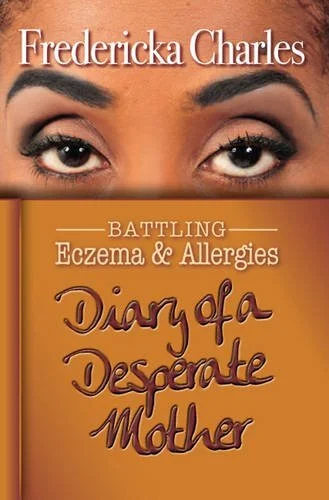
Diary of a Desperate Mother: Battling Eczema & Allergies
by Fredericka Charles offers a personal account of managing both conditions in a child — useful context alongside clinical information
FAQ
Can allergies cause eczema?
Allergens can trigger or worsen eczema flares, but they don't cause eczema itself — eczema has genetic and immune underpinnings. The relationship runs the other way: eczema's impaired barrier allows allergen sensitisation that causes allergies to develop.
What allergies are linked to eczema?
Common allergy triggers linked to eczema may include dust mites, pollen, pet dander, mold, and certain foods.
Are food allergies common with eczema?
More common than in the general population, particularly in children with moderate to severe eczema. Around 30–40% of children with significant eczema have at least one food allergy. Food allergy is less commonly a primary driver of eczema in adults.
Why does eczema itch so much?
Through multiple overlapping pathways rather than a single mechanism. The primary itch pathway in eczema involves IL-31 — a cytokine produced by Th2 cells that directly activates itch-sensing neurons through the IL-31 receptor on skin nerve fibres. IL-31 is significantly elevated in atopic eczema and is the target of newer biological treatments including nemolizumab. Histamine from mast cells — released in response to allergen exposure — adds a second itch pathway. The damaged skin barrier itself activates TRPV1 and TRPA1 ion channels on sensory neurons, generating itch signals independently of immune activity. And scratching — which damages the barrier further and releases more inflammatory mediators — creates the itch-scratch cycle that perpetuates the condition.
What is the atopic march?
A well-documented pattern in which eczema in early childhood is followed over time by food allergies, hay fever, and asthma. It reflects the immune sensitisation that occurs through an impaired eczema skin barrier.
Can stress worsen allergy-related eczema?
Yes — through the HPA axis cortisol pathway that amplifies Th2 immune activity. Psychological stress activates the hypothalamic-pituitary-adrenal axis, initially elevating cortisol but ultimately producing Th2 immune polarisation through sustained cortisol exposure. The Th2 environment that defines atopic eczema is the same immune state that allergen sensitisation occurs within — stress effectively lowers the sensitisation threshold and amplifies existing allergic responses. For people whose eczema is closely correlated with stress periods, addressing stress management through consistent sleep, exercise, and structured stress reduction addresses the immune environment that makes allergen triggers more severe.
What is the best way to reduce dust mite exposure for eczema?
Allergen-proof encasements on mattresses and pillows, weekly bedding washing at 60°C, and keeping bedroom humidity below 50% are the most evidence-based measures.
Should I remove all possible allergens from my child's diet if they have eczema?
No — unsupervised elimination diets risk nutritional deficiency and may increase allergy risk. Discuss food allergy assessment with your GP and follow current guidance on early allergen introduction for high-risk infants.
What is the difference between a food allergy and food sensitivity in eczema?
IgE-mediated food allergy causes rapid reactions and is detected by skin prick or blood tests. Non-IgE-mediated food sensitivity causes delayed reactions and is diagnosed through elimination protocols. Both can worsen eczema but require different diagnostic approaches.
Summary
The connection between eczema and allergies is not simply that they "often occur together" — it runs through a specific biological mechanism: impaired skin barrier function, particularly through filaggrin deficiency, allows allergen penetration and immune sensitisation that drives the atopic march from eczema to food allergy to hay fever to asthma. Understanding this explains why good eczema control and barrier support in early childhood matters beyond just skin symptoms, why early allergen introduction (rather than avoidance) is now recommended for high-risk infants, and why dust mite reduction is the environmental modification with the most evidence. Managing eczema well manages allergy risk too — they are not separate problems.
Written by the Drought Skin team — specialists in natural support for psoriasis, eczema and acne
Disclaimer: This article contains affiliate links. We earn a very small commission from each purchase made through these links. There is no additional cost to you. All products featured have been specifically selected as products we personally use and love. For further information, please see our disclaimer page.
