
Psoriasis Skincare Routine: Emollient Timing, Ingredients That Trigger Koebner & What to Avoid

Skincare for psoriasis occupies a frustrating middle ground. A good routine won't clear plaques or stop flares the way systemic treatment does — but poor skincare choices can actively make psoriasis harder to manage, triggering new lesions through skin trauma, prolonging existing flares through irritation, and increasing the discomfort of a condition that is already difficult to live with.
Getting the routine right matters. Not because skincare is the most powerful tool available for psoriasis, but because it's one of the few aspects of the condition that is fully within your control — and because unnecessary mistakes are common and preventable.
This guide covers what genuinely helps, what to avoid, the most common mistakes people make, and specific product recommendations that are appropriate for psoriasis-prone skin.
What psoriasis does to the skin barrier — and why it matters for skincare
Psoriasis is fundamentally a condition of accelerated skin cell turnover driven by immune system dysregulation. In healthy skin, cells take around 28 days to travel from the basal layer to the surface and shed. In psoriasis-affected skin, this process takes 3–5 days — producing an accumulation of immature, incompletely formed cells that pile up as plaques, and a skin barrier that is structurally compromised as a result.
This has direct implications for skincare. Psoriasis skin loses water faster than healthy skin, is more permeable to irritants, and responds more dramatically to friction, trauma, and contact with harsh ingredients. The Koebner phenomenon — whereby skin trauma triggers new psoriasis plaques at the injury site — means that aggressive skincare practices (over-exfoliation, scrubbing, vigorous towel rubbing) can actively create new lesions rather than treat existing ones.
Understanding this changes how to approach every part of a skincare routine — from how gently you apply products to which ingredients are worth seeking out and which are worth avoiding entirely.
The foundation: moisturising for psoriasis
Consistent emollient use is the single most evidence-backed element of a psoriasis skincare routine. It doesn't treat the underlying immune dysfunction, but it addresses several of the most uncomfortable consequences: dryness, cracking, scaling, and tightness. It also reduces the amount of topical treatment needed during flares.
Ointments provide the most occlusive, longest-lasting moisture barrier. Petroleum jelly (Vaseline) is one of the most effective and least sensitising options available — inexpensive, widely available, and virtually free of allergens. For very dry or thickened plaques, particularly overnight, a thick ointment is often the most effective choice.
Creams sit in the middle — more practical for daytime use than ointments, more hydrating and barrier-supportive than lotions. Look for ceramide-containing formulas, which help restore the skin's lipid barrier alongside moisturising. Fragrance-free is non-negotiable.
Lotions are generally insufficient for psoriasis-affected skin on their own — they don't provide enough occlusion to meaningfully reduce water loss from already-compromised skin.
The timing of application matters: within two to three minutes of bathing, while the skin is still slightly damp, traps surface moisture before it evaporates. This is the same soak-and-seal principle that applies to eczema, and it's equally relevant here.
Cetraben Body Cream — a simple, effective emollient specifically formulated for dry and sensitive skin conditions. Light enough for regular use, available on NHS prescription, and free of common irritants.
Cleansing: what psoriasis skin needs
The cleanser is one of the most commonly overlooked parts of a psoriasis routine — people spend significant time choosing a moisturiser and then wash with a product that strips everything away.
Standard soap is alkaline — it disrupts the skin's slightly acidic pH, strips natural oils, and leaves psoriasis-prone skin drier and more reactive. Soap-free cleansers and syndet bars (synthetic detergent formulations) clean effectively without the harsh alkaline disruption of traditional soap.
What to look for: fragrance-free, soap-free, non-foaming or low-foaming formulas designed for sensitive or dry skin. Ingredients to seek out include gentle cleansing agents such as cocamidopropyl betaine or sodium lauroyl sarcosinate.
What to avoid: sodium lauryl sulphate (SLS — the main foaming agent in most mainstream shower gels, harsh on the barrier), fragrance, alcohol-based cleansers, and any products marketed as "deep cleansing" or "pore-clearing" — these are generally too stripping for psoriasis skin.
Managing scale: urea, salicylic acid, and what to know before using them
Thick scaling is one of the most visible and uncomfortable aspects of plaque psoriasis, and there are ingredients that can help soften and reduce it — but they require some care.
Urea is a naturally occurring compound in the skin's own natural moisturising factors. In skincare at concentrations of 5–10%, it softens and hydrates dry, scaly skin. At higher concentrations (20–40%), it has keratolytic effects — meaning it helps break down the excess keratin in thickened plaques. It's one of the most useful ingredients for managing scale in psoriasis and is generally well-tolerated, though it can sting on cracked or broken skin.
Salicylic acid is a beta-hydroxy acid with keratolytic properties — it helps loosen the bonds between dead skin cells, which can significantly reduce thick scaling. It's used in several prescription and over-the-counter psoriasis products. The important caveats: it should be used on plaques rather than uninvolved skin, it can be irritating if overused, it should not be applied over large body surface areas (salicylic acid can be systemically absorbed at scale), and it's not appropriate on the face or genitals. During active flares with particularly inflamed skin, it can increase irritation — it's more appropriate during stable or improving phases.
Coal tar is one of the oldest psoriasis treatments and remains clinically relevant. It has anti-inflammatory and antiproliferative effects that slow the abnormal cell turnover driving psoriasis. It's available in shampoos (particularly for scalp psoriasis — see Neutrogena T/Gel mentioned in the scalp eczema article), creams, and bath additives. The downsides are the smell and potential to stain fabrics, but for people who tolerate it, it's a well-evidenced option.
Recommended Products
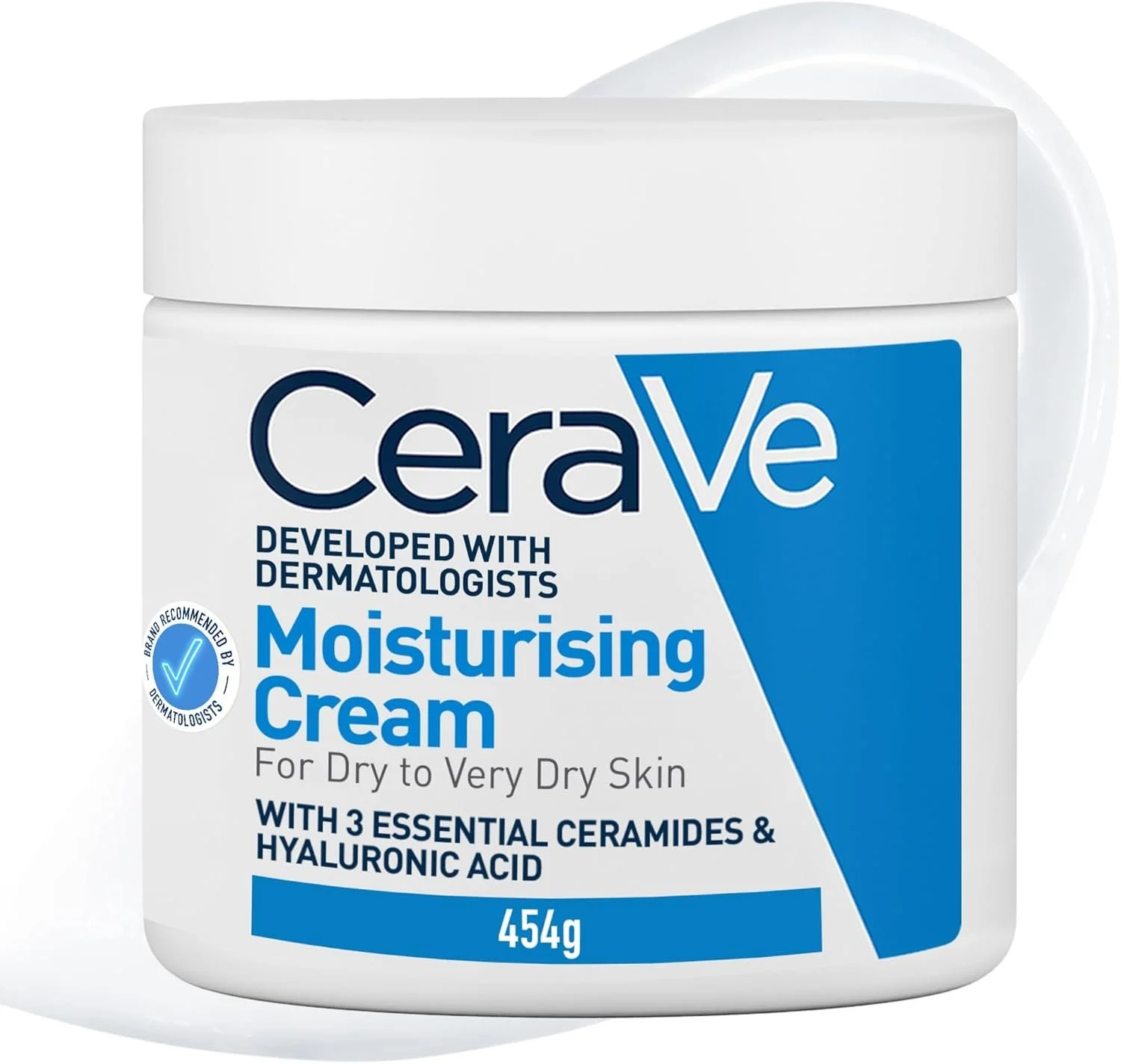
CeraVe Moisturising Cream
fragrance-free, contains ceramides and hyaluronic acid, available in large formats. A practical everyday moisturiser for psoriasis-prone skin that provides genuine barrier support without sensitising ingredients.
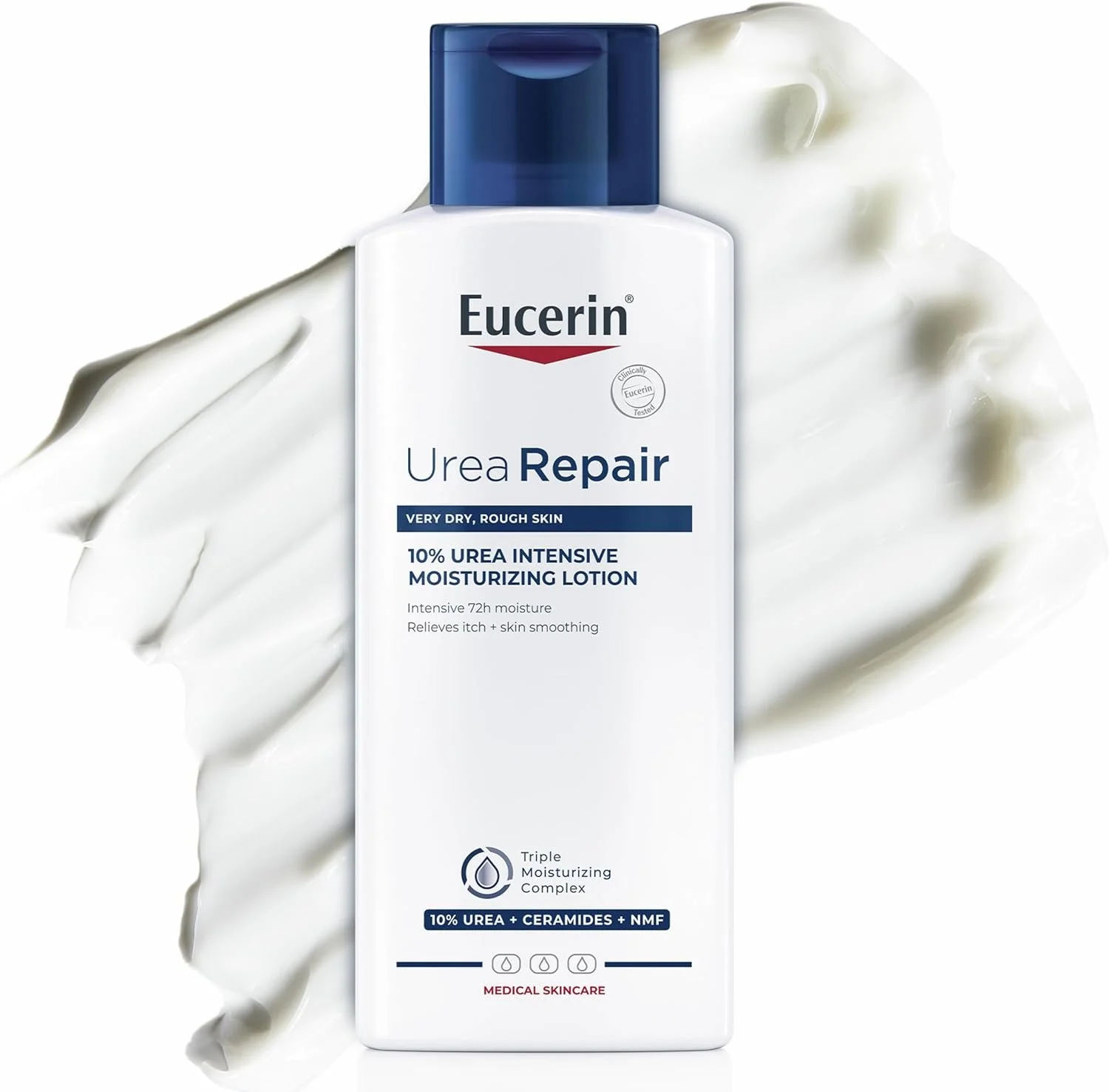
Eucerin UreaRepair Original 10% Urea Lotion
a 10% urea body lotion in a fragrance-free base. Appropriate for softening thickened, scaly skin in psoriasis between flares and during stable phases. The 10% concentration provides keratolytic benefit without the potential irritation of higher strengths.
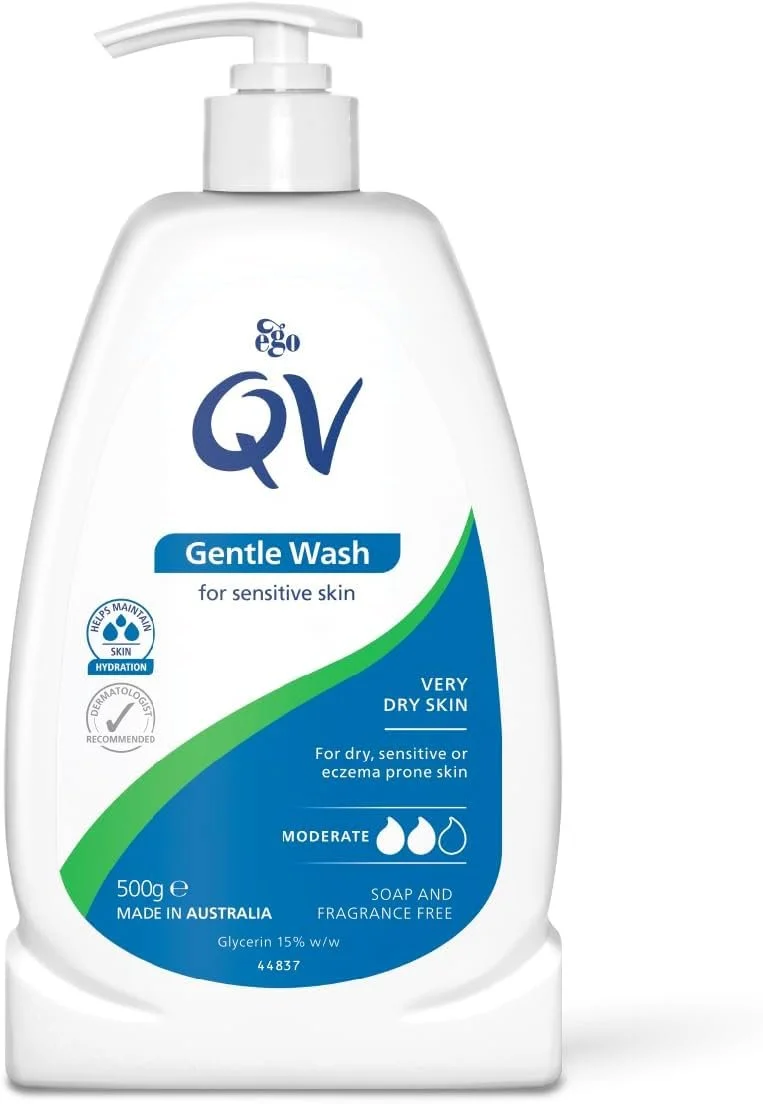
QV Gentle Wash
a soap-free, fragrance-free wash specifically formulated for skin prone to dryness and irritation. Rinses cleanly without leaving residue and doesn't strip the skin's natural moisture.
Ingredients that may help psoriasis-prone skin
Ceramides
lipids that restore the skin's own barrier lipid matrix, reducing water loss and improving barrier integrity. Look for ceramide-containing moisturisers for daily use.
Glycerin & hyaluronic acid
a humectant that draws moisture from the environment into the skin. Well-tolerated, effective, found in many fragrance-free formulas.
Colloidal oatmeal
has anti-inflammatory and barrier-supportive properties. Particularly useful for managing itch.
Urea or salicylic acid
hydrating at lower concentrations, keratolytic (softens scale) at higher concentrations. One of the most useful specific-to-psoriasis ingredients in over-the-counter skincare.
Petroleum jelly / petrolatum
highly effective occlusive, non-allergenic, inexpensive. Particularly useful for overnight treatment of very dry or thickened areas.
These ingredients may help remove excess scale gently.
Ingredients that may worsen psoriasis
Fragrance
the most common contact allergen in skincare. Avoid in all leave-on products. Even "natural" fragrance (citrus extracts, essential oils) should be avoided on psoriasis-affected skin.
Alcohol-heavy products
drying and irritating on compromised skin. Common in toners, some lightweight moisturisers, and many hand sanitisers.
Harsh exfoliants
physical scrubs, high-concentration acids, microdermabrasion. All risk traumatising psoriasis-prone skin and triggering new lesions via the Koebner phenomenon.
Sodium lauryl sulphate (SLS)
stripping, drying, and disruptive to skin pH. Found in most mainstream shower gels and many shampoos.
Strong active ingredients
Some people find ingredients like:
retinoids
strong acids
abrasive scrubs
can trigger flare-ups.
The Koebner phenomenon and what it means for your skincare routine
The Koebner phenomenon — new psoriasis plaques appearing at sites of skin trauma — is one of the most important clinical features of psoriasis for daily skincare management. It means that every point of friction, pressure, or irritant contact is a potential trigger for new lesions.
In practical skincare terms this means: pat skin dry rather than rubbing after bathing, apply products gently without friction, avoid abrasive scrubs and physical exfoliants entirely, handle scaling areas with care rather than attempting to remove scale forcibly, and be mindful of tight clothing or waistbands that rub against affected areas.
The Koebner phenomenon also means that scratch-induced trauma matters — the itch-scratch cycle doesn't just damage existing plaques, it can create new ones at scratch sites. Managing itch through emollients, cool compresses, and (where appropriate) antihistamines reduces Koebner risk alongside improving comfort.
Common psoriasis skincare mistakes
Over-exfoliating
The instinct to physically remove visible scaling is understandable but counterproductive. Forced removal damages the skin beneath, causes pain and bleeding, and risks new plaque formation at the trauma site. Keratolytic ingredients (urea, salicylic acid) and consistent emollient use are safer and more effective approaches.
Using fragranced products
Even “natural” fragrance can trigger sensitivity. Natural origin does not mean non-irritating. Many botanical extracts — lavender, citrus, tea tree — are among the most common contact allergens for skin conditions. Fragrance-free applies to natural products as much as synthetic ones.
Skipping moisturiser
Some people reduce emollient use during flares because the application itself is uncomfortable. This is when barrier support is most needed — the discomfort of application diminishes as the skin stabilises.
Constantly switching products
When psoriasis flares despite consistent skincare, the temptation is to change everything at once. This makes it impossible to identify what's helping and increases the risk of introducing a new irritant during a vulnerable period. Change one product at a time and allow a few weeks to assess.
Very hot water
strips natural oils, increases transepidermal water loss, and can trigger histamine-mediated itching. Warm water is consistently better for psoriasis skin.
Applying harsh actives during flares
Retinoids, high-strength acids, and vitamin C serums may be appropriate for psoriasis skin during stable periods, but applying them to actively inflamed skin typically worsens irritation and should be avoided until the flare has settled.
Vigorous towel rubbing
friction on psoriasis skin can initiate Koebner. Pat dry gently.
Building a practical daily routine
Morning: Gentle soap-free wash. Pat dry. Apply fragrance-free cream or ointment to the whole body, focusing on affected areas. Allow to absorb before dressing.
During the day: Reapply emollient to dry or affected areas as needed. Avoid harsh soaps when washing hands — keep a fragrance-free hand cream accessible.
Evening (after bathing): Pat dry immediately after warm shower. Apply emollient within two to three minutes while skin is still slightly damp. If using prescribed topicals, apply these first, then emollient on top. Consider a heavier ointment on very dry or thickened areas overnight.
Supplement daily: Internal nutritional support for skin barrier function and immune regulation alongside topical care.
What about natural skincare for psoriasis?
Some people find relief using:
oatmeal-based products
gentle oils
aloe vera
fragrance-free balms
However, “natural” doesn’t always mean non-irritating.
Patch testing is important.
Skin support for psoriasis-prone skin
A well-structured skincare routine addresses psoriasis at the surface — but the condition is driven internally by immune dysregulation and chronic inflammation. Nutritional support covers ground that topical skincare cannot reach.
Zinc supports immune regulation and skin barrier integrity. Vitamin D has well-documented relevance to psoriasis — low levels are associated with more severe disease, and supplementation has shown benefit in some clinical studies. Vitamin C contributes to collagen formation and antioxidant protection. Magnesium supports inflammatory balance and stress regulation.
Drought's Skin Support Formula brings these 14 nutrients together in a daily supplement designed for reactive and inflammatory skin — providing the internal nutritional foundation that good external skincare builds on. Made in the UK, suitable for vegetarians, designed for consistent long-term use.
FAQs: Psoriasis skincare
What is the best skincare for psoriasis?
Fragrance-free emollients applied consistently within two to three minutes of bathing form the foundation — ceramide-containing preparations (CeraVe, Cetraben) address the specific ceramide deficit in psoriatic skin rather than simply occluding the surface. SLS-free cleansers maintain the acid mantle that psoriatic skin struggles to sustain — pH disruption from alkaline cleansers activates kallikrein serine proteases that degrade filaggrin and worsen barrier function. Fragrance-free is non-negotiable — fragrance compounds penetrate psoriatic skin's compromised barrier more efficiently than intact skin, reaching immune cells and triggering Type IV delayed hypersensitivity reactions 48–72 hours after application. Beyond these foundations, simplicity consistently outperforms complexity — fewer products with fewer ingredients reduces contact sensitisation risk in skin that is already hyperreactive.
Should you exfoliate psoriasis?
Physical exfoliation should be avoided — the friction risks Koebner phenomenon and can damage inflamed plaques. Keratolytic ingredients like urea (5–10%) or salicylic acid soften scale more safely and effectively. Reserve these for stable phases rather than active flares.
Is moisturiser important for psoriasis?
Yes — and through a specific mechanism rather than general skin health maintenance. Psoriatic skin has structurally disorganised ceramides in the stratum corneum even in non-plaque areas, producing elevated transepidermal water loss between flares and significantly accelerated water loss during active plaques. Consistent emollient application reduces this TEWL, softens adherent scale that otherwise requires mechanical removal, and improves the penetration of prescribed topical treatments applied over an emolliated surface. The clinical guideline of 500g of emollient per week for significant psoriasis reflects how generous and how frequent application needs to be — a thin application once daily is insufficient to meaningfully compensate for the rate at which psoriatic skin loses moisture.
Can skincare products cure psoriasis?
No. Psoriasis is an immune-mediated condition driven by internal mechanisms that topical skincare cannot address. A good routine manages symptoms — dryness, scaling, discomfort — but doesn't treat the underlying condition.
What triggers psoriasis flares from skincare?
Fragrance, SLS, alcohol, aggressive exfoliation, hot water, and physical friction are the most common skincare-related triggers. The Koebner phenomenon means any skin trauma can initiate new plaques.
Can I use retinol if I have psoriasis?
With caution during stable periods — never during flares. Over-the-counter retinol accelerates keratinocyte turnover through RAR receptor activation, which can worsen the inflammation and barrier disruption that psoriasis already produces. Some people with stable, non-inflammatory psoriasis tolerate low-strength retinol (0.025–0.05%) introduced slowly with generous emollient buffering — others find it consistently irritating regardless of concentration. The important distinction is between over-the-counter retinol and prescription retinoids: tazarotene is a topical retinoid specifically licensed for plaque psoriasis and formulated for this indication — considerably different from cosmetic retinol. If you're interested in retinoid benefits for psoriasis specifically, discussing tazarotene with a dermatologist is more appropriate than self-treating with cosmetic retinol.
What cleanser is best for psoriasis?
Fragrance-free, SLS-free, soap-free formulations — Cetaphil Gentle Skin Cleanser, La Roche-Posay Toleriane Hydrating Gentle Cleanser, and similar dermatologist-recommended options. Sodium lauryl sulphate in foaming cleansers raises skin surface pH from its normal mildly acidic level toward alkaline — activating kallikrein serine proteases that degrade filaggrin and ceramides in the stratum corneum, directly worsening the barrier deficit that psoriatic skin already has. Bar soap is specifically inappropriate for psoriasis regardless of how gentle it claims to be — its alkaline pH produces the same serine protease activation as SLS cleansers. During significant flares, using emollient as a soap substitute — applying to wet skin and rinsing off — reduces formula exposure to its minimum while still providing effective cleansing. Water temperature matters as much as product choice — hot water strips barrier lipids and triggers histamine release; lukewarm water avoids both.
Should people with psoriasis use SPF?
Yes — but with specific nuances. Moderate incidental sun exposure suppresses Th17 immune activity through vitamin D synthesis and direct UV immunosuppression — one of the reasons psoriasis often improves in summer. Sunburn, however, carries Koebner risk — UV trauma producing new plaque formation at burned sites. The practical balance is protecting skin from sunburn while allowing moderate incidental exposure — SPF 30 or above on days with significant sun exposure, avoiding midday burning, rather than complete sun avoidance. Mineral SPF (titanium dioxide or zinc oxide) is generally better tolerated on psoriasis-prone skin than chemical filters that can irritate compromised barrier skin. For people receiving prescribed phototherapy, SPF use should be discussed with the treating dermatologist — UV exposure management during a phototherapy course requires specific guidance.
How often should I moisturise with psoriasis?
At minimum twice daily — morning and after bathing. During flares or in dry weather, more frequent application to affected areas throughout the day provides better symptom management.
What is the best moisturiser for psoriasis?
Thick, fragrance-free creams and ointments provide the most effective barrier support. CeraVe Moisturising Cream, Cetraben, and petroleum jelly are all well-suited to psoriasis-prone skin. Apply immediately after bathing while skin is still slightly damp.
Summary
A good skincare routine for psoriasis won't replace medical treatment — but it reduces the daily burden of the condition significantly, and avoidable mistakes can make an already difficult condition considerably harder to manage. The principles are consistent: gentle cleansing, generous fragrance-free emollient use, careful handling of affected skin to avoid Koebner trauma, and targeted use of keratolytic ingredients during stable phases. Layering this with internal nutritional support addresses the parts of the condition that topical skincare alone can't reach.
Written by the Drought Skin team — specialists in natural support for psoriasis, eczema and acne
Disclaimer: This article contains affiliate links. We earn a very small commission from each purchase made through these links. There is no additional cost to you. All products featured have been specifically selected as products we personally use and love. For further information, please see our disclaimer page.
