
Emollients for Psoriasis: Which Type Works Best, How to Apply & What to Avoid
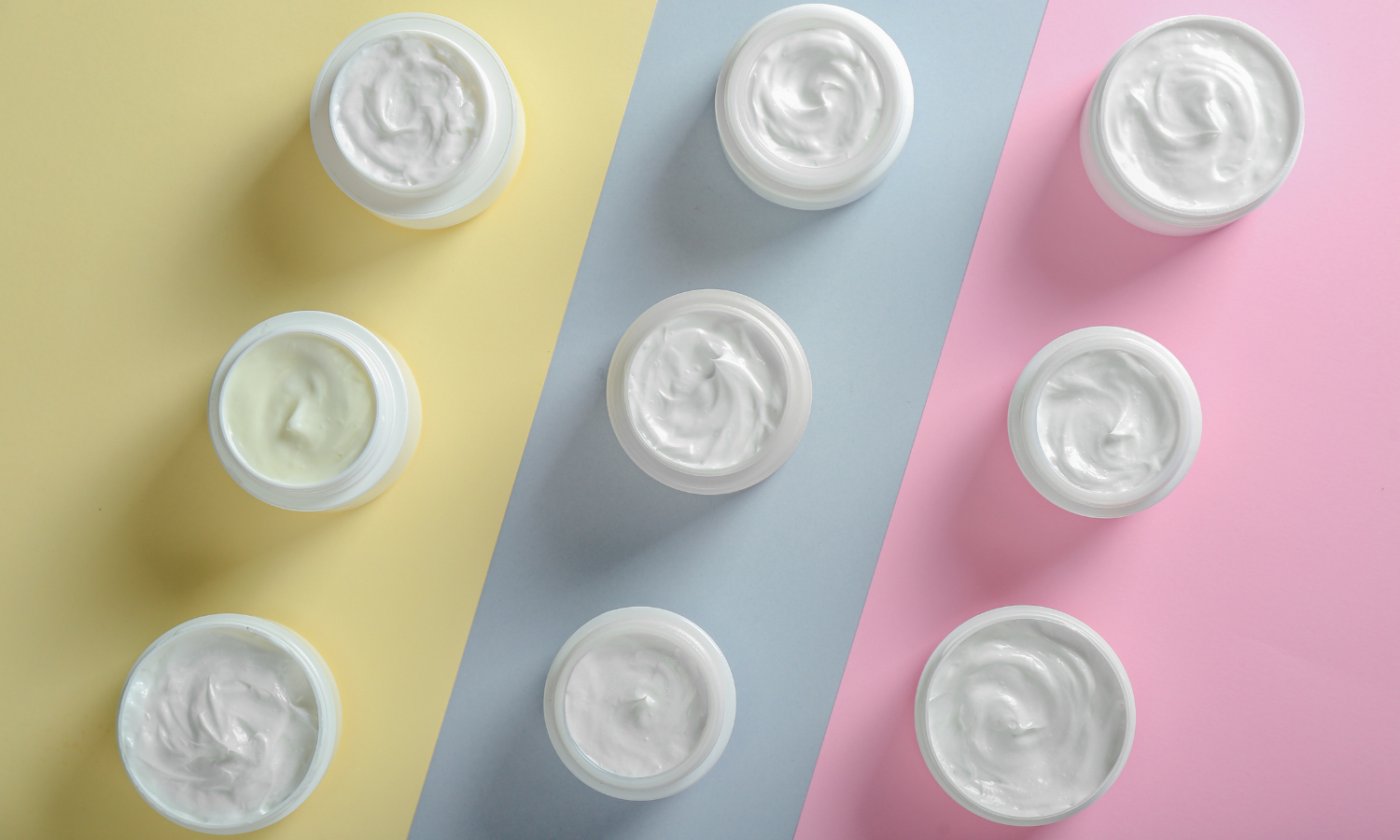
Emollients — moisturisers designed specifically to support the skin barrier rather than just add surface hydration — are among the most consistently recommended daily treatments for psoriasis. They don't treat the underlying immune condition driving psoriasis, but they address the surface consequences of it in ways that significantly improve daily comfort and the skin's tolerance of everything else you apply.
Understanding which type of emollient works best for psoriasis specifically, and how to apply it correctly, makes consistent use considerably more effective than the vague "moisturise regularly" advice that most people receive.
Why emollients matter specifically for psoriasis
Psoriasis affects the skin barrier in a way that's distinct from simply dry skin. The accelerated keratinocyte turnover of psoriasis produces structurally abnormal scale — the cells haven't completed their normal differentiation cycle, so the lipid composition of the stratum corneum is altered. Ceramides, the primary barrier lipids, are reduced and disorganised in psoriatic skin compared to normal skin. This is why psoriatic skin loses moisture more rapidly and is more permeable to irritants than normal skin — even in areas that don't have visible plaques.
Emollients address this by replacing some of the missing surface barrier function — reducing transepidermal water loss, softening scale to make it less visible and more comfortable, and protecting compromised skin from environmental irritants. When used consistently and generously, they reduce itch, reduce scale severity, and make the skin surface more resilient to whatever triggers it encounters.
They also improve the effectiveness of topical treatments applied on top. Softened, hydrated skin absorbs calcipotriol, betamethasone, and other prescribed topicals more efficiently than dry, scaled skin.
The difference between emollient types — and which suits psoriasis best
The three main categories differ in their mechanism and therefore their appropriate use:
Ointments — the most occlusive format. Petroleum-based (white soft paraffin, liquid paraffin) with little or no water. They sit on the skin surface and physically prevent moisture loss through a strong, durable occlusive film. For thick, dry, stable psoriasis plaques they are the most effective format. Downside: greasy texture, stains fabric, impractical for daytime use. The fire risk from paraffin-based ointments impregnating fabric is covered in the paraffin eczema article and applies equally here — avoid naked flames.
Creams — an emulsion of oil and water, lighter than ointments and more practical for daytime use and larger body surface areas. Less occlusive than ointments but significantly more tolerable. Many people use a cream during the day and an ointment on specific plaques overnight.
Lotions and gels — the lightest formats, primarily water-based. More comfortable on hairy areas like the scalp and legs, and less effective as barrier protection than creams or ointments. Appropriate for mild dryness or areas where texture is a practical barrier to compliance.
For psoriasis specifically, the evidence supports heavier, more occlusive preparations being more effective at reducing transepidermal water loss. An ointment or thick cream applied generously provides measurably better results than a light lotion applied sparingly. The clinical recommendation of approximately 500g of emollient per week for an adult with significant psoriasis reflects how much is needed to be genuinely effective — most people apply far less.
Products worth considering
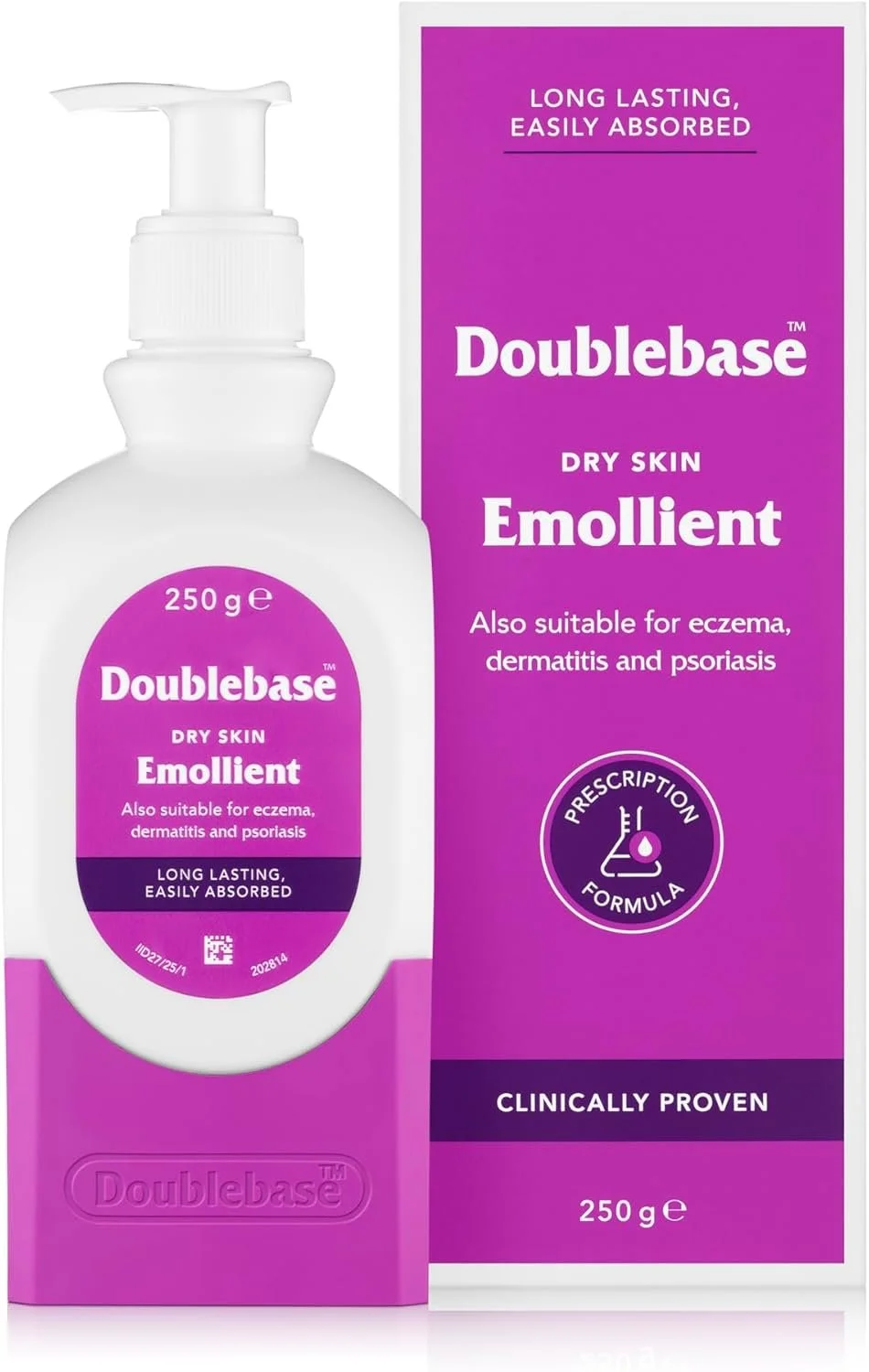
Doublebase Emollient Body Cream
a paraffin-based, fragrance-free emollient cream providing strong occlusive barrier protection in a format more spreadable than white soft paraffin ointment. The pump dispenses without contamination risk from repeated hand contact with open-pot products and makes the generous daily application the 500g weekly clinical guideline requires more practical. Apply to slightly damp skin within two to three minutes of bathing — in the direction of hair growth with a gentle smoothing motion rather than rubbing to avoid Koebner friction on plaques. Available in large sizes appropriate for significant body surface area psoriasis. Apply before any prescribed topical treatments to soften scale and improve absorption.
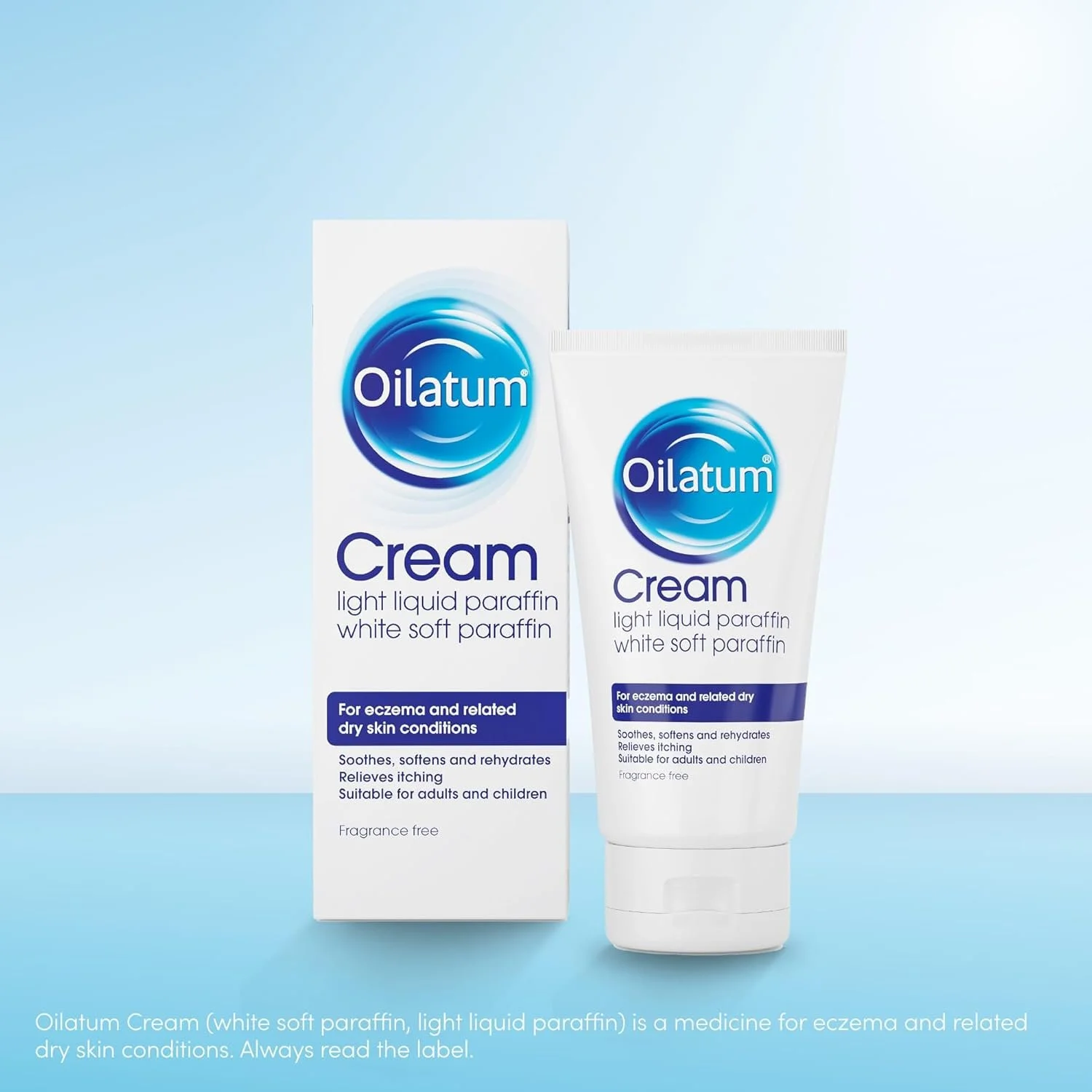
Oilatum Emollient Cream
a lighter emollient cream appropriate for mild-to-moderate psoriasis and areas where a heavier ointment texture is impractical for daytime use. Can be used as a soap substitute in the bath or shower — applied to wet skin and rinsed off rather than using conventional soap, which strips the natural oils that psoriasis-prone skin is already deficient in. For areas of significant dry scale, a thicker preparation such as Doublebase or Cetraben provides more effective barrier support — Oilatum is most appropriate as a lighter daily maintenance option or for areas with milder involvement.
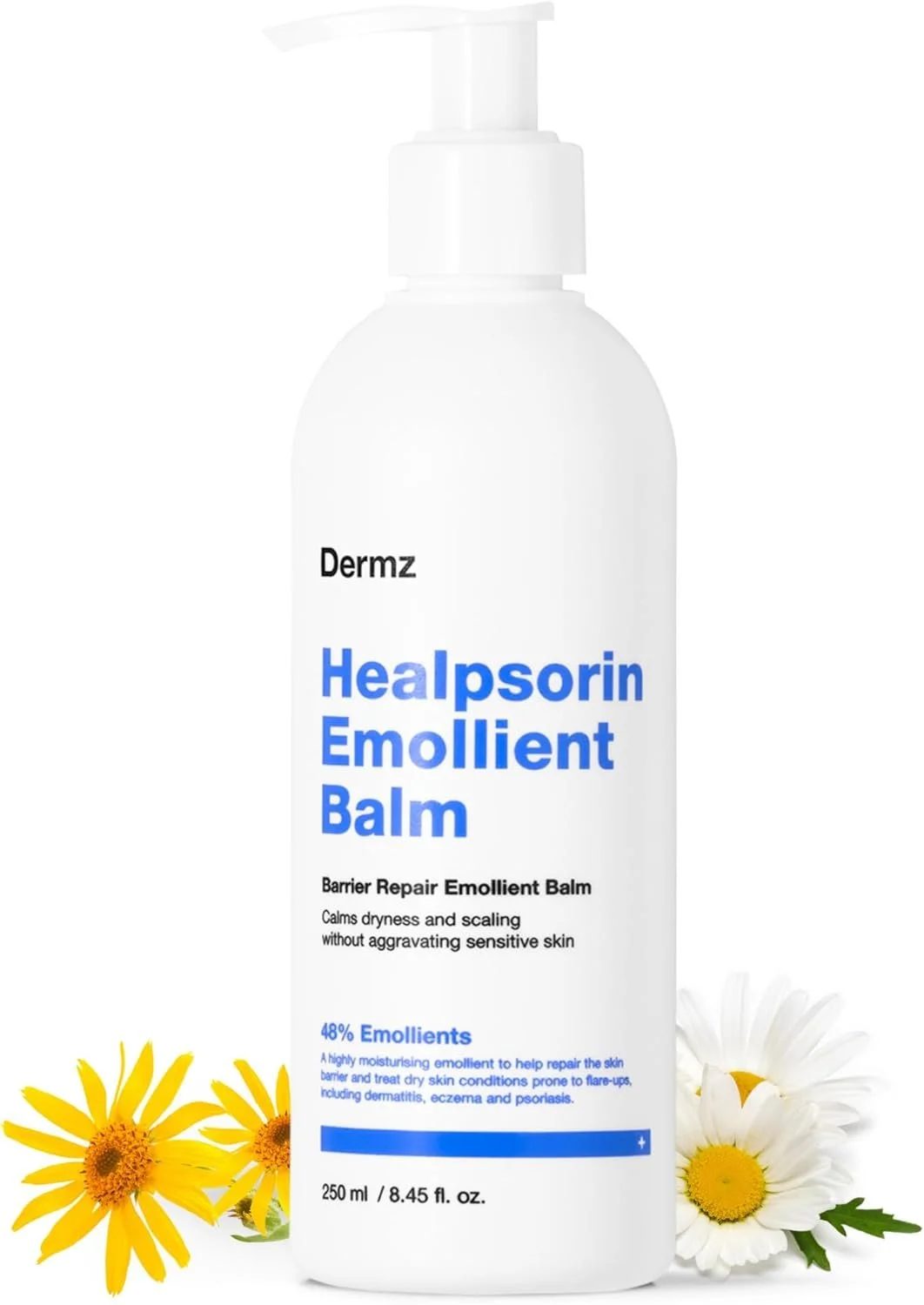
Healpsorin Emollient Balm
a balm specifically formulated for psoriasis-prone skin, combining emollient occlusion with additional skin-soothing ingredients. Where standard paraffin-based preparations provide barrier support without additional active components, this formulation includes ingredients targeting the specific surface inflammation and discomfort of psoriatic plaques alongside the fundamental emollient function. Appropriate for people who find standard emollients insufficient for itch and surface irritation management and want a more targeted psoriasis-specific formulation. Apply to settled, non-inflamed plaques — not to actively cracked or weeping skin
How to apply emollients effectively for psoriasis
Apply immediately after bathing. The two to three minute post-bath window is well-established in dermatology — the skin retains surface moisture after bathing, and emollient applied while the skin is still slightly damp seals this hydration in rather than simply sitting on dry skin. Missing this window significantly reduces the benefit.
Apply in the direction of hair growth. This reduces follicular irritation and the small risk of folliculitis (infected hair follicles) from rubbing occlusive preparations against the follicle opening.
Apply generously. Thin application provides thin protection. The 500g weekly clinical guideline exists because adequate emollient dosing is one of the most consistently undertreated aspects of psoriasis management. A thin smear of cream costs a fraction of what a proper occlusive application does — both in product and in benefit.
Don't rub vigorously. Friction on psoriasis plaques increases the risk of Koebner phenomenon — new plaque formation at sites of skin trauma. Pat or smooth emollient on gently rather than rubbing it in.
Apply before topical treatments, not after. Emollient first softens scale and prepares the skin to absorb topical treatments. Applying calcipotriol or betamethasone on top of dry, unhydrated scale reduces their penetration and effectiveness.
What to avoid in emollients for psoriasis
Fragranced products. Fragrance is the most common contact allergen in skincare. Psoriasis-prone skin is more permeable than intact skin — fragrance compounds penetrate more readily and trigger contact reactions more easily. Fragrance-free is non-negotiable for regular emollient use.
Products containing sodium lauryl sulphate. SLS is a detergent used as an emulsifier in some creams — it is also a barrier-disrupting irritant, as established by the aqueous cream story in the paraffin eczema article. Check ingredient lists for SLS particularly in cheaper or older-formulation emollient products.
Very thin formulations. Light body lotions and moisturisers formulated for normal skin have insufficient occlusive properties for psoriasis-affected skin. They may feel comfortable but don't provide meaningful barrier protection.
Supplement Support for Psoriasis-Prone Skin
Emollients address the surface dimension of psoriasis. The systemic immune dysregulation, nutritional deficiencies, and inflammatory burden driving the condition require internal support alongside excellent topical care.
Drought's Skin Support Formula provides 14 nutrients including vitamin D, zinc, vitamin C, and magnesium — addressing the internal nutritional foundations that emollient use, however diligent, cannot reach. Made in the UK, suitable for vegetarians, designed for consistent long-term daily use.
FAQ
What are emollients used for in psoriasis?
Three specific purposes — each distinct and all important. First, reducing transepidermal water loss through the structurally abnormal psoriatic stratum corneum, where ceramide disorganisation allows moisture to escape at accelerated rates even in non-plaque areas. Second, softening adherent scale to reduce visible plaque thickness, improve comfort, and make scratching less likely — reducing the Koebner risk from scratch-induced trauma. Third, improving the absorption and effectiveness of prescribed topical treatments applied on top — softened, hydrated scale allows calcipotriol and betamethasone to penetrate more efficiently than dry, layered scale.
Can emollients reduce psoriasis scaling?
Yes — consistent generous emollient use softens and reduces scale, makes plaques less visible, and improves comfort. They don't prevent new scale from forming but significantly improve its management.
What’s the difference between a cream and an ointment?
Ointments are more occlusive and more effective for thick, dry plaques. Creams are more tolerable for daytime use and larger areas. Many people use both — cream for daytime, ointment overnight on specific plaques.
Should you use emollients every day for psoriasis?
Yes — and twice daily minimum. The once-daily application that most people manage provides insufficient barrier support for skin that is losing moisture continuously throughout the day. Morning application (immediately after bathing, within the two-to-three minute window) and evening application (pre-sleep, when the skin's overnight barrier repair processes are most active) provide complementary benefits. During flares or in cold, dry conditions, three or four applications daily are appropriate. The clinical guideline of 500g per week for significant psoriasis assumes consistent twice-daily generous application — the frequency and quantity are as important as the formulation.
What is the best emollient for psoriasis?
Heavier, fragrance-free preparations — thick creams or ointments — provide the most effective barrier support. Doublebase and Cetraben are among the most consistently recommended. The best emollient is the one applied consistently and generously.
When should I apply emollient for psoriasis?
Immediately after bathing, within two to three minutes of patting dry, while the skin retains surface moisture. This is the most effective time window for barrier support.
Can fragranced moisturisers irritate psoriasis?
Yes — and the mechanism is specific rather than general sensitivity. Psoriatic skin has a compromised barrier that allows fragrance compounds to penetrate more rapidly and deeply than intact skin — reaching immune cells in the dermis and triggering Type IV delayed hypersensitivity reactions that appear 48–72 hours after application. This delayed timing means people frequently fail to connect a fragranced moisturiser applied two days earlier to a current flare. The same mechanism applies to essential oils and botanical fragrance in "natural" products. Fragrance-free is the non-negotiable minimum for any product applied regularly to psoriasis-affected or psoriasis-prone skin.
How much emollient should I use for psoriasis?
Clinical guidance suggests approximately 500g per week for an adult with significant psoriasis affecting a significant body area. Most people use far less than is therapeutically effective.
Can emollients make psoriasis worse?
Generally not, if fragrance-free and free from SLS. Fragranced products can cause contact reactions. Paraffin-based emollients on fabric create a fire risk — avoid naked flames.
Summary
Emollients are essential daily psoriasis management — not because they treat the condition but because they reduce its surface consequences significantly and make everything else more effective. Heavier, more occlusive preparations (ointments and thick creams) are more effective than lighter lotions for significant psoriasis. Applying generously, immediately after bathing, in the direction of hair growth and without friction captures most of the benefit. Fragrance-free is non-negotiable. And consistent, generous daily use — around 500g weekly for significant body involvement — matters far more than choosing the "best" product and applying it sparingly.
Written by the Drought Skin team — specialists in natural support for psoriasis, eczema and acne
Disclaimer: This article contains affiliate links. We earn a very small commission from each purchase made through these links. There is no additional cost to you. All products featured have been specifically selected as products we personally use and love. For further information, please see our disclaimer page.
-
Psoriasis Skincare Routine: What Actually Helps, What to Avoid & Common Mistakes
Paraffin Creams for Eczema: Benefits, Fire Risk, and the Best Alternatives
Bath Salts for Eczema & Psoriasis: What Actually Helps and How to Use Them
Moisturising for Eczema: How to Do It Properly & What Actually Works
Types of Psoriasis Explained: Symptoms, Appearance & How They Differ
