
Post-Inflammatory Hyperpigmentation from Eczema: Why It Happens & What Helps
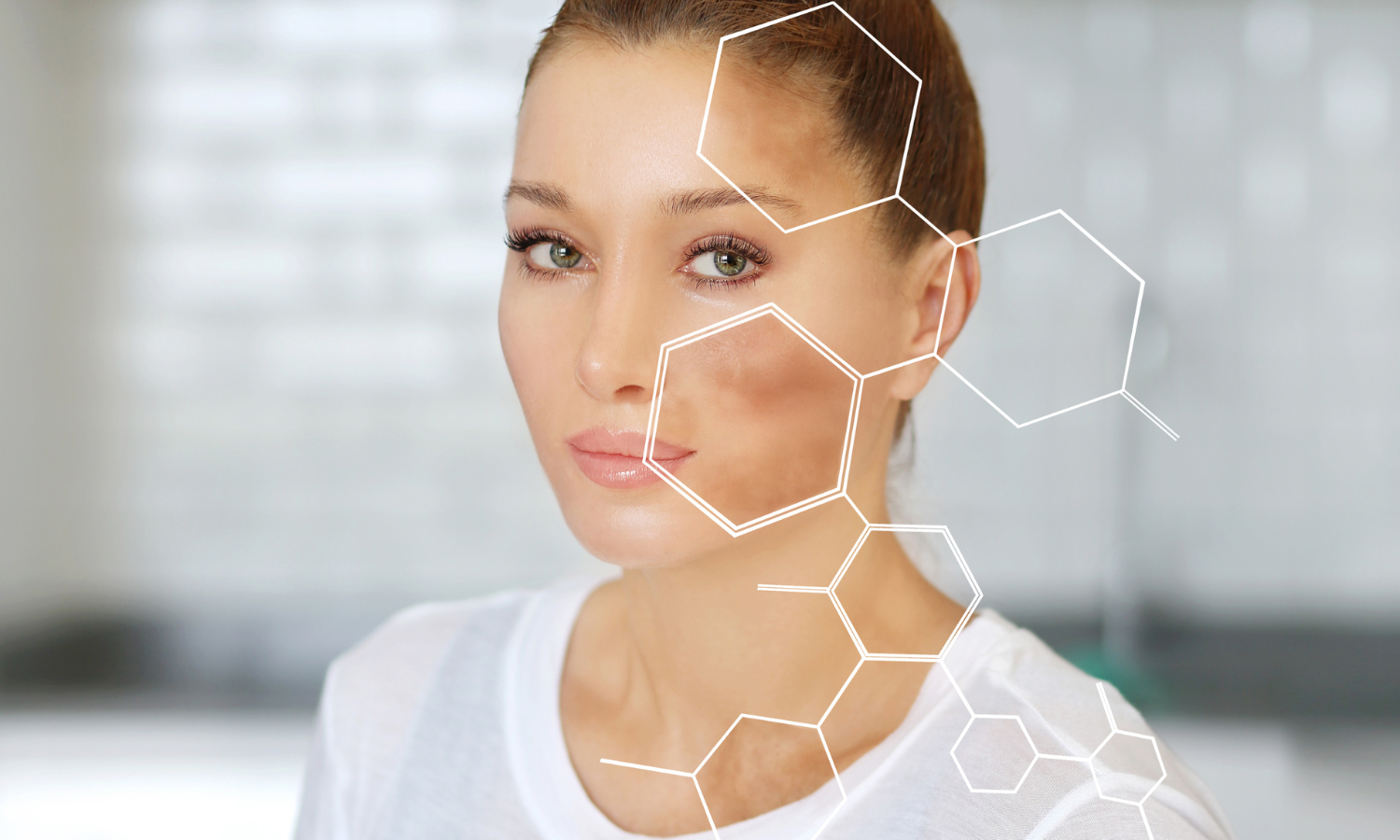
Post-inflammatory hyperpigmentation (PIH) from eczema — the dark patches, brownish marks, or discolouration that remain after a flare has settled — is one of the most persistent and frustrating consequences of the condition. It can feel like the skin never fully returns to normal even when the active eczema is controlled.
Understanding why PIH forms, why it's more pronounced in some people, and the correct sequence for addressing it makes a significant practical difference to outcomes.
What Is Hyperpigmentation?
Hyperpigmentation happens when the skin produces excess melanin following irritation or inflammation.
After eczema flare-ups, this may appear as:
Brown patches
Purple marks
Darker areas of skin
Uneven skin tone
The marks are often more noticeable on:
Areas frequently scratched
Places with repeated flare-ups
Sensitive or thinner skin areas
The more inflamed the skin becomes, the more likely hyperpigmentation may occur.
Hyperpigmentation From Eczema: Why Dark Marks Can Linger
For many people, eczema doesn’t fully disappear once the itching and irritation calm down.
Instead, flare-ups may leave behind dark patches or uneven skin tone known as post-inflammatory hyperpigmentation — especially after repeated scratching or ongoing inflammation.
These marks can sometimes last for weeks or even months, making it feel like the skin never fully recovers even after the eczema itself improves.
Hyperpigmentation from eczema is often linked to inflammation and skin barrier damage rather than permanent scarring.
Why eczema causes dark marks: the melanocyte mechanism
PIH is not structural scarring. It doesn't involve collagen damage or permanent skin changes — it is a melanocyte response to inflammation. Melanocytes — the skin cells that produce melanin — are sensitive to inflammatory signals. During an eczema flare, the elevated levels of inflammatory cytokines (particularly IL-31, TNF-α, and prostaglandins) stimulate melanocytes in the affected area to produce excess melanin, which is deposited in the surrounding keratinocytes and dermal tissue.
When the eczema inflammation resolves, the excess melanin remains — the melanocytes return to normal activity but the already-deposited pigment takes time to clear as the skin's natural turnover cycle gradually sheds the pigmented cells. Epidermal PIH (melanin in the epidermis) fades faster — typically weeks to months. Dermal PIH (melanin deposited deeper) fades much more slowly — months to years.
Scratching amplifies the inflammatory signal dramatically. Each scratch episode releases additional prostaglandins and inflammatory mediators, providing further melanocyte stimulation. The itch-scratch-inflammation-PIH cycle is self-perpetuating — one of the strongest reasons (alongside the Koebner risk for psoriasis) to break the scratch response as quickly as possible.
Does Hyperpigmentation Fade?
In many cases, yes — but it often takes time.
The speed of fading may depend on:
Skin tone
Severity of inflammation
How often flare-ups occur
Sun exposure
Skin irritation during healing
Some marks fade within weeks, while others may take several months.
Consistency and patience are usually important when dealing with post-eczema marks.
Why PIH is more pronounced on darker skin tones
As covered in the eczema on Black skin article in this series, melanocytes in skin with higher melanin content are more reactive to inflammatory signals — they produce more melanin in response to the same inflammatory stimulus than melanocytes in lighter skin. This is why PIH is more pronounced, more persistent, and more visible in Black and Brown skin tones.
This doesn't mean PIH is permanent — it still follows the same fading mechanism — but the timescale is longer and the visible impact is greater. Early eczema management (reducing the inflammatory stimulus) is therefore proportionally more important for PIH prevention in darker skin tones than in lighter.
UV exposure significantly worsens PIH by stimulating additional melanin production in already over-active melanocytes. Daily SPF is therefore not optional for anyone actively trying to fade eczema-related PIH — it is the most impactful single protective intervention available.
Why Scratching Makes Hyperpigmentation Worse
Scratching is one of the biggest contributors to lingering dark marks.
It may:
Increase inflammation
Damage the skin barrier
Create additional trauma
Delay healing
And because eczema is so itchy, this can become a frustrating cycle.
Reducing irritation early may help minimise long-term pigmentation changes.
The correct sequence: prevention first, treatment second
Step 1: Control the eczema that's causing the PIH.
Attempting to fade PIH while ongoing eczema inflammation continues to deposit new melanin is like trying to mop a floor while the tap is still running. Consistent emollient use, appropriate prescribed topical treatment, trigger management, and reducing the itch-scratch cycle are the prerequisite for any PIH fading strategy to work.
Step 2: Introduce pigment-fading actives on calm, settled skin.
Once eczema is controlled and skin is stable, specific topical actives address the melanin already deposited.
Topical approaches for eczema PIH: what's appropriate
This is where several affiliate products in the original need addressing. Actives that are appropriate for normal PIH are not always appropriate on eczema-prone skin.
Azelaic acid (10–15%) — both tyrosinase inhibitor (reduces melanin production) and anti-inflammatory. The anti-inflammatory property makes it particularly appropriate for eczema PIH — it addresses residual melanocyte stimulation while fading existing pigment. Pregnancy-safe. One of the most appropriate PIH actives for sensitive and eczema-prone skin.
Niacinamide (5%) — inhibits the transfer of melanosomes from melanocytes to keratinocytes, reducing pigment distribution without being a tyrosinase inhibitor. Well-tolerated, anti-inflammatory, and sebum-reducing. Appropriate for daily use on eczema-prone skin.
Vitamin C (stabilised formulations, 10–15%) — antioxidant and tyrosinase inhibitor. Effective for fading PIH. The challenge for eczema skin is finding a formulation that is stable and fragrance-free — many vitamin C products contain alcohol or fragrance. L-ascorbic acid at lower concentrations (10%) in a gentle base is the appropriate target.
Lactic acid (5%, gentle) — as covered in the lactic acid and acne article, lactic acid accelerates the shedding of pigmented surface cells through desquamation promotion. Its humectant property makes it gentler than glycolic acid. Appropriate for eczema PIH on calm, non-flaring skin.
SPF — the most important daily intervention for PIH. A mineral SPF30+ applied daily prevents UV deepening of existing PIH and protects the skin while actives work. As covered in the eczema skincare routine article, mineral SPF (zinc oxide or titanium dioxide) is better tolerated on eczema-prone skin than chemical filter formulas.
Products worth considering
(Affiliate links — we may earn a small commission at no extra cost to you.)
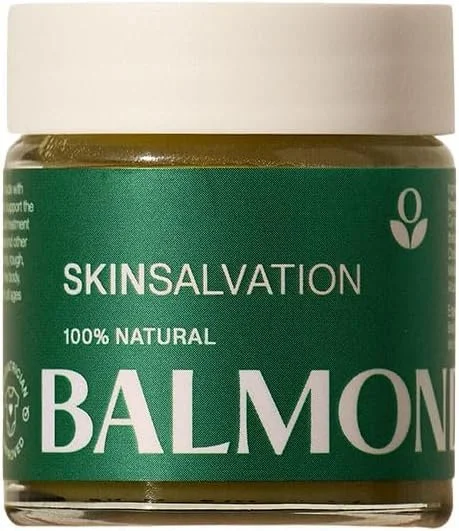
Balmonds Skin Salvation
a beeswax and hemp seed oil-based balm appropriate for dry, eczema-prone skin. Appropriate as an emollient during and after PIH-causing flares — barrier support is the prerequisite for PIH prevention. No fragrance.
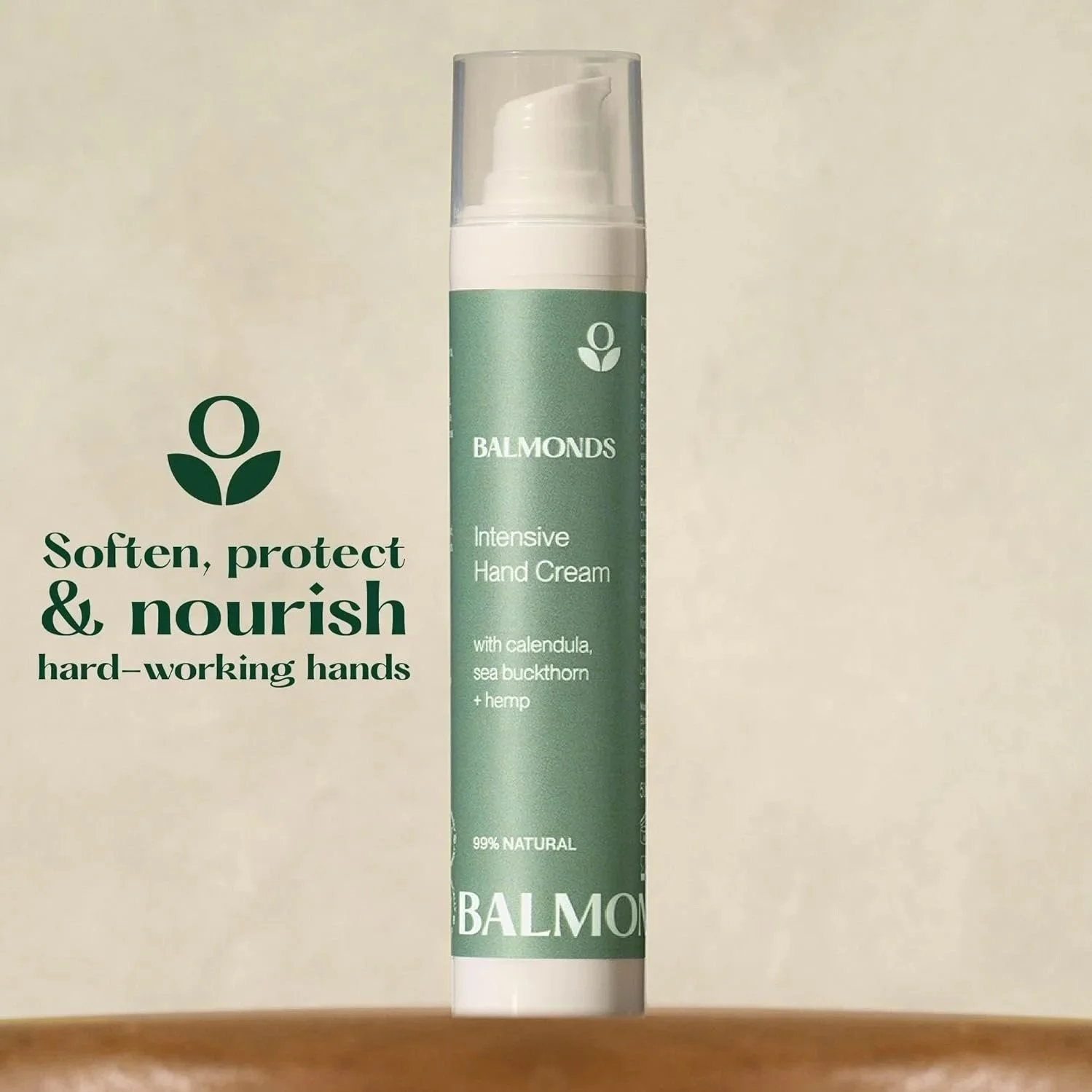
Balmonds Intensive Hand Cream
a rich hand balm appropriate for eczema-affected hands where PIH is common from repeated scratching and flaring.
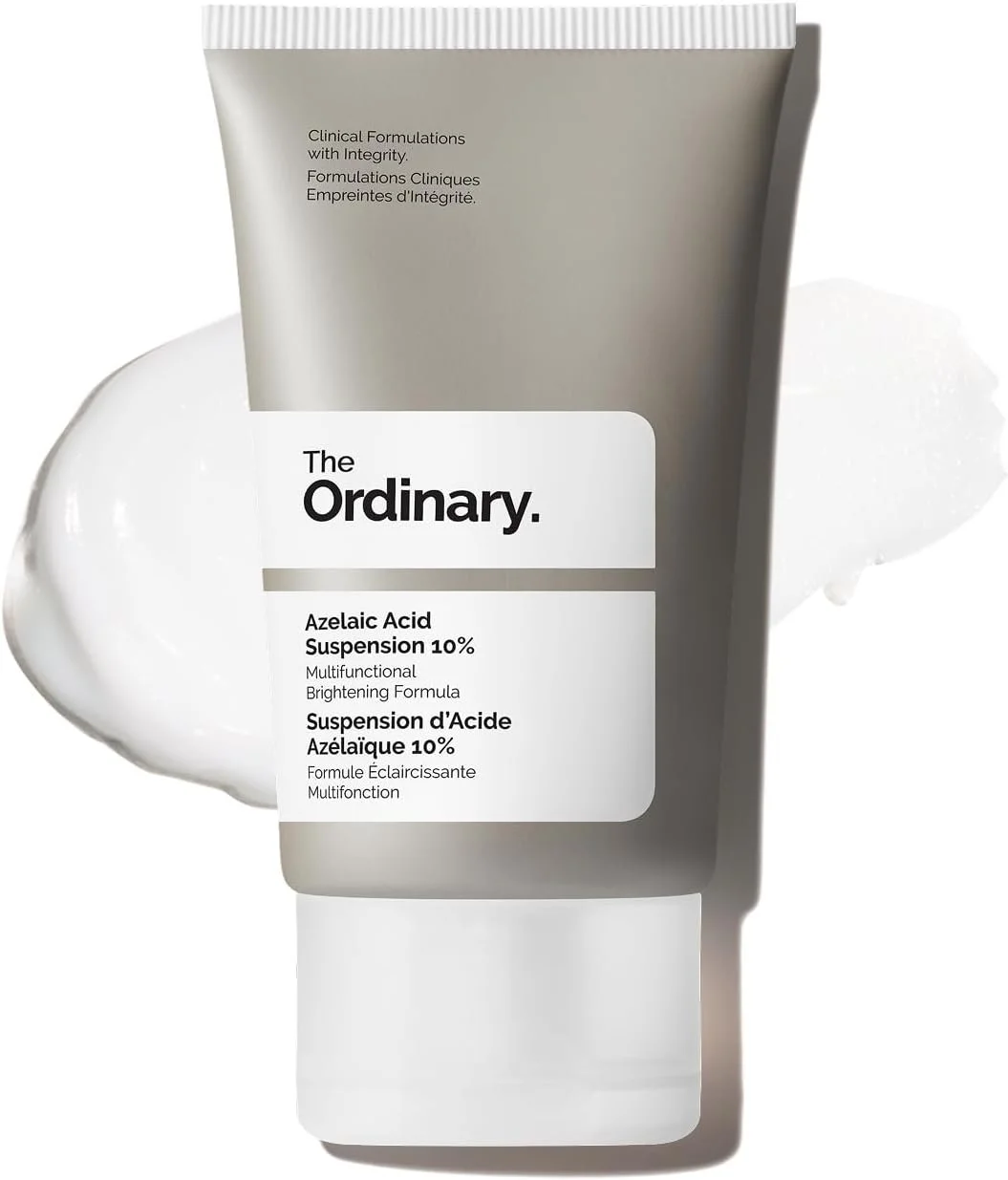
The Ordinary Azelaic Acid Suspension 10%
a 10% azelaic acid suspension appropriate for fading post-eczema PIH on calm, settled skin. Tyrosinase inhibition reduces melanin production in the hyperpigmented areas while the anti-inflammatory properties make it considerably more appropriate for eczema-prone skin than stronger AHAs or hydroquinone. Apply to settled skin only — never to actively inflamed or broken eczema.
What doesn't work for eczema PIH
Physical exfoliation (scrubs, microdermabrasion) — mechanical friction on eczema-prone skin causes barrier disruption and, by replicating the scratch stimulus, may trigger further melanocyte activation and PIH. Counterproductive.
High-concentration chemical peels — glycolic acid, high-percentage lactic acid, or TCA applied to eczema skin risks barrier damage and flare triggering. Professional peel treatments should only be explored for PIH after eczema is consistently controlled.
Hydroquinone without medical supervision — the most potent tyrosinase inhibitor, but with potential side effects including ochronosis with prolonged use. Available by prescription in the UK; appropriate only under GP or dermatologist guidance.
Supplement Support for Dry, Sensitive Skin
The inflammatory processes that trigger PIH are addressed internally by the same nutrients that manage eczema. Vitamin C specifically contributes to both immune function and as a cofactor in melanin pathway regulation.
Drought's Skin Support Formula provides vitamin C, vitamin D, zinc, and 11 other nutrients — addressing the internal inflammatory and nutritional dimensions of eczema that underlie PIH formation. Made in the UK, suitable for vegetarians, designed for consistent long-term daily use.
FAQ
Can eczema cause hyperpigmentation?
Yes. Eczema-related inflammation may leave behind dark marks after flare-ups heal.
Is eczema hyperpigmentation permanent?
No — PIH fades as the skin turns over and sheds pigmented cells. Epidermal PIH (weeks to months); dermal PIH (months to years). Controlling eczema and using daily SPF accelerates fading.
Does scratching make hyperpigmentation worse?
Yes. Scratching increases skin trauma and inflammation, which may worsen dark marks.
Why does eczema cause dark marks?
Inflammatory signals (IL-31, TNF-α, prostaglandins) stimulate melanocytes to produce excess melanin, which is deposited in surrounding skin. PIH is a melanocyte response, not structural scarring.
Can moisturising help eczema marks?
Supporting the skin barrier with hydration may help overall skin recovery.
Should you exfoliate eczema hyperpigmentation?
Physical exfoliation causes friction that worsens eczema and may trigger further melanocyte stimulation. Chemical exfoliation (gentle lactic acid) on settled skin only.
Can sun exposure worsen hyperpigmentation?
Yes. UV exposure may darken post-inflammatory marks and prolong fading.
Why is PIH worse on darker skin tones?
Melanocytes in higher-melanin skin produce more melanin in response to the same inflammatory signal — making PIH more pronounced and requiring more time to fade.
What helps fade eczema dark marks?
Azelaic acid, niacinamide, vitamin C, and gentle lactic acid on calm, settled eczema skin. Daily mineral SPF is the most important preventive measure.
Is Bio-Oil good for eczema marks?
Bio-Oil contains fragrance — not appropriate for eczema-prone skin where fragrance is among the most common contact allergens.
Summary
Eczema PIH is a melanocyte response to inflammatory signals — not structural scarring — and it fades as the skin turns over once inflammation resolves. Darker skin tones produce more melanin in response to the same inflammatory stimulus, making PIH more pronounced and persistent. UV exposure deepens PIH and must be blocked with daily mineral SPF. The correct sequence is eczema control first, then pigment-fading actives (azelaic acid, niacinamide, vitamin C, gentle lactic acid) on calm settled skin. Physical exfoliation and fragrance-containing products are contraindicated on eczema-prone skin.
In Short
Eczema may leave behind dark marks after flare-ups heal
This is known as post-inflammatory hyperpigmentation (PIH)
Scratching and ongoing inflammation can worsen discolouration
Harsh skincare products may slow recovery further
Gentle skin support and consistency are usually important
Preventing eczema PIH means controlling the IL-31 activity producing it — vitamin D, zinc, and vitamin C address the immune and barrier foundations that determine flare severity and frequency. Drought's Skin Support Formula provides all three alongside 11 other nutrients, supporting the internal foundations that reduce PIH formation upstream. Made in the UK, suitable for vegetarians, designed for consistent long-term daily use.
Start your skin support journey →
Written by the Drought Skin team — specialists in natural support for psoriasis, eczema and acne
Disclaimer: This article contains affiliate links. We earn a very small commission from each purchase made through these links. There is no additional cost to you. All products featured have been specifically selected as products we personally use and love. For further information, please see our disclaimer page.
-
Eczema on Black Skin: How It Appears, Why It's Underdiagnosed & What Helps
Best Serums for Acne-Prone Skin: Ingredients Including Azelaic Acid & Niacinamide
The Eczema Skincare Routine: Step-by-Step for Daily Management
Exfoliation and Eczema: What's Safe, When to Avoid It & What Works Better
Eczema & Psoriasis Flare-Ups: How to Respond When Skin Deteriorates
