
Can Vitamin B Supplements Cause Acne?

Vitamin B supplements are widely taken for energy, mood, and general health — and the group includes some of the most studied nutrients in nutrition science. Most people take them without any skin issues at all. But a consistent pattern of reports — and some genuinely interesting research — suggests that certain B vitamins, particularly B12, may trigger or worsen acne in susceptible individuals.
At the same time, one B vitamin — niacinamide (B3) — is one of the most effective topical acne treatments available without a prescription.
The vitamin B and acne story is more nuanced than most articles present. Here's what the evidence actually shows, which vitamins are implicated and why, and what to do if you suspect a supplement connection.
Vitamin B & Acne: Can B Vitamins Trigger Breakouts?
Vitamins are usually associated with better health and glowing skin — which is why many people are surprised when they notice breakouts appearing after starting certain supplements.
One vitamin group discussed frequently in relation to acne is vitamin B, particularly vitamin B12 and sometimes high-dose B complex supplements.
While many people take B vitamins without any skin issues at all, others report sudden breakouts shortly after increasing supplementation. Researchers are still studying exactly why this happens, but some evidence suggests vitamin B12 may influence skin bacteria and inflammation in acne-prone individuals.
Some people with acne-prone skin may react to high-dose B vitamin supplements, particularly B12.
Not all B vitamins are the same
This is the most important starting point. "Vitamin B" covers eight distinct vitamins — B1 (thiamine), B2 (riboflavin), B3 (niacin/niacinamide), B5 (pantothenic acid), B6 (pyridoxine), B7 (biotin), B9 (folate), and B12 (cobalamin) — each with different functions, different mechanisms, and different relationships with skin.
Grouping them together as "vitamin B causes acne" is too simplistic. The evidence is specific to particular vitamins at particular doses. Some — like niacinamide and pantothenic acid — are actively used to help acne. Others, particularly B12 at high supplemental doses, have more concerning signals.

Why Vitamin B12 Is Linked To Acne
Vitamin B12 is essential for:
Energy production
Nervous system function
Red blood cell formation
However, some research suggests high levels of vitamin B12 supplementation may alter the activity of skin bacteria linked to acne inflammation.
Of all the B vitamins, B12 has the most scientifically interesting connection to acne — and it goes beyond anecdote.
A 2015 study published in Science Translational Medicine provided the most compelling mechanistic explanation to date. Researchers found that in people who were given high-dose B12 supplementation, those who subsequently developed acne showed changes in the skin microbiome — specifically, Cutibacterium acnes (the bacterium most associated with acne) shifted its metabolic behaviour in response to elevated B12 levels.
In normal circumstances, C. acnes produces its own B12 through a biosynthesis pathway. When external B12 is abundant, this pathway is downregulated — and freed metabolic capacity redirects into the production of porphyrins, compounds that promote inflammation. The result, in susceptible individuals, is an increase in inflammatory acne lesions.
This mechanism is specific and plausible. It doesn't mean everyone taking B12 will develop acne — the effect appears to occur in a subset of people, possibly those with a particular microbiome composition or genetic profile. But it moves the B12-acne connection from anecdote to a scientifically credible hypothesis.
The effect appears to be dose-dependent. Normal dietary B12 intake from food is unlikely to produce this effect. High-dose B12 supplementation — common in energy supplements, B complex formulas, and dedicated B12 tablets which often contain doses of 500–1000mcg or higher, vastly exceeding the UK reference nutrient intake of 1.5mcg per day — is where the concern sits.
Vitamin B6: a less-discussed but relevant concern
B6 is less commonly discussed in acne conversations than B12, but some people report breakouts after starting high-dose B6 supplementation, and there are additional reasons to be cautious at high doses.
The proposed mechanism for B6 and acne is less clearly established than for B12. Some evidence suggests high-dose B6 may influence sebum production and androgen activity, which could contribute to acne in susceptible individuals — though this remains preliminary.
More significantly: B6 has a well-documented toxicity risk at chronically high doses that is entirely absent from most B vitamin supplement discussions. The UK upper safe intake level for B6 is 10mg per day. Many B complex supplements and energy formulas contain 50–100mg or more. Chronic intake above safe levels causes peripheral neuropathy — nerve damage affecting sensation and coordination in the hands and feet — a condition that can develop gradually and may not resolve fully after stopping supplementation.
This is not an acne-specific concern, but it's a reason to be particularly cautious about high-dose B6 in supplement form. Choosing supplements that provide B6 at or below the daily recommended amount rather than in megadose quantities is sensible.
Biotin (B7): the breakout myth vs reality
Biotin has a strong reputation for causing acne, particularly in the supplement community. The reality is somewhat more nuanced.
There is no strong published evidence that biotin itself causes acne directly. The more plausible mechanism is competitive absorption: biotin and pantothenic acid (B5) share the same intestinal absorption transporter. High-dose biotin supplementation may therefore reduce effective absorption of B5, and low B5 has independently been associated with increased sebum production and acne-like eruptions.
Additionally, biotin at high supplemental doses can interfere with certain laboratory blood tests — particularly thyroid function tests and cardiac troponin measurements — producing false results. This is a documented clinical concern worth knowing if you take high-dose biotin and have any blood tests planned.
The practical takeaway: biotin at normal supplement doses (around 30–100mcg) is unlikely to cause acne. Very high-dose biotin (5,000–10,000mcg, which is commonly sold as a "hair, skin and nails" supplement) carries more risk of the competitive absorption issue.
Niacinamide (B3): the B vitamin that actively helps acne
This is the most important counterpoint in the vitamin B-acne story — and the one most commonly omitted from articles that focus only on the negative signals.
Niacinamide (the amide form of vitamin B3) is one of the most well-evidenced topical ingredients for acne available without prescription. It reduces sebum production, has anti-inflammatory properties, reduces post-inflammatory hyperpigmentation (the dark marks left after acne clears), and improves skin barrier function. Multiple randomised controlled trials have shown topical niacinamide to be as effective as topical clindamycin (a prescription antibiotic) for inflammatory acne.
This makes the vitamin B picture considerably more complex. B12 may trigger acne via microbiome changes in susceptible individuals. B3 as niacinamide actively helps it topically. The category "vitamin B" contains both.
Recommended Products
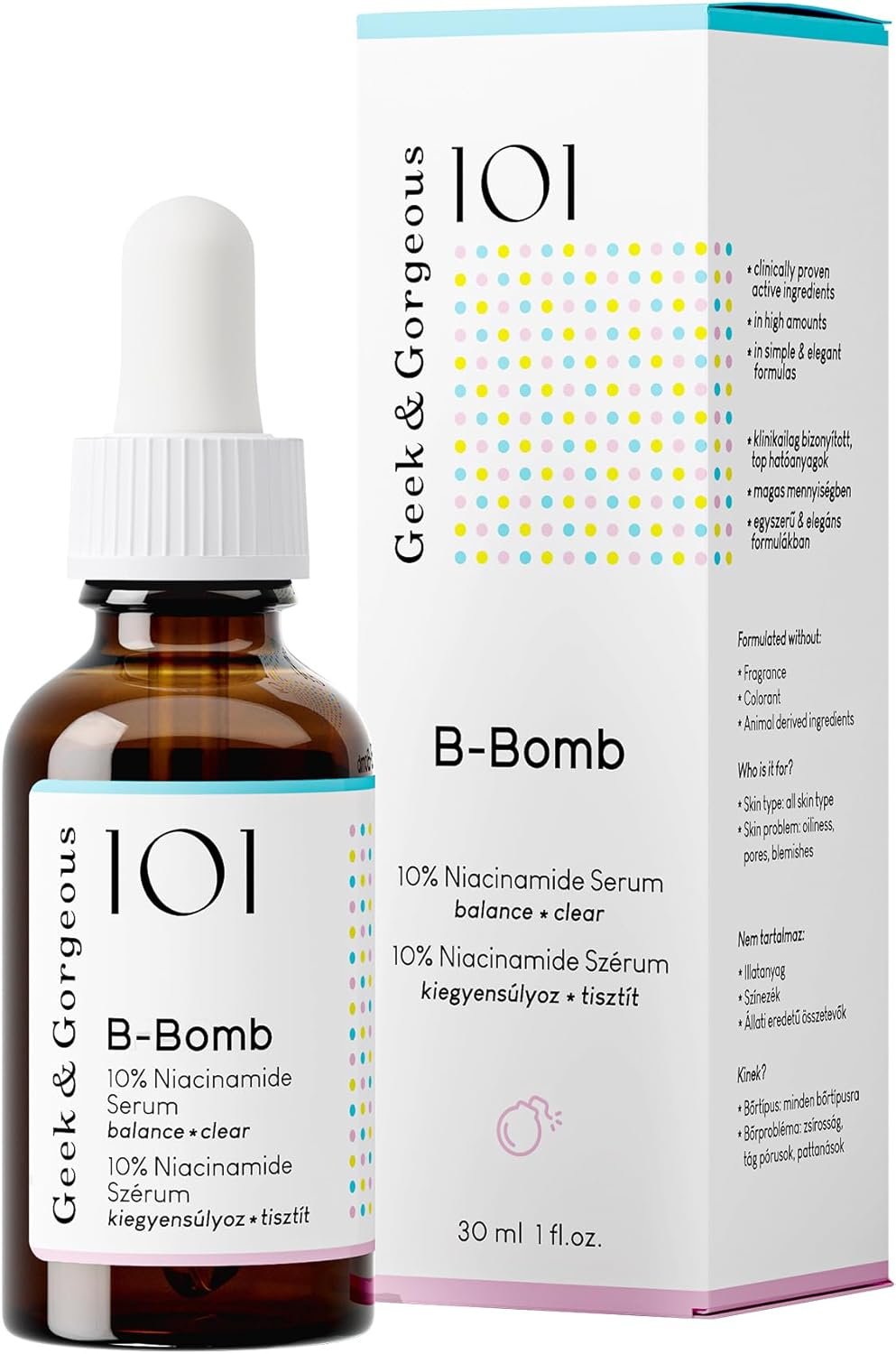
Geek & Gorgeous 101 B-Bomb 10% Niacinamide Serum
a well-formulated, high-concentration niacinamide serum. 10% is at the higher end of evidence-supported concentration; this level has consistently shown benefits for sebum regulation and acne lesion reduction. Fragrance-free and suitable for acne-prone skin.
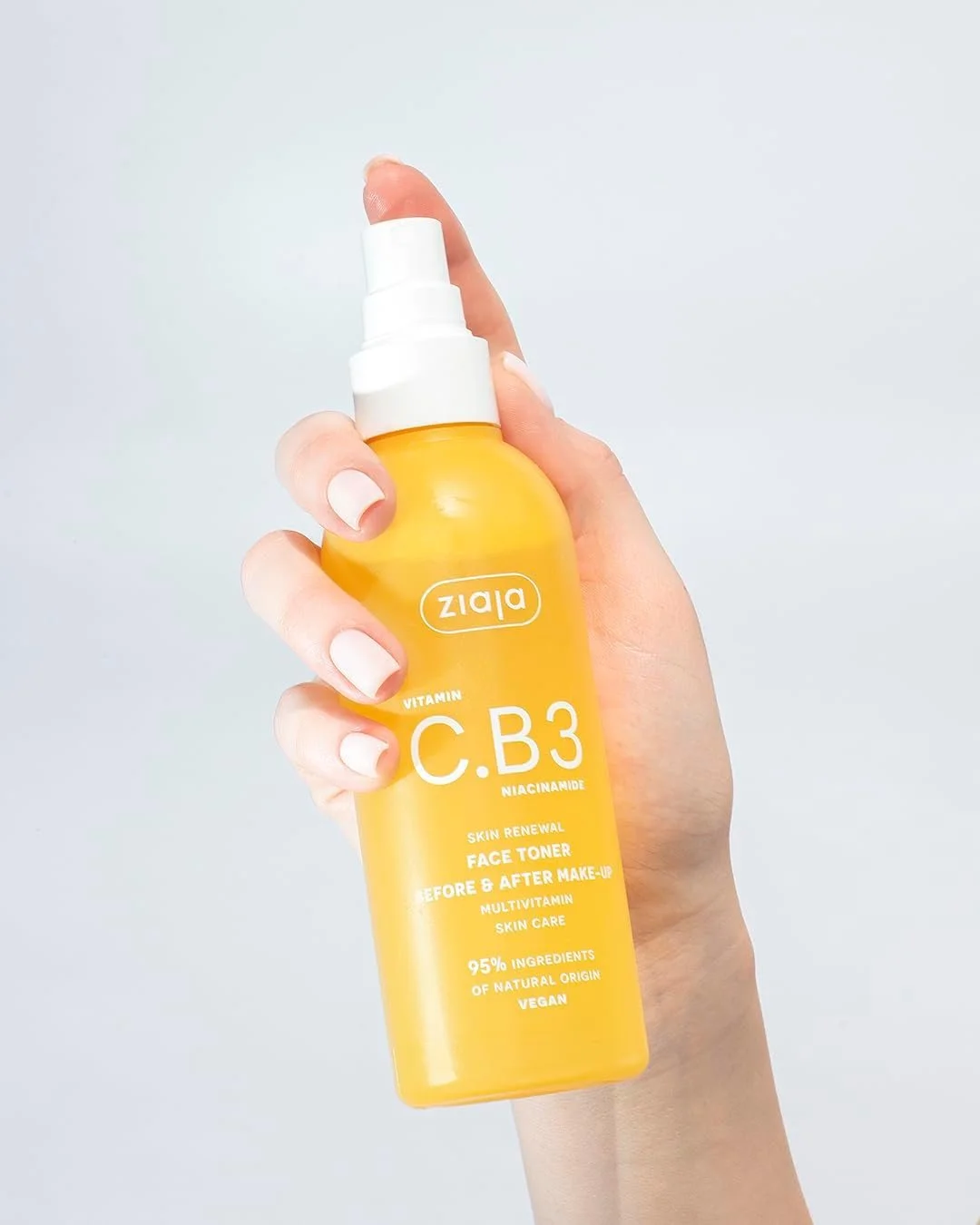
Ziaja Vitamin C.B3 Niacinamide Face Toner
a lighter-weight delivery format combining niacinamide with vitamin C, suitable for use as part of a wider acne-focused routine. A more accessible price point for those wanting to introduce niacinamide without committing to a serum.
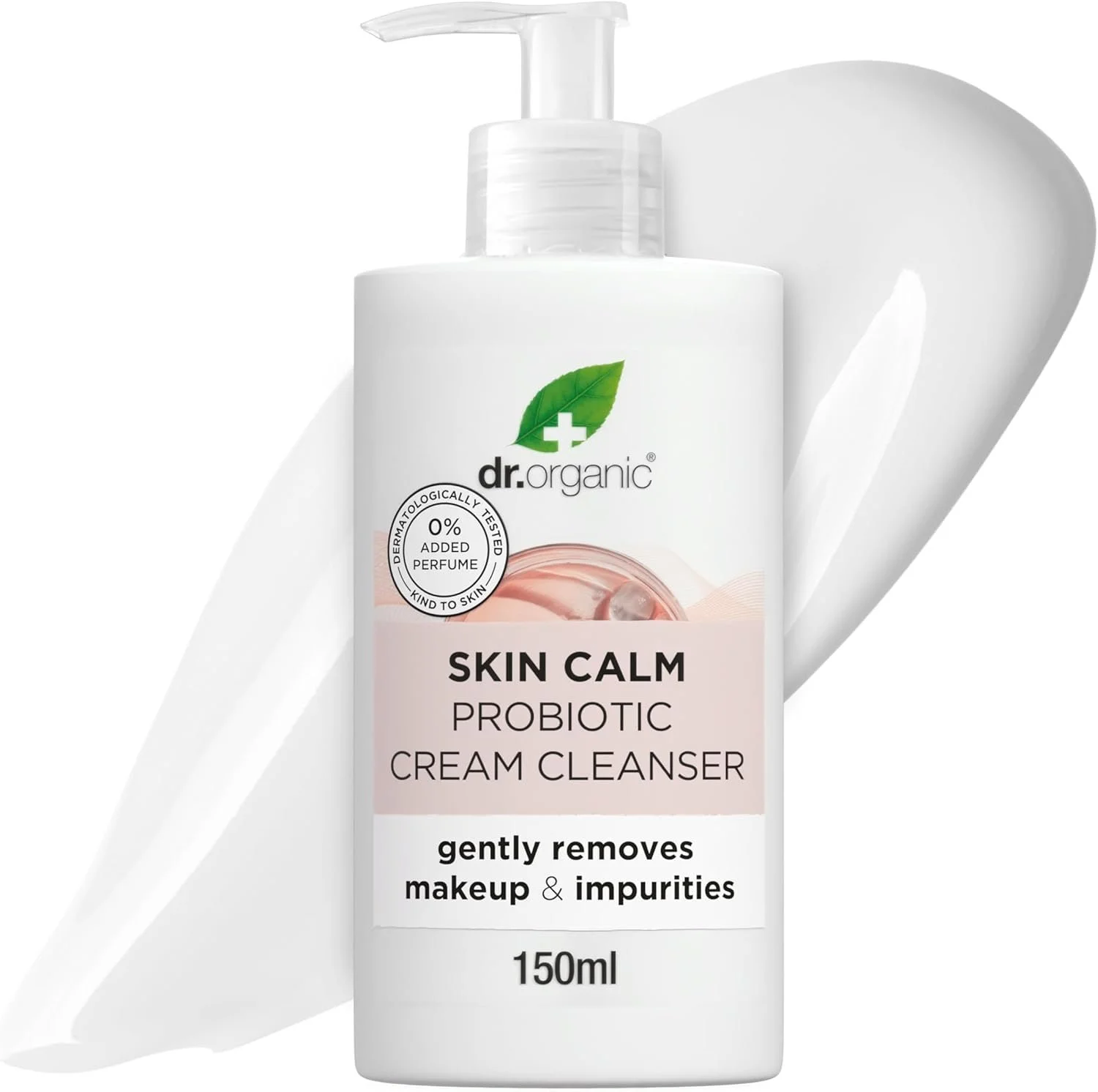
Dr Organic Skin Calm Probiotic Cream Cleanser
gentle, non-stripping cleanser appropriate for acne-prone skin that is reactive or sensitised. Keeps the barrier intact while removing daily buildup without triggering additional irritation.
What to do if you suspect a B vitamin supplement is causing breakouts
Step 1: Identify the likely culprit. Review what you're taking. If you're on a high-dose B complex, note which vitamins are at very high doses — particularly B12 and B6. B complex formulas frequently contain doses of B12 in the hundreds of micrograms, which is far in excess of nutritional need.
Step 2: Remove one variable at a time. If possible, stop the B complex supplement for 6–8 weeks and monitor whether skin improves. This is the most reliable way to establish a connection. Stopping all supplements simultaneously makes it harder to identify the specific trigger.
Step 3: Switch to lower-dose formulations if B vitamins are needed. If you take B12 for dietary reasons (vegans and vegetarians have a genuine need for B12 supplementation), a standard dose of around 10–100mcg provides adequate support without the high levels associated with acne triggering in the research. Energy supplements and B complex formulas often contain doses that are far higher than necessary.
Step 4: Don't self-diagnose. Acne has multiple overlapping causes. A new supplement may be coincidental to a breakout driven by hormones, stress, or other factors. Tracking symptoms over time and speaking to a GP if you're concerned is the appropriate response to persistent acne.
Why Reactions May Differ Between People
One reason supplement-related acne is difficult to predict is because acne itself is influenced by many overlapping factors, including:
Hormones
Genetics
Oil production
Stress
Skincare habits
Diet
Gut health
This means one person may tolerate supplements perfectly, while another notices significant skin changes.
Acne is usually multi-factorial rather than caused by one thing alone.
Can Food Sources Of Vitamin B Cause Acne?
Food sources of vitamin B are generally less discussed than supplements.
Vitamin B12 naturally occurs in:
Meat
Fish
Eggs
Dairy products
Most acne discussions focus specifically on high-dose supplementation rather than balanced dietary intake.
Supplements often contain far higher concentrations than food sources.
Should You Stop Taking Vitamin B Supplements?
Not necessarily.
Vitamin B vitamins are important nutrients, and deficiencies can also affect:
Energy levels
Hair
Skin
Nervous system health
Many people who suspect a supplement trigger focus on:
Tracking skin changes
Reviewing dosage levels
Avoiding unnecessary megadoses
Speaking with healthcare professionals if concerned
Supporting overall health remains important alongside skin concerns.
What to do if you suspect a B vitamin supplement is causing breakouts
Step 1: Identify the likely culprit. Review what you're taking. If you're on a high-dose B complex, note which vitamins are at very high doses — particularly B12 and B6. B complex formulas frequently contain doses of B12 in the hundreds of micrograms, which is far in excess of nutritional need.
Step 2: Remove one variable at a time. If possible, stop the B complex supplement for 6–8 weeks and monitor whether skin improves. This is the most reliable way to establish a connection. Stopping all supplements simultaneously makes it harder to identify the specific trigger.
Step 3: Switch to lower-dose formulations if B vitamins are needed. If you take B12 for dietary reasons (vegans and vegetarians have a genuine need for B12 supplementation), a standard dose of around 10–100mcg provides adequate support without the high levels associated with acne triggering in the research. Energy supplements and B complex formulas often contain doses that are far higher than necessary.
Step 4: Don't self-diagnose. Acne has multiple overlapping causes. A new supplement may be coincidental to a breakout driven by hormones, stress, or other factors. Tracking symptoms over time and speaking to a GP if you're concerned is the appropriate response to persistent acne.
The cleanser consideration
When managing supplement-related acne or acne generally, the cleanser is one of the most commonly mishandled parts of the routine. Reaching for the most aggressive cleanser available when spots appear damages the skin barrier, strips protective oils, and worsens inflammation — which is the opposite of what's needed.
Supplement Support for Breakout-Prone Skin
Because acne is driven by multiple factors — sebum oxidation, bacterial activity, inflammation, hormonal influences — the most effective supplement approaches address several of these rather than adding single high-dose nutrients that may tip one system out of balance.
Zinc has the strongest supplement evidence for acne — antibacterial, anti-inflammatory, and involved in sebum regulation. Vitamin D modulates immune responses relevant to acne. Vitamin C provides antioxidant protection against sebum oxidation. These work through different pathways and are better-supported for acne than megadose B vitamins.
Drought's Skin Support Formula contains zinc, vitamin C, vitamin D, B vitamins at appropriate — not megadose — levels, and 10 other nutrients selected for skin health. It's designed to provide comprehensive nutritional support for reactive and breakout-prone skin without the high-dose single-nutrient risks associated with some B complex formulas. Made in the UK, suitable for vegetarians, formulated for consistent daily use..
FAQ
Can vitamin B12 cause acne?
In some people, yes. Research suggests high-dose B12 supplementation alters the metabolic behaviour of C. acnes skin bacteria in ways that promote inflammation. This appears to affect a subset of people rather than universally.
Which B vitamin is linked to acne?
Vitamin B12 is the B vitamin most commonly discussed in relation to acne.
Does biotin cause acne?
Not directly in most evidence. The more plausible concern at very high doses is competitive absorption with B5, which may indirectly affect sebum production. Normal supplement doses of biotin are unlikely to cause acne.
Is niacinamide (B3) good or bad for acne?
Good — it's one of the most effective topical anti-acne ingredients available without prescription, with multiple trials showing it reduces sebum, inflammation, and post-acne marks.
How do I know if a B supplement is causing my acne?
Remove it for 6–8 weeks and monitor skin. If acne improves meaningfully, the supplement is the likely contributor. Reintroducing at a lower dose can help confirm the connection.
What dose of B12 is safe for acne-prone skin?
Standard nutritional doses — around 10–100mcg — are unlikely to produce the microbiome effects seen in the research. High-dose supplementation of 500–1,000mcg or more, common in energy supplements, is where the risk sits.
Does everyone get acne from B vitamins?
No. Many people take B vitamins without experiencing any skin issues.
Can B complex vitamins cause breakouts?
It may in people sensitive to high-dose B12. Many B complex formulas contain B12 at doses hundreds of times above nutritional requirements, which is where the concern sits.
Should you stop taking vitamin B supplements if you get acne?
No. B vitamins are important for overall health. The goal is to identify whether a specific high-dose supplement is a trigger, and if so, switch to lower-dose formulations or food sources rather than eliminating B vitamins entirely.
Can food sources of vitamin B cause acne?
Most discussions focus on high-dose supplements rather than normal dietary intake.
Summary
The relationship between B vitamins and acne is specific rather than categorical. B12 at high supplemental doses has genuine mechanistic evidence for triggering acne in some people through microbiome changes. B6 at high doses carries additional toxicity concerns beyond acne. Biotin is more nuanced than its reputation suggests — normal doses are unlikely to cause problems. And niacinamide (B3) is one of the most effective topical acne ingredients available. The practical response to suspecting a supplement trigger is targeted elimination and dose reduction — not avoiding B vitamins altogether, since several are genuinely important for skin health at appropriate levels.
In Short
Vitamin B12 is the B vitamin most commonly linked to acne discussions
Some people report breakouts after taking high-dose B supplements
Reactions appear highly individual
B vitamins remain important for overall health and energy production
Supporting overall skin balance matters more than blaming one ingredient alone
B vitamins address sebum regulation and skin metabolism — zinc, vitamin D, and magnesium address the androgen pathway, immune dysregulation, and stress-cortisol dimension that B vitamins alone don't cover. Drought's Skin Support Formula provides all three alongside niacinamide and 10 other nutrients, addressing the complete internal acne pathway picture. Made in the UK, suitable for vegetarians, designed for consistent long-term daily use.
Written by the Drought Skin team — specialists in natural support for eczema and psoriasis.
Disclaimer: This article contains affiliate links. We earn a very small commission from each purchase made through these links. There is no additional cost to you. All products featured have been specifically selected as products we personally use and love. For further information, please see our disclaimer page.
