
Acne Skincare Routine: What Actually Works, What to Avoid & Common Mistakes

The skincare industry has convinced many people with acne that the solution is more — more products, more actives, more steps. The reality is almost always the opposite. Acne-prone skin responds better to a consistent, simple routine built around a few well-chosen ingredients than it does to an elaborate stack of competing actives. The most common reason skincare doesn't work for acne is not that people are using the wrong products — it's that they're using too many, disrupting their barrier, and cycling through new things before any single product has had time to work.
This guide covers what a functional acne skincare routine actually looks like, how to layer it correctly, the ingredients worth including and why, and the mistakes that are almost certainly making things worse.
Why acne isn't just a surface problem — and why this changes the routine
Acne develops through four overlapping mechanisms: excess sebum production, follicular hyperkeratinisation (dead skin cells blocking the follicle), proliferation of Cutibacterium acnes bacteria, and inflammation. All four are necessary for a spot to form — which is why targeting only one rarely resolves the condition.
The most important skincare implication is that strong, drying products may reduce visible oiliness while worsening two of the four mechanisms. Stripping the skin barrier with harsh cleansers or excessive actives damages the barrier, triggers reactive sebum production (the skin compensates for being stripped), and increases inflammation. Many people with acne are inadvertently making their skin oilier and more inflamed with the routine they're using.
The second implication is that the sebum oxidation pathway — where sebum exposed to environmental stressors becomes oxidised and more comedogenic and pro-inflammatory — means antioxidant ingredients (vitamin C, niacinamide, vitamin E) have a specific mechanism of benefit beyond general "skin health.
A functional acne skincare routine
Step 1: Cleanser — twice daily, no more
A gentle, fragrance-free cleanser that removes excess oil, makeup, and daily buildup without stripping natural moisture. The purpose is cleaning, not treatment — the cleanser is on your face for 30–60 seconds before being rinsed off, which is not long enough for most active ingredients to have meaningful effect. Save your actives for leave-on products.
Gel cleansers tend to work best for oily or combination acne-prone skin. Cream or oil cleansers suit drier or barrier-compromised acne skin. Avoid foaming cleansers with sodium lauryl sulphate — it is highly stripping and disrupts the skin's pH and barrier function.
Step 2: Active treatment — the most important step
This is where the meaningful work happens. The key active ingredients for acne and when to use each:
Salicylic acid (BHA) — oil-soluble, which means it penetrates into pores and dissolves the sebum-dead cell mixture that causes blockages. The most effective active for comedonal acne (blackheads, whiteheads, congestion). Use in the morning or evening on cleansed skin. Start at 0.5–1% and work up to 2%. Not suitable during pregnancy.
Benzoyl peroxide (BPO) — directly kills C. acnes bacteria and reduces inflammation. One of the most evidence-backed acne treatments available over the counter. Available in 2.5%, 5%, and 10% concentrations — 2.5% is as effective as 10% with significantly less irritation. Bleaches fabric — use white pillowcases and towels. Apply as a thin layer to acne-prone areas.
Niacinamide (vitamin B3) — reduces sebum production, inhibits inflammatory cytokines, fades post-inflammatory hyperpigmentation, and improves barrier function. Well-tolerated even on sensitive acne skin. Can be used morning and evening. Particularly useful as a maintenance active after spots clear.
Retinoids — retinol (over the counter) and adapalene (now available OTC at 0.1% in the UK) regulate cell turnover and prevent follicular blockages. The most evidence-based active for preventing acne rather than just treating existing spots. Start every third night and build gradually — retinoid dermatitis (dryness, peeling, sensitivity) is normal initially but should reduce as skin adapts.
Do not use salicylic acid, benzoyl peroxide, and a retinoid simultaneously when starting. Introduce one active at a time, over 4–6 weeks per introduction. Using all three at once is the most common cause of barrier disruption in acne skincare.
Step 3: Moisturiser — non-negotiable, including for oily skin
This is where most people with acne make their biggest mistake. The logic seems sound — oily skin doesn't need more moisture — but it's wrong, and here's why.
When the skin barrier is compromised (by acne treatments, harsh cleansers, or environmental factors), it loses water through transepidermal water loss. Dehydrated skin — skin lacking water, not oil — produces more sebum as a compensatory response. Skipping moisturiser makes oily, acne-prone skin oilier.
A lightweight, non-comedogenic, fragrance-free moisturiser supports the barrier, reduces the reactive sebum response, and makes active ingredients more tolerable. It does not clog pores or worsen acne when properly formulated.
Step 4: SPF — every morning, year round
Sun protection is non-negotiable for acne-prone skin for two reasons specific to this condition. First, UV exposure worsens post-inflammatory hyperpigmentation — the dark marks left after spots clear — making them darker and longer-lasting. Second, several acne actives (particularly retinoids and BHAs) increase photosensitivity. Using a retinoid at night without daytime SPF actively undermines its benefit.
Choose a non-comedogenic, fragrance-free formula. Mineral formulas (zinc oxide, titanium dioxide) are generally better tolerated on reactive acne-prone skin.
Recommended Products
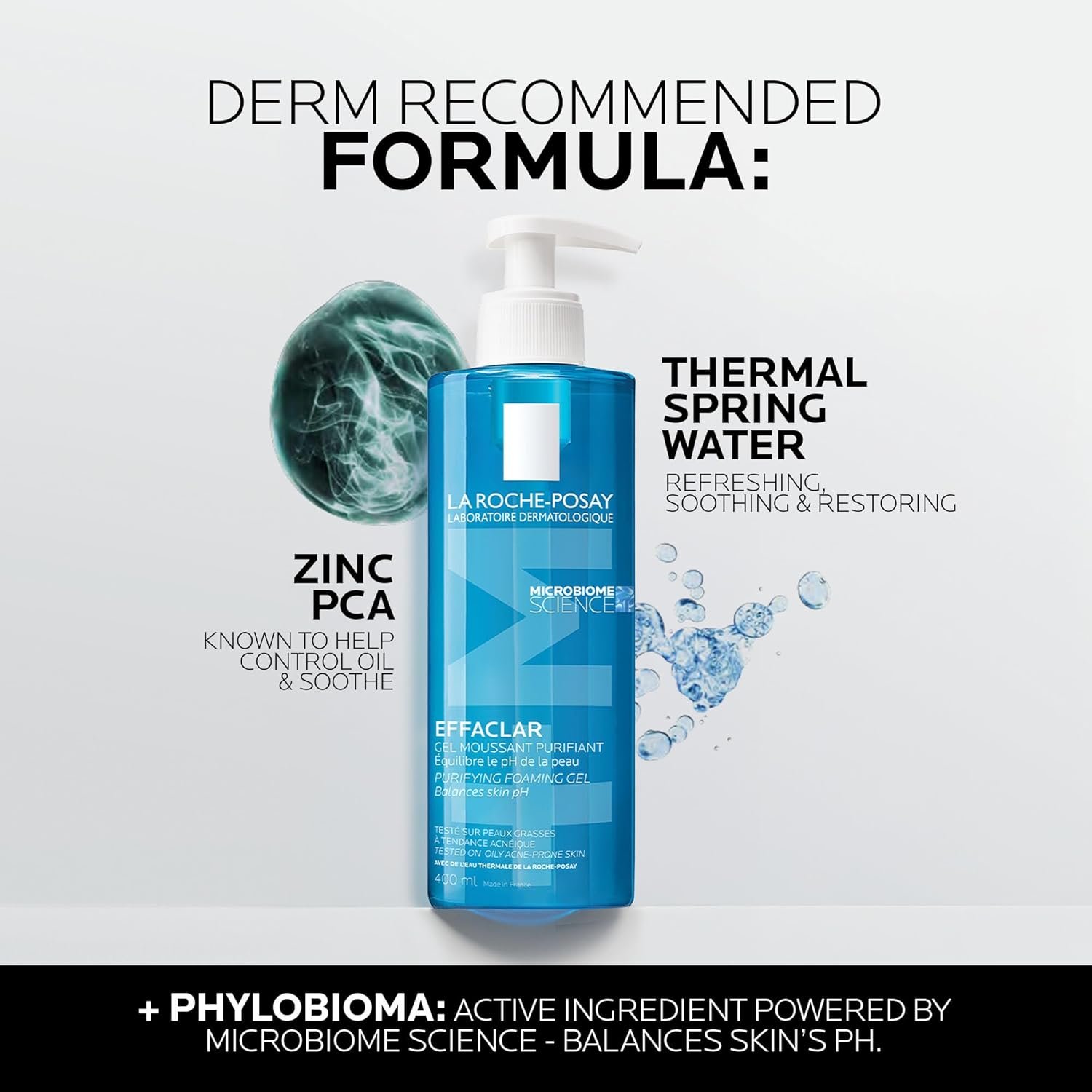
La Roche-Posay Effaclar Purifying Foaming Gel Cleanser
a well-formulated, fragrance-free gel cleanser specifically designed for oily and acne-prone skin. Removes excess oil without stripping. One of the most consistently dermatologist-recommended cleansers for this skin type in the UK.
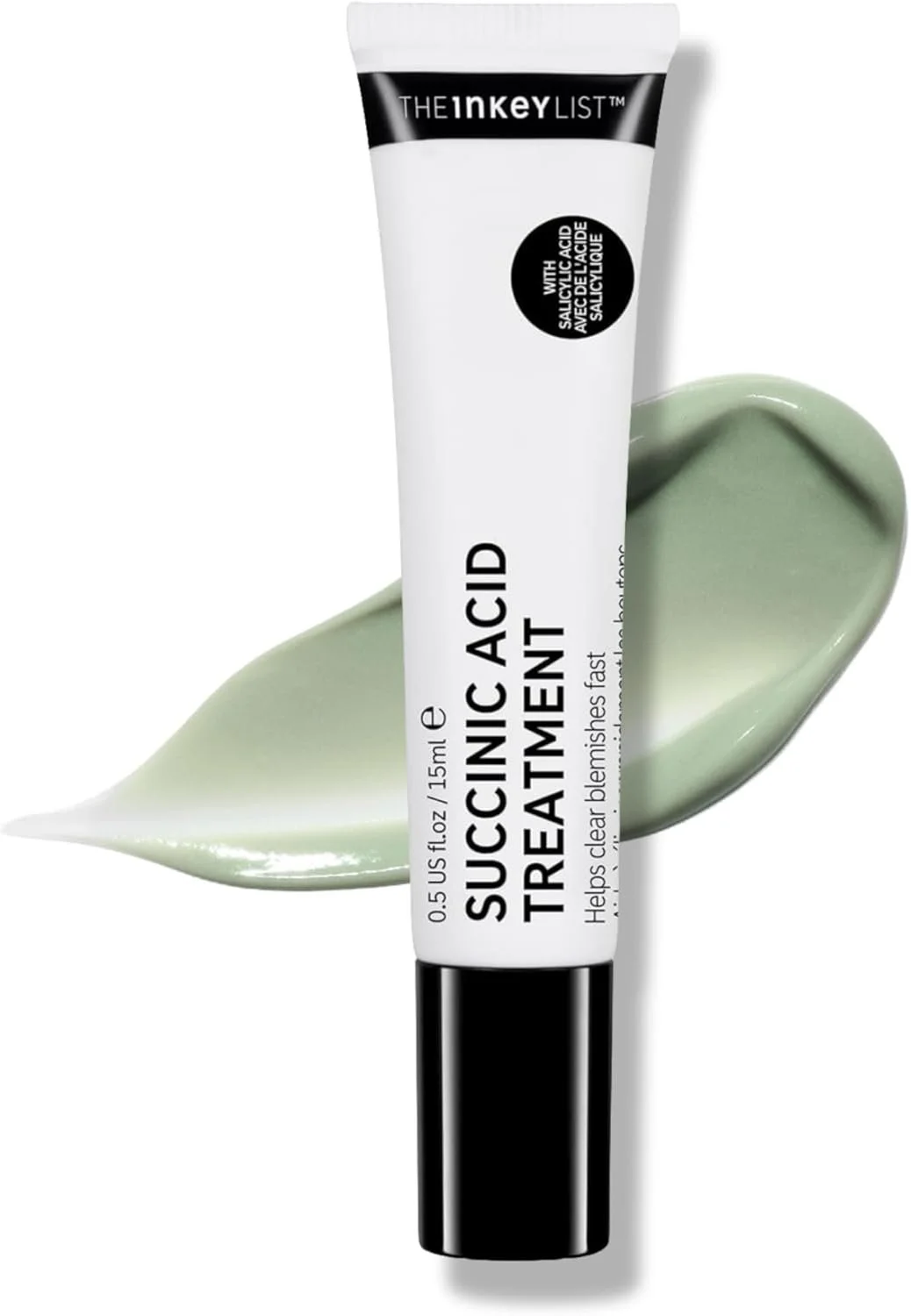
The INKEY List Succinic Acid Acne Treatment
a spot treatment combining succinic acid (anti-bacterial, anti-inflammatory), zinc, and kaolin clay for targeted use on active spots. A well-formulated, affordable option for localised treatment between broader active use.
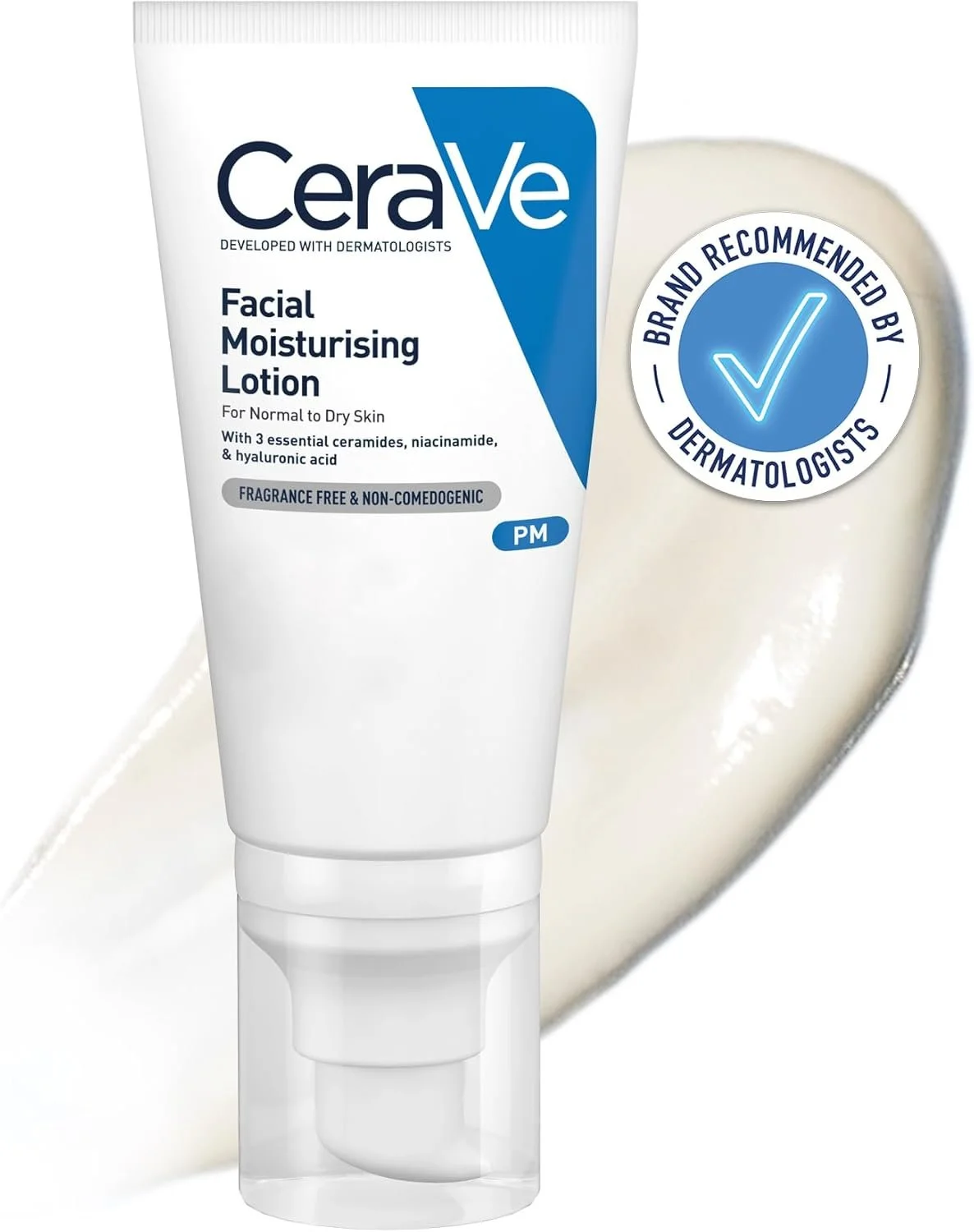
CeraVe Moisturising Lotion
a lightweight, fragrance-free lotion containing ceramides and hyaluronic acid. Non-comedogenic, fast-absorbing, and well-tolerated on acne-prone skin. Provides barrier support without the heaviness that puts people with oily skin off moisturising.
Layering order
The correct layering sequence for an acne routine matters because applying products in the wrong order affects both absorption and tolerability.
Morning: Cleanser → Niacinamide serum → Moisturiser → SPF
Evening: Cleanser → BHA or BPO or Retinoid (one active per session) → Moisturiser
Do not apply BPO and a retinoid in the same session — BPO oxidises retinoids and reduces their efficacy. If using both in your routine, alternate nights.
The purging question
When introducing a new active — particularly salicylic acid or a retinoid — some people experience increased breakouts in the first two to four weeks. This can be genuine purging (accelerated cell turnover surfacing comedones that were already forming, which resolves) or irritation worsening (barrier disruption causing new inflammation, which doesn't resolve on its own).
Purging is localised to areas already prone to breakouts and settles within four to six weeks. Irritation worsening appears in new areas, produces increasingly inflamed lesions, and continues or worsens beyond four weeks. If the latter, reduce frequency of the active or stop it.
The seven most common acne skincare mistakes
Over-cleansing. Washing more than twice daily strips oils and triggers reactive sebum production. Once in the morning and once in the evening is sufficient for most people.
Stacking too many actives. Salicylic acid, benzoyl peroxide, glycolic acid, retinoid, and vitamin C in the same routine is too much for most skin. Introduce one active at a time.
Skipping moisturiser. Oily skin still needs hydration — see above.
Expecting results in days. Acne skincare requires a minimum of six weeks of consistent use to evaluate any single change. Cycling through products before this produces no useful information.
Spot-treating only. Acne is a follicular condition affecting the whole face — applying treatment only to visible spots doesn't prevent new ones forming. Treat the entire acne-prone area with a thin layer.
Using physical scrubs. Friction worsens inflammation and can rupture superficial pustules. Chemical exfoliation (BHA) is more effective and significantly less damaging.
Not using SPF. Marks take far longer to fade without daily sun protection.
Skin support for acne-prone skin
A skincare routine addresses acne at the surface. The internal drivers — sebum oxidation, C. acnes proliferation, hormonal sebum production, and inflammatory immune responses — are not meaningfully addressed by topical products alone.
Zinc has the most consistent supplement evidence for acne: antibacterial, anti-inflammatory, involved in sebum regulation. Vitamin D modulates immune responses. Vitamin C provides antioxidant protection against sebum oxidation. These work through different pathways and are well-supported for acne alongside a good skincare routine.
Drought's Skin Support Formula contains zinc, vitamin D, vitamin C, and 11 other nutrients selected for their documented roles in skin health — addressing the internal dimension of acne that topical skincare alone cannot reach. Made in the UK, suitable for vegetarians, designed for consistent daily use.
FAQs: Acne skincare
What is the best skincare routine for acne?
Morning: gentle fragrance-free gel cleanser, niacinamide serum, lightweight non-comedogenic moisturiser, SPF. Evening: gentle cleanser, one active (salicylic acid, benzoyl peroxide, or retinoid — not simultaneously), lightweight moisturiser. The most important practical principles: introduce one active at a time over four to six weeks, never use benzoyl peroxide and a retinoid in the same session (BPO oxidises retinoids and reduces their efficacy), and always apply SPF the morning after using retinoids or BHA given their photosensitising effects. Simpler and consistent consistently outperforms complicated and sporadic.
Should oily skin use moisturiser?
Yes — without moisturiser, barrier-compromised skin produces more sebum as compensation. A lightweight, non-comedogenic formula actually reduces oiliness over time rather than worsening it.
Can over-exfoliating worsen acne?
Yes — excessive exfoliation damages the barrier, increases inflammation, and triggers reactive sebum production. Once to three times weekly of BHA exfoliation is sufficient for most acne-prone skin.
How long does acne skincare take to work?
A minimum of six weeks to evaluate any single change, and twelve weeks for a fair assessment of a new active. Most prescription treatments take three to six months to show full benefit.
Can you use niacinamide and salicylic acid together?
Yes — these are compatible and complementary. Niacinamide in the morning, salicylic acid in the evening is a practical arrangement.
What is purging and how is it different from breakout worsening?
Purging is accelerated surfacing of existing comedones — localised to acne-prone areas, resolves within four to six weeks. Irritation worsening produces new spots in new areas, continues beyond four to six weeks, and means the active or its frequency needs adjusting.
Summary
A functional acne skincare routine is simpler than the industry suggests: a gentle cleanser, one or two well-chosen actives introduced gradually, a lightweight non-comedogenic moisturiser, and daily SPF. The most common mistakes — over-cleansing, stacking too many actives, skipping moisturiser, and changing products too frequently — actively worsen acne by disrupting the barrier and preventing any single product from working. Consistency over eight to twelve weeks, with one change at a time, produces better results than any combination of products used simultaneously for two weeks.
Written by the Drought Skin team — specialists in natural support for psoriasis, eczema and acne
Disclaimer: This article contains affiliate links. We earn a very small commission from each purchase made through these links. There is no additional cost to you. All products featured have been specifically selected as products we personally use and love. For further information, please see our disclaimer page.
