
Hair Removal & Psoriasis: The Koebner Risk by Method, What's Safest & How to Minimise Trauma

Hair removal is something most people manage without much thought. With psoriasis, it requires a bit more consideration — because any method involving skin trauma, friction, or heat on psoriasis-prone skin can trigger new plaque formation through the Koebner phenomenon.
The key is understanding which methods carry the most Koebner risk, which are manageable with the right preparation, and which — perhaps surprisingly — may actually have a therapeutic benefit for psoriasis.
Hair Removal & Psoriasis: Can Shaving or Waxing Trigger Flare-Ups?
Hair removal can already be irritating for sensitive skin — but for people with psoriasis, it may feel even more complicated.
Hair removal methods can leave skin:
Irritated
Dry
Sore
More reactive
For some people, hair removal causes little problem.
For others, it may trigger flare-ups or worsen existing plaques.
Why Can Hair Removal Affect Psoriasis?
Psoriasis-prone skin is often more sensitive and reactive than unaffected skin.
Hair removal methods may create:
Friction
Skin trauma
Dryness
Irritation
Inflammation
For some people, even small amounts of skin damage may contribute to flare-ups.
This is linked to something known as the Koebner phenomenon, where skin injury may trigger psoriasis lesions in certain individuals.
Even mild irritation can sometimes aggravate psoriasis-prone skin.
The Koebner phenomenon and hair removal
The Koebner phenomenon describes new psoriasis plaques appearing at sites of skin trauma. Studies suggest approximately 25–30% of people with psoriasis experience Koebner reactions — new plaques triggered by cuts, friction, pressure, or inflammation at a skin site that was previously clear.
Hair removal methods vary significantly in how much skin trauma they produce:
Shaving creates blade friction and micro-abrasions, particularly with dry shaving, blunt blades, or repeated passes over the same area. The Koebner risk is moderate and highly technique-dependent.
Waxing and sugaring pull hair from the follicle with significant mechanical force, creating brief but intense skin trauma at each pull. For active psoriasis in the waxed area, the risk of Koebner reaction is high. For clear skin in someone with psoriasis history, the risk is present but lower.
Epilating uses rotating mechanical pinching to remove individual hairs — repeated microtrauma across the treatment area. Produces less concentrated trauma than waxing but more sustained mechanical stimulation. Moderate Koebner risk on clear skin.
Laser and IPL use light energy to damage hair follicles. The skin surface itself is not mechanically traumatised in the same way as shaving or waxing. This is the most interesting method for psoriasis specifically — see below.
Depilatory creams use alkaline chemicals (thioglycolate compounds) to break down the protein structure of hair. No mechanical trauma to the skin surface. However, the alkaline chemistry can be highly irritating on compromised psoriasis skin, particularly at the concentrations in standard hair removal creams.

Shaving: the most manageable method with good technique
For most people with psoriasis, shaving is the most practical ongoing hair removal method — and with the right approach, Koebner risk is manageable.
Never shave dry. Dry shaving dramatically increases blade friction and micro-abrasion risk. A generous layer of fragrance-free shaving cream or gel lubricates the skin and allows the blade to glide without dragging.
Use a sharp, single or multi-blade razor — not a blunt or disposable blade used past its effective life. Blunt blades require more pressure and produce more micro-abrasion. Shave in the direction of hair growth, not against it, to reduce friction on the skin surface.
Avoid shaving over active plaques. Shave around them if possible. If a plaque is in a location where shaving is unavoidable, use maximum lubrication and minimal passes.
Rinse with cool water after shaving and apply a fragrance-free moisturiser immediately — the post-shave window is similar to the post-bath emollient window, where the skin benefits most from immediate barrier support.
The laser/IPL nuance: potentially beneficial, not just neutral
This is the most counterintuitive aspect of hair removal and psoriasis, and one the original article missed entirely.
Laser and IPL (intense pulsed light) devices deliver light energy at specific wavelengths. Some of these wavelengths overlap with the UV range that has documented therapeutic benefit for psoriasis — the basis of medical phototherapy. Several case reports and small studies have found that laser hair removal in areas affected by psoriasis actually improved the psoriasis plaques being treated, through a mechanism similar to phototherapy.
This doesn't mean laser devices are a psoriasis treatment — they are not calibrated for this purpose and the wavelengths vary by device. But it does mean that laser/IPL is the hair removal method with the most favourable risk-benefit profile for people with psoriasis, and the concern about laser "triggering psoriasis" is less well-founded than the concern about waxing or vigorous shaving.
Philips Lumea Series 8000— a leading at-home IPL device with good safety features including skin tone detection. Multiple attachment heads for different body areas. Same caveat as above: use on clear skin, not active plaques. (Affiliate link.)
Haarlosy IPL Hair Removal Device — a more accessible price-point option for at-home IPL. Appropriate for clear skin; patch test first on a small area of psoriasis-prone (but currently unaffected) skin before broader use. (Affiliate link.)
Is Waxing Bad for Psoriasis?
Waxing can feel particularly harsh on psoriasis-prone skin because it removes hair by pulling directly on the skin surface.
This may increase:
Irritation
Sensitivity
Skin trauma
Redness
Waxing over active plaques or cracked skin may feel especially uncomfortable.
Many people avoid waxing directly over inflamed psoriasis areas.
Depilatory creams: useful but needs caution
Hair removal creams work by breaking down the disulphide bonds in hair protein using thioglycolate compounds. The process is chemical rather than mechanical — no blade friction, no skin pulling. This gives it a lower Koebner risk than shaving or waxing in terms of mechanical trauma.
The concern with psoriasis skin is the alkaline pH of these creams — they typically operate at pH 11–12, which is significantly alkaline relative to skin's natural pH of 4.5–5.5. On compromised psoriasis skin, this alkaline exposure can cause chemical irritation and barrier disruption.
Key precaution: never leave depilatory cream on longer than directed on the packaging. On normal skin this produces irritation; on psoriasis-prone skin it may produce chemical burns or significant barrier disruption.
Recommended Products
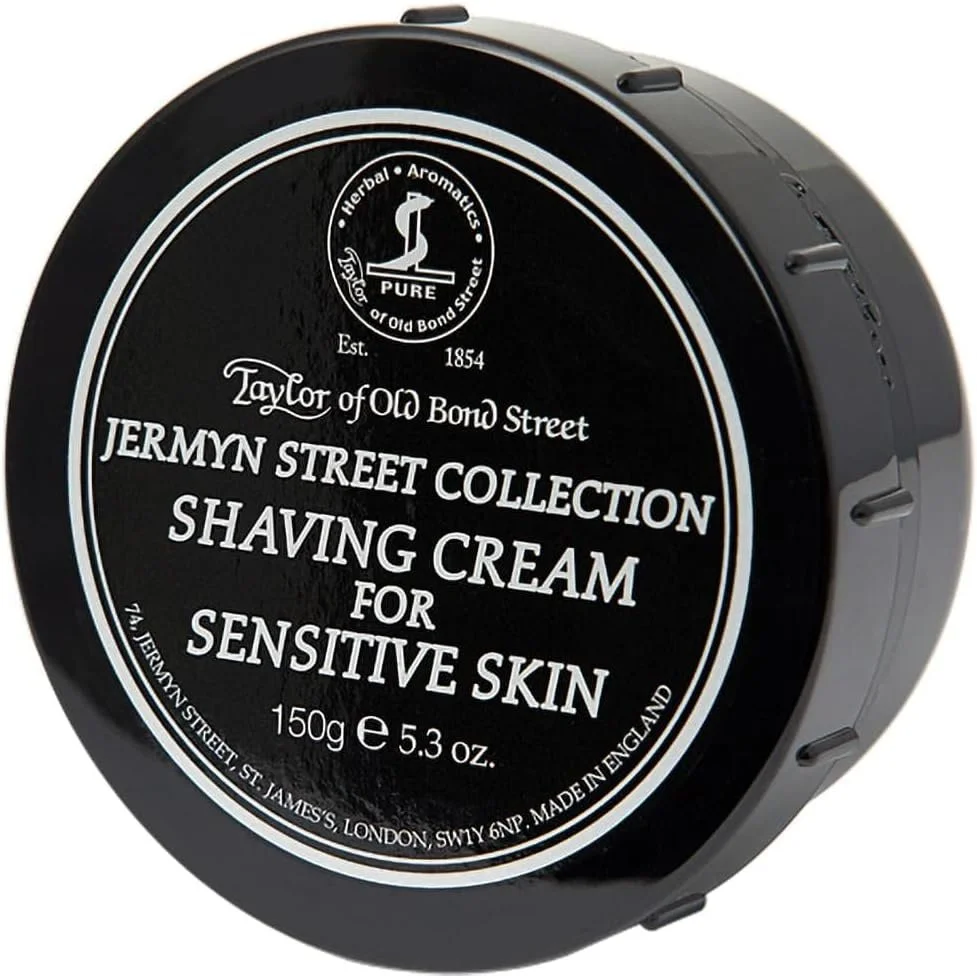
Taylors of Old Bond Street Jermyn Street Shaving Cream for Sensitive Skin
a fragrance-free, well-formulated shaving cream specifically for sensitive skin. Fragrance-free is essential for psoriasis-prone skin. The cream consistency provides more lubrication than foam and maintains a protective layer during shaving.
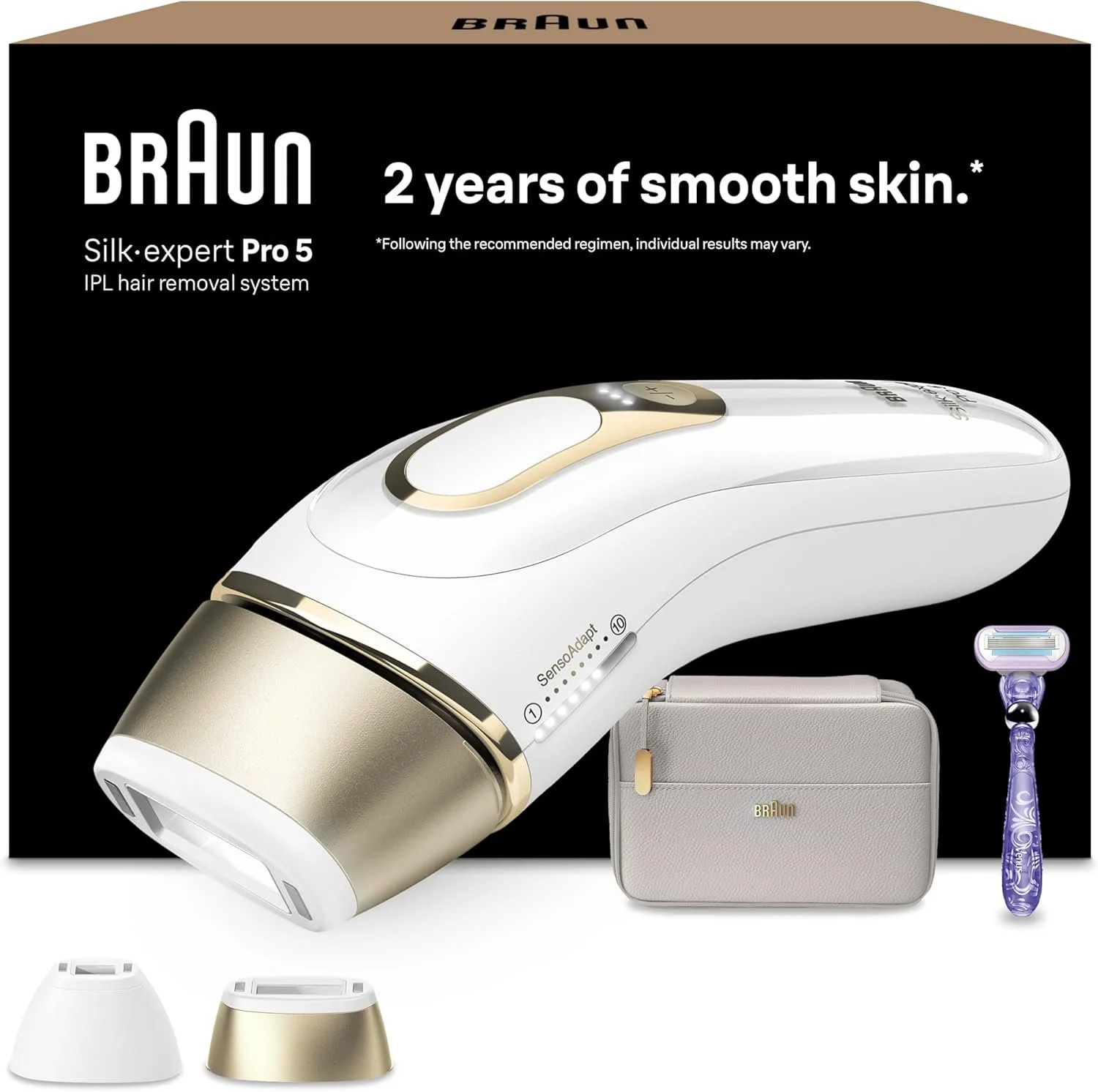
Braun IPL Silk-Expert Pro 5
a well-established at-home IPL device with a skin tone sensor. Appropriate for use on clear skin; avoid active plaques. The IPL mechanism carries lower Koebner risk than mechanical methods and may, in some cases, provide incidental phototherapy benefit.
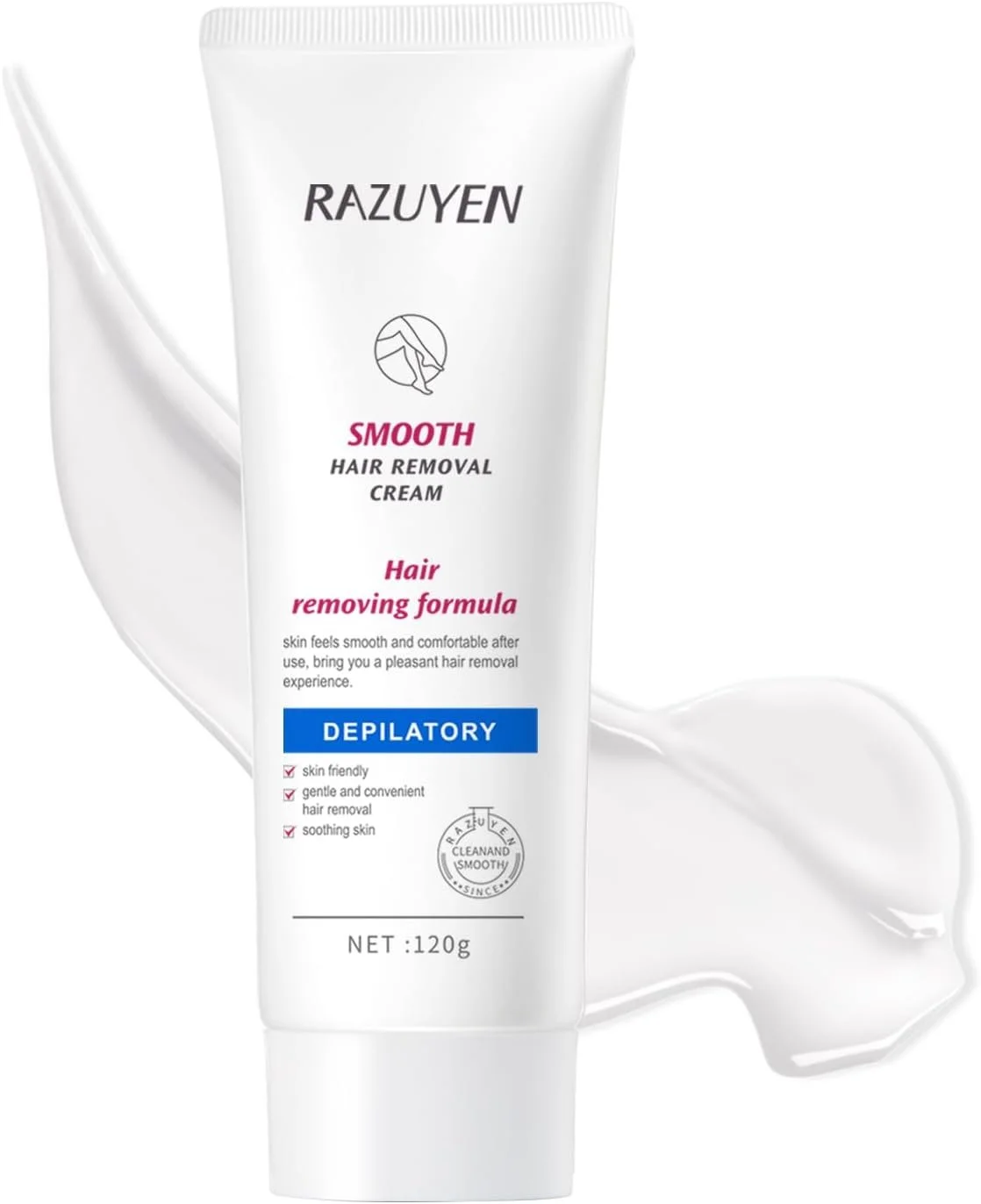
RAZUYEN Painless Body Hair Removal Cream for Sensitive Skin
a cream formulated for sensitive skin with a gentler approach than standard depilatories. Still perform a patch test 24 hours before use — on unaffected skin, not on a plaque. Never apply to broken, cracked, or actively inflamed psoriasis skin. If the area is clear and stable, it can be used with the standard timing guidance on the packaging.
Practical preparation for hair removal with psoriasis
Soften the skin first. A warm (not hot) shower or bath before hair removal softens both the skin and the hair, reducing the friction or force needed. Follow with gentle patting dry — no rubbing.
Apply emollient after, immediately. Whichever method you use, the skin needs barrier support promptly after treatment. A fragrance-free emollient applied within two to three minutes of completion reduces post-removal dryness and irritation.
Time hair removal for calm skin periods. Plan hair removal for when the skin is at its most settled — not during flares, not in the days following a new plaque appearance, and not on skin that has recently been treated with high-potency topicals.
When to avoid hair removal entirely
During an active, severe flare with significantly inflamed or broken skin — regardless of method. Over active plaques wherever possible. In the immediate post-treatment period after applying potent topical steroids, calcipotriol, or other treatments that may have thinned the skin surface.
Supplement Support for Psoriasis-Prone Skin
The internal drivers of psoriasis — immune dysregulation, nutritional deficiencies, inflammatory burden — affect how resilient the skin is to any external trauma including hair removal. Well-nourished, well-managed skin responds to hair removal with less reactivity than depleted, poorly managed skin.
Drought's Skin Support Formula provides 14 nutrients including vitamin D, zinc, vitamin C, and magnesium — supporting the internal foundations that determine how reactive psoriasis skin is to daily life, including hair removal. Made in the UK, suitable for vegetarians, designed for consistent long-term daily use.
FAQ
Can shaving trigger psoriasis flare-ups?
Yes — through the Koebner phenomenon, which affects approximately 25–30% of psoriasis patients. Mechanical trauma from shaving — blade friction, micro-cuts, repeated passes over the same area — can trigger new psoriatic plaques at the site of injury in Koebner-positive individuals, typically appearing one to two weeks after the trauma rather than immediately. The risk is highest during active flares when the skin is most reactive, and lowest during well-controlled periods on settled, non-inflamed skin. Shaving with lubrication, with the grain rather than against, in a single pass rather than multiple passes, using a sharp blade rather than a blunt one, significantly reduces but doesn't eliminate the Koebner risk from shaving.
Is waxing safe with psoriasis?
Waxing carries the highest Koebner risk of all common hair removal methods — the mechanical trauma of removing hair by root from psoriasis-prone skin produces the type of sustained friction and epidermal disruption that most reliably triggers Koebner responses. Waxing directly over active plaques, recently inflamed areas, or cracked psoriatic skin is specifically contraindicated — the combination of chemical wax adhesion and mechanical removal from already-compromised skin can cause significant pain, bleeding, and plaque extension at the treatment site. Even in Koebner-negative individuals, waxing on psoriatic skin carries skin trauma, secondary infection, and irritation risks that make it the least appropriate hair removal option for most people with psoriasis.
What hair removal method is safest for psoriasis?
In order from lowest to highest Koebner and irritation risk: laser/IPL (thermal rather than mechanical trauma, lowest friction risk) → electric trimmer (no blade contact with skin surface) → wet shaving with fragrance-free lubrication (blade contact but controllable pressure and technique) → depilatory creams (chemical rather than mechanical, but significant chemical irritant risk on psoriatic skin) → epilating (mechanical root extraction, high friction and trauma) → waxing (most significant mechanical trauma, highest Koebner risk). For most people with psoriasis, an electric trimmer for body areas and careful wet shaving with fragrance-free gel for face and legs provides the most practical combination of effectiveness and lowest Koebner risk.
Are hair removal creams safe for psoriasis?
Approached with significant caution — hair removal creams work by breaking down disulfide bonds in hair keratin using thioglycolate compounds. On psoriatic skin where keratin structure is already abnormal and the barrier is compromised, thioglycolate penetrates more readily and can cause chemical burns, stinging, and worsening of existing plaques at concentrations that would be tolerated on intact skin. Even "sensitive skin" formulations contain active thioglycolate at concentrations sufficient to break down hair — they are less irritating than standard formulations but not safe by default on active psoriatic skin. Patch test on a small unaffected area for 24 hours before any wider application, and never apply over active plaques, cracked skin, or recently flared areas.
Can laser hair removal worsen psoriasis?
For most people with psoriasis — no, and it may be the most appropriate long-term option. Laser and IPL treatments use thermal energy rather than mechanical friction, producing a different type of skin response than waxing or epilating. Some psoriasis patients have reported plaque improvement in laser-treated areas — the wavelengths used in some IPL devices overlap with narrowband UVB phototherapy wavelengths that are established psoriasis treatments. However some individuals experience Koebner responses from the thermal trauma, and treatment over active plaques is specifically contraindicated. Discuss your psoriasis history with the clinic before treatment — an experienced practitioner will avoid active plaques and adjust settings for psoriasis-prone skin.
Should I avoid hair removal during a psoriasis flare-up?
During active, inflamed, or cracked flares — yes, for the highest-risk methods (waxing, epilating, depilatory creams). For shaving specifically — avoid direct shaving over actively inflamed plaques but careful shaving of unaffected adjacent areas is reasonable if technique is appropriate. The Koebner risk is highest when the skin is most reactive — the window of active inflammation is the highest-risk period for triggering new lesions at treatment sites. Electric trimming over unaffected areas is the lowest-risk option during mild-to-moderate flares where hair removal cannot be postponed. Resume full hair removal routines only once the flare has fully settled and the skin is stable.
How should I care for skin after hair removal with psoriasis?
Apply a fragrance-free emollient immediately after hair removal — while skin is still slightly damp from any water involved in the process. This is the same two-to-three minute post-bath emollient timing guidance that applies to eczema and psoriasis management generally. Avoid fragranced aftershave balms, alcohol-containing toners, or any product with potential contact allergens on freshly hair-removed psoriatic skin — the temporary barrier disruption from any hair removal method increases penetration of both beneficial and irritating compounds. Avoid sun exposure to recently hair-removed skin — the temporary barrier disruption increases UV sensitivity, and UV exposure over psoriatic skin outside of controlled phototherapy carries Koebner risk from sunburn.
Summary
Hair removal and psoriasis is manageable with method-appropriate technique. Waxing carries the highest Koebner risk and should be avoided on or near active plaques. Shaving with good lubrication and a sharp blade, on clear skin, is manageable for most people. IPL and laser carry the lowest Koebner risk and may, in some cases, provide incidental phototherapy benefit. Depilatory creams are chemical rather than mechanical but require caution about alkaline pH on compromised skin. All methods should be timed for settled skin periods, followed immediately by emollient, and avoided during active flares.
Written by the Drought Skin team — specialists in natural support for psoriasis, eczema and acne
Disclaimer: This article contains affiliate links. We earn a very small commission from each purchase made through these links. There is no additional cost to you. All products featured have been specifically selected as products we personally use and love. For further information, please see our disclaimer page.
-
Types of Psoriasis Explained: Symptoms, Appearance & How They Differ
Psoriasis Skincare Routine: What Actually Helps, What to Avoid & Common Mistakes
Psoriasis & Eczema Triggers: What Causes Flare-Ups & How to Identify Yours
Fake Tan with Psoriasis or Eczema: Safe Products, Prep & Technique
Tattoos with Psoriasis or Eczema: Risks, Timing & What to Expect
