
Acne Supplements: What the Evidence Shows for Each Nutrient

Acne is driven internally — by sebum production, bacterial activity, inflammation, and hormonal signalling — which is why topical treatments alone often produce incomplete results. Nutritional support addresses the internal pathways that skincare cannot reach, and several supplements have documented evidence for acne beyond theoretical plausibility.
This guide covers the nutrients with the most evidence for acne, what each does specifically, and how to prioritise them — with honest assessment of what the research shows and what it doesn't.
Can supplements help acne?
Acne supplements can help support clearer skin by targeting inflammation, hormones, and nutrient deficiencies — but they're not an instant fix, and the difference between supplements that address specific and documented acne pathways versus those making general "good for skin" claims matters considerably. Acne has specific and well-evidenced nutritional associations — zinc deficiency impairs the 5-alpha-reductase inhibition that reduces DHT-driven sebum production; vitamin D deficiency reduces the TLR2 immune modulation that determines whether C. acnes triggers inflammatory lesions; magnesium insufficiency amplifies the HPA axis cortisol response that drives adrenal androgen production. These aren't general skin health claims — they're specific mechanisms connecting documented nutrient deficiencies to the biological pathways driving acne, which is why targeted nutritional support addressing these specific gaps is more coherent than a general multivitamin.
Why supplements are used for acne
Acne isn’t just a surface issue—it’s influenced by what’s happening inside the body.
Common underlying factors include:
inflammation
hormonal imbalances
gut health
nutrient deficiencies
Supplements aim to support these internal processes.
Best supplements for acne
Zinc: the most evidence-backed supplement for acne
Zinc has more published clinical trial data for acne than any other supplement, and the mechanisms are specific and well-established:
5-alpha-reductase inhibition. Zinc inhibits the enzyme that converts testosterone to dihydrotestosterone (DHT) — the more potent androgen that directly stimulates sebaceous gland activity and sebum production. This is the same enzyme targeted by pharmaceutical treatments for hormonal acne. Through this pathway, zinc addresses one of the primary hormonal drivers of acne.
Antibacterial activity against C. acnes. Zinc ions disrupt the bacterial zinc transport systems that Cutibacterium acnes needs to survive, providing antimicrobial activity through a distinct mechanism from antibiotics.
Anti-inflammatory effects. Zinc inhibits inflammatory cytokine production including IL-1β, reducing the inflammatory component of acne lesions.
Multiple randomised controlled trials have compared zinc supplementation to tetracycline antibiotics for acne. The findings are consistent: oral zinc is less effective than full-dose antibiotics but meaningful — producing clinically significant reductions in inflammatory and total lesion counts. A 2012 systematic review confirmed zinc supplementation's efficacy for acne with a consistent evidence base across trials.
The most bioavailable forms are zinc gluconate, zinc citrate, and zinc picolinate — the same forms discussed in the zinc eczema article in this series. Doses used in acne trials have ranged from 25–45mg elemental zinc daily. The copper depletion concern at sustained high doses applies here too — at doses above 25mg daily for extended periods, including a small copper supplement is appropriate.

Omega-3 fatty acids (EPA and DHA): anti-inflammatory and anti-androgenic
Omega-3 fatty acids have two specific mechanisms relevant to acne:
Leukotriene reduction. EPA competes with arachidonic acid for the enzymes producing inflammatory leukotrienes, shifting the inflammatory balance away from the pro-acne environment.
5-alpha-reductase inhibition. EPA and DHA independently inhibit 5-alpha-reductase — the same enzyme zinc targets — reducing DHT production and sebum drive. This is the most specific omega-3-acne mechanism and one that makes omega-3 particularly relevant for hormonal acne.
A randomised controlled trial found that omega-3 supplementation reduced inflammatory and non-inflammatory acne lesion counts significantly compared to placebo. The effect on inflammatory lesions was the most consistent finding.
As noted throughout this series, ALA from plant sources (flaxseeds, chia seeds) converts to EPA at only 5–10% efficiency. For acne-relevant effects, direct EPA/DHA from fish oil or algae-based supplements is considerably more effective than plant-source ALA.
Probiotics: the gut-skin axis approach
Covered in detail in the gut health and acne article in this series. The key acne-relevant mechanisms:
Androgen metabolism. Gut bacteria influence beta-glucuronidase activity, which affects androgen clearance. Dysbiosis can increase circulating androgens that drive sebum production — restoring microbiome balance may reduce this hormonal contribution to acne.
Systemic inflammation. The gut microbiome is a major determinant of systemic inflammatory tone. Probiotic supplementation demonstrably reduces circulating inflammatory markers that contribute to inflammatory acne.
Several small trials have found reductions in inflammatory acne lesion counts with Lactobacillus-based probiotic supplementation. Multi-strain formulations are generally preferred. Eight to twelve weeks is the minimum meaningful trial period.
Recommended Products
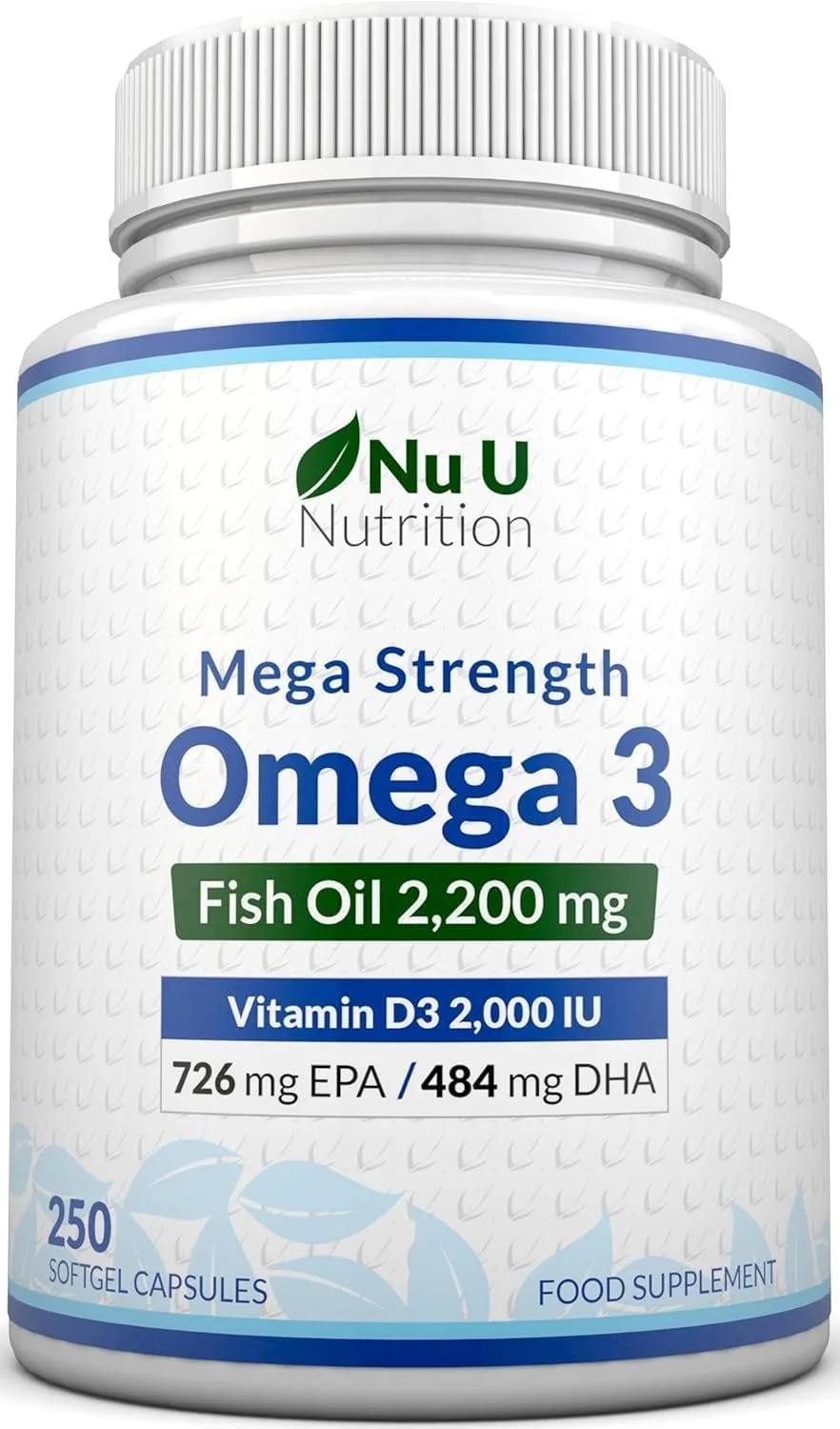
Nu U Omega-3 Fish Oil 2200mg and Vitamin D3 2000IU
a combined omega-3 and vitamin D3 supplement providing two of the most evidence-backed acne supplements in a single product. The combination is particularly efficient given the complementary mechanisms: omega-3 for leukotriene reduction and 5-alpha-reductase inhibition, vitamin D for TLR2 modulation and immune regulation.
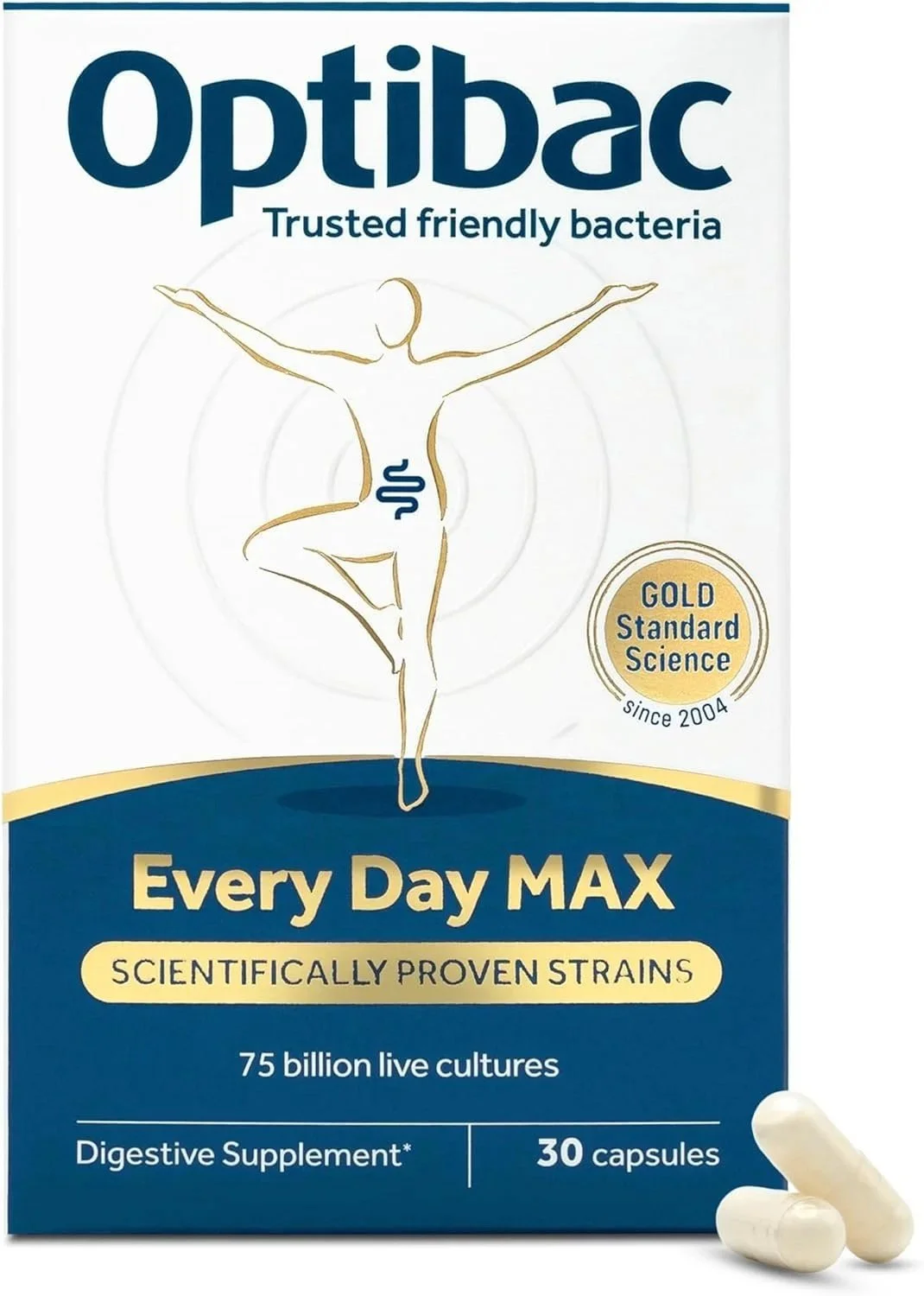
Optibac Probiotics Every Day
a reliable multi-strain probiotic from one of the most established UK brands. Contains Lactobacillus acidophilus and other relevant strains. A practical daily option for gut microbiome support as part of an acne management approach.
Vitamin D: immune regulation and the acne connection
Vitamin D's relevance to acne is less direct than zinc's but operates through documented pathways:
Toll-like receptor modulation. Vitamin D regulates toll-like receptor 2 (TLR2) expression — the receptor through which C. acnes activates the inflammatory immune response. Reduced TLR2 activity means a more measured immune response to the bacterium, reducing inflammatory lesion formation.
Sebocyte regulation. Vitamin D receptors are expressed in sebocytes (sebaceous gland cells). Vitamin D influences sebum composition and production, though the magnitude of this effect is modest.
Multiple studies have found lower serum vitamin D levels in acne patients compared to controls, with correlations between vitamin D status and acne severity. A 2016 study found that supplementation in vitamin D-deficient acne patients reduced inflammatory lesion counts significantly. As in psoriasis and eczema, the evidence is strongest in those with confirmed deficiency.
In the UK, where UVB is insufficient for synthesis October–April, deficiency is common. Testing serum 25(OH)D through a GP allows dosing to be calibrated to actual status.
Vitamin A: skin cell turnover and the necessary caution
Vitamin A plays a documented role in regulating keratinocyte differentiation — the process through which skin cells develop and shed. Abnormal follicular keratinisation (dead skin cell buildup inside the follicle) is one of the four primary mechanisms of acne. Vitamin A's regulation of this process is the basis for the most effective prescription acne treatments: isotretinoin (oral) and tretinoin/adapalene (topical) are all derived from vitamin A.
Dietary vitamin A from food sources and standard supplement doses is safe and has some evidence for acne support. High-dose supplemental vitamin A (above 10,000 IU daily) carries genuine toxicity risk — it accumulates in the liver and can cause liver damage, bone density reduction, and is teratogenic (causing birth defects). High-dose vitamin A supplementation for acne should not be self-prescribed.
Beta-carotene — the plant precursor to vitamin A — converts to retinol in the body and is considerably safer than preformed vitamin A because the conversion is self-limiting. At dietary or standard supplement doses this is appropriate.
Vitamin C: sebum oxidation protection and PIH fading
Vitamin C addresses acne through a mechanism covered in the serums article: sebum oxidation. Oxidised sebum is more comedogenic and pro-inflammatory than unoxidised sebum. Vitamin C's antioxidant activity reduces this oxidation, and it is one of the most depleted antioxidants in the skin of people who smoke (covered in the smoking and acne article).
Vitamin C also inhibits melanin synthesis, making it directly relevant for fading post-inflammatory hyperpigmentation — the dark marks left after spots clear. This is the most practically visible benefit from vitamin C for acne-prone skin.
Pantothenic acid (vitamin B5): the sebum regulation claim
Pantothenic acid is promoted for acne based on research suggesting it supports coenzyme A production — involved in fatty acid metabolism and sebum composition. A published trial found meaningful reductions in total and inflammatory lesion counts with high-dose B5 supplementation.
However, the competitive absorption concern from the vitamin B article applies: very high-dose biotin supplementation can impair B5 absorption, and vice versa. Choosing a balanced B complex rather than megadose single-nutrient products is appropriate.
How long do acne supplements take to work?
Supplements are not a quick fix.
Typical timeline:
2–4 weeks: internal changes begin
4–8 weeks: potential improvement
8+ weeks: more noticeable results
Consistency is key.
Do acne supplements actually work?
They can help—but results depend on:
the cause of your acne
the quality and type of supplement
consistency of use
Some people see improvements, others see minimal change.
Skin support for acne-prone skin
The evidence hierarchy for acne supplementation:
Zinc — most evidence, most specific mechanisms (5-alpha-reductase, antibacterial, anti-inflammatory). Priority supplement for most acne presentations.
Omega-3 EPA/DHA — direct anti-inflammatory and anti-androgenic effects. Particularly relevant for hormonal and inflammatory acne.
Vitamin D — TLR2 modulation and sebocyte regulation. Correct deficiency as a priority.
Probiotics — gut-skin axis, androgen metabolism, systemic inflammation. Multi-strain, 8–12 weeks minimum.
Vitamin A — keratinocyte regulation. At dietary/standard supplemental doses only — not megadose.
Vitamin C — sebum oxidation protection, PIH fading. Better delivered through serum than supplement for the skin-specific benefit.
Drought's Skin Support Formulabrings together zinc, vitamin D, vitamin C, and 11 other nutrients in a daily supplement specifically formulated for skin conditions including acne-prone skin — providing the multi-pathway approach that single-supplement strategies cannot replicate. Made in the UK, suitable for vegetarians, designed for consistent long-term daily use.
FAQs: Acne supplements
What is the best supplement for acne?
Zinc has the strongest and most consistent clinical trial evidence — published RCTs show significant reduction in inflammatory and non-inflammatory lesion counts through 5-alpha-reductase inhibition, C. acnes antimicrobial activity, and TLR4 immune modulation. Vitamin D is the most important to address first if deficiency is present, given its specific TLR2 immune modulation role. No single supplement addresses all acne pathways — a multi-nutrient approach covering zinc, vitamin D, magnesium, and antioxidants addresses the most consistently documented deficiencies simultaneously.
How long do acne supplements take to work?
Eight to twelve weeks of consistent daily use is the minimum meaningful assessment period — shorter trials don't allow sufficient time for the internal hormonal and immune changes to translate into visible skin improvement. Hormonal acne responds more slowly than inflammatory acne given the androgen pathway's slower turnover. Zinc typically shows measurable effect within six to eight weeks; vitamin D's filaggrin and immune effects accumulate over a longer period.
Can vitamin D help acne?
Yes — through two specific mechanisms. First, vitamin D modulates TLR2 receptor activity, reducing the inflammatory immune response that determines whether C. acnes triggers inflammatory lesions rather than remaining commensal. Second, vitamin D regulates sebocyte differentiation and sebum production. Most clinically relevant in people with documented or suspected deficiency — particularly common in the UK where UVB synthesis is insufficient from October to April.
Do omega-3 supplements help acne?
Yes — EPA and DHA compete with arachidonic acid for cyclooxygenase enzymes, shifting leukotriene production toward less inflammatory series-5 variants and directly reducing the sebaceous gland stimulation that arachidonic acid-derived leukotrienes produce. Published evidence shows EPA specifically reduces non-inflammatory and inflammatory lesion counts. ALA from flaxseed converts to EPA at only 5–10% efficiency — fish oil or algae-derived omega-3 provides considerably more direct benefit.
Is vitamin A safe for acne supplements?
At dietary quantities and standard supplemental doses — yes. High-dose preformed retinol (above 10,000 IU daily) carries genuine toxicity risk including liver damage and teratogenicity — should not be self-prescribed. Prescription-strength vitamin A derivatives (isotretinoin/Roaccutane) are entirely different — a specialist-supervised systemic treatment for severe acne, not a supplement. Beta-carotene as a plant-source pro-vitamin A is self-limiting and considerably safer than preformed retinol at equivalent doses.
Do probiotics help acne?
Emerging evidence through the gut-skin axis — specific strains including Lactobacillus rhamnosus and Bifidobacterium longum reduce systemic inflammatory markers relevant to acne and modulate androgen metabolism through intestinal beta-glucuronidase activity. Multi-strain formulations taken consistently for eight to twelve weeks show the most consistent results. As covered in the gut health and acne article in this series, prebiotic fibre alongside probiotics produces more complete microbiome support than probiotics alone.
Can DIM supplements help hormonal acne?
DIM (diindolylmethane) from cruciferous vegetables supports oestrogen metabolism through the 2-hydroxy rather than the 16-hydroxy pathway, reducing oestrogen metabolites that amplify androgenic activity. Published evidence for DIM and acne specifically is limited but the mechanism is coherent for hormonally-driven lower face acne in women. Discuss with a GP before supplementing if taking hormonal contraception — DIM's oestrogen metabolism activity creates potential interactions.
What supplements should I avoid for acne?
High-dose biotin (above 2,500mcg daily) competes with pantothenic acid for absorption and has been associated with acne worsening in susceptible individuals. High-dose iodine is a documented acne trigger at supplemental doses. Whey protein, while not strictly a supplement, elevates IGF-1 and activates mTORC1 through its leucine content — covered in the protein powder and acne article in this series. Vitamin B12 at high supplemental doses has documented associations with acne through sebaceous gland porphyrin production alteration.
Summary
The supplements with the strongest evidence for acne are zinc (5-alpha-reductase inhibition, antibacterial, anti-inflammatory), omega-3 EPA/DHA (leukotriene reduction, 5-alpha-reductase inhibition), and vitamin D (TLR2 modulation, immune regulation). Probiotics address the gut-skin axis and androgen metabolism for a different and complementary mechanism. These work through distinct pathways and are more effective in combination than individually. Results require 8–12 weeks of consistent use. No supplement replaces prescription acne treatment for moderate-to-severe disease, but addressing nutritional gaps adds a meaningful internal dimension to acne management that topical skincare cannot reach.
In short:
May help reduce inflammation
Can support hormonal balance
Useful for nutrient deficiencies
Results take time and vary
Not a standalone cure. However, if you do want to try one of the vitamins listed, a two-month supply is optimal. Make sure to keep a diary of symptoms during this time so you can monitor if the supplement has been effective.
Acne supplements can be a useful tool—but they’re not a magic solution. If you’re looking for more consistent results, it often helps to take a targeted, long-term approach to skin health.
Supporting your skin from within can help reduce recurring breakouts over time.
Written by the Drought Skin team — specialists in natural support for psoriasis, eczema and acne
Disclaimer: This article contains affiliate links. We earn a very small commission from each purchase made through these links. There is no additional cost to you. All products featured have been specifically selected as products we personally use and love. For further information, please see our disclaimer page.
