
Makeup for Acne-Prone Skin: What Causes Breakouts, What Doesn't & How to Use It Well

Makeup doesn't automatically cause acne — but specific ingredients, application habits, and hygiene can worsen existing acne or trigger new breakouts in people who are already prone to it. Understanding the specific mechanisms separates "makeup causes acne" (too broad) from "these ingredients and habits worsen acne" (useful and actionable).
Makeup & Acne: Can Cosmetics Trigger Breakouts?
For many people with acne-prone skin, makeup feels like both a confidence boost and a source of frustration.
On one hand, makeup may help cover redness, breakouts and acne scars. On the other, certain products may contribute to clogged pores, irritation and ongoing congestion — especially when the skin barrier is already stressed.
The good news is that makeup itself doesn’t automatically “cause” acne. But ingredients, application habits and poor makeup hygiene may all influence how breakout-prone skin behaves over time.
Makeup doesn’t always cause acne — but the wrong products and habits may worsen breakouts.
Acne cosmetica: when makeup is the primary trigger
Acne cosmetica is a specific term for comedonal acne caused or significantly worsened by cosmetic products. It typically presents as clusters of small, closed comedones (flesh-coloured bumps under the skin) in areas where products are applied — forehead from haircare, cheeks from foundation, chin from long-wearing products.
It is more common with heavy, occlusive products worn daily for extended periods. Unlike inflammatory hormonal acne, it tends to be non-inflammatory — comedones rather than red, swollen lesions. And unlike most acne, it responds well to stopping the offending product.
If your acne is predominantly closed comedones in product-contact areas that appeared or worsened when you started using a particular product, acne cosmetica is worth investigating. The test is systematic elimination — removing one product at a time and observing over three to four weeks.
Makeup Ingredients That May Trigger Breakouts
Not everyone reacts to the same ingredients, but some commonly discussed acne-triggering ingredients include:
Heavy oils
Fragrance
Alcohol-heavy formulas
Thick silicones
Certain waxes
Comedogenic ingredients
Products labelled:
“Non-comedogenic”
“Oil-free”
“Fragrance-free”
are often preferred by people with acne-prone skin.
Lighter formulas are often easier for breakout-prone skin to tolerate.
What makes a product comedogenic and why the rating is imperfect
The comedogenicity rating — a scale of 0–5 measuring how likely an ingredient is to clog pores — is frequently cited but frequently misunderstood.
The rating was developed from rabbit ear occlusion tests conducted in the 1970s and 1980s. Rabbit ear skin is not human facial skin, and the test involves applying undiluted ingredients — not the concentrations used in actual products. An ingredient rated 3/5 in isolation may be entirely non-comedogenic at 1% concentration in a formulation. The rating is a starting point, not an absolute guide.
What matters more than any single ingredient's rating is the complete formula: its overall oil-to-water ratio, how occlusive it is, whether it contains film-forming agents that block follicles, and how easily it removes from the skin. A "non-comedogenic" label on the product itself is more useful than individual ingredient ratings, but even this isn't standardised — there's no regulatory definition of what "non-comedogenic" requires.
Ingredients most commonly associated with comedogenicity at higher concentrations include: isopropyl myristate, isopropyl palmitate, wheat germ oil, coconut oil, and some synthetic waxes. Essential oils and fragrance, while not specifically comedogenic, trigger follicular inflammation that can worsen acne through a different pathway.
Ingredients considered low-comedogenic and appropriate for acne-prone skin include: glycerin, hyaluronic acid, niacinamide, ceramides, squalane, jojoba oil, sunflower oil, and titanium dioxide or zinc oxide (in mineral SPF products).
Foundation and coverage: what works for acne-prone skin
Mineral foundations are generally the best-tolerated format for acne-prone skin. Titanium dioxide and zinc oxide are the primary pigments — zinc oxide has documented antibacterial activity against C. acnes, which provides a mild anti-acne effect rather than just coverage. Mineral formulas don't contain the emulsifiers, synthetic polymers, or film-forming agents that are the most frequent comedogenic offenders in liquid foundations.
Skin tints and tinted moisturisers provide lower coverage than liquid foundations but considerably lower product load on the skin — a meaningful trade-off for highly reactive acne-prone skin. When the goal is evening tone rather than full concealment, a fragrance-free tinted moisturiser avoids the complex formulation of full-coverage foundation.
Liquid foundations with water-based, oil-free formulations are preferable to silicone-heavy or oil-rich formulas. Look for fragrance-free and alcohol-free — alcohol causes reactive sebum production when it dries, which is the opposite of helpful.
Makeup removal: the step that matters most
Sleeping in makeup is the single most damaging makeup habit for acne-prone skin. Foundation and concealer left overnight trap sebum, dead skin cells, and bacteria against the skin surface in an occluded environment — ideal conditions for comedone formation and bacterial proliferation.
The removal method matters as much as removing it at all:
Cleansing balms emulsify with water and lift product gently without friction — the most appropriate method for acne-prone skin where friction causes mechanical irritation.
Avoid makeup remover wipes. Wipes require rubbing friction to remove product, which irritates acne lesions and spreads bacteria across the skin. The preservatives in most wipes are also common contact irritants.
Double cleansing — cleansing balm to remove product, then a gentle gel cleanser to clean the skin — is the most thorough approach and leaves the skin properly clean for subsequent active ingredient application.
Concealer for active spots: what to look for and what to avoid
Concealer applied directly to active inflamed spots introduces a dense, concentrated product load to already-irritated skin. A few practical points:
Use a small, precise brush rather than fingertips or a sponge over active spots — direct skin contact transfers bacteria and oil from the application tool to the lesion.
Choose non-comedogenic, fragrance-free formulas — the same principles as foundation but more critical since the product sits on broken or inflamed skin surface.
Colour correcting: green-tinted correctors neutralise redness before foundation application, reducing the amount of foundation needed over inflamed areas. Less product over an inflamed spot reduces the occlusion that slows healing.
Avoid heavy, waxy concealer sticks over active pustules — the wax components can trap material in the follicle and slow resolution.
Makeup tool hygiene: more important than most people know
Dirty brushes and sponges are one of the most consistently overlooked acne contributors. A brush used daily without washing accumulates oil, dead skin cells, bacteria, and old product — applying these back to acne-prone skin with every use.
Wash brushes weekly with a fragrance-free mild cleanser or dedicated brush cleanser. Allow to dry fully before use — damp brushes harbour bacteria more than dry ones.
Sponges (beauty blenders) are more difficult to clean thoroughly and should be replaced every one to three months. Wash after every use with soap and allow to air dry completely.
Never share makeup products or application tools — bacterial transfer is a direct breakout risk.
Can Makeup Help Confidence With Acne?
For many people, absolutely.
Acne can affect confidence and self-esteem, so makeup often becomes part of feeling more comfortable socially or professionally.
The challenge is finding products that:
Feel lightweight
Don’t worsen irritation
Match sensitive skin needs
Remove easily
Makeup should ideally support confidence without creating additional skin stress.
The primer question
Primers for acne-prone skin should be fragrance-free, non-comedogenic, and ideally contain a benefit beyond just smoothing — niacinamide-containing primers provide mild sebum control and anti-inflammatory activity. Avoid heavy silicone-dominant primers (dimethicone, cyclomethicone as primary ingredients) which can build up in pores over daily use.
Recommended Products
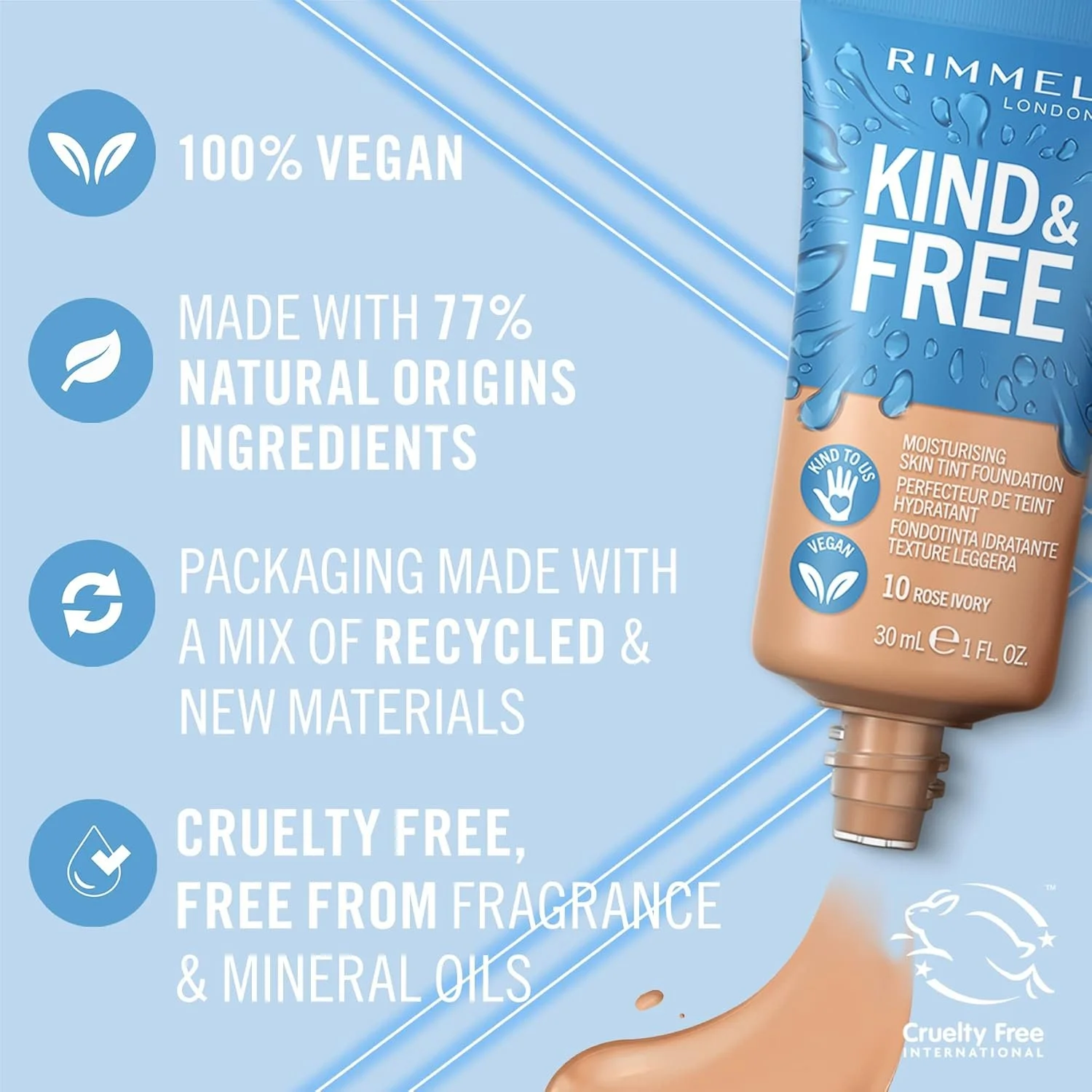
Rimmel Kind + Free Moisturising Skin Tint
a lightweight, buildable skin tint. Lower product complexity than full-coverage foundations reduces comedogenic ingredient exposure while providing tone-evening coverage. A practical starting point for reactive acne-prone skin.
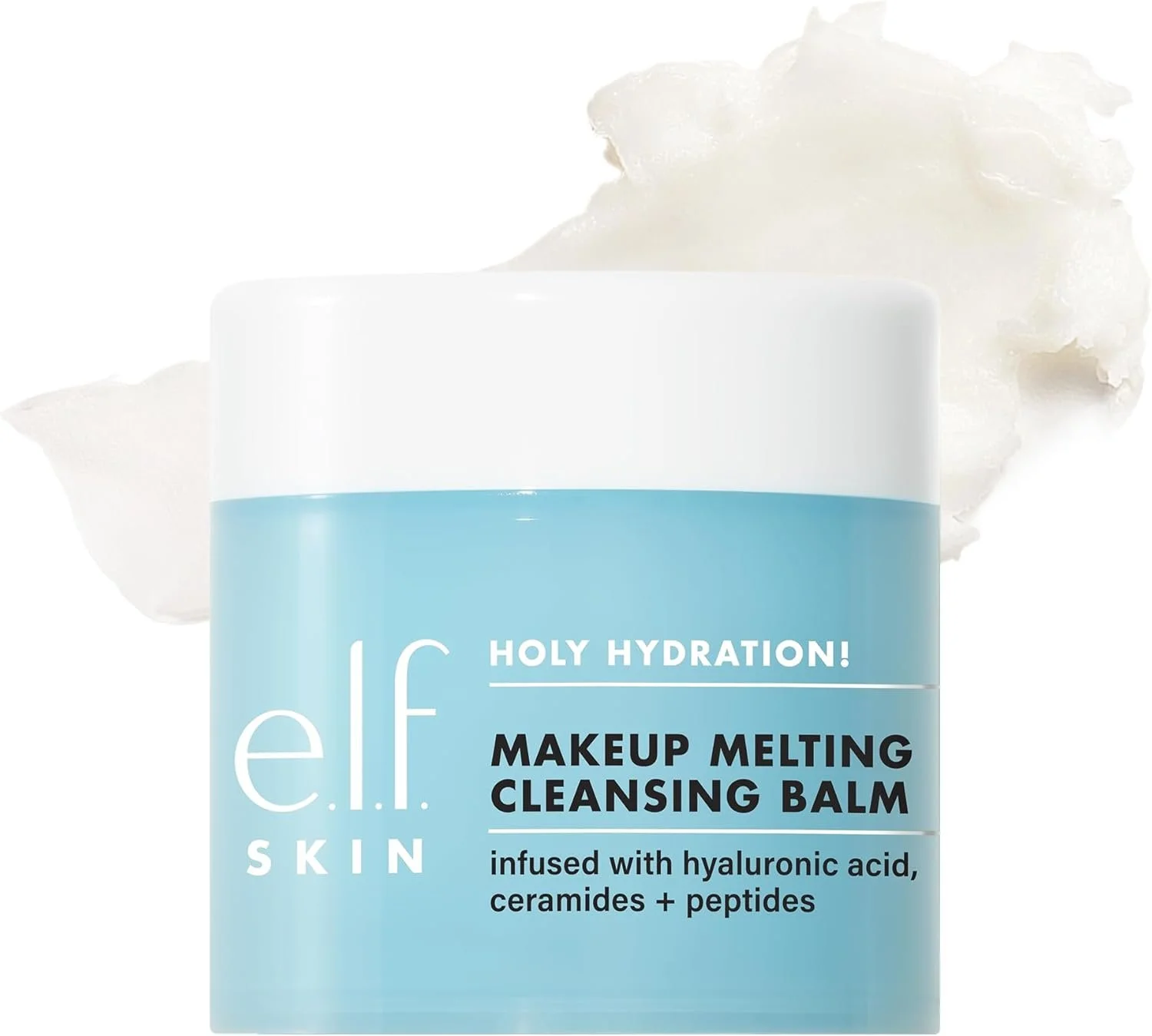
e.l.f. Holy Hydration! Makeup Melting Cleansing Balm
a gentle, fragrance-free cleansing balm suitable for acne-prone skin. Emulsify on dry skin, massage gently, then add water and rinse. Follow with your regular cleanser and acne routine.
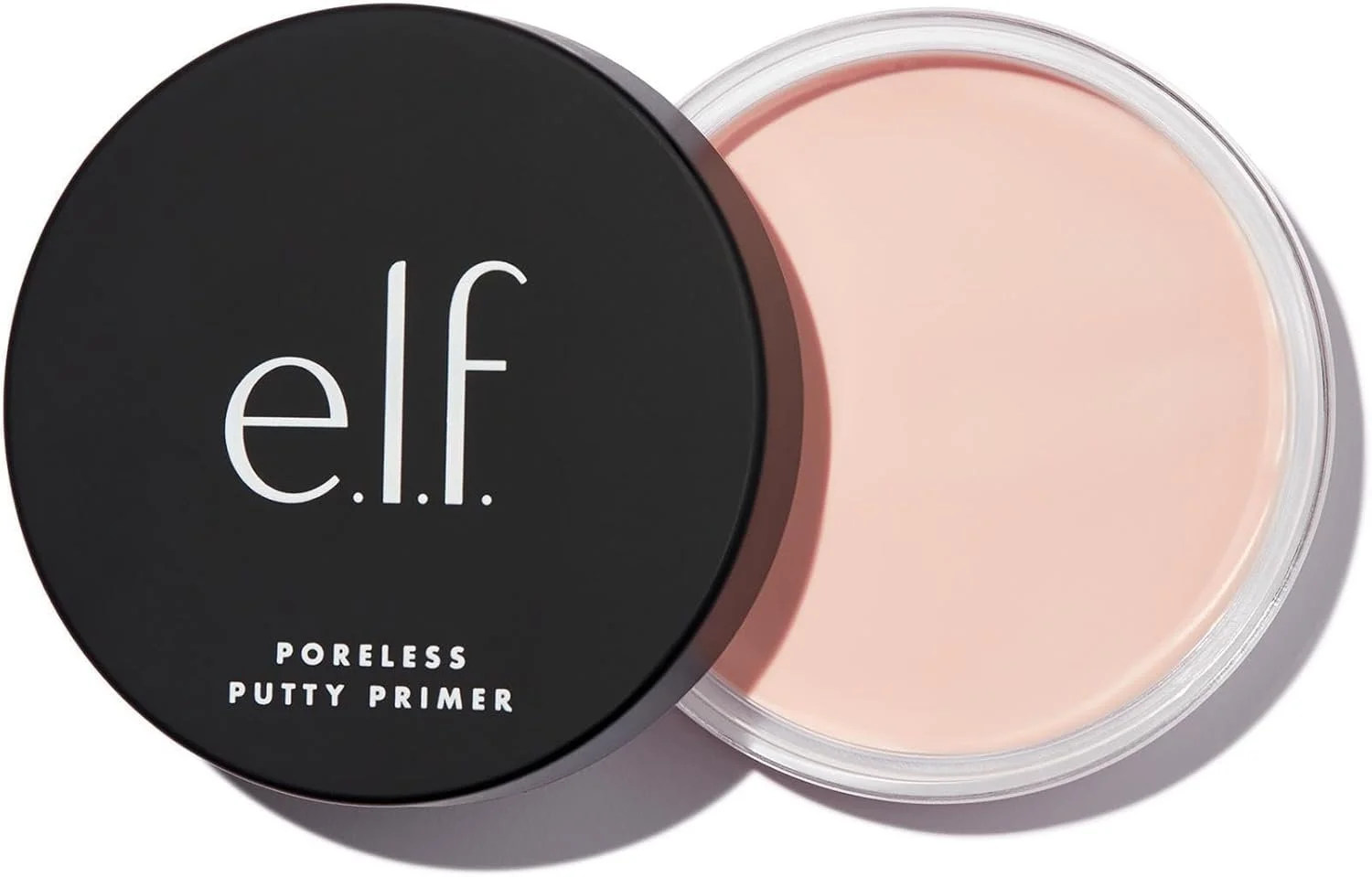
e.l.f. Poreless Putty Primer
a fragrance-free, silicone-based primer that smooths texture and minimises pore appearance without the heavy occlusion of wax-dominant primers. At a concentration appropriate for a primer rather than a leave-on treatment, the silicone base provides a smoothing effect without the pore-clogging concern associated with silicones in full-coverage foundations worn daily. Apply a thin layer to clean, moisturised skin before foundation — a little goes a long way. One of the most consistently well-reviewed primers for acne-prone skin on Amazon UK.
Supplement Support for Breakout-Prone Skin
Makeup addresses the visible surface of acne. The hormonal, inflammatory, and nutritional drivers — sebum oxidation, C. acnes activity, androgen sensitivity — are not affected by product choice.
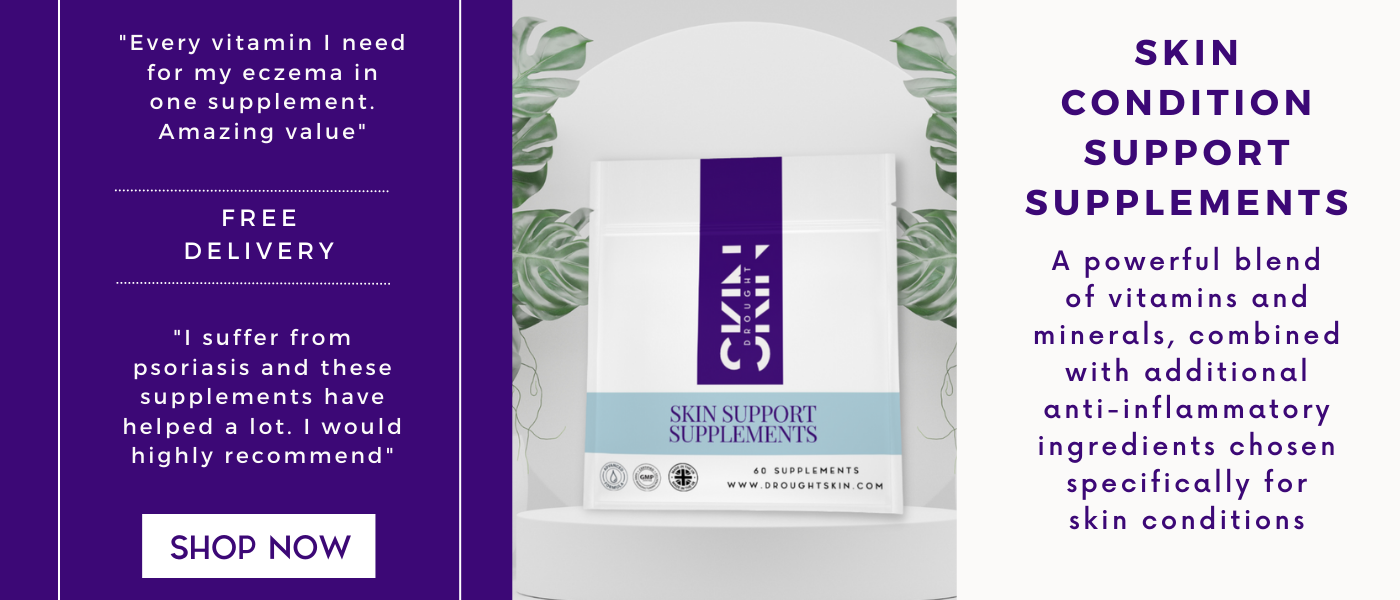
Drought's Skin Support Formulaprovides zinc, vitamin D, vitamin C, and 11 other nutrients addressing the internal pathways relevant to acne — working alongside good makeup habits to address what topical products cannot reach. Made in the UK, suitable for vegetarians, designed for consistent long-term daily use.
FAQ
Can makeup cause acne?
Not universally — but specific ingredients, habits, and products can worsen existing acne or trigger a specific type called acne cosmetica. Acne cosmetica presents as clusters of small closed comedones (flesh-coloured bumps) in product-contact areas — forehead from haircare, cheeks from foundation, chin from long-wearing products. It's non-inflammatory in presentation and responds well to identifying and removing the offending product. If your acne is predominantly closed comedones that appeared or worsened after starting a specific product, systematic elimination one product at a time over three to four weeks is the most reliable way to identify the cause.
What is the best makeup for acne-prone skin?
Mineral foundations containing titanium dioxide and zinc oxide are the most consistently well-tolerated format — zinc oxide has documented mild antibacterial activity against C. acnes and low comedogenicity. Lightweight skin tints are the next best option — lower product complexity than full-coverage foundation reduces comedogenic ingredient exposure while providing tone-evening coverage. Both should be fragrance-free, oil-free, and non-comedogenic. Avoid heavy silicone-dominant formulas and wax-heavy concealers over active spots.
Does sleeping in makeup cause breakouts?
Yes — and through a specific mechanism. Foundation and concealer left overnight trap sebum, dead skin cells, and C. acnes bacteria in an occluded follicular environment that promotes both comedone formation and bacterial proliferation. The overnight period is also when skin barrier repair is most active — product occlusion during this window impairs the ceramide synthesis and transepidermal repair processes that eczema and acne-prone skin most depends on. Removal before sleep is the single most impactful makeup hygiene habit for acne-prone skin.
Are makeup brushes bad for acne?
Not when clean — but unwashed brushes are one of the most consistently overlooked acne contributors. A brush used daily without washing accumulates oil, dead skin cells, C. acnes bacteria, and old product — reapplying all of these to acne-prone skin with every use. Wash brushes weekly with a fragrance-free mild cleanser or dedicated brush cleanser. Sponges (beauty blenders) are more difficult to clean thoroughly — wash after every use with soap and replace every one to three months. Never share makeup application tools.
Is mineral makeup better for acne?
Generally yes — for two specific reasons. Titanium dioxide and zinc oxide are low comedogenicity pigments that don't occlude follicles in the way organic pigments and wax binders in conventional foundations can. And zinc oxide specifically has documented mild antibacterial activity against C. acnes — providing a low-level antimicrobial effect alongside coverage rather than simply being inert. Mineral formulas also avoid the complex emulsifiers, synthetic polymers, and film-forming agents most commonly associated with comedogenicity in liquid foundations.
Should I stop wearing makeup if I have acne?
Not necessarily — makeup doesn't cause acne universally and stopping entirely isn't required for most people. The more targeted approach is identifying which specific products correlate with worsening through systematic elimination, switching to mineral or lightweight fragrance-free alternatives, improving makeup removal technique (cleansing balm rather than wipes), and maintaining brush hygiene. Many people with significant acne wear makeup comfortably by applying these principles — the goal is product and habit optimisation rather than elimination.
What is acne cosmetica?
A specific type of comedonal acne caused or significantly worsened by cosmetic products — distinct from hormonal acne, C. acnes inflammatory acne, and cystic acne. It presents as closed comedones (small flesh-coloured bumps under the skin) rather than inflammatory lesions, appears in product-contact areas, and typically develops gradually with consistent product use rather than appearing suddenly. Unlike hormonal or inflammatory acne, it responds specifically to removing the offending product rather than to antibacterial or hormonal treatments. It's more common with heavy, occlusive products worn daily for extended periods.
What makeup removal method is best for acne-prone skin?
Cleansing balm applied to dry skin before water contact — it emulsifies with product and lifts it gently without the friction that wipes require. Friction from makeup wipes irritates active acne lesions and spreads bacteria across the skin — the opposite of what removal should achieve. After cleansing balm, follow with a gentle gel or low-pH cleanser to remove the emulsified product and any remaining skin surface debris. This double cleanse approach leaves the skin properly clean for subsequent active ingredient application without barrier disruption from aggressive scrubbing.
Summary
Makeup doesn't cause acne universally — but specific ingredients (heavy oils, wax polymers, fragrance, certain emulsifiers), habits (sleeping in product, dirty tools, heavy application over active spots), and products (high-comedogenicity formulas) worsen acne in people already prone to it. Mineral foundations and fragrance-free skin tints are the most consistently well-tolerated formats. Cleansing balm removes product gently without friction. Weekly brush washing removes the most common overlooked source of bacterial reintroduction. And less product, more consistently applied and consistently removed, produces better outcomes than heavy coverage applied and left on.
Written by the Drought Skin team — specialists in natural support for psoriasis, eczema and acne
Disclaimer: This article contains affiliate links. We earn a very small commission from each purchase made through these links. There is no additional cost to you. All products featured have been specifically selected as products we personally use and love. For further information, please see our disclaimer page.
