
How to Treat Scalp Eczema: Tips & Remedies
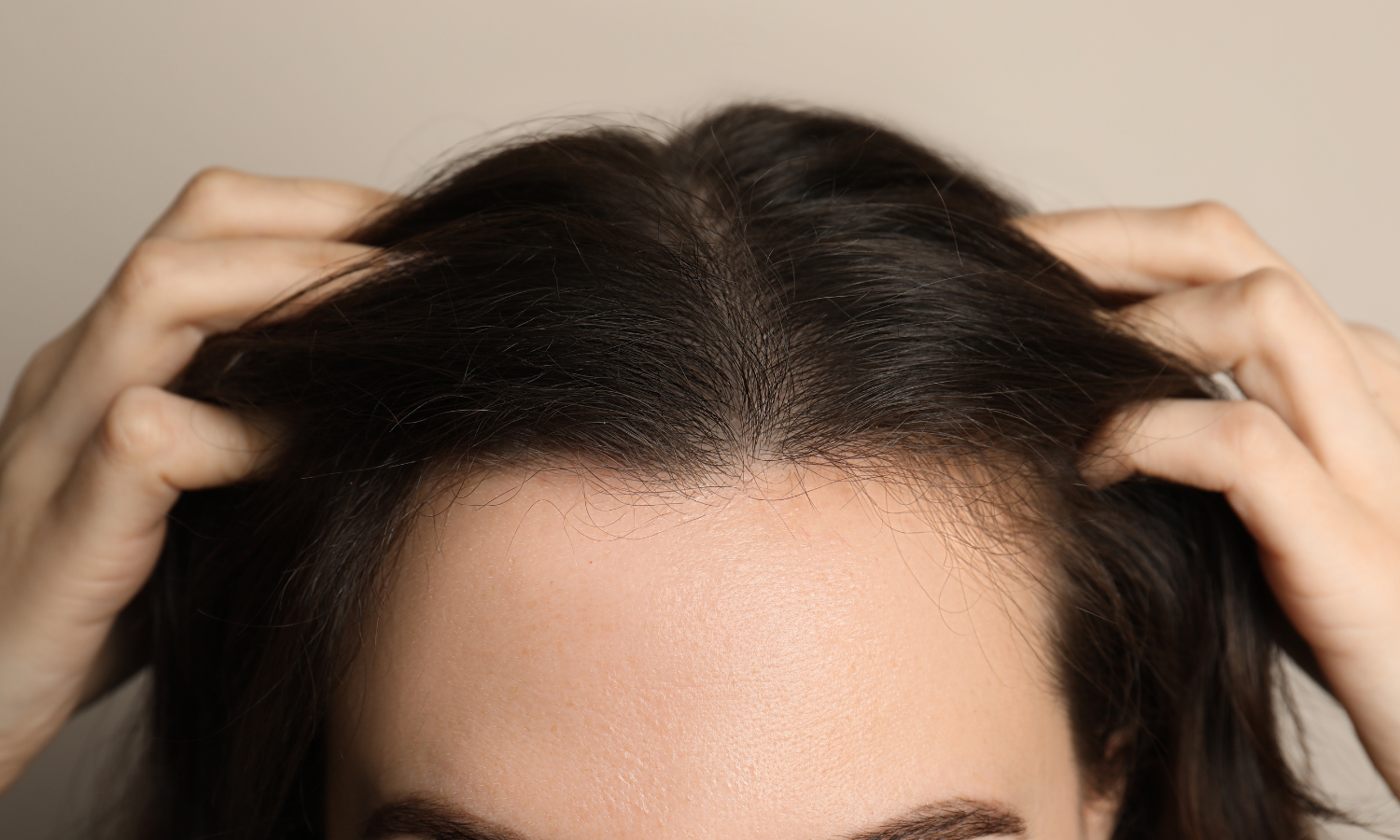
Scalp eczema is one of the more frustrating forms of eczema to manage. Unlike eczema on the arms or legs, where topical treatments can be applied freely and left to absorb, the scalp presents practical challenges: hair gets in the way, most emollients aren't formulated for use on the head, and the condition is often misdiagnosed — as dandruff, as psoriasis, or as a reaction to hair products — before the right treatment approach is found.
If your scalp is persistently itchy, flaky, or inflamed, and regular anti-dandruff shampoos aren't resolving it, this guide covers everything you need to know — from what's actually happening in the skin to the treatments with the best evidence behind them.
What is scalp eczema?
Scalp eczema is a form of eczema that affects the scalp, causing:
itching
dryness
flaking
irritation
inflamed skin
It can range from:
mild dandruff-like flaking
tosevere itching, cracking, and discomfort.
Scalp eczema is inflammation of the skin on the scalp, characterised by itching, dryness, flaking, and in more severe cases, redness, cracking, and soreness. Like eczema elsewhere on the body, it involves a combination of skin barrier dysfunction and immune system overactivity — the skin becomes more permeable, allowing irritants in, and the immune response to those irritants is disproportionate.
The most common form of scalp eczema is seborrheic dermatitis — a chronic inflammatory condition driven by the interaction between sebum (skin oil), the natural skin yeast Malassezia, and immune sensitivity. It's worth understanding this specifically because the treatment approach for seborrheic dermatitis-type scalp eczema is meaningfully different from atopic eczema of the scalp.
Seborrheic dermatitis tends to cause greasy or yellowish flakes, affects areas where sebaceous glands are most active (scalp, eyebrows, sides of the nose, behind the ears), and often responds well to antifungal treatments because Malassezia overgrowth is a driver of the inflammation. It's closely related to what most people call dandruff — dandruff is essentially a mild form of seborrheic dermatitis.
Atopic eczema of the scalp is less common but occurs, particularly in people with atopic conditions (eczema elsewhere on the body, hay fever, or asthma). It tends to produce drier, more intensely itchy patches, without the greasy character of seborrheic dermatitis, and is driven more by the general immune dysregulation of atopic disease.
Many people have elements of both, and the distinction matters for choosing the right treatment.
What does scalp eczema look like?
Scalp eczema may appear as:
dry or flaky patches
redness or irritation
itching
sensitive or inflamed skin
greasy or yellowish flakes (in seborrheic dermatitis)
Some people also experience:
soreness
cracking
burning sensations

What causes scalp eczema?
Scalp eczema is linked to:
skin barrier dysfunction
inflammation
immune system overactivity
Triggers can vary between individuals.
Common causes and triggers of scalp eczema
Dry weather and cold air
Can worsen dryness and irritation.
Harsh hair products
Some shampoos or styling products may irritate sensitive skin.
Common triggers include:
fragrance
alcohol-heavy products
harsh detergents
Stress
Stress is a major trigger for many eczema flare-ups.
Seborrheic dermatitis
One of the most common forms of scalp eczema.
It’s linked to:
inflammation
excess oil production
yeast overgrowth on the scalp
This type often causes greasy flakes and itching.
Genetics and sensitive skin
People with eczema often have naturally weaker skin barriers.
Scalp eczema vs dandruff: how to tell them apart
The line between scalp eczema and dandruff is blurry — partly because dandruff (mild seborrheic dermatitis) exists on the same spectrum as more significant scalp eczema. The distinction is roughly one of degree.
Dandruff typically produces white or grey flakes that fall from the scalp with minimal scratching, without significant inflammation or redness. It tends to be manageable with regular anti-dandruff shampoos and is often improved by regular washing.
Scalp eczema produces more persistent symptoms — itching that's difficult to ignore, inflammation that doesn't resolve between wash days, patches that feel sore or tender, and flaking that continues despite using anti-dandruff products. It may also produce symptoms that extend beyond the scalp to the hairline, behind the ears, or the back of the neck.
If standard anti-dandruff shampoos have failed to resolve your symptoms after consistent use over several weeks, scalp eczema is the more likely diagnosis — and the approach needs to change accordingly.
Dandruff usually:
causes mild flaking
is less inflamed
feels oily rather than dry
Scalp eczema usually:
feels itchier
causes more redness and irritation
may involve dry, inflamed patches
However, seborrheic dermatitis overlaps heavily with dandruff.
Scalp eczema vs scalp psoriasis
These two conditions are commonly confused, including by people who've had one diagnosed and wonder about the other. The symptoms overlap significantly — both cause scaling, itching, and inflammation on the scalp — but there are some distinguishing features.
Scalp eczema tends to produce flakes that are softer, sometimes greasy or yellowish (seborrheic type), and itching that's more intense and diffuse. The affected skin usually doesn't have sharply defined edges.
Scalp psoriasis typically produces thicker, silvery-white scales sitting on reddened skin, with more clearly defined edges to the affected patches. It often extends beyond the hairline onto the forehead, temples, or back of the neck in a more characteristic pattern. Psoriasis plaques tend to feel thicker and more raised than eczema patches.
Some people have both conditions — scalp psoriasis and seborrheic dermatitis can co-exist, and distinguishing them definitively sometimes requires a dermatologist's assessment. If there's uncertainty, that assessment is worth pursuing — particularly if the scalp is significantly affected or treatments aren't working.
Scalp eczema:
tends to be itchier
often has softer or greasier flakes
appears less sharply defined
Scalp psoriasis:
usually causes thicker silvery scales
forms more defined plaques
may extend beyond the hairline
Some people can have both conditions.
What causes and triggers scalp eczema?
Understanding what drives scalp eczema makes it easier to manage — both through treatment and through reducing triggers.
Sebum and Malassezia. In seborrheic dermatitis-type eczema, the scalp's natural yeast population (Malassezia) metabolises sebum and produces fatty acids that irritate the skin in susceptible individuals. This triggers an inflammatory response and the characteristic flaking. This is why antifungal treatments (which reduce Malassezia overgrowth) can be effective even though scalp eczema isn't a fungal infection in the conventional sense.
Skin barrier dysfunction. Like all eczema, scalp eczema involves a compromised skin barrier — the outermost layer of skin that should regulate moisture and keep irritants out. In the scalp, where skin cells turn over rapidly and the environment is influenced by sebum production, hair products, water quality, and temperature, the barrier is constantly challenged.
Irritants and allergens in hair products. Fragrance is the most common contact allergen in haircare. Sodium lauryl sulphate (SLS), a foaming agent in many shampoos, can strip the scalp's natural oils and worsen dryness. Preservatives such as methylisothiazolinone (MI) are known scalp sensitisers. Alcohol-heavy styling products and chemical dyes can all trigger or exacerbate scalp eczema in sensitive individuals.
Stress. A well-documented trigger for all forms of eczema, including seborrheic dermatitis — stress elevates cortisol, which promotes inflammatory responses and can shift the balance of the scalp microbiome toward Malassezia overgrowth.
Weather and temperature. Cold, dry air reduces the scalp's moisture barrier. Central heating compounds this indoors. Sweating in hot weather or during exercise introduces a different irritant. Many people notice their scalp eczema worsens in winter.
Hard water. There is evidence suggesting that hard water — high in calcium and magnesium minerals — may contribute to eczema severity, including on the scalp. The UK has predominantly hard water in England, making this a relevant consideration.
Can scalp eczema cause hair loss?
Yes — but usually temporarily. Persistent inflammation of the scalp can disrupt the hair follicle cycle, and repeated scratching damages follicles directly. The result is increased shedding, sometimes noticeably so.
The good news is that scalp eczema-related hair loss is typically reversible once the inflammation is brought under control. Hair follicles aren't usually permanently damaged by eczema — they're disrupted. Addressing the scalp condition is the most effective approach to addressing the hair loss.
If hair loss is significant, patchy, or doesn't resolve as scalp symptoms improve, it's worth speaking to a GP or dermatologist — these presentations may involve other factors.
Hair shedding is often caused by:
inflammation
excessive scratching
irritation of the scalp
In most cases, hair regrows once the scalp improves.
What helps scalp eczema?
1. Gentle scalp care
Choose:
fragrance-free shampoos
sensitive skin products
gentle cleansers
Harsh cleansing often worsens irritation.
2. Moisturising the scalp
Scalp eczema often involves barrier damage and dryness.
Hydrating products may help reduce:
itching
tightness
flaking
3. Avoiding irritants
Reducing exposure to:
fragranced products
harsh dyes
excessive heat styling
can help calm flare-ups.
4. Medicated shampoos (for some people)
Some people benefit from:
anti-fungal shampoos
anti-inflammatory scalp treatments
Especially with seborrheic dermatitis-type eczema.
Treatment: what actually helps
Medicated shampoos
This is the most important category for scalp eczema, particularly the seborrheic dermatitis type, and the area where the original article was most lacking. The right shampoo depends on the dominant mechanism of your scalp eczema.
For seborrheic dermatitis / Malassezia-driven eczema: Antifungal shampoos containing ketoconazole, selenium sulphide, or zinc pyrithione are the most effective first-line treatments. These reduce Malassezia overgrowth and the inflammation it drives.
For atopic scalp eczema or general dryness and irritation: A gentle, fragrance-free, sulphate-free shampoo designed for sensitive scalps addresses the irritant component without the antifungal action.
Recommended Products
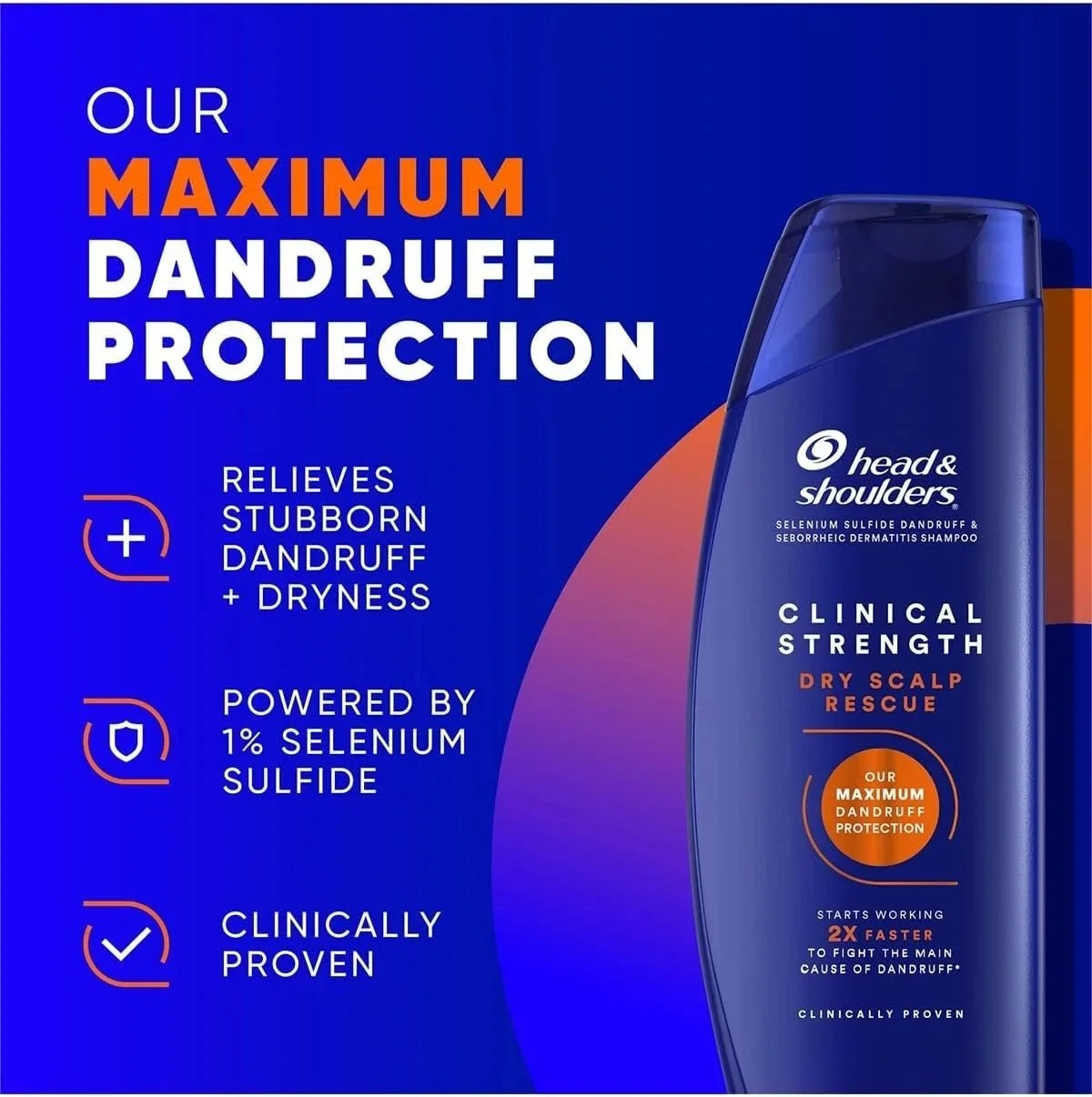
Head & Shoulders Clinical Strength Shampoo
contains selenium sulphide and is one of the most accessible over-the-counter options for seborrheic dermatitis-type scalp eczema. Use two to three times per week, leaving it on the scalp for a few minutes before rinsing.
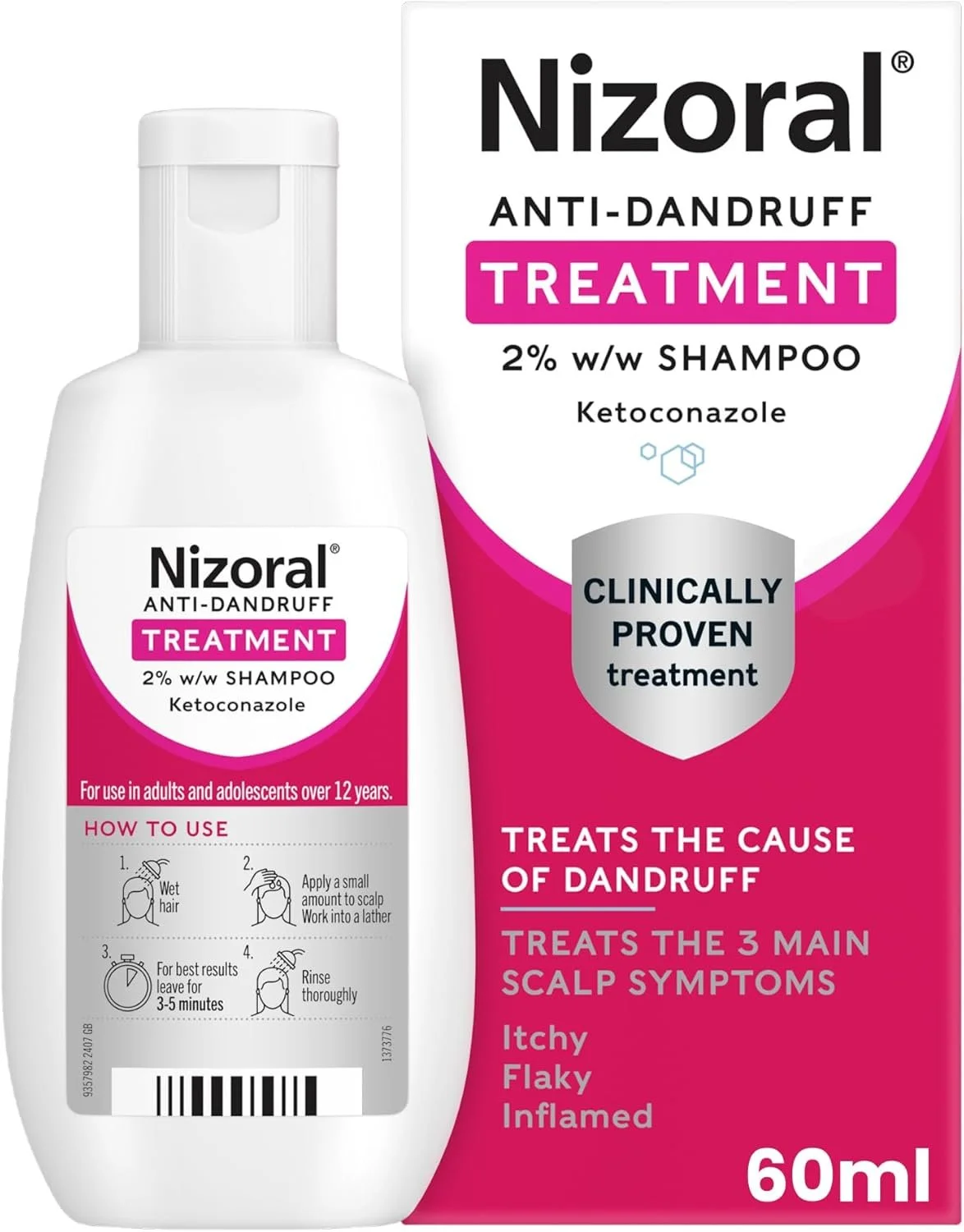
Nizoral Anti-Dandruff Shampoo
ontains ketoconazole (1%), a prescription-strength antifungal available without prescription in the UK. It's one of the most clinically supported options for seborrheic dermatitis and scalp eczema. Use twice weekly during active symptoms, then reduce to once a week or every two weeks for maintenance.
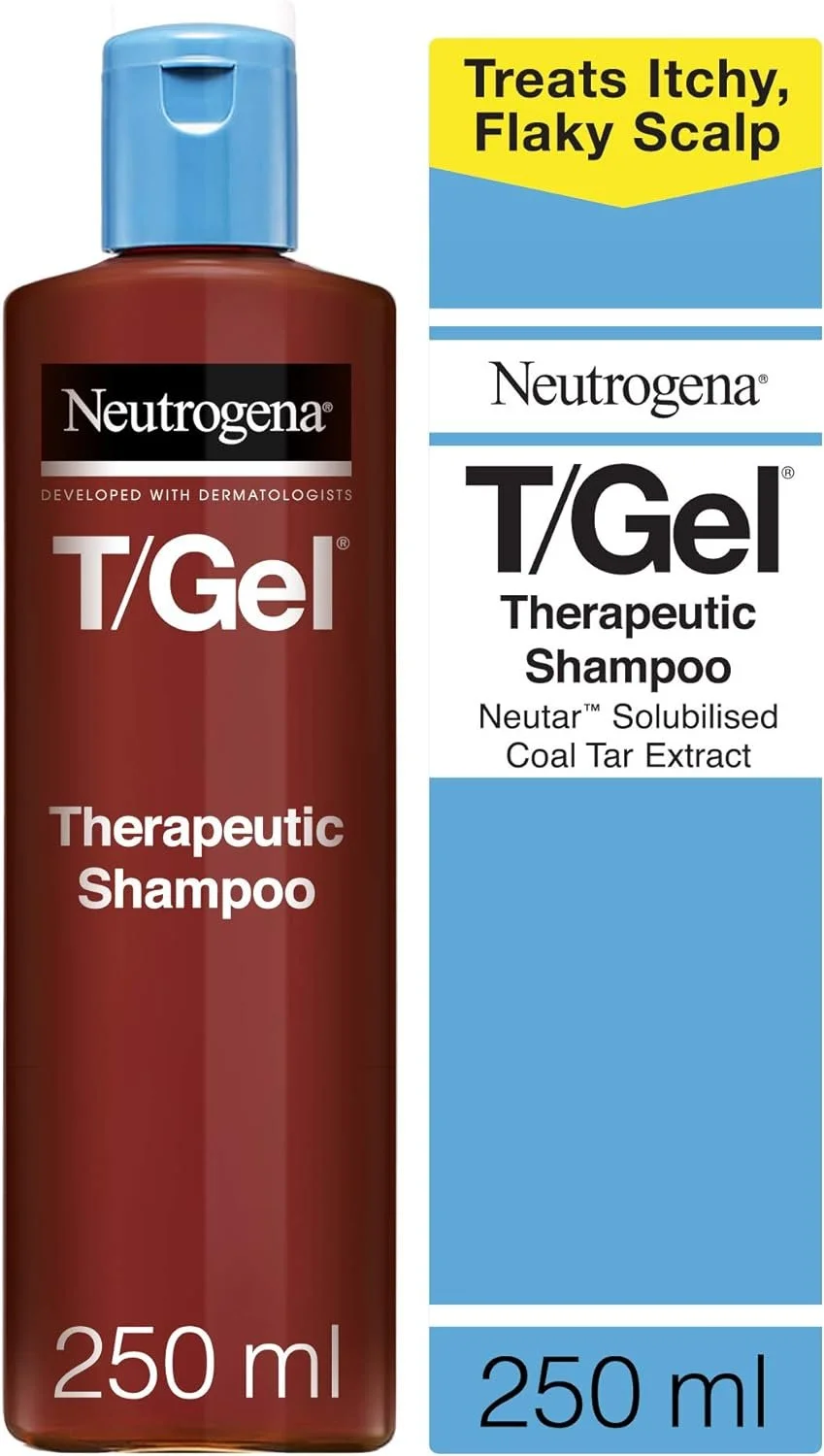
Neutrogena T/Gel Therapeutic Shampoo
contains coal tar, which has anti-inflammatory and antiproliferative effects on scalp skin. It's particularly useful for scalp eczema with significant scaling and has been used clinically for decades. The smell is distinctive — coal tar has a characteristic medicinal odour — but the efficacy is well-established.
Scalp emollients and leave-on treatments
The scalp, like skin elsewhere, benefits from moisture and barrier support — but applying standard body emollients to the scalp is impractical for most people. Scalp-specific products include oils, serums, and leave-on treatments that can be applied to the scalp without making hair unmanageable.
Coconut oil applied to the scalp before washing has some evidence for reducing Malassezia (caprylic acid, one of its fatty acids, has antifungal properties) and provides occlusive moisture to dry, irritated skin. It's best applied as a pre-wash treatment rather than left in, to avoid excessively greasy hair.
Prescription scalp preparations — including topical corticosteroid scalp applications and calcipotriol solutions — are available from GPs for more significant scalp eczema and are worth asking about if over-the-counter options aren't resolving symptoms.
Washing habits
Water temperature matters. Hot showers and baths worsen eczema generally, and hot water on the scalp specifically strips natural oils and increases transepidermal water loss. Washing hair in warm rather than hot water is one of the simplest changes to make.
Washing frequency. For seborrheic dermatitis-type eczema, regular washing (every other day or every two to three days) with an appropriate medicated shampoo is often more effective than infrequent washing. Allowing sebum to accumulate creates a better environment for Malassezia overgrowth. For atopic scalp eczema, less frequent washing with a gentle fragrance-free shampoo may be preferable.
Drying. Vigorous towel rubbing on an inflamed scalp causes friction and irritation. Pat dry gently, and allow hair to air dry where possible — heat from hairdryers concentrated on an inflamed scalp can worsen symptoms.
Avoiding trigger ingredients
Given how frequently hair product ingredients contribute to scalp eczema, reviewing what's currently in use is an essential step. Key things to eliminate or reduce: fragranced shampoos and conditioners, SLS-containing products, hair dyes (particularly permanent dyes containing PPD — paraphenylenediamine — a common sensitiser), dry shampoos with alcohol bases, and products containing preservatives like MI or MIBM.
Simplifying your hair product routine — fewer products, all checked for common irritants — often produces significant improvement before any medicated treatment is added.
Best haircare habits for scalp eczema
Wash gently
Over-washing or aggressive scrubbing may worsen inflammation.
Avoid very hot water
Heat can dry and irritate the scalp further.
Limit harsh styling
Excessive:
bleaching
heat styling
tight hairstyles
may worsen irritation.
Keep routines simple
Too many products can overwhelm sensitive skin.
Common scalp eczema mistakes
Scratching the scalp
This can:
worsen inflammation
damage the skin barrier
increase temporary hair shedding
Using harsh anti-dandruff products excessively
Some treatments can overly dry sensitive skin.
Ignoring moisturising
The scalp still needs hydration and barrier support.
Constantly changing products
Too many new products can trigger irritation.
When to see your GP
Most scalp eczema can be managed with the approaches above, but there are situations where a GP or dermatologist referral is appropriate:
If symptoms are severe, persistent, or significantly affecting sleep and daily life. If there's significant hair loss that doesn't improve as scalp symptoms are treated. If you're unsure whether your diagnosis is scalp eczema, psoriasis, or another condition — the distinction matters for treatment. If prescription scalp applications (topical corticosteroids, calcipotriol, or stronger antifungal preparations) may be appropriate. If secondary infection is present — signs include increased warmth, weeping, crusting, or flu-like symptoms alongside a scalp flare.
Skin support for eczema-prone skin
Scalp eczema — like eczema anywhere — is influenced by internal factors as well as external ones. Skin barrier function, immune regulation, and the inflammatory responses that drive eczema are all influenced by nutritional status.
Zinc is particularly relevant here: it supports immune function and skin barrier integrity, and zinc deficiency has been associated with both seborrheic dermatitis and atopic eczema. Vitamin D deficiency is similarly associated with eczema severity, and the UK's low sunlight levels make deficiency common. Biotin contributes to normal skin function, and B vitamins more broadly support the metabolic processes involved in skin cell renewal.
Drought's Skin Support Formulacombines 14 nutrients — including zinc, vitamin D, biotin, magnesium, vitamin C, and B vitamins — in a daily supplement designed for people with reactive, dry, and sensitive skin. For scalp eczema sufferers, it addresses the internal nutritional foundation that topical treatments and medicated shampoos can't reach. Made in the UK, suitable for vegetarians, designed for consistent long-term use.
FAQs: Scalp eczema
Is scalp eczema the same as dandruff?
Dandruff is a mild form of seborrheic dermatitis, which is the most common type of scalp eczema. So there's significant overlap — but scalp eczema is generally more inflamed, itchier, and more persistent than straightforward dandruff.
Can scalp eczema cause hair loss?
Yes — temporarily. Scalp inflammation and scratching both disrupt hair follicles and increase shedding. In most cases, hair regrows once the scalp condition improves. Persistent or patchy hair loss warrants a GP assessment.
What is the best shampoo for scalp eczema?
It depends on the type. For seborrheic dermatitis-driven eczema, ketoconazole (Nizoral) or selenium sulphide (Head & Shoulders Clinical Strength) shampoos are the most evidence-backed options. For atopic scalp eczema, a gentle, fragrance-free, SLS-free shampoo is preferable.
What triggers scalp eczema?
Common triggers include stress, hair products containing fragrance or SLS, cold and dry weather, sweating, and — in seborrheic dermatitis — anything that promotes Malassezia overgrowth, including sebum accumulation.
Is scalp eczema contagious?
No. Scalp eczema is an immune-mediated inflammatory condition, not an infection. It cannot be passed from person to person.
Can I colour my hair if I have scalp eczema?
With caution. Permanent hair dyes containing PPD are a common contact allergen and can significantly worsen scalp eczema. Semi-permanent and natural dyes are lower risk. If you colour your hair, do a patch test 48 hours before applying any new product and consider choosing a salon that offers PPD-free options.
How long does scalp eczema take to clear up?
With appropriate treatment, most people see improvement within 2–4 weeks. Seborrheic dermatitis is a chronic condition and may require ongoing maintenance rather than a single course of treatment.
Summary
Scalp eczema has two primary types — seborrhoeic dermatitis (Malassezia-driven, responds to antifungal shampoos) and atopic eczema (responds to gentle fragrance-free, SLS-free shampoos and emollient). Getting the diagnosis right determines whether treatment works. Fragrance and SLS in haircare products are the most consistently avoidable triggers. Most people see improvement within two to four weeks of using the right treatment — seborrhoeic dermatitis, as a chronic condition, often requires ongoing maintenance rather than a single course.
In short:
Common and often recurring
Can cause intense itching and flakes
Often confused with dandruff or psoriasis
Not caused by poor hygiene
Scalp eczema can be frustrating and uncomfortable, but gentle scalp care and barrier support can make a significant difference. Eczema iis driven by multiple internal and external factors, the most effective long-term approach supports your skin both externally and internally.
Start your skin support journey →
Written by the Drought Skin team — specialists in natural support for psoriasis, eczema and acne
Disclaimer: This article contains affiliate links. We earn a very small commission from each purchase made through these links. There is no additional cost to you. All products featured have been specifically selected as products we personally use and love. For further information, please see our disclaimer page.
