
Essential Oils for Eczema: What Helps, What to Avoid & How to Use Them Safely

Essential oils occupy an interesting position in eczema management. Some contain genuine anti-inflammatory and antimicrobial compounds with documented relevance to eczema-prone skin. Many are also well-documented contact allergens for the same population. Understanding which oils sit where — and crucially, what the most appropriate application method is — makes the difference between a useful complementary measure and a contact dermatitis that worsens the condition being treated
The contact allergen problem: why this matters more for eczema than for healthy skin
Eczema skin has a compromised barrier with elevated permeability — topical compounds penetrate more readily than on intact skin. This makes contact sensitisation to essential oil compounds more likely in eczema populations than in the general public. Several of the most popular oils for eczema are also among the most documented contact allergens in European patch testing data.
This does not mean essential oils are universally inappropriate for eczema — it means using them requires more care, more dilution, and more selective choice than for uncompromised skin.
Oils with specific relevance to eczema: the evidence
Chamomile — the most consistently recommended essential oil for eczema in dermatological literature. Roman chamomile (Chamaemelum nobile) contains alpha-bisabolol, which has documented anti-inflammatory and anti-irritant properties through inhibition of inflammatory pathways relevant to eczema. German chamomile (Matricaria chamomilla) contains azulene (from chamazulene) with anti-inflammatory properties. Of the essential oils used for eczema, chamomile has the most coherent mechanistic rationale alongside a relatively lower sensitisation risk compared to lavender or tea tree.
Calendula — Calendula officinalis contains triterpenoids (particularly faradiol esters) with documented anti-inflammatory and wound-healing properties. Calendula is frequently found in eczema-specific skincare formulations and is one of the better-evidenced botanical options. It is generally better tolerated than most essential oils because of its lower monoterpene content. More often used as a carrier oil infusion (calendula-infused oil) than as a true steam-distilled essential oil.
Frankincense (Boswellia carterii or Boswellia serrata) — contains boswellic acid derivatives (in the resin extract) and alpha-pinene and limonene (in the distilled essential oil). Oral Boswellia extracts have strong anti-inflammatory evidence through 5-lipoxygenase inhibition. Topical frankincense essential oil has less specific clinical evidence for eczema but is generally well-tolerated and has a lower sensitisation risk than many alternatives.
Jojoba — technically a liquid wax ester rather than an essential oil, but commonly grouped with them in eczema contexts. Jojoba's composition closely resembles the skin's own sebum (approximately 97% wax esters), making it one of the most appropriate and well-tolerated "oils" for eczema-prone skin. It is non-comedogenic, non-greasy, and provides a suitable carrier for other essential oils without the barrier-disruption risk of high-oleic-acid oils.
Lavender — documented contact allergen through linalool and linalyl acetate. Better used via aromatherapy diffuser for stress-reduction benefit than topically on eczema skin. See the lavender and eczema article for full detail.
Tea tree — antimicrobial through terpinen-4-ol, relevant to S. aureus in eczema. Documented contact allergen. Oxidation increases allergenicity. See the tea tree oil and eczema article for full detail.
Carrier oils: the coconut oil problem
Oils with high oleic acid content (olive oil: 70–80%) can disrupt the skin's ceramide-rich lipid barrier over time. Coconut oil is approximately 47% lauric acid and 6% oleic acid — its lauric acid content has antimicrobial properties, but its barrier disruption potential is less than olive oil. That said, some people find coconut oil comedogenic and there are individual responses.
The most appropriate carrier oils for eczema-prone skin are those with a more balanced fatty acid profile and lower oleic acid content:
Jojoba — the most appropriate, non-greasy, closest to skin sebum in composition.
Sunflower oil — high linoleic acid content, which may actually support ceramide synthesis rather than disrupting it.
Hemp seed oil — contains GLA (gamma-linolenic acid) with anti-inflammatory properties relevant to eczema.
How to use essential oils safely on eczema skin
Dilution is non-negotiable. Essential oils on eczema-prone skin should be at 0.5–1% concentration — one drop per 5–10ml of carrier oil. The 2% dilution sometimes recommended for normal skin is too strong for eczema-prone skin.
Patch test 24 hours before use. On the inside of the elbow, not on an active eczema patch. Apply the diluted oil, cover loosely with a plaster, and check after 24 hours.
Never on broken, weeping, or acutely inflamed skin. The compromised barrier dramatically increases penetration and sensitisation risk. Essential oils are for calm, mildly reactive skin between flares — not for acute eczema.
Store correctly. Essential oils oxidise with exposure to air, heat, and light, becoming more allergenic. Keep tightly sealed, cool, dark, and discard after 12 months of opening.
Use occasionally and specifically. Daily full-body application increases cumulative sensitisation risk. Targeted, occasional use is safer and more appropriate.
Aromatherapy instead. For oils like lavender and frankincense where stress reduction is the primary goal, a diffuser captures the benefit without skin contact.
A note on CBD cream
CBD (cannabidiol) applied topically has an interesting and developing evidence base for inflammatory skin conditions — CBD interacts with the endocannabinoid receptors (CB1 and CB2) expressed in keratinocytes and immune cells, with potential anti-inflammatory and anti-itch effects. This is genuinely interesting and the research is developing. However, the evidence specifically for eczema remains preliminary, the regulatory landscape for CBD products in the UK is complex, and quality control between products varies enormously. It is not included here given the limited evidence and regulatory uncertainty — if you are considering CBD-based skincare, seek products with third-party testing certification and discuss with your GP if on any medications.
Supplement Support for Dry, Sensitive Skin
Essential oils address topical comfort. The immune dysregulation, nutritional deficiencies, and gut-skin connections that drive eczema require internal support.
Drought's Skin Support Formula provides 14 nutrients including vitamin D, zinc, vitamin C, and magnesium — addressing the internal foundations of eczema management that topical oils cannot reach. Made in the UK, suitable for vegetarians, designed for consistent long-term daily use.
Recommended Products
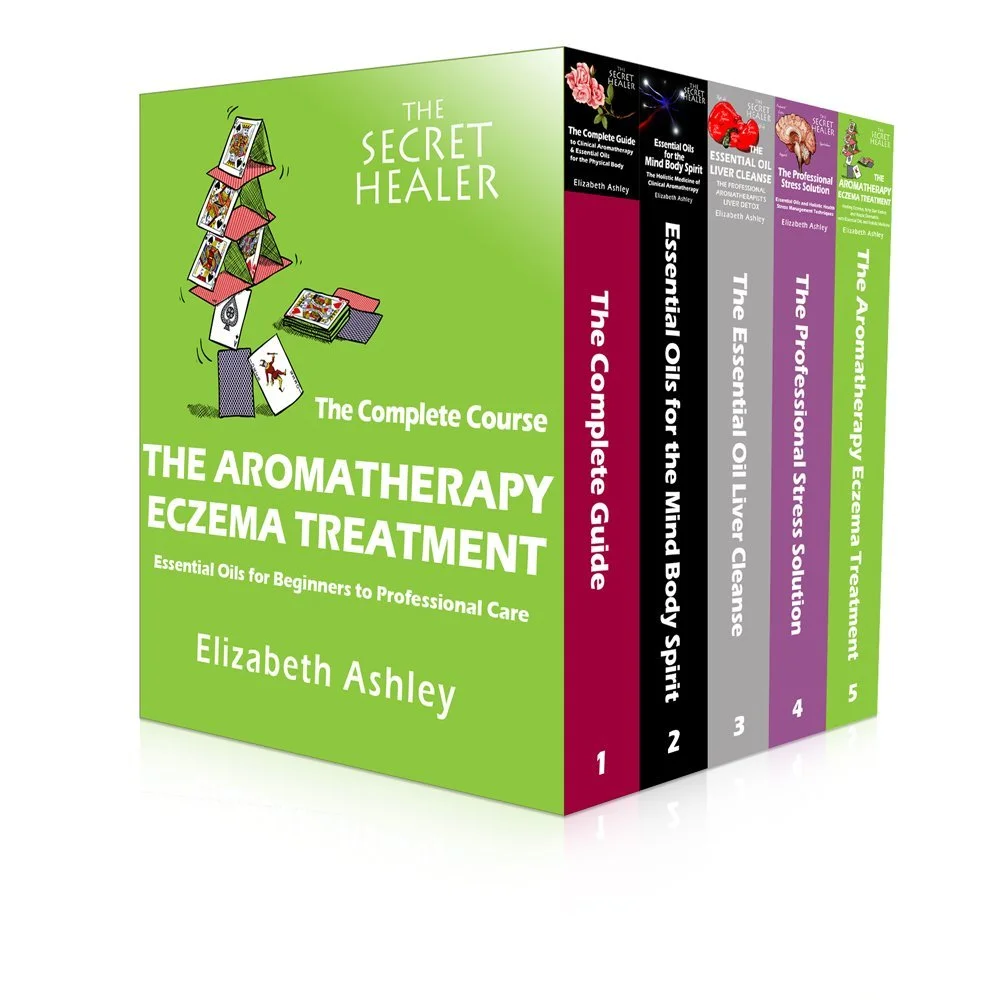
The Aromatherapy Eczema Treatment Box Set by Elizabeth Ashley
a practitioner-level guide to essential oil use for sensitive and eczema-prone skin. Covers dilution protocols, carrier oil selection, contraindications, and skin type-specific guidance at the level of clinical aromatherapy practice rather than general wellness content. Particularly useful for people who want to explore essential oil options systematically and safely rather than following individual product recommendations without a broader framework. Most appropriate for people with moderate eczema who have already established their emollient and trigger management foundation and want to add carefully chosen botanical support.
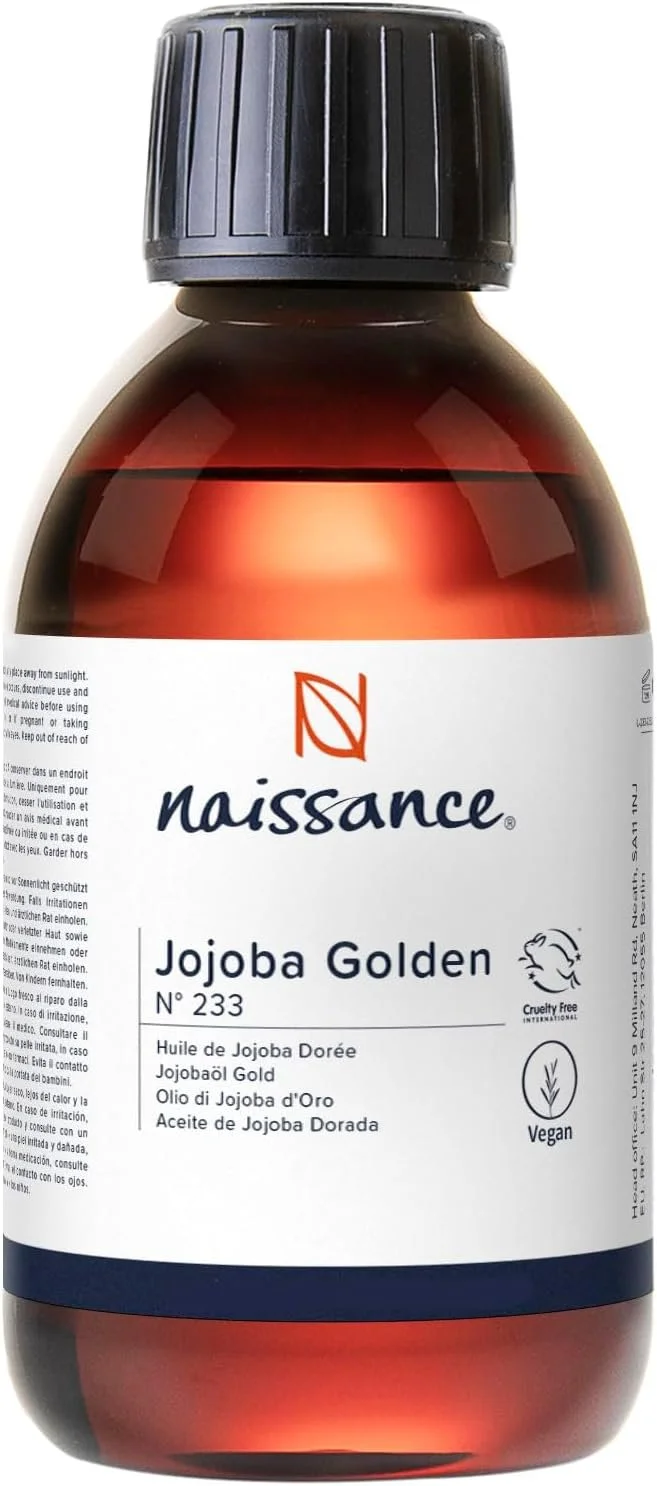
Naissance Jojoba Oil Cold Pressed
the most appropriate carrier oil for diluting essential oils on eczema-prone skin. Jojoba's composition is approximately 97% wax esters rather than triglycerides — a structure that closely resembles the skin's own sebum and is non-comedogenic, non-greasy, and highly stable against oxidation. Unlike high-oleic-acid carriers such as olive oil (which can disrupt ceramide synthesis) or coconut oil (which some people find comedogenic), jojoba's wax ester profile is compatible with eczema skin's lipid requirements. Use as the carrier for essential oil dilutions — one drop of essential oil per 5–10ml of jojoba for the 0.5–1% concentration appropriate for eczema-prone skin
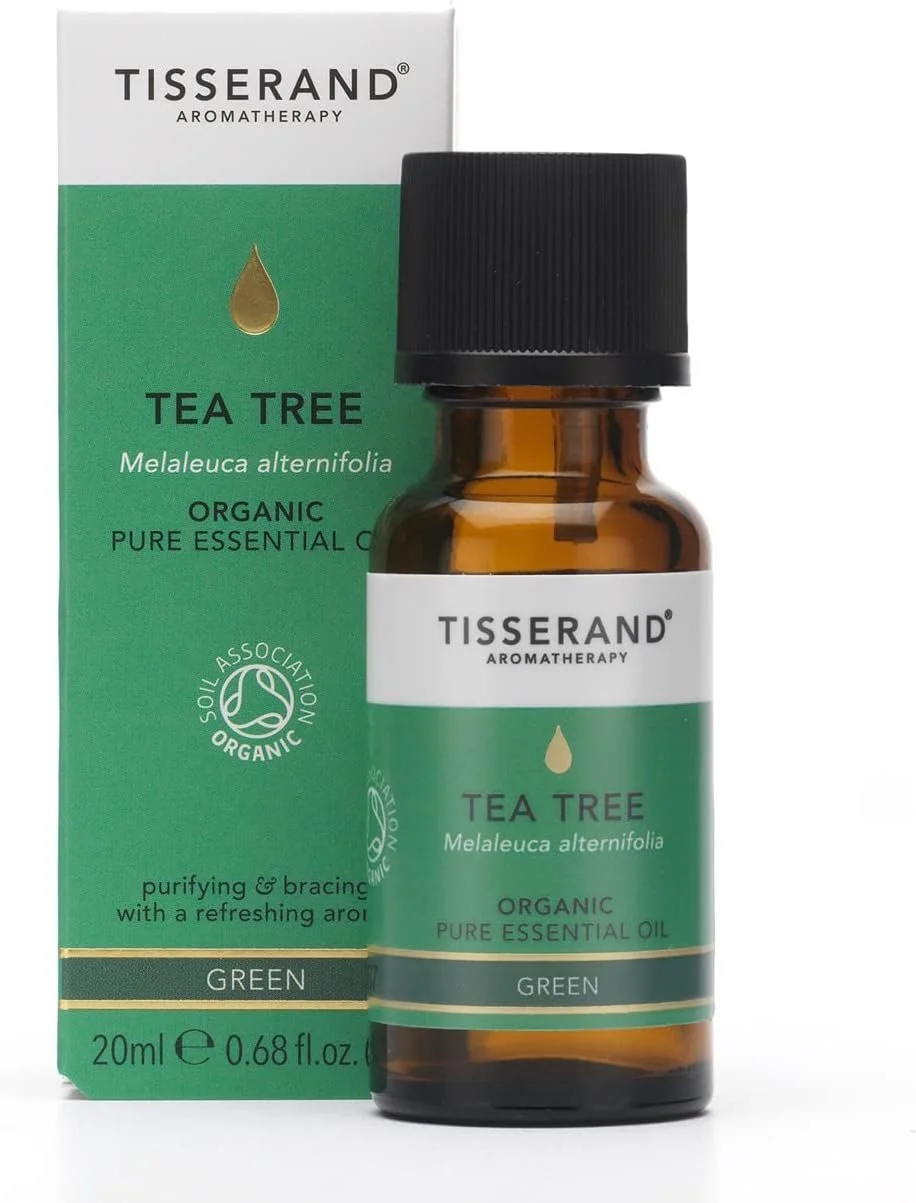
Tisserand Tea Tree Pure Essential Oil
a high-quality, batch-tested tea tree oil from one of the UK's most established essential oil brands, with documented terpinen-4-ol content that determines antimicrobial efficacy against S. aureus — the bacterium that colonises eczema skin and amplifies inflammatory severity. Always dilute to 0.5–1% in jojoba or sunflower carrier oil before any application to eczema-prone skin — one drop per 5–10ml carrier. Never apply undiluted. As covered in the contact allergen section, tea tree's terpinen compounds oxidise with age and storage, becoming more allergenic over time — Tisserand's batch testing provides freshness verification, and the bottle should be stored tightly sealed in a cool, dark location and replaced after 12 months of opening.
FAQ
Are essential oils good for eczema?
Some have specific and mechanistically coherent anti-inflammatory properties relevant to eczema — chamomile's alpha-bisabolol inhibiting inflammatory pathways, calendula's faradiol esters supporting skin repair, frankincense's anti-inflammatory activity at lower sensitisation risk than most alternatives. But eczema skin's compromised barrier makes it simultaneously more permeable to beneficial compounds and more vulnerable to contact sensitisation from the same compounds. The distinction between oils with genuine anti-inflammatory rationale and those with primarily fragrance marketing behind their eczema recommendations — and between appropriate dilution and topical application methods — determines whether essential oils are a useful addition or an additional trigger.
Which essential oil is best for eczema?
Chamomile (Roman) and calendula have the most appropriate anti-inflammatory rationale alongside relatively lower sensitisation risk. Jojoba is the safest carrier.
Can tea tree oil help eczema?
Through a specific mechanism — terpinen-4-ol inhibits S. aureus through bacterial membrane disruption, directly addressing the bacterium that colonises approximately 90% of eczema skin and amplifies inflammatory severity through toxin production. This makes tea tree genuinely relevant to the S. aureus dimension of eczema rather than simply being an antimicrobial that happens to be natural. The significant caveats: tea tree is one of the most documented contact allergens in European patch testing; its compounds oxidise with age and improper storage, becoming more allergenic; and the same barrier permeability that allows terpinen-4-ol to reach S. aureus bacteria allows allergen compounds to reach immune cells and trigger sensitisation. Dilute to 0.5–1%, use fresh oil, patch test, and never apply to broken or actively inflamed eczema skin.
Is coconut oil a good carrier for eczema?
Acceptable but not optimal — sunflower oil (linoleic acid) or jojoba are better suited to eczema skin. Coconut oil's high lauric acid content gives it antimicrobial properties but some people find it comedogenic.
Should I use essential oils during an eczema flare?
No — only on calm skin between flares. Acutely inflamed or broken skin has dramatically increased penetration and sensitisation risk.
Is aromatherapy safer than topical essential oils for eczema?
Yes — for stress-reduction benefits (which indirectly help eczema through cortisol reduction), a diffuser provides the benefit without skin contact allergen risk.
Should essential oils be diluted?
Yes. Essential oils are highly concentrated and should generally be mixed with a carrier oil before applying to skin.
Can essential oils trigger eczema flare-ups?
Yes — lavender, tea tree, and citrus oils are documented contact allergens for eczema-prone skin. Undiluted application, oxidised oils, or application during flares all significantly increase risk.
Are essential oils safe for children with eczema?
Extra caution is warranted — children with atopic eczema have a more reactive immune system at an earlier stage of development, and repeated contact sensitisation to essential oil compounds during childhood may produce lifelong allergic contact dermatitis. Several essential oil compounds are specifically contraindicated for children under certain ages — eucalyptus, peppermint, and camphor-containing oils carry specific safety concerns for young children. Roman chamomile at low dilution (0.5%) in jojoba is among the safest options for children with eczema if essential oils are wanted. Aromatherapy via diffuser rather than topical application is consistently the lower-risk approach for children — the stress reduction benefit operates through inhalation without skin contact allergen risk.
Summary
The essential oils with the most appropriate rationale for eczema-prone skin are chamomile (bisabolol anti-inflammatory), calendula (triterpenoid anti-inflammatory, generally well-tolerated), and frankincense (anti-inflammatory, lower sensitisation risk). Jojoba is the most appropriate carrier, followed by sunflower and hemp seed oils. Lavender and tea tree, covered in their own dedicated articles in this series, carry significant contact allergen risk and need specific precautions. Coconut oil as a carrier is acceptable but sunflower or jojoba are more appropriate for eczema skin specifically. All essential oils should be used at 0.5–1% dilution, patch tested, never on broken skin, and stored properly. For stress-reduction benefits, aromatherapy via diffuser is safer than topical application for this population.
Written by the Drought Skin team — specialists in natural support for psoriasis, eczema and acne
Disclaimer: This article contains affiliate links. We earn a very small commission from each purchase made through these links. There is no additional cost to you. All products featured have been specifically selected as products we personally use and love. For further information, please see our disclaimer page.
-
Lavender for Eczema: Benefits, Risks & the Contact Allergy Issue
Tea Tree Oil for Eczema: Benefits, Risks & How to Use It
Honey for Eczema & Psoriasis: Benefits, Evidence & How to Use It Safely
At-Home Face Masks for Eczema-Prone Skin
Aloe Vera for Eczema: The Evidence, How It Works & How to Use It Safely
