At-Home Face Masks for Eczema-Prone Skin

For skin that itches, flakes, and feels perpetually tight, the idea of a calming, soothing face mask is genuinely appealing. And for eczema-prone skin specifically, the right face mask — applied correctly, at the right time — can provide real comfort and temporary barrier support.
The emphasis is on "right." The face mask market is full of ingredients that are actively problematic for eczema skin: fragrances, essential oils, acids, clay, alcohol. Getting this wrong doesn't just waste time and money — it can trigger a flare that takes days to settle.
This guide covers exactly what eczema-prone skin needs from a face mask, what to avoid and why, four practical DIY recipes with proper quantities, and product options for those who prefer ready-made.
Are face masks good for eczema?
Face masks can help soothe, hydrate, and calm eczema-prone skin — but only if they're gentle and barrier-friendly. The wrong mask can do the opposite: stripping the surface lipids that already-compromised eczema skin is short of, introducing contact allergens through fragrance or essential oils, or triggering a flare through the mechanical irritation of removal. The difference between a beneficial and a harmful face mask for eczema comes down almost entirely to ingredient selection and formulation type rather than any inherent property of masking itself.
What makes a face mask eczema-friendly?
An eczema-safe face mask should focus on hydration, calming ingredients, and minimal irritation — the goal is to support the skin barrier, not strip or treat aggressively.
More specifically, the ingredients that make a mask appropriate for eczema-prone skin are those that either replenish what the barrier is missing or temporarily reduce the inflammatory signals driving itch and redness.
Why Home Treatments Can Help Eczema (If Done Correctly)
Eczema weakens your skin barrier, causing water loss and inflammation. The right at‑home treatments restore moisture, lipids, and calm, helping to:
reduce tightness and flaking
ease sensitivity and redness
support natural repair overnight
Gentle, consistent care is more effective than aggressive “detox” masks or peels.
Why most face masks aren't suitable for eczema skin
Eczema skin has a compromised barrier that is more permeable than healthy skin — ingredients that sit harmlessly on the surface for others penetrate more deeply and reach immune cells that are already primed for reactivity. This means that the range of ingredients tolerated is narrower, and reactions can be faster and more intense.
The ingredients most likely to cause problems:
Fragrance and parfum — the most common contact allergen in cosmetics. Even at low concentrations, fragrance compounds can trigger contact reactions on eczema-prone skin. Both synthetic and "natural" fragrances (essential oils, citrus extracts) are problematic.
Essential oils — lavender, tea tree, peppermint, and citrus oils are particularly reactive on eczema skin despite their natural origin. Lavender is one of the most common contact allergens in skincare.
Clay and charcoal — these absorb oils and moisture from the skin surface. For eczema skin that is already losing water too rapidly, further stripping is the last thing it needs.
Acids — glycolic, salicylic, and high-concentration lactic acid accelerate skin turnover in ways that can worsen barrier disruption on inflamed or reactive skin.
Alcohol — drying and stripping. Found in many toners, some lightweight masks, and sheet mask essences. Check ingredients carefully.
Peel-off and "tingling" masks — the tingling is irritation, not "working." Mechanical removal through peel-off masks causes friction and can trigger the Koebner-adjacent response of irritation leading to new eczema patches.
What actually works: ingredients worth using
Colloidal oatmeal has the strongest evidence base of any natural ingredient for eczema-prone skin. It contains avenanthramides (anti-inflammatory compounds unique to oats) and beta-glucan (which supports barrier function and moisture retention). The US FDA recognises colloidal oatmeal as a skin protectant. As a mask ingredient it soothes itch, calms redness, and provides a gentle protective layer.
Raw honey is a natural humectant (draws moisture to the skin) with documented antimicrobial properties relevant to eczema — specifically its activity against S. aureus, the bacterium that colonises eczema skin and perpetuates the inflammatory cycle. Manuka honey has additional antibacterial potency. Applied as a thin mask it hydrates and protects without occluding heavily.
Aloe vera provides cooling, anti-inflammatory comfort — its polysaccharides calm irritation and the gel texture is light and non-occlusive. It must be used pure and fragrance-free; many commercial aloe products contain alcohol or essential oils that negate any benefit.
Avocado provides oleic acid (monounsaturated fat with anti-inflammatory properties) and vitamin E. Mashed into a paste it creates a rich, nourishing mask that is particularly helpful for very dry, tight facial eczema.
Plain yogurt contains lactic acid in a very low concentration alongside its water and fat content — gentle enough for mild eczema skin and contributing both mild hydration and a light probiotic-like surface effect. Not appropriate during active flares when the skin is broken.

Four DIY recipes with quantities and method
1. Colloidal oatmeal soothing mask
The safest and most reliably tolerated option for all eczema presentations.
2 tablespoons finely ground rolled oats (blend in a food processor until powdery)
2–3 tablespoons warm water
Optional: 1 teaspoon raw honey for added moisture
Mix into a smooth paste. Apply gently to face, avoiding eye area. Leave for 10–12 minutes. Rinse with lukewarm (not hot) water, pat dry, and apply emollient immediately while skin is still slightly damp. Use once weekly.
2. Honey and avocado nourishing mask
For dry, tight, non-inflamed eczema skin needing intensive moisture.
¼ ripe avocado, mashed until smooth
1 tablespoon raw honey (manuka if available)
Optional: 1 teaspoon plain whole milk yogurt
Mix well into a uniform paste. Apply to face in a thin, even layer. Leave for 12–15 minutes. Rinse thoroughly with lukewarm water — honey can feel sticky; rinse gently without rubbing. Moisturise immediately after.
3. Aloe and oatmeal calming mask
For skin that is reactive, red, or has recently flared but is not actively broken.
2 tablespoons pure aloe vera gel (fragrance-free, alcohol-free — check label)
1 tablespoon finely ground oats
1 teaspoon raw honey
Mix into a smooth gel-paste. The oats will absorb some of the aloe to create a texture that stays on the face. Apply gently, leave for 10 minutes, rinse with cool or lukewarm water. Pat dry and apply emollient.
4. Plain yogurt hydrating mask
For mild, stable eczema skin — not for use during flares or on broken skin.
2 tablespoons plain, unsweetened whole milk yogurt (not Greek — too thick and acidic)
Optional: 1 teaspoon raw honey
Apply a thin layer to the face. Leave for 8–10 minutes. Rinse gently with lukewarm water. Moisturise immediately. The lactic acid in yogurt at this dilution is mild enough for most eczema-prone skin, but do a 24-hour patch test on the inside of your elbow before applying to the face.
How to use any mask safely with eczema
Patch test everything first — apply a small amount to the inside of your elbow and check after 24 hours before applying to your face.
Only mask on calm skin — never during an active flare with inflamed or broken skin. This is when the skin is most permeable and reactive.
Use lukewarm, never hot, water to rinse — heat triggers histamine release and worsens eczema.
Moisturise within two to three minutes of rinsing — the post-mask window is the same as post-bathing: apply emollient while the skin still retains some surface moisture.
Once a week maximum — over-masking, even with gentle ingredients, adds unnecessary handling and moisture fluctuation to already-sensitive skin.
Ready-made products worth considering
For those who prefer a ready-made option over DIY, these are formulated with eczema-prone skin in mind. (Affiliate links — we may earn a small commission at no extra cost to you.)
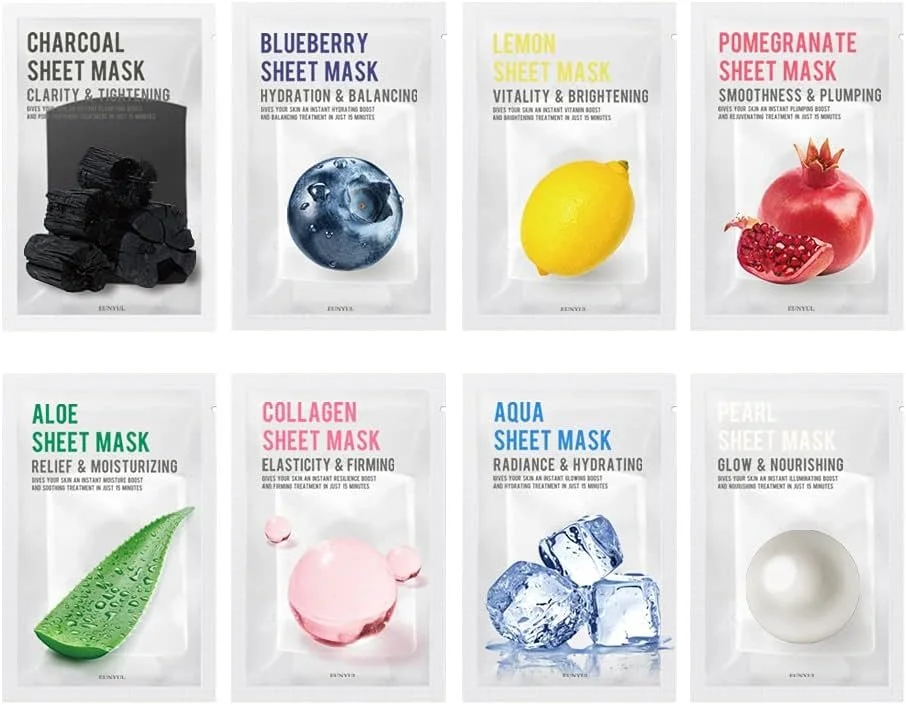
EUNYUL Purity Korean Facial Sheet Masks
sheet masks which are fragrance-free and alcohol-free, making them suitable for eczema-prone skin. Sheet masks provide a sustained, occlusive delivery of hydrating ingredients without the friction of rinsing. Check the full ingredient list before use and discontinue if any reaction occurs.
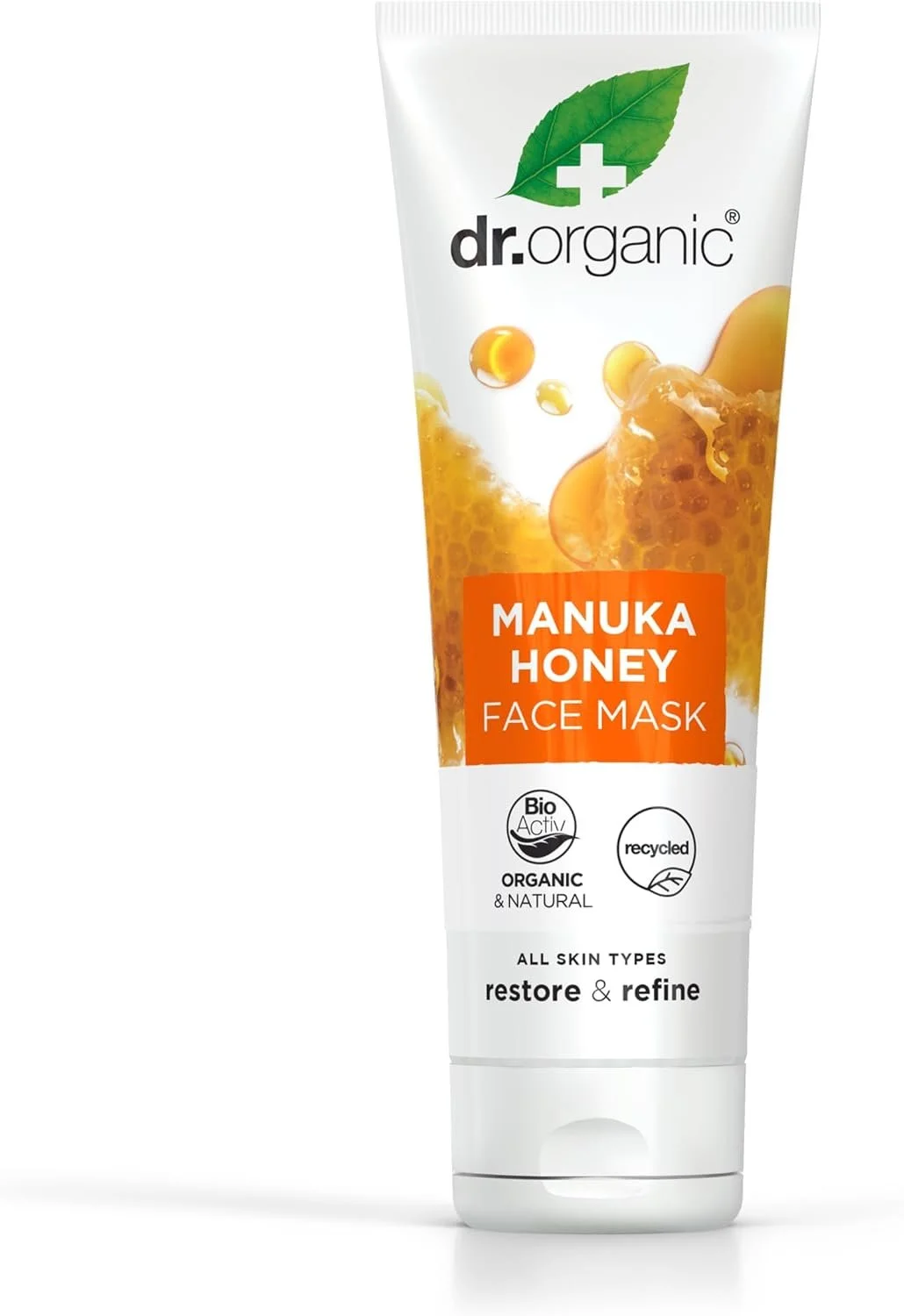
Dr Organic Manuka Honey Face Mask
a ready-made manuka honey mask. Check the current ingredient list before purchasing, as formulations can change. Manuka honey's antibacterial properties make it one of the more eczema-appropriate ready-made mask ingredients, though any product should still be patch-tested.
How often should you use a face mask?
For eczema-prone skin:
1–2 times per week is usually enough
avoid overuse
always patch test
More is not better—consistency and gentleness matter more.
A note on professional facials for eczema
If you're considering a professional facial rather than an at-home mask, the same principles apply — fragrance-free, no essential oils, no steam or heat (which worsens eczema), no exfoliation treatments, and no peel procedures. Inform your therapist about your eczema before any facial and ask to review the products they use. A good therapist will adapt the treatment accordingly; a poor one will not — and the consequences on eczema skin can be significant.
Skin support for eczema-prone skin
Topical masks and skincare address the surface dimension of eczema. The internal drivers — immune dysregulation, barrier dysfunction, nutritional gaps — require a different approach.
Drought's Skin Support Formula provides 14 nutrients including zinc, vitamin D, biotin, vitamin C, and magnesium — each selected for their documented roles in skin barrier function and immune regulation. Taken daily alongside a consistent skincare routine, it addresses what face masks and topical products cannot reach. Made in the UK, suitable for vegetarians, designed for long-term use.
FAQs: Face masks for eczema
What is the best face mask for eczema?
Colloidal oatmeal is the most evidence-supported option — its avenanthramide content inhibits NF-κB inflammatory activity and has FDA skin protectant recognition specifically for eczema-prone skin. Raw honey is the most practical second choice — naturally humectant and antimicrobial with a simple application protocol. Both work best as DIY preparations where you control every ingredient rather than relying on commercial masks with complex formulations.
Are homemade face masks safe for eczema?
The ones covered in this article are — specifically because they use single or minimal ingredients with known safety profiles for eczema-prone skin. Commercial masks are riskier because fragrance, essential oils, acids, and preservative systems are common additions that trigger contact reactions on eczema-prone skin. Always patch test any new preparation for 24–48 hours before full facial application — even oatmeal and honey can cause reactions in individuals with specific sensitivities.
Can face masks cure eczema?
No — eczema is driven by filaggrin deficit, Th2 immune dysregulation, and genetic barrier vulnerability that no topical mask addresses at the root. Face masks provide surface-level hydration and soothing — genuinely useful for comfort and moisture management, but operating on the outside of a problem that has significant internal dimensions.
Can I use sheet masks if I have eczema?
Only if they are completely fragrance-free, alcohol-free, and use soothing rather than active ingredients. Check for hyaluronic acid, glycerin, or ceramides as primary actives — and specifically avoid any sheet mask containing niacinamide at high concentrations, which can cause flushing in sensitive skin, and any with "brightening" or "toning" claims which almost always mean acids or fragrance.
Are clay masks good for eczema?
No — clay masks work by drawing oil and impurities from pores through adsorption, a mechanism that simultaneously strips the ceramide-rich lipid layer that eczema skin is already deficient in. The result is post-mask tightness, dryness, and frequently a worsening flare. Kaolin clay is gentler than bentonite but still inappropriate for eczema-prone skin as a regular treatment.
How often should I use a face mask with eczema?
Once a week at most — and only during periods of settled, non-inflamed skin. During active flares, all face masking should pause entirely and the routine simplified to fragrance-free cleanser and ceramide emollient twice daily. The skin's overnight repair processes are more effective than any mask during an active flare.
What should I avoid in face masks if I have eczema?
The highest-risk ingredients are fragrance and parfum (Type IV contact allergen), essential oils particularly citrus, lavender, and mint (linalool and limonene sensitisation), glycolic and salicylic acid (pH disruption on compromised barrier), clay and charcoal (ceramide stripping), alcohol (barrier dehydration), and peel-off formats (mechanical barrier trauma on removal). The EU fragrance allergen list covered in the eczema and perfume article in this series provides the most complete reference for specific fragrance compounds to avoid.
Summary
Face masks and eczema-prone skin are not incompatible — but the choice of ingredients matters enormously. Colloidal oatmeal, raw honey, pure aloe vera, and avocado provide genuine comfort and barrier support without the fragrance, acid, and clay ingredients that trigger flares. Any mask should only be applied to calm, unbroken skin, followed immediately by emollient moisturisation. Once a week is enough. DIY is often better than shop-bought precisely because you control exactly what goes on the skin — which for eczema sufferers is the most important variable of all.
Written by the Drought Skin team — specialists in natural support for psoriasis, eczema and acne
Disclaimer: This article contains affiliate links. We earn a very small commission from each purchase made through these links. There is no additional cost to you. All products featured have been specifically selected as products we personally use and love. For further information, please see our disclaimer page.
