
Eczema Supplements: What the Evidence Shows for Each

Eczema is an internal condition as much as a skin one — immune dysregulation, barrier dysfunction, gut microbiome imbalance, and nutritional deficiencies all contribute to how the condition behaves. This is why targeted nutritional support, alongside consistent skincare and trigger management, is a meaningful component of comprehensive eczema management.
This guide covers the nutrients with the most evidence for eczema, what each does specifically, and how to prioritise them — with honest assessment of what the research shows and what it doesn't.
Can supplements help eczema?
Supplements can help support eczema by targeting inflammation, skin barrier health, and nutrient balance — but they're not a cure, and the distinction between supplements that address specific and documented deficiencies versus those making general "good for skin" claims matters considerably for this condition. Eczema has specific and well-evidenced nutritional associations — vitamin D deficiency directly reduces filaggrin expression, worsening the barrier deficit that makes eczema skin structurally compromised; zinc insufficiency impairs the keratinocyte repair processes active overnight; magnesium deficiency amplifies the HPA axis stress responses that worsen Th2 immune activity. These aren't generic skin health claims — they're specific mechanisms connecting documented nutrient deficiencies to the specific biological pathways driving eczema, which is why targeted nutritional support is more coherent as a management approach than a general multivitamin.
Best supplements for eczema
Omega-3 fatty acids (EPA and DHA)
EPA and DHA from oily fish or algae-based supplements reduce leukotriene and prostaglandin inflammatory signalling directly relevant to eczema. EPA competes with arachidonic acid for the enzymes producing inflammatory eicosanoids, shifting the balance toward less inflammatory derivatives.
Clinical trial evidence for omega-3 in eczema is positive but mixed — some trials show meaningful SCORAD reductions, others show modest effects. A 2019 systematic review found overall positive effects on eczema severity scores with consistent supplementation. The evidence is stronger in children and in people with confirmed omega-3 deficiency or very low oily fish intake.
The ALA conversion caveat from the seeds and psoriasis articles applies here too: ALA in flaxseeds and chia seeds converts to EPA at only 5–10% efficiency. For eczema-relevant anti-inflammatory effects, direct EPA/DHA from fish oil or algae supplements is considerably more effective.
Priority: strong mechanistic evidence, positive but variable clinical trial data. Well worth including, particularly for those with low oily fish intake.
Probiotics: the gut-skin axis support
The gut-skin axis connection in eczema is covered in the probiotics for eczema article in this series. The most relevant strains for atopic eczema are Lactobacillus rhamnosus GG (the most studied, with evidence across multiple eczema trials), Lactobacillus plantarum, and Bifidobacterium longum. Multi-strain formulations appear more effective than single-strain approaches in most studies.
The strongest evidence is for prenatal and early-life probiotic supplementation reducing eczema development in high-risk infants — but adult eczema also shows benefit from consistent supplementation in several trials.
Vitamin D: the most evidence-backed supplement for eczema
Covered in depth in the vitamin D and eczema article in this series. The essential points:
Vitamin D directly upregulates filaggrin expression in keratinocytes — filaggrin deficiency is the most significant genetic risk factor for atopic eczema, making this one of the most specific nutrient-condition connections in dermatology. Vitamin D also modulates the Th2 immune response driving eczema, reduces IL-31 production (the cytokine most directly responsible for itch), and stimulates antimicrobial peptide production relevant to S. aureus colonisation.
Lower vitamin D levels are consistently found in eczema patients compared to controls, and supplementation trials have produced statistically significant SCORAD improvements in multiple studies. In the UK, where UVB is insufficient for skin synthesis from October to April, and where eczema behaviours (covering skin, avoiding heat-triggering sun) further reduce synthesis, deficiency is prevalent year-round.
Priority: the highest-evidence supplement for eczema. Testing serum 25(OH)D through a GP allows dosing to be calibrated to actual status. 1,000–2,000 IU vitamin D3 daily is a reasonable starting point.
Zinc
Zinc is consistently lower in eczema patients compared to controls, with correlations between zinc status and disease severity. It supports immune regulation (reducing Th2 dominance), keratinocyte function and wound healing, antimicrobial defence (including against S. aureus), and is required for normal filaggrin processing.
Plant-source zinc has lower bioavailability due to phytic acid binding — a dedicated zinc supplement at physiological doses (15–25mg daily) provides a more reliable intake than dietary sources alone for most people.
GLA: evening primrose oil and borage oil
Gamma-linolenic acid (GLA) deserves specific attention because it is uniquely positioned in eczema research — distinct from standard omega-6 and with a different mechanism.
People with atopic eczema show reduced activity of the enzyme delta-6-desaturase, which converts linoleic acid to GLA. This enzymatic defect means eczema patients produce less GLA from dietary oils than non-eczema individuals. Supplementing GLA directly — from evening primrose oil (EPO) or borage oil — bypasses this enzymatic step and restores GLA availability for skin barrier lipid production and anti-inflammatory signalling.
The Cochrane review on dietary supplements for atopic eczema found that EPO and borage oil consistently reduced itch and dryness scores, with the effect on dryness being the most reliable finding. The effect size is modest — GLA supplementation is not a primary treatment — but for the specific dimension of skin dryness and barrier lipid support, it has one of the more directly mechanistic rationales of any supplement for eczema.
Natures Aid Evening Primrose Oil 1000mg — evening primrose oil providing a standardised GLA dose. Natures Aid is a well-established UK supplement manufacturer. A practical daily option for adding GLA support alongside broader barrier repair.
Quercetin: the mast cell stabiliser
Quercetin is a flavonoid with specific relevance to eczema through two mechanisms: it stabilises mast cells (inhibiting histamine release) and reduces IgE-mediated allergic responses. Both mechanisms address the itch and immediate allergic reactivity dimension of atopic eczema rather than the underlying immune dysregulation.
The evidence base is primarily mechanistic and in vitro — robust human clinical trials are limited. But the mechanism is well-established and quercetin is well-tolerated, making it a reasonable addition for people whose eczema involves significant histamine-driven itch.
Magnesium
Magnesium supports the HPA axis stress response, reducing cortisol reactivity and the inflammatory cascades that chronic stress triggers in eczema-prone skin. It is depleted by chronic inflammation and stress — creating a worsening cycle that supplementation can help interrupt. The magnesium and eczema-psoriasis article in this series covers this in detail.
Biotin
Covered in the biotin and eczema article in this series. Most relevant for seborrhoeic dermatitis-type eczema rather than atopic eczema. Appropriate at 30–500mcg daily; high-dose biotin supplements (5,000–10,000mcg) carry B5 competitive absorption and lab test interference risks without evidence of additional benefit.
Recommended Products
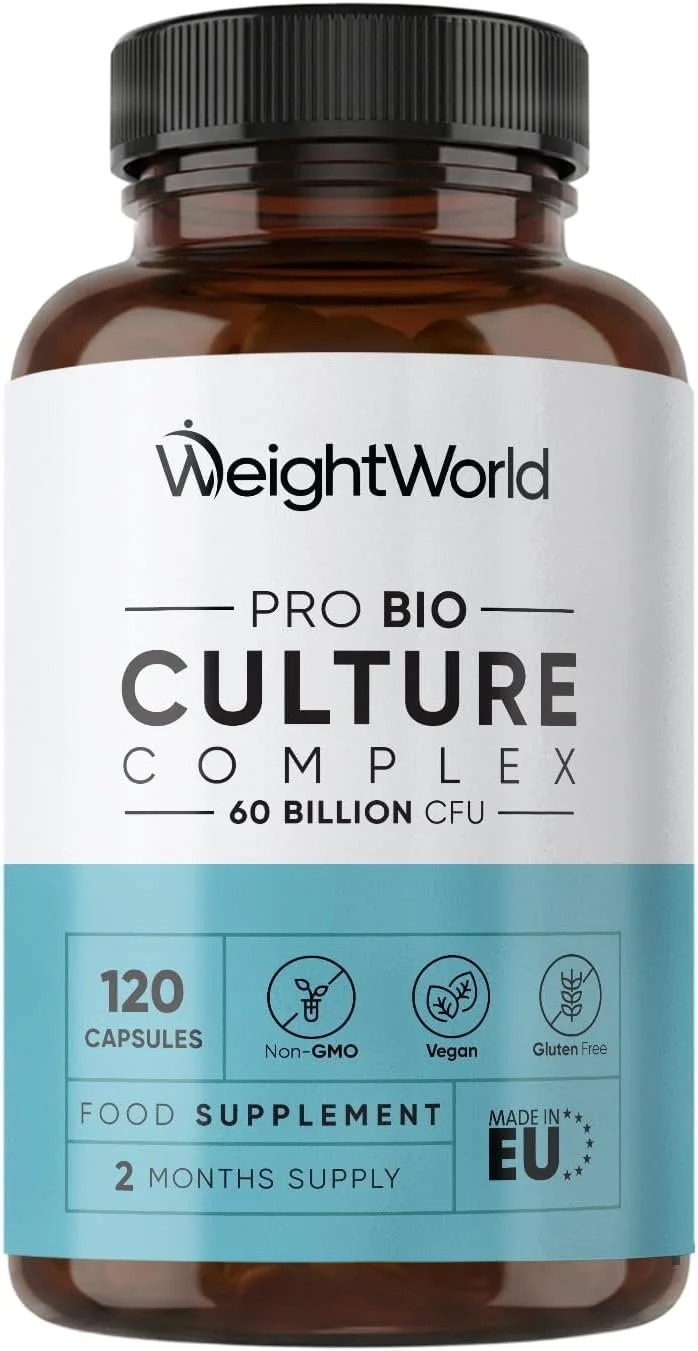
Pro Bio Cultures Complex 60 Billion CFU
a high-CFU multi-strain probiotic providing Lactobacillus and Bifidobacterium species most consistently associated with eczema benefit in published research — including L. rhamnosus GG (the most studied strain across eczema trials), L. plantarum, and B. longum. The 60 billion CFU count provides a dose range appropriate for meaningful gut microbiome influence. Take daily with food for a minimum of eight to twelve weeks — microbiome shifts relevant to Th2 immune modulation develop gradually and short-term supplementation produces insufficient impact for meaningful assessment.
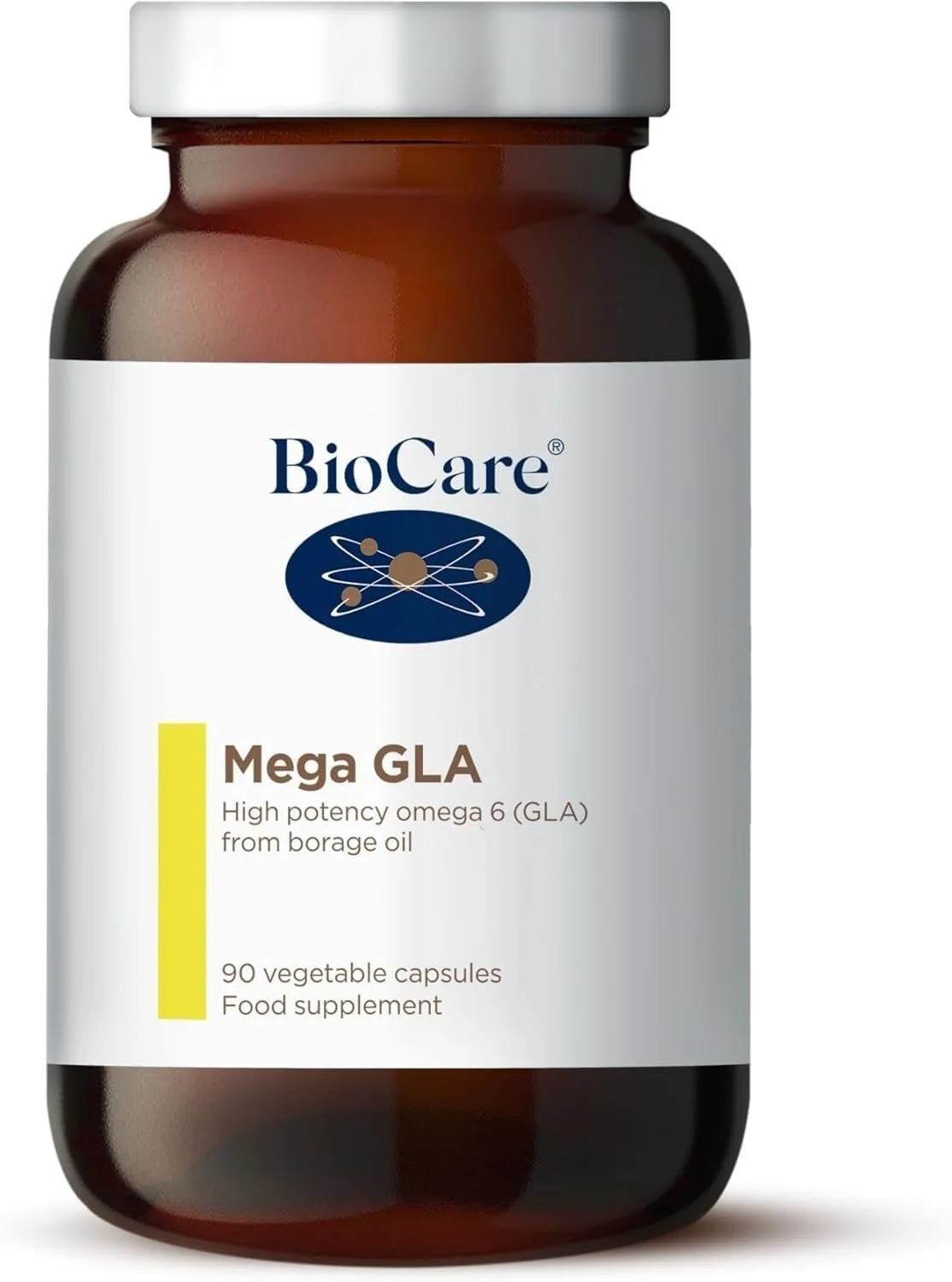
BioCare Mega GLA Omega-6- Borage Oil with Vitamin E
borage oil providing 20–25% GLA concentration compared to evening primrose oil's 8–10%, making it a more efficient GLA source per capsule. As covered above, people with atopic eczema have reduced delta-6-desaturase activity — the enzyme converting linoleic acid to GLA. Supplementing GLA directly from borage oil bypasses this enzymatic step, restoring the GLA availability that eczema patients cannot produce adequately from dietary oils alone. The vitamin E addition provides antioxidant protection against lipid oxidation, improving the quality and stability of the GLA delivered.
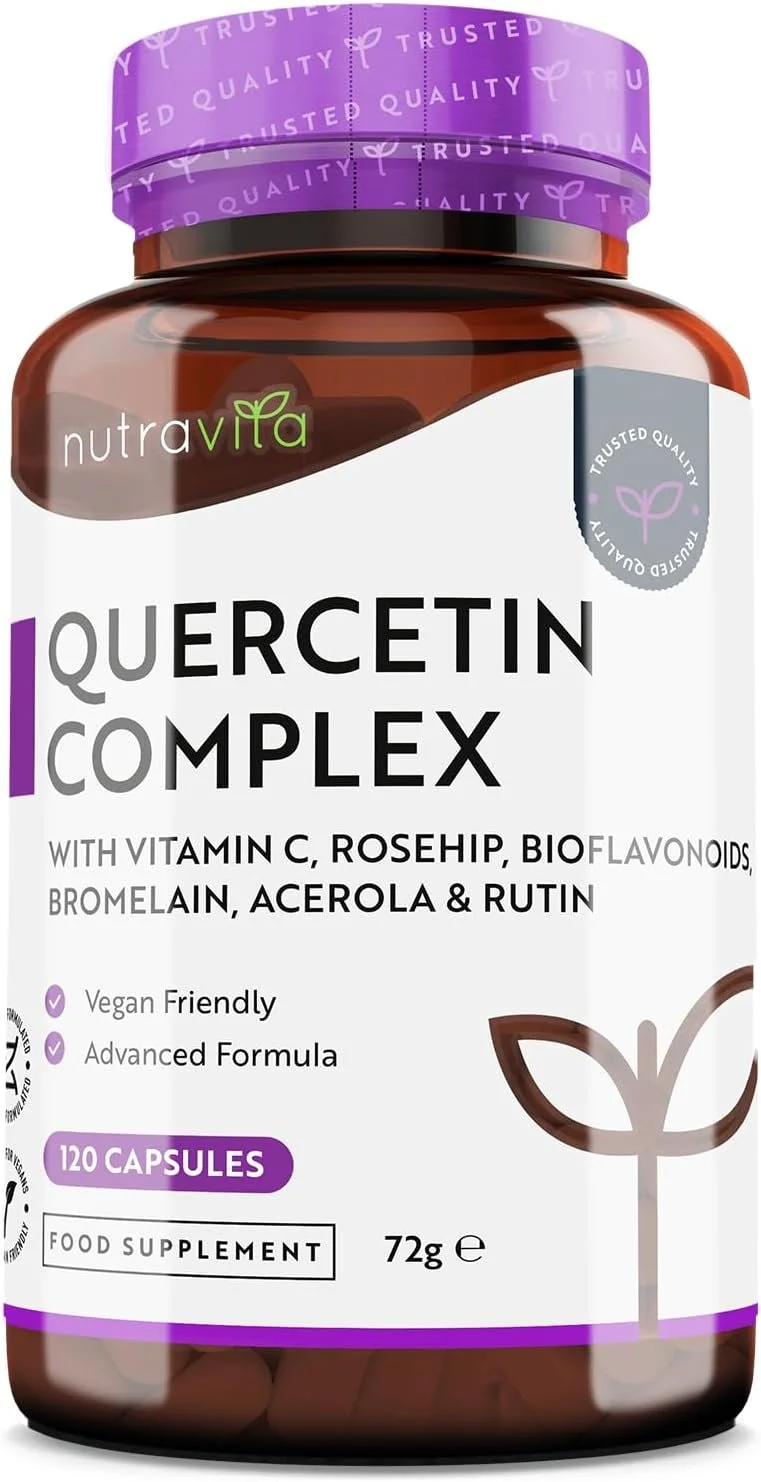
Quercetin 500mg with Bromelain and Vitamin C by Nutravita
quercetin combined with bromelain (which enhances quercetin absorption through protease activity) and vitamin C (which stabilises quercetin and provides independent antioxidant support). Quercetin's poor water solubility limits its bioavailability from standalone supplements — the bromelain combination meaningfully improves this. As covered above, quercetin stabilises mast cells and reduces IgE-mediated histamine release — addressing the itch and immediate allergic reactivity dimension of atopic eczema with a specific and coherent mechanism. Most appropriate for eczema with significant histamine-driven itch or known allergic triggers. (Affiliate link.)Buy here
Skin support for eczema-prone skin
The evidence hierarchy for eczema supplementation:
Vitamin D — most evidence, most specific mechanism (filaggrin upregulation, Th2 modulation). Correct deficiency as priority. Omega-3 EPA/DHA — direct anti-inflammatory effect on eczema-relevant pathways. Well worth consistent use. Probiotics — gut-skin axis support. Multi-strain, 8–12 weeks minimum. GLA (EPO or borage) — specific relevance to eczema barrier lipid defect. Modest but mechanistically coherent. Zinc — immune regulation, barrier repair. Often deficient; well worth supplementing. Quercetin — histamine and IgE-mediated itch component. More limited clinical evidence but good mechanistic rationale. Magnesium — stress-cortisol-skin loop. Particularly relevant if stress is a significant trigger.
Drought's Skin Support Formula brings together vitamin D, zinc, magnesium, vitamin C, biotin, CoQ10, and B vitamins in a daily supplement specifically formulated for eczema-prone and reactive skin — providing the multi-nutrient approach that single-supplement strategies cannot replicate. Made in the UK, suitable for vegetarians, designed for consistent long-term daily use.
FAQs: Supplements for eczema
What is the best supplement for eczema?
Vitamin D has the most specific mechanistic evidence — filaggrin upregulation, Th2 modulation, antimicrobial peptide support — and the most consistent positive clinical trial data for eczema specifically.
Do supplements cure eczema?
No — eczema has a genetic basis in filaggrin loss-of-function mutations and Th2 immune dysregulation that nutritional supplementation cannot correct at root. What supplements consistently address are the specific nutritional deficiencies that amplify eczema's severity beyond what the genetic baseline alone produces. Correcting vitamin D deficiency removes a specific amplifier of filaggrin deficit and Th2 activity. Restoring adequate zinc supports the barrier repair processes that occur overnight. Addressing GLA insufficiency through the enzymatic bypass removes a specific barrier lipid deficit. These are genuine and specific improvements — not cure, but a lower baseline from which triggers produce less severe responses.
Do omega-3 supplements help eczema?
Yes, with variable effect sizes across trials. EPA and DHA reduce inflammatory eicosanoid production relevant to eczema. More consistent benefit in those with confirmed low oily fish intake.
Does evening primrose oil help eczema?
The Cochrane review found modest but consistent improvements in itch and dryness with EPO and borage oil. The rationale is specific: eczema patients have reduced delta-6-desaturase activity, making GLA supplementation a direct fix for a specific enzymatic defect.
Are supplements safe?
Generally yes at appropriate doses — but three specific cautions apply. High-dose fat-soluble vitamins (A, D, E, K) accumulate in the body and can cause toxicity at sustained high doses — vitamin D above 4,000 IU daily without confirmed deficiency and medical supervision carries hypercalcaemia risk. High-dose biotin (above 1,000mcg) interferes with several laboratory blood tests including troponin (cardiac marker) and thyroid function — relevant if you have blood tests planned. Some supplements interact with medications — quercetin with blood thinners, fish oil with anticoagulants at high doses. If taking prescription medication, discuss supplement additions with your GP or pharmacist before starting.
How long should I take supplements?
8–12 weeks of consistent daily use is the minimum meaningful assessment period for most supplements. Gut microbiome-mediated effects from probiotics may take longer.
Can children take eczema supplements?
Yes, with appropriate paediatric doses. Vitamin D supplementation is specifically recommended for all breastfed infants. Discuss with a GP before supplementing children with anything beyond vitamin D.
Are there any supplements to avoid with eczema?
High-dose single-nutrient supplements without evidence of benefit — particularly megadose biotin (lab test interference) and very high-dose fat-soluble vitamins. Detox or "miracle skin" products with unverified claims.
Summary
The supplements with the strongest evidence for eczema are vitamin D (filaggrin upregulation, Th2 modulation, antimicrobial peptide support), omega-3 EPA/DHA (direct anti-inflammatory effects), and probiotics (gut-skin axis, microbiome support). GLA from evening primrose or borage oil has a specific and mechanistically coherent rationale for eczema's barrier lipid deficit. Zinc, magnesium, and quercetin address distinct dimensions — immune regulation, stress reactivity, and histamine-driven itch respectively. A multi-nutrient approach addressing these pathways simultaneously is more effective than single-supplement strategies, and 8–12 weeks of consistent use is the minimum meaningful assessment period for any supplement intervention.
Written by the Drought Skin team — specialists in natural support for psoriasis and eczema.
Disclaimer: This article contains affiliate links. We earn a very small commission from each purchase made through these links. There is no additional cost to you. All products featured have been specifically selected as products we personally use and love. For further information, please see our disclaimer page.
-
Vitamin D and Eczema: What the Evidence Actually Shows
The Best Probiotics for Eczema: What the Evidence Actually Shows
Biotin for Eczema & Psoriasis: What It Does, What It Doesn't, and When It Matters
Does Magnesium Help Eczema or Psoriasis? What the Evidence Says
The Eczema Diet: Best Foods, Common Triggers & How to Find Your Pattern
