
The Eczema Diet: Best Foods, Common Triggers & How to Find Your Pattern

Diet is one of the most researched and most misunderstood aspects of eczema management. On one hand, dismissing food's role entirely is wrong — inflammation levels, gut microbiome composition, and specific food sensitivities all measurably affect eczema. On the other hand, the idea that there is one correct "eczema diet" that works for everyone is equally wrong.
The evidence points toward a more nuanced reality: certain dietary patterns consistently support eczema management; certain individual food triggers are more common than others; and identifying your personal pattern requires systematic observation rather than following generic lists. This guide covers what the research actually shows, what mechanisms are involved, and how to build a practical dietary approach that works for your skin.
Why diet affects eczema: the mechanisms
Understanding why diet matters for eczema helps explain why the effect is different for different people.
Systemic inflammation. Eczema is driven by immune dysregulation — specifically Th2-dominant immune responses that produce the cytokines (IL-4, IL-13, IL-31) driving barrier dysfunction and itch. Dietary patterns that consistently generate high inflammatory load — high in ultra-processed foods, refined sugars, and omega-6-heavy fats — raise baseline inflammatory cytokine levels, worsening the immune environment in which eczema operates. Conversely, anti-inflammatory dietary patterns reduce this background inflammation.
Gut microbiome and barrier function. The gut microbiome directly influences systemic immune regulation. As covered in the leaky gut, probiotics, and allergies articles in this series, gut microbiome composition affects Th1/Th2 immune balance, gut barrier integrity, and the atopic march from eczema to food allergy. Diet is the primary determinant of microbiome composition — fibre diversity, fermented foods, and reduced ultra-processed food intake all support the microbiome in ways that influence eczema indirectly but measurably.
Food allergy and sensitivity. A subset of people with eczema — particularly children with moderate-to-severe disease — have IgE-mediated food allergies that directly trigger or worsen flares. A larger and less clearly delineated group have non-IgE-mediated food sensitivities — delayed responses that can worsen eczema without triggering classical allergy symptoms. These are distinct from general dietary inflammation and require individual identification.
Nutritional support for barrier function. Certain nutrients are specifically required for normal skin barrier formation — vitamin D and filaggrin expression, zinc for keratinocyte function and wound healing, essential fatty acids for barrier lipid composition. Dietary adequacy of these nutrients directly supports the barrier that eczema compromises.
The three types of food-eczema relationship
This distinction matters practically because each requires a different approach:
Type 1: IgE-mediated food allergy. A true food allergy involving rapid immune responses (typically within minutes to 2 hours of exposure). Produces urticaria, swelling, and eczema worsening. In children with moderate-to-severe eczema, the most common culprits are cow's milk, hen's egg, wheat, soy, and peanut. Diagnosed through skin prick testing or specific IgE blood tests. Management involves confirmed avoidance — but importantly, not unsupervised elimination without confirmed diagnosis, as this risks nutritional deficiency and may increase allergy risk.
Type 2: Non-IgE-mediated food sensitivity. A delayed immune response without classical allergy test findings. Can cause eczema worsening, gut symptoms, and other systemic effects hours to days after exposure. Not detectable by standard allergy tests. Identified through elimination and reintroduction protocols, ideally guided by a registered dietitian.
Type 3: Inflammatory dietary patterns. Not a sensitivity to specific foods but the cumulative effect of an overall diet high in inflammatory inputs. No single food is the culprit — the pattern is. Addressed through consistent dietary improvement rather than elimination.
Understanding which type is driving any dietary connection to eczema changes whether the right response is testing, supervised elimination, or broader dietary quality improvement.
Foods and dietary patterns that support eczema management
Oily fish (EPA/DHA omega-3s). The strongest dietary evidence for eczema is for omega-3 fatty acids — specifically EPA and DHA from oily fish (salmon, mackerel, sardines, herring). These directly reduce the leukotriene and prostaglandin inflammatory signalling relevant to eczema, and EPA and DHA are incorporated into skin cell membranes, influencing barrier fluidity. The ALA in plant sources (flaxseeds, chia seeds) converts inefficiently to EPA and DHA as covered in the seeds article — oily fish or algae-based omega-3 supplements provide the most direct benefit.
Probiotic and fermented foods. Kefir, natural live yogurt, kimchi, sauerkraut, and miso directly introduce beneficial bacteria and support microbiome diversity. The gut-skin axis means microbiome composition has downstream effects on eczema-relevant immune regulation. Consistent inclusion of fermented foods is one of the most evidence-supported dietary habits for supporting the immune environment relevant to atopic conditions.
Prebiotic fibre. Feeds the beneficial bacteria introduced by probiotic foods. Garlic, onion, leeks, oats, asparagus, and bananas are rich prebiotic sources. Fibre diversity across the diet — many different plant foods — supports microbiome diversity more effectively than high intake of a single fibre source.
Antioxidant-rich fruits and vegetables. Blueberries, apples, leafy greens, and other produce provide polyphenols, vitamins C and E, and other antioxidants that reduce oxidative stress and inflammatory signalling. The fruits article in this series covers the most relevant options in detail, including the salicylate sensitivity caveat for a minority of eczema patients.
Zinc-rich foods. Meat, shellfish (especially oysters), pumpkin seeds, and legumes. Zinc is required for normal keratinocyte function and immune regulation — commonly lower in eczema patients. Plant-source zinc has lower bioavailability due to phytic acid.
Vitamin D. Not widely available from food — oily fish, egg yolks, and fortified foods provide some, but the UK's UVB deficit for much of the year makes food sources insufficient for most people. Supplementation is more reliable.
Common dietary triggers and how to approach them
Dairy. One of the most commonly reported eczema triggers, particularly in children. Both IgE-mediated cow's milk allergy and non-IgE-mediated dairy sensitivity exist. Not a trigger for everyone — removing dairy without confirmed sensitivity is unnecessary and risks calcium and vitamin B12 deficiency. If dairy is suspected, a supervised 4–6 week elimination trial followed by reintroduction is the appropriate approach.
Eggs. Similar profile to dairy — more common as a trigger in children with atopic eczema, less commonly significant in adults. One of the top five IgE-mediated food allergies in the paediatric eczema population.
Wheat and gluten. Wheat allergy (IgE-mediated) and non-coeliac gluten sensitivity (non-IgE, mechanism debated) both exist alongside coeliac disease. All can potentially influence eczema in affected individuals. Routine gluten elimination without confirmed sensitivity is not recommended.
Citrus fruits. High in salicylates and natural acids. A consistent trigger for a subset of eczema patients, particularly for perioral eczema and those with salicylate sensitivity. The fruit article covers the salicylate sensitivity mechanism in detail.
Alcohol. Promotes systemic inflammation, disrupts gut barrier function, and triggers histamine release. One of the most reliably documented dietary factors for worsening eczema and psoriasis. Reducing alcohol consumption has more consistent impact on inflammatory skin conditions than almost any other single dietary change.
Ultra-processed foods and added sugar. Not individual triggers but dietary patterns that sustain elevated inflammatory load. Biscuits, crisps, ready meals, sugary drinks — consistent high intake maintains the inflammatory environment in which eczema thrives.
How to identify your personal dietary triggers
The range of potential triggers above might suggest eliminating everything, which is both impractical and counterproductive. Unnecessary food restriction risks nutritional deficiency, disordered eating patterns, and the stress of an overly restricted diet — which itself worsens eczema through cortisol pathways.
The right approach is systematic observation:
Keep a food and symptom diary for 2–3 weeks. Record what you eat and drink and note skin state (calm/mild/moderate/severe) 24–48 hours later. This identifies patterns that retrospective memory misses.
Introduce suspected trigger foods one at a time. If a pattern around dairy or eggs emerges, remove one food for 4–6 weeks and observe whether skin changes. Don't eliminate multiple foods simultaneously — it makes causation impossible to determine.
Work with a registered dietitian for significant eliminations. Particularly for children, major food group elimination (dairy, wheat, multiple foods) should be supervised to ensure nutritional completeness and guided reintroduction. The NHS provides dietitian referrals for children with significant food-related eczema.
Don't over-interpret short-term responses. Eczema fluctuates for many reasons. A flare appearing after eating a food is not confirmation of a trigger unless the pattern is consistent and reproducible.
Recommended Products

The Eczema Diet: Heal Your Skin from Within by Karen Fischer
For further guidance on building an eczema-supportive dietary approach, this book provides a structured framework for dietary elimination and reintroduction alongside practical recipe guidance
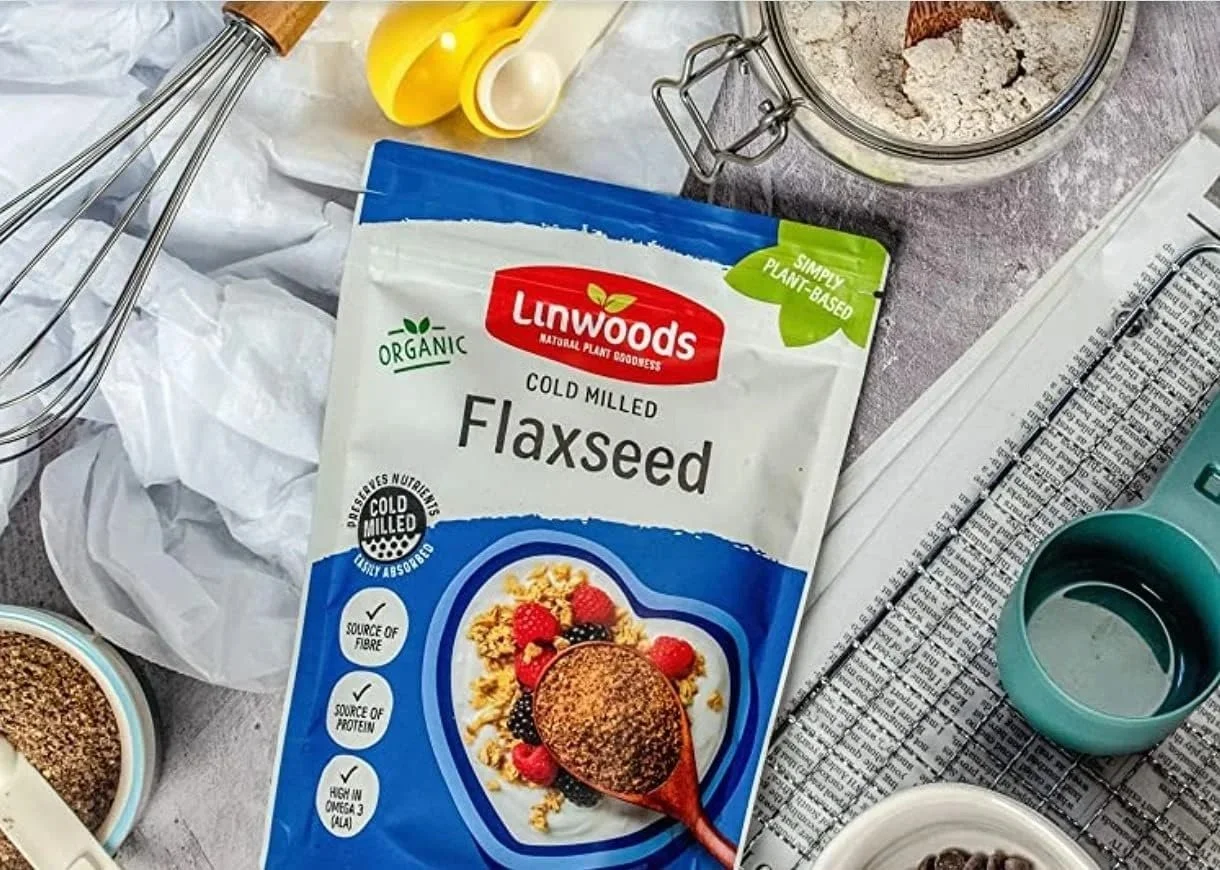
Linwoods Milled Organic Flaxseed
ground flaxseed is one of the most practical single additions to an eczema-supportive diet, providing both ALA omega-3 and soluble prebiotic fibre — two of the dietary dimensions most relevant to eczema management through the gut-skin axis and eicosanoid pathways. A tablespoon added daily to porridge, yogurt, or smoothies requires no dietary restructuring. Milled is essential — whole flaxseeds pass through largely undigested.
Practical dietary habits that consistently support eczema
Eat oily fish 2–3 times per week. The most direct dietary source of EPA and DHA. If you don't eat fish, an algae-based omega-3 supplement provides the same active forms.
Include fermented foods daily. A tablespoon of kimchi or sauerkraut with dinner, or kefir or live yogurt at breakfast — small, consistent habits support microbiome diversity.
Prioritise plant food diversity. Aiming for 30 different plant foods per week — across fruits, vegetables, legumes, whole grains, nuts, and seeds — is an achievable target that consistently improves microbiome diversity in research.
Reduce ultra-processed food and added sugar. Not elimination but reduction — replacing one processed food daily with a whole food alternative makes a meaningful cumulative difference over weeks.
Maintain adequate hydration. As covered in the water and eczema article in this series, adequate hydration supports skin surface moisture and barrier function at the margins.
Skin support for eczema-prone skin
A well-structured anti-inflammatory diet addresses important dimensions of eczema management — but it doesn't provide all the nutritional support relevant to the condition. Vitamin D is the most significant gap — it cannot be reliably obtained from food and is critical for filaggrin expression and immune regulation. Zinc at doses relevant to immune function often requires supplementation beyond what diet provides for most people.
Drought's Skin Support Formula provides 14 nutrients including vitamin D, zinc, vitamin C, magnesium, and biotin — addressing the specific nutritional gaps that even a well-structured eczema diet leaves. Made in the UK, suitable for vegetarians, formulated for consistent long-term daily use. It works alongside dietary improvement rather than as a replacement.
FAQs: Diet and eczema
What is the best diet for eczema?
An anti-inflammatory dietary pattern rich in oily fish, fermented foods, diverse plant foods, and low in ultra-processed food and sugar has the most consistent evidence. There is no single "eczema diet" that works universally — individual trigger identification matters.
Can diet cure eczema?
No — eczema has genetic underpinnings in filaggrin deficiency and Th2 immune dysregulation that dietary change cannot correct at root. What diet consistently influences is the inflammatory environment in which eczema operates, the gut microbiome composition that modulates immune reactivity, and the nutritional status that determines barrier repair capacity. People who make significant dietary improvements often experience meaningful reductions in flare frequency and severity — not cure, but a lower baseline from which triggers produce less severe responses. Diet works most effectively as part of a comprehensive approach alongside appropriate skincare, trigger management, and where needed medical treatment.
How long does diet take to affect eczema?
4–6 weeks of eliminating a specific food is the standard trial period. Shorter periods don't allow for eczema's natural fluctuation to be accounted for.
Should I eliminate foods completely?
Only specific suspected foods, systematically, with clear purpose — not broad food group elimination without evidence. Removing a single suspected trigger for 4–6 weeks and monitoring whether skin improves, then reintroducing and observing whether it worsens, provides reliable personal data. Removing multiple foods simultaneously makes causation impossible to determine. Removing entire food groups without confirmed sensitivity risks nutritional deficiency — particularly relevant for dairy elimination in children where calcium and vitamin B12 need replacing. For significant eliminations, particularly in children, working with a registered NHS dietitian provides both guidance and safety monitoring.
What foods should I avoid with eczema?
Dairy, eggs, citrus, wheat, and alcohol are the most commonly reported triggers — but only in people for whom these are personal triggers. Unnecessary elimination without evidence of sensitivity is not recommended.
Does sugar worsen eczema?
High sugar intake contributes to systemic inflammation and gut microbiome disruption, both of which can worsen eczema. This is a pattern effect rather than sugar being a direct contact allergen.
Does dairy cause eczema?
Not universally. Dairy is a trigger for a subset of people with eczema — particularly children with moderate-to-severe disease. Testing or supervised elimination determines whether it's relevant for any individual.
Summary
Diet influences eczema through three distinct routes: systemic inflammatory load (affected by overall dietary quality), gut microbiome composition (affected by fibre diversity and fermented foods), and specific food triggers (affected by individual allergy or sensitivity). The foods most consistently associated with eczema improvement are oily fish, fermented foods, prebiotic fibre, and antioxidant-rich plants. The most common dietary triggers are dairy, eggs, citrus, and alcohol — but these are not universal, and unsupervised blanket elimination of food groups risks more harm than good. Systematic observation, targeted testing where appropriate, and working with a dietitian for significant eliminations is the evidence-based approach. Diet is an important part of eczema management — alongside skincare, trigger avoidance, appropriate medical treatment, and nutritional supplementation for the gaps food alone can't fill.
Written by the Drought Skin team — specialists in natural support for psoriasis and eczema.
Disclaimer: This article contains affiliate links. We earn a very small commission from each purchase made through these links. There is no additional cost to you. All products featured have been specifically selected as products we personally use and love. For further information, please see our disclaimer page.
