
Eczema Smoothies: Recipes & Skin-Supporting Ingredients

Smoothies have become one of the more popular ways to improve nutritional intake for eczema — and while no smoothie is going to clear a flare on its own, the logic behind them is sound. Eczema is influenced by nutrition, inflammation levels, gut health, and skin barrier integrity — all of which are affected by what you eat regularly. A well-built smoothie can meaningfully contribute to several of these at once.
The key is knowing which ingredients are worth including and why — rather than just throwing "superfoods" into a blender and hoping for the best. This guide covers the most relevant ingredients for eczema-prone skin, what each contributes, what to be cautious about, and five practical recipes you can make at home.
When dealing with eczema, most people focus on creams, skincare and avoiding irritants — but diet is becoming an increasingly talked-about part of the conversation too.
Why Nutrition Matters for Eczema
Eczema is a complex inflammatory skin condition influenced by genetics, the immune system, skin barrier function and environmental triggers.
While diet isn’t the root cause for everyone, nutrition can still influence:
Skin hydration
Inflammation levels
Gut health
Nutrient deficiencies
Skin barrier support
This is why many people explore foods rich in vitamins, minerals and antioxidants as part of their skincare routine.
What supports one person’s skin may not work for another, which is why identifying personal triggers matters.
What makes an ingredient useful for eczema skin?
Not all "healthy" ingredients are equally relevant to eczema. The ones most worth building into a regular smoothie routine are those with documented roles in:
Reducing systemic inflammation. Eczema is an inflammatory condition. Ingredients rich in antioxidants (which neutralise free radicals that promote inflammation) and omega-3 fatty acids (which support anti-inflammatory signalling) have the most direct relevance.
Supporting the skin barrier. The skin barrier relies on lipids, proteins, and specific nutrients — including zinc, vitamin E, and essential fatty acids — to maintain its structure. These can be supported through dietary intake.
Gut health. The gut-skin axis is a genuine and developing area of research — microbiome composition influences immune regulation in ways that affect eczema. Ingredients with prebiotic or probiotic benefits, or those that support gut barrier integrity, have indirect but real relevance.
Providing key skin-relevant nutrients. Vitamin C for collagen and barrier support, vitamin E for antioxidant protection, zinc for immune regulation, magnesium for stress and inflammatory balance — these are the nutrients most consistently associated with skin health.

Best Ingredients Often Added to Eczema Smoothies
Certain ingredients are commonly included in smoothies aimed at supporting skin health.
Leafy Greens
Dark leafy greens are nutritionally dense — providing vitamin C, folate, magnesium, and antioxidants including beta-carotene. Magnesium in particular is relevant for eczema: low magnesium is associated with heightened inflammatory responses and stress reactivity, both documented eczema triggers. Spinach has a milder flavour than kale in smoothies, making it easier to include in larger quantities.
Berries
Among the highest antioxidant content of any common fruit. Rich in anthocyanins — pigments with well-documented anti-inflammatory and antioxidant properties. Also provide vitamin C and fibre that supports gut health. Frozen berries are nutritionally equivalent to fresh and considerably cheaper, making them practical for daily use.
Avocado
Provides oleic acid (a monounsaturated fatty acid with anti-inflammatory properties) alongside vitamin E, which protects cell membranes from oxidative damage. The healthy fat content also improves absorption of fat-soluble nutrients — including beta-carotene from leafy greens and lycopene from other ingredients — making a smoothie more nutritionally effective overall. Half an avocado gives a smoothie a creamy texture without dairy.
Chia Seeds
Combine omega-3 ALA with protein, calcium, and soluble fibre that acts as a prebiotic, feeding beneficial gut bacteria. They also form a gel in liquid that supports a smoother texture without dairy thickeners. A tablespoon or two is a practical daily addition.
Flaxseeds
One of the richest plant sources of alpha-linolenic acid (ALA), the plant form of omega-3 fatty acids. Omega-3s are incorporated into cell membranes — including those of skin cells — and influence barrier fluidity and inflammatory signalling. Flaxseeds also provide lignans (antioxidant compounds) and soluble fibre that supports gut bacteria. Must be ground rather than whole to allow absorption — whole flaxseeds pass through the gut largely intact.
Oat Milk (unsweetened)
For people avoiding dairy — a common eczema trigger — unsweetened oat milk is a well-tolerated base. It contains beta-glucan, a soluble fibre with prebiotic properties, and is typically fortified with calcium and B vitamins. Choose varieties without added sugar and check for added rapeseed oil if this is a personal trigger.
Banana
The most practical smoothie base — it adds natural sweetness, creamy texture, and bulk without the need for added sugar. Provides potassium, vitamin B6, and resistant starch (particularly in less-ripe bananas) that acts as a prebiotic. Ripe bananas have a higher glycaemic index; those with a few green patches provide more resistant starch and a less sharp sugar hit.
Turmeric
Curcumin's anti-inflammatory properties — including NF-κB inhibition — are covered in more depth in the turmeric article in this series. In a smoothie context, a small amount of ground turmeric combined with black pepper (piperine improves curcumin absorption significantly) and a fat source (avocado, flaxseeds, or coconut milk) provides a low-effort way to include curcumin with improved bioavailability. A quarter teaspoon of turmeric with a pinch of black pepper is enough.
Ginger
Has documented anti-inflammatory and antioxidant properties through gingerols and shogaols. May support gut motility and digestive comfort. Adds a warming note that balances the earthier flavours of leafy greens and turmeric. Fresh ginger is more potent than ground; a thumbnail-sized piece provides a meaningful amount.
Ingredients Some People Avoid
Although healthy foods can support skin health, certain ingredients may trigger symptoms in some individuals.
Common examples include:
Dairy
High-sugar ingredients
Artificial sweeteners
Certain protein powders
Citrus fruits (for some people)
Highly processed smoothie additives
Dairy. Cow's milk, yogurt, and whey protein powder are common eczema triggers for a subset of people — particularly those with dairy sensitivity or IgE-mediated cow's milk allergy. If dairy is a potential trigger for you, use plant-based milk and avoid yogurt-based smoothies.
Citrus fruit. Oranges, grapefruit, and lemons are acidic and can trigger or worsen eczema in some people. If citrus is a personal trigger, use berries or mango as a vitamin C source instead.
High-sugar combinations. A smoothie with multiple high-sugar fruits (mango, pineapple, banana, dates, honey) delivers a significant sugar load that may promote inflammation and destabilise gut microbiome balance. Balancing fruit content with leafy greens, seeds, and healthy fats moderates the glycaemic impact.
Protein powders. Many commercial protein powders contain additives, artificial sweeteners, flavourings, or dairy derivatives that can be problematic for eczema-prone skin. If using a protein supplement, check the ingredient list carefully.
Not everyone reacts to the same foods, which is why keeping track of flare-ups may help identify patterns.
Extreme elimination diets are rarely sustainable without professional guidance.
Hydration & Skin Health
One reason smoothies are popular for eczema is because they can increase fluid intake while also providing nutrients.
Hydration is important because dry skin often has a weaker protective barrier.
Simple ways to improve hydration include:
Drinking enough water throughout the day
Including water-rich fruits
Limiting excess alcohol and sugary drinks
Adding hydrating foods consistently
Hydration alone won’t “cure” eczema, but dry skin tends to become irritated more easily.
Five eczema smoothie recipes
1. Green Barrier Smoothie
For skin barrier support and anti-inflammatory benefit.
2 large handfuls of spinach
1 ripe banana
150ml unsweetened oat milk
1 tablespoon ground flaxseed
1 tablespoon chia seeds
½ avocado
100ml water
Blend until smooth. The combination of flaxseeds, chia seeds, and avocado provides omega-3s, vitamin E, and healthy fats in a single drink. The spinach adds magnesium without significantly affecting the flavour.
2. Blueberry Antioxidant Smoothie
For antioxidant support and gut health.
150g frozen blueberries
1 banana
1 tablespoon ground flaxseed
200ml unsweetened oat milk
1 teaspoon raw honey (optional)
Small handful of spinach
Blend until smooth. The anthocyanins in blueberries combined with the fibre from oat milk and flaxseed make this a strong gut-health and antioxidant combination. Honey can be added for sweetness — raw honey has mild antimicrobial properties, though the quantities involved are small.
3. Golden Anti-Inflammatory Smoothie
For curcumin, ginger, and anti-inflammatory ingredients.
1 banana (frozen works well)
½ avocado
¼ teaspoon ground turmeric
Pinch of black pepper
Thumbnail piece of fresh ginger, peeled
200ml unsweetened coconut milk (carton, not tin)
1 teaspoon ground flaxseed
Blend until smooth. The fat from avocado and coconut milk improves curcumin absorption significantly. Black pepper is not optional here — it substantially increases bioavailability. This has a warming, slightly earthy flavour that suits some people more than others; a ripe banana makes it sweeter and more palatable.
4. Creamy Kale and Mango Smoothie
For vitamin C, beta-carotene, and barrier-supportive nutrients.
Large handful of kale (stalks removed)
150g frozen mango chunks
½ avocado
200ml unsweetened oat milk
1 tablespoon chia seeds
Juice of ½ lime
Blend until smooth. Mango is a rich source of beta-carotene (provitamin A) and vitamin C — both relevant to skin cell turnover and barrier integrity. Kale adds magnesium, vitamin K, and additional antioxidants. The lime juice brightens the flavour and adds further vitamin C without a large citrus hit.
5. Berry and Oat Recovery Smoothie
For gut health, antioxidants, and sustained energy.
100g frozen mixed berries (raspberries, blackberries, strawberries)
1 banana
3 tablespoons rolled oats
200ml unsweetened oat milk
1 tablespoon ground flaxseed
1 teaspoon almond butter
Blend until smooth. The oats provide beta-glucan fibre with prebiotic properties. Almond butter adds vitamin E and healthy fats. Mixed berries broaden the range of polyphenols beyond blueberries alone. This is also the most filling of the five recipes — practical as a breakfast option.
Supplement Support for Dry, Sensitive Skin
Smoothies are a practical way to increase skin-relevant nutrients, but diet alone rarely covers all the nutritional bases relevant to eczema. Specific nutrients — particularly vitamin D (synthesised primarily through UV exposure, not food), zinc, and certain B vitamins — are harder to reliably obtain from diet alone, particularly in the UK where sunlight is limited for much of the year.
Drought's Skin Support Formula provides 14 nutrients including zinc, vitamin D, vitamin C, magnesium, biotin, and CoQ10 in a daily supplement designed for eczema-prone and sensitive skin. It works alongside dietary approaches — including smoothie habits — to address nutritional gaps that food alone may not fill. Made in the UK, suitable for vegetarians, formulated for consistent daily use.
Recommended Products
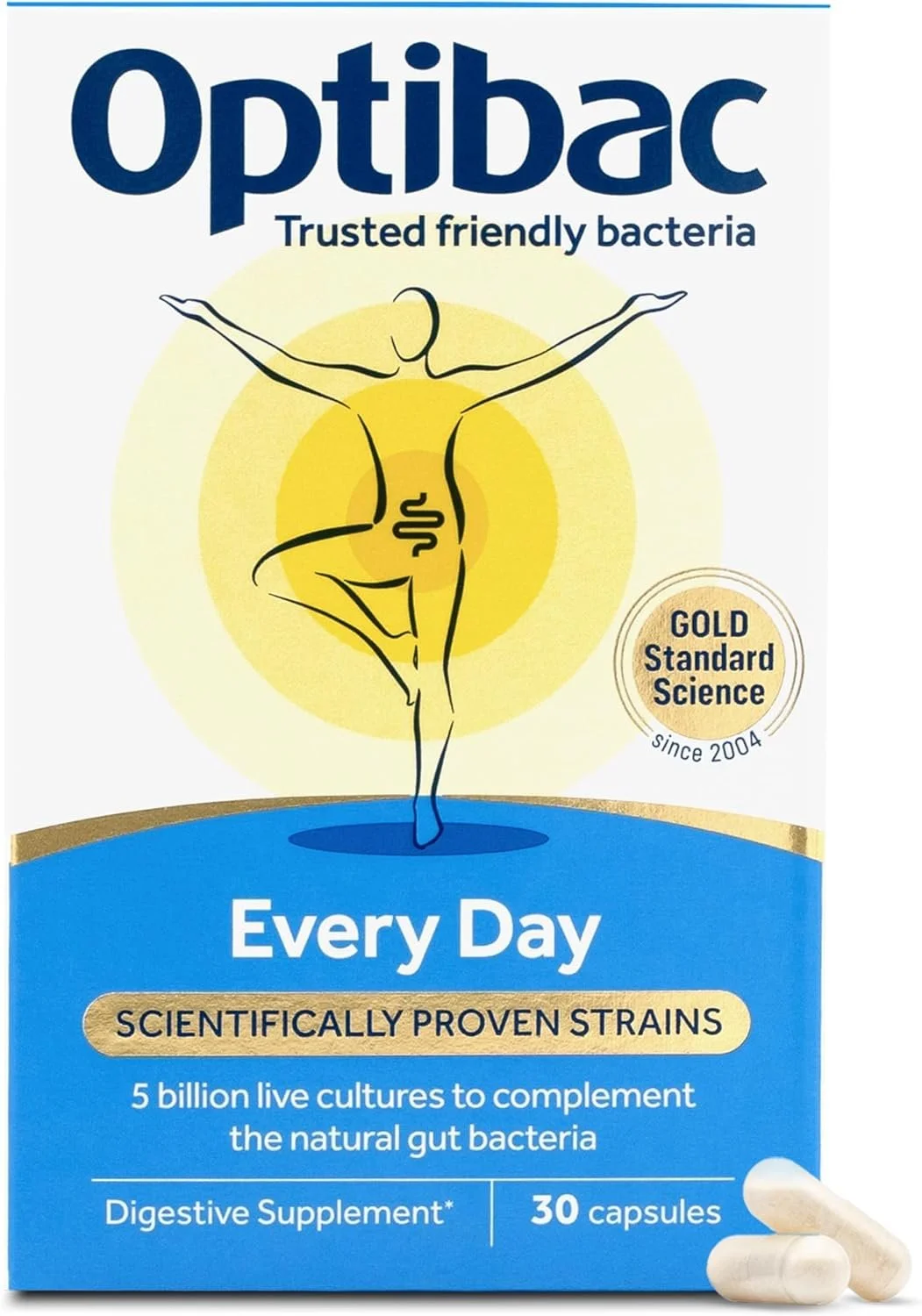
Optibac Probiotics For Every Day
a multi-strain probiotic providing Lactobacillus and Bifidobacterium species alongside the prebiotic fibre the smoothie recipes above deliver. As covered in the probiotics eczema article in this series, prebiotic fibre and probiotic bacteria work through complementary mechanisms — fibre provides the substrate, probiotics provide the bacterial species that produce the butyrate and short-chain fatty acids relevant to the gut-skin axis. A practical companion to the kefir and flaxseed smoothie recipes for people who want to address both dimensions simultaneously.
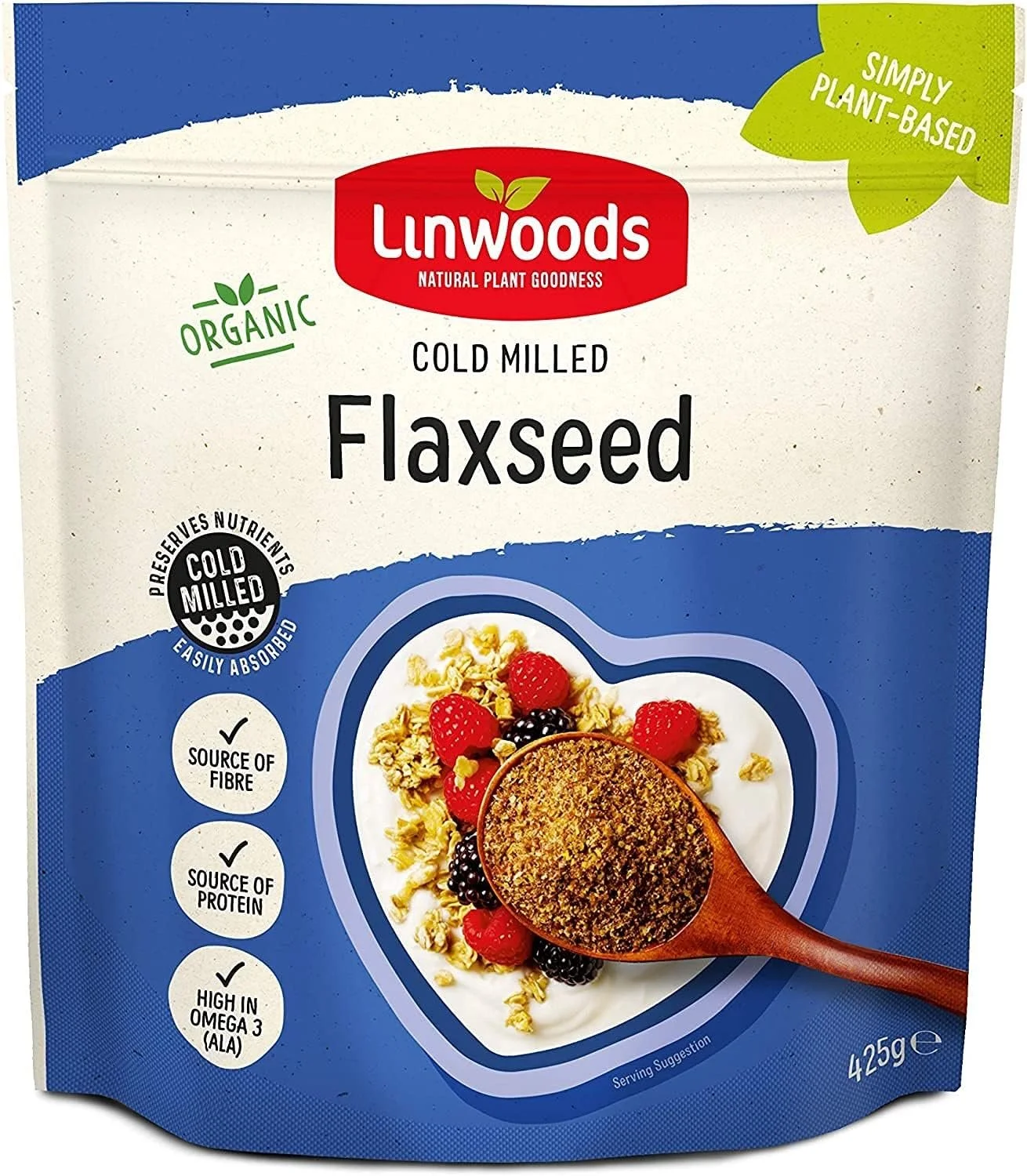
LINWOODS Organic Milled Flaxseed
milled flaxseed providing ALA omega-3, soluble prebiotic fibre, and lignans in a format that blends seamlessly into any of the smoothie recipes above. As covered in the fibre and omega-3 eczema articles in this series, both ALA and soluble fibre address the gut-skin axis through complementary and non-overlapping mechanisms — fibre feeds butyrate-producing F. prausnitzii species while ALA provides plant-source omega-3 for the eicosanoid balance. One to two tablespoons per smoothie is the practical daily addition
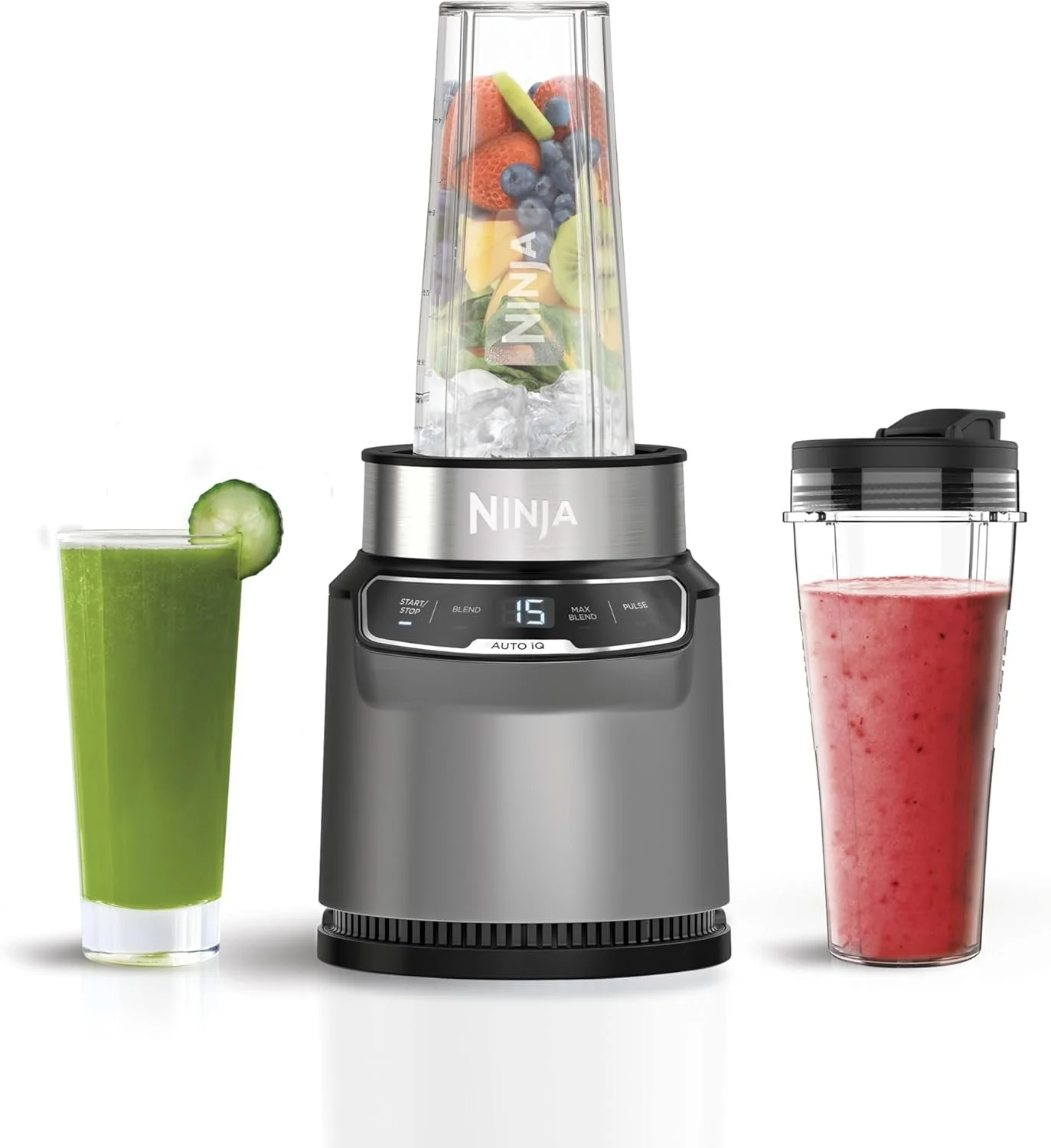
Ninja Blender with Auto-iQ
a compact personal blender with sufficient power for frozen fruit, leafy greens, and seeds without the residual grit that lower-powered blenders leave from flaxseed and kale. The personal cup format reduces washing-up friction — the single most consistent reason daily smoothie habits don't stick. Consistent daily habit is what produces cumulative gut-skin axis benefit; equipment that makes the habit easier directly supports the outcome
Practical tips for eczema smoothies
Batch prep ingredients. Portion spinach, flaxseeds, and chia seeds into daily freezer bags so each smoothie takes two minutes to make. Pre-portioning removes the friction that stops consistent habits.
Rotate your base. Using the same leafy green every day limits phytonutrient diversity. Alternate between spinach, kale, and rocket to broaden the nutrient range.
Don't over-sweeten. Resist adding honey, dates, or multiple high-sugar fruits. A ripe banana provides sufficient natural sweetness for most of these recipes. Excess sugar works against the anti-inflammatory goal.
Track your response. If you're experimenting with eczema and diet, introduce new ingredients one at a time and observe skin over a week or two. Smoothies are typically low-risk, but some ingredients (citrus, dairy-containing additions, certain seeds) are personal triggers for some people.
Consistency over perfection. One "perfect" smoothie occasionally does very little. The benefit comes from regular inclusion of skin-supportive nutrients over weeks and months.
FAQ
Can smoothies help eczema?
Smoothies don't treat eczema directly — but they are one of the most practical ways to consistently increase intake of the anti-inflammatory polyphenols, prebiotic fibre, and gut-supporting ingredients that address the dietary dimensions of eczema management. The gut-skin axis evidence supports consistent daily intake of these nutrients rather than occasional high doses — which is why the smoothie format is particularly well-suited to eczema dietary management.
What is the best smoothie ingredient for eczema?
Flaxseed provides the most dual-mechanism benefit — ALA omega-3 for eicosanoid balance and soluble prebiotic fibre for the butyrate-producing gut bacteria most consistently deficient in eczema patients. Blueberries provide the highest anthocyanin content of common smoothie fruits for NF-κB inhibition. Both combined in a single smoothie addresses two distinct and complementary gut-skin axis pathways simultaneously.
Are green smoothies good for eczema?
Yes — leafy greens provide magnesium for HPA axis stress regulation, folate for cellular repair, and chlorophyll-associated antioxidants alongside fibre. Spinach and kale are the most nutrient-dense options for eczema-relevant minerals. The key is balancing greens with fruit to improve palatability — a smoothie that's undrinkable doesn't provide any benefit regardless of ingredient quality.
Can dairy in smoothies worsen eczema?
For people with dairy sensitivity or non-IgE delayed reactions to cow's milk protein — yes. Use unsweetened oat, almond, or coconut milk as a base. Check protein powder labels carefully for whey and casein derivatives — both are dairy proteins. As covered in the eczema and dairy article in this series, a negative allergy test doesn't rule out dairy as an eczema trigger.
Is citrus fruit safe in eczema smoothies?
For most people — yes. Citrus's vitamin C content makes it a useful eczema smoothie addition through sebum oxidation protection and collagen synthesis. For histamine-sensitive individuals, citrus is a moderate histamine releaser that may worsen itch. If citrus consistently correlates with flares, mango or kiwi provide equivalent vitamin C without the histamine concern.
How often should I have an eczema smoothie?
Daily — consistency produces cumulative gut-skin axis benefit that single or occasional consumption doesn't. The prebiotic fibre from flaxseed and the probiotic support from kefir need consistent daily intake to maintain the microbiome shifts relevant to eczema management. Batch-preparing smoothie ingredient packs in advance reduces daily preparation friction significantly.
Should I avoid sugar in eczema smoothies?
Avoid added sugars — honey, syrups, and flavoured protein powders. Fruit's natural fructose is balanced by fibre content and is not the same concern as added sugar. Combine fruit with leafy greens, seeds, and fat (avocado, nut butter) to moderate the glycaemic impact of higher-sugar fruits like mango and banana.
Conclusion
The best eczema smoothies aren't built around one trending ingredient — they're built around a combination of anti-inflammatory, barrier-supportive, and gut-friendly nutrients that work together. Flaxseeds and chia seeds for omega-3s, blueberries for antioxidants, leafy greens for magnesium and vitamins, avocado for healthy fats and vitamin E, and turmeric with black pepper for curcumin bioavailability — these are the ingredients most grounded in relevance to eczema skin. Used consistently as part of a broader approach to diet and skin health, they're a simple and practical daily habit.
Written by the Drought Skin team — specialists in natural support for psoriasis, eczema and acne
Disclaimer: This article contains affiliate links. We earn a very small commission from each purchase made through these links. There is no additional cost to you. All products featured have been specifically selected as products we personally use and love. For further information, please see our disclaimer page.
