
Psoriasis Smoothies: 5 Recipes, the Mechanism Behind Each Ingredient & Why Fibre Matters More Than Juice

Smoothies and juices have become a fixture in psoriasis diet discussions — and while no drink is going to clear plaques or stop flares, the reasoning behind them is more grounded than wellness hype suggests. Psoriasis is driven by chronic systemic inflammation, and diet has a measurable influence on inflammatory markers. The Mediterranean dietary pattern — which prioritises vegetables, fruit, oily fish, wholegrains, and olive oil — has the most consistent evidence for reducing psoriasis severity of any dietary approach.
A daily smoothie is one of the most practical ways to increase intake of several of the most relevant nutrients at once: antioxidants that reduce oxidative stress, omega-3 fatty acids that support anti-inflammatory signalling, and phytonutrients that influence immune regulation. The gap between what most people eat and what an anti-inflammatory diet looks like is significant — and a well-built smoothie helps close it.
This guide covers the ingredients most relevant to psoriasis and why, what you should know about juice vs smoothies, five practical recipes, and the truth about popular juicing trends that don't hold up to scrutiny.
Can juices and smoothies improve psoriasis?
Juices and smoothies can help support overall health and inflammation — but they don't treat or cure psoriasis, and the gap between those two things matters more here than it does for most dietary topics. The wellness industry's enthusiasm for "skin-clearing smoothies" and "juice cleanses for psoriasis" has produced a significant amount of content that overstates what blended fruit and vegetables can achieve for a condition driven by systemic immune dysregulation rather than dietary deficiency alone. Setting realistic expectations doesn't mean dismissing the potential — it means making the genuine benefit more credible and more useful.
What smoothies and juices can meaningfully contribute to psoriasis management is more specific than general wellness content acknowledges. Several of the most anti-inflammatory compounds with documented relevance to psoriasis pathways — anthocyanins from berries, punicalagins from pomegranate, curcumin from turmeric, and the combined fibre and ALA omega-3 from ground flaxseed — are efficiently delivered in liquid form and absorbed well when combined with appropriate fats. A smoothie built around these specific ingredients, with specific quantities and specific mechanistic rationale, is doing something quite different from a generic green juice. The five recipes in this article are built around that distinction — each ingredient is chosen for a specific reason, not because it photographs well.
Why juices and smoothies are linked to psoriasis
Psoriasis is driven by:
inflammation
immune system activity
oxidative stress
Fruits and vegetables are rich in:
antioxidants
vitamins (A, C, E)
fibre
Diets high in these foods are linked to reduced psoriasis severity and inflammation
Smoothies and juices are often promoted as an “easy way” to increase intake.
Smoothies vs juices: why it matters for psoriasis
This distinction deserves more than a passing mention because it directly affects how a drink impacts psoriasis-relevant biology.
Smoothies use whole blended ingredients, retaining all fibre. Fibre supports the gut microbiome by feeding beneficial bacteria — and microbiome composition has documented relevance to psoriasis, influencing systemic immune regulation and inflammatory balance. Fibre also slows the absorption of natural sugars, preventing the blood sugar spikes that can amplify inflammation.
Juices remove fibre through the extraction process, concentrating vitamins and antioxidants but also concentrating natural sugars that are absorbed rapidly. A glass of fresh fruit juice can deliver a significant sugar load with no fibre buffer — and high sugar intake is associated with increased inflammatory markers and is a risk factor for metabolic syndrome, which is already elevated in people with psoriasis.
This doesn't mean juices are harmful — vegetable-forward juices with minimal fruit have a lower sugar load and retain most of the micronutrients. But for consistent daily use, smoothies are the more balanced option for psoriasis management.
Do juices or smoothies actually work?
This is where expectations need to be realistic.
What research shows:
There are no studies directly proving juicing improves psoriasis
However, eating more fruits and vegetables may help reduce inflammation
Anti-inflammatory diets (like Mediterranean-style eating) are linked to better psoriasis outcomes
It’s the nutrients that help—not the juice itself.
The celery juice myth and why it persists
Celery juice became one of the most viral "psoriasis cure" trends online, and it's worth addressing directly because it continues to generate searches and purchases.
Celery contains vitamin K, folate, potassium, and some antioxidants. It is a nutritious vegetable. There is, however, no clinical evidence that celery juice treats, reduces, or has any specific effect on psoriasis. The claims made online typically involve anecdote, unverified testimonials, and occasionally references to the "healing powers" of undiluted medical medium content — none of which constitutes evidence.
"Detox juices" more broadly claim to remove toxins from the body — a function that the liver and kidneys perform continuously and efficiently without any juice's assistance. No commercial detox juice protocol has been shown to improve psoriasis.
This isn't an argument against including celery in smoothies — as one ingredient among many it contributes nutrients and hydration. It's an argument against spending money on expensive celery juice regimens in the hope of clearing psoriasis.
Ingredients that may support psoriasis
While no “magic smoothie” exists, certain ingredients are helpful:
Berries
Among the richest dietary sources of anthocyanins — polyphenol compounds with documented anti-inflammatory and antioxidant properties that inhibit NF-κB signalling, the same pathway relevant to psoriatic inflammation. Berries also provide vitamin C and soluble fibre that supports beneficial gut bacteria. Frozen berries are nutritionally equivalent to fresh.
Leafy greens (spinach, kale)
Rich in folate, magnesium, vitamin K, and a range of antioxidants including lutein and zeaxanthin. Magnesium supports inflammatory balance and stress regulation — both documented psoriasis triggers. Folate is required for DNA synthesis and immune cell function. Spinach is the most palatable base for green smoothies; kale provides a more intense nutrient profile but stronger flavour.
Carrots + sweet potato
Exceptionally rich in beta-carotene, the plant precursor to vitamin A. Vitamin A plays a well-documented role in regulating skin cell turnover — relevant to the accelerated turnover that drives psoriasis plaques. Sweet potato also provides vitamin C and potassium. Carrots can be added raw to smoothies; sweet potato works better cooked and frozen.
Healthy fats (avocado, seeds)
Provides oleic acid (monounsaturated fat with anti-inflammatory properties) and vitamin E (antioxidant protection for cell membranes). The fat content significantly improves absorption of fat-soluble compounds — including beta-carotene, lycopene, and curcumin — making other ingredients in the same smoothie more bioavailable.
Ginger
Gingerols and shogaols — the active compounds in ginger — inhibit prostaglandin and leukotriene synthesis, both involved in inflammatory pathways. Some clinical studies have shown ginger supplementation reduces CRP (C-reactive protein), a marker of systemic inflammation. Fresh ginger provides more active compounds than ground.
Turmeric with black pepper
Curcumin's NF-κB inhibition is directly relevant to psoriatic inflammation. The essential addition is black pepper — piperine increases curcumin bioavailability by up to 2,000%, as covered in depth in the turmeric article in this series. A fat source in the same smoothie further improves absorption. A quarter teaspoon of turmeric with a pinch of black pepper is the minimum effective combination.
Pomegranate
Rich in punicalagins and ellagic acid — polyphenols with potent antioxidant activity that may inhibit inflammatory cytokines including TNF-α, one of the inflammatory mediators targeted by several psoriasis biologics. Some small studies have examined pomegranate extract's anti-inflammatory effects in the context of inflammatory conditions. Pomegranate seeds or 100% pomegranate juice (in small quantities) are both practical additions.
Ingredients to be cautious about
Alcohol. Not a smoothie ingredient, but worth noting that alcohol is one of the most reliably documented psoriasis triggers — reducing or eliminating it has more consistent impact on psoriasis than almost any dietary addition. No smoothie benefit offsets significant alcohol consumption.
Large quantities of fruit. Mango, pineapple, grapes, and ripe bananas together deliver significant natural sugar. Balance fruit content with vegetables, seeds, and healthy fats.
Dairy. Not a universal trigger, but some people with psoriasis react to dairy. Use plant-based milk alternatives.
Citrus. Some people find citrus fruits worsen their symptoms. If citrus is a personal trigger, use berries or mango as a vitamin C source instead.
Five psoriasis smoothie recipes
1. The Anti-Inflammatory Foundation
Core anti-inflammatory and antioxidant support.
2 large handfuls of spinach
1 ripe banana (frozen)
150g frozen blueberries
1 tablespoon ground flaxseed
1 tablespoon chia seeds
200ml unsweetened oat milk
100ml water
Blend until smooth. This is the simplest and most versatile recipe — a reliable daily base that covers omega-3s, antioxidants, magnesium, and gut-supportive fibre in a single drink.
2. Golden Psoriasis Smoothie
Curcumin, ginger, and beta-carotene for inflammation and skin cell regulation.
1 medium carrot, roughly chopped
½ avocado
1 ripe banana
¼ teaspoon ground turmeric
Pinch of black pepper
Thumbnail piece of fresh ginger, peeled
200ml unsweetened coconut milk (carton)
1 teaspoon ground flaxseed
Blend until smooth. The fat from avocado and coconut milk substantially improves both curcumin and beta-carotene absorption. The carrot provides a naturally sweet base with strong beta-carotene content. A good option if you've been flaring — anti-inflammatory and skin-barrier supportive.
3. Berry and Pomegranate Power Smoothie
Anthocyanins, punicalagins, and TNF-α inhibiting compounds.
100g frozen mixed berries
50ml 100% pomegranate juice
1 banana
Large handful of kale (stalks removed)
1 tablespoon ground flaxseed
150ml unsweetened oat milk
Blend until smooth. Pomegranate juice is used in small amounts here for its polyphenol content without adding significant sugar load. Kale provides more intense phytonutrients than spinach — if the flavour is too strong, substitute half the kale with spinach.
4. Green Gut Support Smoothie
For microbiome and gut barrier support alongside skin health.
2 large handfuls of spinach
½ avocado
1 banana
3 tablespoons rolled oats
200ml unsweetened oat milk
1 tablespoon chia seeds
1 teaspoon almond butter
Blend until smooth. The combination of oats (beta-glucan fibre), chia seeds (prebiotic soluble fibre), and the fat from avocado and almond butter makes this the most gut-focused recipe in the set. Given the documented gut-psoriasis relationship, consistent support of the microbiome through prebiotic fibre is one of the most worthwhile dietary habits for people with psoriasis.
5. Vitamin A and Skin Repair Smoothie
Beta-carotene-rich for skin cell turnover regulation.
100g cooked and frozen sweet potato
1 ripe mango (fresh or frozen)
Large handful of spinach
200ml unsweetened oat milk
1 tablespoon ground flaxseed
Thumbnail piece of fresh ginger
Squeeze of lime juice
Blend until smooth. Sweet potato and mango are among the richest beta-carotene sources available in a smoothie format. This is also the most naturally sweet recipe — suitable if palatability has been a barrier to green smoothie habits. The lime adds brightness and further vitamin C without a large citrus load.
Recommended Products
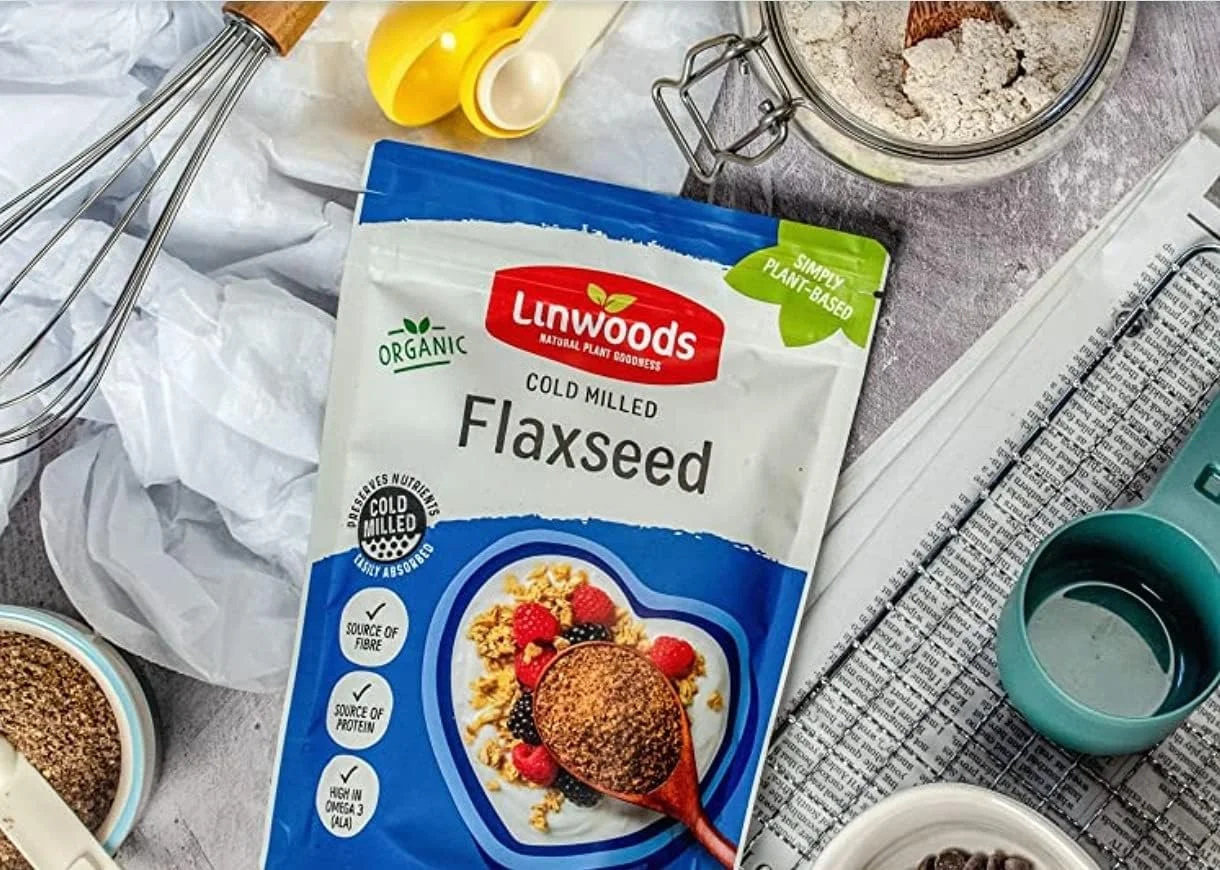
Linwoods Milled Organic Flaxseed
ground flaxseed adds ALA omega-3 and soluble prebiotic fibre to any smoothie without altering texture or flavour. A tablespoon per smoothie is all that's needed — and milled is essential, as whole flaxseeds pass through largely undigested without providing either the omega-3 or the fibre benefit.
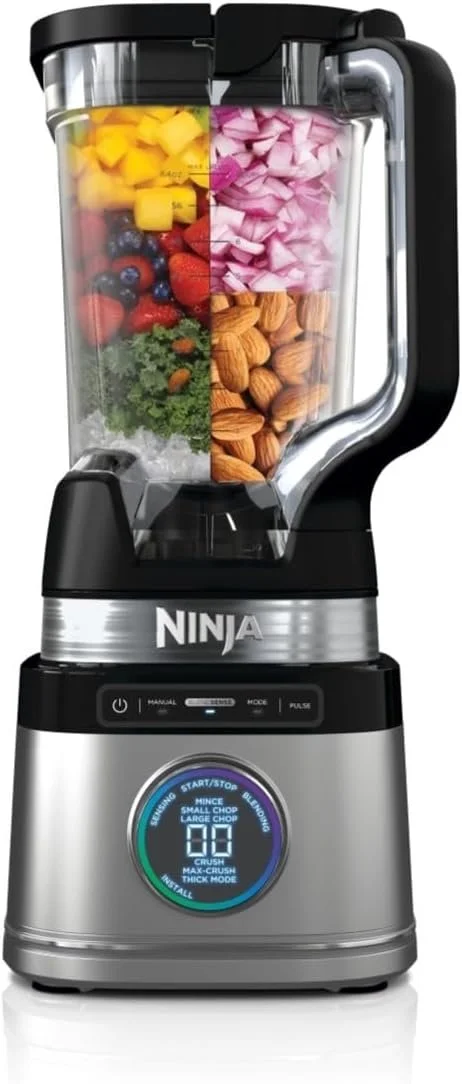
Ninja Nutri-Blender Pro
a compact, high-powered personal blender appropriate for the smoothie recipes above. The extraction blade handles frozen fruit, leafy greens, flaxseed, and the tougher ingredients (ginger, turmeric root) that lower-powered blenders struggle with. Single-serve format reduces washing and makes daily smoothie habits more sustainable.
What juices can legitimately contribute
Smoothies are generally superior to juices for the reasons above, but there are contexts where juices contribute meaningfully:
A small glass of 100% pomegranate juice (50–100ml) provides concentrated polyphenols that are difficult to match with whole fruit. Diluted vegetable juices — particularly those heavy on leafy greens, cucumber, and celery with minimal added fruit — provide hydration and micronutrients without significant sugar load. These work best as additions to a diet rather than as standalone treatments or replacements for whole food intake.
Practical habits that make a difference
Make the base consistent. Having the same base (spinach, banana, oat milk, flaxseed) every day reduces decision fatigue and ensures daily omega-3 and magnesium intake. Vary the fruit and other additions to prevent monotony.
Prep and freeze. Portion ingredients into freezer bags — a week's worth in one session. Remove the bag, add liquid, blend. Two minutes per smoothie with no daily prep.
Avoid the sugar trap. A smoothie with mango, pineapple, banana, honey, and dates is essentially a fruit dessert. The anti-inflammatory goal requires balancing sweetness with vegetables, seeds, and fats.
Don't expect quick results. The Mediterranean diet research showing benefits for psoriasis severity involves consistent adherence over months — not a week of green smoothies. Dietary habits work through cumulative, sustained change.
Skin support for psoriasis-prone skin
Diet and smoothies address the nutritional and inflammatory dimensions of psoriasis but cannot provide all the nutritional support relevant to the condition. Vitamin D — critically associated with psoriasis severity and immune regulation — is not practically obtained from smoothies, and deficiency is common in the UK. Zinc, at doses that address psoriasis-relevant immune pathways, requires supplementation for most people.
Drought's Skin Support Formulaprovides 14 nutrients — including vitamin D, zinc, vitamin C, magnesium, CoQ10, and B vitamins — selected specifically for their roles in skin barrier function, immune regulation, and inflammatory balance. It covers nutritional ground that even a well-built smoothie routine cannot reliably address. Made in the UK, suitable for vegetarians, designed for consistent daily use.
FAQs: Juicing & psoriasis
Can smoothies improve psoriasis?
Not directly — no smoothie treats the Th17 immune dysregulation driving psoriasis at the root. What consistent anti-inflammatory smoothies can realistically contribute is a meaningful reduction in systemic inflammatory burden through sustained polyphenol NF-κB inhibition, improved gut microbiome diversity through prebiotic fibre, and better antioxidant status that moderates the oxidative stress psoriatic inflammation generates. The benefit is cumulative and dietary — not therapeutic in the clinical sense.
Is celery juice good for psoriasis?
There is no clinical evidence that celery juice treats or improves psoriasis — despite the Medical Medium community's specific claims. Celery contains apigenin and luteolin with documented anti-inflammatory activity, but the concentrations achievable from juiced celery are insufficient to produce meaningful NF-κB inhibition at a systemic level. Celery as part of a balanced anti-inflammatory diet is a reasonable inclusion; celery juice as a standalone psoriasis intervention is not evidence-based.
Are smoothies better than juices for psoriasis?
Yes — consistently and for a specific reason. Juicing removes the fibre that slows sugar absorption, supports gut microbiome diversity, and contributes to the prebiotic substrate that butyrate-producing bacteria require. High-sugar juices produce rapid insulin spikes that activate the same mTORC1 and IGF-1 pathways that high-glycaemic eating generally drives — the opposite of what anti-inflammatory psoriasis dietary management aims for. Smoothies retain all fibre and produce a significantly lower glycaemic response from the same fruit ingredients.
What should I not put in a psoriasis smoothie?
Large quantities of high-sugar fruit without fibre or fat to slow absorption — mango, pineapple, and banana in large amounts without spinach, seeds, or avocado to balance them. Dairy milk or whey protein if either is a personal trigger — use oat, almond, or coconut milk instead. Citrus in large quantities if histamine sensitivity is a factor — kiwi provides equivalent vitamin C without the histamine concern. And critically — don't add ingredients simply because they're labelled "superfood" without understanding their specific mechanism relevance to psoriasis.
How often should I have a psoriasis smoothie?
Daily — consistency is what produces cumulative benefit rather than occasional high-nutrient days. The gut microbiome shifts relevant to the gut-psoriasis axis require sustained daily prebiotic fibre input over weeks rather than periodic large doses. One smoothie daily as part of a consistently anti-inflammatory dietary pattern is more impactful than three smoothies one day and none for the rest of the week.
What are the best anti-inflammatory ingredients for psoriasis smoothies?
The five with the most specific and coherent mechanisms for psoriasis: turmeric with black pepper (curcumin NF-κB inhibition requiring piperine for bioavailability); blueberries (anthocyanin NF-κB and TNF-α inhibition); ginger (gingerol COX-2 inhibition parallel to anti-inflammatory drugs); milled flaxseed (ALA omega-3 and soluble prebiotic fibre simultaneously); and leafy greens particularly spinach and kale (magnesium, folate, and chlorophyll-associated antioxidants addressing the HPA axis and oxidative stress dimensions simultaneously).
Does alcohol cancel out smoothie benefits for psoriasis?
Alcohol is one of the most consistently documented psoriasis aggravating factors — elevating TNF-α, increasing gut permeability, raising liver inflammatory burden through the hepatodermal axis, and directly stimulating keratinocyte proliferation. The anti-inflammatory dietary benefit of daily smoothies is unlikely to meaningfully offset significant alcohol consumption through the same pathways. Addressing alcohol intake has considerably more impact on psoriasis severity than any dietary addition — including smoothies.
Can I have a psoriasis smoothie during a flare?
Yes — anti-inflammatory smoothies are appropriate during flares and may marginally support the recovery period through sustained polyphenol and antioxidant intake. During a flare the priority is medical management — prescribed topical or systemic treatment as appropriate — with dietary anti-inflammatory support as a complementary background approach. Don't add new ingredients during a flare that haven't been tested during settled periods, as identifying dietary triggers is harder when baseline inflammation is already elevated.
Summary
Smoothies are one of the most practical ways to increase anti-inflammatory nutrient intake for people managing psoriasis — particularly anthocyanins from berries, omega-3s from ground flaxseeds, curcumin from turmeric with black pepper, and beta-carotene from carrots and sweet potato. The key is building recipes around ingredients with genuine psoriasis-relevant mechanisms rather than following trending "cure" claims. Whole smoothies consistently outperform juices by retaining fibre that supports the gut microbiome. And consistent daily habits, sustained over months, matter far more than any occasional superfood ingredient.
Written by the Drought Skin team — specialists in natural support for psoriasis, eczema and acne
Disclaimer: This article contains affiliate links. We earn a very small commission from each purchase made through these links. There is no additional cost to you. All products featured have been specifically selected as products we personally use and love. For further information, please see our disclaimer page.
