
Psoriasis-Friendly Snacks: What to Eat Between Meals and Why It Matter

Most psoriasis diet advice focuses on main meals. Snacks deserve equal attention — because what happens between meals affects the same hormonal and inflammatory pathways that drive psoriasis just as much as what you eat at breakfast, lunch, and dinner.
A packet of crisps and a sugary drink as an afternoon snack produces an insulin spike, elevates IGF-1, activates mTORC1 inflammatory signalling, and contributes to the oxidative stress that perpetuates psoriatic inflammation. Repeated daily, these snack patterns accumulate into a sustained inflammatory environment that undermines whatever you're doing with the rest of your diet. Conversely, a snack built around nuts, seeds, or berries contributes antioxidants, fibre, and healthy fats that cumulatively support the anti-inflammatory patterns with the most evidence for psoriasis benefit.
This article covers why snacking specifically matters for psoriasis and ten snack ideas with the specific nutritional reasoning behind each.
Psoriasis Snacks: Can Small Food Choices Affect Your Skin?
When people think about psoriasis triggers, snacks probably aren’t the first thing that comes to mind.
But because psoriasis is linked to inflammation, many people are becoming more interested in how everyday food choices — including snacks — may affect their skin over time.
While there’s no single “psoriasis diet” that works for everyone, some people feel certain foods support healthier-looking skin, while others notice specific snacks seem to worsen flare-ups, inflammation or overall skin comfort.
Psoriasis-friendly snacks are usually less about perfection and more about supporting overall skin health consistently.
Why snacking patterns matter specifically for psoriasis
The key mechanisms through which snacking affects psoriasis are:
Glycaemic stability. Frequent high-glycaemic snacks (crisps, biscuits, sugary drinks, confectionery) produce repeated insulin spikes throughout the day, elevating IGF-1 and activating mTORC1 — the same pathway that drives keratinocyte hyperproliferation, as covered in the psoriasis diet article. Maintaining stable blood sugar between meals through fibre-rich, fat-containing snacks avoids this cycle.
Sustained antioxidant and polyphenol intake. The anti-inflammatory benefit of a Mediterranean dietary pattern is not delivered by three meals — it's the cumulative intake of polyphenols, omega-3s, and antioxidants across the whole day. Snacks built around nuts, seeds, berries, and fermented foods extend this intake into the gaps between meals.
Avoiding inflammatory inputs. Ultra-processed snack foods — crisps, biscuits, chocolate bars, fizzy drinks — are not neutral in terms of psoriasis. They deliver refined carbohydrates, inflammatory omega-6 fats, emulsifiers that disrupt gut microbiome composition, and AGE-forming sugars. The between-meal period is when people most commonly reach for these, making snack choice one of the most leveraged dietary decisions in practice.
Ten psoriasis-friendly snacks with specific nutritional rationale
1. Walnuts
A small handful (around 30g) provides ALA omega-3 fatty acids, polyphenols, and magnesium. Walnuts have the highest omega-3 content of any common nut and also provide ellagitannins — polyphenols converted by gut bacteria to urolithin A, which has specific anti-inflammatory properties. Of all nut options, walnuts are the most relevant to the psoriasis-omega-3 connection discussed in the vitamins for psoriasis article.
2. Mixed berries
A bowl of blueberries, raspberries, and blackberries provides anthocyanins across a range of polyphenol types — the NF-κB inhibition mechanism of anthocyanins means each handful directly counteracts the inflammatory signalling driving psoriasis. Berries also have a low glycaemic index despite their sweetness, maintaining stable blood sugar without the insulin spike of processed sugar sources. As covered in the blueberries article, these are among the most specifically relevant anti-inflammatory foods for this audience.
3. Hummus and vegetable sticks
Hummus provides protein, tahini (sesame seed paste providing calcium, zinc, and healthy fats), and chickpeas (high fibre, prebiotic support for gut microbiome). Vegetable sticks — carrots, celery, cucumber, peppers — add vitamins, antioxidants, and water content without glycaemic load. This combination produces sustained energy without blood sugar spikes and directly supports the gut microbiome.
4. Kefir
A small glass of kefir is one of the most genuinely functional psoriasis snacks. Kefir is fermented milk containing a wide diversity of beneficial bacteria — considerably more strain diversity than yogurt. As covered in the probiotics for psoriasis article, gut microbiome health directly influences the inflammatory pathways driving psoriasis. Daily kefir is one of the simplest and most practical ways to introduce consistent probiotic input.
5. An apple with almond butter
Apples provide quercetin — the mast cell-stabilising, NF-κB-inhibiting flavonoid discussed in the fruit article. Almond butter provides vitamin E, monounsaturated fats, and protein. Together, they provide a balanced glycaemic response and complementary anti-inflammatory compounds. The fibre in the apple feeds the beneficial gut bacteria that almond butter's fats help support.
6. Sardines on oatcakes
One of the most omega-3-dense snacks available. Tinned sardines provide EPA and DHA directly — the active forms of omega-3 that have the most specific anti-inflammatory evidence for psoriasis, as covered in the vitamins for psoriasis article. Oatcakes provide beta-glucan fibre with prebiotic properties. A practical, filling, and genuinely functional choice.
7. A small handful of pumpkin seeds
Rich in zinc — one of the nutrients most consistently lower in psoriasis patients, with documented immune regulatory roles. A 30g serving provides around 2.2mg zinc. Also provides magnesium (for inflammatory balance and stress regulation) and healthy fats. Plain, unsalted pumpkin seeds are more appropriate than salted or flavoured varieties.
8. Dark chocolate (70%+)
A small square or two of high-cocoa dark chocolate provides flavanols with antioxidant and mild vasodilatory properties — improved blood flow has relevance to skin healing. It also provides magnesium. The caveat from the chocolate and acne article applies here: cocoa may worsen acne in susceptible individuals, but for psoriasis specifically the polyphenol profile at modest portions (20–30g) provides benefit without the high sugar load of milk chocolate. Choose 70% cocoa or above and avoid varieties with added flavourings.
9. Avocado on rice cakes
Half an avocado on two plain rice cakes provides oleic acid (anti-inflammatory monounsaturated fat), vitamin E, and potassium. Avocado's healthy fat content also improves absorption of fat-soluble antioxidants from earlier or later in the day. Rice cakes have a moderate glycaemic index — when topped with avocado's fat and fibre, the overall blood sugar response is considerably more stable than the cake alone.
10. Live natural yogurt with ground flaxseed
Natural live yogurt provides beneficial bacteria and protein. A tablespoon of ground flaxseed adds ALA omega-3, lignans (antioxidant polyphenols), and soluble fibre. This combination supports both the gut microbiome directly (probiotic bacteria from yogurt) and the gut environment those bacteria need (prebiotic fibre from flaxseed). As covered in the seeds article, flaxseed must be ground to be nutritionally useful.
Food triggers are highly personal — what affects one person may not affect another at all.
The snacks most worth replacing
Crisps and salty processed snacks — high omega-6 fats, acrylamide (a compound formed during high-temperature cooking of starchy foods, with documented oxidative stress effects), high sodium, and often emulsifiers that disrupt gut microbiome.
Biscuits, cereal bars, and granola bars — often marketed as healthy but frequently delivering significant added sugar alongside processed wheat flour. Many "oat bars" contain more sugar than the oats would warrant.
Sugary drinks — the highest-impact single dietary change for psoriasis, as discussed in the sugar article. Cola, juice drinks, sweetened coffee, and energy drinks produce the most concentrated insulin spikes of any food or drink category.
Flavoured rice cakes and "light" snacks — these often contain flavourings, artificial sweeteners, and additives that don't serve psoriasis skin.
Hydration & Snacking Habits
Hydration is another factor often overlooked.
Some snack foods may:
Increase thirst
Contain excess salt
Encourage dehydration
while water-rich foods like fruit and vegetables may help support hydration.
Dry skin often becomes more irritated when the skin barrier is already stressed.
Supporting hydration consistently may help support overall skin comfort.
Practical snacking habits
Prepare in advance. The barrier to good snacking is almost always convenience — having a bowl of walnuts on the counter, pre-washed berries in the fridge, or hummus and vegetable sticks portioned, removes friction in the moment when appetite drives decisions.
Don't skip snacks if hungry. Allowing significant hunger between meals increases the likelihood of reaching for whatever is fastest, and increases cortisol — itself a psoriasis trigger. A small planned snack is preferable to arriving at meals significantly hungry and over-eating high-glycaemic foods.
Consistency over perfection. A daily handful of walnuts and an apple has more cumulative anti-inflammatory effect than an occasional "superfood" snack. Small, consistent habits across months is how dietary change produces visible benefit for psoriasis.
Recommended Products
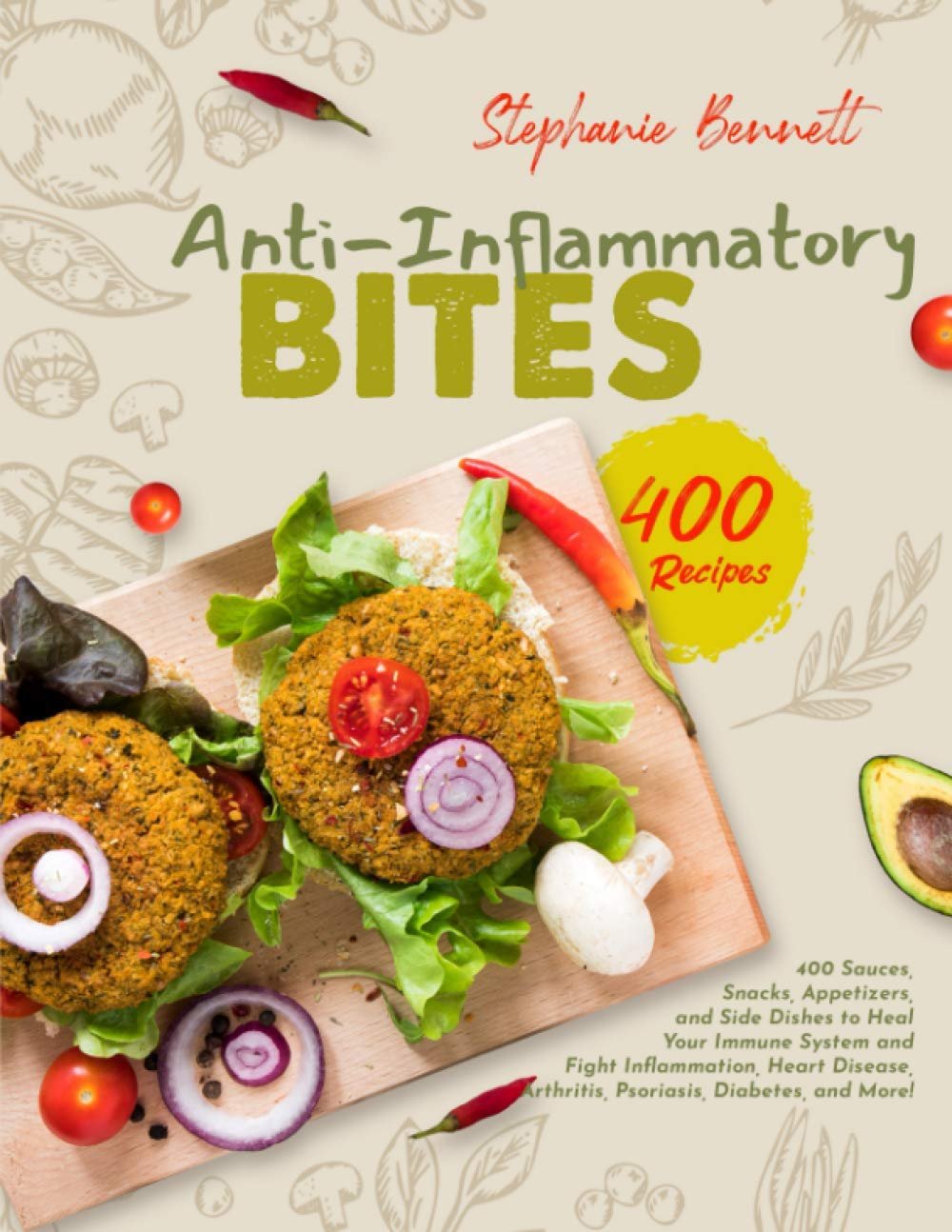
Anti-Inflammatory Bites by Stephanie Bennett
For further snack ideas and anti-inflammatory recipes, this book provides 400 snack, sauce, and side dish recipes with an anti-inflammatory focus. Relevant context for the psoriasis audience: the principles overlap with what the evidence supports for this condition, though not every recipe will suit individuals with specific food sensitivities
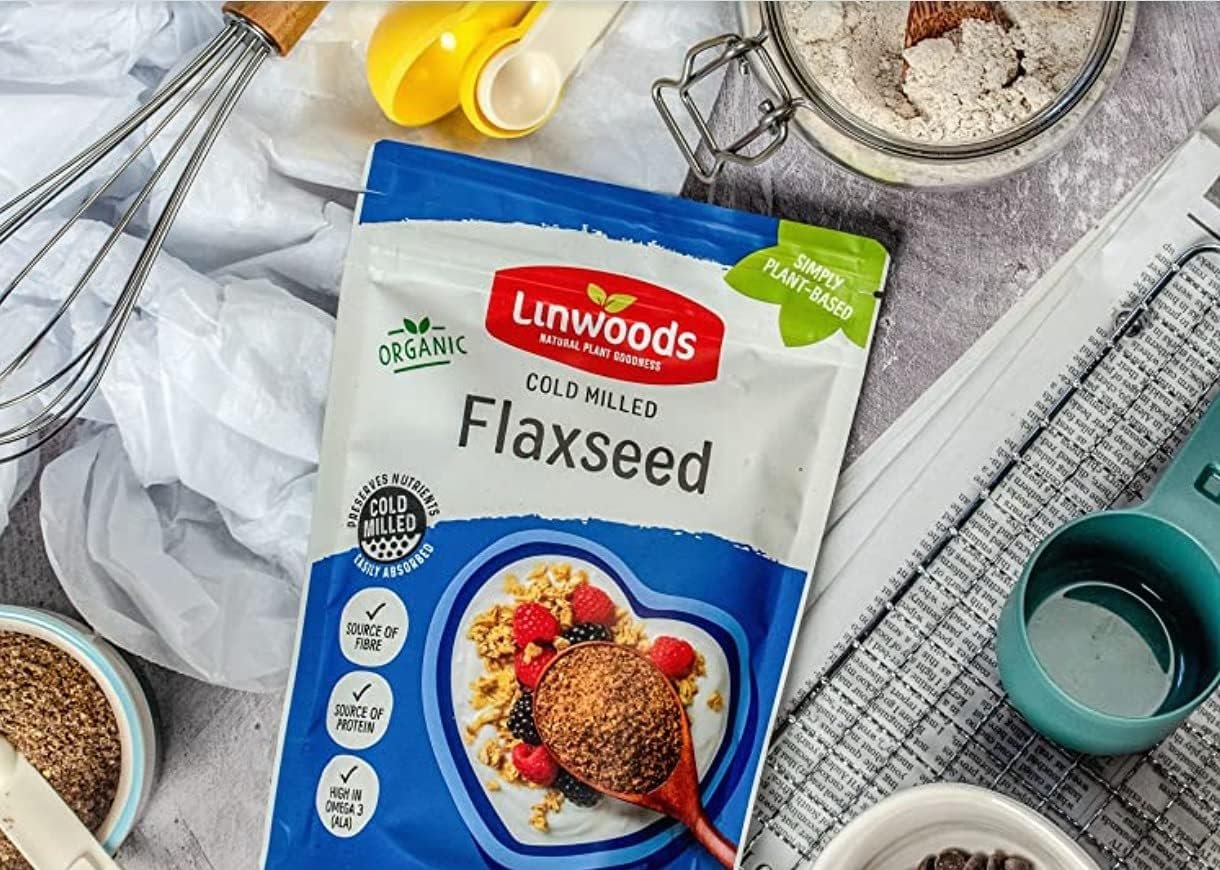
Linwoods Milled Organic Flaxseed
milled flaxseed is one of the most versatile anti-inflammatory additions to psoriasis snacking — a tablespoon on yogurt, stirred into hummus, or added to a smoothie provides ALA omega-3, soluble prebiotic fibre, and lignans alongside a neutral flavour that doesn't alter the snack it's added to. Milled is essential — whole flaxseeds pass through largely undigested and provide neither the omega-3 nor the fibre benefit
Why Extreme Dieting Usually Backfires
One of the biggest mistakes people make with psoriasis diets is becoming overly restrictive.
Extreme food rules may:
Increase stress
Make diets unsustainable
Lead to nutritional imbalances
Create frustration around eating
Many people find calmer, balanced habits easier to maintain long-term.
Sustainable routines are usually more helpful than constantly chasing “perfect” diets.
Supplement Support for Dry, Psoriasis-Prone Skin
Even a well-chosen snack routine doesn't address all the nutritional gaps relevant to psoriasis. Vitamin D — unavailable from snacks in meaningful amounts — is the nutrient most consistently associated with psoriasis severity. Zinc at doses relevant to immune function often requires supplementation.
Drought's Skin Support Formulaprovides 14 nutrients including vitamin D, zinc, vitamin C, magnesium, and CoQ10 — addressing the nutritional dimensions of psoriasis management that dietary improvement alone doesn't reliably cover. Made in the UK, suitable for vegetarians, designed for consistent long-term daily use.
Simple Snack Swaps Some People Try
Instead Of Sugary Snacks
Try:
Nuts
Fruit
Oat snacks
Instead Of Fried Snacks
Try:
Roasted chickpeas
Rice cakes with toppings
Hummus and vegetables
Instead Of Highly Processed Foods
Try:
Simpler whole-food snacks
Homemade options
Protein-rich snacks
Small consistent swaps are often easier to maintain than major restrictive changes.
FAQ
Can diet affect psoriasis?
Some people feel certain foods influence their psoriasis symptoms, although triggers vary significantly between individuals.
What snacks should I avoid with psoriasis?
Crisps, biscuits, sugary drinks, cereal bars with added sugar, and ultra-processed snack foods. These sustain the glycaemic and inflammatory patterns that drive psoriasis severity.
What snacks are good for psoriasis?
Walnuts (omega-3, polyphenols), berries (anthocyanins, NF-κB inhibition), sardines (EPA/DHA directly), hummus and vegetables (fibre, zinc, prebiotic), and kefir (probiotics) are among the most specifically relevant to psoriasis biology.
Can sugar worsen psoriasis?
Yes — through insulin/IGF-1 elevation and mTORC1 activation that drives keratinocyte proliferation, and through AGE-mediated NF-κB inflammatory signalling. Covered in detail in the sugar and psoriasis article.
Are omega-3 snacks good for psoriasis?
Omega-3-rich foods are often included in psoriasis-friendly diets because of their link to inflammation support.
Is dark chocolate okay with psoriasis?
In modest amounts (20–30g, 70%+ cocoa), yes — the polyphenol and magnesium content is beneficial. Avoid milk chocolate and high-sugar varieties.
Can kefir help psoriasis?
Through gut microbiome support — the gut-psoriasis axis means consistent probiotic intake from fermented foods like kefir has mechanistic relevance to psoriasis immune regulation.
Should you avoid processed foods with psoriasis?
Some people try reducing heavily processed foods as part of a broader skin-supportive lifestyle approach.
Is there a psoriasis diet that works for everyone?
No. Psoriasis triggers and dietary responses vary significantly between individuals.
Summary
Snacking patterns have a measurable impact on the hormonal and inflammatory pathways driving psoriasis — through glycaemic stability, sustained polyphenol and antioxidant intake, and gut microbiome support. The ten snacks above are not randomly healthy — each has a specific nutritional rationale relevant to psoriasis biology. The most impactful single change for most people is replacing sugary drinks and ultra-processed snacks with whole food alternatives that maintain blood sugar stability and deliver consistent anti-inflammatory compounds between meals.
In Short
Some people believe certain foods may influence psoriasis symptoms
Snacks high in sugar and ultra-processed ingredients are commonly discussed as inflammatory
Foods rich in healthy fats and antioxidants are often included in psoriasis-friendly diets
Hydration and balanced nutrition may support overall skin health
Consistency matters more than trying one “superfood” snack
Anti-inflammatory snacking addresses what you eat between meals. Vitamin D and zinc— the nutrients most consistently linked to psoriasis severity — need targeted daily supplementation alongside it. Drought's Skin Support Formula provides both alongside 11 other nutrients, made in the UK and designed for consistent long-term use.
Start your skin support journey →
Written by the Drought Skin team — specialists in natural support for psoriasis, eczema and acne
Disclaimer: This article contains affiliate links. We earn a very small commission from each purchase made through these links. There is no additional cost to you. All products featured have been specifically selected as products we personally use and love. For further information, please see our disclaimer page.
