
Thyroid Disease, Eczema & Psoriasis: The Shared Th1/Th17 Immune Pathway & What It Means Practically

The thyroid gland sits at a junction of several biological systems relevant to eczema and psoriasis — metabolism, immune regulation, skin cell turnover, and barrier function are all influenced by thyroid hormone levels. Understanding why this connection exists — and what it does and doesn't mean for managing your skin — is more useful than either dismissing it or treating thyroid dysfunction as the primary explanation for skin flares.
Why the thyroid affects your skin
The thyroid gland controls hormones that regulate:
metabolism
temperature
skin renewal
oil production
immune function
When thyroid hormones become imbalanced, the skin is often affected.
Common skin-related symptoms of thyroid dysfunction include:
dryness
itching
sensitivity
scaling
slower skin repair
Can thyroid problems affect eczema or psoriasis?
Yes — thyroid disorders may be linked to both eczema and psoriasis, particularly through the immune system and inflammation, and the connection is more specific than most content addressing this question acknowledges. Hypothyroidism produces dry, thickened, slow-healing skin that directly compounds eczema and psoriasis symptoms — but the more interesting link is the autoimmune one: Hashimoto's thyroiditis shares immune dysregulation pathways with both psoriasis and atopic eczema, and people with one autoimmune condition are significantly more likely to develop others. The thyroid hormone conversion pathway adds a further nutritional dimension — zinc is required for the conversion of T4 to the active T3 hormone, meaning zinc deficiency creates a compounding loop where it worsens both thyroid function and the skin barrier repair that eczema and psoriasis management depends on.
How thyroid hormones influence skin
Thyroid hormones — primarily thyroxine (T4) and triiodothyronine (T3) — regulate the metabolic rate of virtually every cell in the body. For skin specifically, they influence several processes directly relevant to eczema and psoriasis.
Skin cell turnover is regulated by thyroid hormones. In hypothyroidism, skin cell renewal slows; in hyperthyroidism, it accelerates. Both affect how the skin barrier forms and functions. Sebum and moisture regulation are also thyroid-dependent — hypothyroidism reduces both oil and sweat production, resulting in the characteristic dry, rough skin of low thyroid function that overlaps significantly with eczema's dryness. Immune function is bidirectionally connected to the thyroid — thyroid hormones modulate T-cell function and cytokine production, and hypothyroidism is associated with a shift toward a more inflammatory immune profile in some people. In significant hypothyroidism, the skin can also develop myxoedema — a non-pitting swelling caused by glycosaminoglycan accumulation in the dermis that disrupts barrier architecture and compounds any existing eczema tendency.

What thyroid conditions are linked to psoriasis and eczema?
The strongest links involve autoimmune thyroid conditions, including:
Hashimoto’s thyroiditis
(an underactive thyroid caused by autoimmunity)
Graves’ disease
(an overactive thyroid caused by autoimmunity)
Because psoriasis is also immune-mediated, overlap between these conditions is relatively common.
Is psoriasis linked to thyroid disease?
The strongest link is between psoriasis and autoimmune thyroid disease — particularly Hashimoto's thyroiditis (chronic autoimmune hypothyroidism) and Graves' disease (autoimmune hyperthyroidism). Multiple published studies have found that people with psoriasis have significantly higher rates of autoimmune thyroid disease than the general population. A systematic review found thyroid autoimmunity prevalence considerably higher in psoriasis patients than in healthy controls.
The explanation lies in shared immune mechanisms. Both psoriasis and autoimmune thyroid disease involve dysregulation of T-cell-mediated immunity. The Th1/Th17 immune pathways that drive psoriatic inflammation are also implicated in autoimmune thyroid destruction. Elevated pro-inflammatory cytokines — including TNF-α and interferon-gamma — are found in both conditions. People with one autoimmune condition are at elevated risk of developing others, and autoimmune thyroid disease sits in a cluster with psoriasis, psoriatic arthritis, and inflammatory bowel disease that are more likely to co-occur.
The practical implication: if you have psoriasis, it is worth discussing thyroid antibody testing with your GP if you have any symptoms of thyroid dysfunction — not because treating thyroid disease will clear psoriasis, but because an undetected thyroid condition may be contributing to systemic inflammatory load and is independently worth managing.
Research suggests:
people with psoriasis have higher rates of autoimmune thyroid disease
thyroid dysfunction may increase inflammation and immune dysregulation
psoriatic arthritis may show an even stronger thyroid connection (frontiersin.org)
However the relationship is complex and still being researched.
What about eczema and thyroid problems?
The eczema-thyroid connection is less well-established than the psoriasis link, but the mechanisms are specific. Hypothyroidism produces skin that overlaps significantly with eczema: persistent dryness, rough texture, itching, and impaired barrier function. This means that in some people, worsening eczema may partly reflect an underlying thyroid insufficiency — particularly if accompanied by other hypothyroid symptoms (fatigue, cold intolerance, weight gain, hair thinning, low mood).
Hypothyroidism reduces the skin's ability to maintain hydration through two routes: reduced sebum production leaves skin less lubricated, and reduced sweating impairs the natural humectant function of perspiration. Both effects compound the transepidermal water loss problem central to eczema-prone skin.
The link is less established than psoriasis—but there may still be overlap.
Some research suggests:
eczema is more common in people with autoimmune conditions
hypothyroidism may worsen:
skin dryness
itching
skin barrier function
This can make eczema symptoms feel worse or harder to manage.
The bidirectional complexity: drugs, hormones, and skin
Some medications for thyroid conditions affect skin. Carbimazole and propylthiouracil, used to treat hyperthyroidism, have rash as a documented side effect. Getting levothyroxine dose right matters for skin — both over-replacement (effectively hyperthyroid) and under-replacement (effectively hypothyroid) affect skin differently.
In the other direction, high-dose biotin supplementation — which some people with skin conditions take — can interfere with thyroid function tests, producing falsely abnormal results. As covered in the biotin article in this series: if you supplement with high-dose biotin (over 1,000mcg) and are having thyroid function tested, inform your GP and stop supplementing 48–72 hours before the test.
Some psoriasis treatments also have thyroid-relevant interactions. Lithium — occasionally used — is a known cause of hypothyroidism and thyroiditis. Biologics targeting TNF-α have been associated with thyroid autoimmunity in some reported cases. These are specialist prescribing considerations worth knowing if you're on systemic psoriasis treatment.
Selenium: the nutrient connecting thyroid and skin health
Selenium is an essential trace mineral most concentrated in the thyroid gland of any organ in the body. It is required for the synthesis and activation of thyroid hormones — specifically the selenoprotein deiodinases that convert T4 to the more active T3. Selenium also provides antioxidant protection to the thyroid through glutathione peroxidase enzymes.
Selenium deficiency is associated with impaired thyroid function and linked to higher levels of thyroid peroxidase antibodies (anti-TPO) — the antibodies involved in Hashimoto's thyroiditis. Some clinical trials have found that selenium supplementation in Hashimoto's patients reduces anti-TPO antibody levels. For skin health, selenium also contributes antioxidant defence relevant to the oxidative stress component of both eczema and psoriasis.
Recommended Products
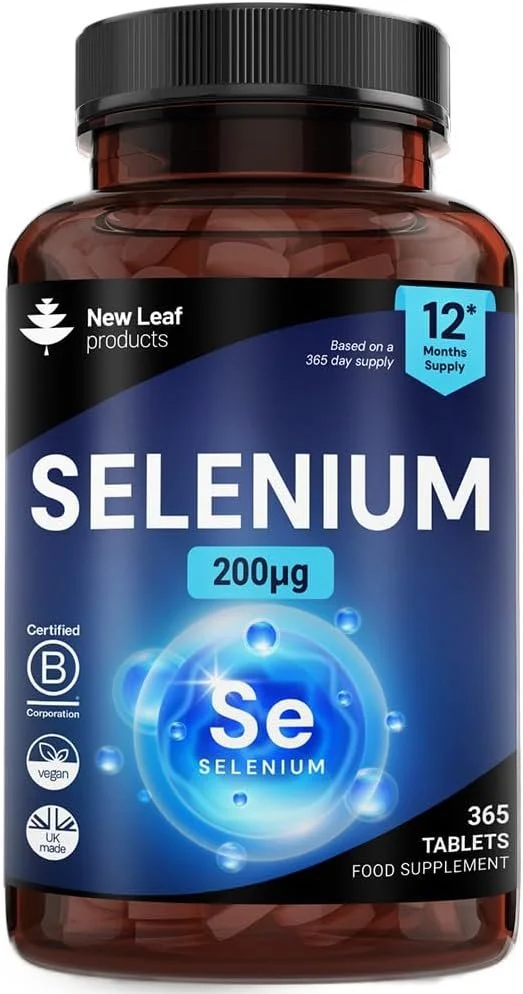
Nature's Best Selenium 200µg
selenomethionine, the organic form with best bioavailability. 200µg is within safe parameters and the dose used in most Hashimoto's antibody research. Relevant for people with confirmed or suspected autoimmune thyroid disease alongside psoriasis or eczema.
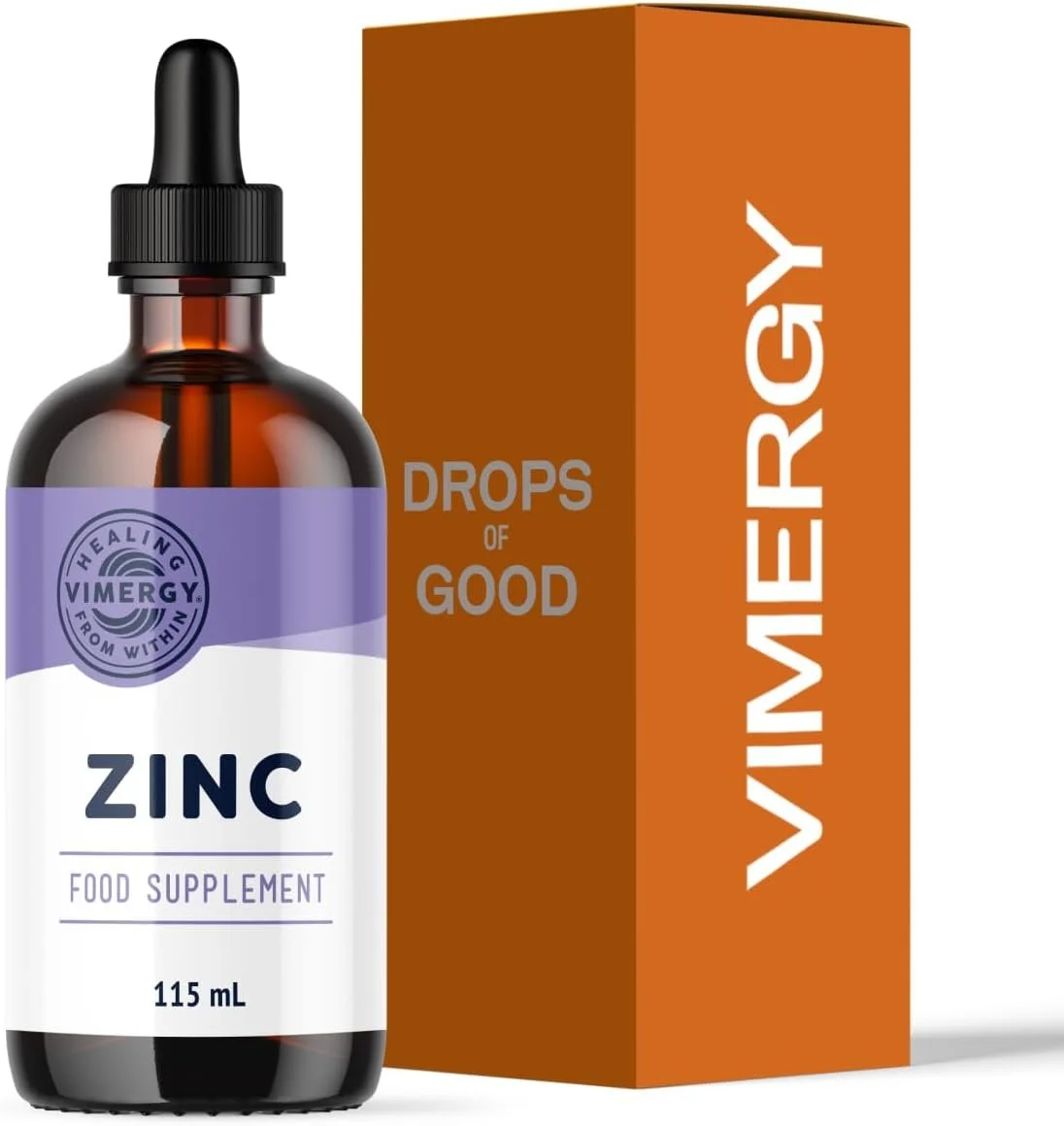
Vimergy Organic Liquid Zinc Sulphate
zinc is required for the conversion of T4 to T3 (the active thyroid hormone) and zinc deficiency is both a consequence and a contributor to hypothyroid dysfunction. As covered above, this creates a compounding loop that makes zinc repletion specifically relevant for people with thyroid-related skin conditions alongside the general eczema and psoriasis evidence for zinc covered in this series. Liquid format provides flexible dosing.
How thyroid imbalance may worsen skin symptoms
1. Increased dryness
Low thyroid hormone levels reduce:
oil production
sweating
skin hydration
Dry skin is one of the most common thyroid symptoms.
2. Increased inflammation
Autoimmune thyroid disease may contribute to chronic inflammation.
3. Skin barrier dysfunction
Weakened barrier function can worsen:
eczema irritation
psoriasis scaling
4. Stress and hormonal effects
Thyroid disorders can also affect:
sleep
stress levels
mood
All of which can trigger flare-ups.
When to discuss thyroid testing with your GP
Thyroid dysfunction is worth investigating if you have skin symptoms alongside: persistent unexplained fatigue or cold sensitivity; unintentional weight changes; hair thinning, particularly from the outer third of the eyebrows (a specific hypothyroid pattern); a palpable swelling in the neck; mood changes disproportionate to circumstances; or skin that remains persistently dry despite consistent emollient use and good skincare, particularly alongside other symptoms above.
Standard tests are TSH and free T4. If autoimmune thyroid disease is specifically suspected — particularly with psoriasis — thyroid peroxidase antibody (anti-TPO) testing provides additional information. Both are routinely available through NHS GP testing.
Does treating thyroid disease improve eczema or psoriasis?
Sometimes, partially, and not always. For hypothyroidism-related skin dryness and itching, levothyroxine replacement typically improves these symptoms as thyroid levels are restored. For the underlying eczema or psoriasis — which has its own immune and genetic drivers — thyroid treatment alone is rarely sufficient. Managing both conditions through their respective appropriate treatments remains the most effective approach.
Signs your thyroid may be affecting your skin
You may want to discuss thyroid testing if you have:
persistent fatigue
unexplained weight changes
cold sensitivity
hair thinning
very dry skin
worsening autoimmune symptoms
Especially if skin symptoms feel difficult to control.
Skin support for eczema & psoriasis-prone skin
Whether or not thyroid dysfunction is contributing to your skin condition, the nutritional foundations relevant to eczema and psoriasis remain consistent: zinc for immune regulation and barrier function, vitamin D for immune modulation, magnesium for inflammatory balance, and selenium for antioxidant protection linking thyroid and skin health.
Drought's Skin Support Formula provides 14 nutrients selected for their roles in skin health — addressing the internal nutritional foundations that topical skincare and thyroid treatment alone don't cover. Made in the UK, suitable for vegetarians, designed for consistent long-term daily use. For those with autoimmune thyroid disease alongside skin conditions, discussing selenium supplementation specifically with your GP is a worthwhile additional step.
FAQs: Thyroid, eczema & psoriasis
Can thyroid problems cause eczema or psoriasis?
Not directly — but thyroid dysfunction shares immune pathways with both conditions that make them more likely to co-occur and more difficult to manage simultaneously. Autoimmune thyroid diseases (Hashimoto's and Graves') involve Th1 immune dysregulation; psoriasis involves Th17 dysregulation; both share elevated CXCL10 and IL-12 signalling that explains why they co-occur significantly more than chance predicts. Hypothyroidism specifically worsens eczema through three mechanisms: reduced sebaceous gland activity increasing skin dryness, impaired keratinocyte turnover slowing barrier repair, and reduced lipid synthesis worsening the ceramide deficit that eczema skin is already defined by.
Is psoriasis linked to thyroid disease?
Yes — the association is well-documented in published research. People with psoriasis have significantly higher rates of autoimmune thyroid disease than the general population, and the reverse is also true. The 2017 Frontiers in Endocrinology systematic review found that psoriatic arthritis patients specifically showed elevated anti-thyroid peroxidase (AbTPO) antibodies and subclinical hypothyroidism at rates considerably higher than controls. The shared mechanism runs through Th1/Th17 immune pathway overlap and elevated CXCL10 — a chemokine elevated in both Hashimoto's thyroiditis and psoriasis that promotes T-cell recruitment to affected tissues.
Should people with psoriasis or eczema get thyroid testing?
Yes — particularly if unexplained fatigue, cold sensitivity, hair thinning, unexplained weight changes, or brain fog accompany skin symptoms. These are classic hypothyroid symptoms that are frequently attributed to the skin condition itself rather than investigated separately. A standard thyroid panel (TSH, free T3, free T4) is the appropriate starting point — but given the autoimmune overlap, anti-thyroid peroxidase antibodies (AbTPO) are worth requesting alongside TSH if psoriasis or psoriatic arthritis is present, since AbTPO elevation can precede clinical hypothyroidism by years.
Does treating thyroid disease improve eczema or psoriasis?
Partially and individually — correcting hypothyroidism with levothyroxine frequently improves the dryness, fatigue, and cold sensitivity that worsen eczema's comfort dimension, and may reduce the systemic inflammatory burden that compounds psoriasis. However psoriasis and eczema involve independent immune dysregulation that persists after thyroid normalisation — most people find their skin condition requires separate management even when thyroid levels are corrected. The practical expectation is partial improvement in thyroid-mediated symptoms rather than skin clearance.
Can hypothyroidism make eczema worse?
Yes — through three specific mechanisms. Reduced thyroid hormone levels decrease sebaceous gland secretion, producing the dryness that worsens eczema's already-compromised barrier. Impaired keratinocyte turnover slows the barrier repair processes active overnight. And reduced lipid synthesis decreases ceramide production — directly worsening the ceramide deficit that is the most consistently documented pathological feature of atopic eczema. People with eczema whose symptoms have worsened without obvious trigger changes and who also experience fatigue or cold sensitivity are worth investigating for subclinical hypothyroidism.
Does biotin supplementation affect thyroid testing?
Yes — and this is specifically relevant for the eczema and psoriasis community where biotin supplementation is common. High-dose biotin (above 5,000mcg daily, found in many hair and nail supplements) interferes with immunoassay-based thyroid function tests including TSH, free T4, and free T3 — producing falsely elevated or falsely low results. The MHRA issued a specific safety alert on this in 2019. Pause biotin supplementation for at least 48 hours before any thyroid function test and inform your GP of any supplement use before testing to avoid misinterpretation of results.
What is the connection between Hashimoto's disease and psoriasis?
Both conditions involve autoimmune immune dysregulation with shared inflammatory signalling — CXCL10 elevation, IL-12 activity, and Th1 polarisation are documented in Hashimoto's; Th17 dysregulation with IL-17 and IL-23 elevation is central to psoriasis. The overlap in these pathways explains the significantly elevated co-occurrence rates in epidemiological studies. People with one autoimmune condition are at elevated risk of developing others — the atopic march (eczema to asthma to hay fever) is a parallel example of how immune dysregulation in one system predisposes to others. Monitoring for thyroid symptoms if you have psoriasis, and vice versa, is a practical clinical implication of this shared immune vulnerability.
Summary
The connection between thyroid disease and eczema or psoriasis is real, documented, and mechanistically grounded — particularly the link between autoimmune thyroid conditions and psoriasis through shared T-cell immune pathways. Hypothyroidism produces skin changes that directly worsen eczema presentations through reduced sebum, impaired barrier function, and shifting inflammatory balance. But thyroid dysfunction is rarely the sole driver of either condition, and treating it doesn't reliably resolve skin symptoms. The most productive approach treats both conditions through their own appropriate management while addressing the nutritional foundations — including selenium — that connect thyroid health and skin health.
Written by the Drought Skin team — specialists in natural support for eczema and psoriasis.
Disclaimer: This article contains affiliate links. We earn a very small commission from each purchase made through these links. There is no additional cost to you. All products featured have been specifically selected as products we personally use and love. For further information, please see our disclaimer page.
