
Sea Moss for Eczema: Does It Actually Help?
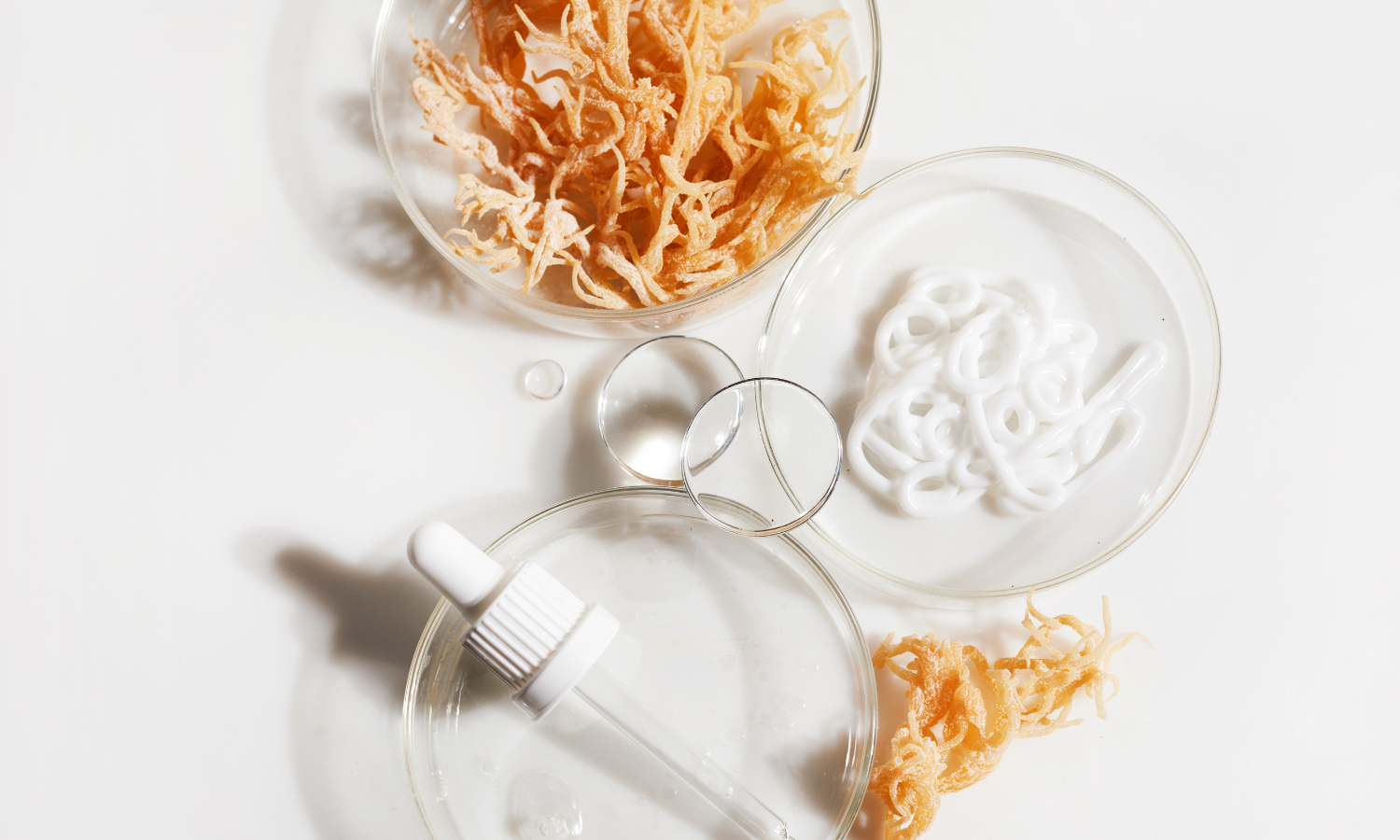
Sea moss has had a remarkable rise from relative obscurity to wellness staple. Walk through any health food shop, scroll through any skin health account online, and you'll find claims that this red seaweed — also known as Irish moss or Chondrus crispus — can soothe eczema, reduce inflammation, improve gut health, and nourish skin from within.
Some of these claims are more grounded than others. Sea moss does contain a range of nutrients with genuine relevance to skin health. It does have some properties that make it worth understanding. But the gap between what sea moss can plausibly do and what it's commonly claimed to do is significant — and for someone managing eczema, that distinction matters.
Here's an honest look at what sea moss is, what the evidence does and doesn't support, and how to think about it practically.
What is sea moss?
Sea moss is a species of red algae found along the Atlantic coastlines of Europe, North America, and the Caribbean. It has a long history of use in Irish and Caribbean food culture, traditionally used to thicken soups and broths and as a general nutritional food source.
In its natural form, it's a gelatinous seaweed. In supplement form, it's most commonly sold as a dried powder in capsules, as a gel to be mixed into food or drinks, or increasingly as gummies. It's often sold alongside bladderwrack (another seaweed) and burdock root, a combination popularised in part by the late herbalist Dr Sebi, who attributed broad healing properties to this combination.
Sea moss contains a reasonable range of nutrients, including iodine, magnesium, zinc, potassium, calcium, and B vitamins, along with carrageenan — a natural polysaccharide with gel-forming properties that also has some anti-inflammatory and antimicrobial characteristics studied in scientific literature.
What it doesn't have is robust clinical evidence for eczema specifically. This is the central thing to understand before going further.
Sea moss (also called Irish moss) is a type of red seaweed commonly used in:
supplements
gels
smoothies
wellness products
It contains minerals including:
iodine
magnesium
zinc
potassium
Can sea moss help eczema?
Sea moss may help support skin hydration, minerals, and overall nutrition — but there's no strong evidence it directly treats eczema, and the gap between what the wellness community claims for it and what the published research supports is significant. The sea moss trend has accelerated rapidly in recent years, driven largely by social media rather than dermatological science, and the claims made for it in eczema communities have outpaced the evidence by a considerable distance.
That's not quite the same as saying sea moss is without any relevant properties — it does contain iodine, zinc, magnesium, and a range of other minerals that have documented roles in skin barrier function and immune regulation, alongside sulphated polysaccharides with some studied biological activity. The more honest question isn't whether sea moss contains anything interesting, but whether it contains enough of the right things, in bioavailable forms, at the quantities people realistically consume, to produce meaningful eczema benefit — and whether there are more reliable ways to achieve the same nutritional outcomes. The answer to those questions is where the real value in this article lies.
Why sea moss is linked to eczema
The connection between sea moss and eczema is driven by a combination of its nutrient content, its carrageenan compounds, and its reputation for gut health support — all of which have at least some theoretical relevance to inflammatory skin conditions.
Nutrient profile. Sea moss contains zinc and magnesium — two minerals with documented roles in skin barrier function and immune regulation. Both are relevant to eczema. However, the amounts present in a typical sea moss supplement are modest compared to dedicated supplement doses, and the bioavailability of minerals from seaweed sources varies considerably.
Carrageenan and anti-inflammatory properties. Carrageenan, the main polysaccharide in sea moss, has been studied for anti-inflammatory properties in laboratory settings. Some research has shown it can inhibit certain inflammatory pathways. However — and this is important — carrageenan is also used in research to induce inflammation in animal models, which has led to a separate body of literature questioning whether food-grade carrageenan consumption is actually beneficial or potentially irritating for the gut in some people. The science here is genuinely unresolved.
Gut health support. Sea moss is high in fibre and has prebiotic-like properties, meaning it may support beneficial gut bacteria. Given the gut-skin axis discussed in relation to eczema and psoriasis, this is a plausible indirect pathway — though again, the specific evidence for sea moss improving eczema via gut health is not established.
General wellness trends. It's also worth being honest that some of the association between sea moss and eczema improvement comes from wellness influencer culture rather than clinical evidence. When people start taking sea moss, they often simultaneously improve their diet, hydration, and overall health habits — which makes attributing any skin improvement specifically to sea moss very difficult.
Eczema involves:
inflammation
skin barrier dysfunction
immune system imbalance
Sea moss is often claimed to help because it may:
support hydration
provide skin-supportive nutrients
support gut and immune health
However, many of these claims are based more on wellness trends than strong clinical evidence.
Does sea moss actually help eczema?
This is where expectations need to stay realistic.
There are no large, well-controlled clinical trials establishing sea moss as an effective treatment for eczema. This is the most important single sentence in this article.
What does exist is a body of in-vitro research (laboratory studies on cells) and some animal studies showing that compounds found in seaweed, including carrageenan and certain sulphated polysaccharides, have anti-inflammatory and antioxidant properties. This is interesting but doesn't translate directly into clinical benefit for eczema in humans.
Some small studies and case reports suggest that iodine-rich seaweed extracts may influence skin hydration and barrier properties, but these are not specific to sea moss and the evidence base is thin.
The honest position is this: sea moss is a nutritious whole food with some properties that are theoretically relevant to eczema. It is not an evidence-based eczema treatment, and representing it as one is misleading. For someone managing a chronic skin condition, this distinction matters practically — because time and money spent on unproven treatments is time and money not spent on what works.
What research shows:
Sea moss contains nutrients important for skin health.
Some compounds found in seaweed may have anti-inflammatory properties.
However, there are no strong clinical studies proving sea moss improves eczema.
In simple terms: sea moss may support general health, but it’s not an evidence-based eczema treatment.
The iodine question: an important caution
One aspect of sea moss that often gets minimal attention in promotional content is its iodine content — which deserves more careful consideration.
Sea moss is one of the richest natural sources of iodine. Iodine is an essential mineral, required for thyroid hormone production, and deficiency causes real health problems. But iodine is unusual in that both deficiency and excess can cause thyroid dysfunction. Excessive iodine intake can trigger or worsen autoimmune thyroid conditions, including Hashimoto's thyroiditis.
The iodine content of sea moss products varies enormously — from negligible to very high — depending on where the seaweed was harvested, the species, and how it was processed. This variation makes it difficult to know how much iodine you're actually consuming, which is a particular concern for consistent daily use.
There is also an established association between psoriasis and thyroid dysfunction, and between eczema and autoimmune conditions more broadly. For people in this population, unpredictable and potentially high iodine intake is something to approach with real caution — not alarm, but awareness.
If you're considering sea moss supplements, checking iodine content per serving, starting with a lower dose, and discussing it with your GP if you have any thyroid history is sensible.
Why some people say sea moss helps their skin
There are a few possible reasons.
1. Improved hydration and nutrition
If someone’s diet is lacking nutrients, improving overall nutrition may help skin quality.
2. Skin barrier support
Minerals like zinc and magnesium are involved in skin repair and immune function.
3. Anti-inflammatory effects
Some seaweed compounds may help support inflammation balance.
4. Wellness and lifestyle changes
People who start sea moss often improve:
diet
hydration
lifestyle habits overall
This may contribute to perceived skin improvements.
Products worth considering
If you want to try sea moss, the following are well-regarded options. (These are affiliate links — we may earn a small commission if you purchase through them, at no extra cost to you.)
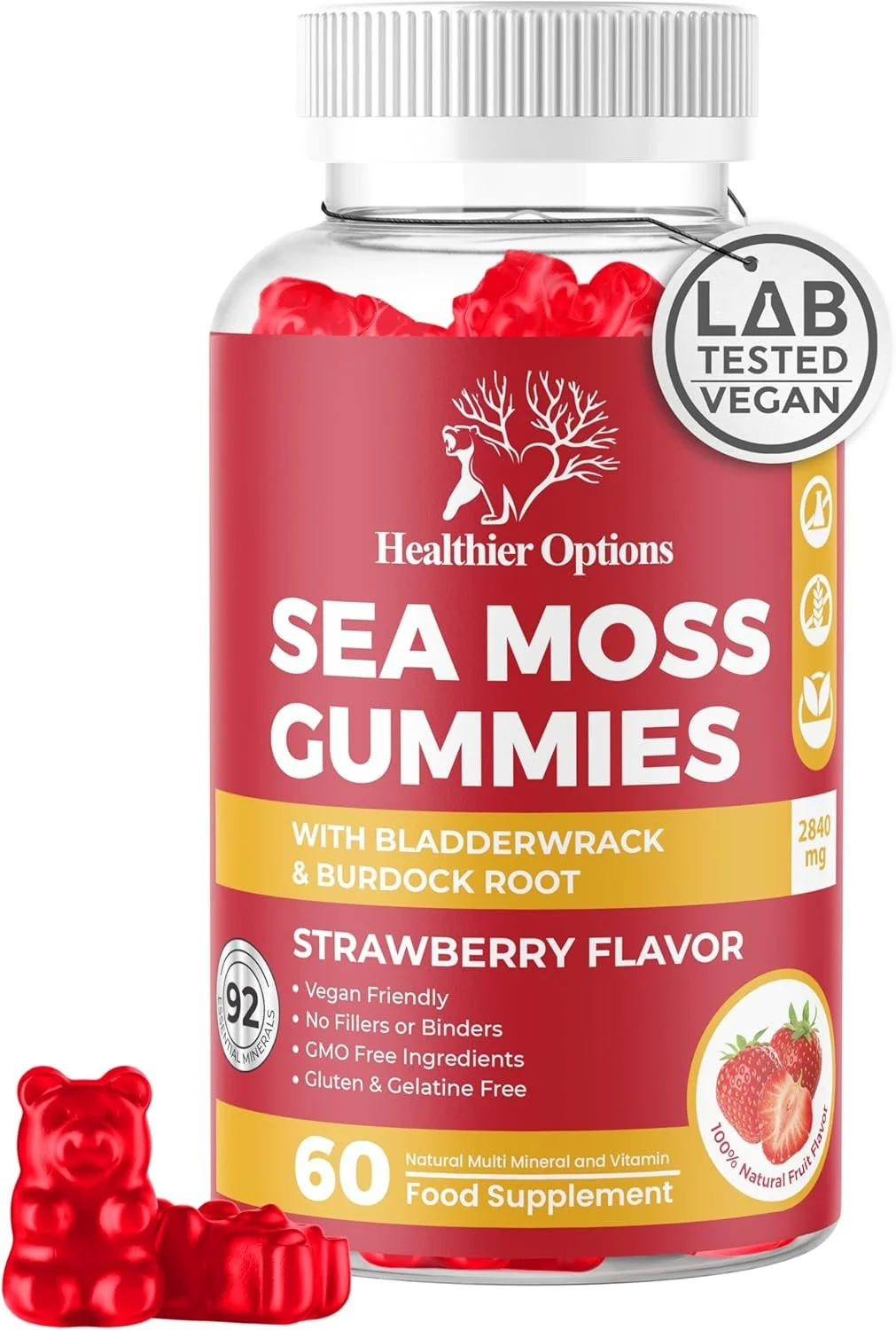
Healthier Options Irish Sea Moss Gummies with Bladderwrack & Burdock Root
A convenient gummy format combining sea moss with bladderwrack and burdock root, the combination most associated with the traditional herbal approach to sea moss. A reasonable starting point if you prefer not to deal with gel or powder.
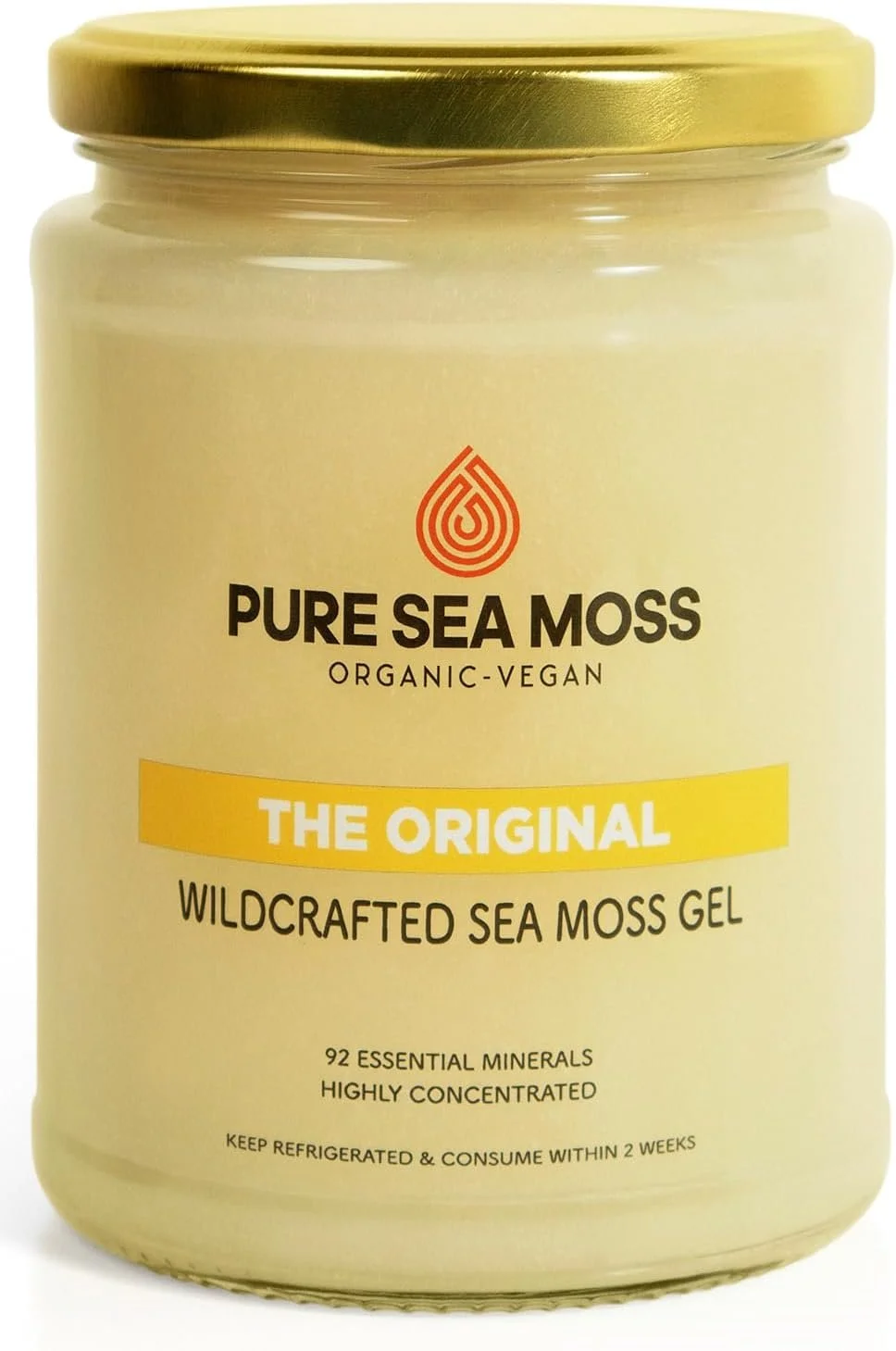
Pure Sea Moss UK 100% Organic Gel
A gel format that can be added to smoothies, drinks, or food. Wildcrafted and organic sourcing is generally preferable for seaweed products, as it reduces the risk of contaminants. The gel format is closer to the traditional use of sea moss and typically provides more of the whole-plant compounds than a powdered extract capsule.
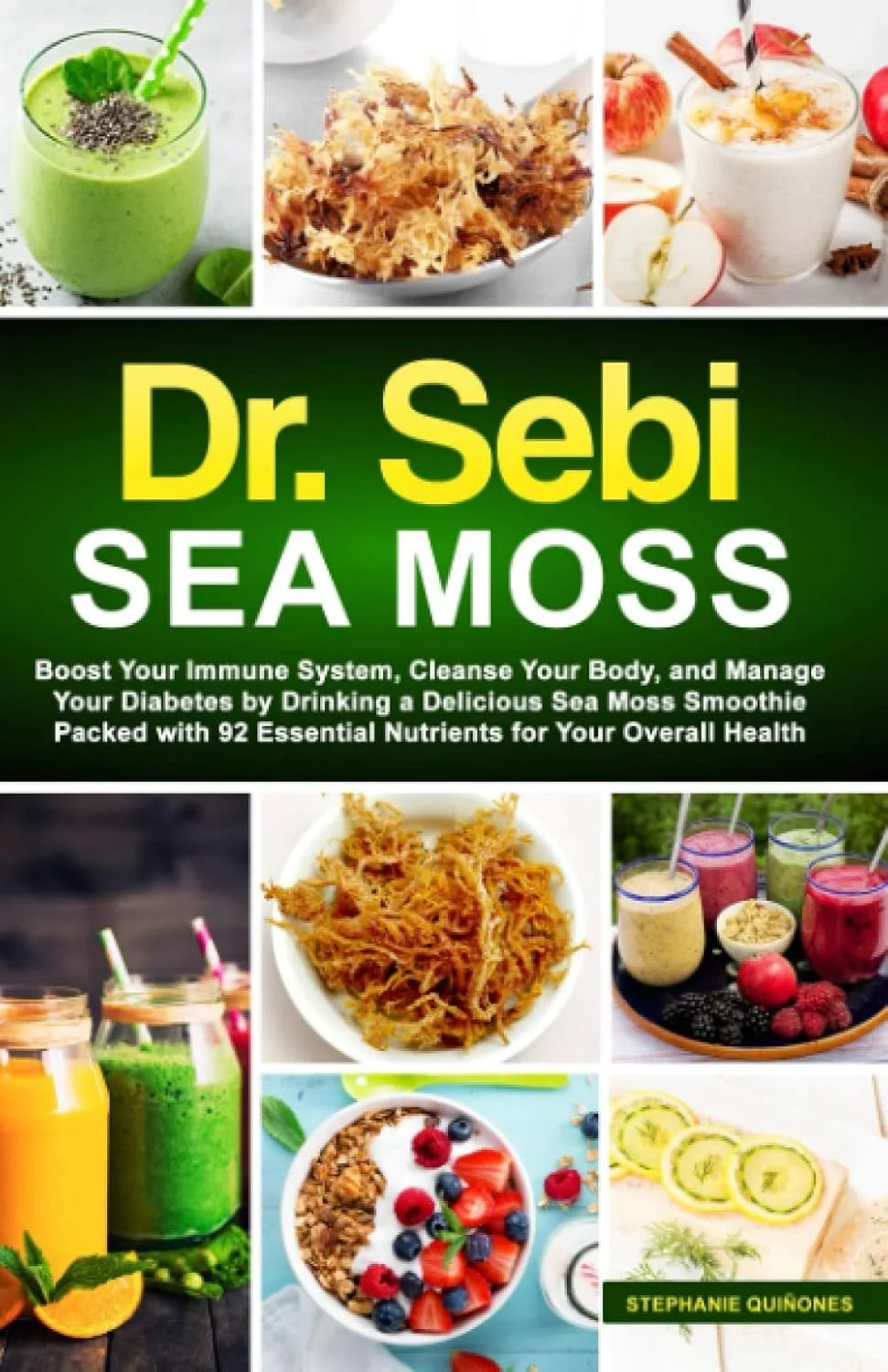
Dr Sebi Sea Moss: Boost Your Immune System & Cleanse Your Body
for those interested in exploring the broader herbal and nutritional philosophy behind sea moss use, this book provides context for the traditional approach. It's worth reading with appropriate critical engagement — the claims go beyond what the clinical evidence supports — but it provides useful background on how sea moss has been used traditionally.
Sea moss and gut health
One reason sea moss is popular for eczema is the “gut-skin connection.”
Sea moss contains fibre and compounds that may support:
digestion
gut bacteria
overall gut health
However: eczema is not simply a “gut problem,” and improving gut health alone doesn’t guarantee clearer skin.
How sea moss compares to a targeted skincare and supplement approach
It's useful to contextualise sea moss against the approaches with stronger evidence for eczema.
Emollients and moisturisers applied consistently, particularly after bathing, have by far the strongest evidence base for managing eczema symptoms. They directly address the skin barrier dysfunction that is central to the condition. Sea moss, taken internally, has no comparable evidence for this outcome.
Targeted nutritional supplements containing zinc, vitamin D, vitamin C, biotin, and magnesium — nutrients with documented roles in skin barrier function, immune regulation, and cellular repair — have more specific and better-evidenced mechanisms than sea moss's general nutritional profile.
Dietary patterns — particularly an anti-inflammatory, fibre-rich diet along the lines of a Mediterranean-style approach — have more consistent evidence for reducing systemic inflammation relevant to eczema than any single supplement, including sea moss.
This isn't an argument against sea moss specifically. It's an argument for being clear-eyed about where it sits in a hierarchy of evidence, so that it's used as a complement to more established approaches rather than instead of them.
Can sea moss worsen eczema?
Sometimes.
Possible issues include:
digestive upset
reactions to additives in sea moss products
sensitivity to iodine
Excess iodine may also affect thyroid function in some people.
Important: sea moss isn’t regulated like medication
This is important to understand.
Sea moss supplements can vary in:
purity
mineral content
contamination risk
Some products may contain:
heavy metals
excess iodine
poor-quality additives
Potential risks and things to watch for
Beyond the iodine consideration mentioned above, there are a few other things worth being aware of before using sea moss regularly.
Quality variation. Seaweed is an effective accumulator of minerals from its environment — which means it can also accumulate heavy metals and other contaminants if harvested from polluted waters. The supplement market for sea moss is not tightly regulated in the UK. Choosing products from reputable suppliers with clear sourcing and testing information (wildcrafted, organic, with third-party testing) reduces this risk.
Digestive sensitivity. Some people experience digestive discomfort when introducing sea moss — bloating, loose stools, or nausea. Starting with a lower dose than the product recommends and building up gradually is a reasonable approach.
Carrageenan sensitivity. As noted earlier, there is some literature suggesting carrageenan may be irritating to the gut lining in some individuals, particularly those with pre-existing digestive issues. If you have IBD or significant gut sensitivity, it's worth being cautious.
Medication interactions. The high iodine content of some sea moss products can interfere with thyroid medications. If you're on levothyroxine or any thyroid-related medication, speak to your GP before using sea moss regularly.
Sea moss vs moisturising for eczema
Sea moss is usually taken internally, while moisturising works directly on the skin barrier.
Moisturising:
helps reduce dryness
protects the skin barrier
has stronger evidence for eczema support
Sea moss:
may support overall nutrition
indirect potential benefits only
Moisturising remains much more important for eczema management.
Skin support for eczema-prone skin
Sea moss can be a useful part of a broader nutritional approach to eczema — particularly for people interested in whole-food-based nutrition and gut health support. But for consistent, targeted nutritional support for eczema-prone skin, it works best alongside rather than instead of more evidence-backed interventions.
Drought's Skin Support Formula is designed to provide that targeted nutritional foundation — 14 nutrients including zinc, vitamin D, vitamin C, biotin, magnesium, B vitamins, CoQ10, and more, each selected specifically for their documented role in skin barrier function, immune regulation, and cellular repair. Made in the UK, suitable for vegetarians, formulated for consistent daily use.
For eczema-prone skin, this kind of multi-nutrient approach addresses more of the relevant pathways than sea moss alone can cover.
FAQs: Sea moss & eczema
Is sea moss good for eczema?
There is no strong clinical evidence that sea moss directly improves eczema. It contains nutrients relevant to skin health and may offer some indirect benefits through gut and immune support, but it is not an evidence-based eczema treatment.
Can sea moss reduce inflammation?
Some compounds in sea moss, particularly sulphated polysaccharides, have shown anti-inflammatory properties in laboratory studies. Whether this translates to meaningful anti-inflammatory benefits in humans at the doses found in supplements is not established.
Can sea moss worsen eczema?
For some people, yes — particularly if they're sensitive to iodine, have thyroid issues, or react to carrageenan. Start cautiously and monitor your skin's response.
Is sea moss a cure for eczema?
No — there’s no evidence sea moss cures eczema.
What is the best way to take sea moss for eczema?
Gel form is closest to traditional use and typically provides the broadest range of compounds. Capsules are more convenient. Gummies are the easiest to take consistently but often contain lower amounts of active compounds. Regardless of form, consistent daily use over time is more relevant than the specific format.
Is sea moss safe to take every day?
For most people, yes — at reasonable doses and from quality sources. The main ongoing consideration is iodine intake, which can add up with daily use of iodine-rich seaweed products.
How long does sea moss take to work for eczema?
There is no established timeframe. If you notice no change after 8–12 weeks of consistent use, it may not be the right tool for your skin.
Summary
Sea moss provides minerals and compounds with some biological interest — but no published clinical evidence supports its use specifically for eczema. The iodine content requires monitoring, product quality varies significantly in an unregulated market, and carrageenan sensitivity is a real consideration for people with gut issues. For eczema nutritional support, more targeted interventions with documented mechanisms address the relevant pathways more reliably. Sea moss can be a useful addition to a broader approach — it shouldn't be the foundation of one.
In short:
Rich in minerals and nutrients
May support skin hydration and barrier health
Evidence for eczema is limited
Not a proven treatment or cure
While it may support nutrition and hydration, sea moss is not a proven eczema treatment.
The most effective long-term approach supports your skin across multiple pathways—not just through one supplement or trend.
Start your skin support journey →
Written by the Drought Skin team — specialists in natural support for psoriasis, eczema and acne
Disclaimer: This article contains affiliate links. We earn a very small commission from each purchase made through these links. There is no additional cost to you. All products featured have been specifically selected as products we personally use and love. For further information, please see our disclaimer page.
