
Zinc & Eczema: The Filaggrin Mechanism, Deficiency Prevalence & Which Form to Take

Zinc is one of the nutrients most consistently associated with eczema — lower serum zinc levels are found in eczema patients compared to healthy controls across multiple studies, and zinc is involved in several biological processes that are directly relevant to how eczema develops and behaves. Understanding specifically what zinc does — not just "it's important for skin" — makes the case for it more compelling than generic supplement marketing.
Zinc & Eczema: Why This Mineral Gets So Much Attention
Zinc is one of the most important minerals for skin health — which is why it’s increasingly discussed in relation to eczema and sensitive skin.
The skin relies on zinc for:
Skin barrier repair
Wound healing
Immune function
Inflammation balance
And because eczema involves both skin barrier dysfunction and inflammation, researchers have explored whether zinc levels may influence eczema symptoms and skin recovery.
Some studies have even found lower zinc levels in people with eczema compared to healthy controls, although research remains mixed.
Zinc is often discussed in eczema because healthy skin relies heavily on zinc for repair and protection.
What zinc does that's specifically relevant to eczema
Filaggrin processing. This is the most specific and least-discussed connection between zinc and eczema. Filaggrin — the protein whose deficiency is the most significant genetic risk factor for atopic eczema — is not just a structural barrier protein. It is broken down by specific enzymes (caspase-14 and others) into natural moisturising factor (NMF) components that maintain skin surface hydration and acidity. Zinc is a cofactor for several of these enzymatic processes. Zinc deficiency therefore impairs not only barrier protein availability but the downstream processing that creates the skin's own hydration system.
Immune regulation. Zinc is required for the development and function of T-cells, including the regulatory T-cells (Tregs) that help control the Th2-dominant immune response driving eczema. Zinc deficiency is associated with impaired Treg function, which allows Th2 inflammatory responses to proceed more unrestrained. Zinc also reduces the production of pro-inflammatory cytokines including IL-4 and IL-13 — the primary drivers of atopic skin inflammation.
Antimicrobial defence. Zinc has documented activity against S. aureus — the bacterium colonising approximately 90% of eczema-affected skin and perpetuating inflammation through superantigen toxin production. Zinc ions disrupt bacterial zinc transporter proteins that bacteria need for their own cellular function, providing antimicrobial activity through a distinct mechanism from antibiotics. This is the same reason zinc oxide in Sudocrem has relevant antimicrobial properties for eczema skin, as covered in the Sudocrem eczema article in this series.
Wound healing. Zinc is required for keratinocyte migration and proliferation — the cellular processes through which skin repairs itself after scratching damage, cracking, or barrier disruption. Zinc deficiency slows these processes, extending the time it takes for eczema-damaged skin to recover.
Zinc Deficiency & Eczema
Several studies have explored whether people with eczema are more likely to have lower zinc levels.
Some researchers suggest zinc deficiency may potentially contribute to:
Delayed skin healing
Increased inflammation
Weakened skin barrier function
However, findings are inconsistent, and not everyone with eczema has low zinc levels.
The relationship between zinc and eczema appears complex rather than straightforward.

The acrodermatitis enteropathica connection
This rare genetic condition is the most striking evidence for zinc's specific role in skin health. Acrodermatitis enteropathica is caused by a mutation in the zinc transporter gene SLC39A4, impairing zinc absorption. Without zinc, the condition produces a characteristic inflammatory rash affecting skin folds, around the mouth, and on the extremities — which responds completely and rapidly to zinc supplementation. The rash has features similar to severe eczema-like dermatitis.
This isn't presented to suggest all eczema is zinc deficiency — it isn't. But it illustrates that zinc depletion alone can produce eczema-like skin breakdown through the specific cellular pathways that zinc supports, establishing a mechanistic basis for why serum zinc levels matter in inflammatory skin conditions.
Can Zinc Supplements Help Eczema?
Research into zinc supplementation for eczema is still ongoing.
Some small studies suggest zinc may help support:
Skin healing
Inflammation balance
Symptom severity
while other studies show little significant improvement.
This may be because eczema itself is influenced by many factors, including:
Genetics
Allergies
Skin barrier health
Stress
Environmental triggers
Zinc may support overall skin health, but eczema usually involves multiple overlapping factors.
What the evidence shows for supplementation
Multiple studies have found lower serum zinc in people with atopic eczema compared to healthy controls. The correlation between zinc status and SCORAD severity has been demonstrated in several populations.
Zinc supplementation trials in eczema have produced mixed results — some showing meaningful improvements in SCORAD scores, others showing modest or no effect. The inconsistency likely reflects the fact that zinc supplementation is most effective when deficiency or insufficiency is present at baseline. For people with normal zinc levels, supplementing to excess doesn't further improve eczema (and can cause the side effects discussed below).
The practical implication: testing serum zinc through a GP is the most targeted approach. For most people in the UK, a moderate supplement dose (15–25mg elemental zinc daily) alongside a zinc-adequate diet is appropriate without testing.
Topical zinc
Zinc oxide applied topically provides a different and complementary set of benefits from oral zinc. As a barrier-forming compound, it protects compromised eczema skin mechanically, has mild anti-inflammatory properties, and has antimicrobial activity directly at the skin surface — most relevant for cracked or broken eczema skin where S. aureus access is greatest.
Recommended Products
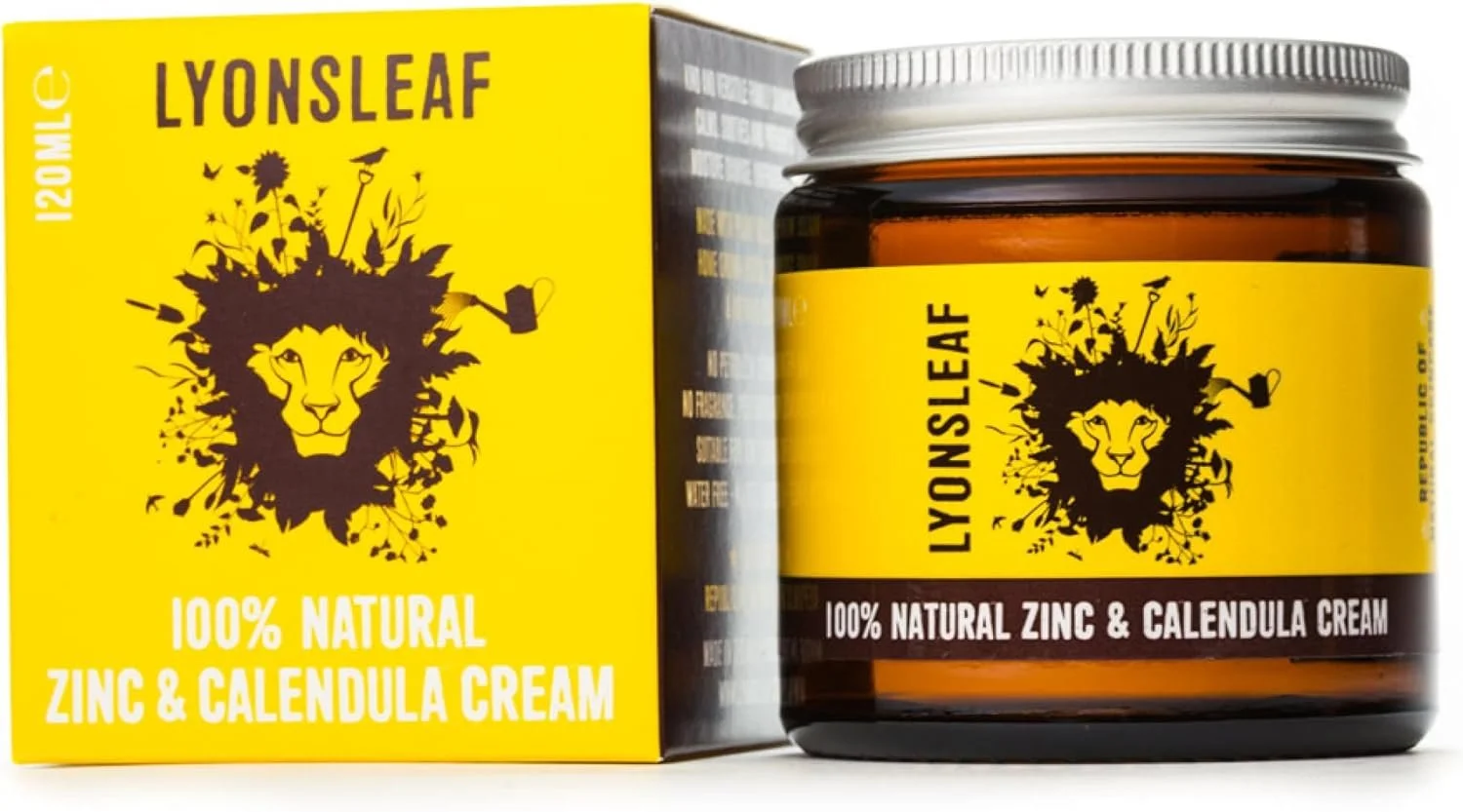
Lyonsleaf Zinc and Calendula Cream
a natural zinc oxide cream combined with calendula (which has documented anti-inflammatory and wound-healing properties). A gentle, minimal-ingredient topical option for dry, irritated eczema patches. Zinc oxide at low concentrations is non-irritating and appropriate for sensitive eczema-prone skin
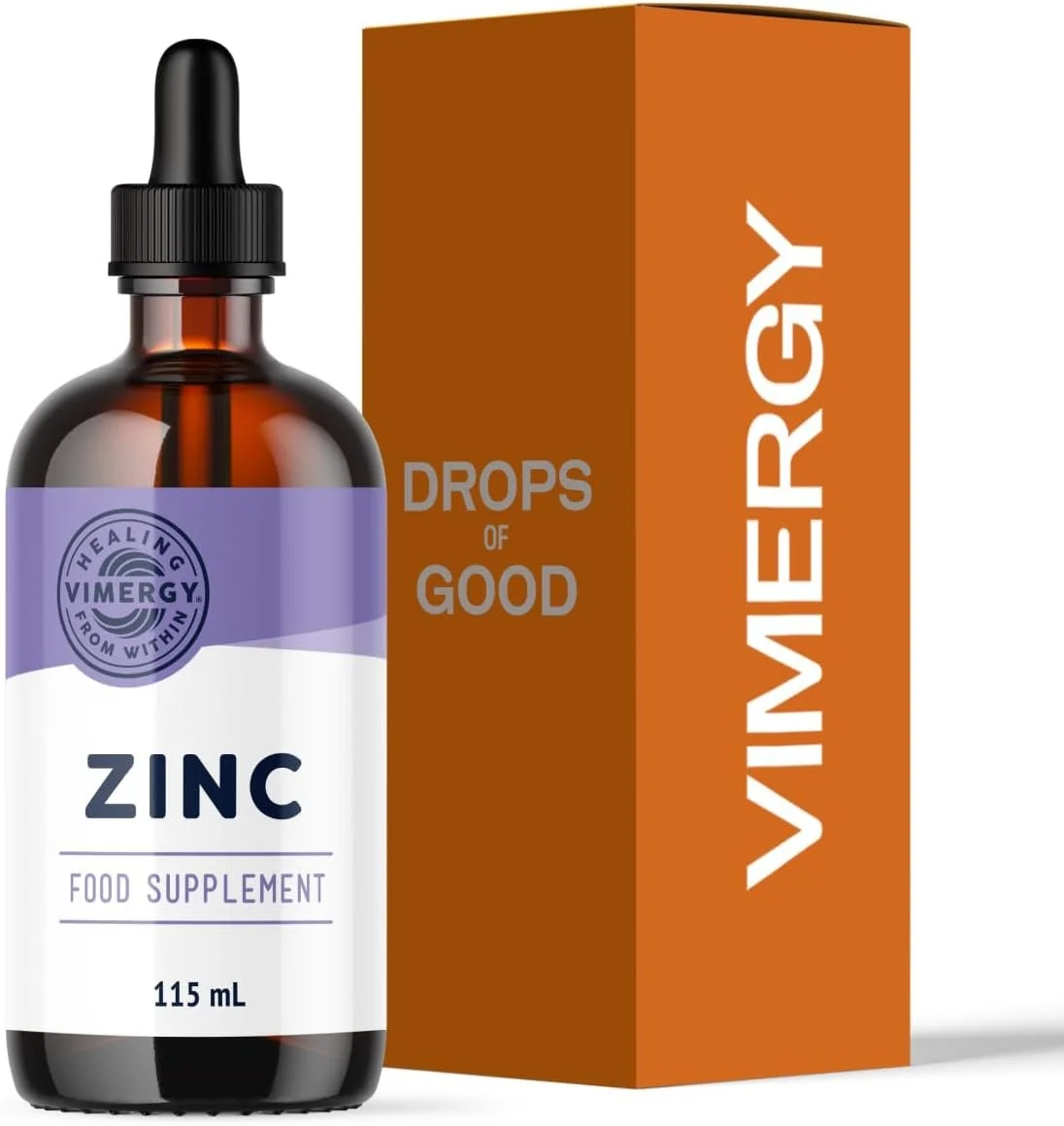
Vimergy Liquid Zinc
a liquid zinc supplement in a bioavailable form. The liquid format allows flexible dosing and absorbs well. A practical option for people who find capsule supplements difficult to tolerate or who want precise dose control.
Oral zinc supplementation: form and dose
Not all zinc supplements are equally bioavailable. Zinc forms vary in how efficiently they are absorbed:
Zinc gluconate and zinc citrate — well-absorbed organic forms. Suitable for most people. Zinc picolinate — chelated form with high bioavailability. Zinc sulphate — lower bioavailability, more likely to cause digestive discomfort. Zinc oxide (oral) — lowest bioavailability of common forms. The same compound used topically is poorly absorbed orally.
For eczema supplementation, zinc gluconate, citrate, or picolinate are preferable to zinc sulphate or oxide.
The UK reference nutrient intake for zinc is 9.5mg per day for adult men and 7mg for adult women. Supplementation for eczema typically uses 15–25mg elemental zinc daily — above the RNI but well within the safe upper intake level of 25mg per day established by the European Food Safety Authority.
Foods Rich In Zinc
Zinc is naturally found in foods such as:
Meat
Shellfish
Eggs
Pumpkin seeds
Nuts
Legumes
Some people also explore zinc supplements alongside broader nutrition and skincare approaches.
Balanced nutrition is often considered part of long-term skin support.
The copper depletion risk
This is the most important safety consideration with zinc supplementation and is consistently under-discussed.
Zinc and copper compete for the same intestinal absorption transporter (metallothionein). Consistently high zinc supplementation — particularly at doses above 25mg daily — can reduce copper absorption and over time produce copper deficiency, which causes anaemia, neurological symptoms, and impaired immune function.
For doses up to 25mg daily used for eczema management, copper depletion is unlikely to be clinically significant with short-to-medium-term use. For prolonged high-dose supplementation (above 25mg daily for months or years), including a small copper supplement (1–2mg copper gluconate) or ensuring adequate dietary copper (from shellfish, nuts, seeds) is appropriate.
Why Over-Supplementing Zinc Can Be A Problem
Although zinc is important, extremely high doses may cause problems too.
Too much zinc may contribute to:
Nausea
Digestive upset
Copper imbalance
Long-term mineral imbalances
This is why many experts recommend avoiding excessive supplementation without guidance.
More supplements doesn’t always mean better skin results.
Plant-based zinc and bioavailability
For people eating plant-based diets, zinc bioavailability from plant foods is lower than from animal sources due to phytic acid binding in seeds, legumes, and wholegrains. This is covered in the seeds article in this series. A dedicated zinc supplement at appropriate doses addresses this reliably for plant-based eaters.
Supplement Support for Dry, Sensitive Skin
Zinc addresses several specific eczema pathways but works most effectively alongside the other nutrients that address complementary mechanisms — vitamin D for filaggrin upregulation and Th2 modulation, omega-3 EPA/DHA for direct anti-inflammatory effects, and magnesium for stress regulation.
Drought's Skin Support Formula includes zinc alongside 13 other nutrients selected for their roles in skin barrier function and immune regulation — providing consistent multi-pathway nutritional support at appropriate doses. Made in the UK, suitable for vegetarians, designed for consistent long-term daily use.
FAQ
Is zinc good for eczema?
Yes — through specific mechanisms rather than general "zinc supports skin health" framing. Zinc regulates filaggrin gene expression in keratinocytes through zinc finger transcription factor activity — filaggrin being the protein most consistently deficient in eczema and the strongest known genetic risk factor for atopic disease. Zinc also modulates Th1/Th2 immune balance through thymic T-cell maturation — zinc deficiency shifts immune responses toward Th2 polarisation, the same immune phenotype that characterises atopic eczema. Multiple published studies find significantly lower serum zinc in eczema patients compared to healthy controls, with deficiency severity correlating with eczema severity scores.
Can zinc deficiency cause eczema?
Not directly — eczema has a strong genetic component involving filaggrin loss-of-function mutations that zinc status doesn't determine. But zinc deficiency worsens the two most specifically relevant eczema dimensions: filaggrin expression and Th2 immune polarisation. Someone with genetic filaggrin vulnerability and zinc deficiency has a compromised barrier that is simultaneously less well-regulated by the zinc finger transcription factors that support filaggrin production. Correcting zinc deficiency doesn't eliminate eczema's genetic basis — it removes a nutritional amplifier that makes the genetic vulnerability worse than it needs to be.
What is the best form of zinc supplement for eczema?
Zinc bisglycinate and zinc gluconate have the highest bioavailability and the best gastrointestinal tolerability of the common supplement forms. Zinc bisglycinate — zinc chelated to two glycine molecules — is absorbed through amino acid transport pathways rather than competing with other minerals for absorption, making it the most efficient form for people with absorption concerns. Zinc gluconate is widely available and well-absorbed. Zinc citrate is a good middle option. Avoid zinc oxide and zinc sulphate — both have poor bioavailability and zinc sulphate specifically causes significant gastrointestinal irritation at therapeutic doses. The form matters considerably — the same dose produces meaningfully different blood zinc responses depending on which compound is used.
How much zinc should I take for eczema?
The UK reference nutrient intake is 9.5mg daily for men and 7mg for women — most published eczema studies using zinc supplementation have used doses of 15–30mg elemental zinc daily. Doses above 40mg daily on a sustained basis risk copper depletion through competitive intestinal absorption — zinc and copper share the same transporter. If supplementing above 25mg daily for more than eight weeks, consider a copper-containing supplement or ensure adequate dietary copper from nuts, seeds, and shellfish. Always calculate the elemental zinc content rather than the total compound weight — a 50mg zinc gluconate tablet provides approximately 7mg elemental zinc.
Can topical zinc help eczema?
Yes — zinc oxide's antimicrobial activity against S. aureus is directly relevant to eczema given S. aureus colonisation is one of the most consistently documented factors amplifying eczema severity. Zinc oxide in a barrier preparation creates a physical occlusive layer alongside the antimicrobial effect — addressing both the bacterial colonisation and the TEWL reduction simultaneously. Zinc and calendula preparations combine the antimicrobial zinc oxide with calendula's anti-inflammatory triterpenoids for a complementary dual mechanism. For active S. aureus-colonised eczema, topical zinc oxide is more directly targeted than oral zinc alone — both together are more comprehensive than either alone.
How long does zinc take to work for eczema?
Eight to twelve weeks of consistent daily supplementation is the minimum meaningful assessment period. Zinc's filaggrin regulation and T-cell maturation effects accumulate gradually — serum zinc normalisation after deficiency typically takes four to six weeks, and the downstream skin effects of corrected zinc status take a further four to six weeks to manifest in keratinocyte function and barrier repair. Intermittent supplementation produces inconsistent results — daily consistency at an adequate elemental dose over a sustained period is what produces the barrier and immune regulation effects relevant to eczema management.
What foods are highest in zinc for eczema?
Oysters are the single richest dietary zinc source — providing approximately 75mg per 100g, considerably more than any other food. For practical daily consumption: beef and lamb (approximately 4–8mg per 100g), pumpkin seeds (approximately 7mg per 100g), hemp seeds (approximately 3mg per 100g), and lentils (approximately 3mg per 100g cooked). Plant-source zinc has lower bioavailability than animal-source zinc due to phytate content — soaking, sprouting, or fermenting legumes and seeds reduces phytate and improves zinc absorption meaningfully. People following plant-based diets are at higher risk of functional zinc deficiency even at adequate total intake, and may benefit from supplementation alongside dietary optimisation.
Summary
Zinc has specific and mechanistically grounded relevance to eczema — through filaggrin processing, Th2 immune modulation, S. aureus antimicrobial defence, and wound healing. Serum zinc is consistently lower in eczema populations. Supplementation trials show positive but variable results, most likely because effect is greatest when addressing actual deficiency or insufficiency. The appropriate dose is 15–25mg elemental zinc daily in a bioavailable form (gluconate, citrate, or picolinate). At these doses the copper depletion risk is minimal with normal-duration use. Topical zinc oxide provides complementary surface-level benefits alongside oral supplementation.
Written by the Drought Skin team — specialists in natural support for psoriasis, eczema and acne
Disclaimer: This article contains affiliate links. We earn a very small commission from each purchase made through these links. There is no additional cost to you. All products featured have been specifically selected as products we personally use and love. For further information, please see our disclaimer page.
