
Is Sudocrem Good for Psoriasis?
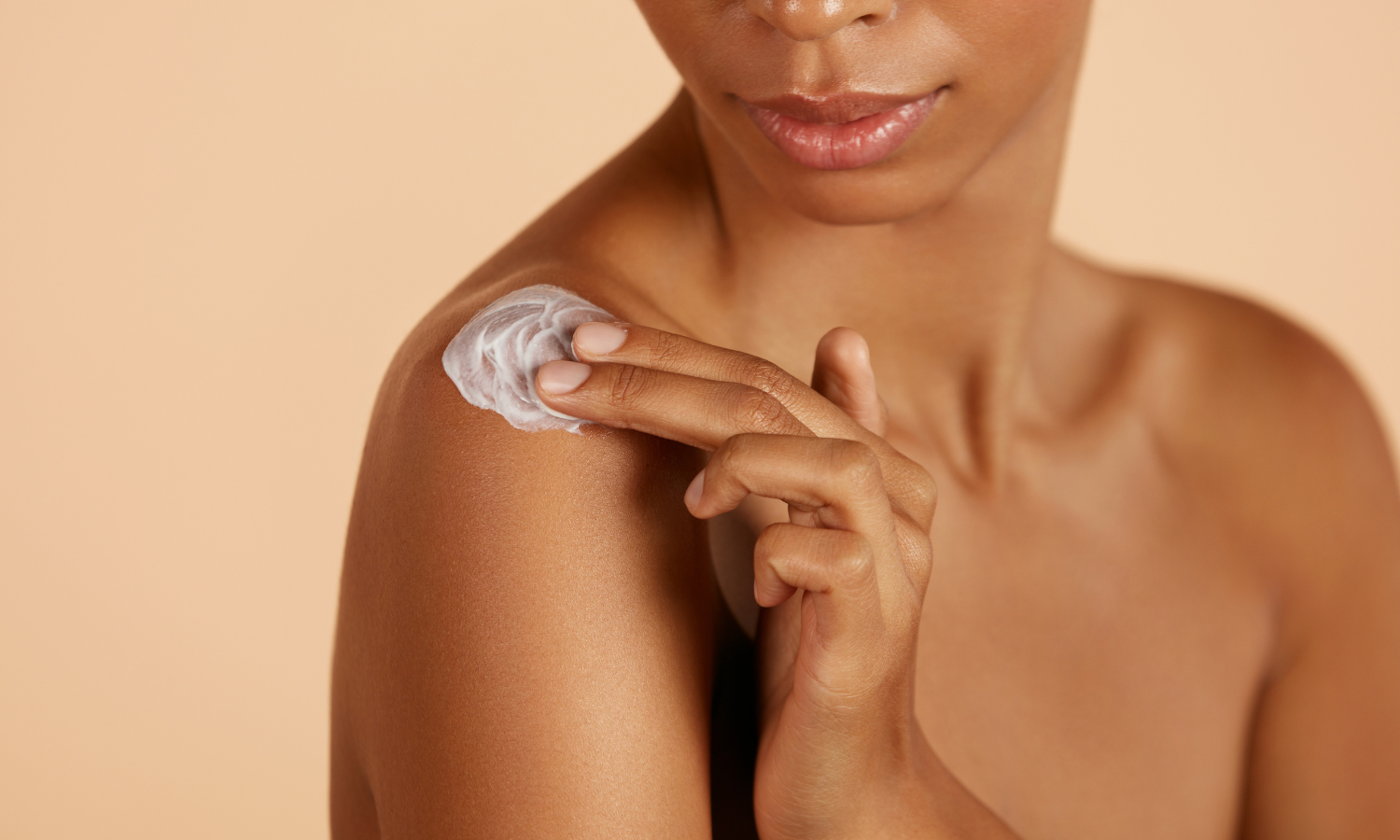
Sudocrem is one of the most reached-for products in British households when skin becomes sore, irritated, or broken — and it regularly finds its way into psoriasis routines, often on the basis of word-of-mouth or desperation during a difficult flare.
It's not an unreasonable instinct. Sudocrem does contain ingredients with genuine relevance to inflamed skin. But understanding exactly what it does — and what it can't — means you can use it deliberately rather than hopefully.
What is Sudocrem?
Sudocrem is a barrier cream commonly used for:
irritation
rashes
chafing
sensitive skin
It contains ingredients such as:
zinc oxide
benzyl alcohol
lanolin
These ingredients help form a protective barrier over the skin.
Can Sudocrem help psoriasis?
Sudocrem may help soothe dryness, irritation, and discomfort — but it's not a treatment for psoriasis itself, and understanding the distinction between those two things determines whether it's worth reaching for the tin or not. The reason Sudocrem appears in so many psoriasis discussions isn't coincidence — its active ingredient, zinc oxide, has specific and documented antimicrobial properties that are genuinely relevant to psoriasis-prone skin, particularly the S. aureus colonisation that contributes to the inflammatory environment of psoriasis plaques. That's a more specific and more interesting reason to consider it than simple soothing or barrier protection alone — but it also means there's a specific and limited context in which Sudocrem makes sense for psoriasis, and a broader context in which it's the wrong product to be relying on.

What Sudocrem actually contains
Sudocrem's active ingredients are what matter for psoriasis, and it's worth being specific about each one:
Zinc oxide (15.25%). The main active ingredient and the most relevant to psoriasis. Zinc oxide is anti-inflammatory, astringent, and forms a protective occlusive barrier on the skin surface. It's used clinically in wound care and nappy rash precisely because it soothes inflamed tissue, reduces moisture loss, and protects damaged skin from further irritation. Zinc also has mild antimicrobial properties that help reduce the risk of secondary infection on broken or cracked psoriasis skin. This is Sudocrem's most legitimate contribution to psoriasis comfort.
Benzyl alcohol (0.39%). A mild antiseptic that contributes to Sudocrem's ability to reduce the risk of infection on broken skin. At the concentration used it is generally well-tolerated, though it can occasionally cause sensitivity reactions.
Benzyl benzoate (1.01%) and benzyl cinnamate (0.15%). These are emollient and mild anaesthetic compounds derived from benzoin resin. Benzyl benzoate can also be a contact sensitiser in some people — it's worth noting if you've ever reacted to balsam of Peru or fragrance mix, as cross-reactivity is possible.
Lanolin (4%). An emollient derived from sheep's wool that softens and moisturises the skin. Useful for dry, cracked plaques — but lanolin is one of the most common causes of contact dermatitis in topical preparations. People with known lanolin sensitivity (which is not uncommon, particularly in those with a history of using multiple topical preparations for skin conditions) should be cautious. If you've found that Sudocrem consistently irritates rather than soothes, lanolin sensitivity is a likely explanation.
Excipients including water, microcrystalline wax, and liquid paraffin. These contribute to the cream's characteristic thick, white texture and occlusive properties.
Why people use Sudocrem for psoriasis
Psoriasis often causes:
dryness
cracking
soreness
irritation
Because Sudocrem is thick and protective, some people use it to:
reduce discomfort
soothe inflamed patches
soften dry skin
Especially during flare-ups.
Where Sudocrem genuinely helps with psoriasis
Understanding the ingredients makes the answer clearer. Sudocrem is most useful for psoriasis in specific, limited circumstances:
Cracked or broken plaques. When psoriasis skin has cracked and is sore or weeping, the zinc oxide barrier and antiseptic components provide genuine protection and comfort. This is the context most analogous to Sudocrem's intended use — protecting damaged skin while it recovers.
Inverse psoriasis. The smooth, moist plaques of inverse psoriasis (in skin folds — groin, under breasts, armpits) are often particularly painful and prone to secondary infection. Sudocrem's zinc oxide and antiseptic properties are well-suited here, and its occlusive barrier helps protect skin in areas of friction. Importantly, the skin in these locations is thinner and more sensitive to potent topical treatments — Sudocrem's gentle, over-the-counter nature makes it a practical choice for mild comfort support in these areas.
Mild irritation between flares. For localised patches of dryness or irritation that don't require prescription treatment, Sudocrem can provide a degree of comfort and moisture protection.
Recommended Products
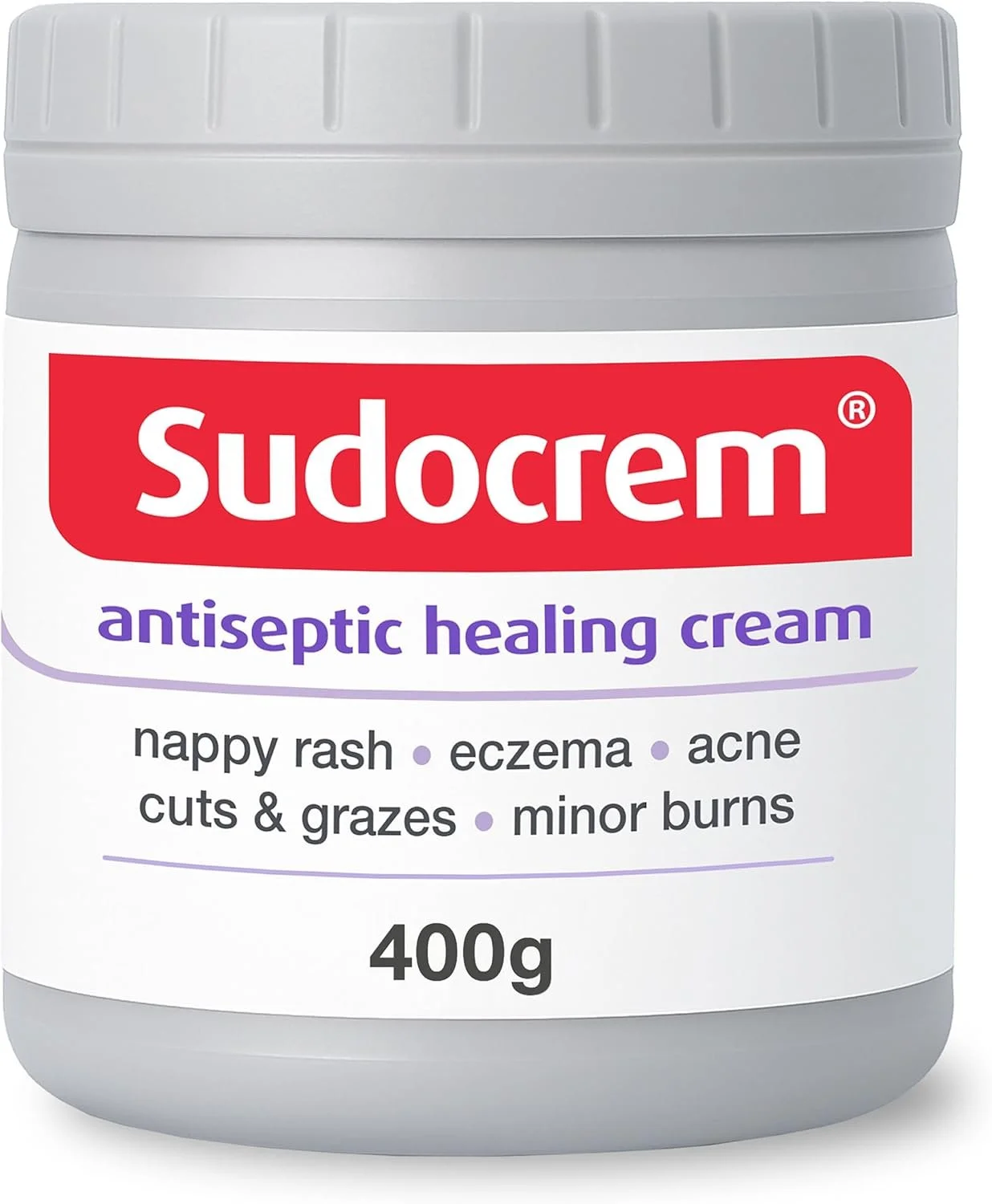
Sudocrem Antiseptic Healing Cream
for the targeted, short-term application covered above. A small amount applied to specific psoriasis plaques where the zinc oxide antimicrobial and barrier benefit is most relevant — particularly plaques prone to secondary infection or weeping. Not a substitute for emollient as the daily foundation
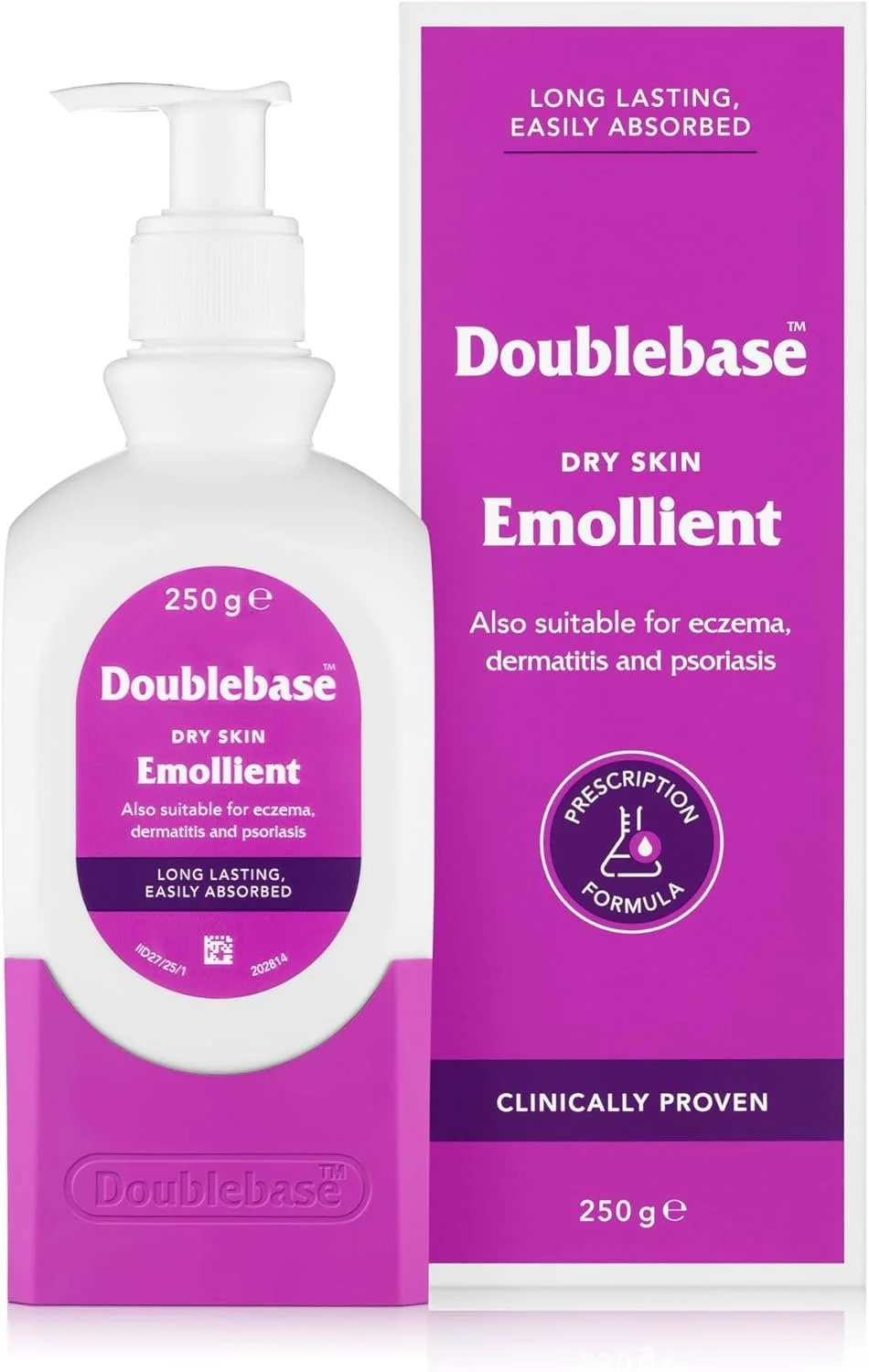
Doublebase Dry Skin Emollient
the fragrance-free, paraffin-based emollient that should form the daily management foundation that Sudocrem is not designed to provide. Apply generously and consistently as the primary moisturiser; use Sudocrem only as a targeted addition where its zinc oxide properties are specifically needed.
Does Sudocrem actually treat psoriasis?
This is where expectations need to stay realistic.
The reality:
Sudocrem may help with:
comfort
dryness
surface irritation
But it does not:
slow skin cell turnover
regulate the immune system
reduce psoriasis activity directly
it may soothe symptoms, but it doesn’t treat the condition itself.
Where it falls short
Active, inflamed plaques with significant scaling. Thick plaques with substantial scaling are not meaningfully addressed by Sudocrem. The zinc oxide may soothe the surface, but it has no effect on the underlying accelerated cell turnover driving plaque formation. For plaques that need scale reduction, keratolytic ingredients like urea or salicylic acid, or prescription treatments, are more appropriate.
Scalp psoriasis. Sudocrem's thick, white, waxy texture is entirely impractical for scalp application — it's impossible to apply without leaving a visible residue in hair. Medicated shampoos and scalp-specific preparations are the right tools here.
Large body surface areas. Applying Sudocrem extensively across the body is both impractical (it's very thick and difficult to spread thinly) and unnecessary — better-formulated emollients provide more effective whole-body barrier support.
As a substitute for medical treatment. Sudocrem has no effect on the immune dysfunction driving psoriasis. It cannot prevent flares, reduce plaque formation, or address the condition systemically. People who are managing psoriasis with Sudocrem alone are addressing comfort but not the condition.
Sudocrem vs moisturisers for psoriasis
This is an important difference.
Sudocrem
protective barrier cream
thicker and more occlusive
best for irritated patches
Psoriasis moisturisers/emollients
designed for ongoing hydration
soften scaling
support barrier repair long-term
Sudocrem may help short-term comfort, but regular moisturising is still essential.
Better alternatives for psoriasis skin
For consistent, evidence-based topical support, these options address psoriasis-prone skin more comprehensively than Sudocrem:
For daily emollient use: Fragrance-free ceramide creams (CeraVe) or simple ointments (Cetraben, Epaderm) provide better sustained barrier repair for regular use across the body.
For scale management: Urea 10–25% preparations or salicylic acid products address the keratolytic (scale-softening) need that Sudocrem cannot.
For inverse psoriasis specifically: Sudocrem remains a reasonable choice — but if symptoms persist, a low-potency topical steroid or calcineurin inhibitor prescribed by a GP is more effective.
For very dry or cracked localised areas: Petroleum jelly (white soft paraffin) is equally effective as an occlusive, costs less, has a simpler ingredient list, and carries no lanolin sensitisation risk.
The lanolin allergy flag
This deserves a direct mention because it's an under-recognised issue. If you've been using Sudocrem on psoriasis-affected skin and found it consistently stings, worsens irritation, or causes redness — and you've attributed this to your psoriasis — it may actually be a lanolin contact reaction. Lanolin sensitivity is more prevalent in people who have used multiple topical preparations over time, which describes many people managing chronic skin conditions. Switching to a lanolin-free product and observing whether the reaction resolves is the simplest test.
Skin support for psoriasis-prone skin
Topical products — Sudocrem included — address psoriasis at the surface. The immune dysregulation and systemic inflammation driving the condition require internal support that no cream can provide.
Drought's Skin Support Formulacontains 14 nutrients including zinc, vitamin D, vitamin C, magnesium, and CoQ10 — each selected for their documented roles in immune regulation, inflammatory balance, and skin barrier function. It works alongside good topical care as part of a more comprehensive approach to managing psoriasis-prone skin. Made in the UK, suitable for vegetarians, designed for consistent long-term use.
FAQs: Sudocrem & psoriasis
Is Sudocrem good for psoriasis?
It can soothe surface irritation and protect cracked or broken skin, particularly in skin fold areas. It doesn't treat the underlying condition or reduce plaque activity.
Can Sudocrem remove psoriasis plaques?
No — it may soften plaques, but won’t remove the underlying condition.
Is zinc oxide in Sudocrem good for psoriasis?
Yes — zinc oxide has anti-inflammatory and barrier-protective properties that provide genuine short-term comfort on irritated psoriasis skin. It's the most useful component of Sudocrem for this condition.
Can Sudocrem make psoriasis worse?
In some people, yes — particularly if they have a lanolin or benzyl benzoate sensitivity. If Sudocrem consistently irritates rather than soothes, lanolin contact allergy is a likely cause.
Is Sudocrem or Vaseline better for psoriasis?
For most psoriasis purposes, petroleum jelly (Vaseline) is more versatile — it's a simpler formulation, equally or more occlusive, free from lanolin and fragrance compounds, and more practical for larger areas. Sudocrem's antiseptic properties give it an advantage specifically for cracked or at-risk skin.
Can I use Sudocrem on psoriasis plaques overnight?
Yes, for localised cracked or sore plaques — its thick texture and occlusive properties make it suitable for overnight use on specific areas. Avoid using it extensively across large body areas or on the scalp.
Why is Sudocrem not recommended by dermatologists for psoriasis?
It's not specifically formulated for psoriasis and doesn't address any of the condition's core mechanisms. Dermatologists typically recommend purpose-designed emollients, prescription topicals, or systemic treatments depending on severity.
Is Sudocrem safe for sensitive skin?
Usually yes, though some people may react to certain ingredients.
What works better than Sudocrem for psoriasis?
A broader approach combining skincare, inflammation support, and trigger management.
Summary
Sudocrem is a reasonable short-term comfort measure for specific psoriasis scenarios — cracked plaques, inverse psoriasis, and localised irritation — where its zinc oxide barrier and antiseptic properties are genuinely useful. It is not a psoriasis treatment, won't address active plaques, and its lanolin content makes it unsuitable for anyone with lanolin sensitivity. For sustained topical management, purpose-formulated emollients provide better results; for the underlying condition, a multi-factor approach combining appropriate skincare, trigger management, and internal nutritional support addresses what surface creams cannot.
Sudocrem can help soothe and protect irritated psoriasis-prone skin—but it’s often misunderstood as a treatment. While it may improve comfort temporarily, psoriasis is a deeper inflammatory condition that usually requires more than topical creams alone.
Supporting your skin from within can help reduce flare-ups and improve long-term resilience.
Start your skin support journey →
Written by the Drought Skin team — specialists in natural support for psoriasis, eczema and acne
Disclaimer: This article contains affiliate links. We earn a very small commission from each purchase made through these links. There is no additional cost to you. All products featured have been specifically selected as products we personally use and love. For further information, please see our disclaimer page.
