
Best Seeds for Eczema & Psoriasis: What Each One Does, How Much to Eat & the Sesame Allergen Warning

Seeds are among the most nutrient-dense additions you can make to a diet aimed at supporting eczema or psoriasis management — small in volume, but concentrated sources of the omega-3 fatty acids, zinc, magnesium, vitamin E, and fibre that are consistently relevant to both conditions. They're also practical: they add to meals without disrupting them, keep well, and are widely available.
This guide covers the seeds most worth including, what each one specifically contributes, a few practical caveats, and the most important thing most articles about seeds and omega-3s completely ignore.
Seeds for Eczema & Psoriasis: Can They Help Support Healthier Skin?
Seeds might be small, but they’re packed with nutrients that are increasingly discussed in relation to skin health, inflammation and the skin barrier.
For people with eczema or psoriasis, foods rich in healthy fats, zinc, fibre and antioxidants are often included in broader skin-supportive diets — and seeds are one of the easiest ways to add these nutrients into everyday meals and snacks.
While seeds won’t “cure” eczema or psoriasis, many people include them as part of a more balanced approach to supporting skin health from within.
Seeds are often included in skin-supportive diets because they provide nutrients linked to overall skin health and barrier support.
The omega-3 issue: something most seed articles miss
Before covering individual seeds, this is worth addressing upfront — because it changes how useful the information about flaxseeds and chia seeds actually is.
Most seeds promoted for eczema and psoriasis are highlighted for their omega-3 content. Flaxseeds and chia seeds in particular are among the richest plant sources of omega-3 fatty acids. But the omega-3 in plant foods is alpha-linolenic acid (ALA) — a precursor that must be converted by the body into the longer-chain forms, EPA and DHA, that have the most direct anti-inflammatory effects in skin.
The conversion rate from ALA to EPA and DHA is inefficient — estimated at around 5–10% for EPA and less than 1% for DHA in most people. Some individuals convert even less. This means that while flaxseeds and chia seeds are genuinely useful, they cannot fully replicate the effect of direct EPA and DHA from oily fish or algae-based supplements.
This doesn't diminish the value of seeds. ALA itself has anti-inflammatory properties, and seeds provide a range of other skin-relevant nutrients beyond omega-3s. But it explains why seeds work best as part of a diet that also includes oily fish or a direct EPA/DHA supplement, rather than as a standalone omega-3 source.
Flaxseeds
Flaxseeds are especially popular in anti-inflammatory-style diets.
Flaxseeds (Linum usitatissimum) provide the highest ALA content of any commonly eaten seed — around 2.4g of ALA per tablespoon of ground seed. They also contain lignans, polyphenol compounds with antioxidant and mild anti-inflammatory properties, and soluble fibre that supports gut microbiome health.
The critical practical point: flaxseeds must be ground to be nutritionally useful. Whole flaxseeds pass through the digestive tract largely intact — the hard outer seed coat resists digestion and prevents the fatty acids and other nutrients from being absorbed. Ground flaxseed (also called linseed meal) releases its contents fully. Store ground flaxseed in the fridge and use within a few weeks, as the high fat content makes it susceptible to oxidation.

Chia Seeds
Chia seeds are another omega-3-rich seed frequently discussed in skin health nutrition.
Chia seeds are often included in balanced diets aimed at supporting hydration and skin health.
Chia seeds (Salvia hispanica) provide around 1.8g of ALA per tablespoon alongside protein, calcium, magnesium, and both soluble and insoluble fibre. The soluble fibre has prebiotic-like properties that support beneficial gut bacteria — contributing to the gut-skin axis dimension of both eczema and psoriasis management.
Unlike flaxseeds, chia seeds don't need to be ground — their outer coating absorbs water and forms a gel that releases nutrients during digestion. They add a useful texture to smoothies, chia pudding, and overnight oats without significantly affecting flavour.
The magnesium content is worth specific mention: low magnesium is associated with heightened inflammatory responses and stress reactivity, both documented triggers for eczema and psoriasis flares. A tablespoon of chia seeds provides around 12% of the daily reference nutrient intake for magnesium.
Pumpkin Seeds
Pumpkin seeds are often included in nutrient-dense snack ideas for skin support.
Pumpkin seeds (Cucurbita pepo) stand apart from flaxseeds and chia seeds in terms of their primary nutritional contribution — rather than omega-3s, their most relevant nutrient for eczema and psoriasis is zinc.
Zinc is one of the nutrients with the most consistent evidence for both conditions. It supports immune regulation, contributes to normal skin barrier function, has antimicrobial properties relevant to the S. aureus colonisation that perpetuates eczema, and plays a role in skin cell repair and regeneration. Several studies have found lower serum zinc levels in people with eczema and psoriasis compared to healthy controls.
A 30g serving of pumpkin seeds provides around 2.2mg of zinc — approximately 22% of the daily reference nutrient intake. Combined with their magnesium, iron, and healthy fat content, pumpkin seeds are among the most nutritionally complete seeds for a skin-supportive diet.
One practical note: zinc from plant sources is less bioavailable than zinc from animal sources due to the phytic acid content of seeds and grains, which binds zinc in the gut and reduces absorption. Lightly toasting pumpkin seeds, or soaking them before eating, can reduce phytic acid and improve zinc bioavailability.
Sunflower Seeds
Sunflower seeds are among the richest dietary sources of vitamin E — a fat-soluble antioxidant that protects cell membranes from oxidative damage and supports immune function. A 30g serving provides approximately 7.4mg of vitamin E, around half the recommended daily amount.
Vitamin E's relevance to eczema and psoriasis comes primarily through antioxidant protection and its role in maintaining cell membrane integrity — including in skin cells. It works synergistically with vitamin C, which regenerates oxidised vitamin E and extends its antioxidant activity.
The one consideration with sunflower seeds is their omega-6 fatty acid content. Omega-6 fats are not inherently problematic, but a diet with a high omega-6 to omega-3 ratio can shift the body toward more pro-inflammatory signalling. The Western diet is already high in omega-6, so prioritising omega-3-rich seeds alongside sunflower seeds — rather than using sunflower seeds as the primary seed addition — maintains a more balanced fatty acid profile.
Hemp Seeds
Hemp seeds (Cannabis sativa) are worth specific mention because their fatty acid profile is unique among seeds. They contain both omega-3 (ALA) and omega-6 (linoleic acid) in a ratio of approximately 1:3 — closer to an ideal balance than most plant foods, which tend to have much higher omega-6 ratios.
Hemp seeds also contain gamma-linolenic acid (GLA), an omega-6 fatty acid with anti-inflammatory properties distinct from most other omega-6 fats. GLA is the same fatty acid found in evening primrose oil and borage oil, which have both been studied for atopic eczema with some positive results. The amounts in whole hemp seeds are modest compared to GLA supplements, but as a dietary source they are among the best.
Hemp seeds also provide complete protein — containing all nine essential amino acids — alongside magnesium and iron. They have a mild, nutty flavour and can be sprinkled over salads, blended into smoothies, or stirred into yogurt.
Recommended Products
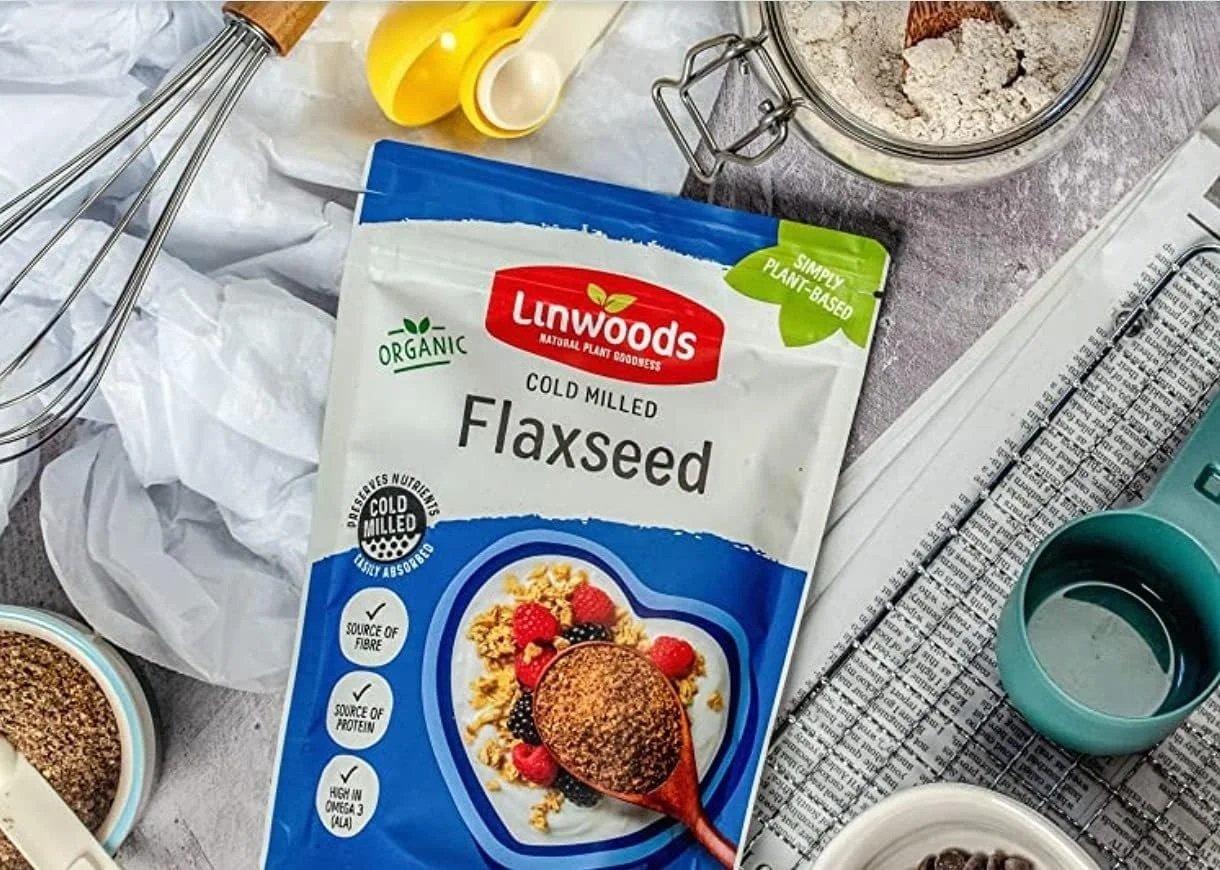
Linwoods Ground Flaxseed
pre-ground, organic, and milled to a fine texture that incorporates easily into smoothies, porridge, yogurt, and baking. One of the most convenient and reliable ways to include flaxseed in a daily routine.
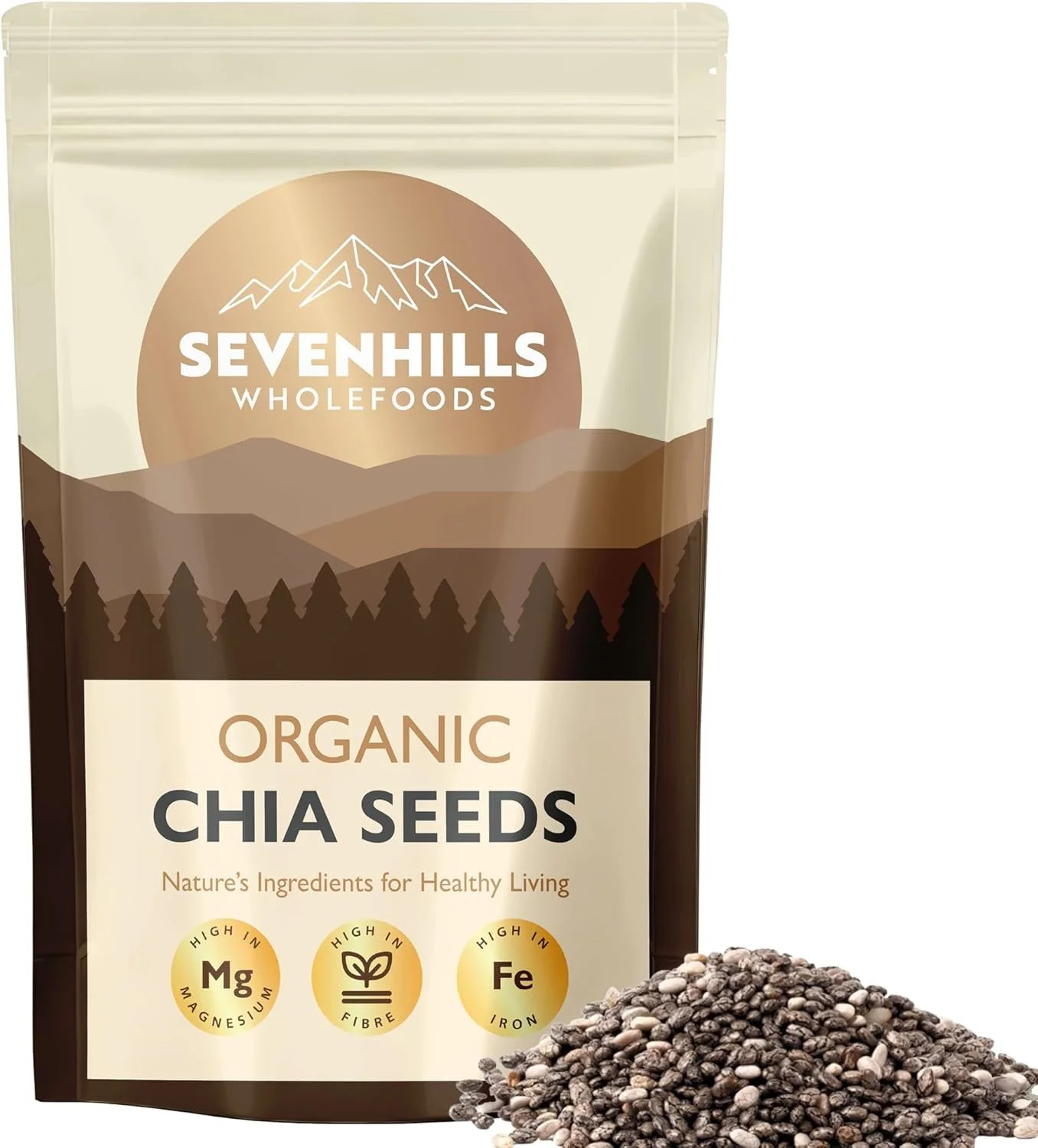
Chia Seeds Organic by Sevenhills Wholefoods
organic, raw, and unflavoured. A practical bulk option for daily use. As with all seeds, store in a cool, dry place away from direct sunlight.
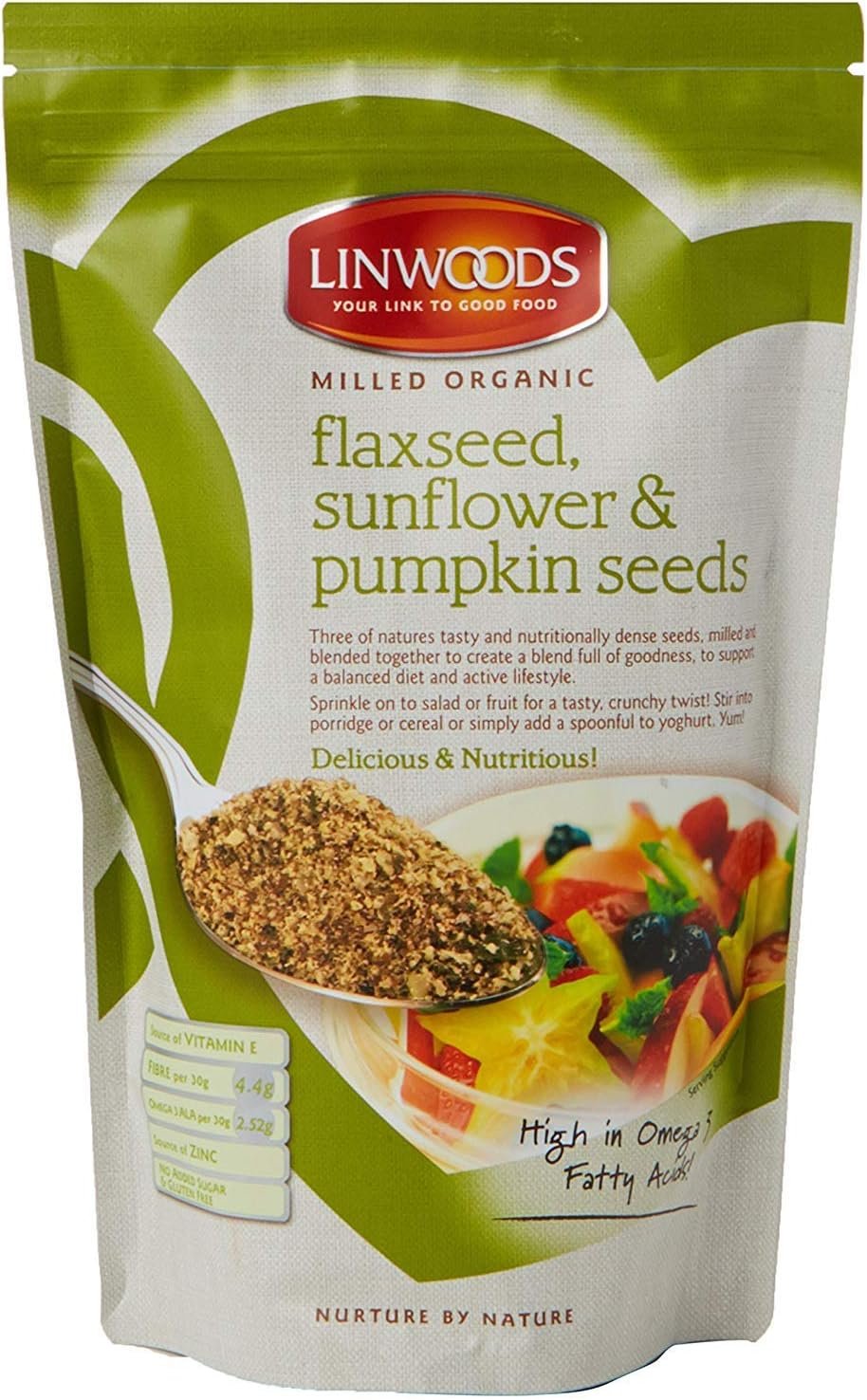
Linwoods Milled Flaxseed, Sunflower, Pumpkin & Sesame Seeds
a convenient blend combining flaxseed with pumpkin and sunflower seeds, pre-milled for easy incorporation. Provides omega-3s, zinc, vitamin E, and magnesium in a single addition to the daily routine.
Seeds to approach with caution
Sesame seeds. Sesame is one of the 14 major food allergens recognised in UK food law, and sesame allergy is associated with atopic conditions including eczema. If you have confirmed or suspected food allergies, introduce sesame seeds cautiously and separately from other new foods.
Seed allergies more broadly. Sunflower, pumpkin, and poppy seeds are occasional allergens for people with existing nut or seed sensitivities. Introduce new seeds individually rather than in mixed blends if you have a history of food reactions.
High-volume consumption. Seeds are calorie-dense. A tablespoon or two per day is a practical and nutritionally meaningful amount — eating very large quantities adds significant calories without proportional nutritional benefit, and very high intake of some seeds can cause digestive discomfort.
Food triggers vary significantly between individuals, which is why many people focus on identifying personal patterns rather than eliminating foods unnecessarily.
Not every “healthy” food works for every skin type.
How to include seeds daily
The most effective approach is making seeds a consistent daily habit rather than an occasional addition. A few tablespoons of ground flaxseed or chia seeds in a morning smoothie or porridge, pumpkin seeds as a snack or salad topping, and hemp seeds stirred into yogurt covers the main nutritional bases without requiring any significant change to eating patterns.
The smoothie recipes in the eczema and psoriasis smoothie articles in this series incorporate several of these seeds with specific quantities and combinations — a practical starting point if you want a structured approach.
Supplement Support for Dry, Sensitive Skin
Seeds contribute meaningfully to the nutritional foundations relevant to eczema and psoriasis — omega-3s, zinc, magnesium, vitamin E, and gut-supportive fibre. They don't cover everything. Vitamin D (the nutrient most consistently associated with both conditions in clinical research) is not available from seeds in meaningful amounts, and zinc from plant sources has lower bioavailability than from targeted supplementation.
Drought's Skin Support Formula provides 14 nutrients including vitamin D, zinc (at a bioavailable dose), vitamin C, magnesium, and CoQ10 — covering the nutritional ground that even a seed-rich diet doesn't reliably address. Made in the UK, suitable for vegetarians, designed for consistent long-term daily use. It works alongside dietary improvements rather than as a replacement for them.
FAQ
Are seeds good for eczema and psoriasis?
Yes — but the benefit is mechanism-specific rather than general "seeds are healthy" framing. Flaxseed and chia provide ALA omega-3 for eicosanoid balance relevant to both conditions. Pumpkin seeds provide zinc for keratinocyte barrier repair and immune regulation — one of the most consistently documented nutritional deficiencies in psoriasis patients. Hemp seeds provide a 3:1 omega-6 to omega-3 ratio alongside complete plant protein — the closest to an ideal anti-inflammatory fatty acid profile of any common seed. Sunflower seeds provide vitamin E for sebum oxidation protection. Each addresses a distinct and specific mechanism rather than contributing to a generic "anti-inflammatory" effect.
What are the best seeds for eczema?
Milled flaxseed is the most mechanism-supported for eczema specifically — ALA omega-3 for eicosanoid balance and soluble mucilage fibre for Faecalibacterium prausnitzii gut microbiome support through the gut-skin axis simultaneously. Chia seeds are the closest alternative — providing SDA alongside ALA, which converts to EPA at approximately 17% compared to ALA's 5–10%, making chia marginally more efficient for omega-3 conversion. Pumpkin seeds provide zinc which addresses the barrier repair and immune regulation deficit most specifically documented in eczema — 30g daily provides approximately 2.5mg zinc, contributing meaningfully to the 8–11mg daily requirement.
What are the best seeds for psoriasis?
Pumpkin seeds for zinc — the most consistently documented nutritional deficiency in psoriasis patients and directly relevant to the keratinocyte hyperproliferation and immune dysregulation driving the condition. Milled flaxseed for ALA omega-3 and lignan content — lignans have documented NF-κB inhibitory activity that complements ALA's eicosanoid mechanism. Hemp seeds for their balanced omega-6 to omega-3 ratio — the 3:1 ratio is considerably more anti-inflammatory than the typical Western dietary ratio of 15–20:1 that amplifies arachidonic acid leukotriene production relevant to psoriatic inflammation. All three address different dimensions of psoriasis's inflammatory profile.
Do I need to grind flaxseeds for eczema and psoriasis benefit?
Yes — this is the most practically important point about flaxseed that most articles omit. Whole flaxseeds have a hard outer shell that passes through the digestive tract largely intact, delivering minimal ALA or lignan absorption. Milled or ground flaxseed exposes the inner seed content for digestive absorption — the difference between whole and ground is the difference between essentially no benefit and meaningful omega-3 and lignan delivery. Pre-milled flaxseed products are more convenient than grinding whole seeds at home, but oxidise faster once milled — store in the fridge after opening and use within four to six weeks for optimal ALA content.
Can seeds trigger eczema flare-ups?
Yes — and sesame specifically carries the most significant and most underappreciated allergy risk. Sesame became the 9th mandatory allergen on EU food labels in 2023 — joining peanuts, tree nuts, and wheat. People with eczema have significantly elevated rates of sesame IgE sensitisation compared to the general population, and sesame protein Ses i 1 cross-reacts with other plant allergens including those in the Asteraceae family. If sesame consistently correlates with eczema worsening, GP referral for specific IgE testing is appropriate. Sunflower seed sensitivity also occurs in people with composite flower allergy — the same Asteraceae cross-reactivity as sesame. Food and symptom tracking over two to four weeks is the most reliable way to identify seed-specific triggers.
How much flaxseed should I eat for eczema or psoriasis?
One to two tablespoons of milled flaxseed daily — providing approximately 2–4g ALA alongside significant soluble fibre and lignan content. This is the dose range most consistently used in positive inflammation and omega-3 studies. More than three tablespoons daily can cause loose stools through the soluble mucilage fibre content — a practical ceiling for most people. Start with one teaspoon daily and build over two weeks if you're not accustomed to high fibre intake — the gut microbiome shifts relevant to the gut-skin axis take four to eight weeks of consistent daily intake to establish regardless of the starting dose.
Are hemp seeds good for eczema and psoriasis?
Yes — and they are the most underappreciated seed in this context. Hemp seeds provide complete plant protein (all nine essential amino acids) alongside a 3:1 omega-6 to omega-3 fatty acid ratio — considerably more balanced than sunflower seeds' predominantly omega-6 profile. The gamma-linolenic acid (GLA) content in hemp seeds is specifically relevant to eczema — GLA is the omega-6 fatty acid that evening primrose oil provides therapeutically, supporting the delta-6-desaturase conversion pathway that produces anti-inflammatory prostaglandins. Hemp seeds also contain vitamin E and zinc at meaningful concentrations. Three tablespoons daily provides approximately 10g protein, 3g ALA, and 0.3g GLA — a practical and nutritionally complete seed addition for both conditions.
Summary
Flaxseeds and chia seeds provide ALA omega-3s, fibre, and gut-supportive compounds — with the important caveat that ALA converts inefficiently to the EPA and DHA that have the most direct anti-inflammatory effects. Pumpkin seeds are the most useful for zinc. Sunflower seeds provide vitamin E. Hemp seeds offer the most balanced fatty acid profile. Used together as regular daily additions to meals, they form a meaningful contribution to a skin-supportive diet — not as superfoods, but as consistently useful sources of nutrients that eczema and psoriasis skin genuinely needs.
Written by the Drought Skin team — specialists in natural support for psoriasis, eczema and acne
Disclaimer: This article contains affiliate links. We earn a very small commission from each purchase made through these links. There is no additional cost to you. All products featured have been specifically selected as products we personally use and love. For further information, please see our disclaimer page.
