
Vegan Diet & Eczema/Psoriasis: What Actually Helps, the Nutrient Gaps to Watch & the Honest Evidence

A vegan diet has genuine potential to reduce the inflammatory load relevant to psoriasis and eczema — and a poorly planned one has specific and well-documented risks of creating the exact nutrient deficiencies that worsen both conditions. The answer to "can going vegan help my skin?" is genuinely "it depends on how you do it" — and understanding what the "how" determines makes this a more useful question.
Vegan Diets, Psoriasis & Eczema: Can Going Vegan Help Your Skin?
Vegan diets have become hugely popular in recent years — not just for ethical or environmental reasons, but also because many people believe plant-based eating may help inflammation and overall health.
And because both psoriasis and eczema are inflammatory skin conditions, many people wonder whether removing animal products could improve flare-ups, itching or dry skin.
Some people report major skin improvements after switching to a vegan diet, while others notice little change — or even worsening symptoms if the diet becomes restrictive or nutritionally unbalanced.
That’s because psoriasis and eczema are complex conditions influenced by:
Genetics
Immune function
Skin barrier health
Stress
Environment
Nutrition
rather than one single food group alone.
Vegan diets may help some people support overall inflammatory health, but results vary significantly between individuals.
Why Vegan Diets Are Linked To Skin Health
Plant-based diets are often rich in:
Fibre
Antioxidants
Polyphenols
Fruits and vegetables
Legumes
Healthy plant fats
Researchers believe these nutrients may help support:
Gut health
Inflammation balance
Metabolic health
Immune function
all of which may influence inflammatory skin conditions like psoriasis and eczema.
Vegan diets are often discussed because they may support broader anti-inflammatory lifestyle habits.
What a well-planned plant-based diet does for psoriasis and eczema
A whole-food plant-based diet — built around vegetables, legumes, whole grains, fruits, nuts, and seeds — has several specific advantages for inflammatory skin conditions:
No arachidonic acid from animal products. Arachidonic acid (AA) — an omega-6 fatty acid found in meat, poultry, and dairy — is the primary substrate for the COX and LOX enzymes that produce inflammatory leukotrienes and prostaglandins. As covered in the omega-3 and eczema article, EPA from fish oil competes with AA at these enzymes. A plant-based diet eliminates the primary dietary AA source, reducing the inflammatory eicosanoid substrate available. This is a specific and mechanistically significant advantage.
Higher polyphenol density. Diets built around diverse vegetables, fruits, legumes, and whole grains naturally provide higher anthocyanin, flavonoid, and quercetin intake — all of which inhibit NF-κB inflammatory signalling. The NF-κB connection runs through the anti-inflammatory diet article.
Higher prebiotic fibre. As covered in the fibre and eczema article, adequate fermentable fibre supports butyrate-producing bacteria that reduce Th2 immune overactivity relevant to eczema. Plant-based diets naturally provide significantly more dietary fibre than omnivorous diets on average.
Reduced ultra-processed food (if well-planned). A whole-food plant-based diet displaces ultra-processed foods — which as covered in the psoriasis processed foods article carry their own inflammatory mechanisms through emulsifiers, refined sugars, and trans fats.
The Gut-Skin Connection
One reason vegan diets receive so much attention in skin health is because plant-based eating is often high in fibre.
Fibre helps feed beneficial gut bacteria, which produce compounds called short-chain fatty acids (SCFAs) linked to:
Immune regulation
Inflammation balance
Gut barrier support
Researchers increasingly believe the gut microbiome may influence inflammatory skin conditions through the “gut-skin axis.”
Gut health is becoming a major focus in eczema and psoriasis research.
The specific nutritional risks: what goes wrong with poorly planned vegan diets
This is the part most vegan diet articles for skin conditions under-address, and it matters significantly.
Vitamin B12 — the most critical deficiency. B12 is found almost exclusively in animal products. Vegans who do not supplement B12 reliably become deficient within months to years. B12 deficiency affects keratinocyte function and skin cell renewal, contributes to elevated homocysteine (which has pro-inflammatory effects), and produces neurological symptoms including fatigue — which overlaps unhelpfully with the fatigue already documented in psoriasis through the sickness behaviour mechanism. Every vegan needs a reliable B12 supplement.
Zinc — higher requirement and lower absorption. Plant foods contain phytic acid (in legumes, grains, and seeds) which binds zinc and reduces its absorption. Vegan diets provide zinc primarily from these phytic acid-containing sources. As covered throughout this series, zinc is one of the most consistently documented nutrients for eczema and acne — through 5-alpha-reductase inhibition, antibacterial activity against S. aureus, and barrier repair support. Vegan individuals typically need approximately 50% more dietary zinc than omnivores to achieve equivalent serum levels due to reduced bioavailability.
Omega-3 EPA and DHA — the ALA conversion problem. As covered in the omega-3 eczema article, plant sources provide only ALA which converts to EPA at 5–10% efficiency. For the eicosanoid competition mechanism that makes omega-3 specifically valuable for eczema and psoriasis, ALA from flaxseed and walnuts is substantially less effective than direct EPA/DHA. Algae-based omega-3 supplements (which are how fish accumulate EPA in the first place) provide direct EPA and DHA without animal products and are the appropriate solution.
Vitamin D — already a problem in the UK. As covered across the eczema and psoriasis vitamin D articles, most UK adults are vitamin D deficient for much of the year regardless of diet, because there are almost no significant dietary sources. Vegans cannot use cod liver oil or oily fish to compensate. Vitamin D3 supplement from lichen-derived sources is the appropriate vegan option.
Iron — non-haem iron from plants has lower bioavailability than haem iron from meat. While iron-deficiency anaemia has complex relationships with skin conditions, adequate iron is relevant to keratinocyte energy metabolism.
Vegan junk food: the important caveat
Being vegan doesn't mean being whole-food plant-based. Heavily processed vegan foods — vegan sausages, plant-based burgers, vegan biscuits and snacks — are frequently NOVA Group 4 ultra-processed foods with the same emulsifier, refined starch, and sugar content as their non-vegan equivalents.
A diet of vegan ready meals and processed snacks does not provide the anti-inflammatory benefits of a well-planned plant-based diet. The principles from the ultra-processed foods article apply regardless of whether the food contains animal products.
Why Weight & Metabolic Health Matter
Researchers increasingly link psoriasis to:
Obesity
Metabolic syndrome
Insulin resistance
Chronic inflammation
Some people find plant-based eating helps support:
Weight management
Blood sugar balance
Fibre intake
which may indirectly support psoriasis management.
Overall metabolic health appears closely connected to inflammatory skin conditions.
The practical position
A well-planned whole-food plant-based diet with appropriate supplementation is one of the more anti-inflammatory dietary approaches available for psoriasis and eczema — removing arachidonic acid, increasing fibre and polyphenols, reducing ultra-processed food. An unplanned plant-based diet that creates B12, zinc, EPA/DHA, and vitamin D deficiencies is actively harmful for both conditions, as these are among the nutrients with the most specific documented roles in eczema and psoriasis management.
The difference between the two is primarily supplementation and food quality — not veganism itself.
Recommended Products
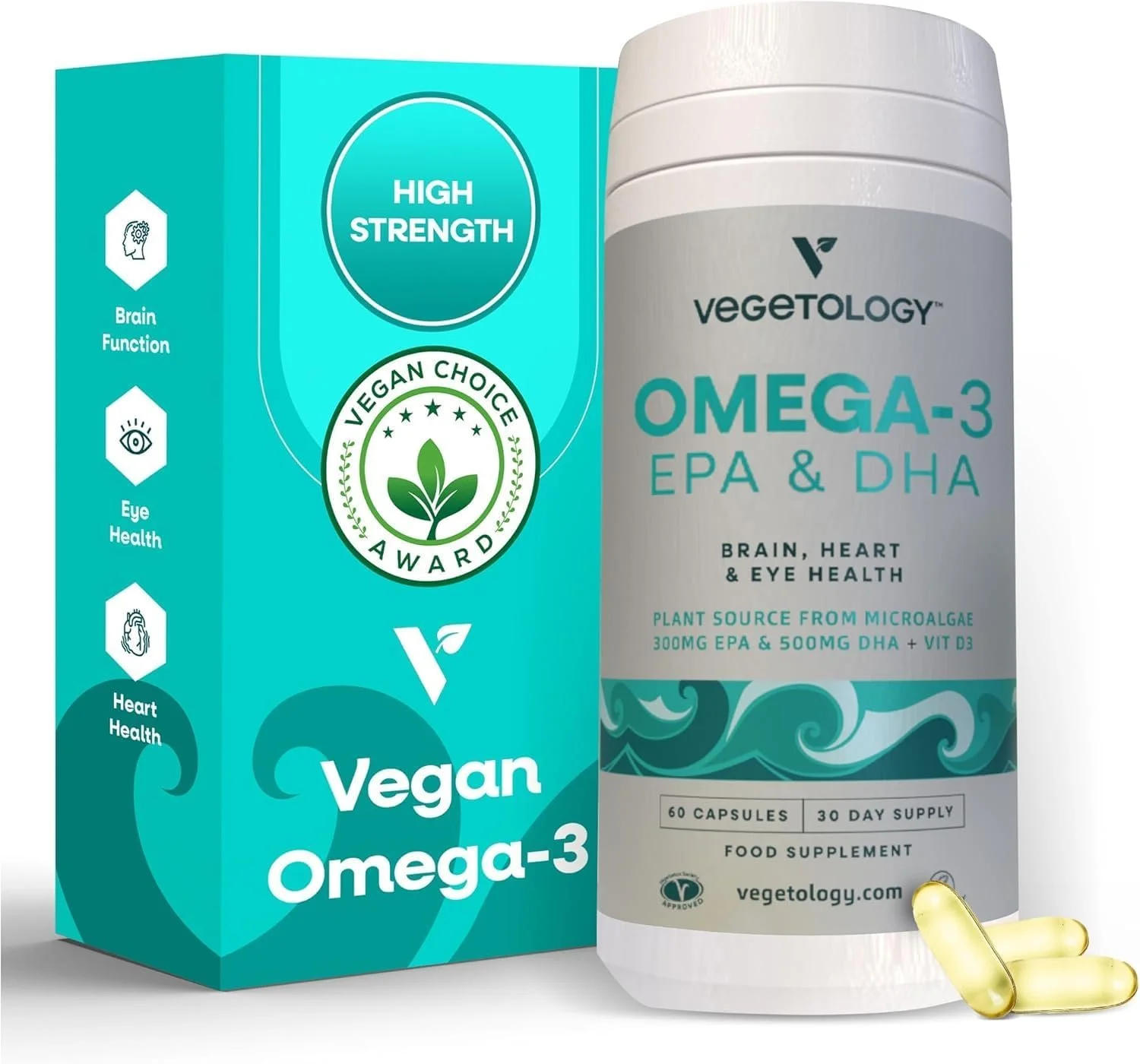
Vegetology Opti3 Omega-3 EPA & DHA
an algae-derived omega-3 supplement providing EPA and DHA directly without the ALA conversion step. Plant-source ALA from flaxseed and chia converts to EPA at only 5–10% — insufficient to produce the eicosanoid competition relevant to psoriasis and eczema management. Algae is the original source of EPA and DHA in the marine food chain — the same omega-3 compounds found in oily fish, without the fish. The most specifically appropriate omega-3 supplement for vegans managing inflammatory skin conditions.
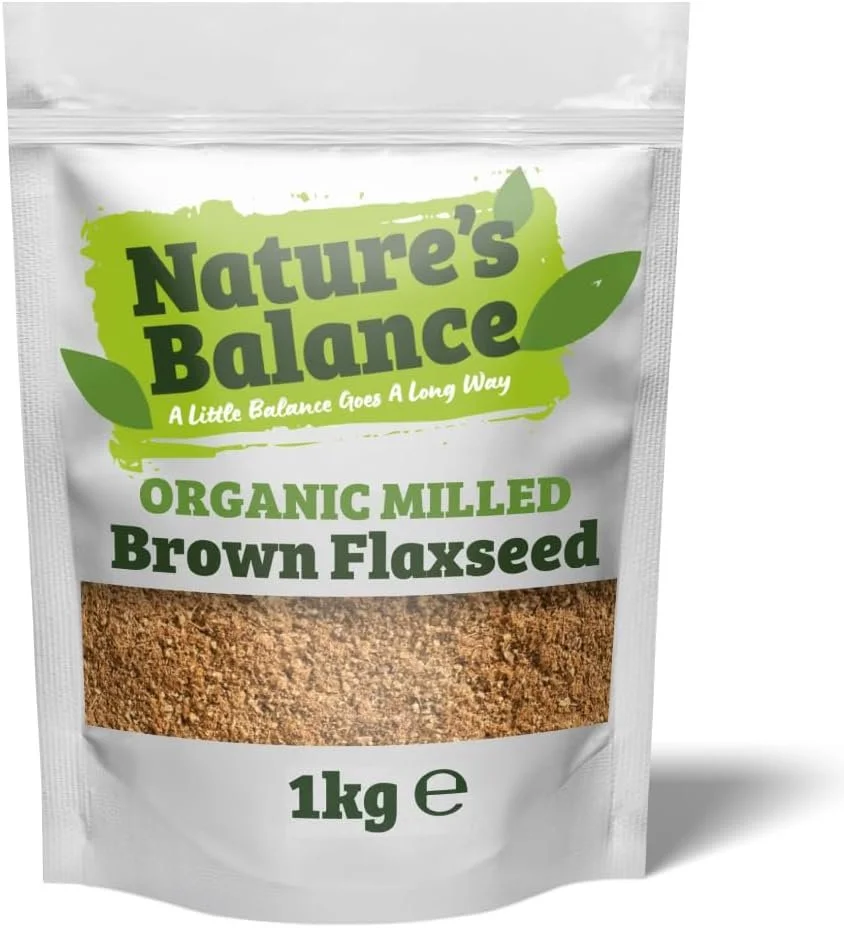
Nature’s Balance Organic Milled Flaxseed
milled flaxseed providing ALA omega-3, soluble prebiotic fibre for Faecalibacterium prausnitzii gut microbiome support, and lignans with documented NF-κB inhibitory activity. Milled rather than whole — whole flaxseeds pass through the digestive tract largely undigested, delivering minimal ALA or lignan benefit. The prebiotic fibre dimension addresses the gut-skin axis through a complementary and non-overlapping pathway from the direct EPA/DHA benefit of Opti3 above
Supplementation priorities for vegans with psoriasis or eczema
Given the above, vegans with psoriasis or eczema should specifically ensure:
B12 — daily supplement, cyanocobalamin or methylcobalamin. Non-negotiable.
Algae-based omega-3 EPA/DHA — direct long-chain omega-3 rather than ALA-only. Approximately 1,000–2,000mg combined EPA/DHA.
Vitamin D3 — lichen-derived vegan D3. As discussed across this series, 1,000–2,000 IU daily for maintenance, higher for correction.
Zinc — from a supplement with bioavailable forms (zinc citrate, zinc gluconate) to address the dietary bioavailability deficit. 15–25mg elemental zinc.
The Drought Skin Support Formula is suitable for vegetarians — not certified vegan (manufacturing on shared equipment), but does not contain animal-derived ingredients in the formula itself.
Drought's Skin Support Formula provides vitamin D, zinc, vitamin C, magnesium, and 10 other nutrients specifically relevant to psoriasis and eczema management — addressing several of the nutritional gaps that plant-based diets require active management of. Made in the UK, suitable for vegetarians, designed for consistent long-term daily use.
FAQ
Can a vegan diet help psoriasis?
Through specific mechanisms rather than general "plant-based is anti-inflammatory" framing. Removing red meat and dairy eliminates the primary dietary sources of arachidonic acid — the precursor to leukotriene B4 and prostaglandin E2 that are specifically elevated in psoriatic plaques. Reducing arachidonic acid intake lowers the substrate available for the cyclooxygenase and lipoxygenase pathways driving psoriatic inflammation. Higher fibre intake from legumes, wholegrains, and vegetables feeds F. prausnitzii and Bifidobacterium species, supporting the gut-skin axis through butyrate production. Higher polyphenol intake from fruit and vegetables provides NF-κB inhibitory activity across multiple pathways simultaneously. The honest limitation: published RCT evidence specifically for vegan diets in psoriasis is limited — the mechanisms are coherent but the clinical data hasn't been established to the standard of the Mediterranean diet evidence.
Can a vegan diet help eczema?
Potentially — primarily through two specific mechanisms. First, dairy elimination removes casein and whey proteins that are among the most consistently documented non-IgE delayed eczema triggers, and IGF-1 from dairy that activates mTORC1. If dairy is a personal eczema trigger, vegan diets eliminate it completely by default. Second, higher plant fibre intake improves gut microbiome diversity — specifically F. prausnitzii and Bifidobacterium abundance that is consistently lower in eczema patients. The risk is that poorly planned vegan diets worsen rather than improve eczema through zinc and omega-3 deficiencies that directly compromise barrier function. A well-planned vegan diet with algae omega-3 and zinc-rich plant foods addresses the benefit without the nutritional risk.
What nutrients do vegans with eczema and psoriasis need to watch?
Four specifically relevant ones. Zinc — plant-source zinc from legumes, seeds, and wholegrains has 30–50% lower bioavailability than animal-source zinc due to phytate binding. Zinc's filaggrin regulation and keratinocyte barrier repair make this the most specifically important vegan nutrient gap for eczema. Omega-3 EPA and DHA — plant sources provide ALA which converts to EPA at only 5–10%, insufficient for the eicosanoid competition mechanism relevant to psoriasis and eczema. Algae-derived EPA and DHA supplementation is non-negotiable for vegans managing inflammatory skin conditions. Vitamin B12 — genuine deficiency on unsupplemented vegan diets; at high supplemental doses B12 alters C. acnes porphyrin metabolism worsening acne in susceptible individuals. Vitamin D — limited vegan dietary sources; supplementation is specifically important for both skin conditions given vitamin D's filaggrin regulation and Th17 immune modulation.
Is dairy bad for eczema and psoriasis?
For psoriasis — dairy raises IGF-1 through its whey protein content, activating mTORC1 and worsening the keratinocyte hyperproliferation driving psoriasis. Dairy also provides arachidonic acid contributing to the eicosanoid inflammatory environment of psoriatic plaques. For eczema — dairy is the most consistently documented non-IgE delayed food trigger in published elimination diet research, operating through casein and whey protein sensitisation rather than IgE allergy. Standard allergy testing doesn't identify this — systematic elimination and reintroduction over four to six weeks is the reliable identification method. Individual variation is significant — not everyone with eczema or psoriasis reacts to dairy, and blanket elimination without confirmed personal sensitivity removes nutritional value without guaranteed return.
Are plant-based diets anti-inflammatory for eczema and psoriasis?
Balanced whole food plant-based diets — yes. Ultra-processed vegan diets — no. The anti-inflammatory benefit of plant-based eating comes from polyphenol NF-κB inhibition, high fibre gut microbiome support, low arachidonic acid intake, and high antioxidant status — none of which are present in vegan junk food. Vegan biscuits, crisps, plant-based ready meals, and processed meat alternatives can be high in refined sugar, refined oils, and additives that activate the same mTORC1 and NF-κB pathways as non-vegan processed food. "Vegan" and "anti-inflammatory" are not synonymous — a Mediterranean dietary pattern with reduced animal products but high whole food quality consistently outperforms poorly planned vegan eating for inflammatory skin condition management.
What is the gut-skin axis and why does it matter for vegans with eczema?
The gut-skin axis describes the bidirectional relationship between gut microbiome composition and skin immune activity. Psoriasis and eczema patients consistently show reduced F. prausnitzii and Bifidobacterium species — butyrate-producing bacteria whose deficit increases intestinal permeability and systemic inflammatory burden. High-fibre plant-based diets are among the most effective dietary interventions for improving F. prausnitzii abundance — making the gut-skin axis one of the most coherent specific mechanisms connecting vegan eating to eczema and psoriasis benefit. The fibre type matters: inulin from chicory and onions, resistant starch from oats and underripe bananas, and pectin from apples specifically feed the species most deficient in inflammatory skin condition patients.
Should vegans with eczema or psoriasis take omega-3 supplements?
Yes — and specifically algae-derived EPA and DHA rather than flaxseed oil alone. The eicosanoid competition mechanism relevant to psoriasis and eczema requires EPA — EPA competes with arachidonic acid for cyclooxygenase enzymes, reducing leukotriene B4 production specifically elevated in psoriatic plaques. Plant-source ALA converts to EPA at only 5–10% — insufficient to produce meaningful eicosanoid competition regardless of flaxseed intake quantity. Algae is the original source of EPA and DHA in the marine food chain — fish obtain their omega-3 from algae, making algae supplementation the most direct vegan equivalent to fish oil. Milled flaxseed remains valuable for its prebiotic fibre and lignan content — both addressing different psoriasis and eczema dimensions from the direct EPA/DHA mechanism of algae supplementation.
Summary
A whole-food plant-based diet has genuine anti-inflammatory advantages for psoriasis and eczema — reduced arachidonic acid substrate, higher fibre and polyphenol density, lower ultra-processed food load. An unplanned vegan diet risks specific deficiencies in B12, zinc, EPA/DHA, and vitamin D that are directly relevant to barrier function, immune regulation, and eczema/psoriasis severity. The dietary approach is not inherently beneficial or harmful — the planning determines the outcome. Supplementation with B12, algae-based omega-3, vegan vitamin D3, and bioavailable zinc addresses the principal gaps of plant-based diets in the context of these skin conditions.
Written by the Drought Skin team — specialists in natural support for psoriasis, eczema and acne
Disclaimer: This article contains affiliate links. We earn a very small commission from each purchase made through these links. There is no additional cost to you. All products featured have been specifically selected as products we personally use and love. For further information, please see our disclaimer page.
-
The Anti-Inflammatory Diet for Psoriasis: Why It Works & How to Build It
Omega-3 for Eczema: How It Works, What the Research Shows & How to Get Enough
Fibre and Eczema: The Gut-Skin Mechanism and How to Get More
Can Seeds Be Beneficial for Eczema & Psoriasis?
Ultra-Processed Foods and Psoriasis: The Evidence, the Mechanisms & What to Do
