
Blueberries for Psoriasis & Eczema: The Anthocyanin Mechanism & What the Evidence Shows
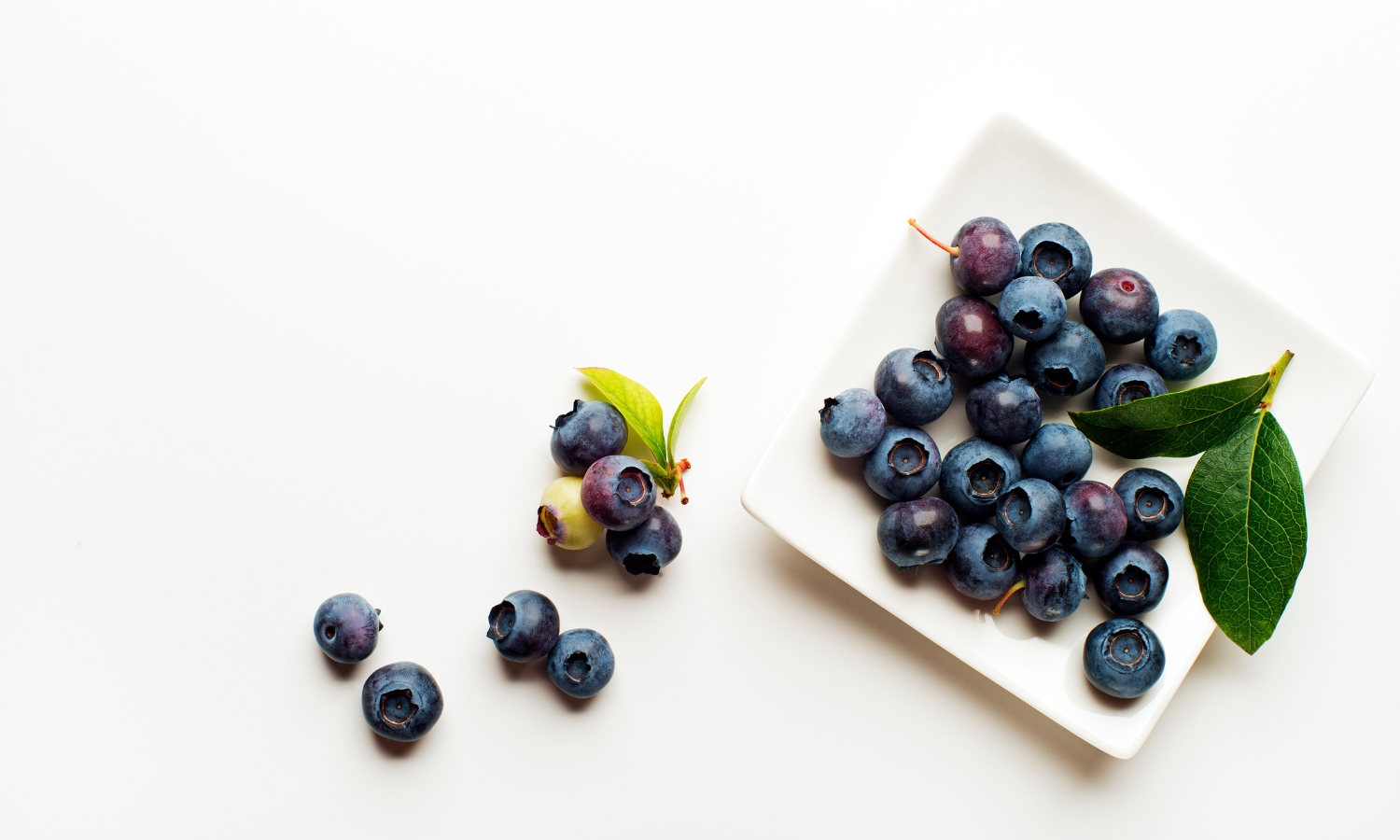
Blueberries are among the most nutrient-dense fruits available — and unlike many foods that carry a "good for skin" reputation without much behind it, there are genuine scientific reasons why blueberries are worth including regularly in the diet of someone managing eczema or psoriasis.
That said, they are not a treatment. They won't clear a flare, control the immune dysfunction driving either condition, or substitute for appropriate medical management. What they can do — consistently, over time, as part of a broader anti-inflammatory diet — is contribute meaningfully to the nutritional environment in which both conditions are managed.
Here's what blueberries actually contain, what the research shows, and how to use them most effectively.
Can blueberries improve eczema or psoriasis?
Blueberries are often called a skin‑friendly superfood — but can they actually help with psoriasis or eczema? These conditions are deeply connected to inflammation, oxidative stress, and immune imbalance. Blueberries happen to target all three, which is why they’re gaining attention as a natural support food for chronic skin conditions.
Blueberries are rich in antioxidants and anti-inflammatory compounds, which may help support overall skin health—but they’re not a treatment for eczema or psoriasis.
What makes blueberries relevant to eczema and psoriasis
Anthocyanins: the most important compounds
The primary reason blueberries are relevant to inflammatory skin conditions is their exceptionally high anthocyanin content. Anthocyanins are flavonoid pigments — responsible for the deep blue-purple colour — that have some of the most consistently documented anti-inflammatory and antioxidant properties of any plant compounds.
The mechanism most directly relevant to psoriasis and eczema is NF-κB inhibition. NF-κB (nuclear factor kappa-light-chain-enhancer of activated B cells) is a protein complex that acts as a master switch for inflammatory signalling — it controls the production of pro-inflammatory cytokines including TNF-α, IL-1β, IL-6, and IL-17, several of which are directly implicated in psoriasis and eczema pathology. Anthocyanins have been shown in multiple studies to inhibit NF-κB activation, which provides a specific, mechanistically coherent anti-inflammatory effect.
This is the same pathway that some of the most effective psoriasis biologics target — TNF-α inhibitors and IL-17 inhibitors work by blocking parts of this cascade. Blueberries won't produce effects at that scale, but the mechanism is real and not trivial.
Oxidative stress reduction
Both psoriasis and eczema involve elevated oxidative stress — an imbalance between free radical production and the body's antioxidant defences. Oxidative stress amplifies inflammatory responses and contributes to skin cell damage. Blueberries consistently rank among the highest in ORAC (oxygen radical absorbance capacity) values of any commonly eaten fruit, reflecting their potent free radical-neutralising capacity. Regular consumption reduces circulating markers of oxidative stress in clinical studies.
Vitamin C
Blueberries provide a useful amount of vitamin C — around 9–16mg per 100g — which contributes to collagen synthesis (relevant to skin barrier structural integrity), supports antioxidant defence by regenerating vitamin E, and plays a role in immune regulation. It's not a very high concentration compared to citrus fruits or peppers, but combined with the anthocyanins it contributes to a meaningful overall antioxidant profile.
Fibre and gut microbiome support
Blueberries contain both soluble and insoluble fibre alongside polyphenols that have prebiotic-like effects — feeding beneficial gut bacteria and supporting microbiome diversity. Given the documented gut-skin axis connections in both eczema and psoriasis (covered in depth in the leaky gut and probiotics articles in this series), consistent fibre and polyphenol intake from blueberries contributes to the gut health dimension of skin condition management.
When blueberries might be helpful
Blueberries can be a useful addition if you:
want to follow an anti-inflammatory diet
are improving overall nutrition
are supporting long-term skin health
Think of them as part of a broader approach, not a solution.
What the clinical evidence shows
The research directly studying blueberries in psoriasis or eczema populations is limited. No large randomised controlled trials have examined blueberry supplementation or consumption as a specific intervention for either condition.
What does exist is: substantial evidence that anthocyanins from berries reduce systemic inflammatory markers including CRP and IL-6 in clinical studies of adults with chronic inflammatory conditions; evidence that blueberry consumption is associated with reduced NF-κB activity in human studies; and consistent population data linking higher fruit and vegetable consumption — particularly polyphenol-rich fruits — with reduced inflammatory disease severity.
The Mediterranean diet, which has the most consistent evidence for reducing psoriasis severity, includes generous amounts of fruits including berries as a foundational component. The benefit is attributed to the cumulative anti-inflammatory effect of the overall dietary pattern — not to any single ingredient, but blueberries are among the most relevant individual contributors
Are Blueberries a Cure?
They can’t cure psoriasis or eczema, but they’re one of the easiest, safest ways to boost your daily antioxidant and anti‑inflammatory intake. Think of them as part of a long‑term strategy that includes:
stress management
gentle movement
omega‑3s, zinc, and vitamin D
anti‑inflammatory supplements
consistent moisturisation
When combined, these pieces support more stable skin and fewer flare‑ups.
Fresh vs frozen: which is better?
This is a practical question worth answering directly. Frozen blueberries retain the vast majority of their anthocyanin and vitamin C content — and in some studies have been found to have equal or marginally higher antioxidant activity than fresh berries that have spent time in transit and storage. The cell rupture that occurs during freezing may actually improve polyphenol bioavailability slightly.
For daily use, frozen blueberries are considerably more economical than fresh, equally nutritious, and always available regardless of season. This matters for consistency — the benefits of anti-inflammatory dietary habits come from sustained daily intake over months, not occasional seasonal consumption.
Recommended Products
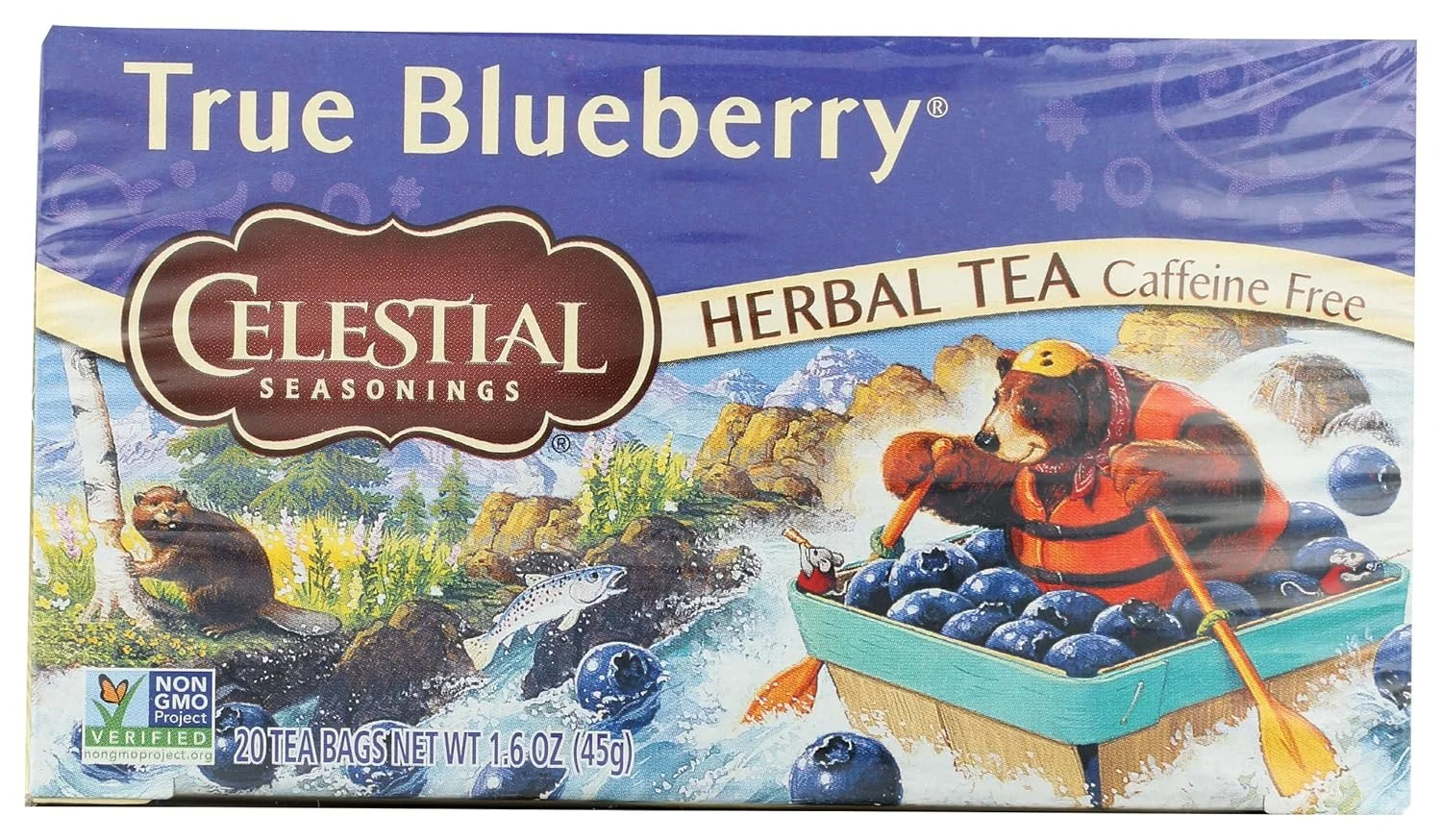
Celestial Seasonings True Blueberry Herb Tea
For people who prefer not to eat fruit daily or want additional ways to increase polyphenol intake, blueberry herbal tea provides a low-calorie option with mild antioxidant benefit.
This tea a pleasant, caffeine-free herbal infusion with genuine blueberry content. The polyphenol concentration from tea is lower than from whole fruit or powder, but as a daily habit that replaces sugary drinks it contributes to an overall anti-inflammatory dietary pattern.
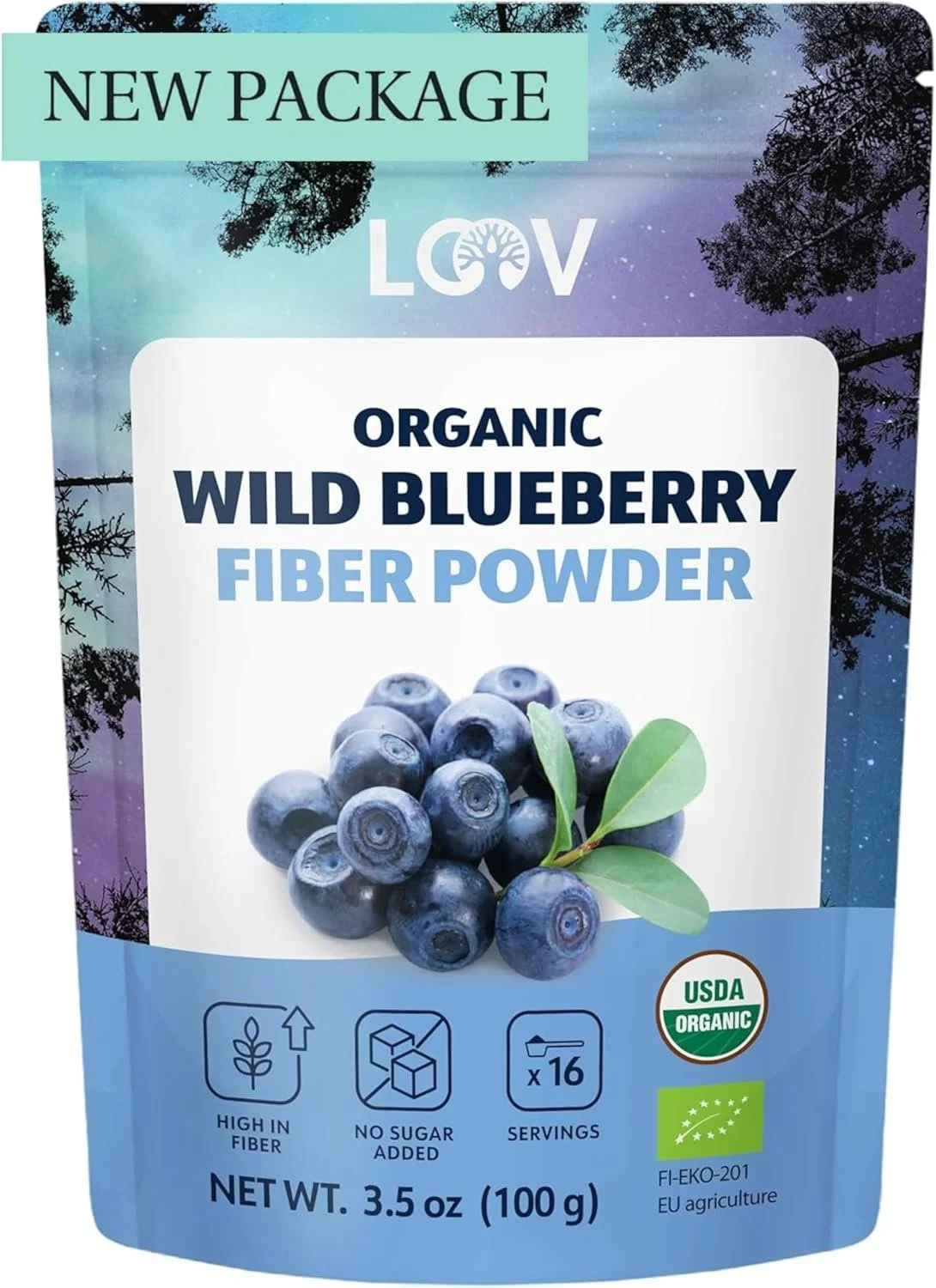
LOOV Wild Blueberry Powder Organic
For people who want a more concentrated and convenient anthocyanin source, freeze-dried blueberry powder provides a similar nutrient profile in a smaller volume. One teaspoon of good-quality powder is roughly equivalent to a handful of fresh blueberries in polyphenol terms, and it mixes easily into smoothies, yogurt, or water.
This powder is made from wild blueberries, which have a higher anthocyanin content than cultivated varieties. Wild blueberries are smaller and darker, with proportionally more pigment (and therefore anthocyanins) per gram than the larger cultivated fruit. Organic and freeze-dried to preserve nutrient content.

The salicylate sensitivity caveat
Salicylates are naturally occurring compounds found in many plant foods, including blueberries. A subset of people with eczema have heightened sensitivity to dietary salicylates, experiencing worsening symptoms after consuming salicylate-rich foods. This is not an allergy but a sensitivity related to prostaglandin metabolism. For these individuals, blueberries — despite their anti-inflammatory profile — may be a personal trigger.
If you've noticed that berries or other salicylate-rich foods (strawberries, raspberries, stone fruits, tomatoes) consistently correlate with skin flares, an elimination and reintroduction protocol with guidance from a registered dietitian is worth pursuing. This is the exception rather than the rule — most people with eczema tolerate blueberries well — but it explains why "blueberries are good for eczema" isn't universally true.
How to include blueberries effectively
Daily consistency matters more than quantity. A handful (around 80–100g) of blueberries daily provides a meaningful anthocyanin dose. The anti-inflammatory effects are cumulative and sustained, not immediate.
Pair with healthy fats. Polyphenol absorption is improved in the presence of dietary fat. Including blueberries alongside nuts, seeds, or avocado — as in the smoothie recipes in this series — enhances the nutritional value of the combination.
Use as part of a broader dietary pattern. Blueberries work best as one component of a consistently anti-inflammatory diet — alongside oily fish (omega-3s), leafy greens (magnesium, folate), wholegrains, and legumes — rather than as an isolated "superfood" addition to an otherwise inflammatory diet.
Skin support for eczema & psoriasis-prone skin
Even a well-structured anti-inflammatory diet has nutritional gaps that are difficult to fill through food alone — particularly vitamin D (minimal in most foods, synthesised primarily through UV exposure), and zinc at doses relevant to immune regulation. These are the nutrients where targeted supplementation adds the most value alongside dietary improvement.
Drought's Skin Support Formula provides 14 nutrients including vitamin D, zinc, vitamin C, magnesium, and CoQ10 — covering the nutritional ground that a blueberry-rich anti-inflammatory diet complements but doesn't fully address. Made in the UK, suitable for vegetarians, formulated for consistent daily use.
FAQs: Blueberries and skin conditions
Are blueberries good for eczema?
For most people, yes — their anti-inflammatory compounds and gut-supportive fibre are relevant to eczema management. A minority of people with eczema have salicylate sensitivity and may react to blueberries.
Can blueberries reduce psoriasis inflammation?
They may contribute to reduced inflammatory burden through anthocyanin-mediated NF-κB inhibition and antioxidant activity — both relevant to psoriasis pathways. They are not a treatment and won't control the condition on their own.
How many blueberries should I eat?
Around 80–100g (a large handful) daily provides a meaningful anthocyanin dose. Consistency over weeks and months matters more than occasional larger quantities.
Are frozen blueberries as nutritious as fresh?
Yes — frozen blueberries retain essentially all of their anthocyanin and vitamin C content and may have marginally higher antioxidant availability than fresh berries that have been in transit and storage.
What are anthocyanins and why do they matter for skin conditions?
Anthocyanins are polyphenol compounds that give blueberries their colour and inhibit NF-κB — a key inflammatory signalling switch involved in producing the cytokines that drive psoriasis and eczema. They are among the most studied natural anti-inflammatory compounds.
Can blueberries make eczema worse?
For most people, no. For those with salicylate sensitivity — a minority of eczema patients — blueberries may be a dietary trigger. If you've noticed consistent reactions after eating berries, discuss salicylate sensitivity with a dietitian.
What works better than diet alone?
Combining diet with targeted skin support is often more effective.
Summary
Blueberries are one of the most genuinely useful dietary additions for people managing psoriasis or eczema — not because of superfood marketing, but because their anthocyanin content inhibits specific inflammatory pathways relevant to both conditions, their antioxidant profile reduces oxidative stress, and their fibre and polyphenols support the gut microbiome. Fresh and frozen are equally effective; frozen is more practical for daily use. The one important caveat is salicylate sensitivity, which affects a minority of people with eczema. Used consistently as part of a broader anti-inflammatory diet, blueberries are a worthwhile daily habit — one of the easiest dietary changes to make, and one with genuine rather than imaginary benefit.
Written by the Drought Skin team — specialists in natural support for psoriasis, eczema and acne
Disclaimer: This article contains affiliate links. We earn a very small commission from each purchase made through these links. There is no additional cost to you. All products featured have been specifically selected as products we personally use and love. For further information, please see our disclaimer page.
