
Psoriasis-Friendly Breakfast: 5 Recipes with the NF-κB Mechanism Behind Each Ingredient

Breakfast does more than provide energy for the morning. It sets the first glycaemic and inflammatory pattern of the day — and for psoriasis, where sustained low-grade systemic inflammation is the underlying driver, that matters. A high-glycaemic breakfast (sugary cereal, pastries, white toast) spikes insulin and IGF-1 within the first hour of the day, activating the same mTORC1 pathways that drive keratinocyte hyperproliferation. A well-chosen anti-inflammatory breakfast begins the day with polyphenols, prebiotic fibre, and omega-3s rather than inflammatory inputs.
Six specific, practical breakfast ideas follow — each with quantities and the specific nutritional rationale for psoriasis.
Why breakfast matters for psoriasis
Psoriasis is a chronic inflammatory condition linked to:
immune dysfunction
metabolic health
systemic inflammation
Research suggests that anti-inflammatory dietary patterns—particularly Mediterranean-style eating—may help support psoriasis management.
Breakfast is often where people consume:
refined sugar
ultra-processed foods
high-glycaemic carbohydrates
These foods may contribute to inflammation and blood sugar spikes.
1. Turmeric porridge with walnuts and blueberries
The recipe: 50g rolled oats cooked in 200ml oat milk or water, topped with a small handful (30g) of walnuts, a cup (80g) of blueberries, ½ teaspoon turmeric, a pinch of black pepper, and a teaspoon of ground flaxseed.
Why it works for psoriasis:
Oats provide beta-glucan — a soluble fibre that feeds beneficial gut bacteria and may help reduce the systemic inflammation linked to psoriasis through the gut-skin axis. Walnuts are the highest-omega-3 nut, providing ALA alongside ellagitannins (polyphenols converted to urolithin A by gut bacteria, with specific anti-inflammatory properties). Blueberries deliver anthocyanins — the NF-κB inhibiting polyphenols covered in the blueberries and snacks articles in this series. Turmeric with black pepper provides curcumin with piperine to improve bioavailability — anti-inflammatory through 5-lipoxygenase inhibition at the same pathway as fish oil. Ground flaxseed adds prebiotic fibre and ALA omega-3.
This is the highest single-meal anti-inflammatory score of any breakfast combination and takes five minutes.
2. Smoked salmon and avocado on sourdough
The recipe: 2 slices of wholegrain sourdough topped with ½ an avocado (mashed with lemon juice), 80g smoked salmon, a small handful of rocket, and a grind of black pepper. Optional: capers and a drizzle of extra virgin olive oil.
Why it works for psoriasis:
Smoked salmon provides direct EPA and DHA — the active omega-3 forms with the most specific anti-inflammatory evidence for psoriasis, including documented reductions in PASI scores in clinical trials. This is a considerably more efficient route to omega-3 than plant sources. Avocado provides oleic acid and vitamin E — both have anti-inflammatory properties. Sourdough's fermentation process produces organic acids that give it a lower glycaemic index than standard bread and some prebiotic benefit. Olive oil polyphenols contribute oleocanthal's COX-inhibiting activity.
3. Greek yogurt with kefir, berries, and ground seeds
The recipe: 150g full-fat Greek yogurt mixed with 100ml kefir (or all kefir), topped with 80g mixed berries, 1 tablespoon ground flaxseed, 1 tablespoon pumpkin seeds, and a teaspoon of manuka honey.
Why it works for psoriasis:
Kefir provides greater probiotic strain diversity than yogurt alone — directly supporting the gut microbiome. As covered in the probiotics for psoriasis article, microbiome composition influences the systemic inflammatory tone relevant to psoriasis. Greek yogurt provides protein and calcium without the high-volume whey protein load (from concentrated protein supplements) that can worsen acne and contribute to mTORC1 activation. Ground flaxseed adds prebiotic fibre and ALA. Pumpkin seeds provide zinc — one of the most consistently documented deficiencies in psoriasis patients. Manuka honey adds antimicrobial properties and a pleasant sweetness without a significant glycaemic spike at this quantity.
4. Spinach and egg omelette with extra virgin olive oil
The recipe: 3 eggs whisked with 2 tablespoons of water, cooked in 1 teaspoon of olive oil, filled with a large handful (80g) of spinach, ¼ of a red pepper, and fresh herbs (parsley, chives). Season with black pepper.
Why it works for psoriasis:
Eggs provide choline (important for cell membrane integrity and liver function — relevant to the liver-psoriasis connection in the milk thistle article), vitamin D (one of the few dietary sources), and complete protein without the mTORC1-activating leucine spike of whey. Spinach provides folate, magnesium, and vitamins C and E — multiple antioxidant inputs at once. Red pepper provides vitamin C (30mg per serving). Olive oil contributes polyphenol anti-inflammatory benefit. This is a fully Mediterranean-pattern breakfast with low glycaemic impact.
5. Chia pudding with pomegranate seeds and almonds
The recipe: 3 tablespoons chia seeds soaked overnight in 200ml almond or oat milk, topped with 2 tablespoons pomegranate seeds, a small handful of almonds (20g), and a drizzle of honey.
Why it works for psoriasis:
Chia seeds provide ALA omega-3, soluble and insoluble fibre (supporting gut microbiome and reducing post-meal glycaemic response), and calcium. Pomegranate seeds contain punicalagins — polyphenols with documented TNF-α inhibitory properties specifically relevant to psoriasis, as covered in the psoriasis smoothies article. Almonds provide vitamin E and monounsaturated fats. Overnight preparation means zero morning effort.
6. Anti-inflammatory green smoothie bowl
The recipe: Blend 200ml oat milk, 1 small banana, 1 large handful of spinach or kale, 1 tablespoon almond butter, 1 tablespoon ground flaxseed, and ½ teaspoon spirulina. Pour into a bowl and top with sliced kiwi, a tablespoon of hemp seeds, and a few blueberries.
Why it works for psoriasis:
The banana provides resistant starch (prebiotic), B6 (histamine metabolism support), and natural sweetness without high glycaemic spike when semi-ripe. Leafy greens provide magnesium, folate, and chlorophyll. Almond butter provides vitamin E and healthy fats. Spirulina contains phycocyanin — a pigment with documented anti-inflammatory properties. Hemp seeds provide a balanced omega-6 to omega-3 ratio alongside complete protein and GLA.
What to avoid at breakfast for psoriasis
Sugary cereals and instant porridge with flavouring — the sugar content produces an immediate insulin and IGF-1 spike. Even branded "healthy" granola typically contains 20–30% added sugar.
Pastries, croissants, and processed baked goods — refined flour, sugar, and often trans or saturated fats in a single meal.
Fruit juice — concentrated fructose without the fibre of whole fruit. As covered in the sugar and psoriasis article, fructose has specific associations with NAFLD, which is significantly more prevalent in psoriasis patients.
White toast with jam — one of the highest glycaemic combinations available
Recommended Products
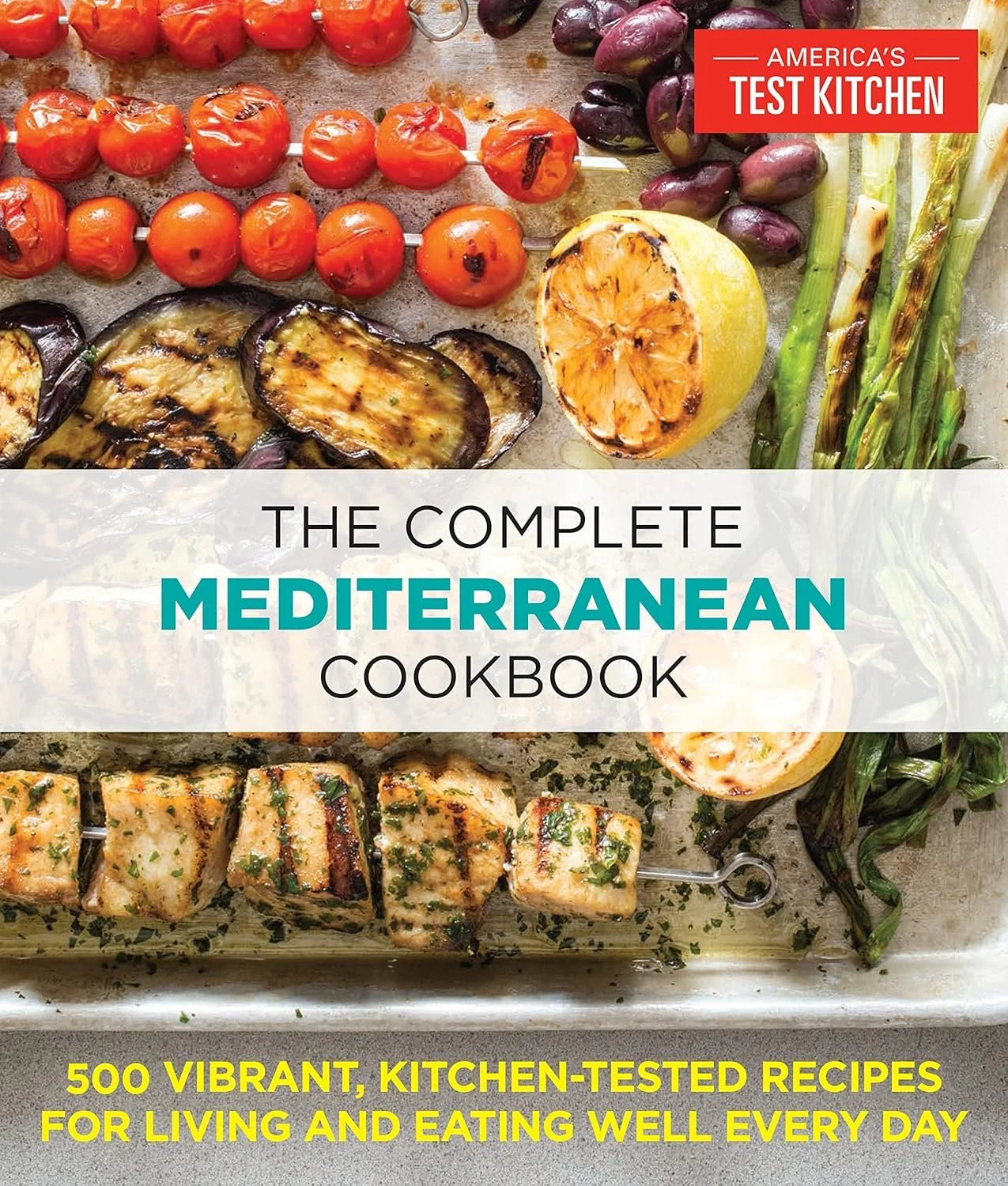
The Complete Mediterranean Cookbook by America's Test Kitchen
500 recipes built around the Mediterranean dietary pattern with the strongest published evidence for psoriasis severity reduction. The breakfast section specifically covers oat-based, egg-based, and fruit and nut combinations that align directly with the anti-inflammatory ingredients above — with the practical advantage of a trusted, well-tested recipe source rather than generic healthy eating guidance.
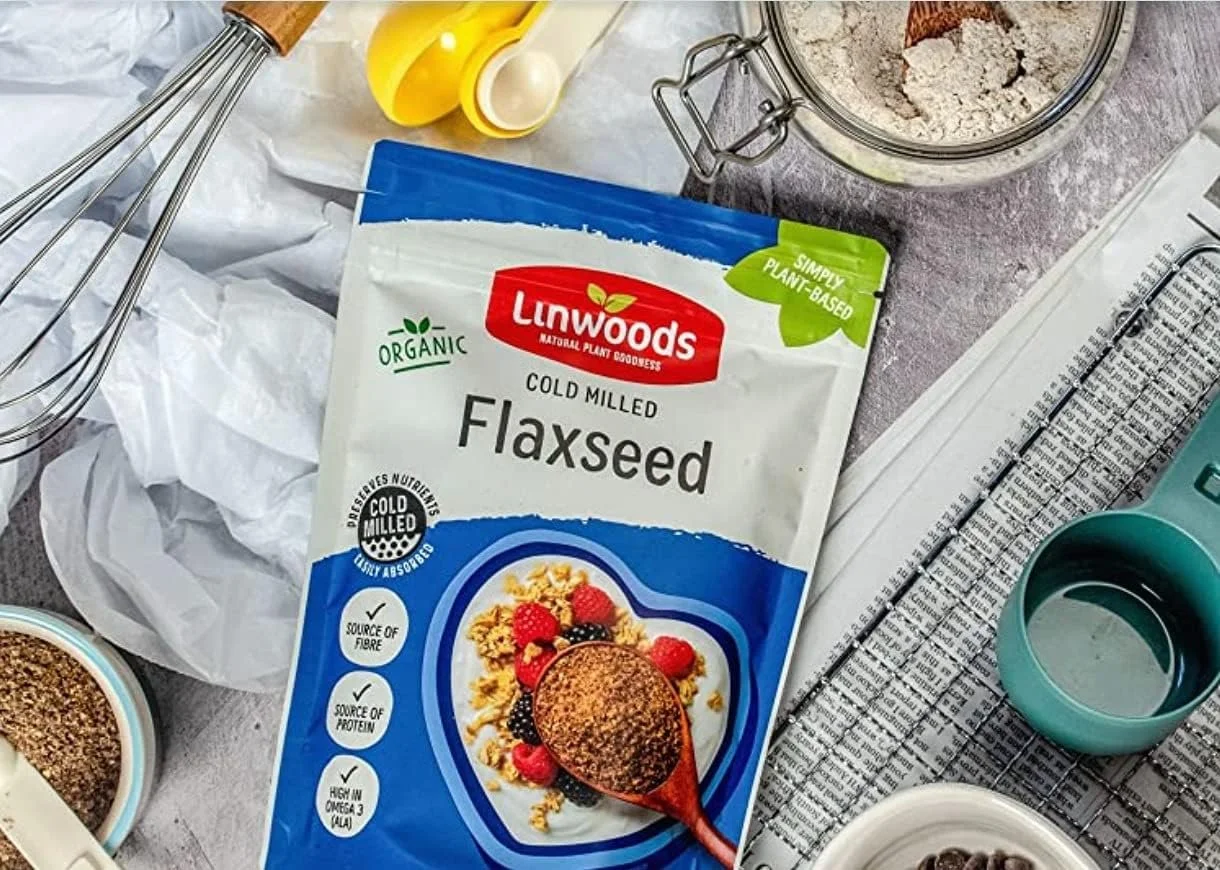
Linwoods Milled Organic Flaxseed
ground flaxseed is used in three of the six recipes above, providing soluble fibre for gut microbiome support and ALA omega-3 alongside. Milled is essential — whole flaxseeds pass through largely undigested. A tablespoon added to porridge, yogurt, or smoothies is one of the simplest daily anti-inflammatory additions for psoriasis
Skin support for psoriasis-prone skin
Even the most anti-inflammatory breakfast doesn't cover all the nutritional needs relevant to psoriasis. Vitamin D — the nutrient most consistently associated with psoriasis severity — is not obtainable from breakfast in meaningful amounts. Zinc at therapeutic doses similarly requires supplementation for most people.
Drought's Skin Support Formula provides vitamin D, zinc, vitamin C, magnesium, and 10 other nutrients addressing the nutritional foundations of psoriasis management that diet alone doesn't reliably cover. Taken alongside breakfast — with fat to support absorption of fat-soluble vitamins. Made in the UK, suitable for vegetarians, designed for consistent long-term daily use.
FAQs: Psoriasis breakfast foods
What is the best breakfast for psoriasis?
Oats with berries and ground flaxseed is the single most mechanism-supported psoriasis breakfast — oat beta-glucan supports gut microbiome diversity and blood sugar regulation; anthocyanins from berries inhibit NF-κB inflammatory activity; ALA from flaxseed provides plant-source omega-3 for eicosanoid balance. This combination addresses three distinct psoriasis-relevant pathways simultaneously in a single meal. Greek yoghurt with berries and walnuts is the closest equivalent for people who prefer a higher-protein start to the day.
Are eggs bad for psoriasis?
No — eggs don't appear to significantly increase inflammatory markers in most people with psoriasis. Eggs provide choline for cell membrane integrity and B vitamins including B12 at dietary doses that don't trigger the porphyrin mechanism associated with supplemental megadoses. The arachidonic acid content in egg yolks is occasionally raised as a concern — but the quantity per egg is modest and the evidence for eggs specifically worsening psoriasis is weak. If eggs consistently correlate with your flares on systematic tracking, trial elimination — but routine avoidance without personal evidence isn't supported.
Is oatmeal good for psoriasis?
Yes — specifically through two mechanisms. Oat beta-glucan feeds Faecalibacterium prausnitzii and Bifidobacterium species in the gut microbiome, supporting the gut-skin axis through short-chain fatty acid production. Oats also have a low-to-moderate glycaemic index that avoids the insulin and IGF-1 spike that high-glycaemic breakfasts produce — and high glycaemic load is one of the most consistently documented dietary psoriasis aggravating factors. Choose steel-cut or rolled oats over instant varieties which have a significantly higher glycaemic index through greater processing.
What breakfast foods should I avoid with psoriasis?
Sugary cereals and pastries produce rapid blood sugar and insulin spikes that activate the same mTORC1 and IGF-1 pathways that high-glycaemic eating generally drives — worsening psoriatic keratinocyte hyperproliferation. Ultra-processed breakfast meats (highly processed bacon, sausages with additives) carry high arachidonic acid and advanced glycation end-product loads. Sweetened fruit juices deliver fructose without the fibre that moderates its glycaemic impact in whole fruit. Orange juice is a high histamine liberator — a specific concern for histamine-sensitive psoriasis patients.
Does breakfast timing matter for psoriasis?
Cortisol peaks in the morning — the same HPA axis cortisol elevation that stress-triggered psoriasis flares operate through. Skipping breakfast extends the overnight cortisol elevation, potentially amplifying the inflammatory environment at the time of day when psoriasis-relevant cytokines are already elevated from the nocturnal peak covered in the psoriasis circadian rhythm article. Eating within one to two hours of waking moderates cortisol's morning peak — making breakfast timing relevant to psoriasis management beyond the anti-inflammatory content of the meal itself.
Is a Mediterranean breakfast good for psoriasis?
Yes — the Mediterranean dietary pattern has the strongest published evidence of any dietary approach for psoriasis severity reduction, and the breakfast dimension is no exception. Mediterranean breakfast principles: whole grain base (oats, wholegrain bread, or barley), healthy fat (olive oil, avocado, nuts), fruit (berries and seasonal fruit rather than juice), and protein from eggs, Greek yoghurt, or smoked fish. This combination provides polyphenols, omega-3, prebiotic fibre, and low glycaemic load simultaneously — the four dietary dimensions most specifically relevant to psoriasis.
Can eating breakfast reduce psoriasis flares?
Indirectly and partially — no single meal eliminates psoriasis flares, and breakfast alone has no clinical trial evidence for PASI score reduction. What consistent anti-inflammatory breakfast choices contribute to is a lower systemic inflammatory burden over time — reducing the baseline from which stress, infection, or medication triggers produce flares. The cumulative effect of consistently anti-inflammatory eating across all meals is more meaningful than any individual meal's contribution, and breakfast matters because it's where most people in the UK consume the highest proportion of ultra-processed, high-glycaemic food.
Summary
The breakfast options with the most specific anti-inflammatory rationale for psoriasis are those rich in omega-3s (smoked salmon, flaxseed, chia), polyphenols (blueberries, pomegranate, turmeric), prebiotic fibre (oats, flaxseed, banana), and probiotic bacteria (kefir, yogurt). These address the systemic inflammatory load, gut microbiome balance, and nutrient availability that psoriasis management depends on — not through any single ingredient but through the cumulative daily pattern of these inputs.
Written by the Drought Skin team — specialists in natural support for psoriasis, eczema and acne
Disclaimer: This article contains affiliate links. We earn a very small commission from each purchase made through these links. There is no additional cost to you. All products featured have been specifically selected as products we personally use and love. For further information, please see our disclaimer page.
