
Hormonal Acne: Causes, Why It Happens & What Actually Helps

Hormonal acne is frustrating precisely because it follows patterns — cyclical, predictable, maddening — rather than responding to skincare the way occasional spots do. Understanding why it happens in the specific ways it does makes managing it considerably more effective than generic advice about "keeping skin clean" and "reducing stress."
This article covers the specific hormonal mechanisms driving each common pattern of hormonal acne — menstrual cycle acne, PCOS acne, stress acne, and adult acne in men — and what those mechanisms mean for treatment and lifestyle management.
The core pathway: androgens, sebaceous glands, and DHT
All hormonal acne traces back to a single central pathway: androgen stimulation of sebaceous glands.
Androgens — primarily testosterone and its derivative dihydrotestosterone (DHT) — directly stimulate sebaceous glands to produce sebum. DHT is produced from testosterone by the enzyme 5-alpha-reductase. It is considerably more potent than testosterone at sebaceous gland stimulation — meaning a relatively small amount of DHT produces a disproportionately large increase in sebum output.
The sebaceous gland doesn't produce acne directly. It produces sebum, which then interacts with follicular hyperkeratinisation (dead skin cell buildup in the follicle) and Cutibacterium acnes bacteria to produce the inflammatory lesions of acne. The androgen-DHT-sebum pathway is the hormonal input to a multi-factor process.
The key variables are: how much androgen is circulating; how sensitive individual sebaceous glands are to androgen stimulation (this varies genetically); and how much of the androgen is "free" (biologically active) versus bound to sex hormone-binding globulin (SHBG) and therefore inactive.
SHBG: the often-overlooked variable
Sex hormone-binding globulin (SHBG) is a protein produced primarily in the liver that binds testosterone and oestrogen in the bloodstream. When testosterone is bound to SHBG, it cannot interact with androgen receptors — including those in sebaceous glands. It is the free, unbound fraction of testosterone that drives sebum production.
Several common lifestyle factors lower SHBG — effectively increasing the free androgen load even without increasing total testosterone:
Insulin and IGF-1 elevation. High-glycaemic diets raise insulin and IGF-1, which reduce SHBG production in the liver. Lower SHBG means more free testosterone available to stimulate sebaceous glands. This is why the dietary changes discussed in the hormonal acne diet article — reducing glycaemic load — reduce hormonal acne through this specific mechanism.
Obesity and adipose tissue. Adipose tissue produces androgens and reduces SHBG, increasing free androgen availability. Weight loss in overweight individuals with hormonal acne consistently reduces free androgen levels and improves acne.
Some oral contraceptives. As covered in the eczema and contraceptive pill article, progestogens with higher androgenic activity reduce SHBG and can worsen acne. Anti-androgenic progestogens (drospirenone, cyproterone acetate) increase SHBG and are often used specifically to treat hormonal acne.
Stress acne: the cortisol-adrenal androgen connection
The stress-acne connection operates through a more specific mechanism than "stress causes inflammation."
The adrenal glands produce both cortisol (the stress hormone) and androgens — principally DHEAS (dehydroepiandrosterone sulphate). When the HPA axis is activated by psychological stress, cortisol and DHEAS are released simultaneously. DHEAS is an androgen precursor — it converts in peripheral tissues to testosterone and subsequently to DHT.
This is why sustained psychological stress produces actual increases in serum androgen levels — not just increased skin sensitivity, but measurably higher androgen concentrations that drive sebum production through the same pathway as endogenous testosterone. Stress acne is therefore not simply a skin sensitivity phenomenon — it is a genuine hormonally-driven increase in sebum output, appearing typically along the jawline and chin within one to two weeks of a sustained stressful period.
The cortisol also independently stimulates sebocytes through cortisol receptors expressed in sebaceous glands. Both pathways (direct cortisol and DHEAS-derived androgens) act simultaneously during stress.
Menstrual cycle acne: the phase-by-phase explanation
Pre-menstrual acne is the most common pattern — and understanding why it happens by cycle phase removes some of its unpredictability.
Follicular phase (days 1–14, from menstruation to ovulation): Oestrogen rises. Oestrogen has several beneficial effects for skin — it increases SHBG (reducing free androgens), promotes skin hydration, and has mild anti-sebum effects. Skin is typically at its best during this phase.
Luteal phase (days 15–28, from ovulation to menstruation): Progesterone rises significantly and oestrogen falls relative to its mid-cycle peak. Several things happen simultaneously that promote acne: progesterone has some androgen-like activity at sebaceous gland receptors; the relative fall in oestrogen reduces SHBG; and skin water content falls slightly as progesterone's slight anti-oestrogenic effect reduces barrier hydration. The result is higher free androgen activity on sebaceous glands and a slightly more reactive skin barrier.
Days 22–28: The pre-menstrual phase where both oestrogen and progesterone drop sharply ahead of menstruation. This hormonal withdrawal is when acne is typically worst — sebum that has been building during the luteal phase reaches the surface just as skin reactivity peaks.
The lag between hormonal change and visible acne is approximately one to two weeks — the time it takes for a comedone to develop from follicular plugging to a visible inflamed lesion. This is why pre-menstrual acne often peaks just before or during menstruation rather than at the precise moment of the hormonal shift.
PCOS and hormonal acne: excess androgens and insulin resistance
Polycystic ovary syndrome (PCOS) is one of the most common causes of significant hormonal acne in women, affecting approximately 10% of women of reproductive age in the UK.
PCOS involves elevated androgens (testosterone, DHEAS, androstenedione), reduced SHBG, and often insulin resistance — which further elevates IGF-1 and reduces SHBG, compounding the free androgen excess. The result is consistently elevated androgen-driven sebum production that is not cyclical but persistent.
PCOS acne typically presents as deeper, more cystic lesions along the jawline, chin, and neck that are resistant to standard topical treatments and often do not respond well to antibiotics or non-hormonal approaches. It may be accompanied by other signs of androgen excess — irregular or absent periods, excess body or facial hair (hirsutism), and scalp hair thinning.
Diagnosis requires blood tests (testosterone, SHBG, LH, FSH) and often a pelvic ultrasound. Medical management for PCOS acne includes combined oral contraceptives with anti-androgenic progestogens, spironolactone (an androgen-blocking medication), or metformin if insulin resistance is significant. Dietary management of insulin resistance — a low-glycaemic, low-processed-food diet — supports medical treatment.
Supplement Support for Acne-Prone Skin
The nutritional foundations most relevant to hormonal acne — zinc (5-alpha-reductase and DHT inhibition), vitamin D (immune regulation and sebocyte modulation), omega-3 (5-alpha-reductase inhibition and anti-inflammatory), and magnesium (stress-HPA axis regulation) — address the internal hormonal environment that topical treatments alone cannot reach.
Drought's Skin Support Formula provides zinc, vitamin D, magnesium, vitamin C, and 10 other nutrients selected for their roles in acne-prone skin management — addressing the nutritional dimension of hormonal acne that complements dietary and medical approaches. Made in the UK, suitable for vegetarians, designed for consistent long-term daily use.
Adult acne in men
Adult male acne is less commonly discussed than female hormonal acne but follows the same pathway — androgen-driven sebum excess — without the cyclical dimension. Testosterone is consistently present in men rather than fluctuating with a cycle, which is why adult male acne tends to be more persistent and less obviously cyclical.
5-alpha-reductase activity (converting testosterone to DHT) varies genetically and is influenced by the same lifestyle factors as in women — insulin, IGF-1, dietary patterns. Men who use anabolic steroids or testosterone supplements experience severe acne as a direct consequence of dramatically elevated androgen levels.
Medical treatment options
Understanding the mechanism informs what is and isn't likely to work:
Combined oral contraceptives (COC) with anti-androgenic progestogens — increases SHBG, reduces free androgens, suppresses ovarian androgen production. Effective for cycle-related hormonal acne in women. Requires GP prescription.
Spironolactone — an androgen receptor blocker that reduces sebum production by preventing DHT from binding to androgen receptors in sebaceous glands. Off-label for acne in the UK but used by dermatologists for PCOS and hormonal acne resistant to other approaches.
Isotretinoin — reduces sebaceous gland size and sebum production dramatically through retinoid mechanisms. Effective for severe hormonal acne but requires specialist supervision and monthly monitoring.
Topical anti-androgens — clascoterone (Winlevi) is a topical androgen receptor blocker approved for acne in some countries. Not yet licensed in the UK at the time of writing but worth monitoring.
Recommended Products
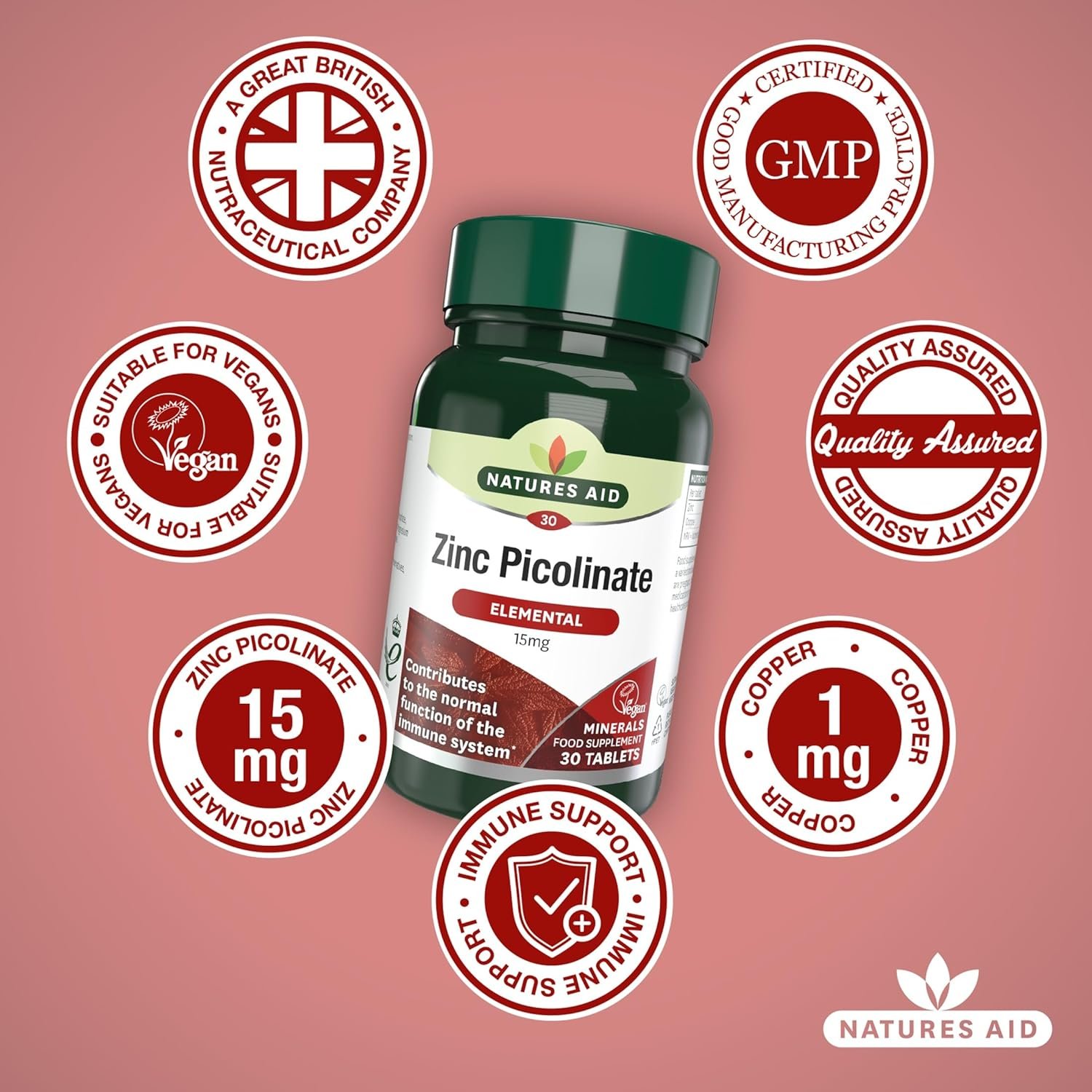
Nature's Aid Zinc 15mg
zinc citrate providing 5-alpha-reductase inhibition directly referenced in the article as the most specific zinc mechanism for hormonal acne. Zinc bisglycinate or citrate forms preferred for bioavailability. Directly justified by the supplement section naming zinc as the most relevant nutrient for the DHT pathway.
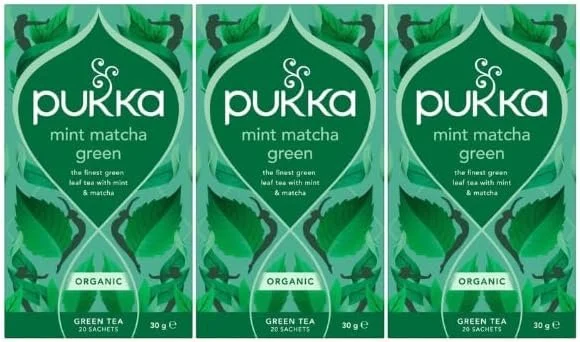
Pukka Spearmint & Green Tea
spearmint tea with documented anti-androgenic activity through LH-mediated androgen reduction (2010 RCT), directly relevant to hormonal acne management. The most specific dietary anti-androgen intervention available.
Lifestyle approaches
Covered in detail in the hormonal acne diet article in this series — dietary patterns that reduce insulin/IGF-1 (low glycaemic index), reduce SHBG-lowering factors, and provide zinc (5-alpha-reductase inhibition) and omega-3 (anti-androgenic effects) address the hormonal mechanism from the nutritional dimension. Stress management through cortisol-reducing practices (breathwork, yoga, sleep) reduces the DHEAS-adrenal androgen contribution.
FAQ
What does hormonal acne look like?
Predominantly inflammatory — papules and pustules rather than primarily comedonal — because DHT-driven sebum overproduction creates the substrate for C. acnes colonisation and inflammatory cascade simultaneously. Distribution is characteristically the lower face — jawline, chin, perioral area, and sometimes neck — reflecting the higher density of androgen receptors in these locations compared to the T-zone. The lesions tend to be deeper and more tender than surface-level comedonal acne, often feeling like painful subcutaneous lumps before they surface — because androgen-driven sebaceous hypersecretion fills follicles deep in the dermis before the plug reaches the surface.
Can stress cause hormonal acne?
Yes — through adrenal DHEAS production (a testosterone and DHT precursor) alongside cortisol during stress activation. This is a genuine hormonal mechanism, not just skin sensitivity.
Why is my acne worse before my period?
The luteal phase sees oestrogen fall and progesterone rise, reducing SHBG and increasing androgen receptor activity at sebaceous glands. Sebum production increases, and comedones that formed during this phase become visible lesions approximately one to two weeks later — often just before or during menstruation.
Is hormonal acne only a teenage problem?
No — many adults experience hormonal acne well into adulthood.
What is PCOS acne and how is it different?
PCOS produces persistently elevated androgens and reduced SHBG through ovarian androgen excess and insulin resistance, causing consistent (not cyclical) severe hormonal acne along the jawline and chin that is often resistant to topical treatments.
What treatments help hormonal acne?
Anti-androgenic oral contraceptives (increasing SHBG), spironolactone (androgen receptor blocker), and isotretinoin for severe cases. Dietary approaches include reducing glycaemic load, supplementing zinc and omega-3, and stress management.
Is hormonal acne only a women's issue?
No — men experience androgen-driven sebum excess too, typically without the cyclical dimension. Anabolic steroid use dramatically worsens acne in men through massive androgen elevation.
Summary
Hormonal acne follows identifiable patterns because it is driven by identifiable mechanisms: androgen-DHT-sebum stimulation of sebaceous glands; the SHBG-free androgen relationship that diet and lifestyle influence; cyclical oestrogen-progesterone shifts that produce the pre-menstrual acne pattern; DHEAS production from the adrenal glands under stress that produces real androgen elevation beyond increased skin sensitivity; and PCOS as the most common cause of persistent severe hormonal acne. Medical treatments target these pathways directly — anti-androgenic contraceptives, spironolactone, isotretinoin. Lifestyle and nutritional approaches address the same mechanisms through zinc, omega-3, dietary glycaemic reduction, and stress management. Topical skincare alone cannot address hormonal acne adequately because it operates upstream of where topicals work.
Written by the Drought Skin team — specialists in natural support for psoriasis and eczema.
Disclaimer: This article contains affiliate links. We earn a very small commission from each purchase made through these links. There is no additional cost to you. All products featured have been specifically selected as products we personally use and love. For further information, please see our disclaimer page.
