
Eczema and Air Pollution: What the Research Actually Shows

People with eczema who live in cities often notice their skin behaves differently from when they're in the countryside — more reactive, harder to control, quicker to flare. This isn't imagination, and it's not simply explained by urban stress levels. Air pollution has specific, documented effects on eczema-prone skin that go well beyond general irritation.
The research in this area has grown substantially over the past decade, and the mechanisms are now well enough understood to be useful. Knowing which pollutants affect eczema, how they do it, and what practical steps reduce exposure makes this a manageable factor rather than an unavoidable one.
Can Pollution Cause Eczema? How Air Pollution May Affect Skin
Modern life exposes the skin to more environmental stress than ever before.
From traffic fumes and smoke to dust and urban air pollution, many people with eczema wonder whether pollution could be making their skin worse.
While pollution isn’t usually considered the sole “cause” of eczema, research suggests it can contribute to:
Skin irritation
Dryness
Barrier damage
Increased flare-ups in some people
The specific pollutants that affect eczema — and how
Not all air pollution affects eczema through the same route. The main pollutants with documented effects on eczema-prone skin are:
Particulate matter (PM2.5 and PM10). These are fine particles suspended in air — from vehicle exhaust, industrial emissions, and burning (including fireplaces and bonfires). PM2.5 particles — 2.5 micrometres or smaller — are small enough to penetrate the skin surface, particularly through a compromised eczema barrier. Once in the skin, they deposit oxidative compounds that generate free radicals, triggering inflammatory responses in keratinocytes and immune cells. Multiple epidemiological studies have found associations between PM2.5 exposure and eczema prevalence and severity.
Polycyclic aromatic hydrocarbons (PAHs). Found in traffic exhaust, cigarette smoke, and fossil fuel combustion. PAHs activate the aryl hydrocarbon receptor (AhR) — a protein expressed in keratinocytes and immune cells. AhR activation drives a Th2-skewed immune response (the same immune environment characteristic of atopic eczema) and promotes IL-33 and TSLP production — cytokines that amplify eczema-relevant inflammation. This is one of the more specific and mechanistically compelling pollution-eczema pathways, linking a specific pollutant class to the immune mechanism of the condition.
Nitrogen dioxide (NO2). A marker of traffic pollution, produced by vehicle engines. NO2 induces oxidative stress in skin cells and is associated with increased skin inflammation and sensitisation in multiple studies. It is also associated with increased respiratory allergy, and given the shared immune underpinning of atopic conditions, this is relevant to eczema.
Ozone (O3). Ground-level ozone, formed when vehicle and industrial emissions react with sunlight, has been shown to deplete vitamin E and squalene in the skin's surface lipids — disrupting the barrier's natural antioxidant protection and lipid composition. This barrier lipid disruption directly worsens the impaired barrier function that defines eczema.
Cigarette smoke. One of the most concentrated sources of all the above pollutants simultaneously. Exposure to secondhand smoke in infancy is associated with increased eczema risk. Active smoking is associated with more severe disease in adults.

Can Pollution Trigger Eczema Flare-Ups?
For some people, pollution can contribute to flare-ups indirectly by:
Increasing skin irritation
Drying the skin
Weakening the barrier further
Increasing sensitivity
However, eczema flare-ups are rarely caused by one factor alone.
Other triggers may include:
Stress
Weather changes
Allergens
Harsh skincare
Sleep disruption
Lifestyle habits
Pollution may be one piece of a much bigger eczema puzzle.
Indoor pollution: the overlooked dimension
Most people think of pollution as an outdoor problem, but indoor air quality is often worse than outdoor — particularly in urban UK homes.
Common indoor pollutants relevant to eczema include:
Volatile organic compounds (VOCs) from new furniture, paint, flooring, cleaning products, and air fresheners. VOCs generate oxidative stress and can act as direct skin irritants and contact sensitisers.
Nitrogen dioxide from gas cooking. Gas hobs and ovens produce NO2 indoors — sometimes at concentrations exceeding outdoor air quality standards, particularly in poorly ventilated kitchens. This is increasingly recognised as a relevant indoor pollution source for both respiratory and skin conditions.
Mould and damp. Associated with both eczema and asthma. Mould spores and mycotoxins can penetrate the compromised eczema barrier and trigger immune responses.
Dust mite allergens. Covered in the allergies and eczema article in this series — house dust mite proteins are a highly documented eczema trigger with specific barrier penetration and IgE sensitisation mechanisms.
The UK context: ULEZ, air quality, and eczema
The UK has seen significant policy changes around air quality over the past decade — including the expansion of London's Ultra Low Emission Zone (ULEZ) and other urban clean air zones. These measures are specifically designed to reduce PM2.5 and NO2 levels in areas of high traffic density. For people with eczema living in affected areas, this is directly relevant — cleaner air is a meaningful environmental health intervention.
The UK also has relatively high rates of eczema compared to many other countries, which some researchers attribute partly to the combination of urban pollution, hard water (covered in the water and eczema article), and damp indoor environments. Understanding that pollution is one part of a broader environmental picture helps contextualise both the problem and the range of interventions worth addressing.
Practical steps that help
Cleanse gently after outdoor exposure. Removing pollutant particles deposited on skin is worthwhile, but overcleansing (stripping the barrier in the process) is counterproductive. A gentle, fragrance-free cleanser used once after returning from high-pollution environments removes surface deposits without damaging the barrier.
Apply emollient consistently. A well-maintained skin barrier is both more resistant to pollutant penetration and better at recovering from oxidative damage. Consistent emollient use after cleansing and before outdoor exposure provides a protective layer. Some barrier creams create a mild physical barrier against pollutant deposition.
Antioxidant skincare. Vitamin C serum applied before SPF in the morning neutralises some of the free radicals generated by pollutant-induced oxidative stress on the skin surface. Vitamin E and niacinamide also have antioxidant effects relevant to pollution-induced skin damage.
Address indoor air quality. Opening windows when weather allows improves ventilation. Avoiding synthetic air fresheners and heavily fragranced cleaning products reduces VOC load. Adequate kitchen ventilation when cooking with gas reduces indoor NO2 significantly. Allergen-proof mattress and pillow encasements reduce dust mite exposure.
Monitor air quality. The UK government's Daily Air Quality Index (DAQI) is publicly available and provides daily ratings for PM2.5, NO2, and ozone by location. On high pollution days (DAQI 4 and above), reducing time in heavily trafficked outdoor areas and keeping windows closed reduces exposure meaningfully.
Recommended Products
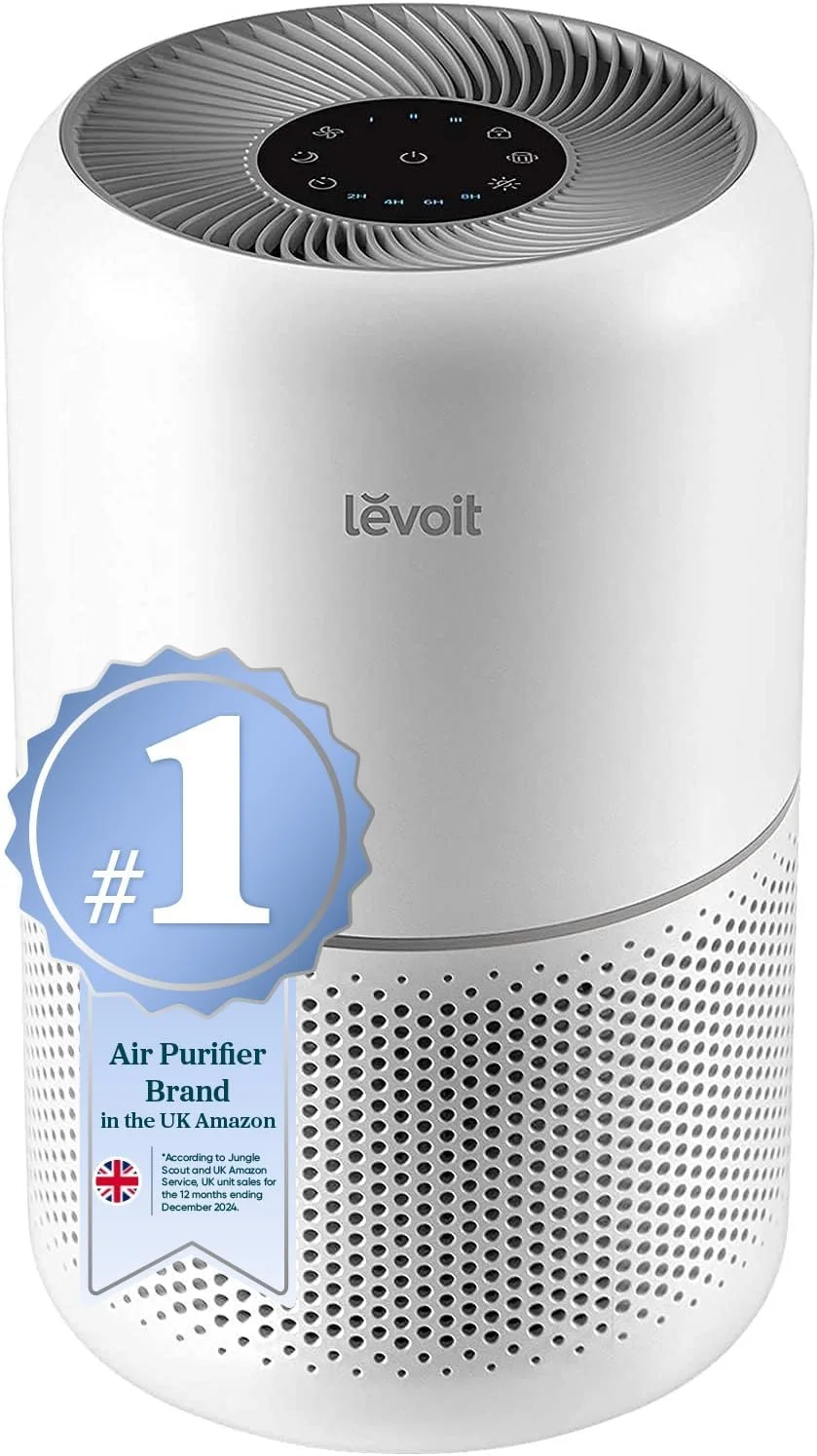
Levoit Core 300 Air Purifier
a compact HEPA air purifier that captures PM2.5, dust mite allergens, mould spores, and VOCs. Particularly useful in bedrooms, where long overnight exposure to indoor allergens and pollutants occurs. A practical intervention for people whose eczema appears to worsen in specific indoor environments.
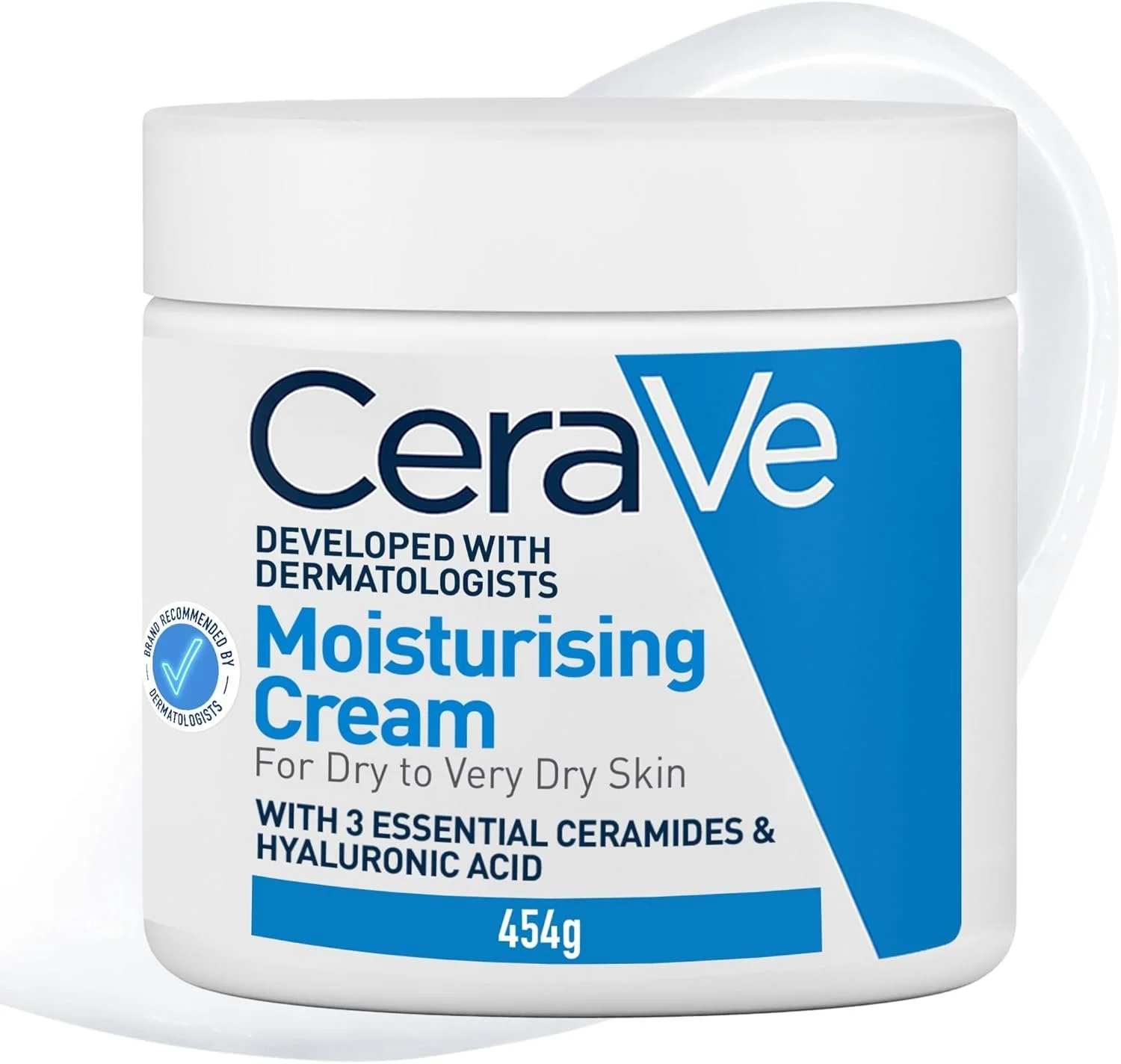
CeraVe Moisturising Cream
a ceramide-containing emollient that applied before outdoor exposure provides a physical barrier between pollution particulates and eczema-prone skin. As covered above, PM2.5 particles penetrate compromised eczema barriers more readily than intact skin — a generous pre-exposure emollient layer reduces this penetration while simultaneously addressing the ceramide deficit that makes eczema barriers more permeable to pollutants in the first place
Supplement Support for Eczema-Prone Skin
The oxidative stress generated by pollution exposure is addressed from the inside as well as the outside. Nutrients that support antioxidant defence — vitamin C, vitamin E, and CoQ10 — help neutralise free radicals generated by pollutant exposure before they trigger inflammatory cascades in skin cells.
Drought's Skin Support Formula includes vitamin C, CoQ10, and zinc alongside 11 other nutrients — addressing the internal antioxidant and immune regulation dimensions of skin health that topical approaches and environmental modification alone don't fully cover. Made in the UK, suitable for vegetarians, designed for consistent long-term daily use.
FAQ
Can pollution cause eczema?
Pollution is not usually considered the sole cause of eczema, but it may contribute to irritation and flare-ups in some people.
Can air pollution make eczema worse?
Yes — through specific mechanisms including PM2.5 barrier penetration, PAH-driven Th2 immune activation, NO2-induced oxidative stress, and ozone depletion of barrier lipids. The connection is well-evidenced rather than anecdotal.
Why does eczema feel worse in cities?
Research consistently finds higher eczema prevalence and severity in urban vs rural environments, associated with higher PM2.5 and NO2 levels.
Is indoor or outdoor pollution more relevant for eczema?
Both matter. Indoor pollution from gas cooking, VOCs, mould, and dust mites often exceeds outdoor levels in UK homes. Addressing both is more effective than focusing on only one.
Does a HEPA air purifier help eczema?
It can — particularly for dust mite allergens, mould spores, and PM2.5 particles indoors. Most useful in the bedroom where overnight exposure occurs.
What antioxidants help protect skin from pollution?
Vitamin C, vitamin E, and niacinamide applied topically neutralise pollution-generated free radicals on the skin surface. Internal antioxidants including vitamin C and CoQ10 support cellular defence against oxidative damage.
How does cigarette smoke affect eczema?
It is one of the most concentrated combined sources of PAHs, PM, and NO2. Secondhand smoke exposure in infancy is associated with increased eczema risk. In adults it is associated with more severe disease.
How can I protect my skin from pollution?
Many people focus on:
Gentle cleansing
Moisturising regularly
Supporting the skin barrier
Avoiding harsh skincare products
Summary
Air pollution affects eczema through specific, documented mechanisms — not just general irritation. PM2.5 particles penetrate the compromised eczema barrier and generate oxidative damage; PAHs activate the aryl hydrocarbon receptor driving Th2 immune responses characteristic of atopic eczema; NO2 induces oxidative skin stress; and ozone depletes the barrier's natural antioxidant lipids. Indoor pollution — from gas cooking, VOCs, mould, and dust mites — is often as significant as outdoor. Practical responses include gentle post-exposure cleansing, consistent emollient use, antioxidant skincare, indoor air quality management including HEPA filtration, and monitoring DAQI on higher-pollution days. Nutritional antioxidant support addresses the internal dimension of pollution-induced oxidative stress that topical interventions cannot reach.
In Short
Pollution can irritate sensitive or eczema-prone skin
Air pollutants can contribute to dryness and skin barrier stress
Urban environments may expose skin to more irritants
Eczema flare-ups are usually influenced by multiple factors
Gentle skincare and barrier support may help
Supporting skin health internally may also matter
HEPA filtration reduces external pollution inputs — vitamin C, CoQ10, and vitamin D address the oxidative stress, barrier permeability, and immune reactivity that determine how severely those inputs affect eczema skin internally. Drought's Skin Support Formula provides all three alongside 11 other nutrients, supporting the internal defences that make eczema skin more resilient to environmental pollution. Made in the UK, suitable for vegetarians, designed for consistent long-term daily use.
Start your skin support journey →
Written by the Drought Skin team — specialists in natural support for psoriasis, eczema and acne
Disclaimer: This article contains affiliate links. We earn a very small commission from each purchase made through these links. There is no additional cost to you. All products featured have been specifically selected as products we personally use and love. For further information, please see our disclaimer page.
