
Apple Cider Vinegar for Psoriasis: The Acetic Acid Mechanism, Scalp Use Protocol & Why It Burns
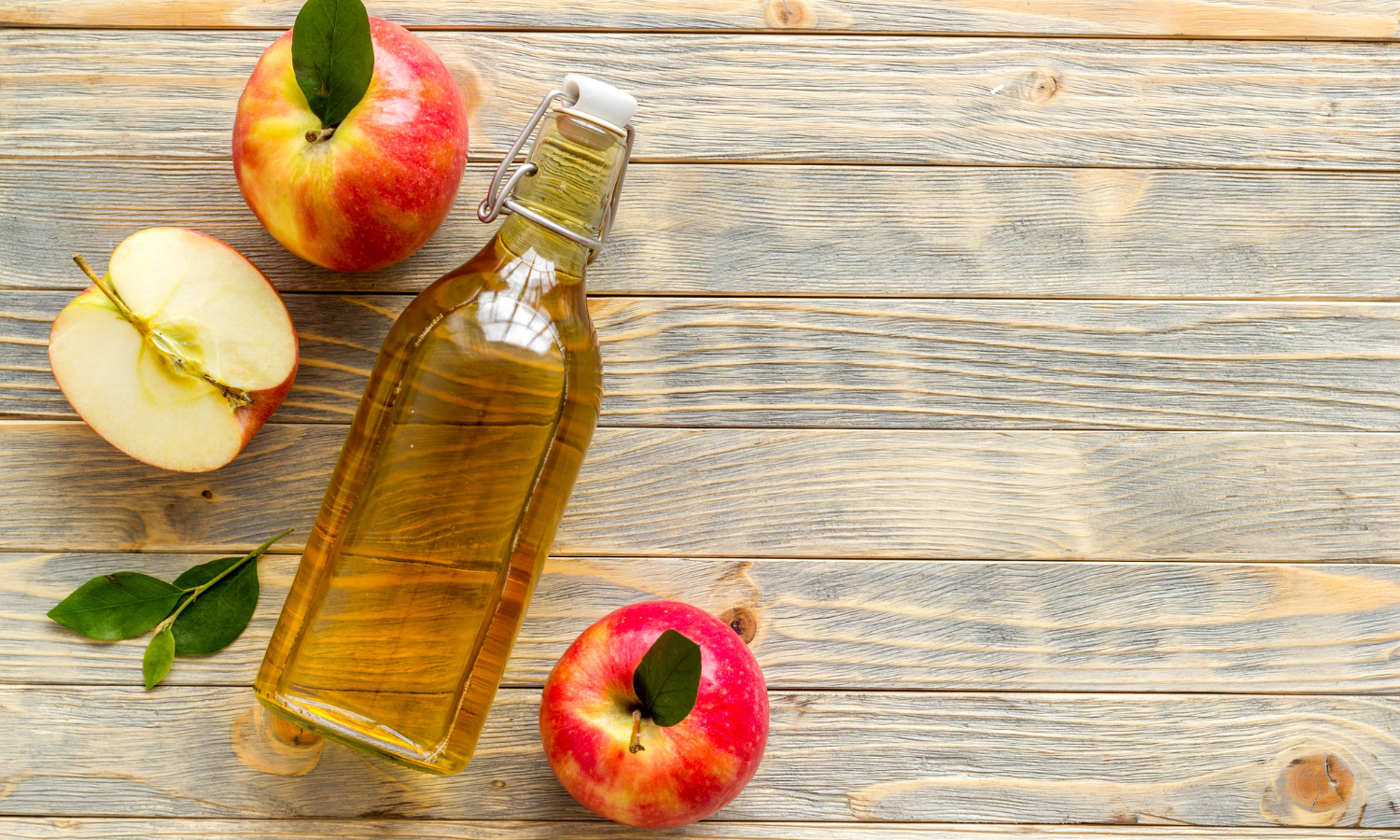
Apple cider vinegar (ACV) is one of the most consistently searched natural remedies for psoriasis — and the honest answer is that the evidence is limited, the risk of irritation is real, and the one use case with any mechanistic coherence is more specific than most ACV articles acknowledge.
Why Do People Use Apple Cider Vinegar For Psoriasis?
The popularity of apple cider vinegar largely comes from anecdotal reports and natural health communities.
Supporters suggest it may:
Help reduce itching
Loosen scalp scales
Alter the skin environment
Support skin cleansing
The National Psoriasis Foundation has previously acknowledged that some individuals use diluted apple cider vinegar for scalp psoriasis, although this is based largely on personal experiences rather than strong clinical evidence.
What apple cider vinegar actually contains
Apple cider vinegar is produced by fermenting apple juice. The primary active compound is acetic acid — typically at 4–8% concentration in standard products. It also contains small amounts of malic acid, citric acid, and trace polyphenols from the original apple.
The acetic acid content is the mechanistic basis for most claims about ACV's effects on skin. Acetic acid is antimicrobial against several common bacteria and fungi, and it is acidic — with a pH of approximately 2–3 in undiluted form.
What Does The Research Say?
At present, there is very little high-quality research examining apple cider vinegar as a treatment for psoriasis.
Most claims are based on:
Personal testimonials
Traditional home remedies
Small observational reports
While apple cider vinegar contains acetic acid and has some antimicrobial properties, there is currently no evidence showing it can address the underlying immune processes responsible for psoriasis.
In other words, even if it temporarily affects symptoms such as itching, it is not known to treat the condition itself.

The one mechanism with some coherence: scalp pH
The most defensible use case for ACV in psoriasis is specific to the scalp, and it relates to pH.
Healthy skin has a slightly acidic surface pH of approximately 4.5–5.5. As covered in the skin barrier article in this series, this acidity is maintained by natural moisturising factor (NMF) components and plays a direct role in ceramide processing and barrier function. Psoriatic skin — and particularly scalp skin — can have a more alkaline surface pH, which disrupts the enzymatic activity that maintains the barrier and contributes to scale formation.
Many shampoos and topical products are alkaline. Rinsing the scalp with diluted ACV (which is acidic) after washing theoretically helps restore the scalp's acid mantle, potentially reducing some of the enzymatic disruption associated with alkaline scalp pH.
Additionally, acetic acid has documented antimicrobial activity against Staphylococcus aureus and Malassezia species — both of which are relevant to scalp psoriasis, particularly where seborrhoeic dermatitis overlaps with psoriasis.
This mechanism — pH restoration and mild antimicrobial activity — is the most scientifically grounded reason for occasional scalp ACV use. It is not a treatment for psoriasis. It does not modulate the Th17 immune response driving the condition or affect keratinocyte proliferation. But as a rinse for scalp comfort and pH support, it has a more coherent rationale than most "natural remedy" claims.
The National Psoriasis Foundation has acknowledged diluted ACV scalp rinses as something some patients find helpful — without recommending it as a treatment.
Recommended Products

Bragg Organic Raw Apple Cider Vinegar
raw, unfiltered, and containing the mother culture — the form most appropriate for the diluted scalp rinse covered above. Dilute one tablespoon in a cup (240ml) of water before use. The raw unfiltered form retains the acetic acid content at consistent concentration without the processing that removes trace compounds from refined versions. Store at room temperature; shake before use
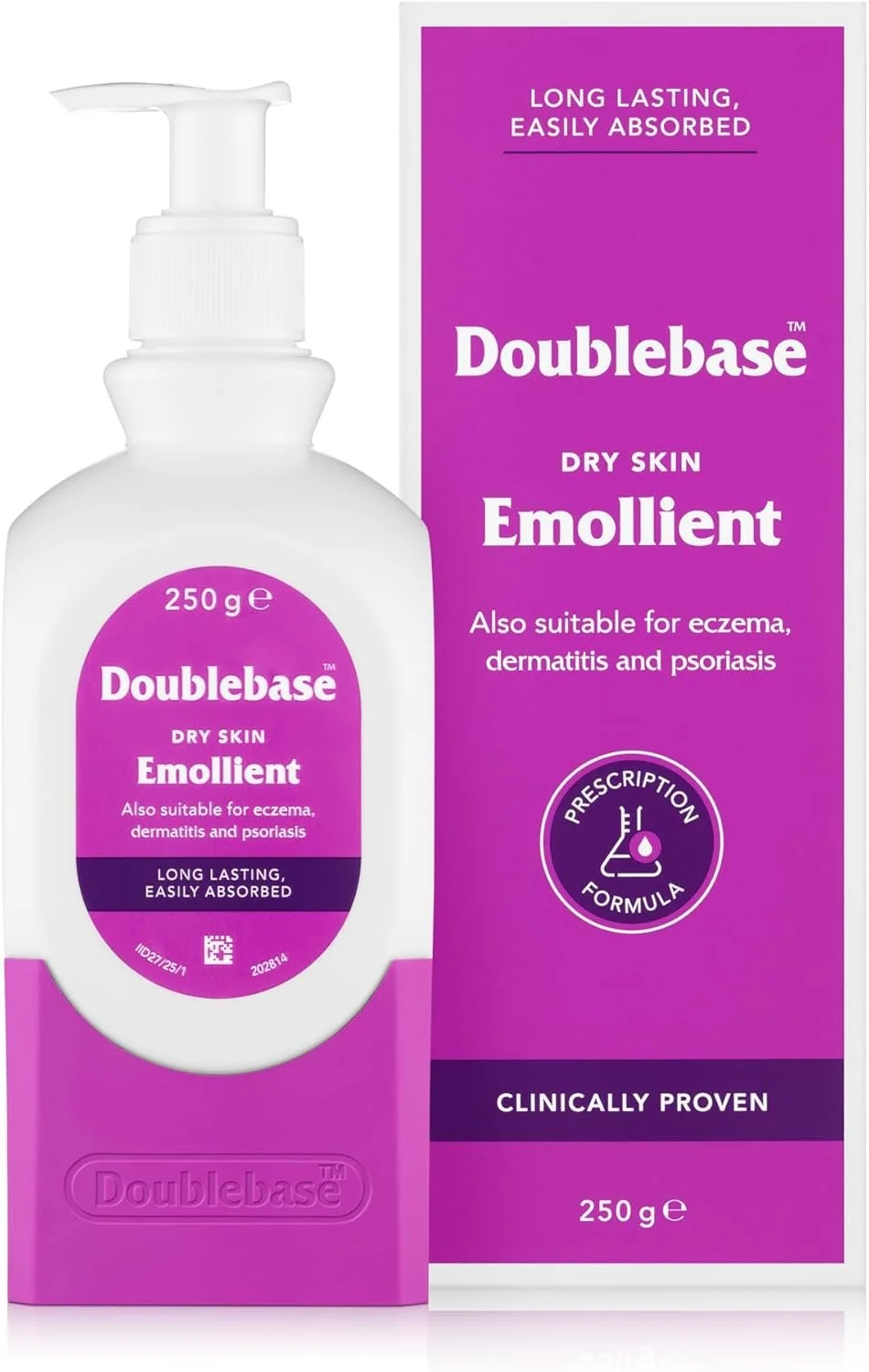
Doublebase Diomed Dry Skin Emollient
a fragrance-free paraffin-based emollient for application immediately after rinsing any ACV preparation from psoriatic skin. ACV's acetic acid temporarily disrupts the skin surface lipid layer during contact — applying emollient within two to three minutes of rinsing restores barrier occlusion before TEWL accelerates. Essential as the second step of any ACV psoriasis protocol and the most important practical addition for anyone trying ACV on psoriatic skin for the first time.
Why ACV can make psoriasis worse
This is the more important section for most people considering it.
Chemical irritation. Undiluted ACV at pH 2–3 applied directly to skin causes chemical irritation — burning, stinging, and redness. On psoriatic skin, which is more permeable and more reactive than healthy skin, this irritation risk is elevated. Even diluted ACV applied to actively inflamed, cracked, or bleeding plaques causes significant pain and can worsen barrier disruption.
The Koebner phenomenon. As covered in the psoriasis types and triggers articles in this series, approximately 25–30% of people with psoriasis experience the Koebner phenomenon — new plaques forming at sites of skin trauma. Chemical irritation from ACV on psoriasis-prone skin is a Koebner trigger. Worsening inflammation from an acid rinse could produce new plaques at the treated site.
Acid burns from undiluted use. There are documented cases of chemical burns from undiluted or minimally diluted ACV applied to skin. This is not a theoretical concern — it is an established adverse event that has been reported in case studies.
The risk of harm is highest when:
ACV is applied undiluted. It is applied to cracked, broken, or actively inflamed skin. It is left on for extended periods rather than rinsed. It is applied at high concentration to sensitive facial or body skin.
The Koebner Phenomenon And Skin Irritation
People with psoriasis may experience something known as the Koebner phenomenon.
This occurs when skin injury or irritation contributes to the development of new psoriasis lesions.
Potential triggers include:
Scratching
Friction
Cuts
Burns
Excessive irritation
Because strong acids can irritate the skin, inappropriate use of apple cider vinegar could theoretically increase the risk of worsening symptoms in susceptible individuals.
How to use ACV on the scalp if you want to try it
If trying ACV as a scalp rinse for scalp psoriasis:
Dilute significantly. One tablespoon of ACV in one cup (approximately 240ml) of water produces a 4–5% solution. This is the maximum appropriate concentration for scalp use. Lower is safer.
Apply only to calm, non-cracked scalp. During an active flare with inflamed or bleeding scalp, do not use ACV.
Leave on briefly and rinse thoroughly. Apply after shampooing, leave for one to two minutes maximum, then rinse completely with cool water. This is a rinse, not a treatment left on the scalp.
Do not use on body plaques. The scalp-specific rationale (pH restoration, Malassezia) does not apply to body plaques in the same way. Applying ACV to body psoriasis plaques carries the irritation and Koebner risks without a meaningful mechanism to justify them.
Discontinue immediately if burning or stinging occurs. Any burning beyond very mild tingling signals that the skin is being chemically irritated rather than benefited.
Drinking ACV: the evidence is not there
Some people consume ACV as part of a wellness routine, citing digestive, metabolic, or anti-inflammatory benefits. There is currently no clinical evidence that consuming ACV improves psoriasis. The anti-inflammatory dietary approaches with evidence for psoriasis — Mediterranean dietary pattern, alcohol reduction, omega-3 supplementation — are covered in the psoriasis diet article. ACV is not among them.
If you choose to consume ACV, dilute it in water (one to two teaspoons in a glass) — undiluted ACV erodes tooth enamel and can damage the oesophagus with repeated use.
What works better for scalp psoriasis
For scalp psoriasis management with actual evidence:
Coal tar shampoos (T/Gel, MG217) — keratinocyte proliferation inhibition through AhR mechanism, as covered in the coal tar article. Ketoconazole antifungal shampoo — addresses the Malassezia seborrhoeic component. Pre-wash oil treatments — softening scale before washing without chemical irritation. Prescription calcipotriol scalp solution or betamethasone scalp foam under GP or dermatologist guidance.
These approaches have considerably more evidence for scalp psoriasis than ACV and lower risk of worsening the condition.
Supplement Support For Skin Health
Apple cider vinegar addresses the scalp surface at best. The systemic immune mechanisms, nutritional deficiencies, and inflammatory burden driving psoriasis require internal support.
Drought's Skin Support Formula provides vitamin D, zinc, vitamin C, magnesium, and 10 other nutrients — addressing the internal nutritional dimensions of psoriasis management that topical rinses cannot reach. Made in the UK, suitable for vegetarians, designed for consistent long-term daily use.
FAQ
Can apple cider vinegar help psoriasis?
Through limited and specific mechanisms rather than as a treatment. ACV's primary active compound — acetic acid at 4–8% — has two properties with some relevance to psoriasis: mild antimicrobial activity against S. aureus, the bacterium most consistently associated with psoriatic plaque severity; and temporary restoration of skin surface pH toward the slightly acidic range that keeps serine proteases inactive. The acid mantle restoration is the most coherent mechanism for why some people report temporary itch reduction from diluted ACV — psoriatic skin has difficulty maintaining its normal mildly acidic pH, and temporary restoration may reduce the serine protease activity that contributes to barrier breakdown. Neither mechanism addresses the Th17 immune dysregulation driving psoriasis — ACV is a surface intervention with no effect on the underlying inflammatory pathway.
Why does apple cider vinegar burn on psoriasis skin?
Because psoriatic skin's compromised barrier allows acetic acid to penetrate more rapidly and deeply than intact skin — reaching sensitised nerve endings and producing a burning chemical response at concentrations that intact skin tolerates. The inflammatory environment of psoriatic plaques further lowers the pain threshold for acid contact. This explains why even diluted ACV that feels tolerable on unaffected skin can produce significant burning on plaques — the same concentration produces a fundamentally different tissue response through the two different barrier types. Undiluted ACV on psoriatic skin carries a genuine chemical burn risk that can in turn trigger Koebner responses — new plaque formation at the burn site.
What dilution of apple cider vinegar is safe for psoriasis?
One part ACV to ten parts water — a 1:10 dilution — is the minimum appropriate for psoriatic skin. This is more dilute than most DIY recipes suggest and more dilute than what intact skin can safely tolerate, specifically because psoriatic skin's elevated permeability increases acetic acid penetration. Never apply undiluted ACV to psoriatic skin regardless of how well-tolerated it feels initially — the burning sensation may be delayed by several minutes as the acid penetrates. For scalp use, apply the diluted preparation and leave for no more than five minutes before rinsing thoroughly. Test on a small, less-inflamed psoriatic area first before wider application.
Can apple cider vinegar help scalp psoriasis specifically?
Scalp psoriasis is where the evidence — such as it is — is most consistently reported, and where ACV has the most coherent rationale. The scalp's sebum-rich environment provides a natural buffer against mild acid, reducing burn risk compared to body plaques. The antimicrobial activity against S. aureus and Malassezia is more specifically relevant on the scalp where both organisms contribute to scaling. The 1:10 diluted preparation applied as a rinse — applied after shampooing, left for two to three minutes, then rinsed — is the most appropriate protocol for scalp use. Never apply to cracked, bleeding, or recently scratched scalp psoriasis — broken skin dramatically increases both acid penetration and burn risk.
Should you apply apple cider vinegar to broken psoriasis skin?
Never — this is the single most important safety point for ACV and psoriasis. Cracked, bleeding, scratched, or weeping psoriatic skin has no barrier protection against acetic acid penetration — the same concentration that produces tolerable mild tingling on intact psoriatic skin produces immediate and significant burning on broken skin. Chemical burns on broken psoriatic skin are genuinely painful and the inflammatory trauma can trigger Koebner responses — new plaque formation at the injury site. The Koebner phenomenon affects approximately 25–30% of psoriasis patients — for these individuals ACV on broken skin could actively worsen their condition. Even diluted ACV should be avoided on any skin that is visibly cracked, scratched, or inflamed beyond mild plaques.
Is drinking apple cider vinegar good for psoriasis?
There is currently no published evidence showing that drinking ACV improves psoriasis symptoms. The acetic acid that provides ACV's topical surface properties is rapidly neutralised by stomach acid and doesn't reach the skin in active form through oral consumption. The gut health claims surrounding oral ACV — improving microbiome balance, reducing inflammation — are not specifically supported by psoriasis research. The most coherent dietary approach for psoriasis is the anti-inflammatory Mediterranean dietary pattern covered in the dedicated article in this series, which has published RCT evidence including the Barrea et al. 2015 study. Drinking ACV as a psoriasis management strategy is not evidence-based and should not substitute for dietary approaches with stronger published support.
What works better than apple cider vinegar for psoriasis?
For scalp scale management — salicylic acid shampoo provides keratolytic scale removal through a specific and documented mechanism, and coal tar shampoo addresses both the psoriasis and Malassezia seborrhoeic overlap simultaneously. Both have considerably stronger evidence for scalp psoriasis than ACV. For general psoriasis management — the anti-inflammatory dietary pattern, vitamin D supplementation addressing the deficiency most consistently documented in psoriasis patients, and prescribed topical treatments (calcipotriol, topical steroids, calcineurin inhibitors) all address psoriasis through mechanisms that ACV cannot replicate. ACV is at best a low-risk adjunct for scalp itch management in some individuals — it is not a substitute for any of these approaches.
Summary
Apple cider vinegar has very limited evidence for psoriasis. The one mechanistically coherent use case is as a diluted scalp rinse after shampooing — where its acidity may help restore scalp pH and its acetic acid provides mild antimicrobial activity against S. aureus and Malassezia. It does not treat the immune mechanisms driving psoriasis. Applied undiluted or to inflamed, cracked plaques, it causes chemical irritation and risks Koebner reactions that produce new plaques. Established scalp psoriasis treatments — coal tar shampoos, ketoconazole, prescription topicals — have considerably more evidence and lower risk.
Written by the Drought Skin team — specialists in natural support for psoriasis, eczema and acne
Disclaimer: This article contains affiliate links. We earn a very small commission from each purchase made through these links. There is no additional cost to you. All products featured have been specifically selected as products we personally use and love. For further information, please see our disclaimer page.
-
Scalp Psoriasis: Identification, Treatment & Long-Term Management
Coal Tar for Psoriasis: How It Works, Benefits, Safety & When to Use It
The Skin Barrier in Eczema & Psoriasis: How It Works & Why It Breaks Down
Psoriasis & Eczema Triggers: What Causes Flare-Ups & How to Identify Yours
Herbal Treatments for Psoriasis: Evidence, Risks & What Actually Works
