Flying with Eczema: The 10–15% Humidity Mechanism, Cortisol Stress Response & What to Do
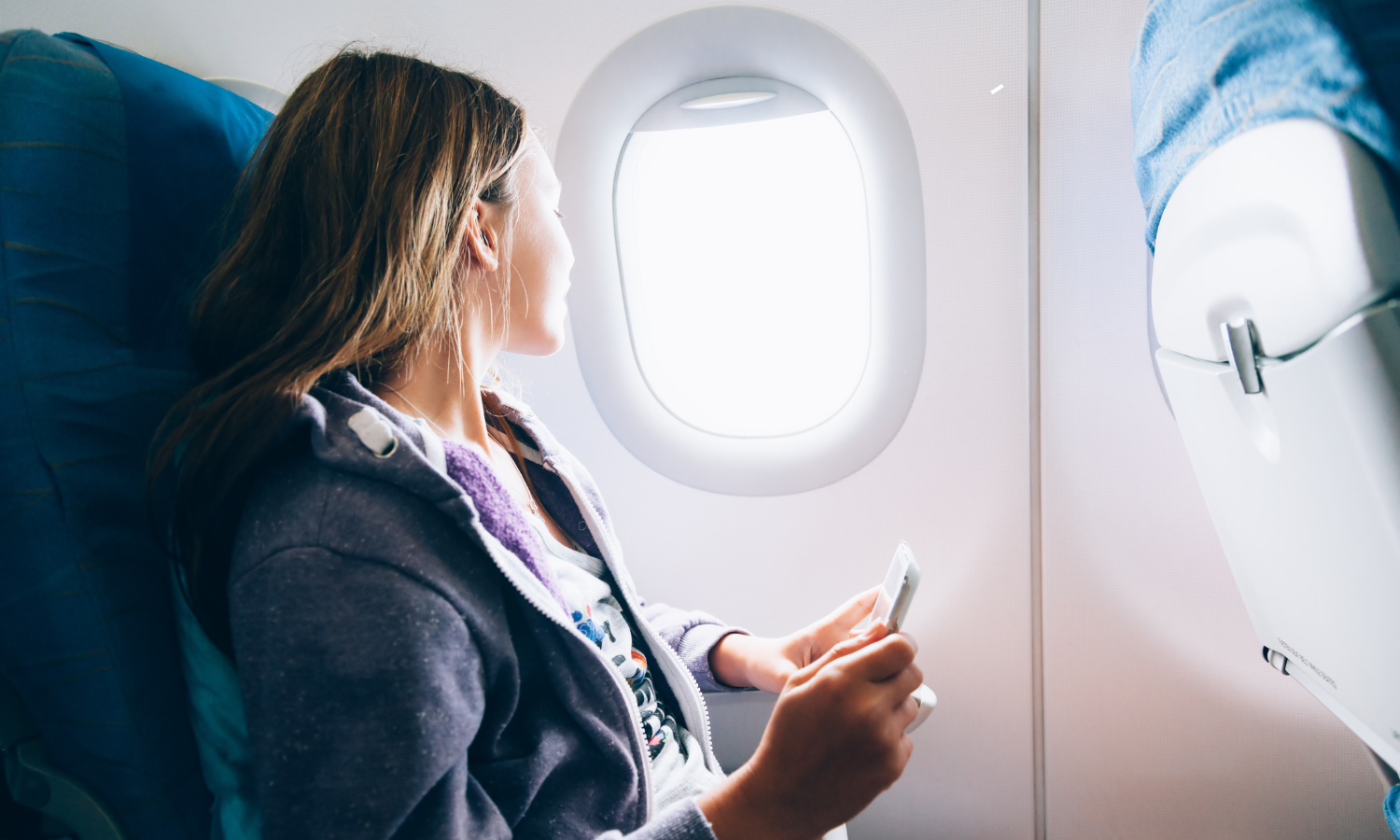
Flying is one of the most consistently challenging environments for eczema-prone skin — not because of anything particularly unusual about aircraft, but because of the specific combination of conditions that occur simultaneously during a flight and are difficult to avoid.
Eczema & Air Travel: Why Flying Often Dries Skin Out
If your eczema feels worse after flying, you’re definitely not imagining it.
Many people with eczema notice:
Increased dryness
Tight, irritated skin
More itching
Flare-ups during or after flights
And one of the biggest reasons is surprisingly simple: airplane cabins are extremely dry.
Most aircraft cabins have humidity levels far lower than normal indoor environments, which may rapidly increase moisture loss from the skin. For eczema-prone skin — where the skin barrier is already compromised — this dryness can quickly become uncomfortable.
Eczema-prone skin often becomes more reactive during flights because the skin barrier loses moisture more easily in dry cabin air.
Why cabin air is so drying: the specific numbers
Aircraft cabins are pressurised to the equivalent of approximately 6,000–8,000 feet altitude. At this pressure, the recirculated air has a relative humidity of typically 10–15% — considerably lower than most indoor environments (40–60%) and lower even than many desert environments (20–30%). For context, the World Health Organization considers below 30% relative humidity a risk factor for respiratory irritation.
At 10–20% humidity, the rate of transepidermal water loss (TEWL) from skin increases significantly. For healthy skin with an intact barrier, this is uncomfortable but manageable. For eczema-prone skin — where filaggrin deficiency and reduced ceramide content already compromise the barrier's water-retention capacity — this TEWL acceleration compounds an already elevated baseline. The skin loses water faster than it would at any normal indoor humidity level, driving the dryness, tightness, and itch increase that many people with eczema experience during and after flights.
This TEWL effect begins within the first 30–60 minutes of a flight and continues throughout, which is why long-haul flights produce disproportionately more skin disruption than short-haul.

The additional factors that compound the cabin environment
Cabin humidity alone explains much of the eczema response to flying, but several additional factors operate simultaneously:
Travel stress and cortisol. Airport queues, security, time pressure, and the anxiety of travel reliably elevate cortisol. As covered in the stress and eczema article, cortisol directly downregulates ceramide synthesis — reducing the barrier lipid that protects against TEWL at precisely the moment when elevated cabin TEWL is already stressing the barrier.
Disrupted sleep on overnight flights. Sleep is when the skin undertakes most of its barrier repair. Disrupted or absent sleep during overnight flights removes this repair window. Jet lag compounds the disruption further over the following days.
Reduced water intake. Many people drink less water on flights than they would normally — through forgetfulness, inconvenience, or reluctance to use aircraft bathrooms frequently. Systemic dehydration compounds the surface TEWL effect.
Synthetic seat fabrics. Aircraft seat fabrics are typically synthetic and retain warmth, increasing sweat production during prolonged sitting — adding the sweat-irritant dimension covered in the summer eczema and exercise articles.
Recycled air quality. Modern aircraft recirculate approximately 50% of cabin air through HEPA filtration alongside fresh air. This reduces microbial load but also concentrates VOCs (volatile organic compounds) from passenger products, synthetic materials, and cleaning agents that can worsen skin reactivity.
A practical routine for flying with eczema
Before the flight:
Apply a generous emollient layer immediately before leaving for the airport — this is the most important single intervention. A thick layer applied 30–60 minutes before entering the cabin provides a buffer before TEWL begins to accelerate. Apply a heavier formulation than normal — ointment rather than cream if possible.
Avoid exfoliating actives (AHAs, salicylic acid, retinoids) the day before and morning of a flight. These increase skin permeability and compound cabin-air TEWL.
During the flight:
Apply emollient every 1–2 hours on long-haul flights — don't wait until skin feels tight. By the time tightness is noticeable, significant barrier disruption has already occurred.
Drink water consistently — one glass per hour is a reasonable target regardless of thirst signals, which are suppressed in dry pressurised environments.
Avoid alcohol and caffeine on flights — both are diuretic and dehydrating, compounding the cabin humidity effect.
Choose cotton or natural fibre clothing — loose, soft, covering as much skin as possible to reduce direct seat fabric contact and retain surface moisture.
Cotton socks rather than bare skin against synthetic carpet or seat footrests.
If seated near the air conditioning outlet, reposition or use clothing to reduce direct dry airflow on skin.
After landing:
Apply emollient within the post-bathing window if showering on arrival. Rehydrate consistently for the first 12–24 hours. Prioritise sleep to restore the overnight barrier repair cycle disrupted during the flight.
Recommended Products
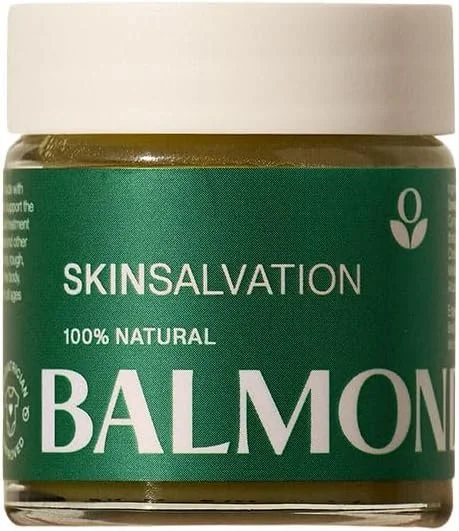
Balmonds Skin Salvation
a beeswax and hemp seed oil balm in a solid format that bypasses the 100ml hand luggage liquid restriction entirely. Solid balms are not classified as liquids and can be carried in hand luggage without restriction — making them the most practical emollient solution for the pre-flight and in-flight application the article recommends. Apply to eczema-prone areas every one to two hours during long-haul flights.
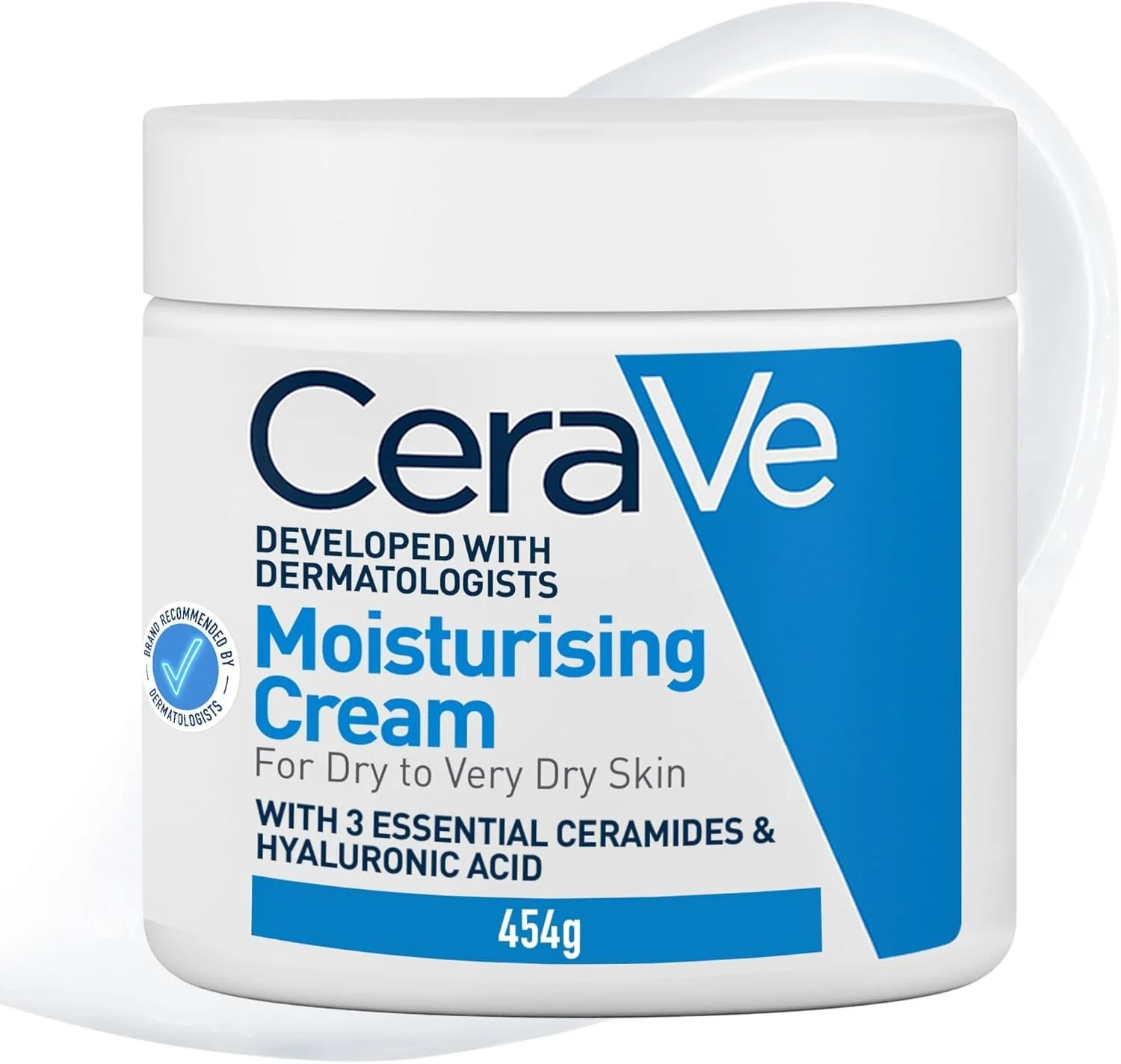
CeraVe Moisturising Cream
a ceramide-containing emollient in a travel-friendly format for checked baggage and destination use. Pack in checked luggage for the full supply the article recommends — the ceramide content directly addresses the barrier lipid deficit that the 10–20% cabin humidity TEWL acceleration depletes.
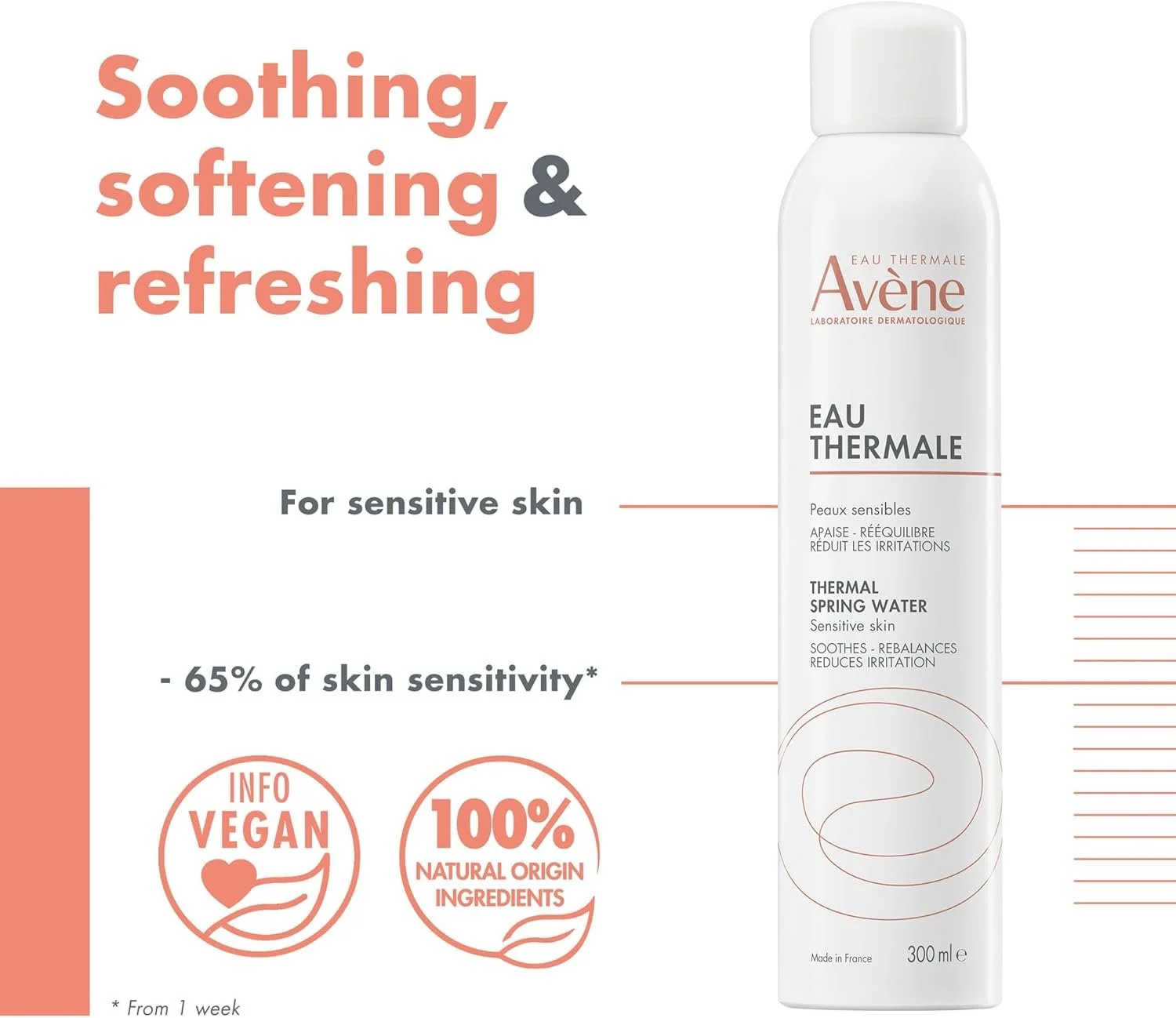
Avène Thermal Spring Water Spray
a single-ingredient thermal spring water facial mist available in 50ml (within the 100ml hand luggage limit) that provides immediate surface hydration to facial eczema-prone skin during flight. The mineral content has mild anti-irritant properties. Apply over the face every one to two hours as a companion to the emollient application routine.
The 100ml rule: the most practical travel eczema problem
The UK's hand luggage liquid restriction — 100ml per container, all in a single 20cm x 20cm transparent bag — is the most practical challenge for people with eczema who rely on large quantities of emollient.
500g of emollient weekly is the clinical guideline for significant eczema — you cannot carry that in hand luggage for a long-haul flight. Options:
Checked luggage for main emollient. Pack full-size emollient containers in checked baggage. Carry a 100ml travel-sized portion for the flight itself.
Solid emollient bars. Solid formulations (beeswax-based emollient bars, solid shea butter) are not subject to the liquid restriction as they're not a liquid or gel. Worth investigating for hand luggage.
Prescribe travel quantities. If eczema is managed through GP prescription, a prescription for travel-quantity tubes of Doublebase or similar may be possible for longer trips.
Airport security declaration. Medically necessary liquids above 100ml can be declared at security — prescribed emollients with a prescription label typically qualify. Allow additional time.
Destination humidity differences
The destination climate matters as much as the flight itself. Arriving in a hot, humid destination after a drying flight often allows skin to recover quickly — the higher ambient humidity reduces TEWL back to normal. Arriving in a dry or cold climate (particularly in winter) compounds the flight's drying effect. Adjust emollient frequency and formulation weight for the destination climate.
Supplement Support for Dry, Sensitive Skin
The nutritional foundations of eczema barrier function — vitamin D, zinc, omega-3s, magnesium — are particularly relevant around travel, when cortisol from stress additionally depletes ceramide synthesis.
Drought's Skin Support Formula provides 14 nutrients including vitamin D, zinc, vitamin C, and magnesium — supporting the internal barrier and immune foundations that cabin air and travel stress specifically challenge. Made in the UK, suitable for vegetarians, designed for consistent long-term daily use.
FAQ
Why does flying make eczema worse?
Through three compounding mechanisms rather than one. Aircraft cabin humidity drops to 10–15% relative humidity during flight — far below the 40–60% comfortable for most skin and the 30–50% of a typical indoor environment. For eczema skin already losing water at approximately double the rate of healthy skin through its compromised tight junction structure, this humidity level accelerates TEWL to a rate that quickly overcomes any barrier support. Simultaneously, travel-related cortisol elevation from airport stress, disrupted routine, and sleep deprivation amplifies Th2 immune activity through the HPA axis — the same pathway that drives all stress-triggered eczema flares. The combination of physical barrier stress and immune amplification makes flying one of the most specifically challenging environments for eczema-prone skin.
Does airplane air dry out the skin?
Yes — and more specifically than most people realise. Aircraft cabin humidity levels typically fall to 10–15% during flight, compared to desert humidity of approximately 25% and normal indoor humidity of 40–60%. The low humidity is produced by the pressurisation system drawing in extremely dry outside air at cruising altitude — outside air at 35,000 feet contains almost no moisture. For eczema skin where the ceramide deficit already compromises moisture retention, 10–15% humidity produces measurable increases in TEWL within the first hour of flight — explaining why eczema-prone skin starts feeling tight and uncomfortable well before landing.
Can flying trigger eczema flare-ups?
Yes — through the humidity-TEWL, cortisol-Th2, and potentially allergen mechanisms simultaneously. Aircraft HEPA filtration removes most particulate allergens from recirculated air — but not all, and the dry cabin air simultaneously increases skin permeability to whatever allergens are present. People with known aeroallergen sensitivities — house dust mite, pet dander from other passengers' clothing — may experience compounded reactions from elevated allergen exposure through a more permeable barrier. The combination of triggers makes post-flight flares common even in people whose eczema is otherwise well-controlled, typically appearing 12–48 hours after landing rather than during the flight itself.
How can I protect eczema-prone skin while flying?
Apply a thick fragrance-free emollient immediately before boarding — not at the airport after security — to create the most complete barrier layer before humidity exposure begins. Reapply every two hours during long-haul flights — most emollients in quantities under 100ml are permitted through security. Avoid alcohol and caffeine on board — both have diuretic effects that compound the cabin dehydration. Wear natural fibre clothing (cotton, bamboo) rather than synthetic fabrics — the synthetic fibre microfibre shedding and heat retention that worsen eczema are amplified by the dry, warm cabin environment. Keep skin covered where practical — exposed skin loses moisture faster than covered skin in low-humidity environments.
What emollients can I take through airport security?
Any emollient in a container of 100ml or less is permitted through UK airport security in a single clear plastic bag (one bag per person, maximum 20cm x 20cm). Most travel-size emollients fall under this limit — Cetraben, CeraVe, Doublebase, and Aveeno all produce travel-friendly formats. A prescription emollient in a quantity exceeding 100ml may be permitted as a medical liquid with a GP letter or prescription documentation — worth checking with your specific airport's security guidelines before travel. Applying a thick layer before security and again immediately after security reduces the gap between applications.
Does dehydration make eczema worse on a flight?
Yes — through two distinct mechanisms. Systemic dehydration reduces the skin's internal water content and reduces the dermal circulation that supports barrier repair and inflammatory resolution. The cabin dehydration combines with any alcohol or caffeine consumption, low water intake during long flights, and the TEWL accelerated by low humidity to produce compounded dehydration that worsens eczema's dryness dimension significantly. Aim for at least 250ml of water per hour of flight — considerably more than most people drink on planes — and avoid alcohol and caffeinated drinks during the flight itself.
What should I do if eczema flares after flying?
Apply emollient immediately on landing — the post-flight skin state is typically the driest point of the journey. Prioritise sleep to allow the overnight barrier repair processes to address the flight-induced TEWL and any cortisol-driven Th2 amplification. Avoid introducing new products, skincare actives, or environmental exposures in the 24–48 hours after flying while the skin is most reactive. If a significant flare develops within 48 hours of landing — new widespread eczema, infected-looking skin, or a flare in areas that weren't previously affected — contact a GP or dermatologist rather than self-managing, particularly if you are also jet-lagged and sleep-deprived which compounds the immune vulnerability.
Summary
Cabin humidity of 10–15% — lower than most desert environments — is the primary driver of eczema worsening during flights, dramatically accelerating TEWL from already-compromised eczema barriers. Travel stress cortisol reduces ceramide synthesis at the same time; sleep disruption removes the overnight barrier repair window; dehydration and synthetic seat fabrics compound the effect. The most impactful practical intervention is generous emollient applied before the flight and reapplied every 1–2 hours during long-haul travel. The 100ml hand luggage restriction requires planning — solid emollient bars, checked luggage for main supply, or security-declared prescribed liquids are the practical options.
Written by the Drought Skin team — specialists in natural support for psoriasis, eczema and acne
Disclaimer: This article contains affiliate links. We earn a very small commission from each purchase made through these links. There is no additional cost to you. All products featured have been specifically selected as products we personally use and love. For further information, please see our disclaimer page.
