
Turmeric for Psoriasis: The Curcumin Mechanism, the Bioavailability Problem & What the Evidence Actually Shows
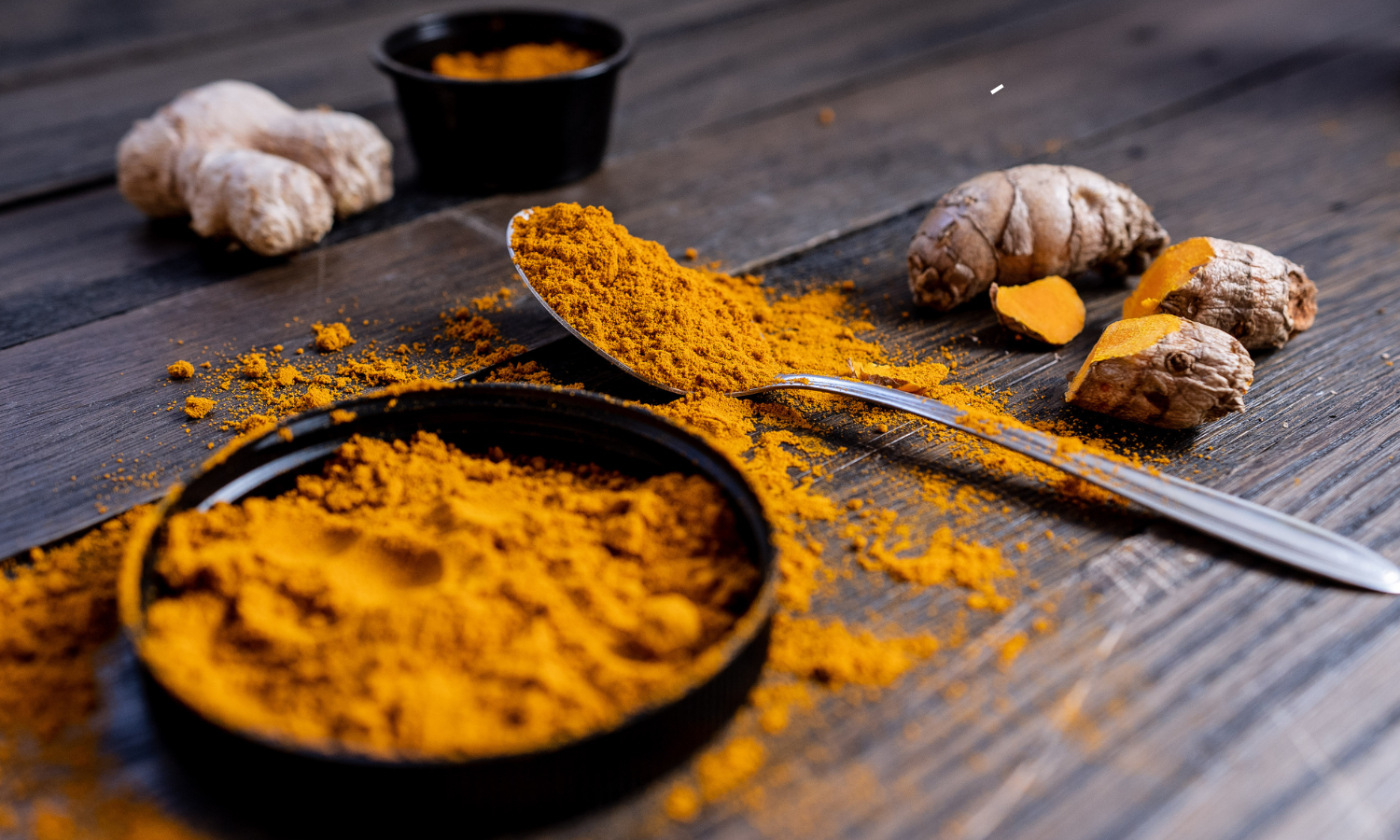
Turmeric is one of the few natural anti-inflammatory ingredients with a specific and clinically relevant mechanism for psoriasis — and one of the most comprehensively wasted by poor bioavailability. Understanding both is what determines whether turmeric supplementation is genuinely useful for psoriasis or an expensive way to produce bright yellow urine.
What Is Curcumin?
Curcumin is the primary active compound found in turmeric.
It has been studied for a variety of potential effects, including:
Anti-inflammatory activity
Antioxidant effects
Immune system interactions
Metabolic health support
Many of the claims surrounding turmeric and psoriasis are actually based on research involving curcumin rather than turmeric itself.
The mechanism: why curcumin is specifically relevant to psoriasis
Psoriasis is driven by Th17 immune activity producing TNF-α, IL-17, and IL-23 — the same cytokines targeted by modern biologic treatments including adalimumab, ustekinumab, and secukinumab. Curcumin, the primary bioactive compound in turmeric, addresses this inflammatory profile through two specific and complementary pathways:
NF-κB inhibition. Nuclear factor kappa-B is the master transcription factor that regulates the production of TNF-α, IL-6, IL-1β, and other pro-inflammatory cytokines directly relevant to psoriatic inflammation. Curcumin inhibits NF-κB activation through multiple mechanisms — suppressing IκB kinase activity that would otherwise phosphorylate and degrade the IκB protein that keeps NF-κB inactive. The result is reduced production of the inflammatory cytokines that drive both skin and joint psoriatic disease.
Direct TNF-α and IL-17 modulation. Beyond NF-κB inhibition, curcumin has documented direct activity against TNF-α and IL-17 — two of the most specifically targeted cytokines in biologic psoriasis treatment. The inhibitory activity operates at lower potency than biological agents but through a genuinely relevant pathway rather than a non-specific anti-inflammatory effect.
This is why turmeric has attracted specific scientific interest for psoriasis rather than simply being another anti-inflammatory herbal ingredient — the mechanistic targets align specifically with what psoriasis biology requires.
What the evidence actually shows
Published evidence for curcumin in psoriasis includes:
A 2012 randomised controlled trial (Antiga et al.) found that oral curcumin supplementation alongside topical steroids reduced PASI scores more significantly than topical steroids alone in moderate plaque psoriasis — with curcumin specifically reducing phosphorylase kinase activity (an enzyme elevated in psoriatic skin) alongside inflammatory marker reduction.
A 2016 pilot study found curcumin gel reduced PASI scores over 16 weeks with minimal side effects in mild-to-moderate psoriasis patients.
Multiple in vitro and animal studies demonstrate curcumin's specific inhibitory activity against the keratinocyte hyperproliferation, Th17 cytokine production, and NF-κB activation central to psoriasis pathology.
The honest summary: the evidence is more promising than generic "natural remedies for psoriasis" content acknowledges, but considerably less definitive than supplement marketing suggests. The existing studies are small, some lack placebo control, and none have been replicated at scale with the methodological rigour required for clinical guideline recommendations. Curcumin with piperine is a coherent adjunctive approach with a specific mechanism — not a psoriasis treatment.
The bioavailability problem
Curcumin's clinical potential is consistently undermined by one fundamental pharmacological limitation: it is extraordinarily poorly absorbed from the gastrointestinal tract.
Standard curcumin from dietary turmeric or conventional supplements undergoes rapid metabolism in the gut wall and liver, producing metabolites with significantly reduced biological activity. Oral bioavailability studies consistently show that only a small fraction of consumed curcumin reaches systemic circulation in active form — meaning that the concentrations required to produce the NF-κB and TNF-α inhibitory effects observed in laboratory studies are essentially unachievable with standard dietary turmeric or conventional curcumin supplements.
Piperine — the most established solution. The black pepper compound piperine inhibits intestinal glucuronidation — the metabolic process that degrades curcumin before absorption. A landmark 1998 pharmacokinetic study found that piperine co-administration increased curcumin bioavailability by approximately 2,000% in humans. This is not a marginal enhancement — it is the difference between achieving therapeutically relevant systemic concentrations and not.
This is why the specific supplement formulation matters considerably for psoriasis: turmeric powder, golden milk, and curry consumption provide negligible bioavailable curcumin regardless of quantity. Only piperine-enhanced or specifically formulated curcumin preparations provide the absorption necessary for the NF-κB and TNF-α effects most relevant to psoriasis.
Recommended Products
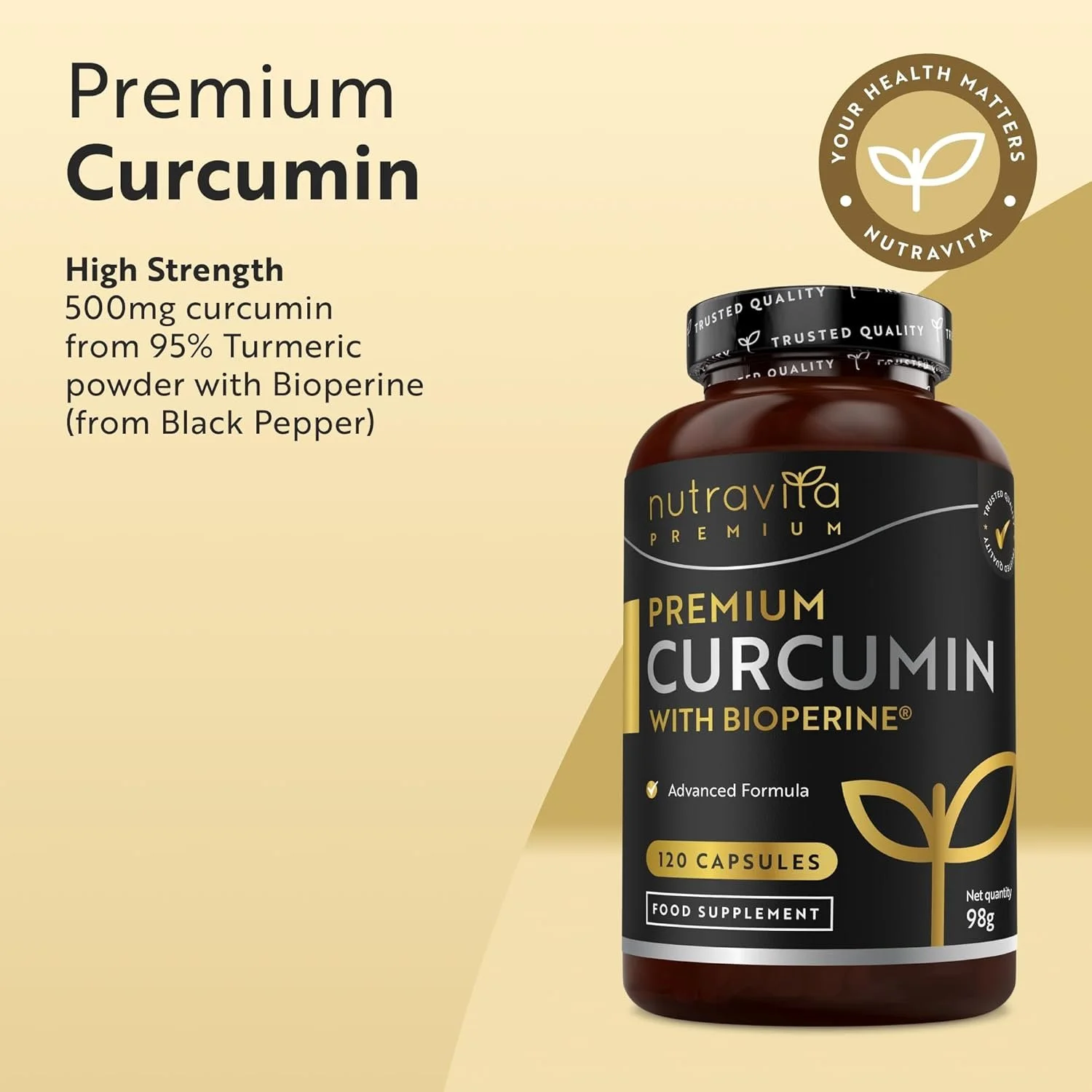
Nutravita Turmeric Curcumin with BioPerine 1500mg
a high-strength turmeric supplement specifically formulated with BioPerine (a standardised piperine extract) to address the bioavailability limitation. The 1500mg dose with 95% curcuminoids alongside BioPerine is the formulation closest to what the positive psoriasis research has used.
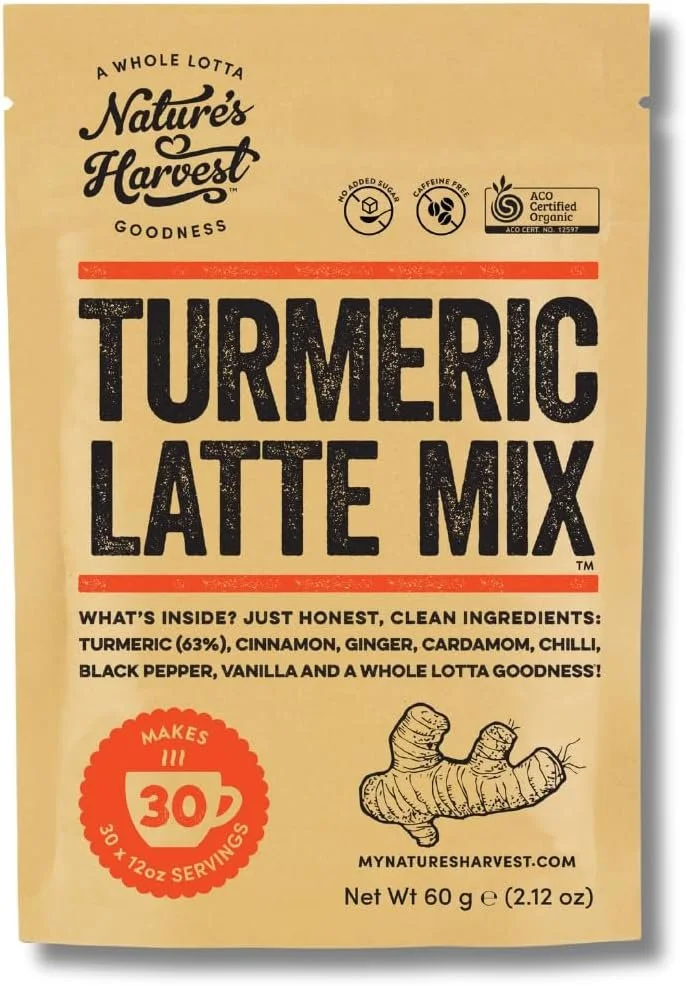
Nature’s Harvest Turmeric Latte
a pre-blended turmeric latte sachet containing turmeric, ginger, and black pepper — providing the piperine co-administration that meaningfully improves curcumin bioavailability from dietary turmeric. A practical daily habit for people wanting the anti-inflammatory benefit of turmeric without supplementation. Add to warm oat or coconut milk for additional fat-enhanced absorption.
Can Eating Turmeric Help Psoriasis?
Turmeric is commonly consumed as:
A cooking spice
Herbal teas
Golden milk drinks
Dietary supplements
While including turmeric in a balanced diet is generally considered safe for most people, the amount of curcumin obtained from food is often much lower than the doses used in research studies.
This means eating turmeric alone may not produce the same effects investigated in clinical trials.
What About Turmeric Supplements?
Many people choose curcumin supplements because curcumin is poorly absorbed by the body on its own.
Supplement formulations often include ingredients designed to improve absorption.
However, it is important to remember:
Supplements vary considerably in quality.
Higher doses are not always better.
Supplements may interact with certain medications.
Professional advice may be appropriate for some individuals.
Turmeric and psoriatic arthritis
The NF-κB and TNF-α inhibitory mechanisms relevant to psoriatic skin are equally relevant to psoriatic joint inflammation — TNF-α is one of the primary drivers of synovial inflammation in PsA and one of the first cytokines targeted by biologic treatment. As covered in the psoriatic arthritis article in this series, curcumin's anti-inflammatory activity at this pathway gives it a specific and coherent rationale for PsA symptoms alongside skin disease — addressing both dimensions through the same biochemical mechanism.
Could Turmeric Be Applied To The Skin?
Topical turmeric preparations appear regularly in natural skincare recommendations for psoriasis. The evidence is limited and the practical limitations are significant — yellow staining is substantial, contact sensitisation risk exists in a subset of users, and turmeric's penetration through psoriatic plaques' thick stratum corneum is unlikely to deliver curcumin to the relevant inflammatory cells beneath. Internal supplementation with piperine-enhanced preparations is a more coherent delivery route for the NF-κB mechanism.
What Are The Limitations Of The Evidence?
One of the biggest challenges is separating enthusiasm from evidence.
Although turmeric is widely promoted online, current research still has limitations.
These include:
Small study sizes
Differences in supplement formulations
Variable dosing
Limited long-term data
This means turmeric should be viewed as a potential area of interest rather than a confirmed solution.
Golden milk: the dietary approach
Golden milk (warm milk with turmeric, black pepper, and fat) has become the most widely recommended dietary turmeric approach. Combining turmeric with black pepper addresses the piperine bioavailability issue directly — and fat enhances curcumin's lipophilic absorption. A well-made golden milk with genuine black pepper (not just decorative) provides meaningfully better curcumin bioavailability than turmeric alone.
The limitation: even with piperine and fat, the curcumin concentrations achievable from dietary golden milk are considerably lower than the doses used in positive psoriasis research. Golden milk is a genuinely anti-inflammatory daily habit — it's not a substitute for a standardised piperine-enhanced supplement if the goal is psoriasis-specific curcumin activity.
Safety considerations
Turmeric at dietary quantities is safe for most people. At supplement doses:
Blood thinning: curcumin has mild antiplatelet activity — relevant for people taking warfarin or antiplatelet medication. GP discussion before supplementing at high doses is appropriate.
Gallbladder: curcumin stimulates bile production — contraindicated for people with gallstones or bile duct obstruction.
Pregnancy: high-dose curcumin is not recommended during pregnancy given its potential uterine-stimulating effects at pharmacological doses.
Drug interactions: curcumin inhibits certain CYP450 enzymes — potential interactions with medications metabolised through these pathways including some immunosuppressants. Relevant for psoriasis patients on methotrexate or cyclosporin — GP or pharmacist discussion is appropriate before combining.
Supplement Support For Skin Health
Curcumin addresses NF-κB and TNF-α at one specific inflammatory dimension of psoriasis — vitamin D's Th17 modulation, zinc's immune regulation and barrier repair, and magnesium's HPA axis stress regulation address complementary internal pathways that curcumin doesn't cover.
Drought's Skin Support Formula provides vitamin D, zinc, vitamin C, magnesium, and 10 other nutrients — addressing the internal nutritional foundations that curcumin supplementation works alongside but cannot establish on its own. Made in the UK, suitable for vegetarians, designed for consistent long-term daily use.
FAQ
Can turmeric cure psoriasis?
No. There is currently no evidence showing that turmeric cures psoriasis.
Does turmeric help psoriasis?
Through curcumin's NF-κB inhibition and TNF-α modulation — a specific and coherent mechanism. Small studies show promising results; evidence is not definitive. Most useful as a piperine-enhanced supplement rather than dietary turmeric.
Why is turmeric linked to psoriasis?
Turmeric contains curcumin, which has been studied for its potential anti-inflammatory effects.
Does curcumin help psoriasis?
By inhibiting NF-κB — the master transcription factor regulating TNF-α, IL-6, and IL-1β production — and directly modulating TNF-α and IL-17, the primary cytokines driving psoriatic inflammation.
Is it safe to take turmeric supplements?
Turmeric supplements are generally well tolerated by many people, but they may interact with certain medications and are not suitable for everyone.
Does piperine really increase turmeric absorption?
Yes — a 1998 pharmacokinetic study found piperine increases curcumin bioavailability by approximately 2,000% through inhibiting intestinal glucuronidation. Non-negotiable for therapeutic supplementation.
Can turmeric help psoriatic arthritis?
The NF-κB and TNF-α mechanisms relevant to psoriatic skin are equally relevant to joint inflammation — curcumin addresses both through the same pathway.
Is turmeric safe to take with psoriasis medication?
At dietary quantities — generally yes. At supplement doses — discuss with GP or pharmacist if taking warfarin, antiplatelet medication, methotrexate, or cyclosporin given curcumin's mild antiplatelet and CYP450 enzyme effects.
Is golden milk as effective as a turmeric supplement?
More effective than turmeric without black pepper — the piperine and fat improve absorption meaningfully. Still considerably lower in bioavailable curcumin than a standardised piperine-enhanced supplement at therapeutic doses.
Can turmeric make psoriasis worse?
Most people tolerate turmeric well, but individual responses vary and some topical products may cause irritation.
Summary
Curcumin's NF-κB inhibition and direct TNF-α and IL-17 modulation give turmeric a specific and genuinely relevant mechanism for psoriasis — targeting the same cytokine pathways as biologic treatments at considerably lower potency. Bioavailability is the critical limiting factor: standard dietary turmeric provides negligible active curcumin; piperine co-administration increases bioavailability by approximately 2,000% and is non-negotiable for therapeutic intent. The existing evidence base is promising but small and methodologically limited — curcumin with piperine is a coherent adjunctive approach with a specific mechanism, not a psoriasis treatment. Drug interactions with anticoagulants and immunosuppressants require GP or pharmacist discussion before high-dose supplementation.
In Short
Turmeric contains curcumin, a compound with anti-inflammatory properties.
Some early studies suggest curcumin may influence inflammatory pathways involved in psoriasis.
Evidence remains limited, and turmeric should not be viewed as a psoriasis cure.
Research into turmeric supplements is ongoing.
More high-quality studies are needed before firm conclusions can be made.
Curcumin inhibits NF-κB and TNF-α — vitamin D and zinc address the Th17 immune baseline and nutritional deficiencies that determine how active those pathways are in the first place. Drought's Skin Support Formula provides both alongside 12 other nutrients, addressing the internal foundations that curcumin's anti-inflammatory activity works within. Made in the UK, suitable for vegetarians, designed for consistent long-term daily use.
Start your skin support journey →
Written by the Drought Skin team — specialists in natural support for psoriasis, eczema and acne
Disclaimer: This article contains affiliate links. We earn a very small commission from each purchase made through these links. There is no additional cost to you. All products featured have been specifically selected as products we personally use and love. For further information, please see our disclaimer page.
